Dr. Aparna Santhanam, Kaya Clinic… on Meta Cell Technology
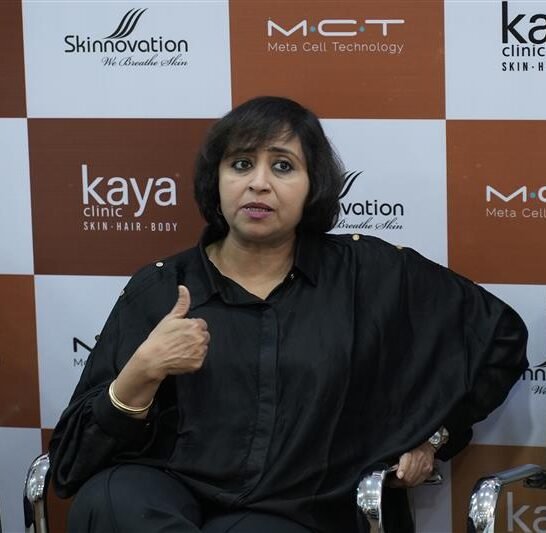
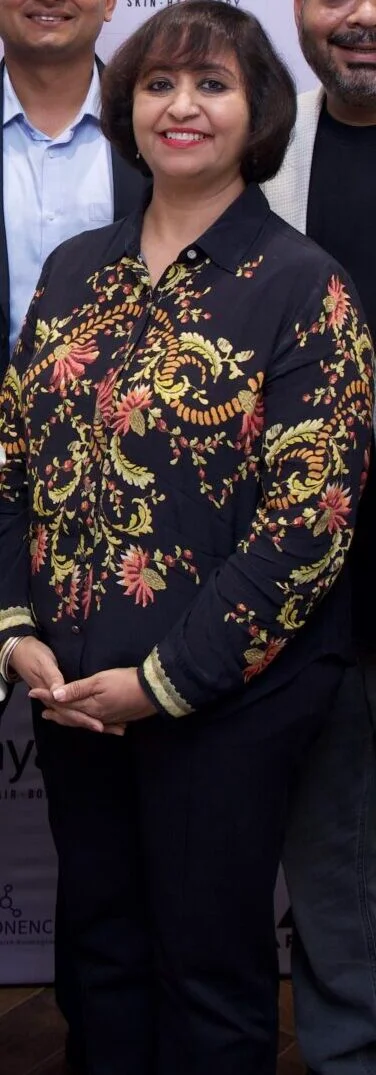
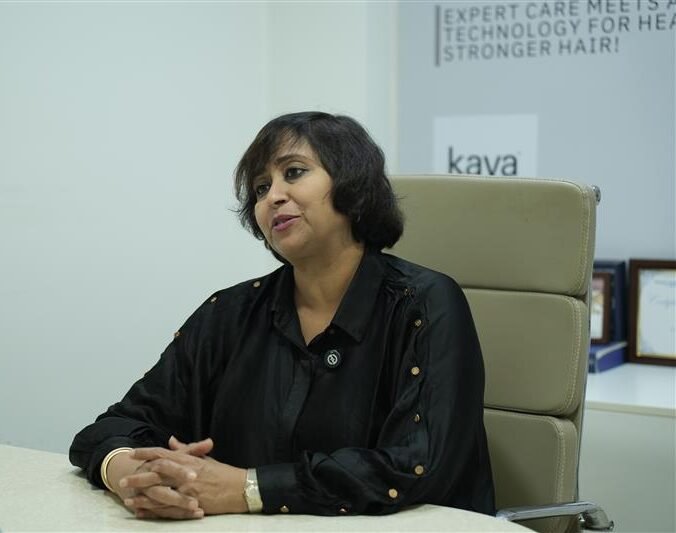
When you think of modern dermatology’s most trusted voices, Dr. Aparna Santhanam instantly stands out. As the Head Medical Dermatologist and Vice President at Kaya Clinic, she effortlessly bridges the realms of cutting-edge science and personalised patient care. A true pioneer in skin and hair health, she’s known for her visionary approach, clinical excellence, and a passion for evidence-backed innovation.
Having had the pleasure of meeting her not once, but twice at exclusive Kaya events, I can personally vouch for not only her depth of expertise but also her warm, approachable presence, a rare combination in the fast-evolving world of aesthetic medicine.
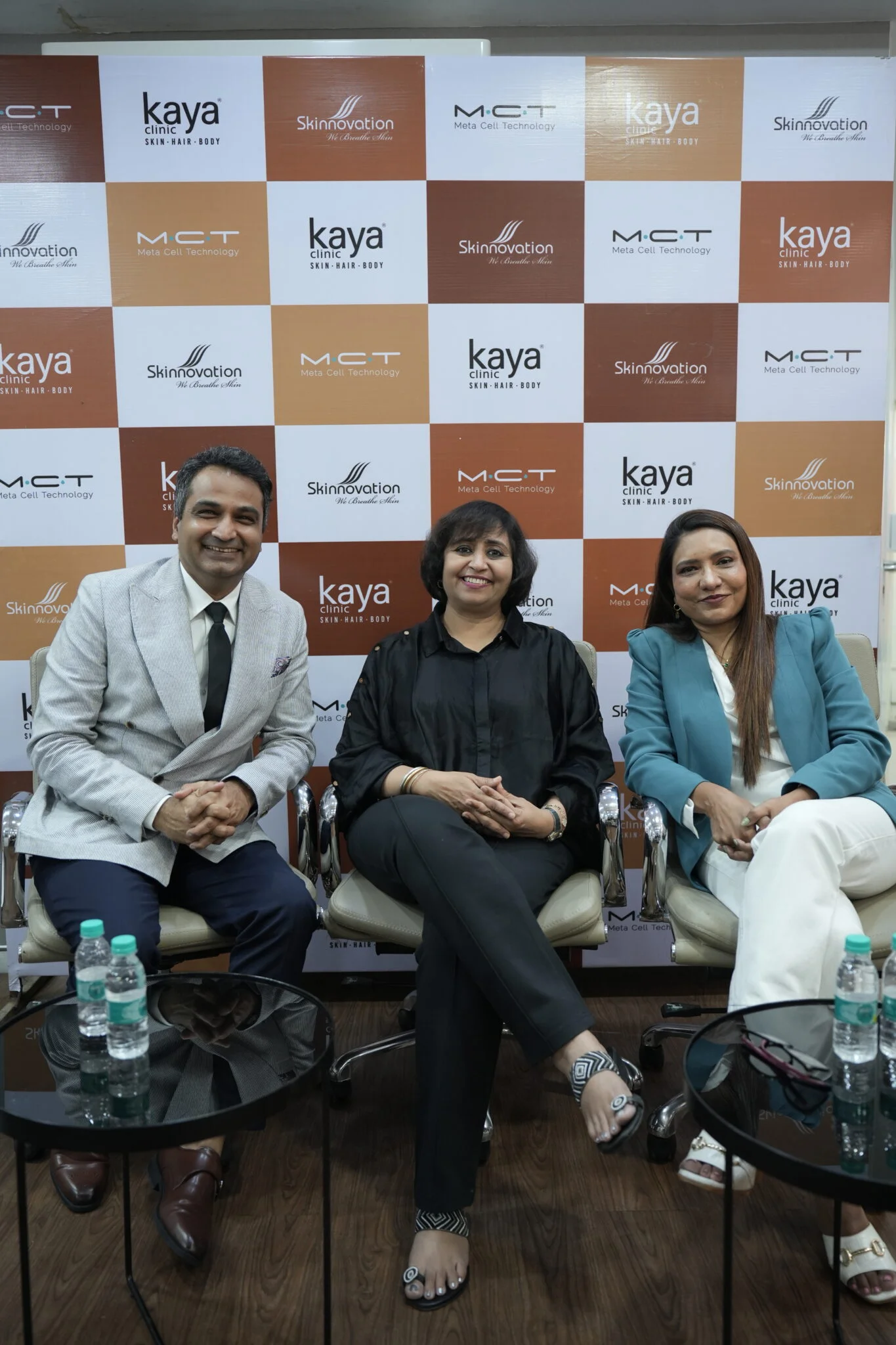
In this exclusive conversation with Sumita Chakraborty, Editor-in-chief, TheGlitz, Dr. Aparna Santhanam dives deep into the science and promise of Meta Cell Technology (MCT), a game-changing advancement that’s redefining the future of regenerative dermatology in India.
Over To Dr. Aparna Santhanam, Head Medical Dermatologist and Vice President at Kaya Clinic on Meta Cell Technology
As a veteran dermatologist, what excites you most about Meta Cell Technology and its potential for skin and hair health?
What excites me most about Meta Cell Technology is its ability to harness cutting-edge cellular science in a clinically effective yet non-invasive way. It represents a new era in regenerative aesthetics, where we’re not just treating symptoms, but actually supporting cellular repair and rejuvenation. Its applications in both skin and hair health are up-and-coming, especially in addressing concerns such as early aging, hair thinning, and texture irregularities.
You mentioned that MCT offers ‘personalised, safe, and evidence-based’ results. How is personalisation achieved in clinical practice using MCT?
At Kaya, personalisation begins with a thorough consultation, supported by diagnostic tools to understand each patient’s unique skin or scalp condition. MCT allows us to tailor the concentration and delivery method depending on the concern, whether it’s pigmentation, texture, or hair density. This precision ensures every treatment is aligned with the individual’s biology and aesthetic goals.
For patients who have tried PRP in the past, how does MCT compare in terms of comfort, efficacy, and downtime?
While PRP has been a widely accepted treatment, MCT is a super PRP with 3x efficacy that offers an advanced evolution. It is more comfortable due to its refined application method, and efficacy is enhanced with its higher concentration of signaling molecules that stimulate repair. Most importantly, MCT typically has reduced downtime, making it suitable for today’s busy, appearance-conscious clientele.
What kinds of skin or scalp conditions are responding best to this treatment so far, and who is the ideal candidate?
We’re seeing excellent responses in cases of early aging, dullness, mild pigmentation, and early-stage hair thinning or scalp fatigue. The ideal candidate is someone looking for preventive care or early intervention, typically in their late 20s to 40s, but we’ve also seen safe outcomes in older patients with realistic expectations.
How are Kaya’s clinics integrating MCT into their broader treatment offerings? Are there plans to bundle it with other aesthetic procedures?
Yes, MCT is being positioned as a core component of Kaya’s science-led treatment protocols. It complements many of our existing offerings like laser toning, HIFU, and mesotherapy. We’re also curating combination packages where MCT amplifies the results of energy-based devices or injectable skin boosters, offering synergistic, longer-lasting outcomes.
In your opinion, how is MCT reshaping patient expectations of non-surgical aesthetic treatments in India?
MCT is helping patients shift from quick fixes to regenerative, sustained outcomes. They are now expecting evidence-backed results with minimal invasiveness and downtime. This evolution is creating more informed and committed skincare journeys, which is exactly what we, as dermatologists, hope for.
As someone closely involved with MCT treatments, what are you seeing in terms of real-time results and patient feedback?
The feedback has been very encouraging. Patients report an immediate sense of hydration and improved skin texture, with progressive visible improvements in tone, elasticity, and hair strength over sessions. What’s striking is the consistency of these results across various concerns and skin types.
Many patients worry about pain and recovery time — how does MCT address those concerns compared to older technologies?
MCT is far more patient-friendly. The procedure is relatively painless, often requiring minimal numbing. Because it’s a non-thermal, non-abrasive treatment, there’s minimal redness or downtime, usually just a day of mild sensitivity. This makes it an ideal choice for professionals or individuals who can’t afford visible post-treatment effects.
Exosome therapy is still relatively new in India. What steps are taken to educate and build trust with patients about the treatment?
Education is key. We begin with a thorough consultation, supported by visuals and scientific literature. Our teams also conduct regular webinars and in-clinic awareness programs to simplify the science behind MCT. Transparency about the ingredients, safety standards, and expected outcomes has been central to building patient confidence.
How safe is MCT for patients with sensitive skin, or those prone to allergic reactions?
MCT is inherently biocompatible and free from foreign proteins or irritants. At Kaya, we always conduct a detailed skin history and patch test when needed. So far, we’ve seen excellent tolerance even in sensitive skin types, and we continue to monitor and adapt protocols to prioritize safety at every step.