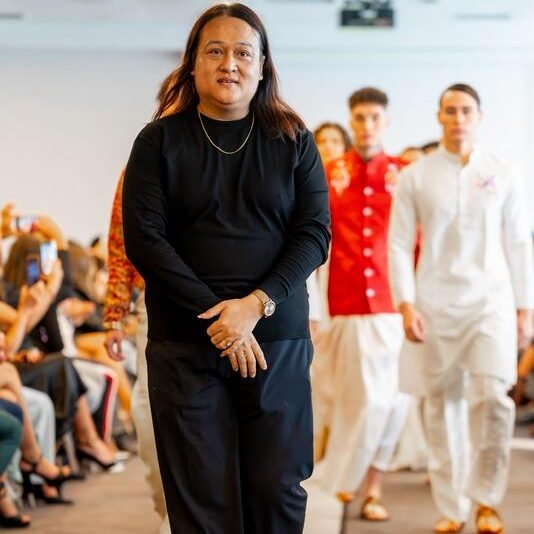
Robert Naorem at Milan Fashion Week
Milan Fashion Week has seen India before. However, this time, it is Manipur that is making the fashion statement. Manipur Designer Robert Naorem didn’t just take Manipur to Milan to make it look global; he introduced Milan to the greatness of Manipur fashion. And how!
By Sumita Chakraborty | Founder & Editor-in-Chief, TheGlitz
Mind you, this is not another “India Goes Global” story. There is something almost deliciously subversive about Manipur arriving in Milan dressed in its own textiles. Not India-by-numbers. Not the predictable parade of brocade, embroidery and Bollywood glamour. Not heritage packaged into something comfortably exotic for a Western audience.
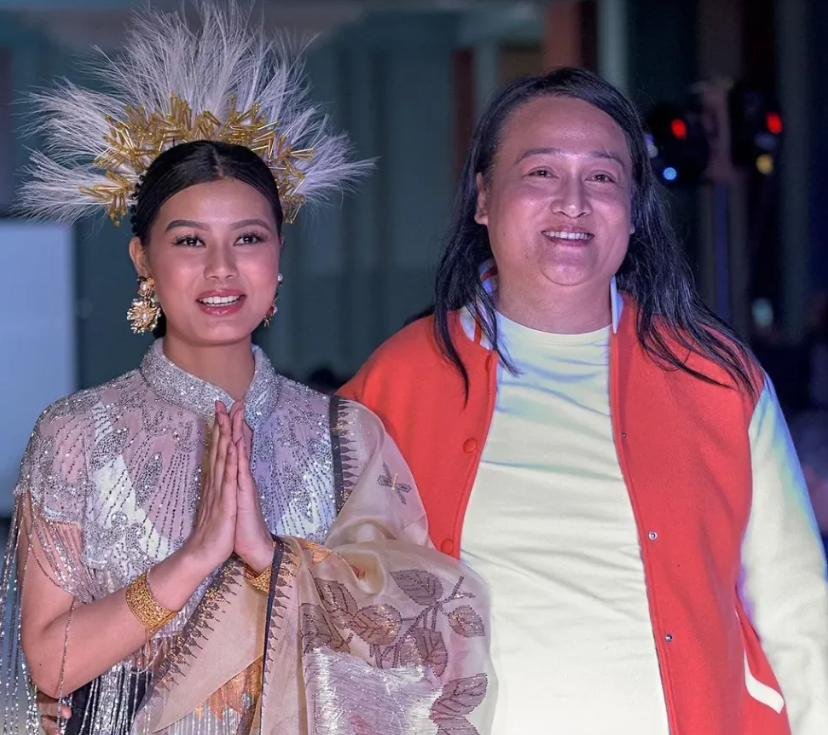
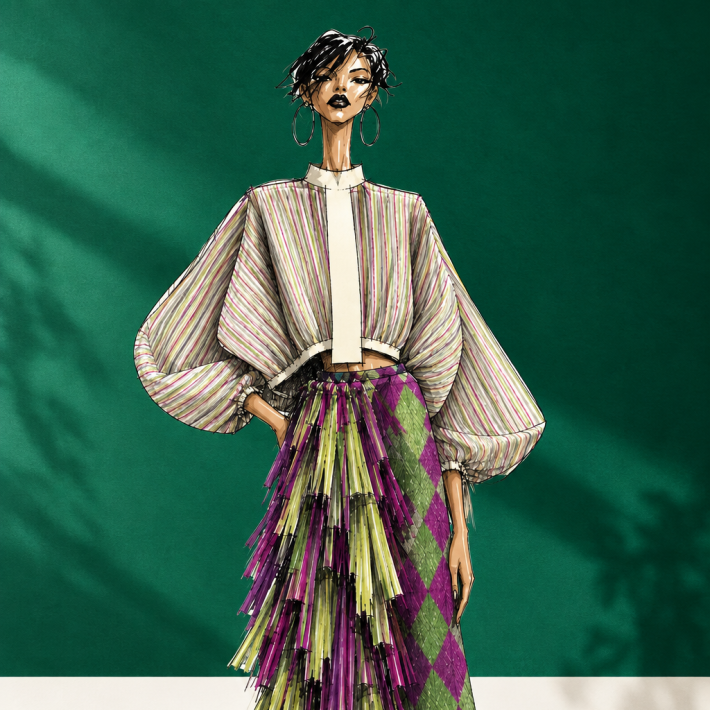
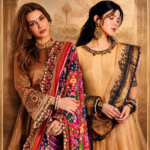
On September 20, 2026, Manipur designer Robert Naorem opened an international fashion event at Milan’s Meliá Milano Hotel, with 22 models wearing his contemporary creations made with textiles produced in Manipur. The show, featuring designers from several countries, also marked ten years of the Robert Naorem label.
But the headline isn’t really “Manipuri designer showcases at Milan.” It is this: What happens when a textile tradition stops asking to be preserved and starts demanding to be worn?
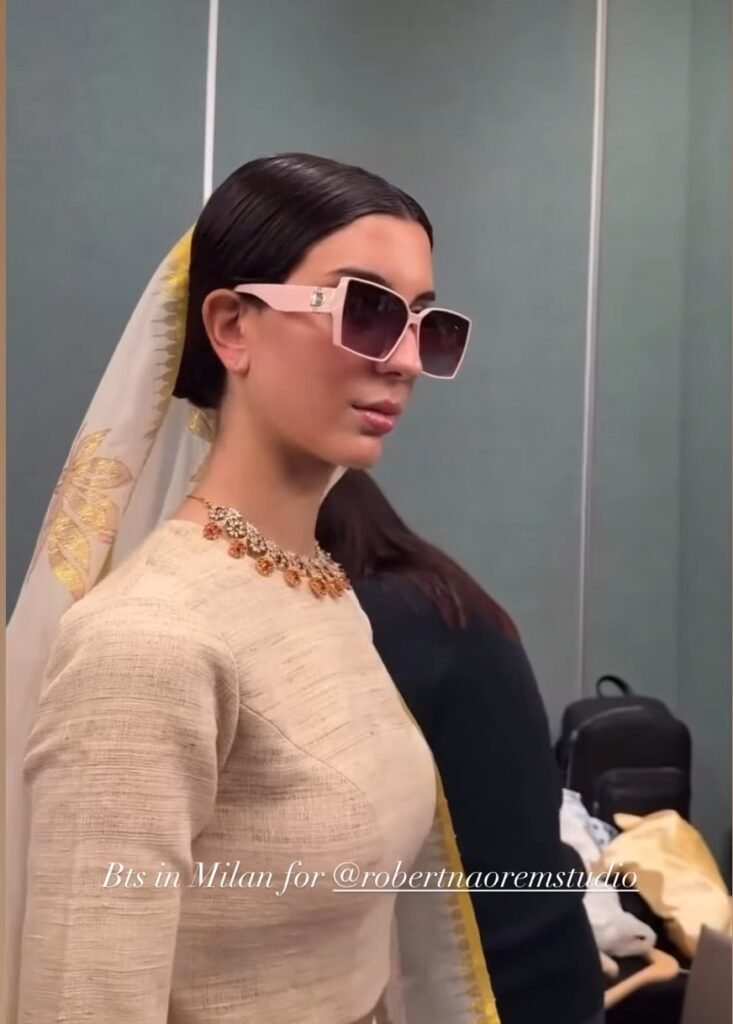
The runway is the point — but not the whole point
Manipur Designer Robert Naorem has been making this argument for years. His relationship with Milan isn’t new. In 2017, he presented Manipuri handlooms including Enaphi and Phanek, alongside elements drawn from Naga and Kuki textiles. In 2019, his Ema collection appeared at International Fashion Week Milan, a presentation he described as a tribute to his late mother and to Manipur.
That history matters because this isn’t a designer suddenly discovering that “regional craft” makes excellent international content. Robert Naorem has been steadily attempting to move Manipuri textiles from the category of cultural artefact into contemporary fashion. And frankly, that is the harder job.
A handloom can be photographed beautifully. It can be displayed behind glass. It can be applauded at a craft exhibition. Making someone want to wear it is another matter entirely.
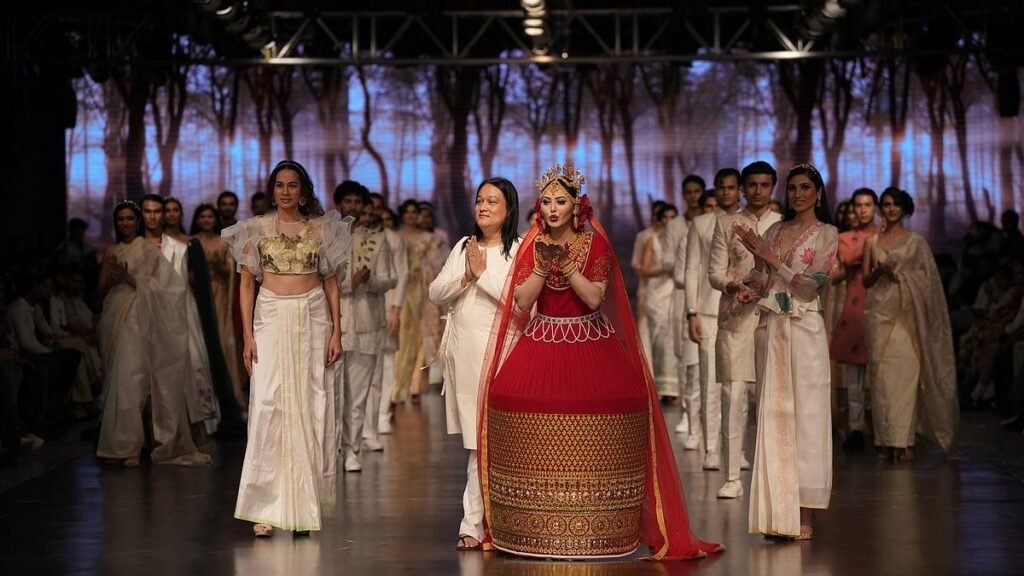
The danger of the “exotic India” edit
Global fashion has a long history of falling in love with India… selectively. It loves the embroidery, the colour, the handwork, the mythology. It loves the romance of the artisan. But there is always a danger that an extraordinary textile becomes reduced to visual shorthand: Look, India!
That is where Naorem’s Milan appearance becomes more interesting. The latest collection reportedly brings traditional Manipuri textiles into contemporary silhouettes conceived by Robert Naorem. That distinction is crucial.
Heritage survives when it evolves. A textile tradition that can only exist in its original silhouette risks becoming archival. One that can move into jackets, gowns, separates and modern tailoring acquires another life.
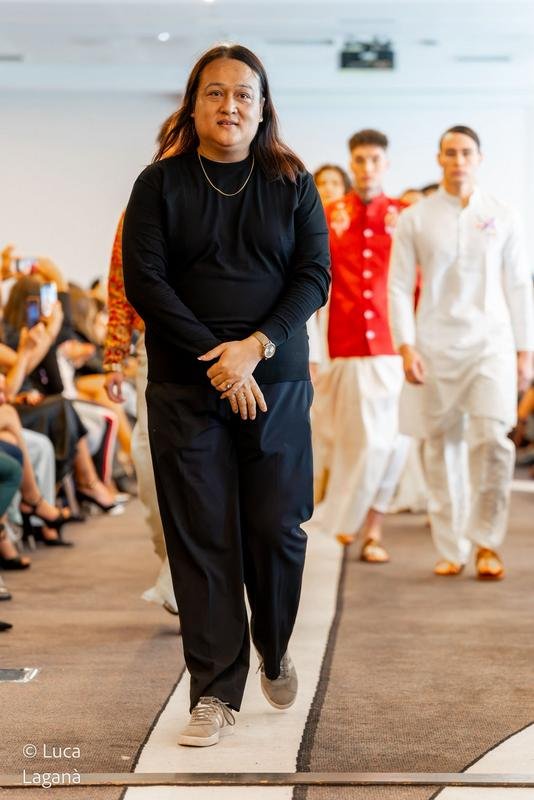
From Manipur to Milan… without losing the essence of Manipur
Milan is one of fashion’s established capitals. Manipur is a place whose textile vocabulary is deeply rooted in its own cultural history. Putting the two together shouldn’t mean making Manipur look “Milanese.” Quite the opposite.
The challenge and perhaps Naorem’s most interesting contribution is to make Milan look at Manipur and understand that contemporary fashion does not have to speak in one accent.
For Indian fashion, that is an important distinction as the future of Indian luxury may not lie in making Indian craft look more Western.
It may lie in making the world more curious about the many Indias that already exist.
TheGlitz Take
Robert Naorem’s Milan moment deserves attention not simply because a Manipuri designer has reached an international runway. It matters because a textile can travel without its identity being left behind at the airport.
The real luxury today isn’t another global runway filled with the same international vocabulary. It is specificity. And if Manipur’s textiles can enter Milan while still sounding unmistakably like Manipur, that is far more interesting than simply being called global.