Asha Gautam: Where heritage meets haute couture
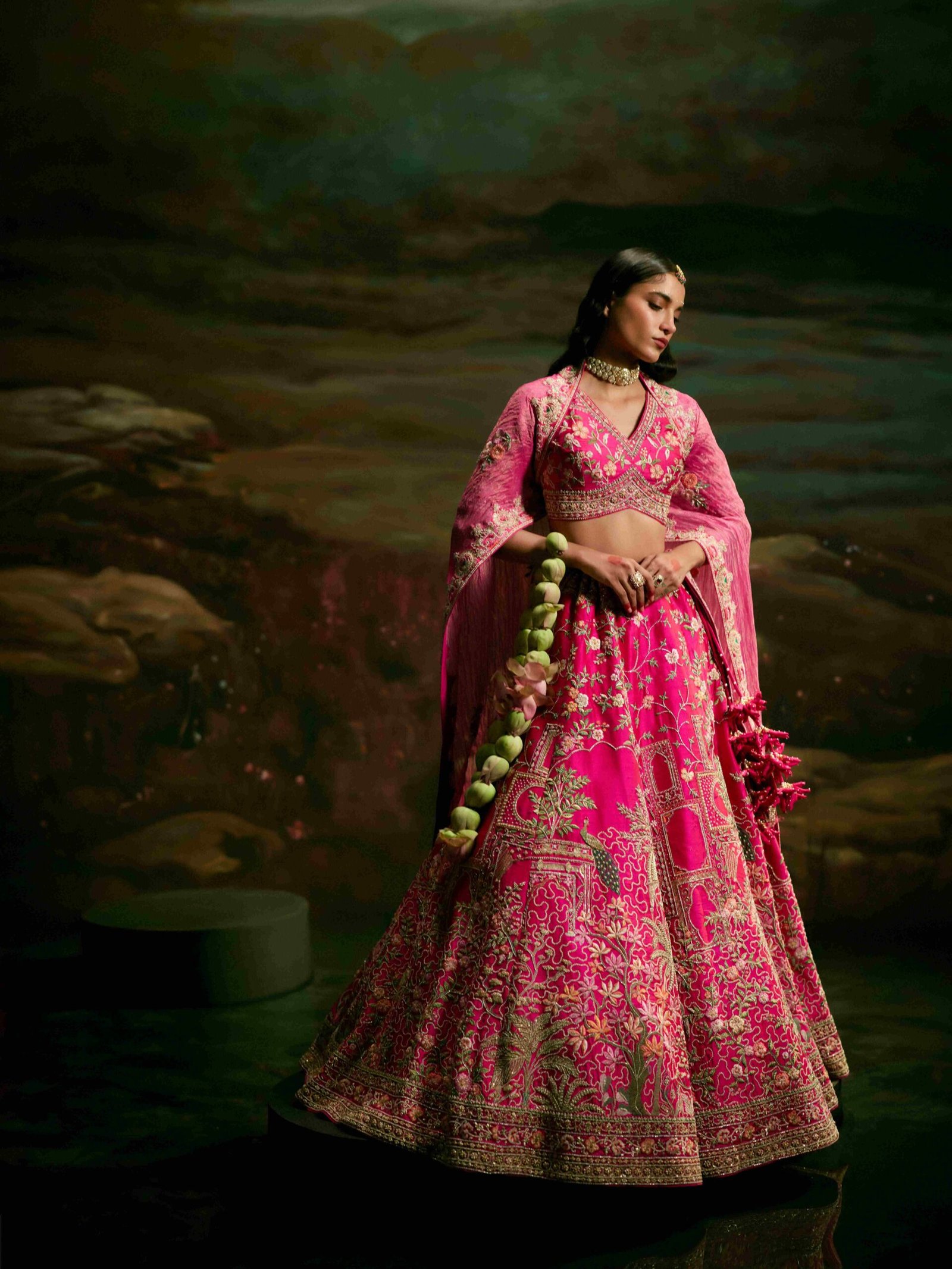
Twenty-six years ago, when Asha Gupta founded Asha Gautam with nothing but passion for India’s dying textile traditions, few could have predicted the revolution she would spark in luxury bridal wear. Today, her label stands as a testament to how heritage and innovation can work magic together in perfect harmony. Joined by her NIFT-trained son Gautam in 2003, the mother-son duo has transformed ancient crafts like Banarasi weaving, appliquework, and knot embroidery into contemporary masterpieces that speak to modern brides while honouring ancestral artistry.
Working across seven states and over thirty traditional crafts, Asha Gautam has become synonymous with ethical luxury and sustainability, most notably through initiatives like Kadam. In a thought-provoking tête-à-tête with TheGlitz.Media co-founder Rajeev Mokashi, the visionary designer and her son revealed Asha’s unwavering commitment to empowering artisans and preserving India’s rich textile heritage—making them true beacons of inspiration for the next generation of designers.
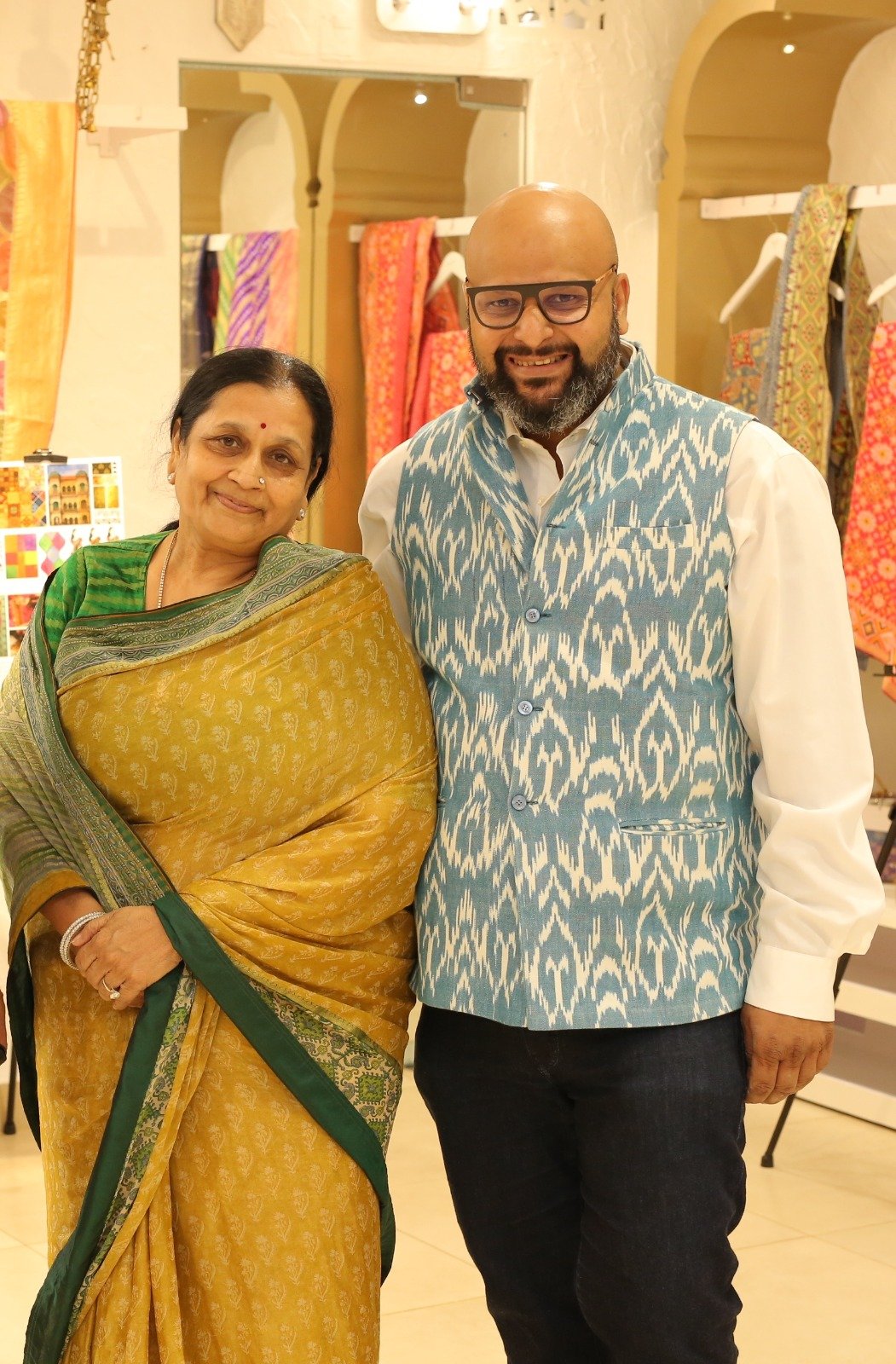
Rajeev Mokashi: Ashaji, what was that very first, exquisite textile dream that beckoned you to unveil Asha Gautam to the world?
Asha Gupta: I was always surrounded by women draped in the grace of handcrafted sarees—my grandmother, my aunts—each of them carried tradition so effortlessly. As a young girl, I admired them deeply, and I started wearing sarees early in life myself. The weaves, the textures, the stories woven into every thread—they became a part of my identity long before I realized it.
Traditional handicraft sarees felt like home, like memory stitched into fabric. So, when the time came, it felt natural—almost inevitable—to translate that lifelong love into a brand. Asha Gautam was born not from ambition alone, but from affection for all those quiet textile moments that shaped me.
You work with artisans across seven states and thirty crafts. Which one feels like the heart of everything you create?
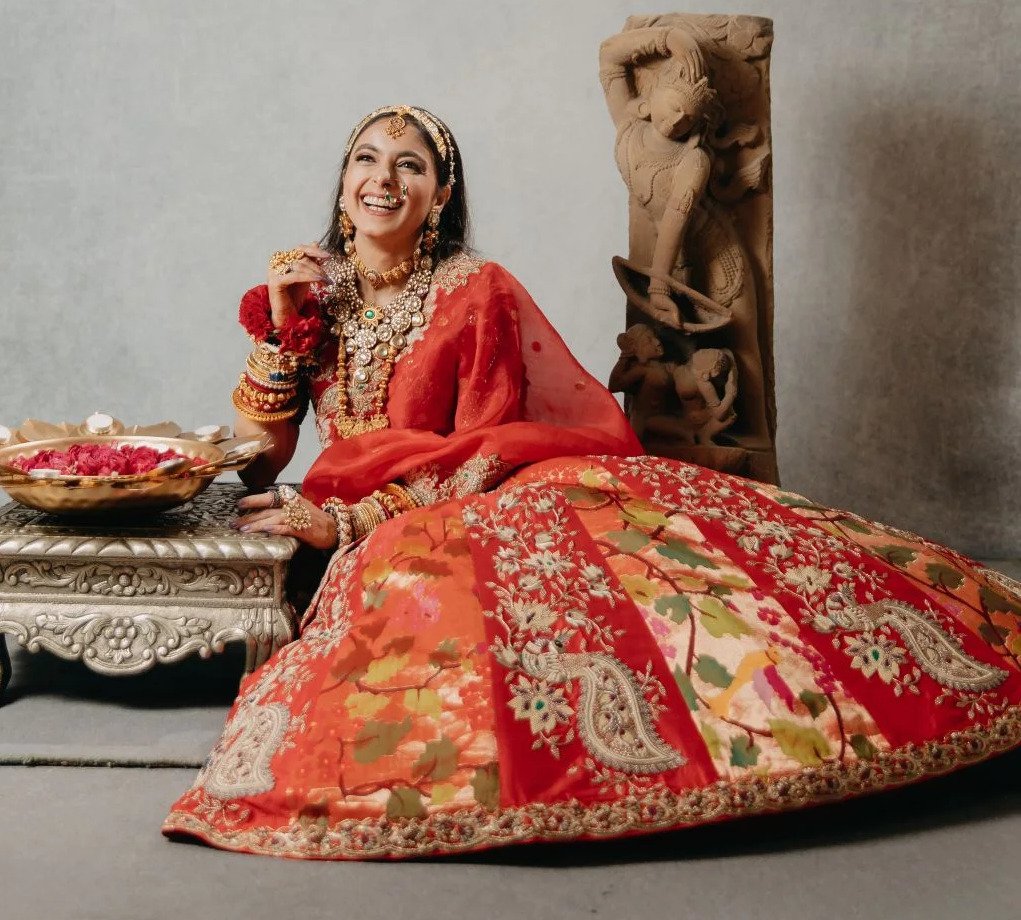
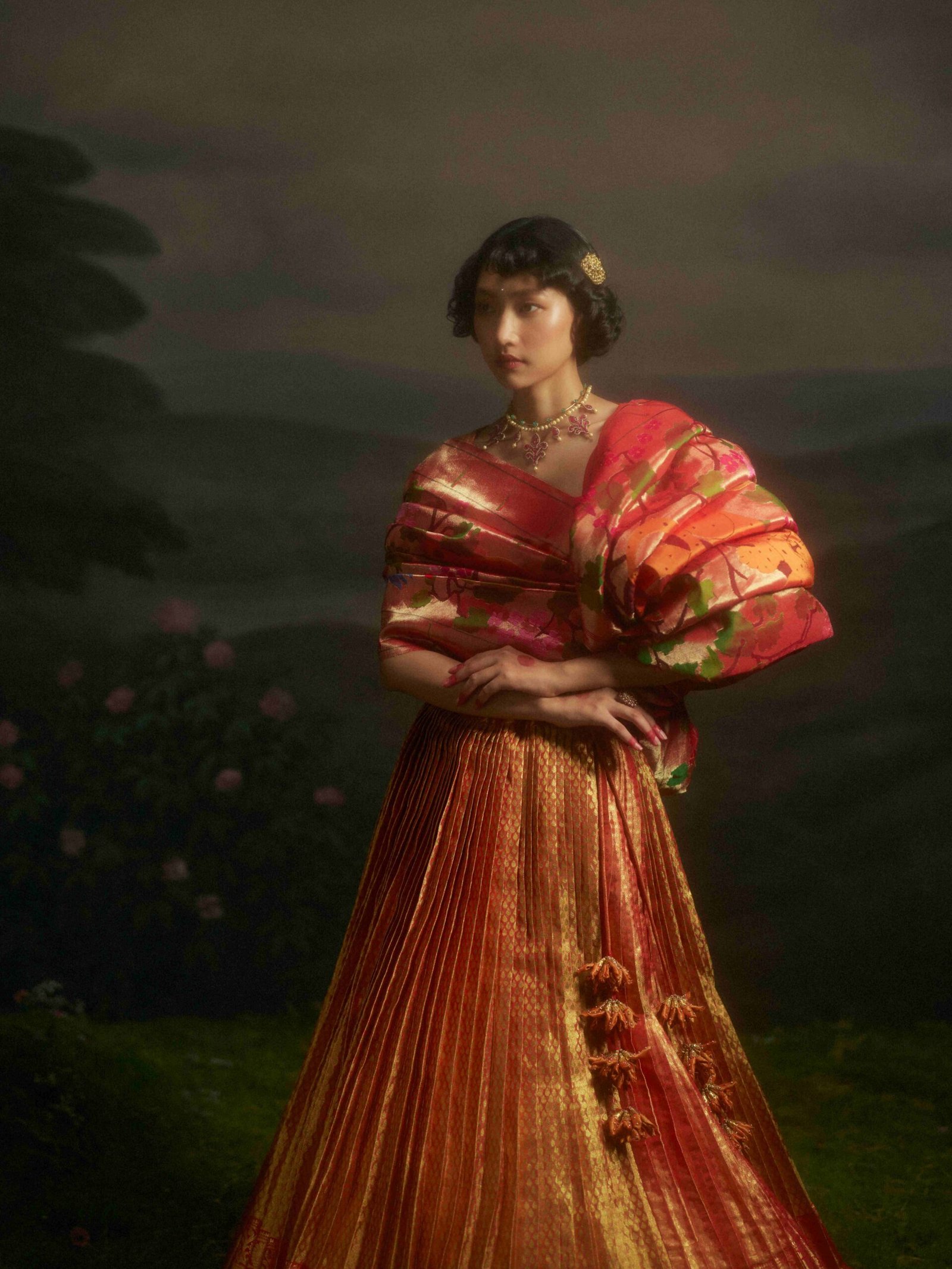
Though I don’t like to choose—because each craft holds its own magic—Paithani has always held a special place in my heart. Growing up in Akola, Maharashtra, I was surrounded by Paithani sarees. They were everywhere—part of celebrations, rituals, even everyday grace—and they quietly shaped my visual world.
Later, with Asha Gautam, I had the chance to revisit that love, not just as nostalgia, but through design. Along with my son, we introduced design interventions in Paithani—adding elements inspired by nature, landscapes, even dreamlike compositions—treating it like a tapestry, a canvas of imagination. It became not just a tribute to my roots but also an identity marker for our brand. That said, every craft we work with feels like home to me. Each one carries a story worth telling.
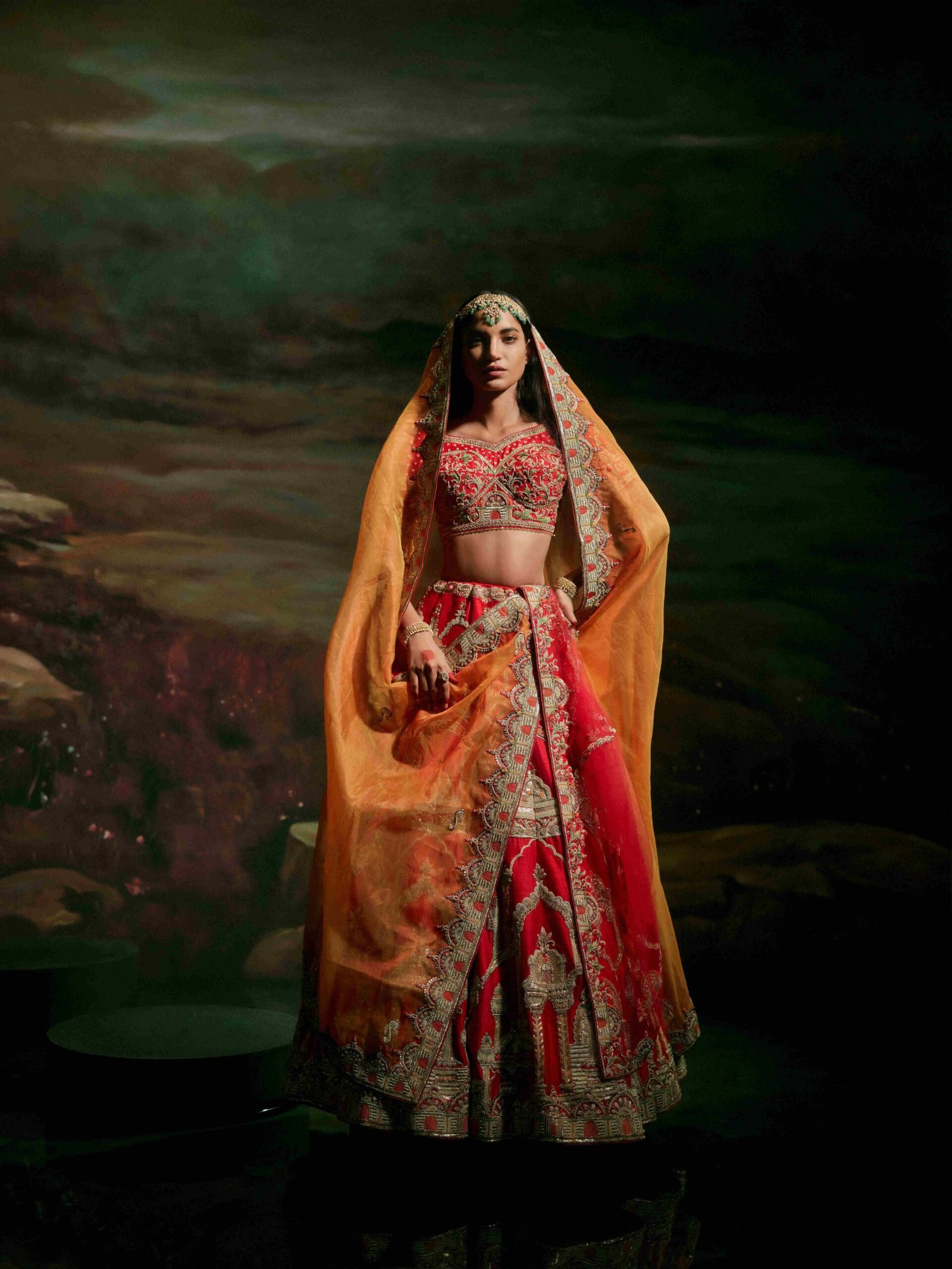
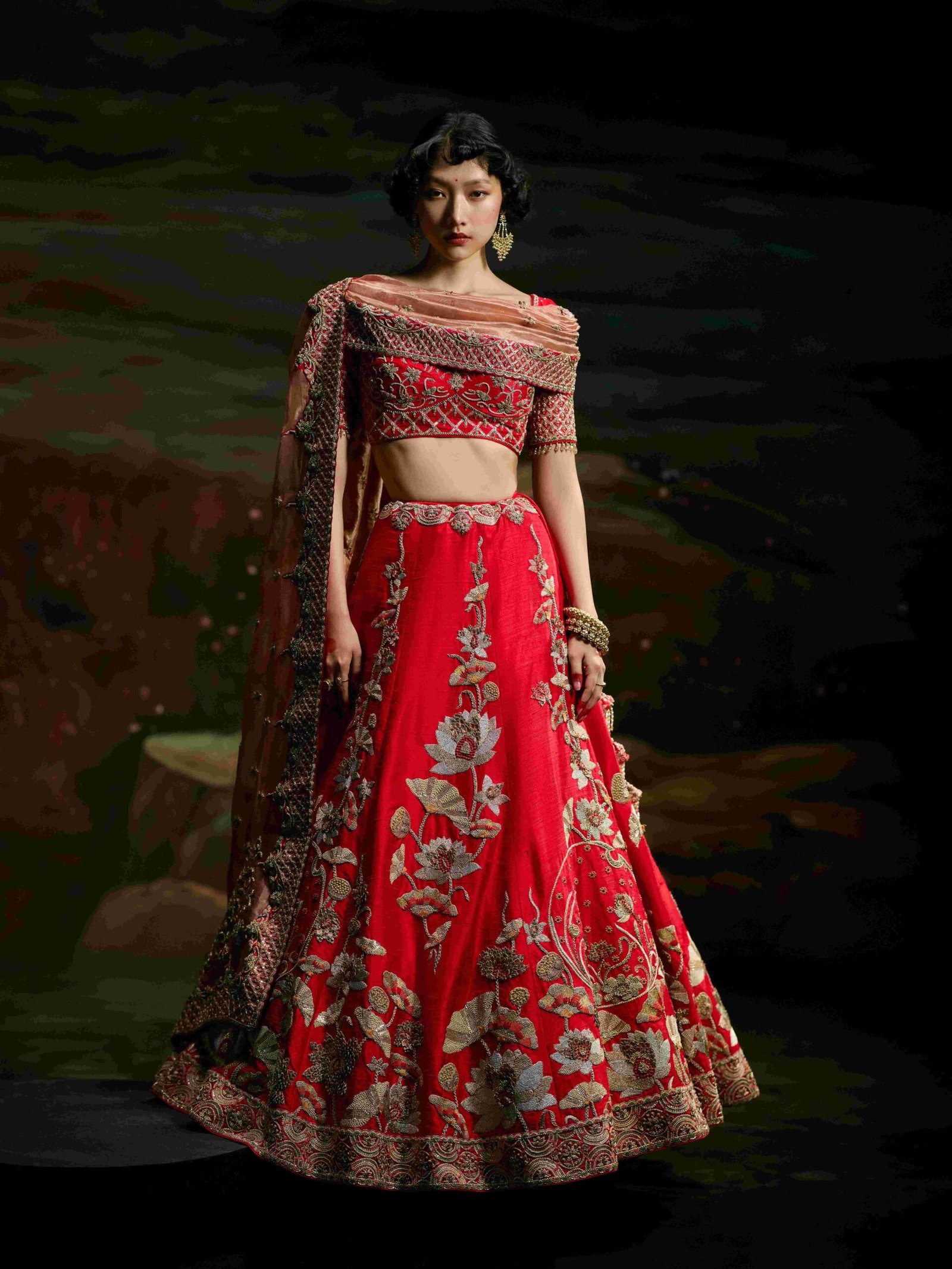
When a woman slips into an Asha Gautam creation, what whispered enchantment do you hope blossoms within her, transcending the garment itself?
I want her to feel anchored—rooted in something vast and beautiful. More than the zari or the motifs, I hope she feels seen. That there is pride in tradition, power in elegance, and joy in wearing something that has traveled through hands, history, and heart to meet her.
Gautam, when talking about creative partnerships, how do you navigate the delicate balance between honouring her legacy and carving your own artistic signature?
It’s a responsibility I carry with pride. My mother built Asha Gautam on integrity and a deep love for Indian textiles—that foundation continues to guide us. At the same time, I bring in a more contemporary perspective through new silhouettes, materials, and ideas that speak to today’s audience.
To me, it’s not about choosing between legacy and innovation—it’s about letting them coexist. That ongoing dialogue between tradition and evolution is what keeps the brand alive and relevant.
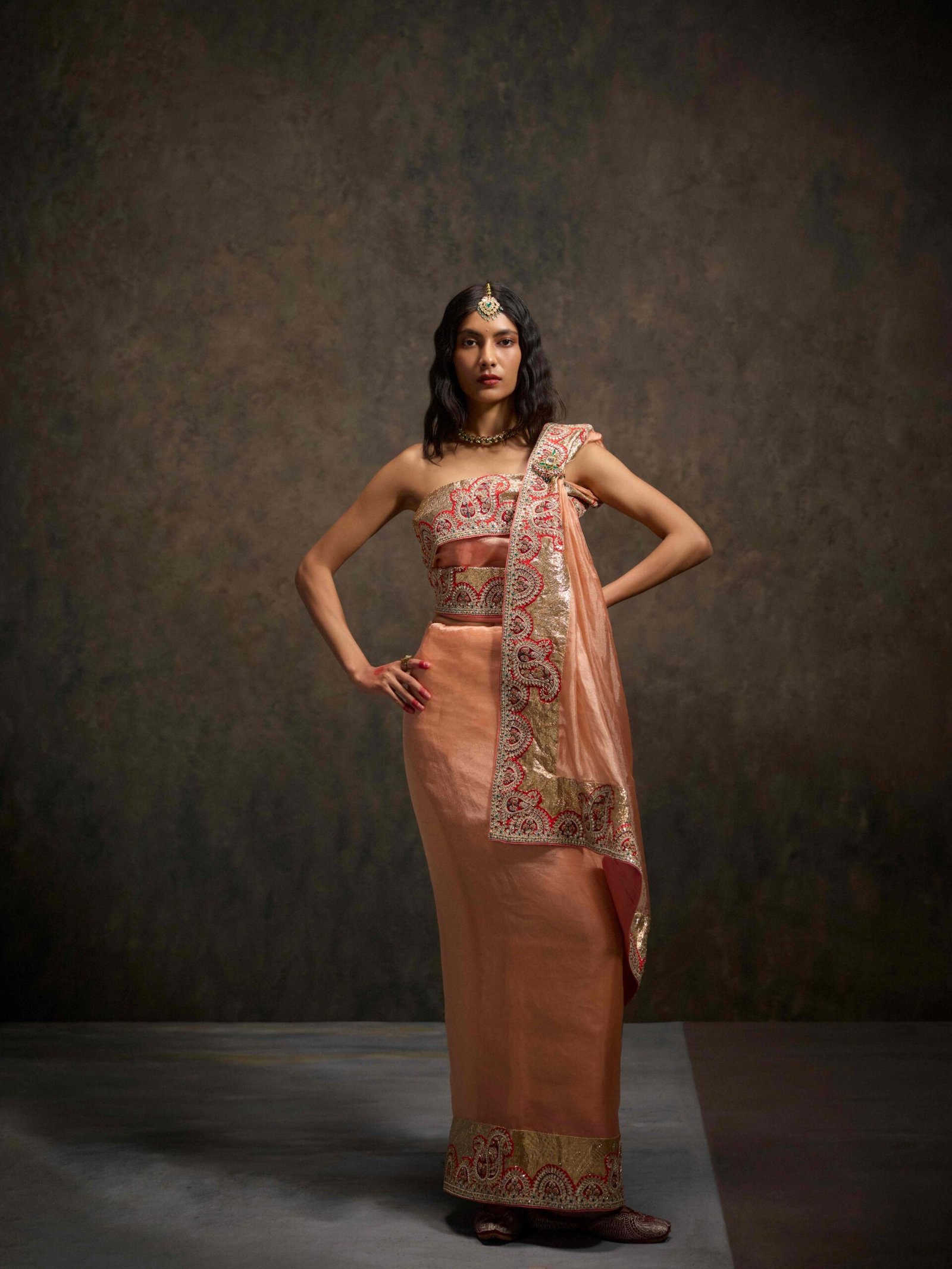

Through “Kadam,” you breathe new life into forgotten heirlooms. Can you share the story of one transformation that felt less like restoration and more like resurrection?
Two projects truly captured the spirit of Kadam. One was an 80-year-old Banarasi saree, worn by a grandmother and transformed into a lehenga for her granddaughter’s engagement. Preserving its delicate weave while giving it new form created a beautiful bridge between generations.
Another was a real silver zardozi saree—worn with age but rich in craftsmanship. We carefully cut and re-appliquéd each buti onto new fabric, reimagining it as a modern lehenga without losing its essence.
Kadam is not just upcycling—it’s about carrying forward memories in a form that still feels alive today.
Your Bamboo Mulberry and Tussar Georgette didn’t exist before you created them. What’s the scariest part about inventing something completely new in such an ancient field?
The fear is always: will it be accepted? Traditional textiles come with expectations, sometimes even dogmas. Creating something new means walking that tightrope between respect and rebellion. But the bigger fear? Not evolving at all. The craft deserves both reverence and risk.
Behind all this artistry, you’re running a luxury business. What’s one hard business decision you made that actually strengthened your commitment to craftsmanship?
We’ve never compromised on authenticity—even when it wasn’t the most profitable route. In a market driven by narratives and speed, staying true to traditional techniques and materials was tough. But we chose trust over shortcuts. That decision has kept our foundation strong and our clients’ faith intact.
With so many luxury brands now claiming to be ‘sustainable’ and ‘artisan-friendly,’ what makes your approach genuinely different?
For us, these aren’t campaigns—they are our culture. We don’t “source” crafts—we co-create with artisans, many of whom have been with us for over two decades. Our sustainability is not just in fibers but in relationships, in how we use leftover fabrics, and in how we mentor second-gen karigars to stay in the craft.

After a quarter-century in fashion, what still surprises you about Indian textiles that you never saw coming?
What continues to amaze me is their emotional depth. No matter how many years pass, I still discover a new motif, a forgotten technique, or a story hidden in a weave. Indian textiles aren’t just crafts—they carry generations of memory, resilience, and meaning. Their ability to stay relevant while holding onto their soul is what surprises me even today.