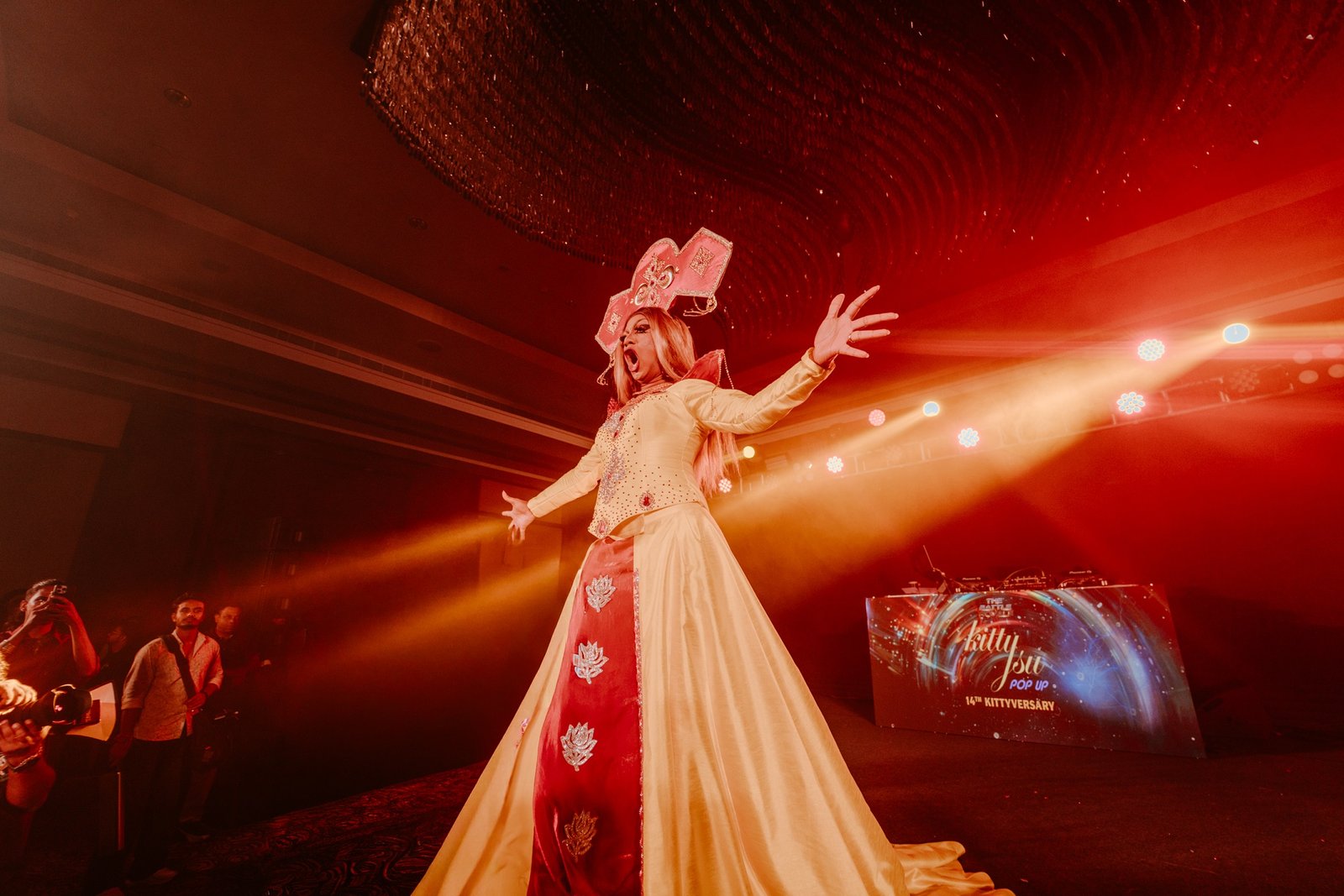
When most venues were still flirting with “inclusivity” behind velvet ropes, Kitty Su India was already centrestage… spotlighting drag, queerness, and fearless expression with zero apologies. At the core of this cultural upheaval is Aashin Moitra, General Manager, Kitty Su India, who has transformed a nightclub into a movement that struts between protest and performance.
Kitty Su didn’t wait for societal shifts or safe zones, it created them. It turned dance floors into platforms, gave drag queens a dignified stage, and made queerness a celebrated constant, not a seasonal spectacle. While brands hesitated and laws loomed, Kitty Su India still stayed bold, building a space where art, identity, and nightlife collided with unapologetic clarity.
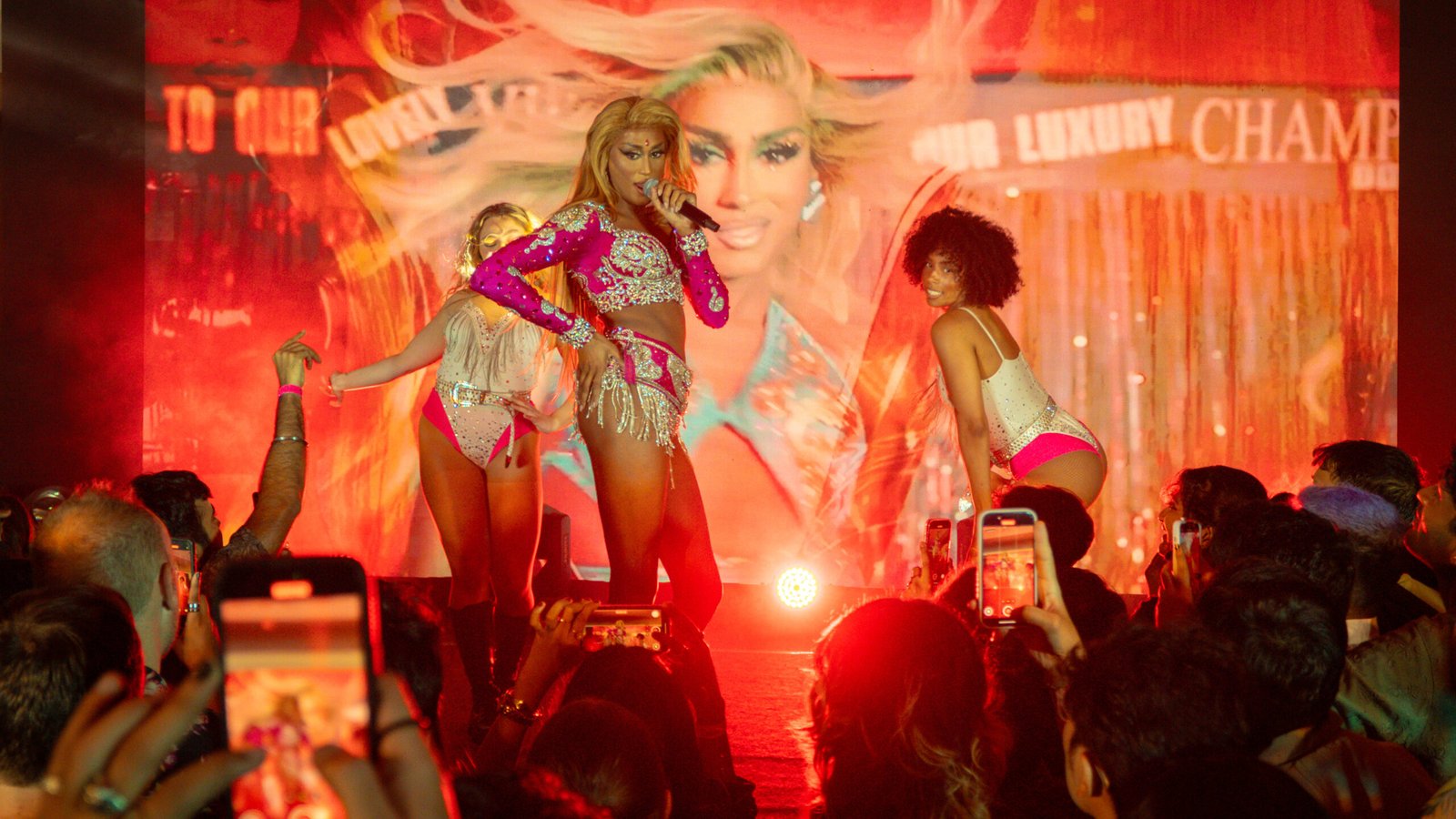
Kitty Su India, mind you, is not just any other nightlife, it’s a voice for cultural change. And under Aashin Moitra’s watch, drag stopped being a side act. It became the main event and built on mentorship, fair pay, safety, and sustainability… not pink-washed optics. Behind the lights and long lashes is a system that uplifts, protects, and powers the queer community. More power to them!
Here, in an exclusive interview, the articulate Aashin Moitra, the vociferous voice behind Kitty Su India, talks to Sumita Chakraborty, Founder & Editor-in-Chief, TheGlitz, about how Kitty Su India built a platform to breaking binaries, and why celebration can be the fiercest form of resistance.
Over To Aashin Moitra, Head, Kitty Su India
Kitty Su was one of the first venues in India to unapologetically mainstream drag. What kind of resistance – cultural, corporate, or legal – did you face when you first introduced drag into India’s nightlife?
When Kitty Su began introducing drag into the mainstream nightlife circuit, we encountered resistance at multiple levels. Culturally, queerness and drag were often misunderstood, dismissed, or ridiculed, so there was a fear of alienating audiences. Corporately, brand associations and sponsorships were hesitant, given the stigma still attached to queer visibility. Legally, the climate before Section 377 was read down meant operating with a constant awareness of scrutiny and potential backlash. Despite all of this, we believed nightlife had the power to shift culture, and our commitment to giving drag a dignified stage outweighed the risks.
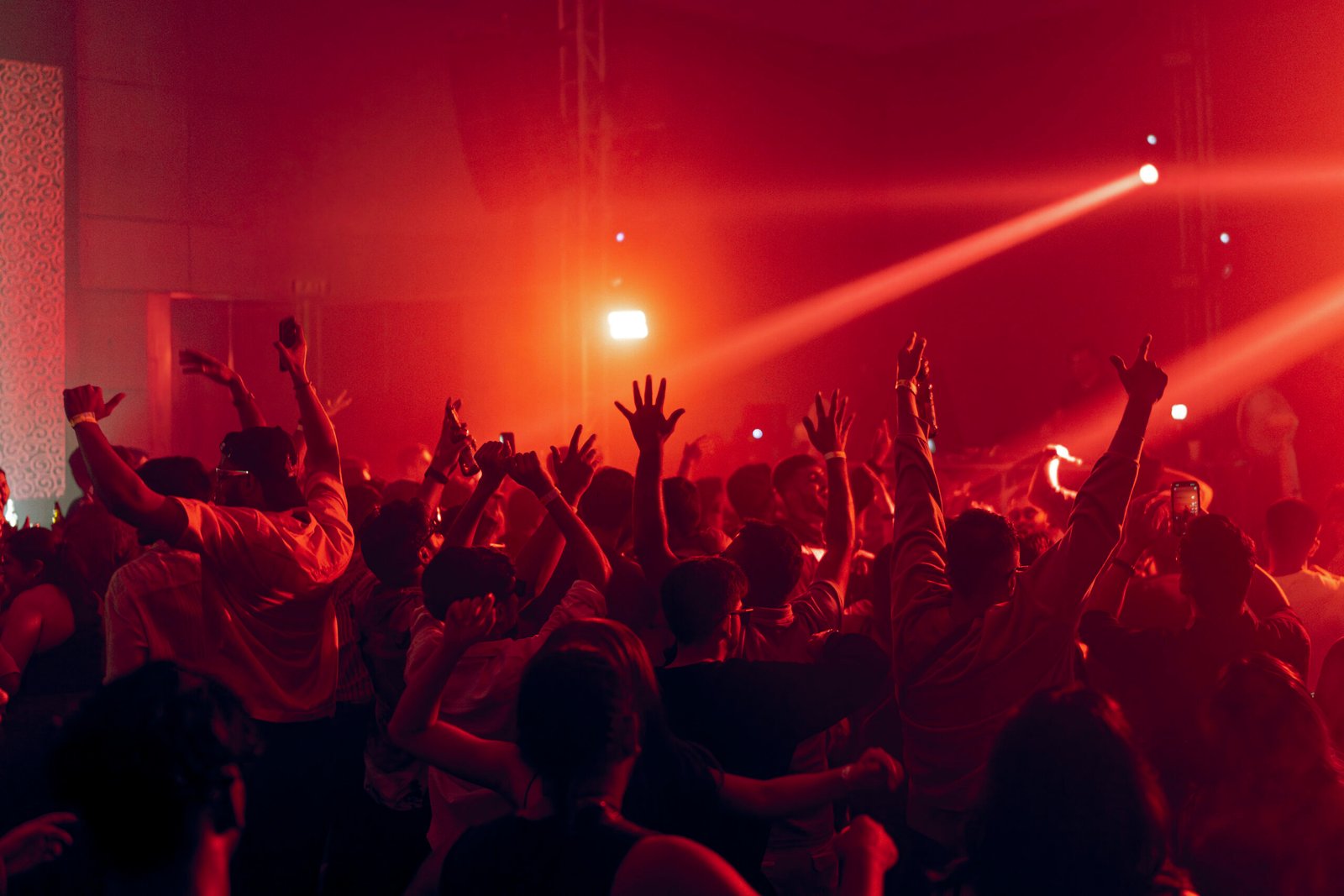
In a country where queerness is still policed, how do you navigate the risk of tokenism while curating queer spaces that are both safe and sensational?
Tokenism reduces people to symbols. Our effort has always been to build platforms where queer performers are not just “included” but celebrated on their own terms. That means fair compensation, strong production values, and consistent programming rather than one-off “Pride specials.” Safety is non-negotiable, and so is ensuring that the artistry of drag shines beyond its novelty. We want every queer person walking into Kitty Su to feel they belong, not that they are on display.
What does it really take to create a sustainable platform for drag in India… beyond the stage lights and performances?
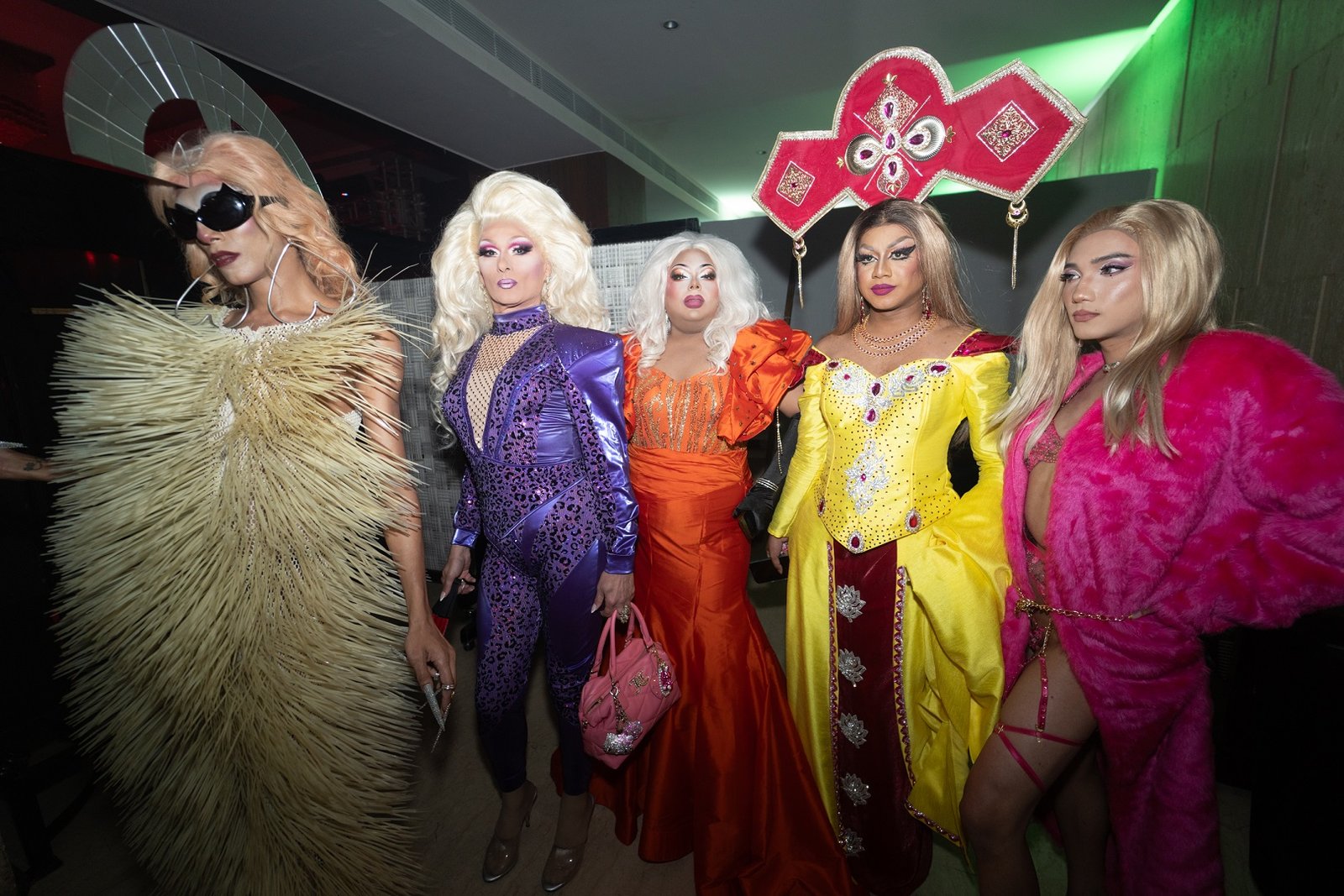
Sustainability requires more than applause—it requires infrastructure. That means training, mentorship, financial respect, repeat opportunities, and audience education. It means building collaborations with hotels, festivals, and international drag circuits. And importantly, it means treating drag artists as professionals, with the same dignity and consistency as any other performer. Our work goes into making drag not just a spectacle, but a viable career path.
The Battle Royale promises visibility, but how do you ensure that visibility doesn’t come at the cost of vulnerability for the queens involved?
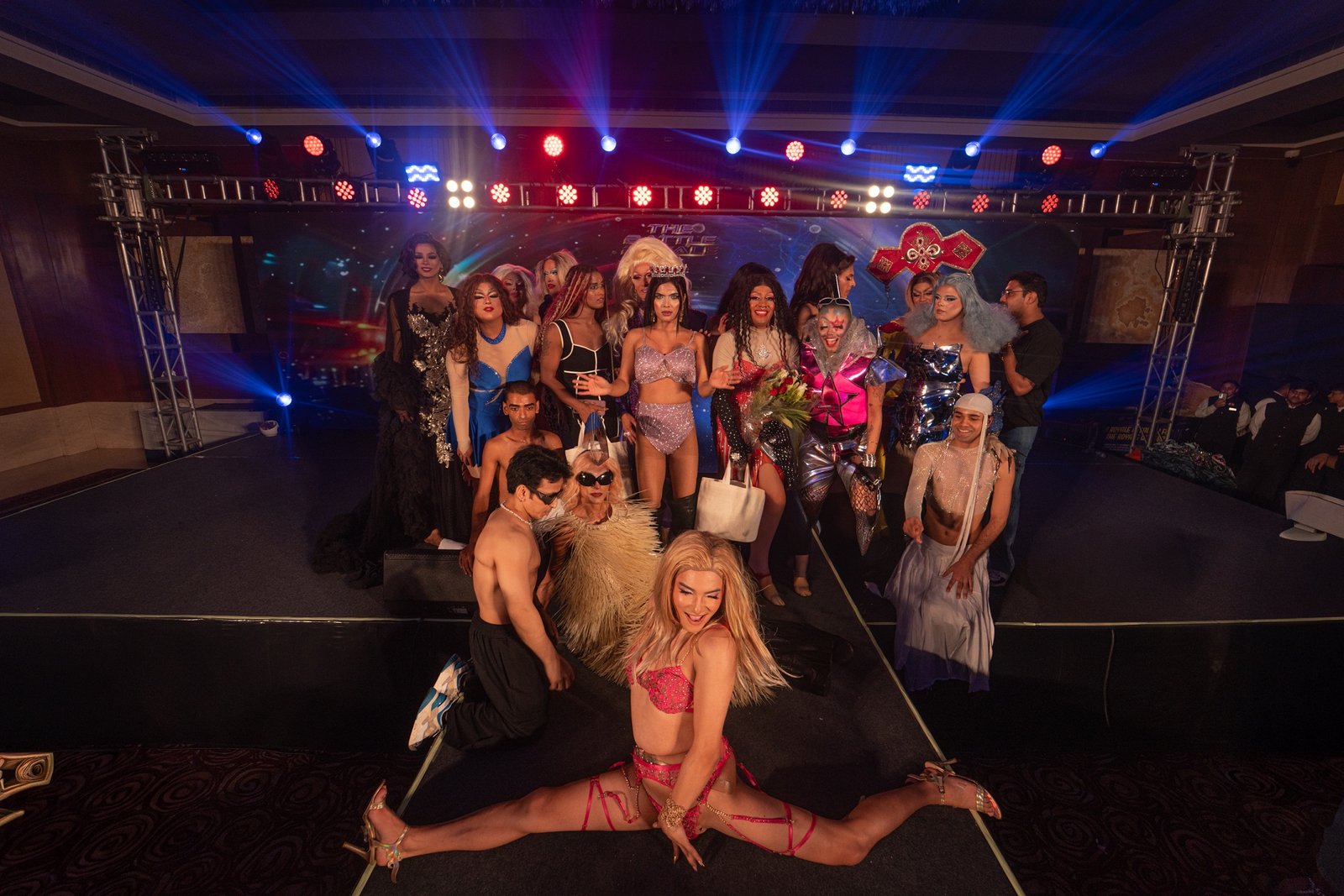
Visibility can be double-edged, especially in a society where queerness is still stigmatized. At Kitty Su, we take care to brief and support performers, curate audiences, and provide security. We don’t put our artists in unsafe or exploitative situations. Visibility for us is about empowerment, not exposure—it is about amplifying their artistry while safeguarding their dignity and privacy.
Many queer spaces in India remain urban and elite. How is Kitty Su ensuring drag and queer culture trickle down beyond the metros and into smaller towns and communities?
We are very aware of the critique that queer spaces often feel gated. Our response has been to take drag beyond Mumbai, Bangalore and Delhi through Kitty Su Pop-Ups across cities like Chandigarh, Jaipur, and Kolkata. These events create localized platforms, engage local queer artists, and nurture communities that might otherwise feel isolated. Accessibility remains a work in progress, but we are committed to creating ripple effects that reach well beyond metropolitan bubbles.
Drag is inherently political. How do you balance its roots in protest with its rise in commercial entertainment?
For us, drag does not lose its politics simply because it is staged in a nightclub. Every performance of drag in India is a political act—it pushes boundaries of gender, expression, and identity. At the same time, commercial viability gives drag longevity. We see it less as a “balance” and more as a synergy: the glamour and the protest feed each other, ensuring drag remains relevant, subversive, and sustainable.
What would you say to critics who argue that queer platforms like Kitty Su have become too performative and less activist in nature?
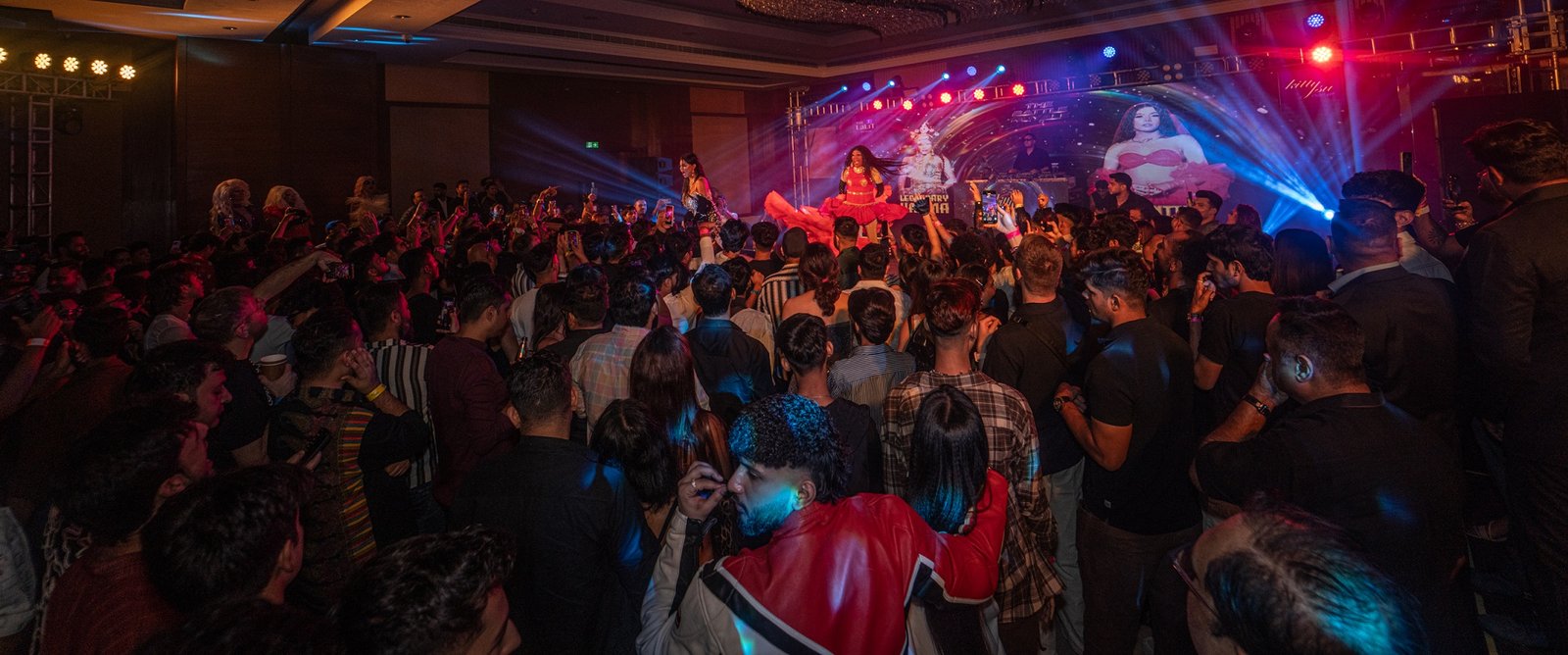
We hear this critique with humility. Kitty Su has always tried to use its stage as a form of activism—by normalizing queer presence in mainstream spaces, by hosting artists who are otherwise marginalized, and by taking firm stances on inclusion. But activism takes many forms. Sometimes it is a march, sometimes it is a manifesto, and sometimes it is simply a drag queen commanding respect in a nightclub that once wouldn’t have welcomed her. We believe there is power in celebration as much as in protest.
Where do you see Indian drag in say the next five years, and what role will Kitty Su play in that evolution, especially as queer rights continue to evolve legally and socially?
Indian drag is on the cusp of a renaissance. In the next five years, we foresee more visibility across media, fashion, and mainstream entertainment. Drag artists will emerge not only as performers but as cultural leaders. Kitty Su’s role will continue to be that of an incubator—supporting talent, creating safe stages, bridging global and local drag, and ensuring that as rights evolve, representation keeps pace. We don’t just want to host drag—we want to be remembered as one of the catalysts of its growth in India.