Chef Aliakabar Baldiwala on Bohri food
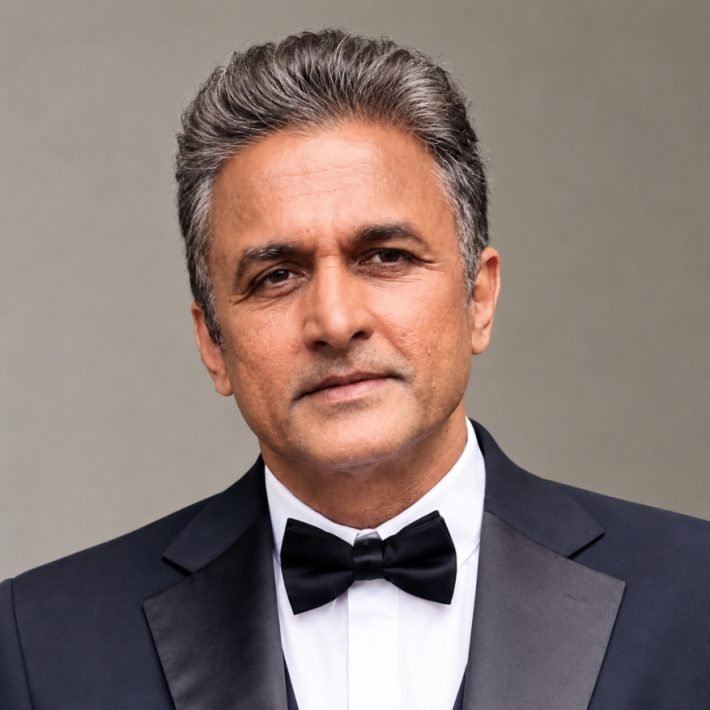
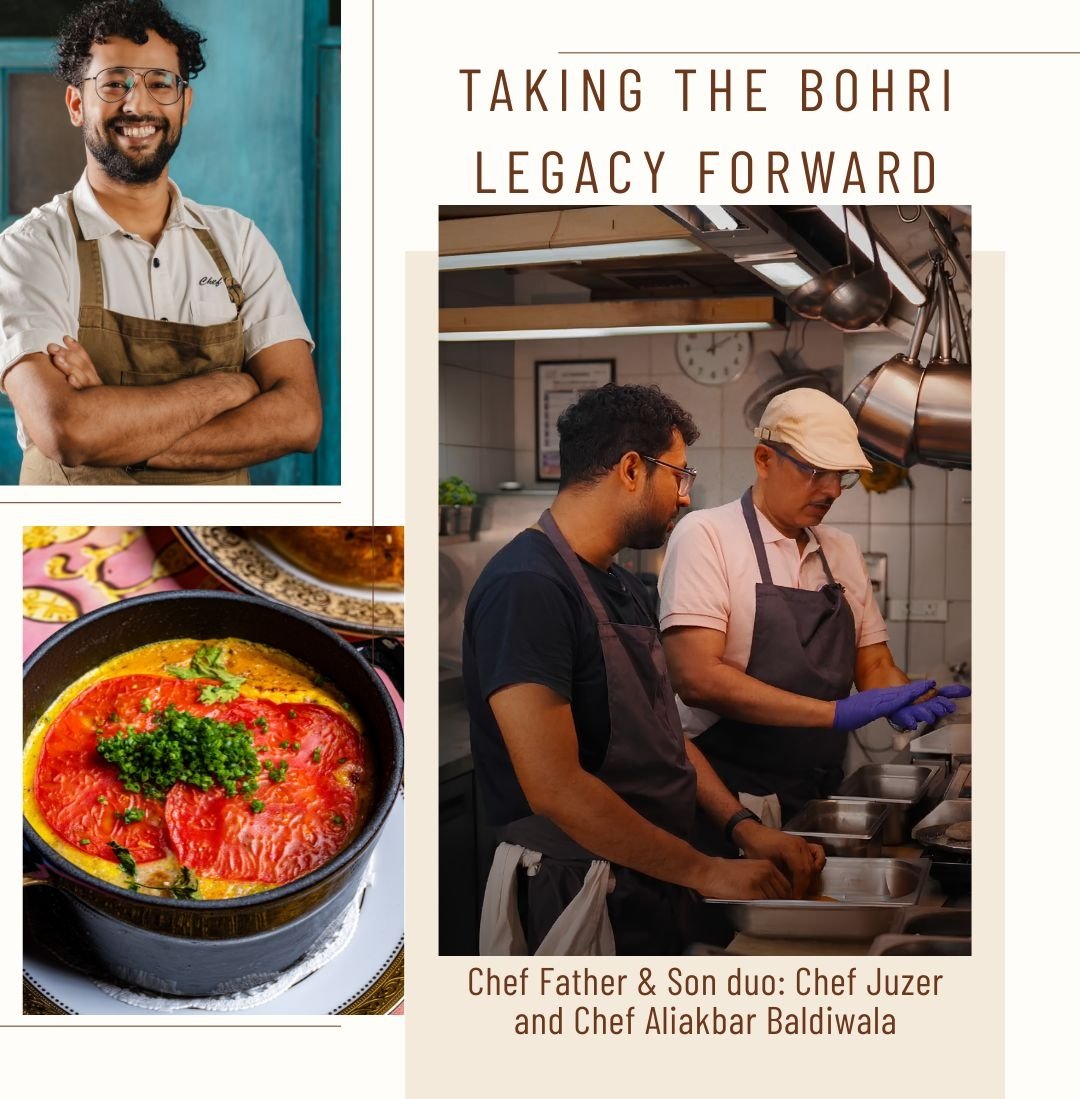
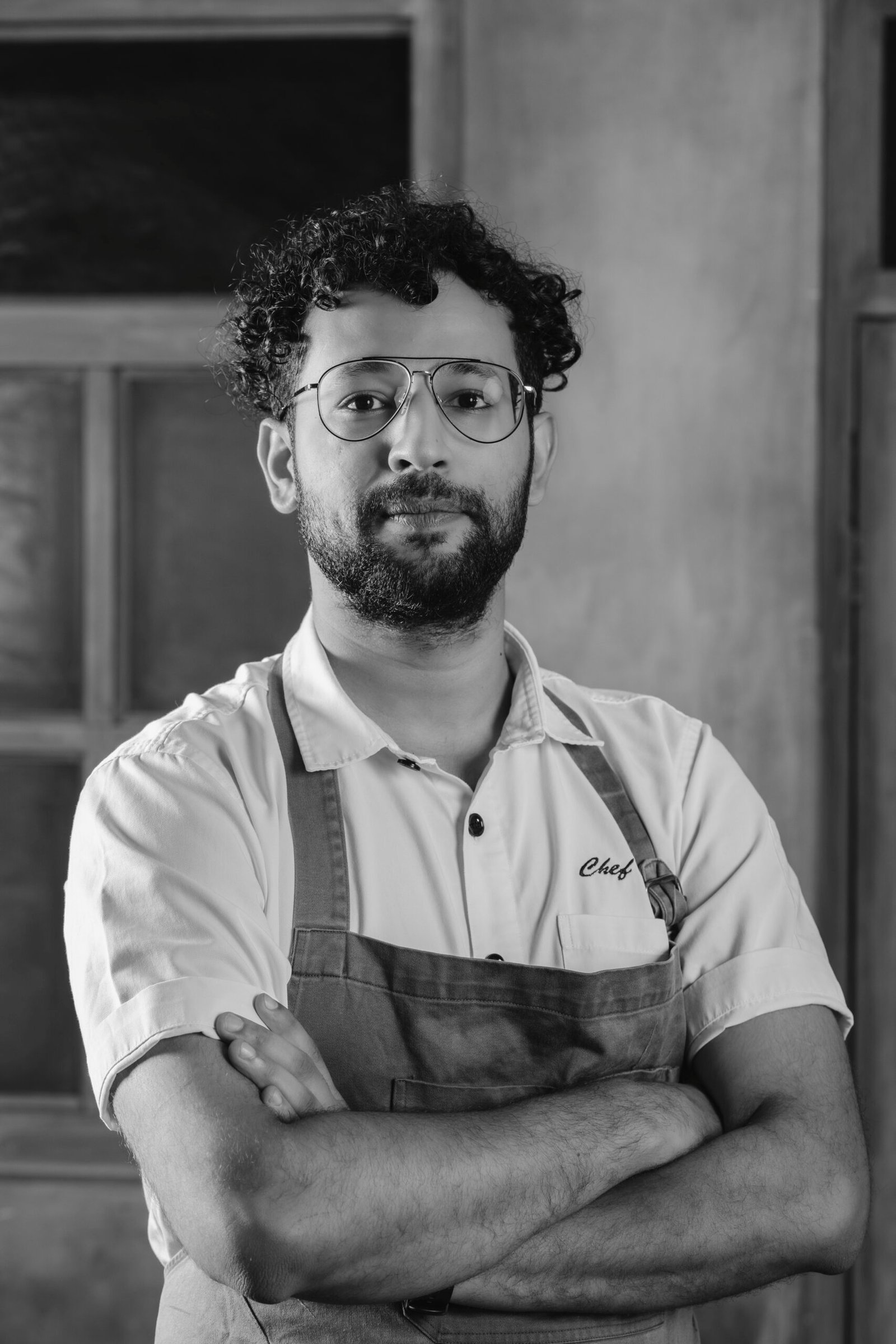
Some recipes are carefully measured and written down. Others are lovingly preserved in family kitchens, passed from one generation to the next, carrying with them stories, traditions and memories that no cookbook could ever capture. For Executive Chef Aliakbar Baldiwala of Slink & Bardot, food has always been far more than a profession… it has also been a way of preserving his Bohri heritage, celebrating family and expressing love. Today, that legacy passed on by his father, Chef Juzer Baldiwala, makes their culinary journey as much about family as it is about flavour.
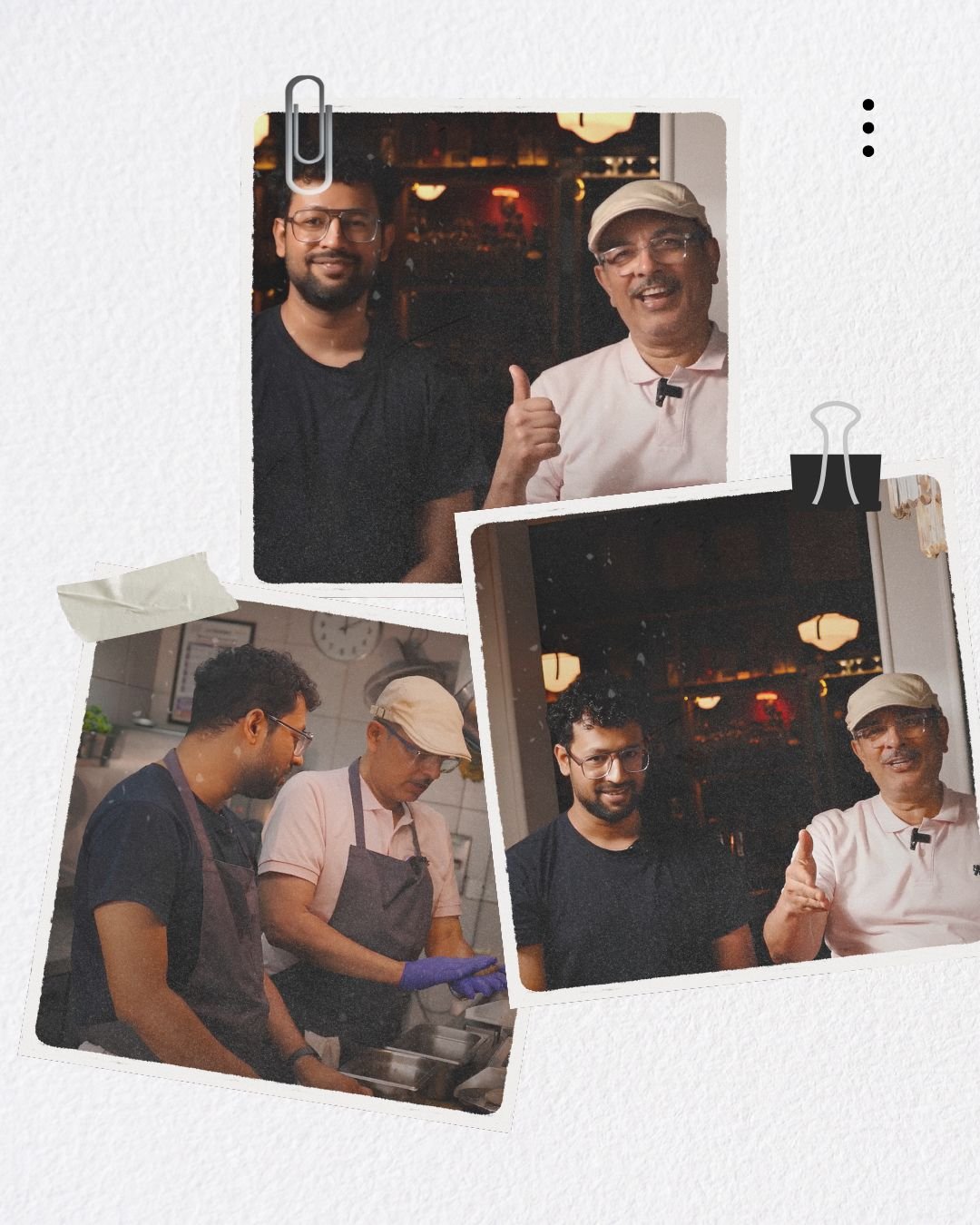
Deeply rooted in the rich traditions of Bohri cuisine yet guided by a progressive culinary vision, Chef Aliakbar believes that great food should honour its origins while evolving thoughtfully with time. Together in an exclusive collab, the father and son chef duo has brought this philosophy to life at Slink & Bardot, where treasured family recipes, cherished rituals and generations of culinary wisdom have been reimagined with contemporary finesse.
Their collaboration is a beautiful conversation between the past and the present, where every dish tells a story, every ingredient carries a memory and every meal celebrates the warmth of shared experiences.
In an exclusive interview with Sumita Chakraborty, Founder & Editor-in-Chief, TheGlitz, Executive Chef Aliakbar Baldiwala shares the heartwarming story behind the collab with his father Chef Juzer Baldiwala, reflects on the family memories that continue to inspire their cooking, reveals how they carefully balance tradition with innovation, and explains why, for him, the true soul of Bohri cuisine lies not just in the food itself, but in the timeless joy of bringing people together around the table.
Over To Chef Aliakbar Baldiwala of Slink & Bardot on Bohri Food & More
As father and son, how do you collaborate in the kitchen, and how has your relationship evolved through the language of food?
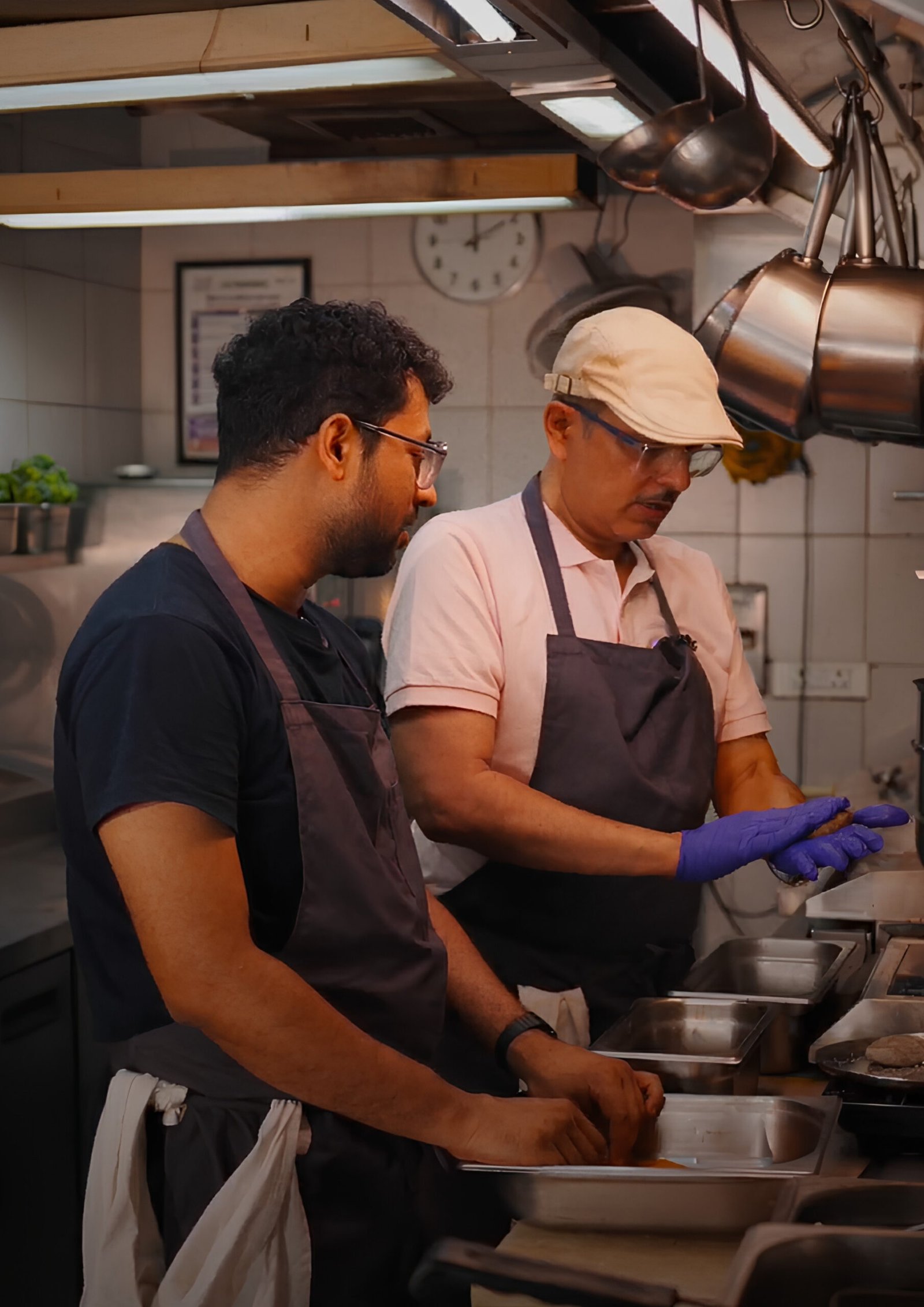
Interestingly, we don’t actually cook together much at home. We both have very similar hot-headed personalities, so over the years we’ve learnt that things work best when one person takes the lead in the kitchen. What truly connects us is our shared love for food and eating. That’s really the language through which our relationship has evolved.
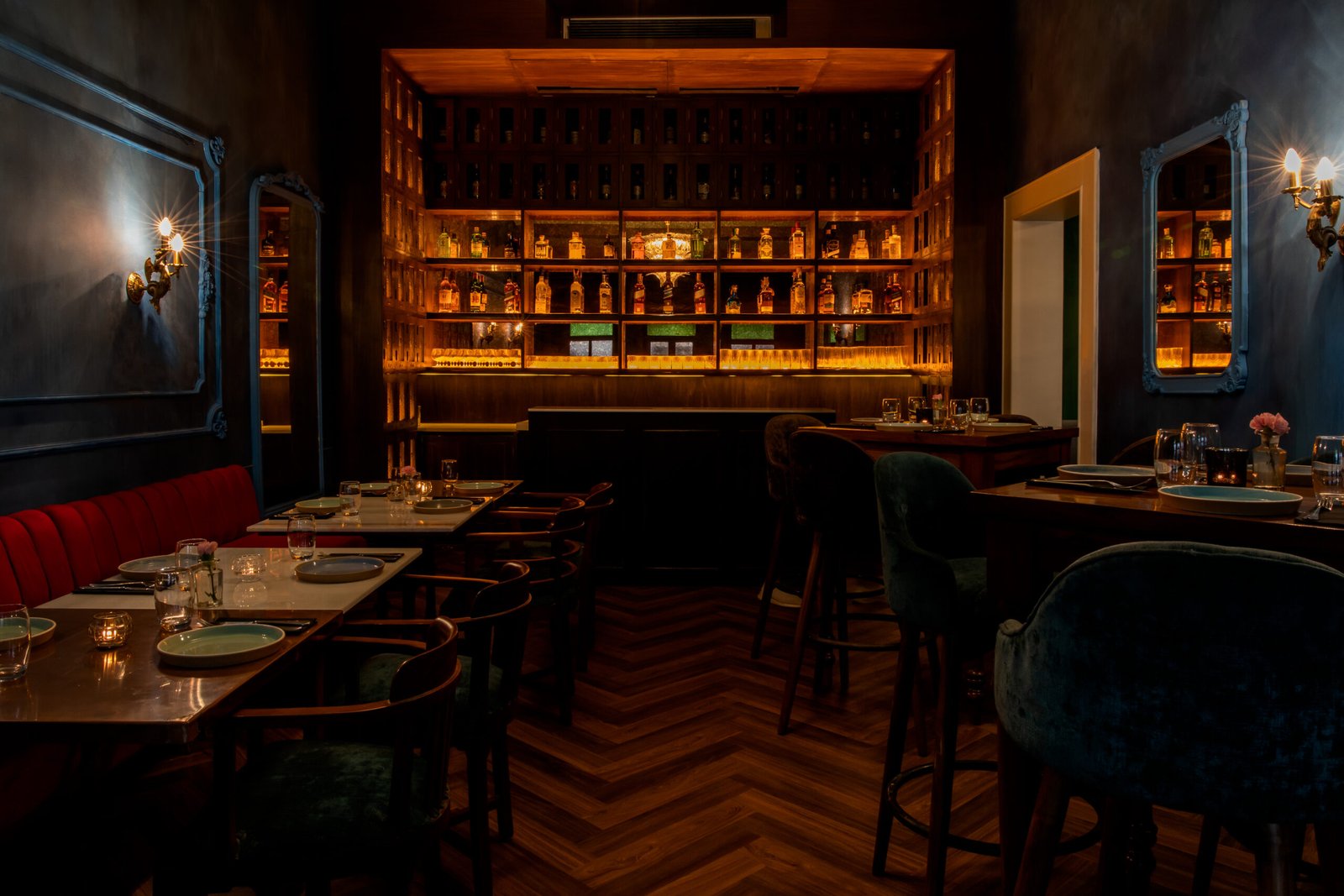
This collaboration at Slink & Bardot is special because it brings together two different perspectives. My father brings a deep understanding of traditional Bohri cuisine and the stories behind it, while I approach it through a more contemporary lens. The result is a conversation between generations, expressed through food.
The Bohri thaal is much more than a meal. How would you reimagine this dining ritual while ensuring its soul remains untouched?
For us, the food itself has to remain centre stage, that is the soul of the Bohri thaal. While we’re not recreating the traditional floor-seated dining experience, this is an opportunity to adapt the ritual for a modern restaurant setting.
We’ve translated the progression of a Bohri thaal into a course-wise dining experience while preserving many of the customs that make it special. Guests will still experience traditions such as the application of ittar, the ceremonial handwashing and the tasting of salt. These rituals create a sense of occasion and community, and retaining them allows us to honour the spirit of the thaal even within a contemporary format.
Do tradition and innovation ever spark debates in the kitchen? How do those conversations shape the final menu?
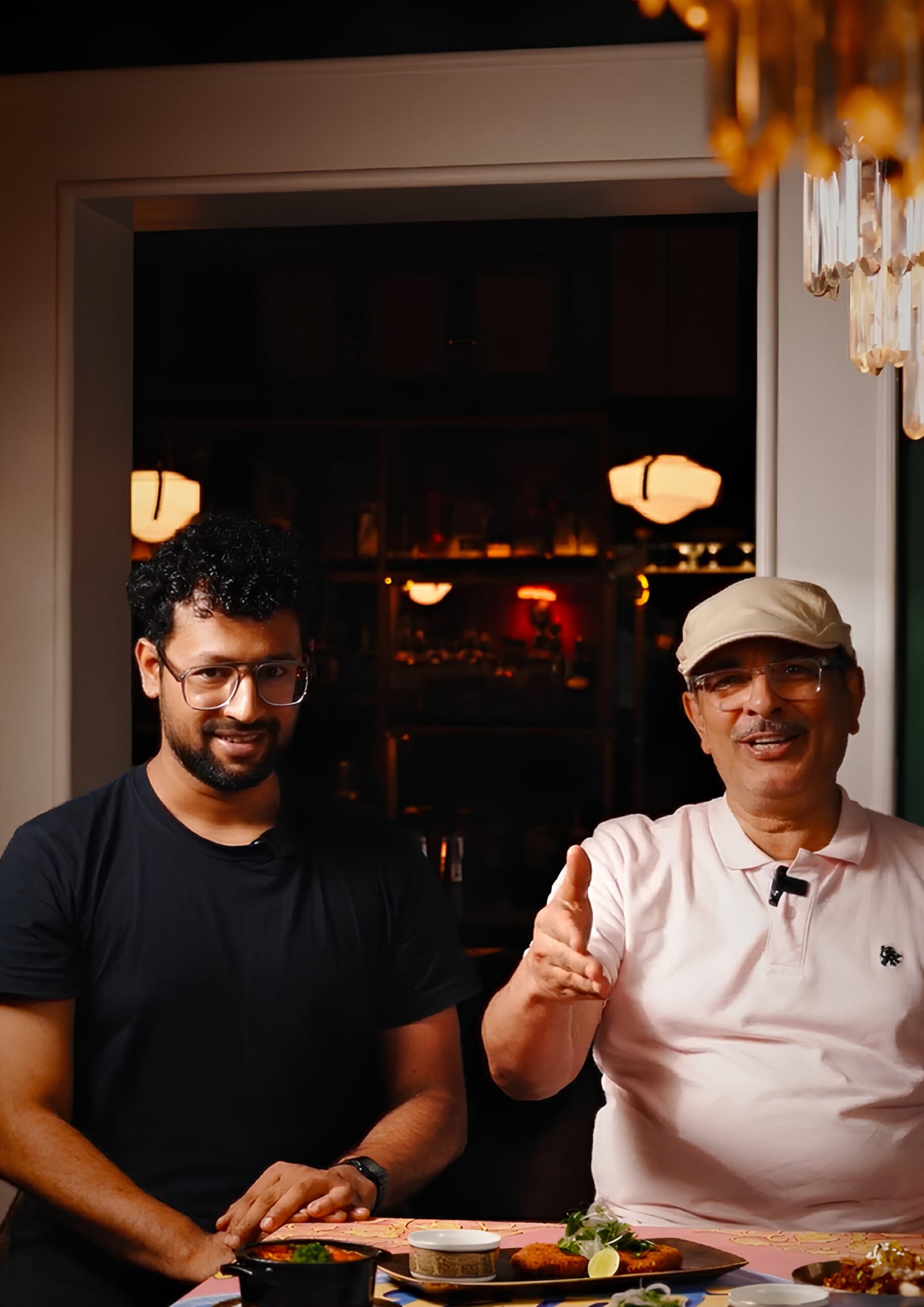
Absolutely. Our process always begins with identifying the dishes and traditions we want to showcase. Once that framework is established, we explore where innovation can add value.
At the same time, we’re very conscious that innovation should have a purpose. If a modern technique, presentation or ingredient genuinely improves a dish, we’ll embrace it. If it doesn’t make the experience better, then we believe it’s better left untouched. Those discussions help us draw a line between thoughtful evolution and change for the sake of change.
Is there one dish that carries a deeply personal family memory?
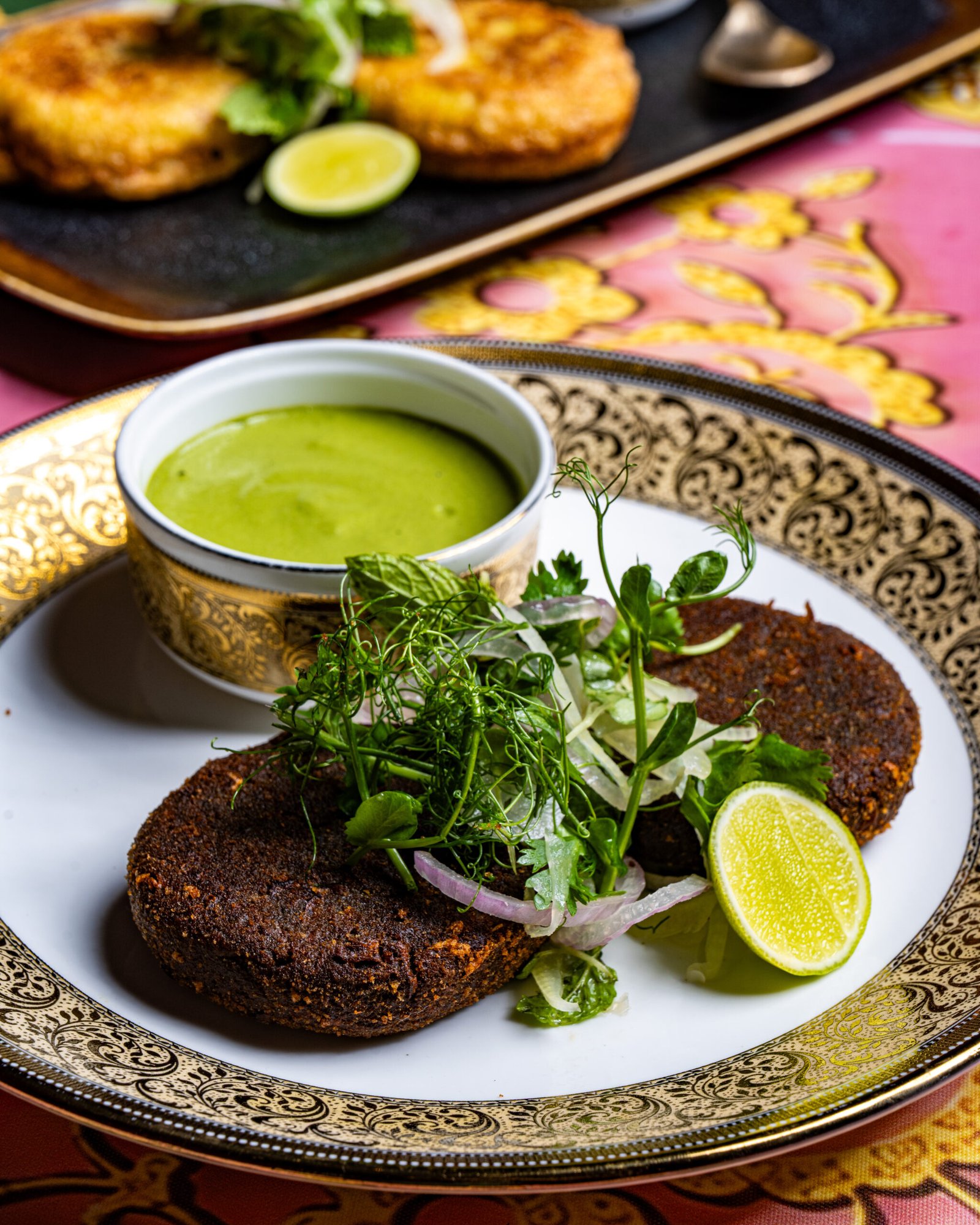
Without a doubt, it would be mutton kheema samosas.
They weren’t made every day, which made them even more special. Both of us have vivid memories of my father’s grandmother—my great-grandmother, making them whenever she received large catering orders from around town. She would single-handedly prepare enormous quantities of samosas, spending hours in the kitchen.
Beyond the flavour, what stays with us is the memory of watching her work with such dedication and skill. Even today, whenever we talk about those samosas, we’re really talking about her and the warmth of those moments.
How do you balance heritage with contemporary flavours, techniques and presentation?
We approach it in much the same way we approach any conversation around innovation. We begin by understanding and respecting the original dish, its purpose, flavour profile and cultural significance.
Only then do we look at whether a contemporary technique or presentation can enhance the experience. The goal is never to reinvent a dish for the sake of novelty, but to make it better while preserving its identity. If the heritage is compromised, then we’ve gone too far.
Beyond creating memorable meals, what do you hope people take away from your shared approach to Bohri cuisine and hospitality?
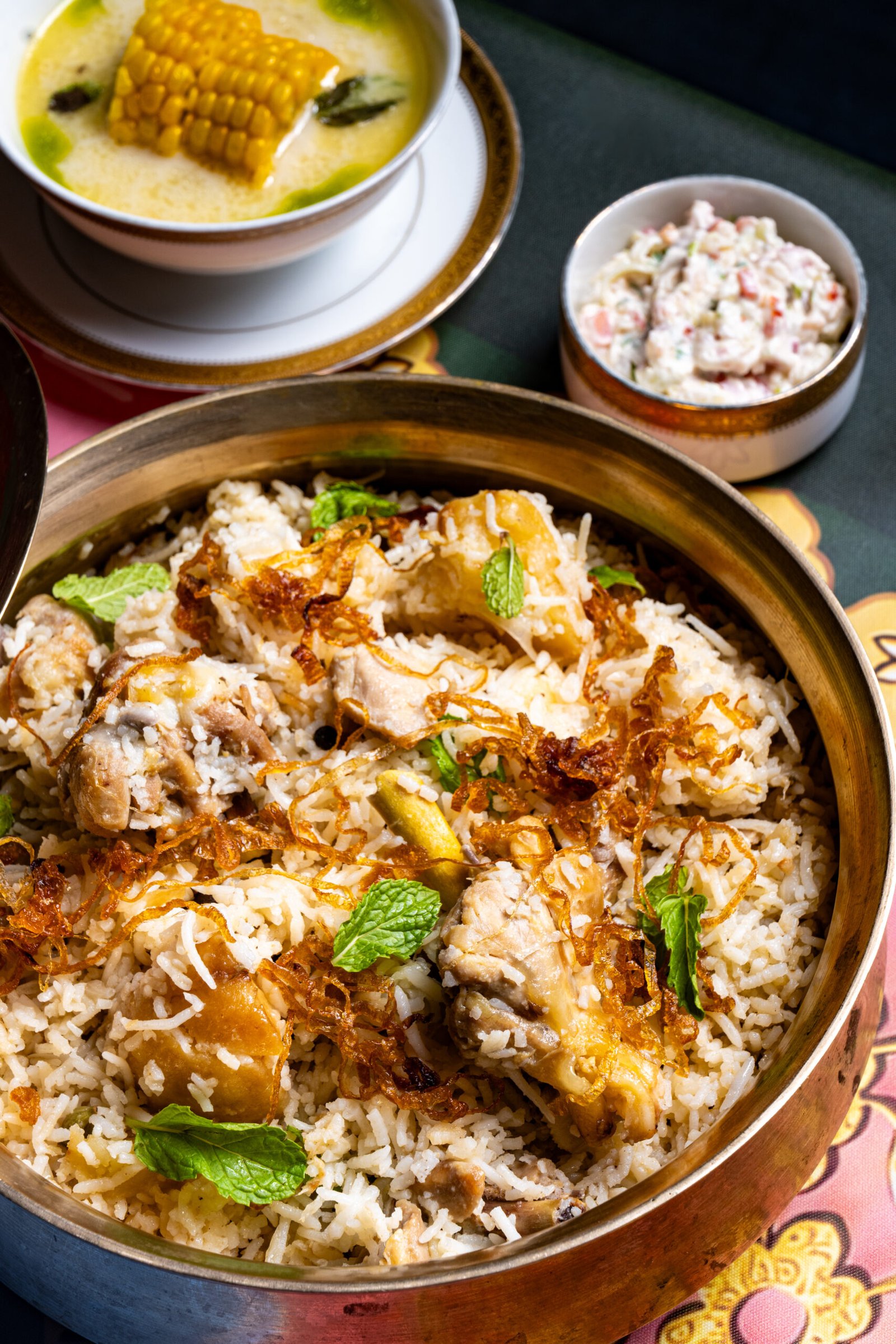
More than anything, we hope people leave with an appreciation for the sense of community that defines Bohri food culture.
The dishes are important, but what makes Bohri dining truly special is the act of sharing, sharing food, stories, conversation and time with one another. That spirit of togetherness is timeless, and it’s something we hope guests experience regardless of whether they’re familiar with Bohri cuisine or discovering it for the first time.
If your culinary journey together had to be summed up in one dish, one flavour and one life lesson you’ve learnt from each other, what would they be?
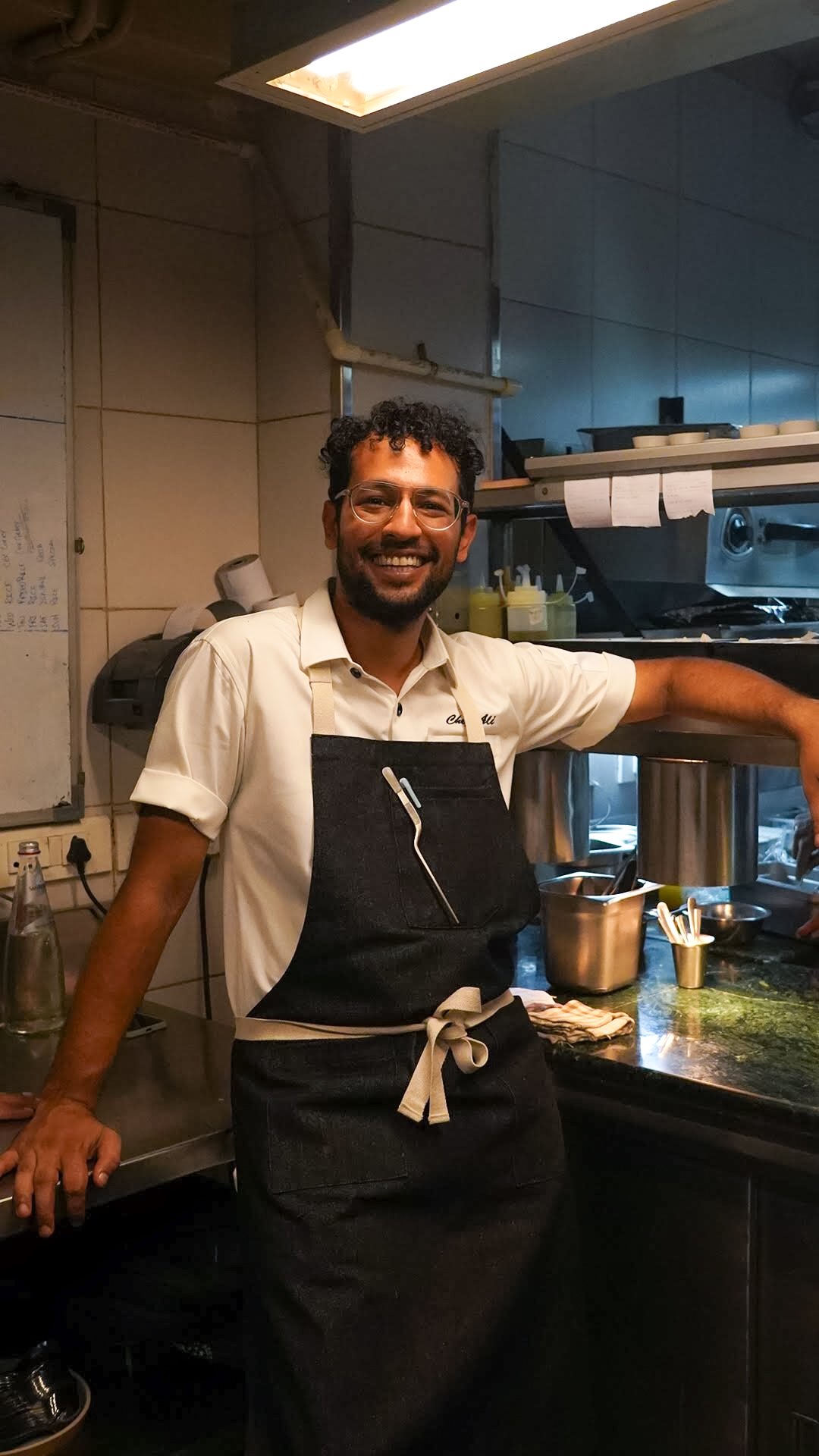
For me, the dish would be biryani. It’s a dish that requires patience, precision and trust in the process. There are layers of effort and pressure involved, but when everything comes together, the reward is worth it.
The flavour would be sourness. Acidity is one of the most important elements in cooking because it creates balance and brings a dish to life. I think the same can be said for life, it’s often the challenging moments that create perspective and balance.
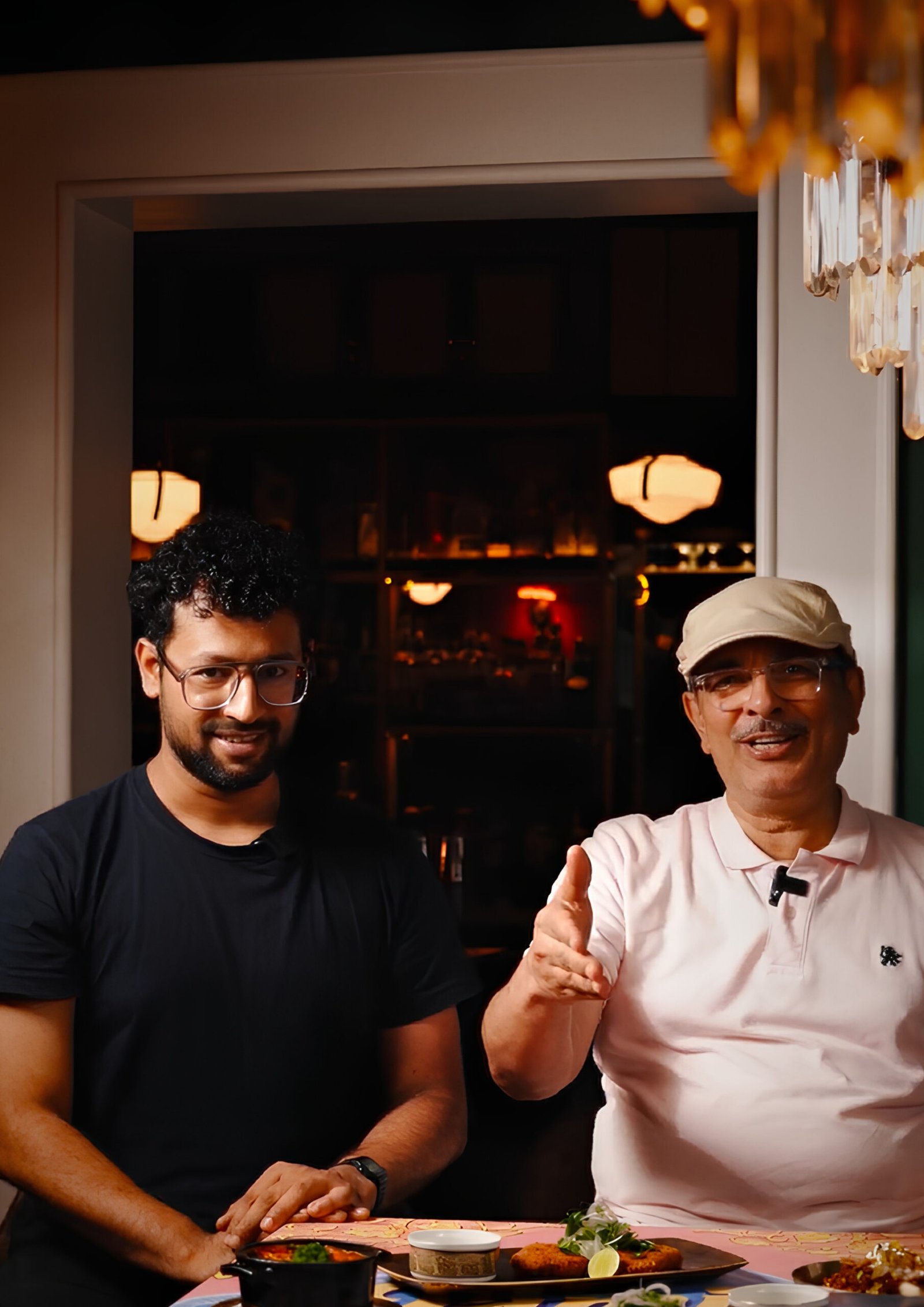
The greatest lesson I’ve learnt from my father is the importance of taking pride in your work. No matter what you’re doing, do it properly, do it passionately and always strive to do the best job you can.