
Zubeen Garg
When a voice that once echoed through stadiums falls silent, the world feels the hush. TheGlitz pays tribute to Zubeen Garg… singer, storyteller, rebel, and soul of Assam, whose sudden passing on 19 September 2025 has left a space that feels both cultural and personal.
An Icon Called Zubeen
Born Zubeen Borthakur on 18 November 1972 in Tura, Meghalaya, and raised in Jorhat, Assam, Zubeen didn’t just grow up around music… he was music. His mother Ily Borthakur was a classical singer, his father a poet. The arts were part of his upbringing, but Zubeen’s voice had a character uniquely his own… fluid yet raw, trained yet untamed.
He adopted the name “Garg” from his family’s gotra but even early on, there was nothing formulaic about him. His first album, Anamika (1992), cemented his place in the Assamese music scene. But Zubeen wasn’t one to stay within borders, either literal or metaphorical. His breakout Hindi track, the unforgettable “Ya Ali” from Gangster (2006), became a generational anthem, earning him national fame overnight. The song was intense, devotional, aching… everything Zubeen was.
The Zubeen Playlist
His Hindi repertoire expanded… “Dil Tu Hi Bata” from Krrish 3, “Jaane Kya Chahe Mann” from Pyaar Ke Side Effects, “Mere Saath Saara Jahaan” from Fool & Final …all had his signature vocal restlessness, the kind that refused to just “sing” and instead spoke, pleaded, screamed, sighed.
Zubeen, The Person
And he didn’t just sing, he spoke with style. That signature Zubeen drawl… relaxed, unfussy, tinged with a slightly mischievous air… made interviews and public appearances something fans cherished. He was never polished, politically correct or over-rehearsed. He was real. He would slip in and out of Assamese, Hindi, Bengali, and English, often mixing languages mid-sentence. It wasn’t confusion, it was conviction. He was speaking his truth, and he expected the world to catch up.
The Man, His Rules
Zubeen’s attitude was famously anti-establishment. He disliked red tape, defied celebrity protocol, and often walked his own road, sometimes even to his own detriment. But that same defiance made him magnetic. He cared more about authenticity than applause. His concerts, whether in Guwahati or Mumbai, felt less like performances and more like spiritual gatherings. He didn’t just connect with his audience, he collapsed the distance between performer and crowd.
Huge Loss
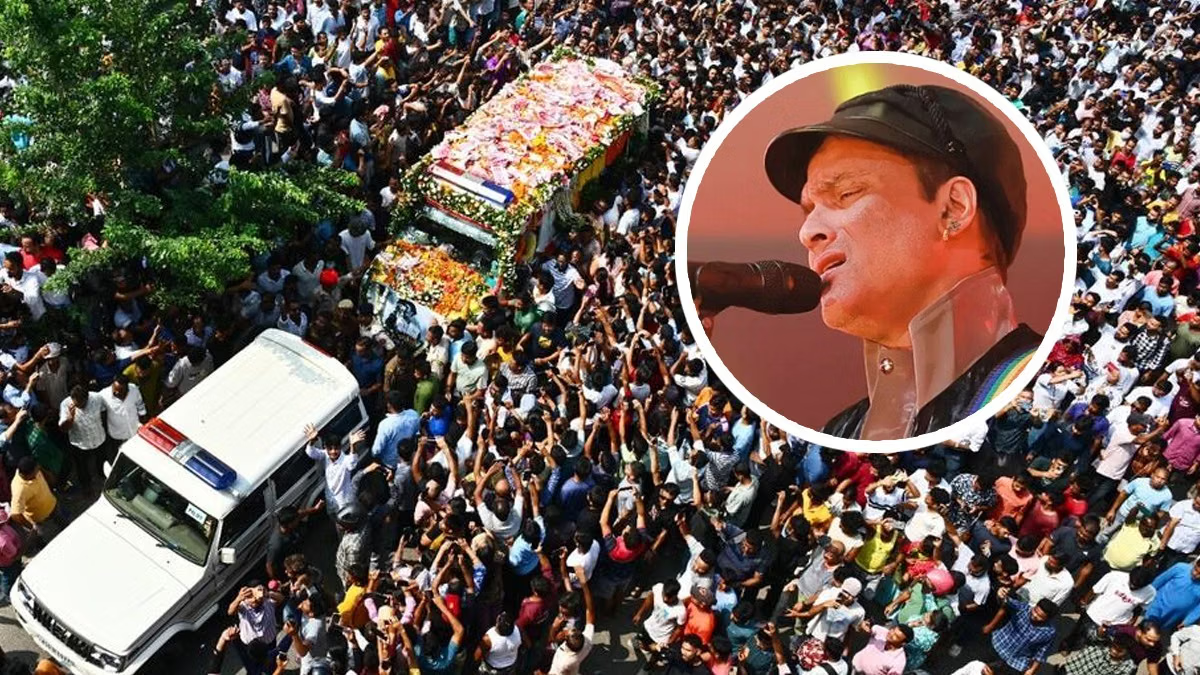
Tragically, on 19 September 2025, while in Singapore for a Northeast India cultural festival, Zubeen reportedly suffered distress while entering the water. Despite being pulled out and administered CPR, he was declared dead at Singapore General Hospital. He was just 52.
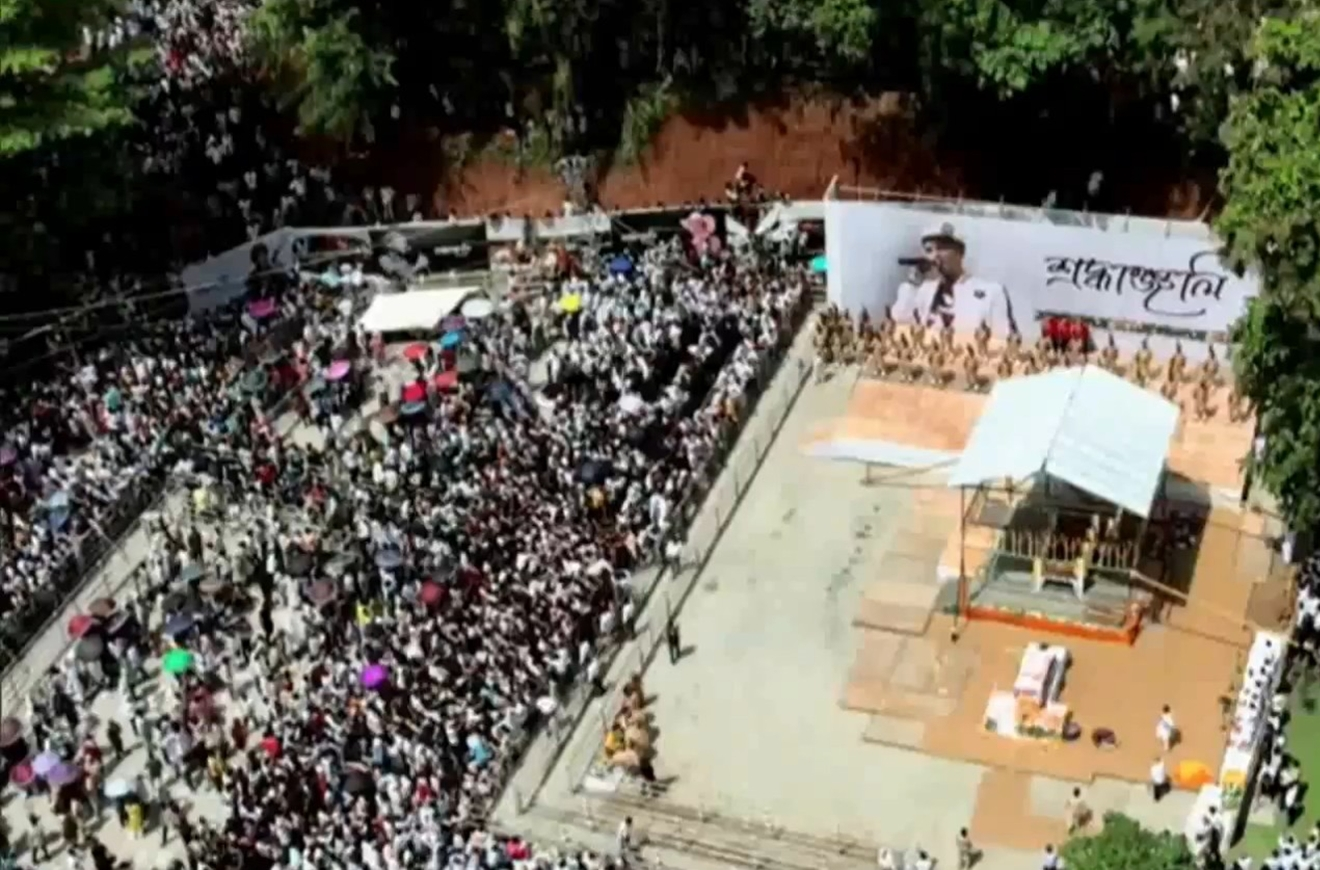
The shock was seismic. The Assam government declared days of mourning. His body was flown back and laid to rest with full state honours and a 21-gun salute… the kind of farewell reserved for icons.
Zubeen Garg was more than a singer. He was a composer, actor, director, activist, and above all… a cultural magician. He brought Assamese culture to the national stage, not as an outsider trying to fit in, but as someone who insisted on being fully seen. He composed in over 40 languages, played more than 12 instruments, and refused to conform to any single definition of artist or celebrity.
He also carried deep personal grief. The loss of his sister, Jonkey, in 2002, changed his music, made it softer, sadder, braver. He often said her absence never left him, only grew quieter.
TheGlitz Says
Zubeen Garg’s legacy is not just in his voice but in his voiceprint… a sound that was unmistakably his, no matter the language or genre. He sang with his soul exposed and lived the same way: fiercely, freely, sometimes chaotically, always authentically. His Hindi songs proved he could command the national stage; his Assamese songs showed he never forgot where he came from. Zubeen didn’t just perform, he embodied the music. And though the man is gone, the music remains, timeless, fearless, and always a little bit rebellious.