Meghalaya
Heritage tourism in India is quietly undergoing a transformation. It is no longer about ticking off monuments or photographing postcard landmarks. Instead, it is evolving into something far more intimate, immersive, and sensory. The Meghalaya Spice Event in Mumbai showcased from February 27-28, 2026 to March 1, 2026, revealed this shift with rare clarity, where travel becomes an experience of taste, memory, land, and living culture rather than just location. TheGlitz delves into this trend.
Meghalaya Spice Event
At its heart, the event was not merely a showcase of indigenous spices. It was a cultural manifesto. By foregrounding native ingredients, ancestral farming practices, and community-led storytelling, Meghalaya reframed itself not as a destination to be “visited,” but as a heritage to be felt.
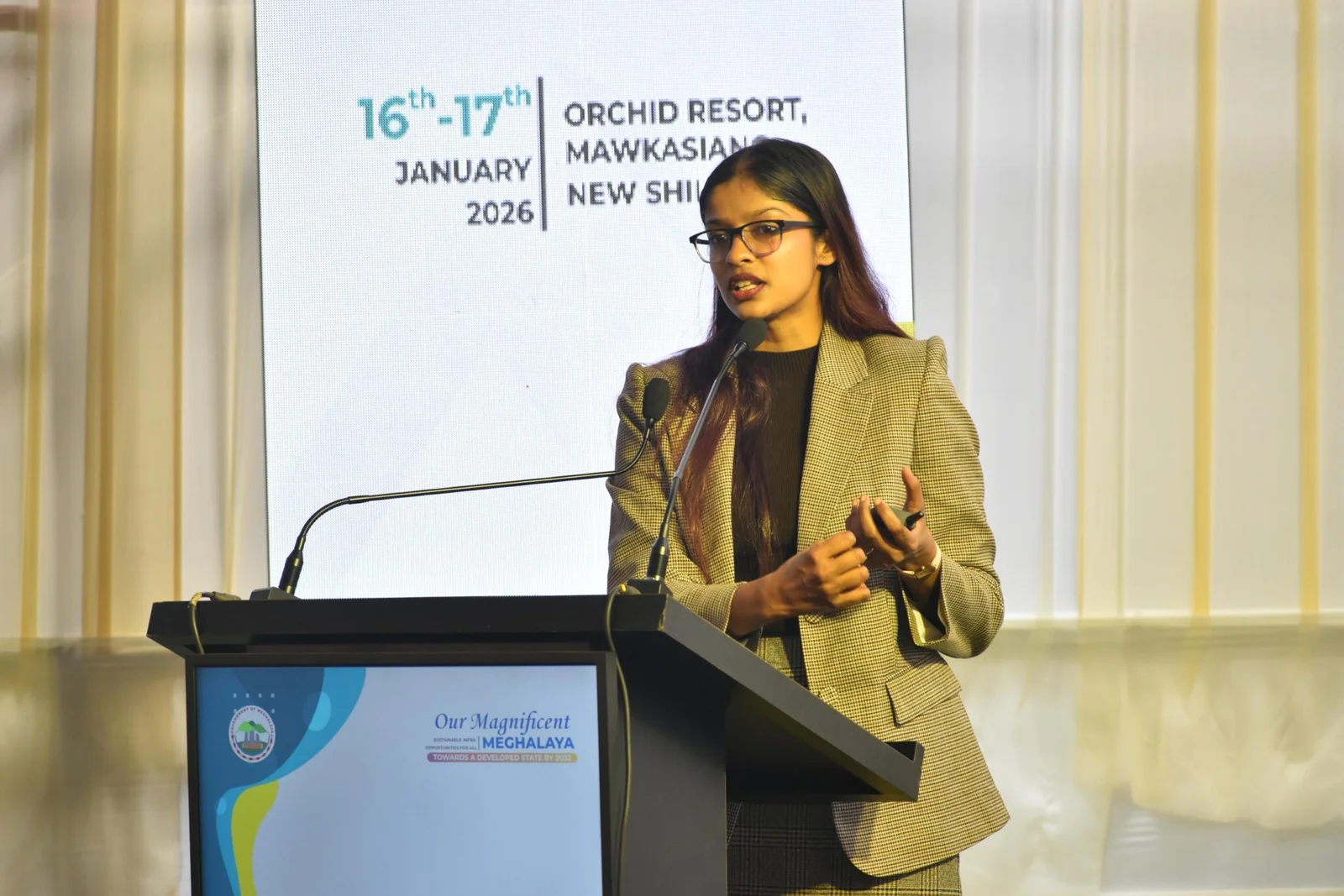
As Saloni Verma, IAS, Additional CEO of MEGNOLIA, aptly articulated earlier, “Products today cannot be pushed… they have to be felt. When people understand the labour, love, and cultural context behind something like Lakadong turmeric, a deeper emotional connection forms.”
From Monuments to Moments
Traditional heritage tourism has long revolved around architecture and antiquity. Today’s discerning traveller, however, seeks moments, not monuments. The Meghalaya Spice Event tapped into this desire by spotlighting everyday heritage… the spices used in kitchens, the rituals of cultivation, the stories passed down through generations.
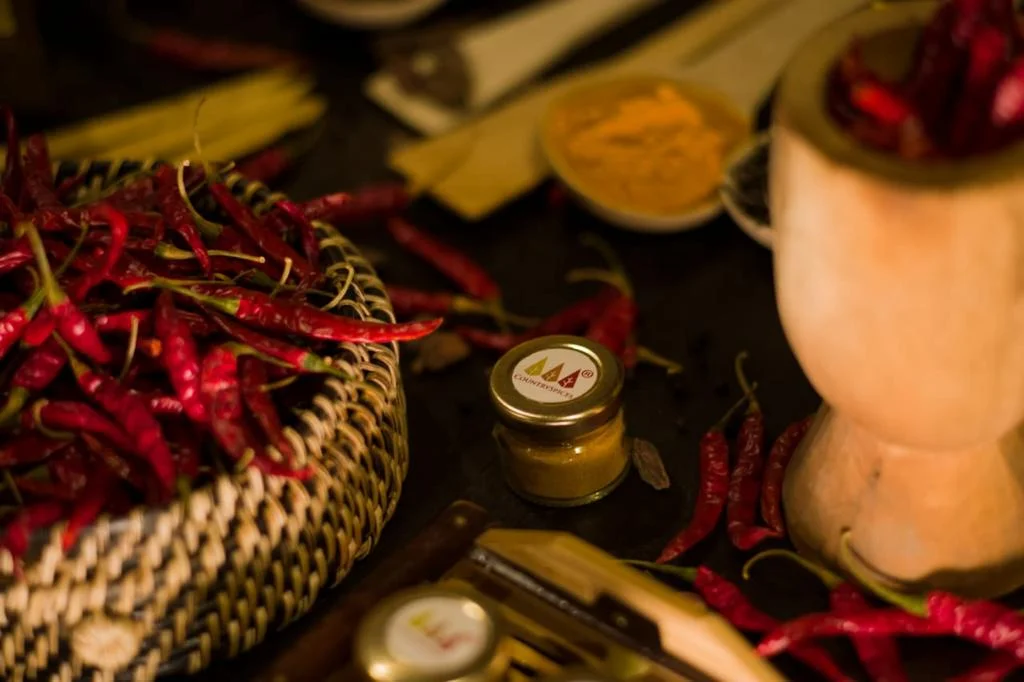
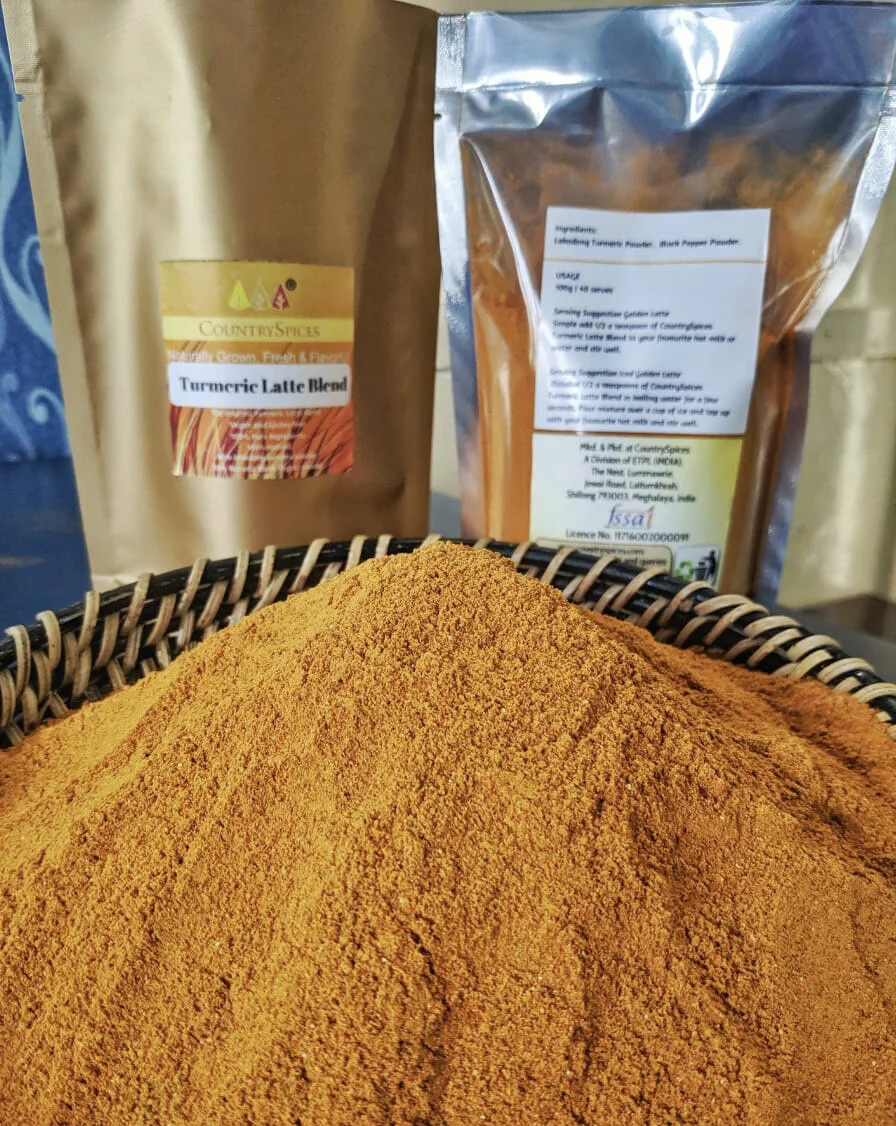
Spices like Lakadong turmeric, ginger, and black pepper emerged as cultural artefacts in their own right. They carried narratives of soil, climate, resilience, and sustainability. As Mr. Maqbool Lyngdoh Suiam, Chief Administrative Officer, MEGNOLIA, observed, “Organic farming is not a trend for Meghalaya… it is our tradition. Our forefathers practised chemical-free agriculture generations ago.” This grounding in lived legacy is what gives Meghalaya’s heritage its quiet authority.

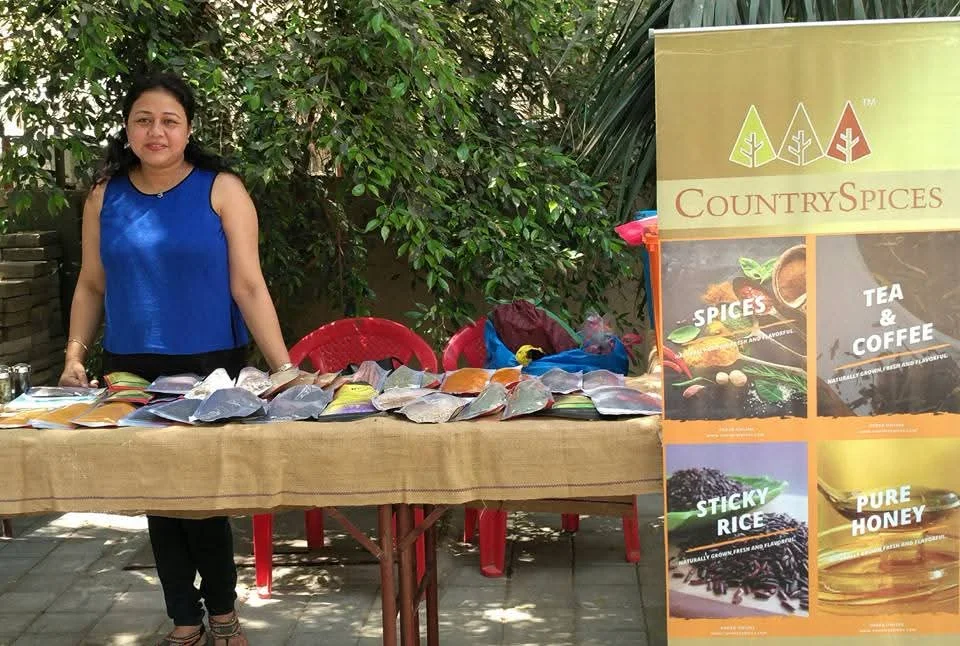
Artilin Row, the proprietor of Poart Enterprise, who worked in partnership with the Meghalaya Government (MAL, MEGNOLIA) to put up this majestic event end-to-end, further states, “It’s a cultural showcase of ancestral spices and traditions. The response has been overwhelming. People keep saying, “Why didn’t this come to Mumbai earlier?”
Culinary Heritage as Cultural Capital
Food has emerged as one of the most powerful entry points into heritage tourism, and Meghalaya’s spice narrative proves why. Culinary experiences engage all senses, forging emotional connections that linger long after the journey ends.
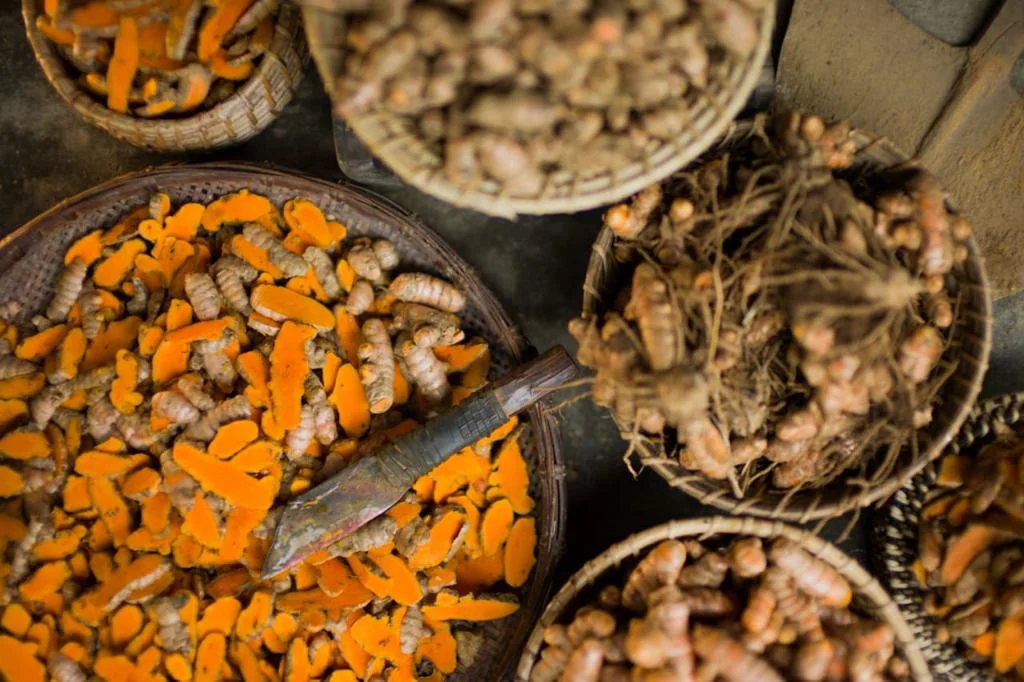
By anchoring the event around provenance and purity, Meghalaya positioned its cuisine as cultural capital rather than consumption theatre. Mr. Suiam noted that chefs and culinary professionals across India are already recognising the flavour and wellness value of Meghalaya’s produce. “Our turmeric has one of the highest curcumin contents. Our ginger and pepper are not just ingredients… they are stories of land and biodiversity.”
Community-Centric Tourism Takes Centre Stage
One of the most important revelations from the event was the emphasis on community-led tourism. Farmers, artisans, SHGs, and cooperatives were not side players… they were the protagonists. This shift marks a decisive move away from extractive tourism models.
Saloni Verma reinforced this ethos, saying, “Our role is to connect farmers and producers with the right markets so they can scale with dignity.” This philosophy positions heritage tourism as an ecosystem… one where economic opportunity and cultural preservation grow together.
Sustainability Is No Longer Optional
Sustainability emerged not as a buzzword but as a non-negotiable. From indigenous farming to eco-conscious infrastructure, Meghalaya’s approach reflects a future where heritage tourism and environmental stewardship are inseparable.
Through initiatives like organic villages and eco-sensitive tourism planning, Meghalaya demonstrates that development need not come at the cost of identity. “Sustainability is central to our planning… from bamboo-based infrastructure to waste management and carrying capacity,” Saloni Verma explained in an earlier interview to TheGlitz.
A New Luxury: Depth Over Display
Perhaps the most compelling insight from the Meghalaya Spice Event is how it redefines luxury. There was no ostentation, only intention. Luxury here was depth: of flavour, of story, of connection.
As Mr. Suiam summed it up, “We are not just branding spices; we are branding Meghalaya as a holistic destination… of culture, music, biodiversity, and mindful living.” In an age of excess, this restraint feels revolutionary.
The Road Ahead
What the Meghalaya Spice Event ultimately reveals is a blueprint for the future of heritage tourism in India, sensory, inclusive, sustainable, and deeply human. It proves that when culture is experienced rather than exhibited, tourism becomes transformative.
Meghalaya has shown that heritage, when told with honesty and heart, does not need embellishment. It simply needs to be heard.