Bandhini, once associated with festive wardrobes, heirloom saris and desert royalty, has caught the spotlight with remarkable force… only this time, it is walking global runways, entering luxury closets and redefining modern style. Vibrant yet sophisticated, traditional yet trend-forward, this gorgeous fabric has become one of fashion’s most exciting heritage revivals.
From couture houses to contemporary labels, the ancient Indian textile art is being reimagined as dresses, scarves, jackets, resort wear and statement accessories. What was once deeply rooted in ritual and region is now a global symbol of artisanal chic. For TheGlitz, this rise is proof that when heritage meets haute style, fashion becomes infinitely more meaningful.
What Exactly Is Bandhini?
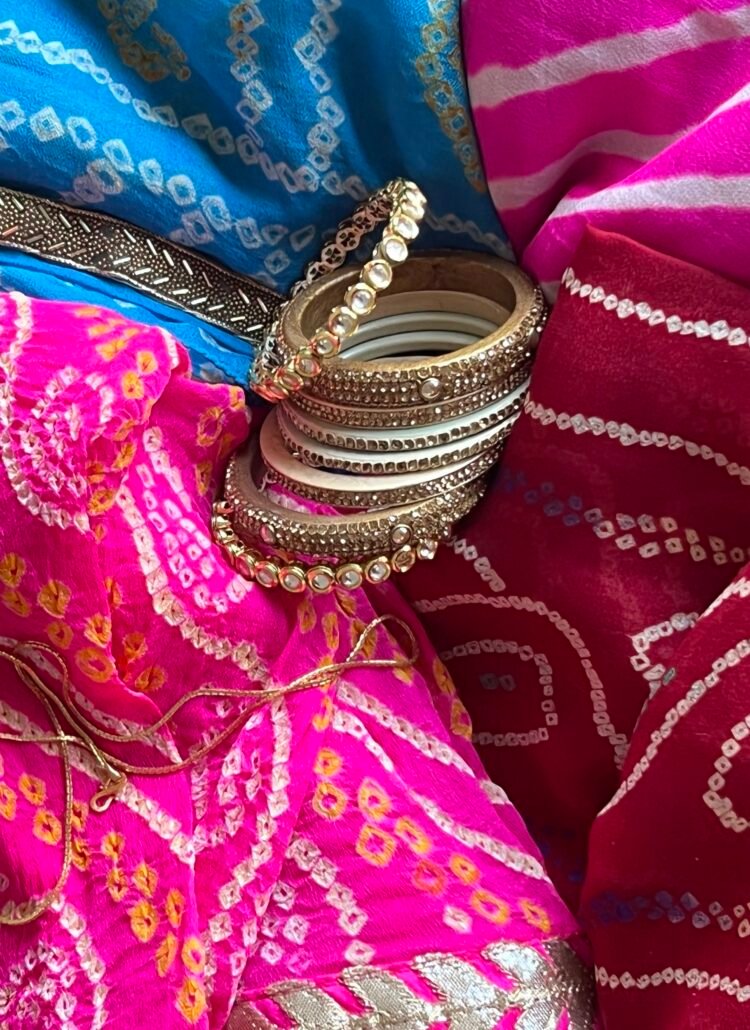
Bandhini, also known as Bandhej, is a centuries-old tie-dye textile technique originating largely from Rajasthan and Gujarat. The word comes from the Sanskrit root bandh, meaning “to tie.” Tiny portions of fabric are pinched and tightly tied with thread before dyeing, creating intricate patterns once the knots are opened.
The result is magical: dotted constellations, waves, spirals, flowers and geometric motifs blooming across silk, cotton, chiffon and georgette. Each piece is painstakingly handmade, often requiring thousands of tiny knots and immense patience.
It is basically wearable art, carrying generations of craftsmanship in every fold.
A Rich History Woven Through Time
This fabric’s history stretches back thousands of years, with references linked to ancient Indian textile traditions. Historically worn by royal families, merchants and brides, Bandhini became especially significant in western India where colours and motifs often reflected community, celebration and occasion.
In Rajasthan, rich reds, saffrons and maroons symbolised auspiciousness. In Gujarat, vibrant multicoloured styles became known for festive exuberance. Bridal odhnis and ceremonial saris often featured Bandhini, making it part of life’s most meaningful milestones.
Today, that cultural legacy is finding new admirers across continents.
How International Fashion Brands Embraced It
Luxury fashion has increasingly turned to craft traditions, and Bandhini’s artisanal beauty has proven irresistible. Global labels such as Christian Dior, Etro, Zimmermann and several contemporary European designers have referenced tie-dye techniques strongly reminiscent of its aesthetics.
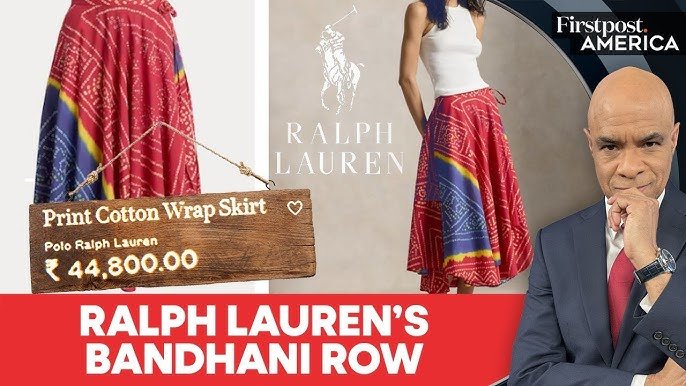
More recently, Ralph Lauren drew attention with a beautifully crafted Bandhini-inspired skirt that sparked conversations across fashion circles, signalling just how powerfully Indian textile artistry is influencing global wardrobes. When heritage craft appears in the collections of such iconic international houses, it confirms this Indian fabrics arrival as a worldwide style force.
Meanwhile, Indian luxury brands that command global attention… Sabyasachi, Anita Dongre, Abu Jani Sandeep Khosla, Rahul Mishra and Ritu Kumar… have elevated it onto international red carpets and destination weddings.
Celebrities, stylists and fashion editors love this hued fabric because it feels both soulful and glamorous. It tells a story while looking effortlessly stylish.
Why It Is the New Fashion Statement
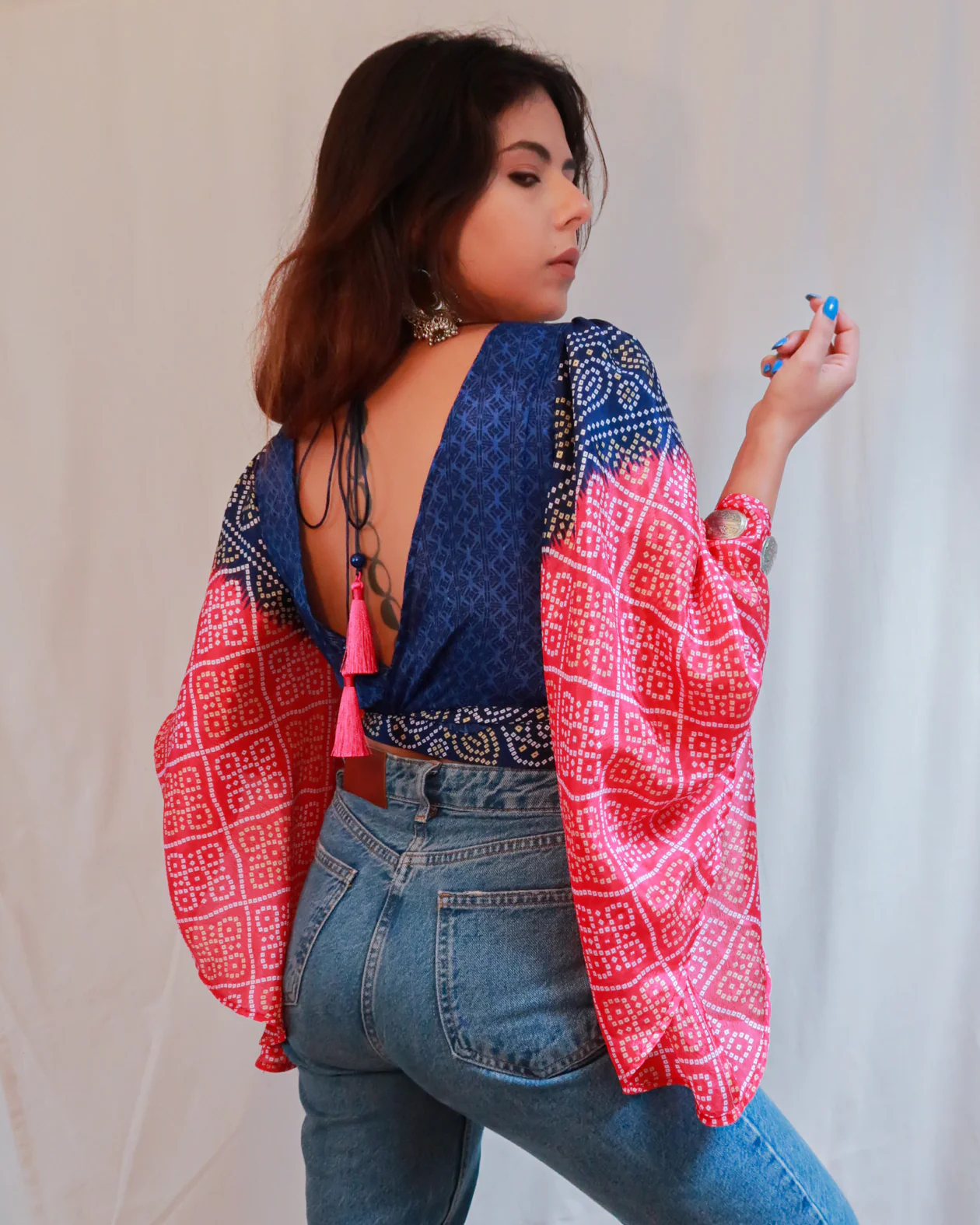
Fashion today values authenticity, handcraft and individuality. this fabric offers all three.
No two handcrafted pieces are exactly alike. In an era of mass production, that uniqueness matters. Consumers are also seeking garments with heritage and emotional value, making artisanal textiles more desirable than logo-heavy fashion.
It also blends beautifully with modern silhouettes. A Bandhini blazer with denim feels cool. A slip dress in this colourful fabric feels vacation ready. A scarf adds instant personality to monochrome dressing. It moves seamlessly between luxury and everyday style.
Biggest Trends Right Now
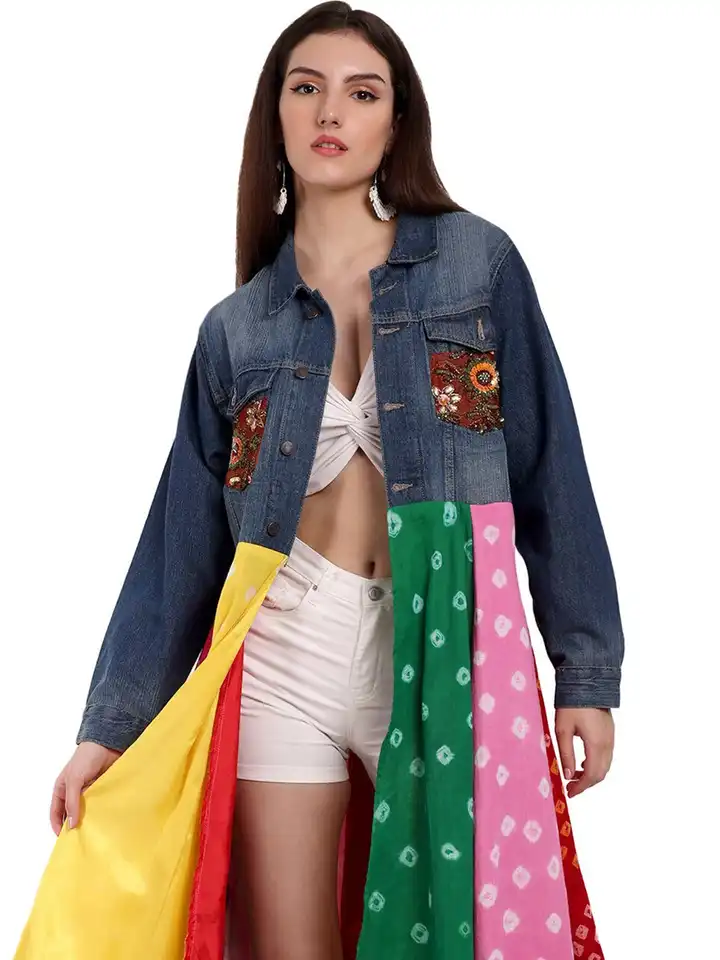
Bandhini is no longer confined to traditional attire. It has entered a bold new style era.
Bandhini Co-ords: Matching shirt-and-trouser sets in pastel Bandhini are everywhere, perfect for brunches and holidays.
Luxury Resort Wear: Kaftans, sarongs and breezy maxi dresses in these prints are dominating summer wardrobes.
Statement Sarees: Lightweight organza and silk sarees paired with structured blouses feel modern and elegant.
Menswear Moves: Printed jackets, kurtas, pocket squares and shirts are redefining festive menswear.
Accessories Boom: Bandhini bags, sneakers, turbans and scarves add playful sophistication.
Muted Minimalism: Soft ivory, blush, sage and powder blue Bandhini are especially popular among younger buyers seeking subtle luxury.
Sustainability Meets Style
Bandhini’s revival also reflects the move toward conscious fashion. Handmade textiles support artisan communities, preserve heritage skills and encourage slower, more meaningful consumption.
Choosing Bandhini often means investing in craftsmanship rather than disposable trends. That gives the textile relevance far beyond aesthetics.
TheGlitz Verdict
Bandhini’s global rise proves that true style never expires. What began in the hands of master artisans in Rajasthan and Gujarat has become a coveted fashion language spoken worldwide. Rich in history yet refreshingly modern, Bandhini is a triumph of heritage meeting high fashion.
In a world chasing the next new thing, Bandhini reminds us that sometimes the future of fashion is already woven into the past.