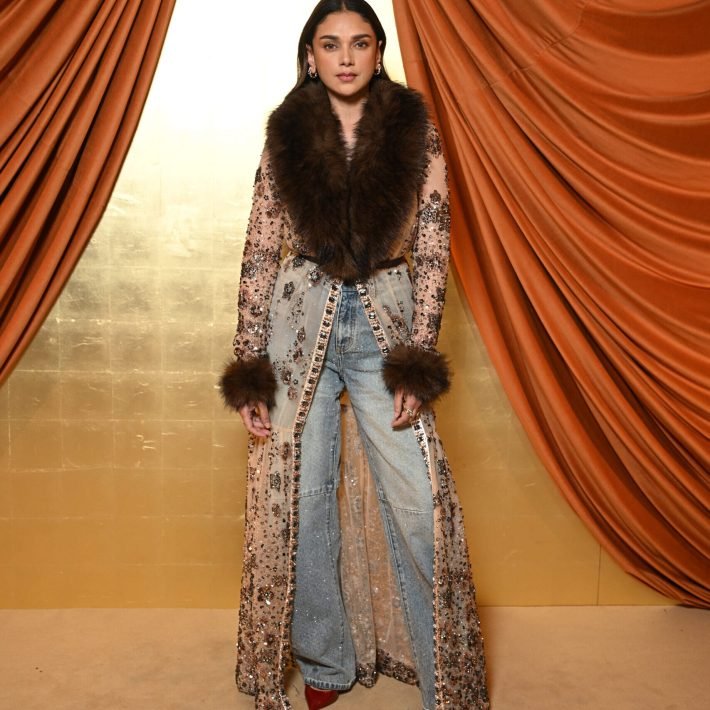

Abhilasha Bahuguna, Co-founder & Strategist, Looms of Ladakh Women Cooperative Ltd; Co-founder & Promoter, Looms of Niti Mana Self Reliant Cooperative; and Promoter & Strategist, Jammu Kashmir Bakarwal Embroidery and Crafts Cooperative
Meet the very inspiring Abhilasha Bahuguna, Co-founder & Strategist (Pro Bono), Looms of Ladakh Women Cooperative Ltd, who is building something far bigger than a luxury craft brand. She is helping build an ecosystem in which the people who create the value… the herders, artisans and mountain communities… have a stake in owning it, shaping it and taking it to the world.
That distinction lies at the heart of her extraordinary journey. Abhilasha has moved across mountains, cultures and continents, but the thread running through her life has remained remarkably consistent: the belief that meaningful change is created collectively. Raised in Uttarakhand in a family shaped by education, public life and the legacy of a freedom-fighter grandfather, she learnt early that achievement is not simply about standing at the summit; it is about the people, discipline and shared effort that make the summit possible. Her years at the Nehru Institute of Mountaineering would reinforce that lesson… keep the rope together, move as a team, and never measure success by leaving someone behind.
That philosophy eventually found its most powerful expression in Ladakh. What began with her questioning the inequity surrounding Kashmiri pashmina gradually became a much larger idea: better wages alone were not enough. Ownership mattered. Agency mattered. The ability to participate in decisions and capture value mattered. As she began working with women artisans and mountain communities, Abhilasha saw that the real transformation would come not from simply creating a better market for their craft, but from creating institutions in which the artisans themselves could have a meaningful stake.
That vision took shape as Looms of Ladakh… a women-led cooperative conceived to ensure that the communities whose knowledge, skill and labour give Ladakhi fibres their value, are also able to participate in the value they create. From strengthening the capabilities of local artisans and adding value to indigenous fibres to building decentralised production and creating stronger pathways to the market, Looms of Ladakh is steadily transforming traditional mountain craft into a more empowered, sustainable and contemporary livelihood ecosystem.
Today, Abhilasha’s work extends beyond Looms of Ladakh. As Co-founder & Promoter, Looms of Niti Mana Self Reliant Cooperative, and Promoter & Strategist, Jammu Kashmir Bakarwal Embroidery and Crafts Cooperative, she is working across different mountain communities with the same fundamental question: how do you turn traditional knowledge and craftsmanship into sustainable economic power without taking ownership away from the people who created it?
For Abhilasha, this is also where luxury needs to be redefined. Luxury cannot simply be about rarity, price or exclusivity. It has to be about provenance, skill, human time, cultural knowledge and the ecosystem that makes an extraordinary material possible. Her argument is compelling: if the artisan is celebrated in the story but excluded from the value created by that story, something fundamental is missing.
Her ambition goes far beyond putting Ladakhi craft on the global map. She wants to create an ecosystem strong enough for Himalayan communities to nurture their skills, strengthen their craft and take their own cultural wealth to the world with confidence and agency. Through Looms of Ladakh, that vision is already taking shape,,, bringing together indigenous fibres, traditional knowledge, contemporary design and global markets, while keeping the communities at the heart of the craft firmly connected to its journey and its future.
And perhaps this is what makes Abhilasha’s story so powerful. She is not talking about empowerment as a slogan. She is talking about ownership, economics, institutions and agency. She is asking the questions the luxury industry too often avoids: Who owns the story of a fibre? Who creates its value? Who profits from it? And, most importantly, who gets to decide where that story goes next?
At a time when global luxury increasingly overlooks the depth of Indian craft and its provenance, Abhilasha is ensuring that heritage is back into focus. She is not merely taking Ladakhi craft to the world; she is insisting that the people who have protected, practised and perfected it for generations have a rightful place in its future… as creators, stakeholders and owners of its value.
In an exclusive interview with Sumita Chakraborty, Founder & Editor-in-Chief, TheGlitz, Abhilasha Bahuguna, Co-founder & Strategist, Looms of Ladakh Women Cooperative Ltd, speaks about her extraordinary journey from the mountains of Uttarakhand to Ladakh, Co-founding Looms of Ladakh, the women and communities who transformed her own understanding of leadership, the economics of sustainable luxury, why ownership matters more than simply better wages, and her ambitious vision of taking Himalayan craftsmanship to the world, without allowing the people who created its value to disappear behind the label.
Over To Abhilasha Bahuguna, Co-founder & Strategist, Looms of Ladakh Women Cooperative Ltd
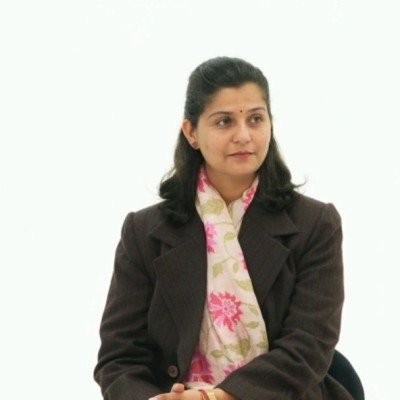
From a childhood shaped by the mountains of Uttarakhand and the legacy of a freedom-fighter grandfather, to climbing mountains, marrying into a Tamil family and ultimately choosing Ladakh as the place where you would get married… your life seems to have been a journey between cultures and mountains. Could you tell us a bit about your life and how much of the woman you are today was shaped by those journeys?
I have come to believe that we are, in many ways, a sum total of our childhood and school experiences. They quietly become our heuristics—the ways in which we learn to see a problem, respond to uncertainty, work with others, and decide what is worth pursuing. As William Faulkner wrote, “The past is never dead. It’s not even past.” Much of what I am today continues to live in those early experiences.
Some of my strongest childhood memories come not from formal lessons, but from conversations around our dinner table and during summer vacations. My grandfather was a freedom fighter, and my parents were educationists who worked at the state level with NCERT. So conversations at home naturally moved between public life, education, community and the responsibility of doing something meaningful with what one had.
They encouraged me to take up school projects and, perhaps more importantly, encouraged approaches in which doing something collectively and doing something for a community became joyful rather than burdensome.
I remember being the House Captain at school when, after five years, our house finally won the March Past Trophy. One might imagine that the trophy on the dais would be the defining memory. Surprisingly, it isn’t. What I remember most vividly are the preparation days—the students practising together, the small moments of discipline and laughter, the collective effort. I know this because there is a photograph of me holding the trophy, and the photograph reminds me of what the occasion was; but my emotional memory belongs to the days that led to it.
Similarly, the watermill project through which I represented my state at the National Science Congress was not simply a science project for me. It was an exercise in thinking about science in relation to regional development. Looking back, I realise that these experiences were quietly teaching me how to think: to connect an idea to a place, a problem to a community, and an achievement to the process that makes it possible.
Mountains reinforced that lesson in a completely different way. When I became an alumna of the Nehru Institute of Mountaineering in 2008, I discovered something about myself that I perhaps already knew intuitively: I enjoy the process. The summit matters, of course, but it is the days of walking towards it that stay with you—the preparation, the uncertainty, the rope, the weather, the exhaustion, and the people who keep moving with you.
Our rope leader was Flight Lieutenant Vishnupriya. I still remember how she would remind us to keep the rope together and complete the task as a team rather than blaming the slowest person among us. On another occasion, when I had injured my knee, she pushed me to complete the hike that day. These were simple moments, but they left a lasting impression. I have been fortunate in life to encounter people who, sometimes without knowing it, have altered the way I think.
Perhaps my relationship with mountains also began much earlier—in imagination. As a schoolgirl at Convent of Jesus and Mary, during morning assembly on the school grounds, I remember imagining terrorists positioned on different balconies of our red school building and thinking through how we would save ourselves together as a team. These were probably the years when films like Roja and Dil Se were shaping our collective imagination. And, yes, I probably developed a teenage infatuation with Arvind Swami somewhere along the way and imagined myself living in Jammu & Kashmir.
We should perhaps be careful about what we wish for, because sometimes life has a rather extraordinary sense of humour. Many years later, I did find myself in Jammu & Kashmir—leaving behind my studies and work in the Netherlands and moving to this part of the world as the spouse of a South Indian who was working in J&K and Ladakh.
Marriage itself became another journey between cultures. Ours was a two-state Hindu wedding, and it was wonderfully dramatic. There was genuine confusion over whether we were supposed to take 2.5 pheras or 7. And then there was the practical crisis of my lehenga blouse refusing to come off because of the enormous bun in my hair, while a Kanjivaram blouse was waiting to replace it!
Yet, strangely enough, the most peaceful and deeply happy part of our wedding was our Buddhist Ladakhi ceremony in Leh, organised with such warmth by the late Dr. Sonam Dawa and his colleagues. Perhaps it was fitting that after all the cultural negotiations, the mountains gave us a space that felt completely still.
Looking back, I don’t see these as disconnected chapters—Uttarakhand, my grandfather’s legacy, my parents’ educational world, school, mountaineering, the Netherlands, a Tamil family, Jammu & Kashmir, Ladakh. They seem to have been preparing me for one another.
The mountains taught me perseverance. School taught me the joy of collective endeavour. My family taught me that education has a social purpose. Crossing cultures taught me to listen, adapt and find common ground. And the people I encountered along the way taught me that institutions and communities are built not by standing at the summit alone, but by keeping the rope together.
That perhaps explains the work I eventually chose to do in Ladakh, and increasingly in Jammu & Kashmir and Uttarakhand: building cooperative institutions and creating a luxury craft ecosystem rooted in high-altitude mountain communities.
In retrospect, the journey feels less like a series of destinations and more like a continuous thread. The child who found joy in a school project, the young woman who learned to keep walking with a rope team, and the person who eventually chose Ladakh as a place to build a life and work with mountain communities are, in many ways, the same person.
The landscapes changed. The cultures changed. The people changed. But the underlying instinct remained remarkably constant: to walk with others, to keep the rope together, and to find meaning in the journey as much as in the summit.
You began Looms of Ladakh after seeing the unfair treatment of pashmina artisans. What was the moment when you realised that simply paying artisans better wasn’t enough… and that the real change had to be ownership and agency? Also, the luxury industry often celebrates craftsmanship while the person doing the craftsmanship remains invisible. How have you designed Looms of Ladakh to ensure that the artisans aren’t simply part of the supply chain, but actually benefit from the value their craft creates?
There were two episodes, separated by a little time, that gradually shaped my belief that better wages alone were not enough—that dignity ultimately had to come from ownership, agency and the ability to shape the value chain itself.
The first was in December 2013. I remember seeing my landlady bargaining quite aggressively with a Kashmiri pashmina trader who had come to her home. Something about that exchange stayed with me. Around the same time, I had been reading about the dwindling number of Kashmiri artisans, even as some established business houses continued to benefit from the reputation and heritage of Kashmiri Pashmina.
I remember feeling that there was a fundamental disconnect: the people whose skill created the value were not necessarily the people who had a stake in the value that was being created.
I began imagining an Amul-like model for pashmina—a cooperative in which artisans were not merely paid for their labour but could collectively own the institution, participate in decisions and build a brand around their own knowledge and fibre. At that point, I had no organisation, no capital and no real mechanism to act on the idea. The maximum I could do was put up a Facebook Public post in December 2013. But sometimes an idea begins simply by being articulated.
The second episode was much more personal. In 2013–14, my would-be husband was briefly attached to the GAD without a department. One day, we went looking for Kerala appams at INA Dilli Haat and ended up wandering through its craft and textile stalls. We saw artisans and textiles from different parts of the country, but I noticed that Ladakh had no real presence there, despite being the source region of a fibre occupying the very high end of the luxury textile economy.
I remember talking to him about it. He had heard that he might be getting the Handloom Department and, at that young age, I suspect he wasn’t particularly thrilled by the prospect. We spoke about how the departments and sectors that are sometimes perceived as being low-key are often precisely where the country has some of its deepest unfinished work—textiles, health, education.
I also remember telling him that perhaps these slow phases in life have a purpose. When nothing seems to be moving very quickly, you have the unusual privilege of stepping back and asking yourself what you actually want to do.
Providence, in its own way, answered that conversation. After our wedding, our first place of posting and life together was Ladakh.
And when I eventually began working closely with women artisans there, the idea from 2013 became much more tangible. I realised that if I only created better markets and paid someone a little more for their work, I was still leaving the fundamental structure untouched. Someone else would continue to own the institution, make the important decisions, control the brand and capture the larger value.
For me, the more meaningful question became: What if the women themselves owned the institution through which their skill, fibre and labour reached the market?
That distinction changed everything.
A wage recognises labour. Ownership recognises the person behind the labour. Agency means being able to decide what to produce, how to produce it, what standards to uphold, how value is created, and what happens to the value once it reaches the market.
That is what eventually became Looms of Ladakh—not simply an initiative to pay artisans better, but an attempt to build an institution in which mountain women could become owners, decision-makers and custodians of the value of their own craft.
Looking back, I think both those early episodes were really asking the same question in different ways: Who gets to own the story of a fibre—and who gets to decide its future?
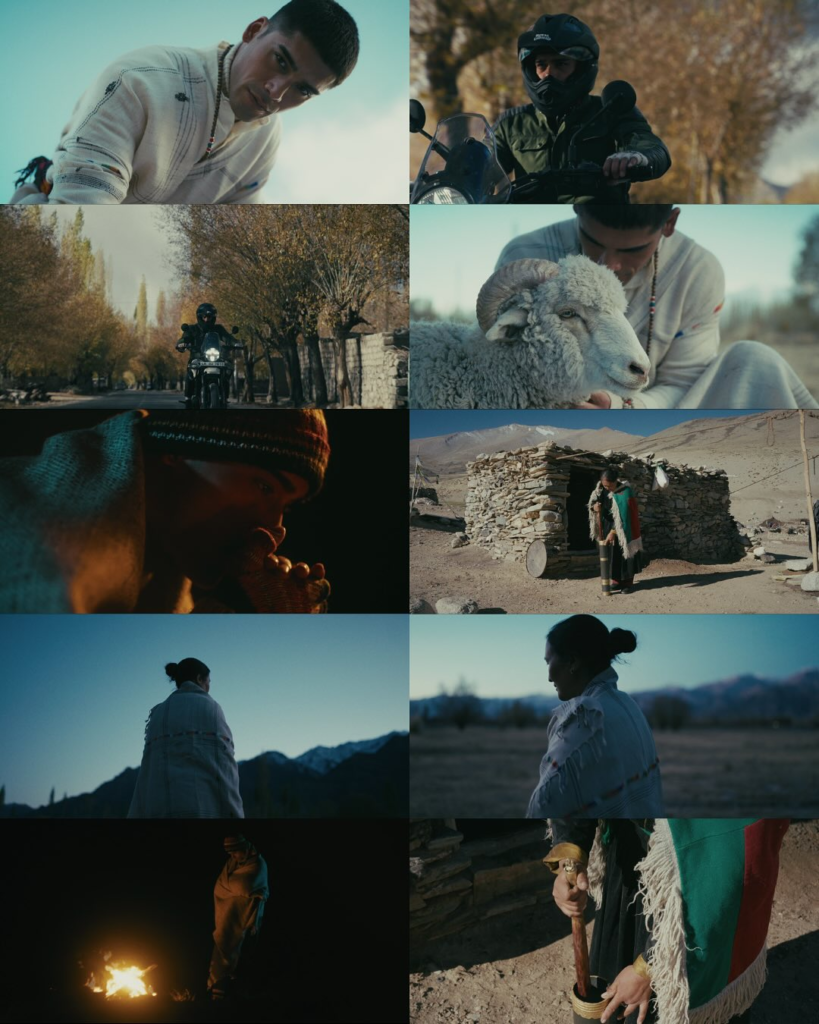
Your model brings herders and weavers into the journey from raw wool to finished product. What changes when you control that entire chain… from the animal and the fibre to the final luxury collectible… and how does that alter the economics for the communities involved?
I think what changes when you connect the herder, the artisan and the final product is that the fibre stops being just a commodity and becomes a living value chain.
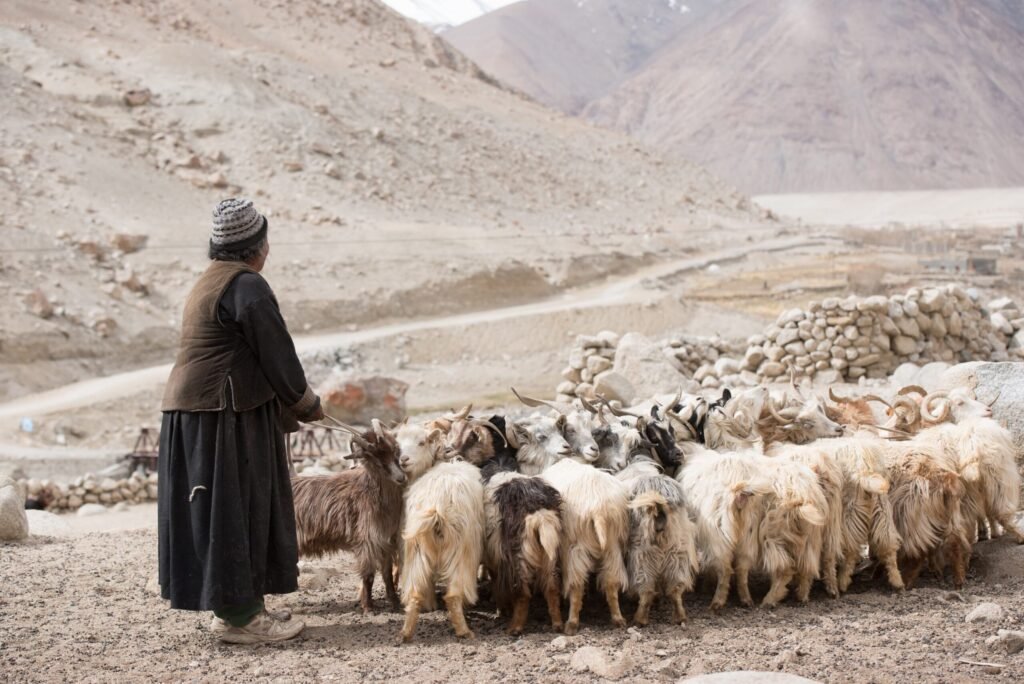
I started thinking about this partly by looking at Nepal’s Chyangra Pashmina experience. There was important work around developing young entrepreneurs and pashmina products, but I felt the backward linkages—to the herders, fibre quality, local processing and manufacturing—needed much more attention. Otherwise, there is a danger that Ladakh too could become a place where people sell beautiful products around the identity of Pashmina, while the real manufacturing and R&D happen somewhere else.
Individual entrepreneurs can certainly build successful businesses that way. But if we want Ladakh to stand alongside the world’s great luxury natural-fibre regions, we have to build the capabilities here—processing, manufacturing, product development and R&D—and bring the people who produce the fibre into that journey.
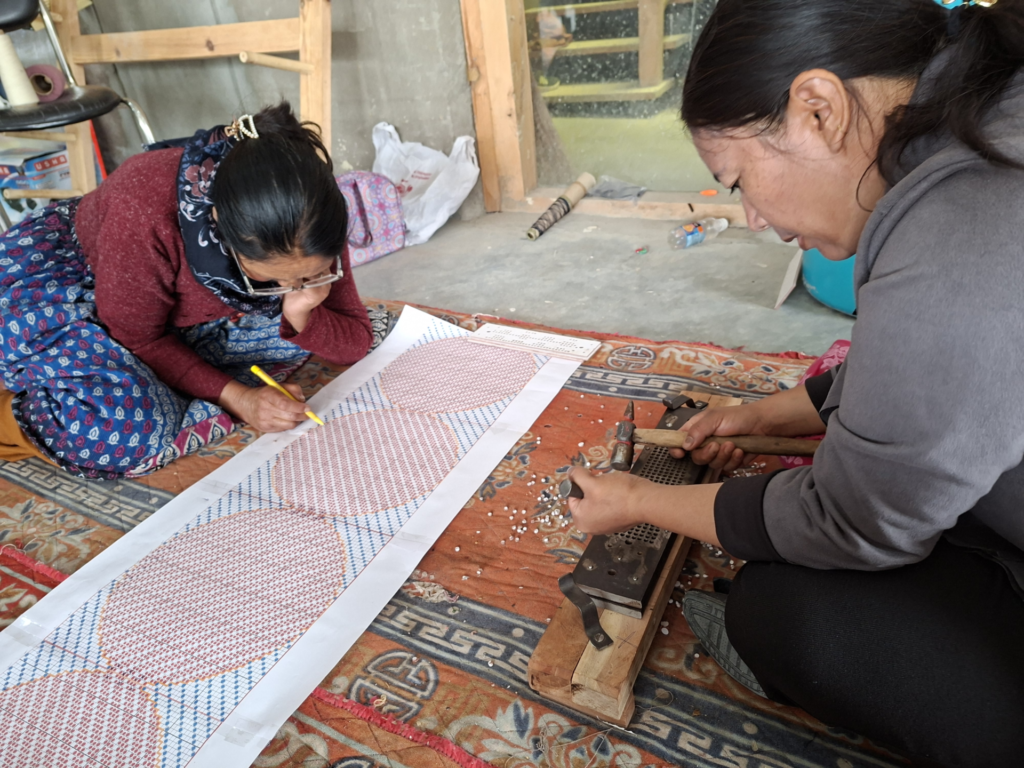
Traceability is an important part of this. At Looms of Ladakh, we are working towards QR-based traceability of our woven products. At the fibre end, when I was part of the UT Administration’s Pashmina Pricing Committee, I advocated barcode identification and sample grading of each herder’s annual fibre yield. The idea was that better animal health and better fibre quality should actually be recognised in the price. I believe some of the barcode-based collection has since been adopted, although laboratory-based procurement and grading is a more complex institutional process.
There is also something deeper here. When herders and artisans have agency and a stake in the business, they have a stronger reason to protect the reputation of the product. Research on geographical-indication products such as Parmigiano Reggiano and Prosciutto di Parma shows how much collective governance matters to maintaining quality and territorial reputation.
It doesn’t happen automatically, of course. You need good institutions and shared standards. But I am hopeful that when the people who have created the reputation of a product also have a meaningful stake in its future, the economics and the ecology can begin to work together.
So, for me, the ambition isn’t simply to sell Ladakh Pashmina at a higher price. It is to make sure that more of the value created by that fibre stays connected to the mountain communities, knowledge and landscape that make it possible in the first place.
Ladakh pashmina, yak, sheep and camel wool have extraordinary cultural identities. How do you modernise these materials for a global luxury consumer without sanding away the imperfections, techniques and stories that make them authentically Ladakhi?
I think the starting point is to recognise that Ladakh has an extraordinary cultural identity embedded in its fibres—Ladakh Pashmina, yak wool and local sheep wool. These are not simply raw materials; they come from a landscape and a way of life that has given them their reputation.
Traditionally, Ladakh did not have the kind of royal or commercial patronage that helped textile clusters develop in many other parts of India. But that doesn’t mean there wasn’t a textile tradition. Women and men made beautiful shoes, warm fabrics, saddles, bags, tents and ropes—largely for their own lives and environment. So the knowledge was there; what was missing was a commercial ecosystem around it.
I think modernisation therefore has to happen on two fronts simultaneously. One is agency and ownership. The herders and artisans have to remain part of the value chain, because their landscape, animals, skills and way of life created the reputation of these fibres in the first place.
The second is about developing the craftsmanship to a level where these materials can speak to a contemporary luxury consumer—without making them look like something from somewhere else.
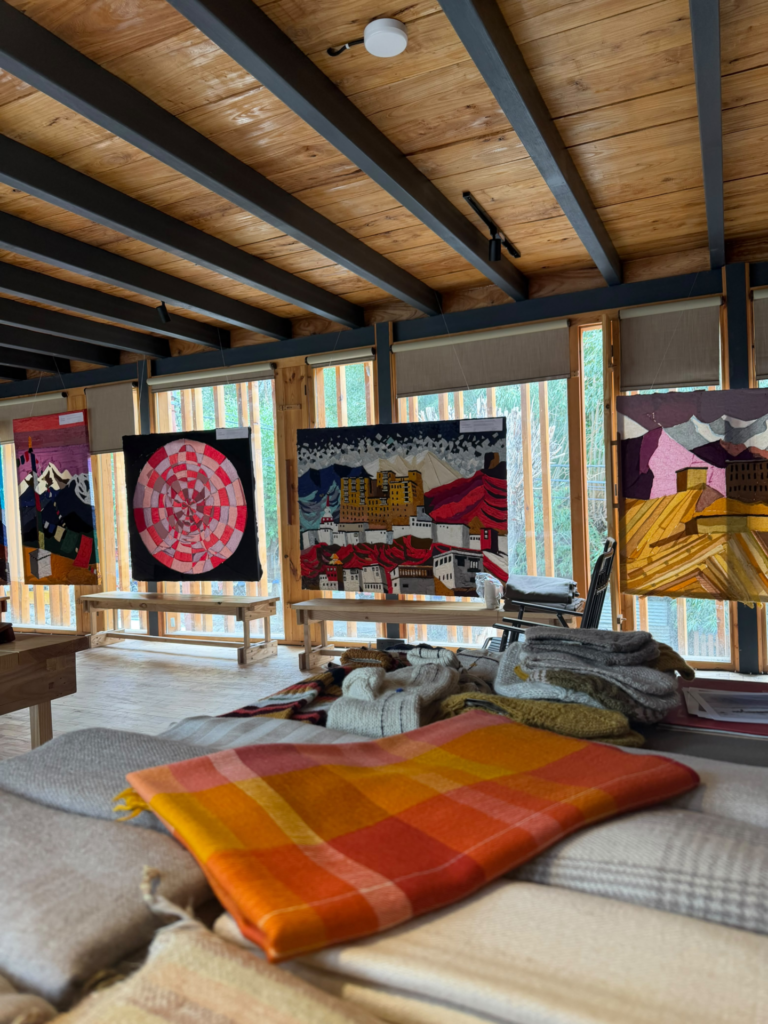
For me, that means retaining the symbols, techniques and design language, but developing the ability to work with much finer yarns and more sophisticated construction. A luxury textile has to feel beautiful against the skin, have an unmistakable sense of craftsmanship, and yet be able to move effortlessly between a Ladakhi landscape, a gallery, a boardroom or an international fashion setting.
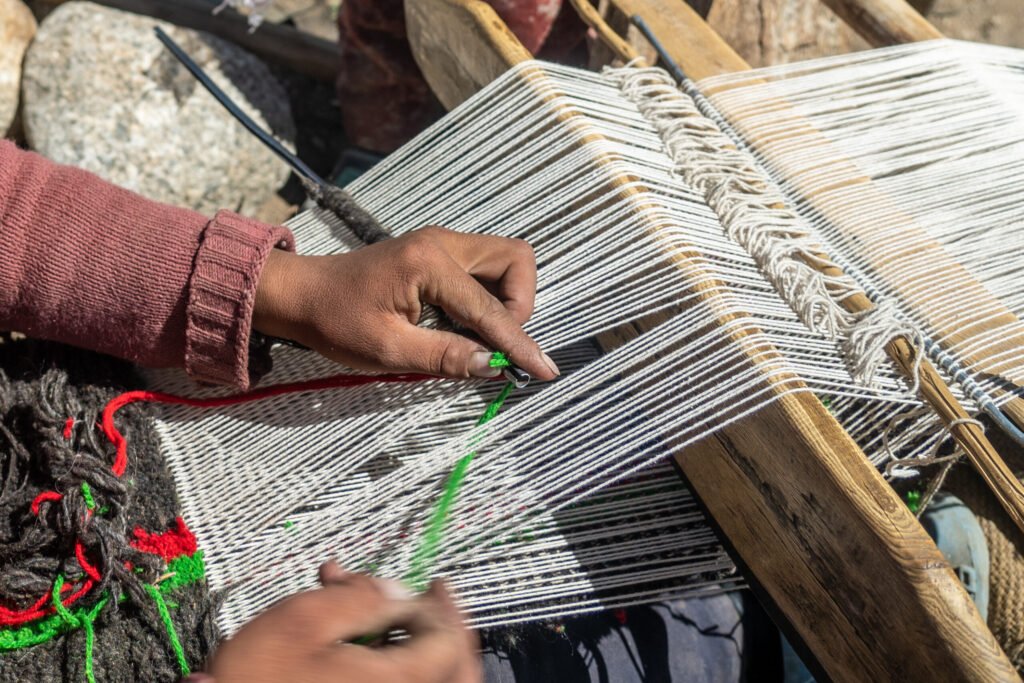
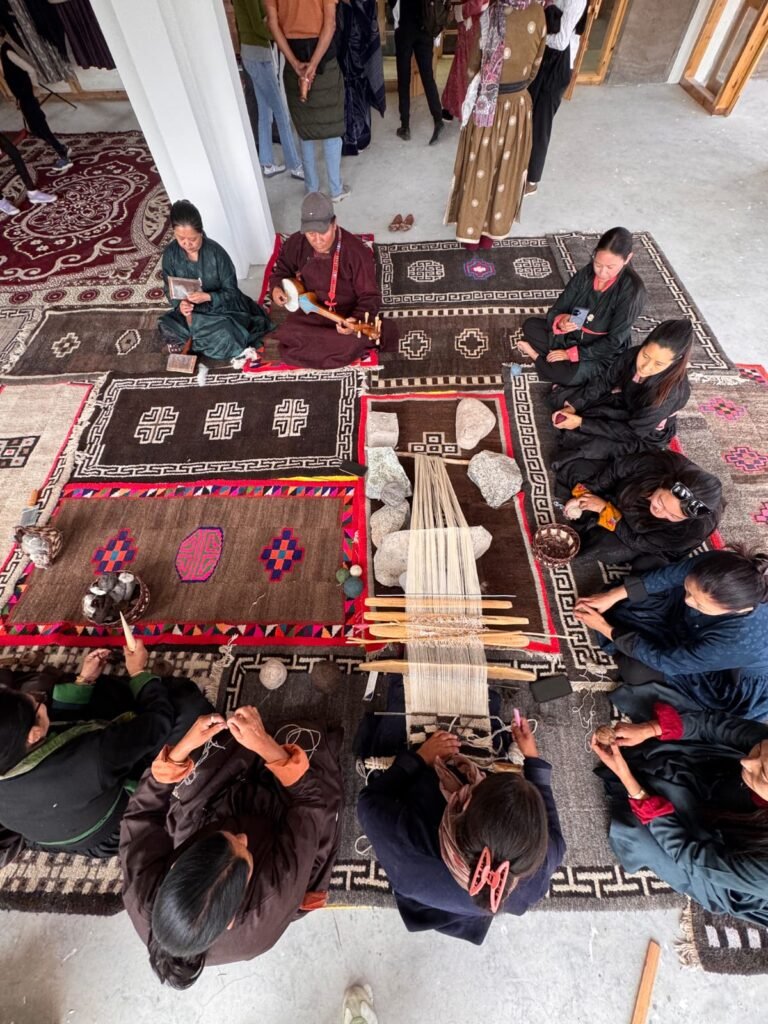
This is something we have been working on at Looms of Ladakh Women Cooperative. We began with fairly thick 2/20 Ne yarns; today, our member-owners are able to weave 1/56 Ne yarns, although 2/20 Ne remains much more common across Ladakh. We have also brought techniques such as tapestry and extra-weft weaving—drawn from regional utilitarian textile traditions—into finer luxury Pashmina textiles while retaining a Ladakhi design vocabulary.
At the same time, we have been building the manufacturing capacity to produce in a more predictable, time-bound way, so that the work can respond not only to local tourism but also to B2B and B2C markets.
So I don’t see modernisation as removing the imperfections or making Ladakhi textiles resemble European luxury. I see it as giving Ladakhi knowledge the technical and commercial capabilities to travel further without losing its accent.
Ultimately, the endeavour is to find that harmony between ecology, culture and economy—where the material remains rooted in its landscape, the craft remains recognisably Ladakhi, and the final product can still belong naturally in the contemporary global luxury world.
Looms of Ladakh now brings together 427 artisans across 16 villages. At that scale, how do you preserve the intimacy and individuality of handmade craft? Does growth ever threaten the very authenticity you are trying to protect?
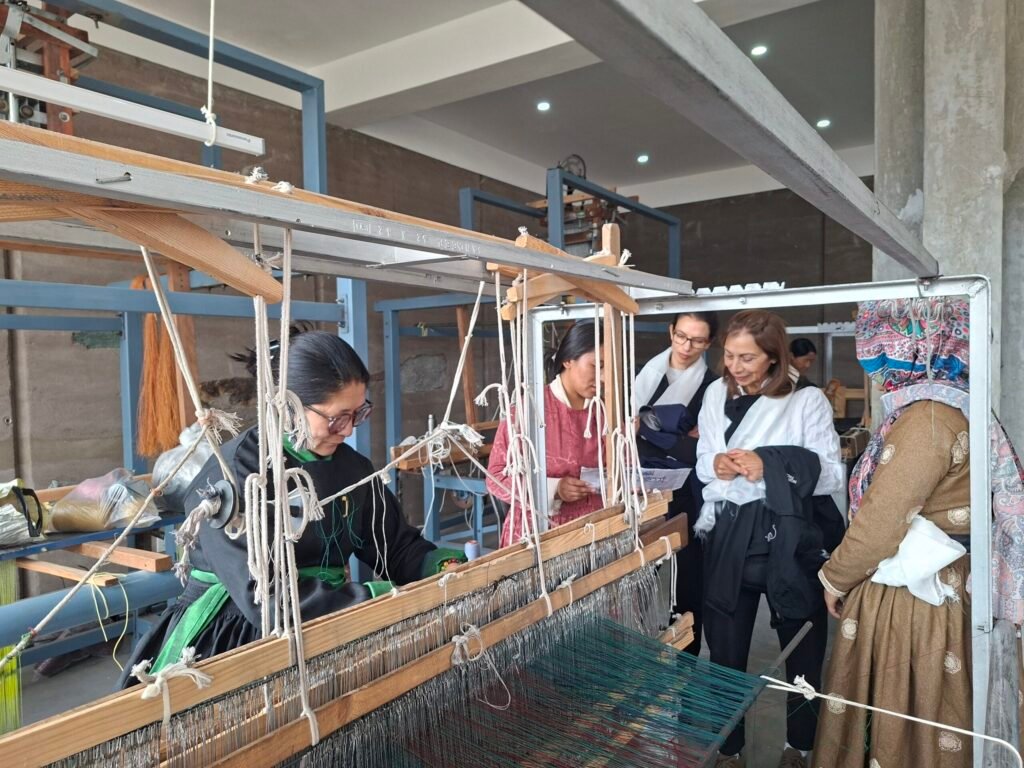
At Looms of Ladakh Women Cooperative Ltd, we have consciously built a hub-and-spoke model, with decentralised village-level centres for training and production. This allows us to grow without centralising the craft or separating it from the communities and ecological contexts in which it has evolved.
Our design and production team works with the distinct histories, techniques and ecological influences of Leh, Kargil and Changthang, while also taking into account the individual capabilities and capacities of our member-owners.
Therefore, even when the Cooperative develops a collection around a common theme, its expression can remain regionally distinct. For instance, our Changpa member-owners are developing Challi products using backstrap-loom weaving, drawing upon their pastoral and weaving traditions, while members in Kargil and Leh work with extra-weft and tapestry techniques. Within each centre too, individual artisans bring their own ideas, cultural knowledge and skills into the pieces they create.
So, for us, scale does not have to mean uniformity. The Cooperative provides the institutional framework, but the craft remains rooted in the artisan, the village and the region.
At the same time, I believe scale is necessary if craft is to become a genuine regional development and livelihood tool. If handmade craft remains confined to a few individual producers, its ability to generate sustained livelihoods, create local value addition and contribute to the wider rural economy remains limited. The challenge is to find a model where scale strengthens the ecosystem rather than standardising it.
For Looms of Ladakh, the cottage-industry approach combined with the hub-and-spoke model has helped us achieve this balance. Production remains distributed across villages, while the Cooperative provides the larger institutional architecture—design development, training, raw-material systems, quality processes, market access, traceability and collective enterprise management. This enables more artisans to participate without requiring them to leave their communities or abandon their traditional skills.
Authenticity is also supported by transparency. We maintain records of the sourcing and distribution of raw materials to members and the collection of finished products. Our QR-based labelling system helps establish this traceability and keeps the journey of a product connected to the people and processes behind it.
Ultimately, I don’t see scale and intimacy as opposites. The real question is how scale is designed. For us, the objective is to build an institution large enough to create meaningful livelihoods and regional economic value, while keeping production sufficiently decentralised for the individuality of the artisan, the culture of the village and the ecology of the region to remain visible in the craft.
What does “Sustainable Luxury” actually Mean? “Sustainable” and “ethical” have become powerful words in fashion… and sometimes marketing buzzwords. For you, what does sustainable luxury actually look like on the ground? What are the compromises, costs or difficult decisions that consumers rarely see behind a genuinely responsible product?
For me, understanding sustainable luxury requires us to first understand what luxury historically meant.
For centuries, luxury was associated with rarity, craftsmanship, distance and exclusivity. Royal courts and later the ultra-rich valued textiles, fibres, jewellery and other objects that came from distant regions and specialised ecosystems that were difficult to access. Their value was inseparable from the people, skills, materials and places that produced them.
Over time, luxury became increasingly aspirational. Scarcity and exclusivity could be created through limited production, selective distribution and higher prices. With industrialisation and mass consumption, however, we began to separate the luxury object from the ecosystem that gave it its reputation.
Today, sustainable and ethical have become powerful words in fashion—but sometimes they are simply marketing language. A product can be expensive and branded as exclusive or sustainable while having very little meaningful relationship with the ecosystem, producers or materials behind the story.
I think we need to rethink that relationship.
Can we trace a luxury product back to the ecosystem that gives it its identity and reputation—and make that relationship measurable?
Perhaps brands could begin by transparently answering just three questions:
1. Production: How much of the brand’s production is actually produced within that ecosystem, and how many producers are involved?
2. Producer value: What percentage of the relevant annual revenue reaches the producers as their earnings?
3. Material transparency: What percentage of the product is made from each material, with clear disclosure of local, imported, natural, recycled or synthetic content?
These three disclosures would not, by themselves, make a product sustainable. But they could create a basic architecture of trust.
At Looms of Ladakh, this is increasingly how we think about luxury. The value of a product should not end with its price or aesthetic. It should be connected to its material, maker, place, skill and ecosystem—and the consumer should be able to see that relationship.
For me, the real sustainable luxury of the future is therefore not simply scarcity created by marketing. It is rarity that comes from genuine skill, responsible materials, human time, cultural knowledge and an ecosystem strong enough to sustain the people who create it.
If we can measure that relationship and transparently communicate it, sustainable luxury can move from being a buzzword to becoming a credible proposition—one that can be seen, measured and trusted.
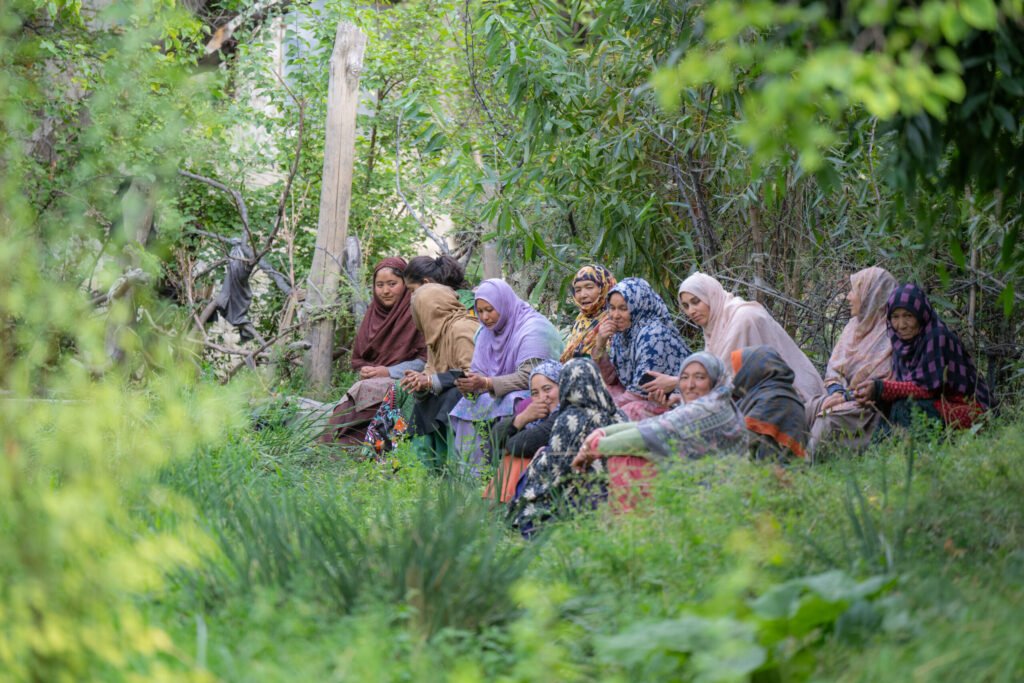
You have helped position Ladakhi fibres and craftsmanship as luxury on a global stage. What do you hope happens next: Do you want Looms of Ladakh to become a larger luxury brand, or do you ultimately want to create an ecosystem where Ladakh’s artisans no longer need a brand to validate the value of their craft?
I would see these as two complementary aspirations.
Ladakh already has an extraordinary craft ecosystem—shaped by its landscape, materials, communities, cultural knowledge and generations of skill. Our responsibility is to strengthen the standards, governance and institutions that can preserve this richness as the ecosystem grows.
At the same time, I do believe that building Looms of Ladakh as a strong cooperative luxury brand is important. For me, the purpose of a brand is not simply to sell more; it is to create a stronger institutional and market architecture around the craft.
This brings us back to the question of scale. If craft is to become a meaningful instrument of regional development, we need manufacturing systems that can take local materials and skills to consistent markets while keeping value within the region. We need quality standards, design and production systems, traceability, professional management and sustained market demand.
Most importantly, a cooperative brand can create greater agency for the producers themselves.
There is a significant difference between participating in a supply chain primarily as a wage earner or supplier and being a member-owner of an institution that has a relationship with the market, develops the product, maintains its standards and represents its collective value. A cooperative brand can strengthen the producers’ bargaining position, ownership and participation in the value created from their skills and knowledge.
So my aspiration is not simply to make Looms of Ladakh a larger luxury brand. It is to build a cooperative institution capable of producing, maintaining and communicating the standards of luxury from within the ecosystem, while creating stronger economic agency for the people who sustain that ecosystem.
Ultimately, I would like the brand to become a platform through which Ladakh’s craft ecosystem can grow with confidence—where its standards, institutions, market relationships and reputation are strong enough to carry the value of its craft forward.
For me, that is the more meaningful idea of a regional luxury brand: not a brand that owns the ecosystem, but an institution that helps the ecosystem own and realise its value.
You set out to change the lives of artisans, but how has working so closely with these communities changed you as a person… and what have the women and craftspeople of Ladakh taught you that no business school or boardroom ever could?
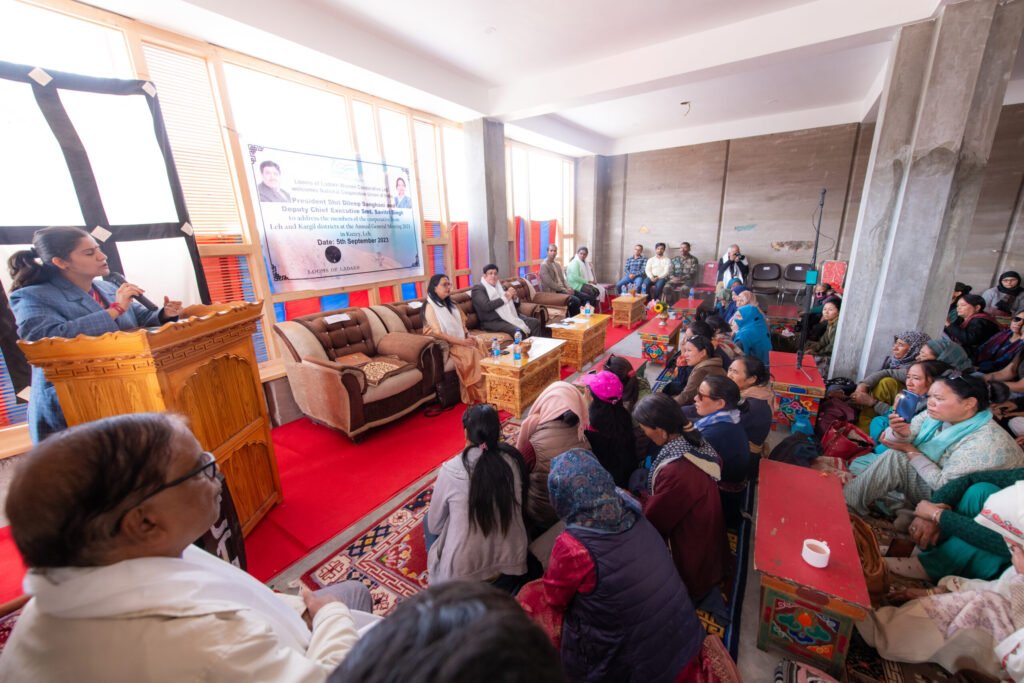
I think Looms of Ladakh has been as much a journey of our own learning and growth as it has been about building a cooperative.
It gave all of us a rare platform to bring our aspirations and capabilities together and to actually practise what we had learnt in sociology, economics, psychology, anthropology and even political science—not in a classroom, but at the level of an individual artisan, a village, and eventually an institution.
We have been incredibly fortunate to have had that opportunity.
There were times when the women felt low or overwhelmed by the obstacles, and I could bring in some experience, perspective or a sense of direction. And there were many more times when I felt uncertain or discouraged, and the women stepped in with their local knowledge, resilience, humour and quiet optimism. We learnt to hold each other through the difficult phases.
In many ways, we have grown the cooperative much like we raise children—with patience, care and the understanding that everyone needs space to discover who they are and what they are capable of becoming.
Perhaps the greatest lesson the women of Looms of Ladakh have taught me is that institution-building is ultimately about people. It is about trusting them, giving them room to grow, and allowing leadership to emerge in its own time.
I went to Ladakh thinking I would contribute to changing lives. I came away understanding that the lives we were changing included our own.
And that, perhaps, is something no business school or boardroom could have taught me in quite the same way.
Could you tell us a bit about the global impact of Looms of Ladakh. If you imagine Looms of Ladakh not simply as a luxury brand from Ladakh but as a globally recognised house of Himalayan craft, what would you want it to stand for… and how would you take the story of its artisans, fibres and heritage to the world without losing the soul of where it began?

When I imagine the future of Looms of Ladakh, I don’t see it simply as a luxury brand from Ladakh. I see the possibility of building a globally recognised house of Himalayan craft—rooted deeply in its ecosystem, but confident enough to take that ecosystem to the world.
We have already had glimpses of what that possibility can look like.
During New York Fashion Week in February 2022, Looms of Ladakh was featured through a week-long billboard campaign across New York City—including Broadway, Times Square, the Cascade Building and the UN Headquarters—as one of the ten women-led sustainable fashion organisations from around the world highlighted through the Conscious Fashion Campaign and UN Office for Partnerships initiative.
In India, the journey has also received remarkable recognition. The Economic Survey of India 2022–23 mentioned Looms of Ladakh alongside Kudumbashree, Kerala, as an example of a women-led collective contributing to empowerment and development.
In November 2023, Prime Minister Shri Narendra Modi also mentioned Looms of Ladakh in Mann Ki Baat, noting that Ladakh Pashmina was reaching global markets under the name Looms of Ladakh.
We have also deliberately taken the artisans’ imagination beyond their immediate geography. We hosted a fashion presentation in Mayfair, London, with the support of the Handloom Export Promotion Council and the High Commission of India. The collection was reviewed in the context of sustainable fashion, including by journalists such as Tamsin Blanchard.
For us, the purpose was not simply to showcase a collection in London. It was to allow our artisans and young leaders to imagine what it could mean for a cooperative from Ladakh to participate in the world of luxury, including understanding the ecosystem around institutions such as Harrods.
But perhaps equally meaningful to me is the fact that Looms of Ladakh has increasingly become a place of learning for people working in development and public institutions.
In 2023, 28 senior NABARD officers visited Looms of Ladakh to study the cooperative and its work. And in January 2026, IAS Probationary Officers of the 2025 batch visited us as part of their Winter Study Tour programme, engaging with the cooperative, its artisans and its institutional model.
For me, these encounters are important because they show that the journey of Looms of Ladakh is becoming larger than the products we make. It is becoming a story about institution-building, women’s economic agency, decentralised production, local value addition and the possibilities of a regional craft economy.
And that is where I see the next chapter.
The global journey cannot be only about visibility. It has to be about capability. We are continuously developing the cooperative’s capabilities in fibre development, spinning, weaving, manufacturing, design, quality systems, traceability, management and market development. The ambition is to create a production and institutional system in which the extraordinary skills of Himalayan communities can meet international standards without losing their cultural and ecological context.
I would like Looms of Ladakh to stand for a very simple idea: That a remote Himalayan community can build its own institution, develop its own standards, own its own brand and take its own craft to the world.
And when we tell that story globally, I don’t want the artisans to become merely the story behind the product. I want them to be producers, member-owners, decision-makers and ultimately the people who carry the institution forward.
The world should encounter Ladakh not only through photographs of its mountains, but through the extraordinary knowledge, fibres, hands and imagination of its people.
If one day Looms of Ladakh becomes recognised as a house of Himalayan craft, I hope its greatest achievement will not simply be the recognition of a brand. It will be that a regional craft ecosystem has acquired the confidence, capabilities and economic strength to carry its heritage into the future on its own terms.
That is the global impact I hope we are building towards.
TheGlitz Take
She’s dynamic, passionate and a torchbearer for Indian crafts. Today, Abhilasha Bahuguna is not merely preserving Ladakh’s craft legacy. She is reclaiming its place in the world.
At a time when global luxury can be seen borrowing from indigenous craft while overlooking the hands, histories, and heritage behind it, Abhilasha is challenging that narrative head-on. Through Looms of Ladakh, she is making provenance impossible to ignore and putting Ladakhi artisans, their knowledge, and their extraordinary craftsmanship back where they belong: at the heart of the story.
It is a powerful reimagining of heritage for a new generation… one where craft is not a relic, artisans are not invisible, and Ladakh is not merely an aesthetic. Abhilasha’s vision goes beyond creating beautiful crafts. It is about restoring value, visibility, and voice to a craft culture that deserves to be seen on its own terms.