Urmimala and Snigdha Boruah
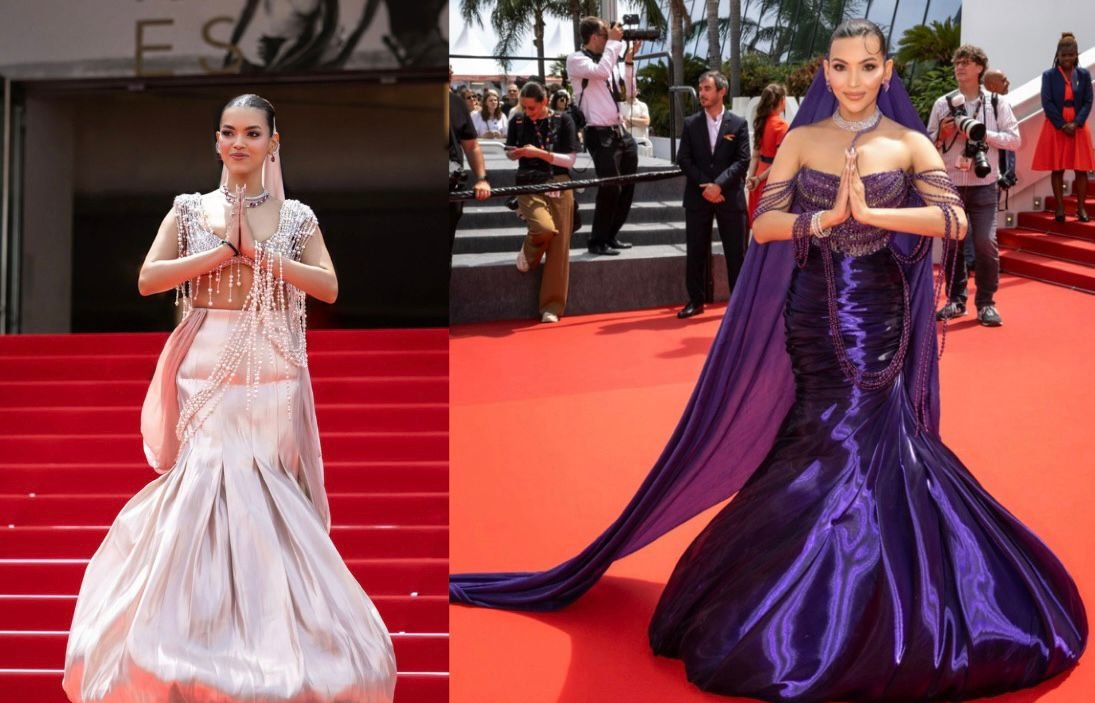
When Urmimala Boruah and Snigdha Boruah ascended the iconic red staircase at the Cannes Film Festival 2026, they did far more than wear couture — they carried the entire region of Assam with them. Draped in breathtaking custom creations by Manish Malhotra, the two proud daughters of Assam transformed the global red carpet into a powerful celebration of identity, heritage, resilience, and representation.
Every pearl, every veil, every silhouette spoke of the Northeast… a land rich in culture, strength, artistry, and pride. Urmimala Boruah and Snigdha Boruah’s presence at Cannes was not about fashion for fashion’s sake; it was about visibility. About reclaiming space. About reminding the world that Assamese and Northeastern stories deserve to stand boldly on the world stage — unapologetically and magnificently.
Founders of the UMB Pageants initiative, Urmimala and Snigdha have consistently championed women from Assam and the Northeast, creating platforms that celebrate beauty, individuality, and cultural identity. But at Cannes 2026, their message became even more profound. The traditional Assamese ghunghat they wore was not just costume, it became symbolism. A statement of belonging. Of roots. Of women who refuse to dilute who they are in order to be globally accepted.
In this deeply powerful and exclusive conversation with Sumita Chakraborty, Founder & Editor-in-Chief, TheGlitz, Urmimala and Snigdha Boruah open up about representing Assam at Cannes, UMB Pageants, wearing their heritage with pride, breaking stereotypes surrounding the Northeast, and why this journey is far bigger than the red carpet itself.
Because sometimes fashion does not whisper. Sometimes, it roars.
Over To Urmimala and Snigdha Boruah
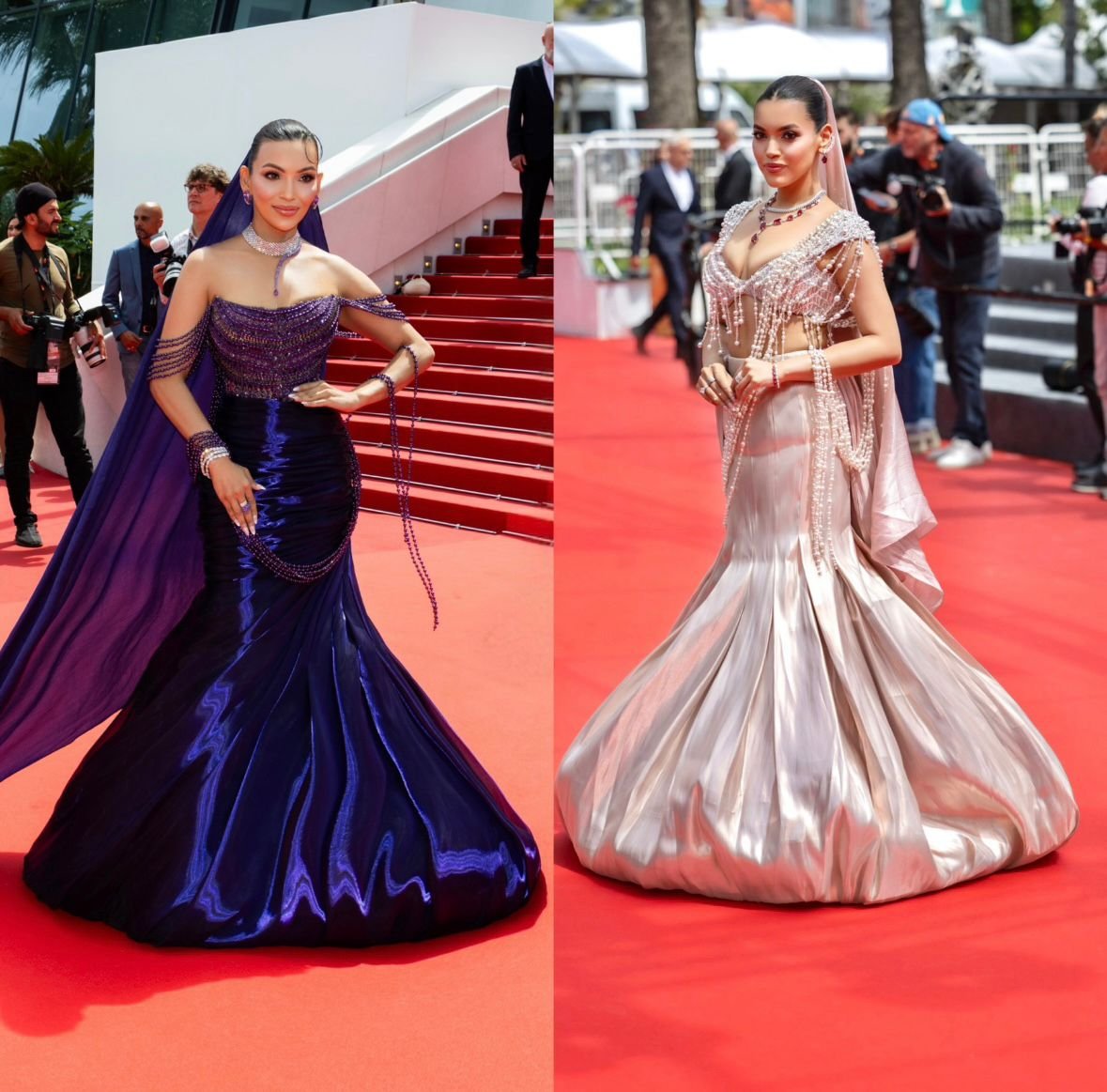
Walking the Cannes red carpet is a dream for many — but for you both, Urmimala and Snigdha Baruah, it also became a powerful statement of identity. What emotions ran through your minds as you represented Assam and the Northeast on one of the world’s biggest global stages?
Walking the Cannes red carpet was emotional in a way that words can barely capture. Beyond the glamour, we carried the spirit of Assam and the Northeast with us. We weren’t just representing ourselves — we were representing generations of stories, traditions, women, and artistry that often don’t receive the global visibility they deserve.
There was pride, gratitude, and also responsibility. We wanted the world to see the Northeast not as a small corner of India, but as a region rich in culture, elegance, resilience, and creativity. Standing there together as mother and daughter made the moment even more special because it symbolized legacy, strength, and identity travelling across generations.
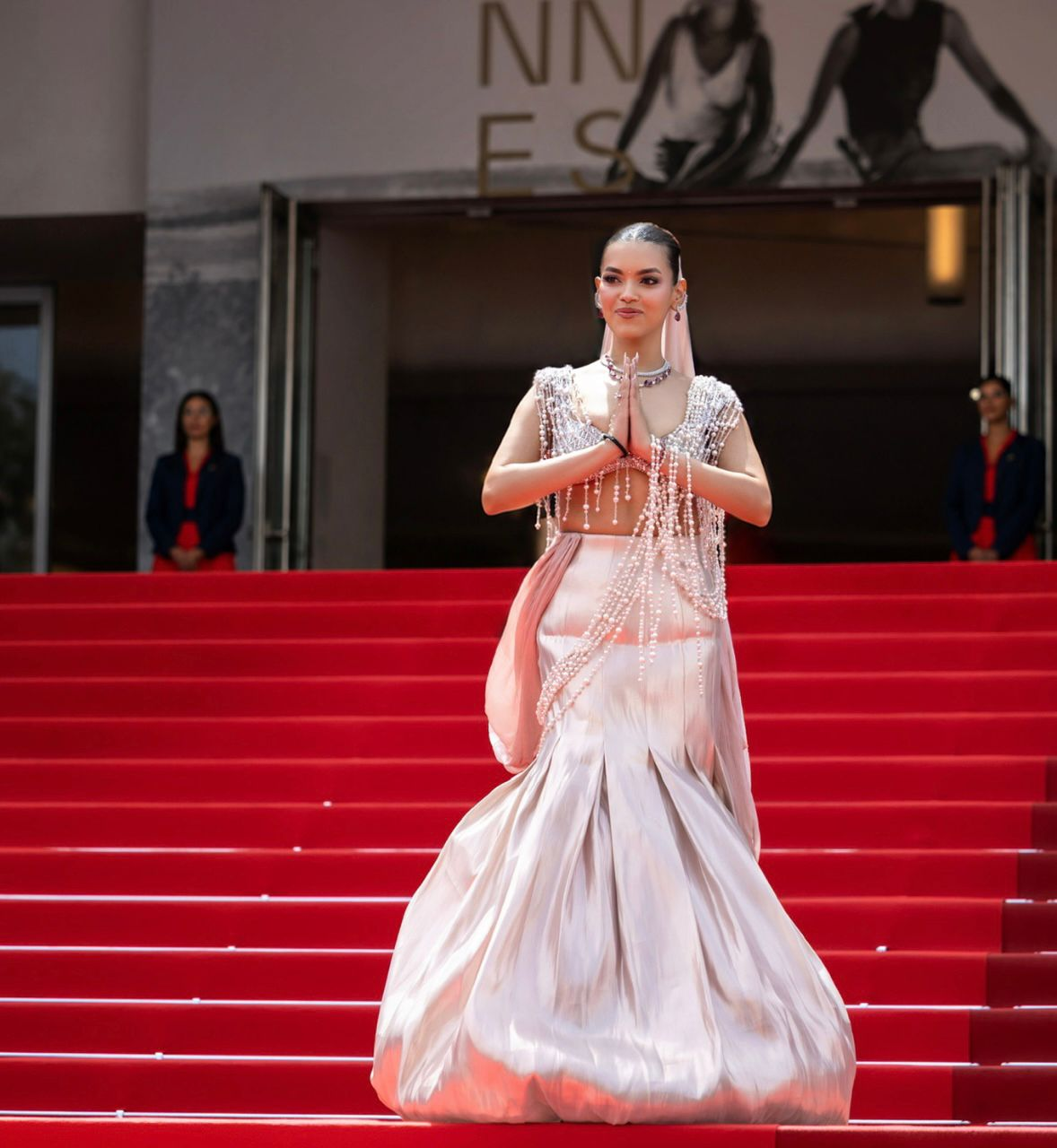
Your looks beautifully transformed the traditional Assamese ghunghat into a symbol of strength, pride, and cultural identity. What did wearing that veil at Cannes personally mean to both of you?
For us, the ghunghat was never about silence or limitation. It was about grace, dignity, heritage, and feminine strength. Wearing it at Cannes was our way of reclaiming and redefining a traditional symbol through a modern lens.
We wanted to show that culture can evolve while still remaining deeply rooted in tradition. The veil carried emotion — it reminded us of our mothers, grandmothers, and the women who shaped our identities. Bringing that essence to a global stage felt incredibly powerful because we were telling the world that tradition and modernity can coexist beautifully.
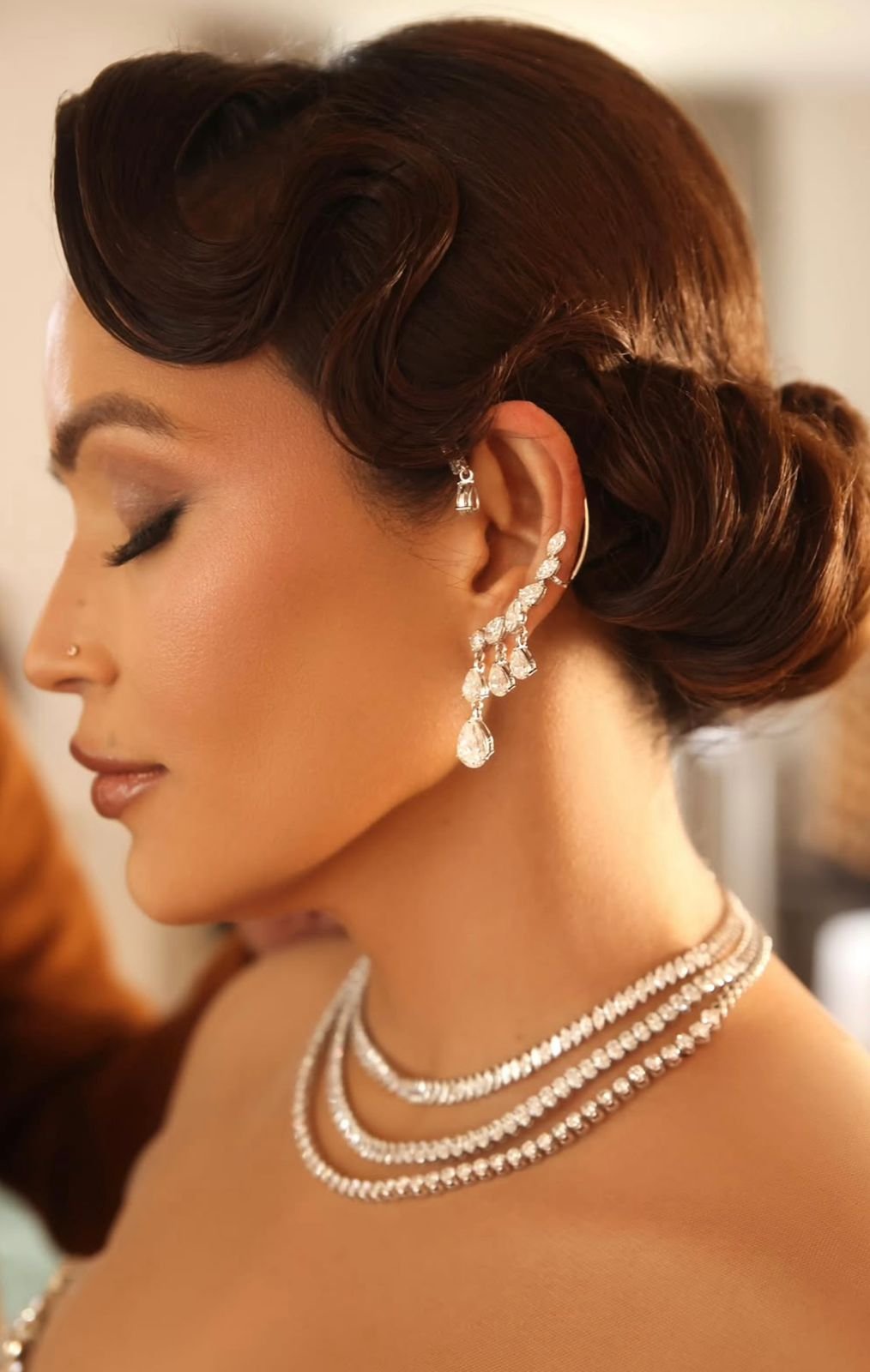
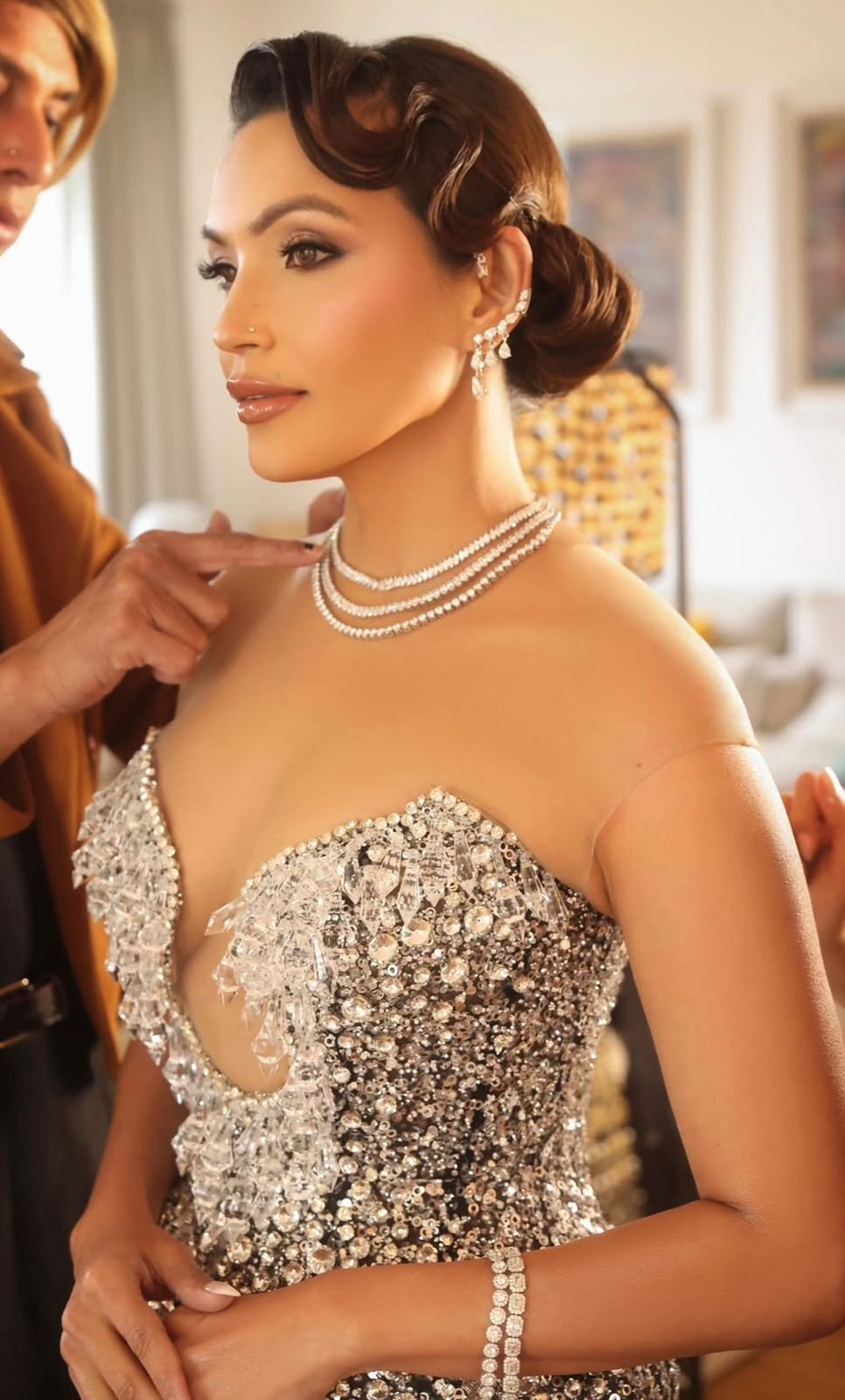
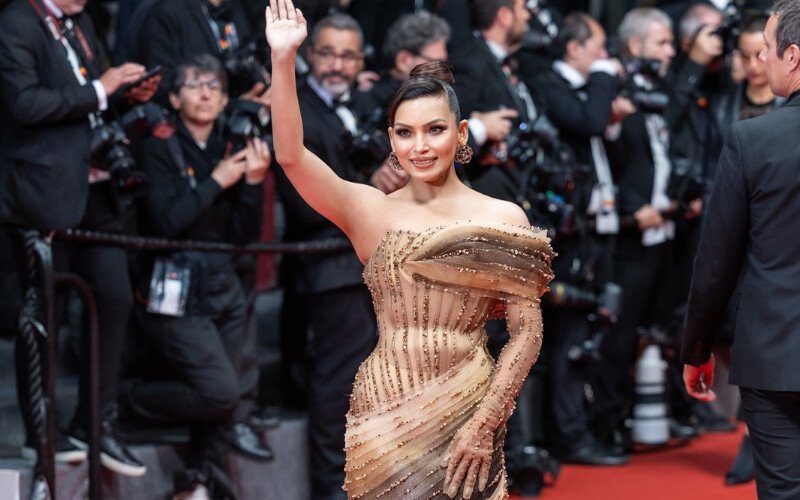
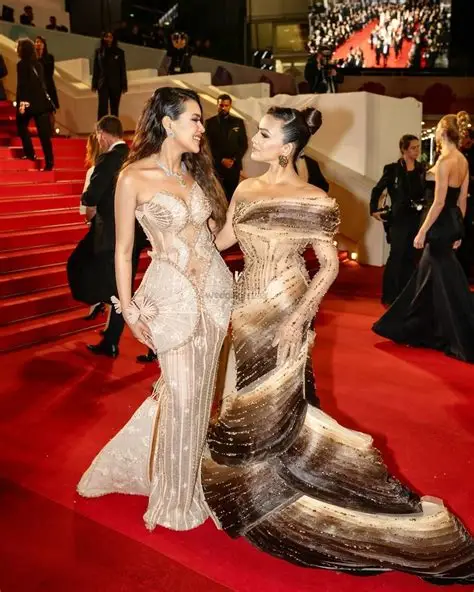
As founders of UMB Pageants, your journey has always been about empowering women. How important was it for you to use fashion and visibility as a way to challenge stereotypes and create representation?
Representation has always been at the heart of UMB Pageants, but for us, representation goes far beyond geography or appearance. UMB was created to redefine what beauty truly means.
For years, society limited beauty to certain standards — a certain height, size, age, background, or marital status. We wanted to break those barriers completely. Through UMB, we have created a platform where women from all walks of life can feel seen, celebrated, and empowered.
Whether a woman is petite, plus-size, married, a mother, older, or someone who never believed she fit the “traditional” beauty pageant mould — UMB gives her a space to own her identity confidently.
Fashion and visibility became powerful tools for us because when women see someone like themselves represented on global platforms, it changes the way they see their own potential. That is the real impact of representation.
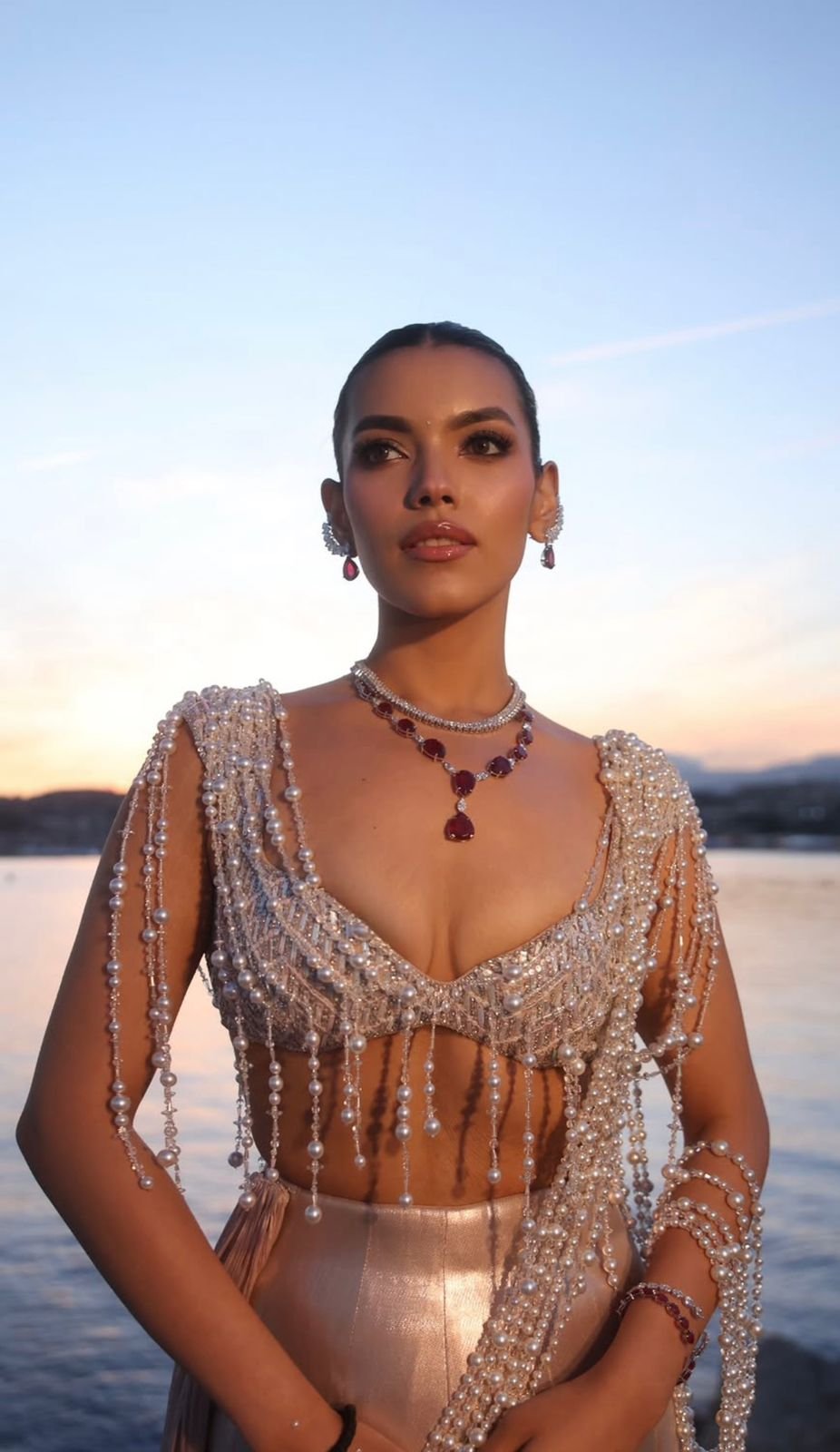
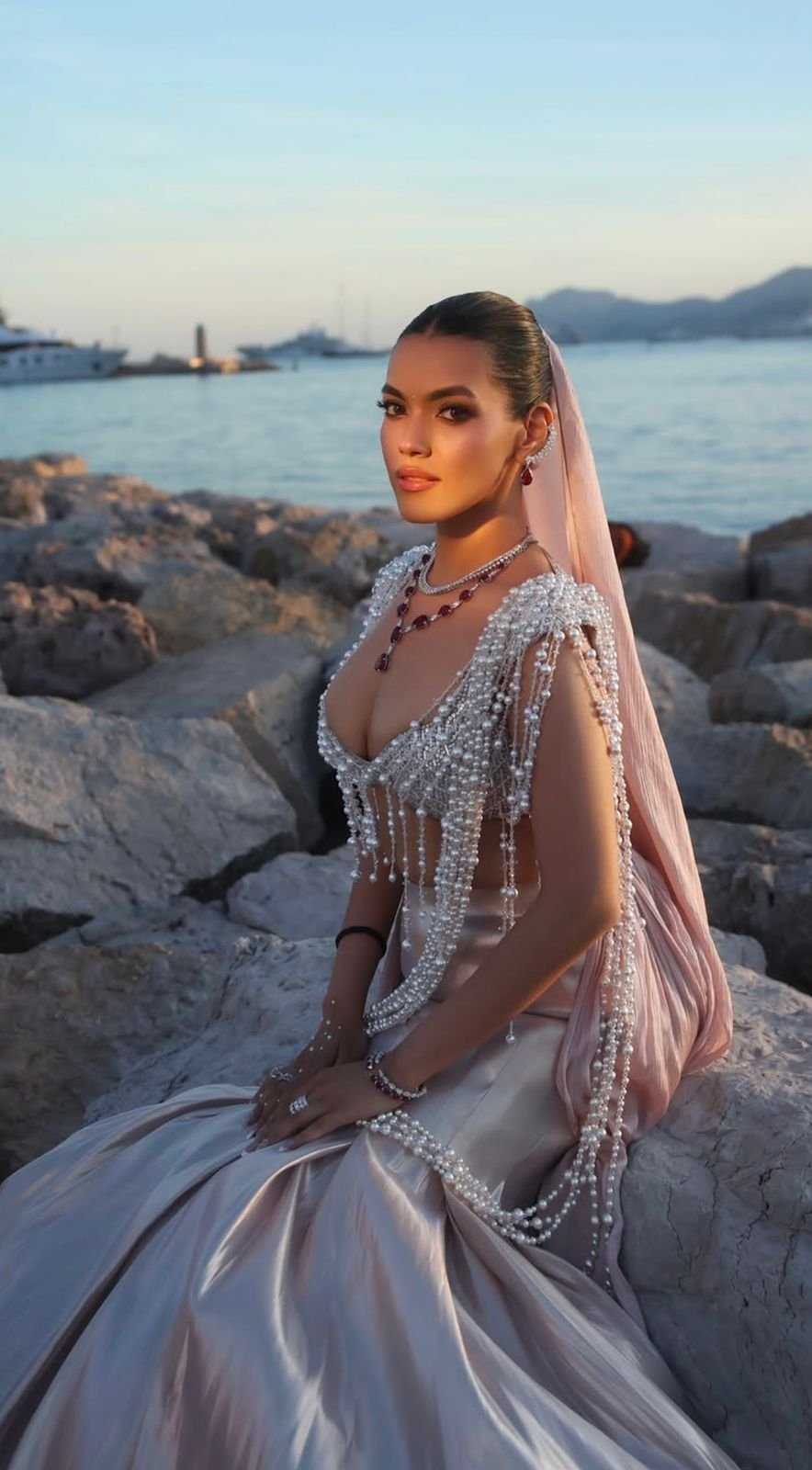
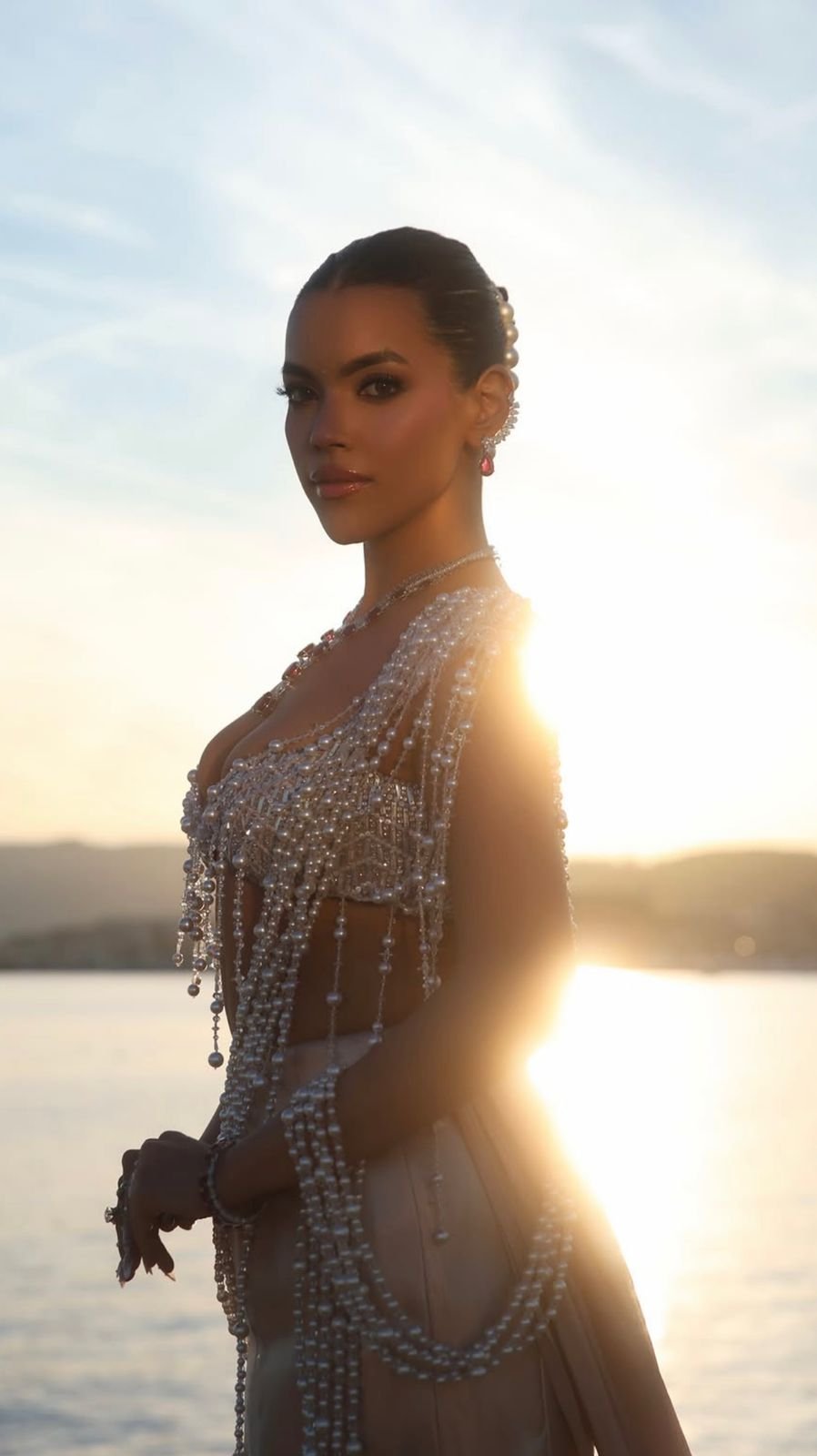
Your collaboration with Manish Malhotra created one of Cannes’ most talked-about cultural fashion moments. How did the creative process evolve, and how involved were you in bringing Assamese heritage into the couture narrative?
The collaboration was deeply collaborative and emotionally driven. From the beginning, there was a shared vision of creating something that felt globally couture while remaining authentically rooted in Assamese heritage.
We were very involved in shaping the narrative, especially the emotional symbolism behind the styling, veil, pearls, and overall storytelling. Every detail had intention behind it. We wanted the looks to feel cinematic and luxurious, but also deeply personal.
Manish Malhotra and his team beautifully understood the emotion we wanted to communicate — that culture is not a costume, it is identity. Together, we created something that honoured tradition while presenting it in a contemporary global fashion context.
The global fashion world is increasingly embracing regional stories and craftsmanship. Do you feel this is finally the moment when Northeast India is beginning to receive the recognition it deserves internationally?
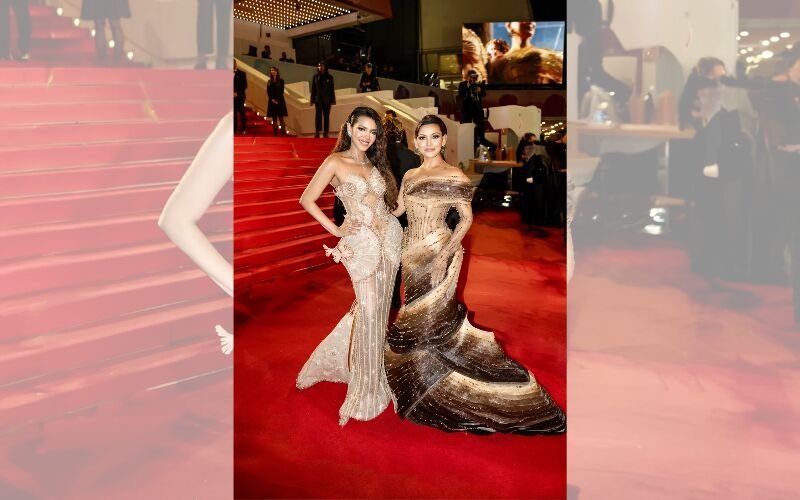
We definitely believe the world is becoming more open to authentic cultural narratives, and this is a very important moment for Northeast India. The region has extraordinary textiles, craftsmanship, music, artistry, and storytelling traditions that deserve global appreciation.
But this is only the beginning. Recognition should not be seasonal or tokenistic — it should become part of mainstream global conversations. We hope this moment encourages more designers, artists, creators, and storytellers from the Northeast to proudly showcase their heritage internationally.
The world is now looking for authenticity, and the Northeast has authenticity in abundance.
Beyond the glamour, your Cannes appearance carried a deeply emotional and cultural message. What conversations do you hope your presence sparks — especially for young girls growing up in Assam and across India?
We hope it sparks conversations around confidence, inclusivity, and breaking outdated beauty standards. We want women and young girls everywhere to understand that they do not need to fit into society’s narrow definition of beauty to deserve visibility, success, or global platforms.
Through UMB Pageants, we have always believed that beauty is diverse. It is not defined by height, size, age, or marital status. Every woman deserves the opportunity to feel powerful, celebrated, and seen.
Our journey to Cannes was not just about fashion or glamour — it was about showing the world that women from all backgrounds belong on the biggest stages. If our presence inspires even one woman to stop doubting herself and start believing in her worth, then that is the biggest achievement for us.
After Cannes 2026, what’s next for Urmimala and Snigdha Baruah? Do you see yourselves continuing to take Assamese culture, textiles, and identity to more global platforms in the future?
Absolutely. Cannes is not the final destination for us — it is only the beginning of a much larger vision.
Our goal with UMB Pageants is to build one of the world’s most inclusive and empowering beauty platforms — a platform where every woman, regardless of her height, size, age, or marital status, gets an equal opportunity to shine.
This year alone, UMB created history with 25 international red carpets, which is record-breaking for any pageant platform globally. But beyond the numbers, what truly matters to us is the impact and opportunities we are creating for women who were often excluded from traditional beauty spaces.
At the same time, we will continue proudly taking Indian culture, Assamese heritage, textiles, and storytelling to global platforms through fashion and creative collaborations.
Our vision is simple — to create a world where beauty is inclusive, limitless, and accessible to every woman who dares to dream.