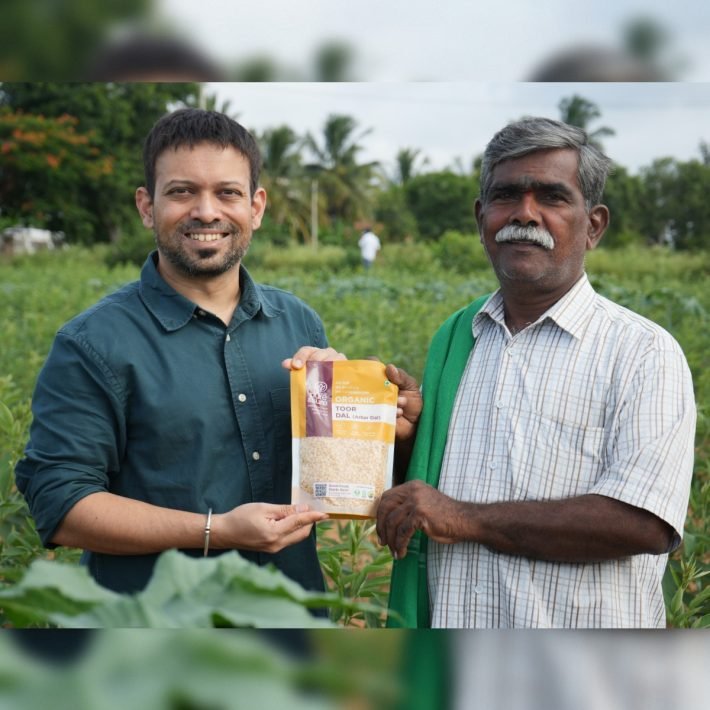
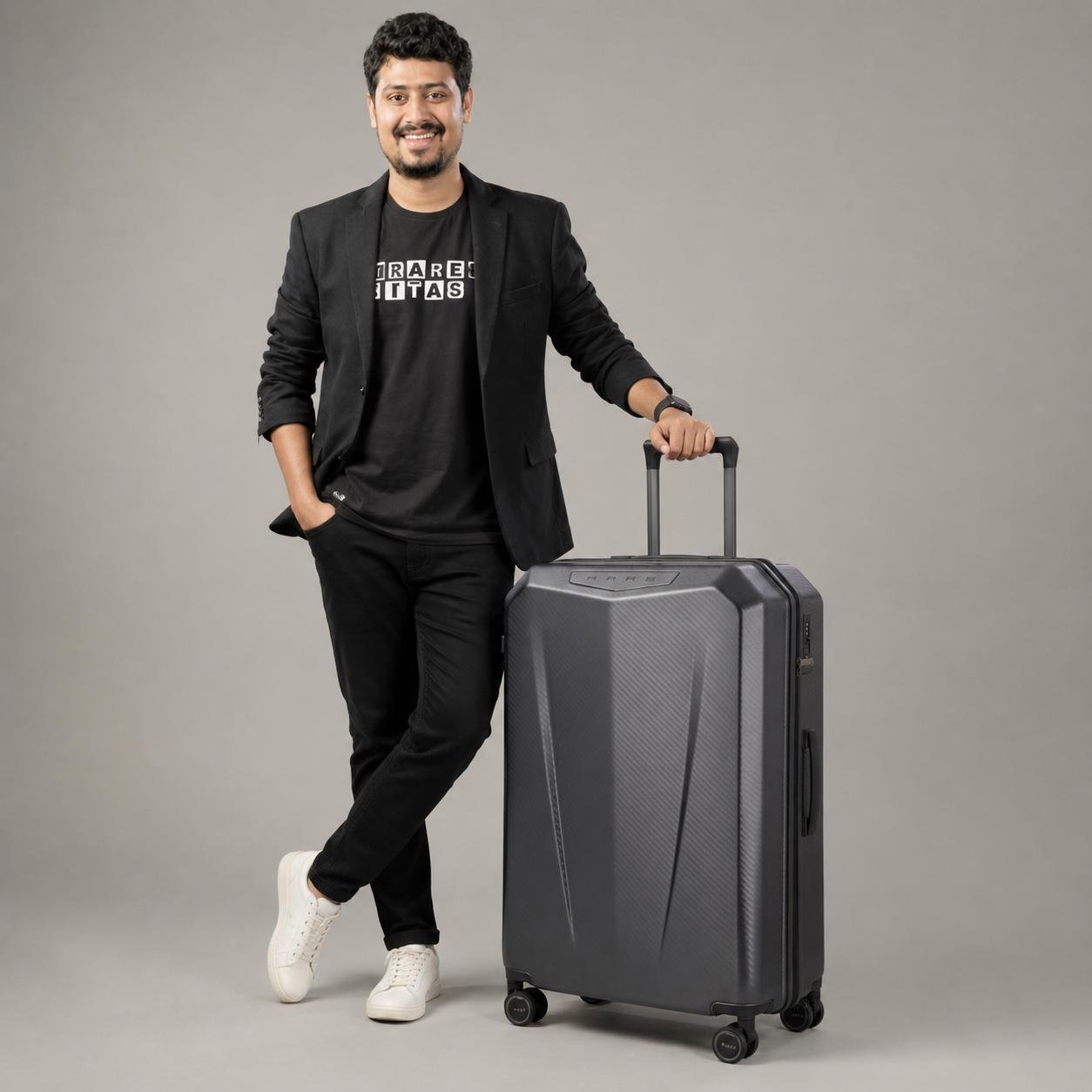
ABHINAV PATHAK, CEO and Co-founder, Escape Plan
There are entrepreneurs who build companies. …And then there are entrepreneurs who quietly reshape the way an entire generation lives, moves, and experiences the world. The very dynamic Abhinav Pathak belongs firmly in the latter category.
A serial entrepreneur, Forbes 30 Under 30 alumnus, and the founder of retail-tech startup Perpule — later acquired by Amazon — Abhinav has already lived through the kind of startup journey most founders spend decades chasing. But for him, success was never the destination. Curiosity was.
Following his exit in 2021, Abhinav stepped away from boardrooms and entered airports, train stations, boutique hotels, hidden European towns, and long stretches of travel that fundamentally changed the way he viewed modern mobility. Somewhere between the polished minimalism of European travel culture and the beautifully intentional design language of global lifestyle brands, he noticed something surprising: travel itself had evolved dramatically, but travel gear had not.
That observation would eventually become ‘Escape Plan’ — a design-first, tech-enabled travel platform that is rapidly transforming how India packs, travels, and expresses itself on the move.
What makes Escape Plan particularly fascinating is that it doesn’t behave like a conventional luggage brand. It feels closer to a lifestyle movement built around modern aspiration, mobility, design consciousness, and identity. And under Abhinav’s leadership, the company has scaled at extraordinary speed, crossing an impressive ₹350 crore+ annualised run rate within just two quarters of launch through a sharp omnichannel strategy combining retail expansion with a rapidly growing D2C ecosystem.
…But beyond the numbers lies something far more interesting: a founder who deeply understands cultural shifts before they become obvious.
Here in an exclusive interview with Sumita Chakraborty, Founder & Editor-in-Chief, TheGlitz, Abhinav Pathak, CEO & Co-Founder, Escape Plan, speaks about building Escape Plan, the future of Indian travel culture, the psychology of design-led mobility, lessons from scaling Perpule, and why the next generation of Indian consumers no longer wants products that merely function — they want products that reflect who they are becoming.
Over To ABHINAV PATHAK, CEO and Co-founder, Escape Plan
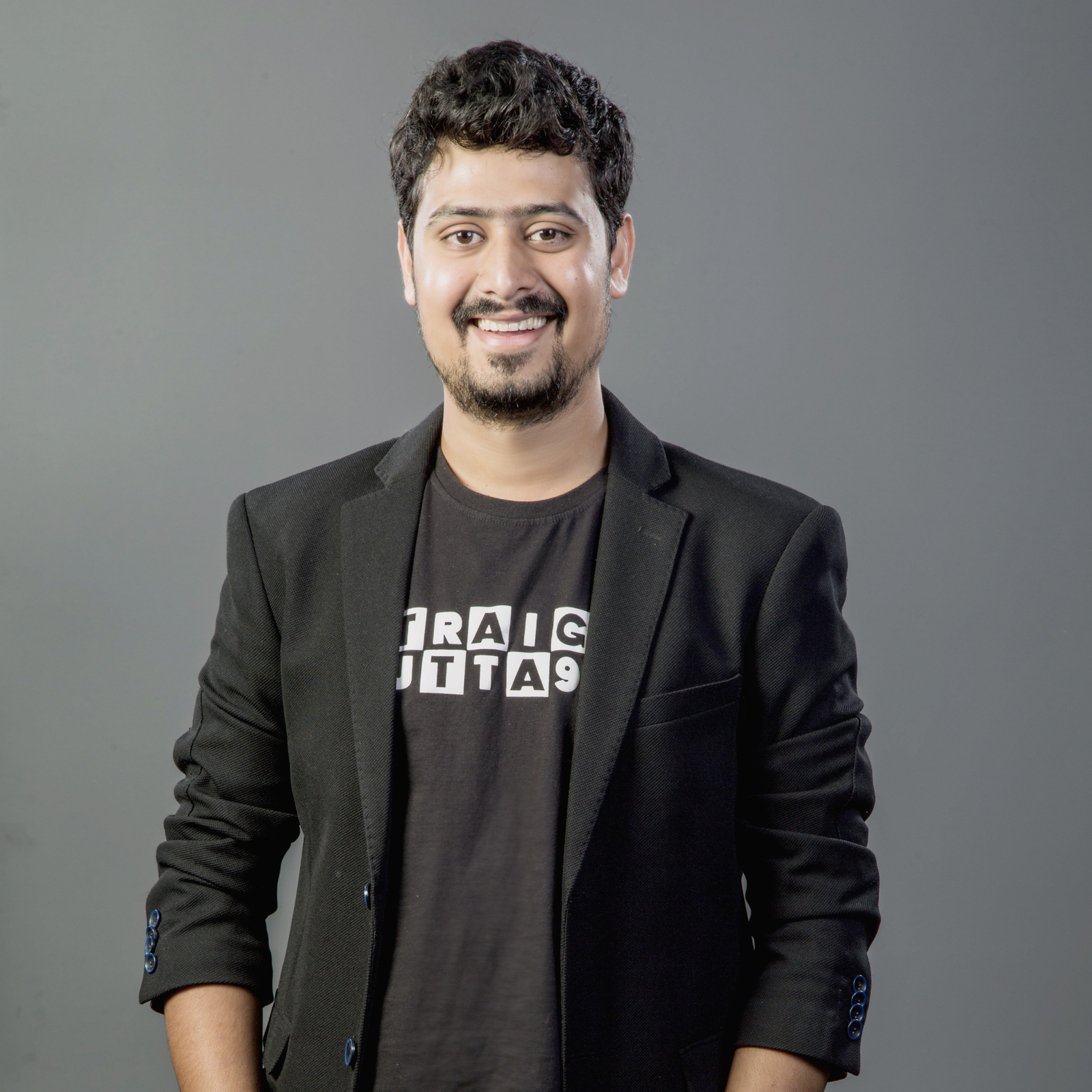
After building and exiting a successful retail-tech company like Perpule, what was the moment during your travels that made you realise travel gear globally still felt surprisingly outdated and that you wanted to build a company called Escape Plan?
There wasn’t one dramatic moment. It was more like a slow accumulation of observations. When you exit a company and suddenly have time to actually travel, not business travel, but real travel, you start noticing things differently.
I was moving through airports across Europe, spending time in places like Lake Como, which honestly is one of my favourite places in the world, and what struck me wasn’t the technology or the infrastructure. It was the gear. The luggage people carried. The way accessories were designed, with intention, with personality, with self-expression built in.
And then I’d come back and look at what was available in India, and the gap was jarring. Travel as a behaviour had evolved completely. The Indian traveller had evolved. But the products hadn’t kept pace. That gap wasn’t cosmetic. It was structural. And structural gaps are the only ones worth building for.
Escape Plan feels less like a luggage brand and more like a lifestyle movement around modern travel. What gap did you see in the Indian market that others were missing?
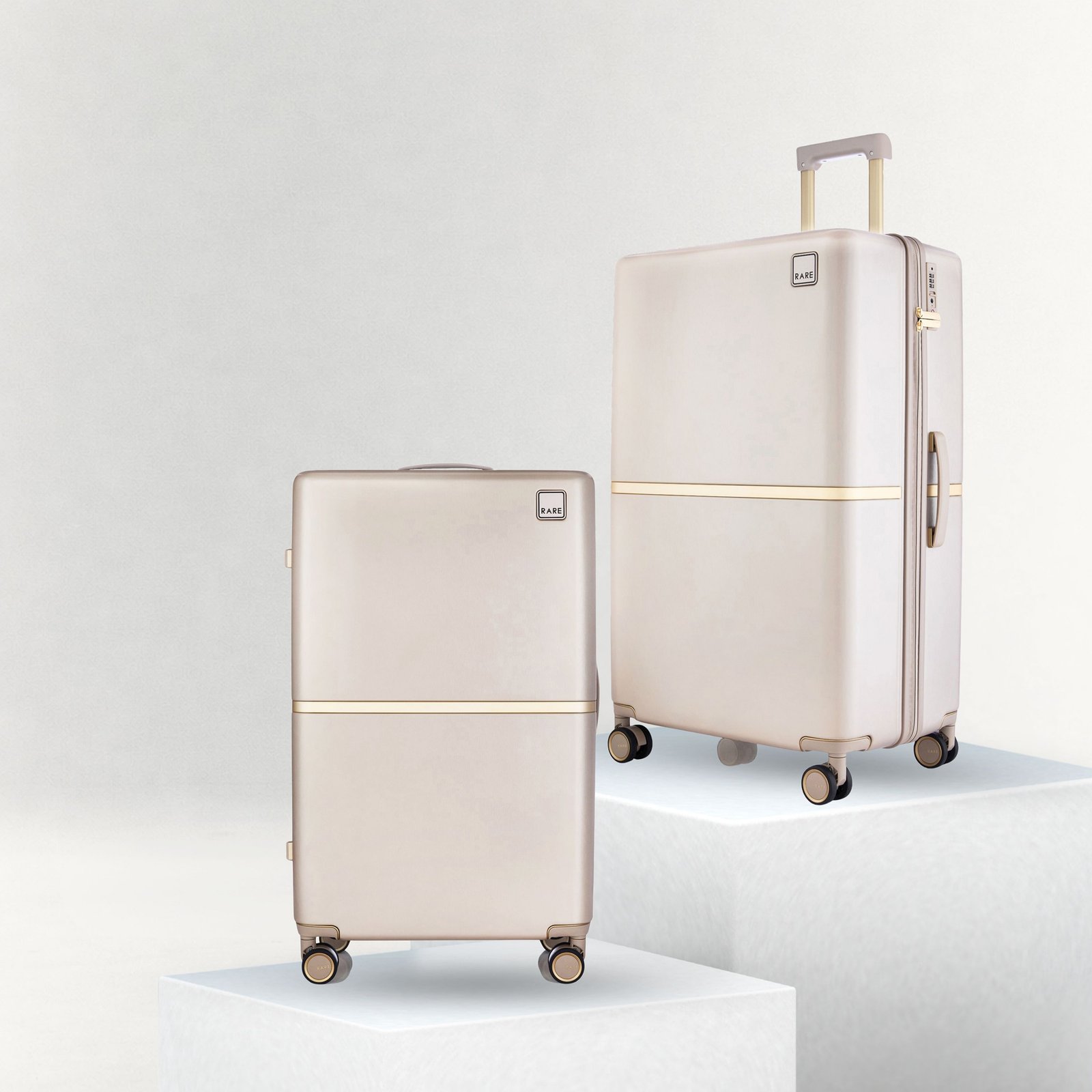
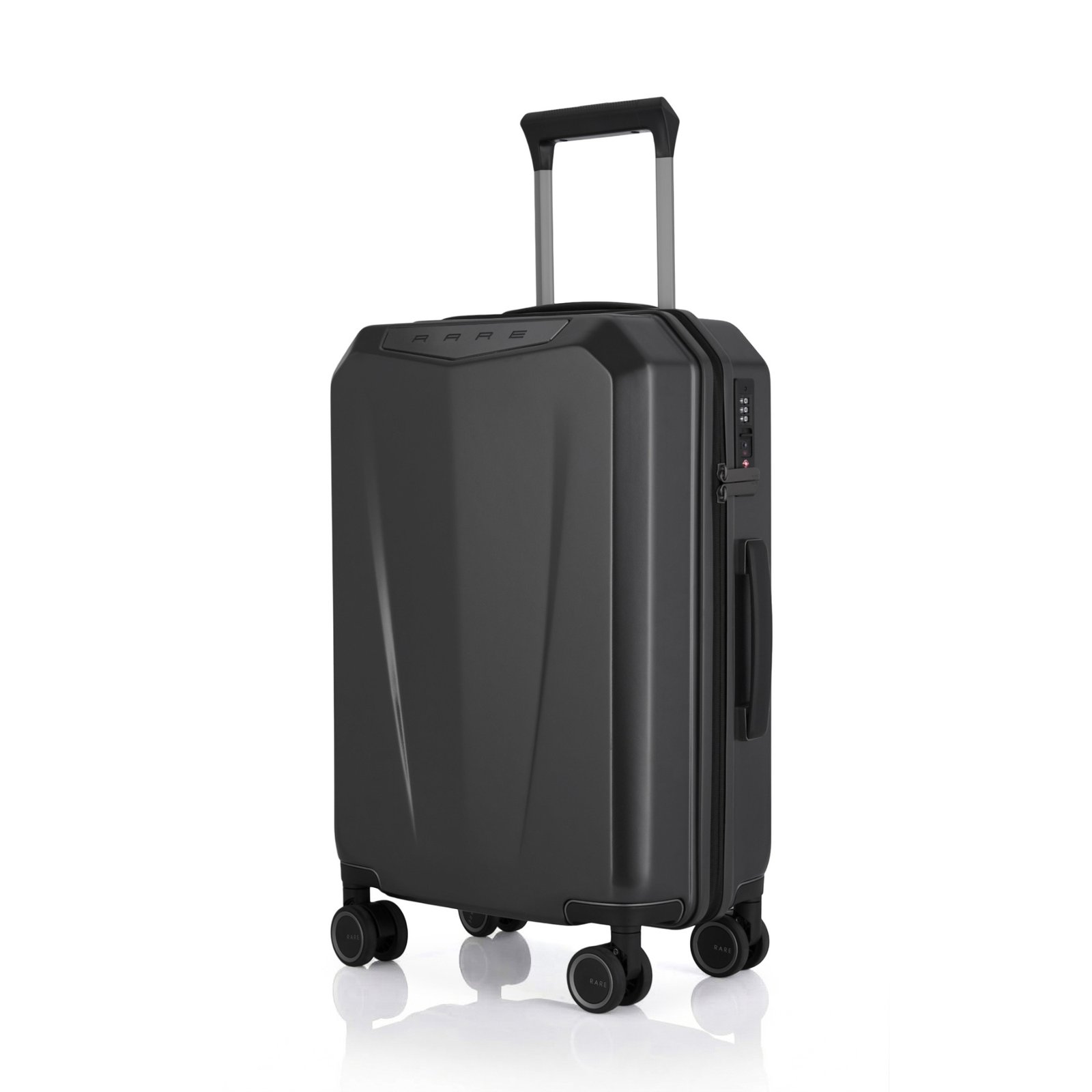
The gap wasn’t about one product or one price point. It was about the entire category being fragmented and underserved. Existing horizontal players, the large e-commerce platforms, the general retail chains, couldn’t prioritise travel because it was less than 1% of their business.
Legacy luggage brands were focused on durability and functionality, but not design or identity. And the newer premium players were building for a very narrow urban customer. Nobody was solving for the mass traveller in a design-forward way.
That’s where we saw the real opportunity. Travel today is no longer about utility. It’s about expression, speed, ease and design. When someone picks up a bag, they’re making a statement. We wanted to build a platform that could serve that shift, not just for one customer segment, but across the full spectrum.
In just two quarters, Escape Plan achieved an impressive ₹350 crore+ annualised run rate. What do you think modern Indian consumers are truly looking for today when it comes to travel and mobility?
Honestly, what surprised us wasn’t the demand, we knew it was there. What surprised us was the speed at which the Indian consumer had upgraded their expectations. They’ve been exposed to global standards through travel, through social media, through the brands they follow. But their options in India hadn’t caught up.
So when you give them a product that combines good design, reliable quality, fast delivery, and a price point that makes sense, the response is clear. What they’re looking for is simple: they want to feel like the product was made for them, not just made for anyone. That shift from functional to personal, that’s what’s driving the growth. And it isn’t just metro customers. We’re seeing the same appetite in Tier II cities. That’s the bigger story.
You’ve spoken about blending design, technology, and functionality. How important is aesthetics today in shaping consumer choices around something as utilitarian as luggage?
Luggage stopped being purely utilitarian a while ago, India is just catching up to that reality now. When you travel, your bag is visible. It goes through airports, hotels, and offices. It’s photographed. It’s part of how you present yourself. The functional baseline, wheels that work, zips that hold, compartments that make sense, that’s table stakes.
But beyond that, what people are choosing today is identity. Does this bag look like me? Does it say something I want to say? That’s why design is not a layer we add on top of functionality. It has to be embedded in how the product is conceived from the start. The global travel accessories market understood this years ago. India is arriving at that inflection point right now, and the timing for us couldn’t be better.
From building Perpule to now scaling Escape Plan, your entrepreneurial journey spans two very different industries. What lessons from retail-tech unexpectedly helped you crack the travel lifestyle space? What are the challenges you faced and how did you tackle them?
The most useful thing Perpule taught me was how retail actually works at the ground level, not the glamorous version, but the supply chain, the distribution, the last-mile reality. That lens helped enormously when we were building Escape Plan’s omnichannel strategy. The second thing was knowing what scale looks like from the inside.
I spent time at Amazon after the acquisition, and that changed how I think about systems. When you’ve seen a business operate at that level, you stop relying on instinct. You build filters. The challenge in travel accessories was different from retail-tech, here, the product itself is the experience. You can’t separate the design from the business. That took adjustment. We had to build capabilities that most D2C brands in India don’t have, because travel products require it. We made mistakes along the way. We learned that execution is very different from intent. Everyone says it will happen. Very few actually deliver.
Travel culture in India has changed dramatically post-pandemic, people are travelling more frequently, more consciously, and more stylishly. How do you see the future of premium travel gear evolving over the next five years?
The category is going to bifurcate clearly. There will be a strong mass segment, high volume, design-conscious, value-driven, and there will be a genuine premium segment that didn’t really exist in India five years ago. Both will grow, but for different reasons.
The mass segment will grow because more Indians are travelling, more frequently, and they want products that reflect that lifestyle without breaking the budget.
The premium segment will grow because a section of Indian consumers has developed a genuine appreciation for craftsmanship, material quality, and brand identity, the kind of sensibility you used to only find abroad. What we’re building is a platform that can serve both.
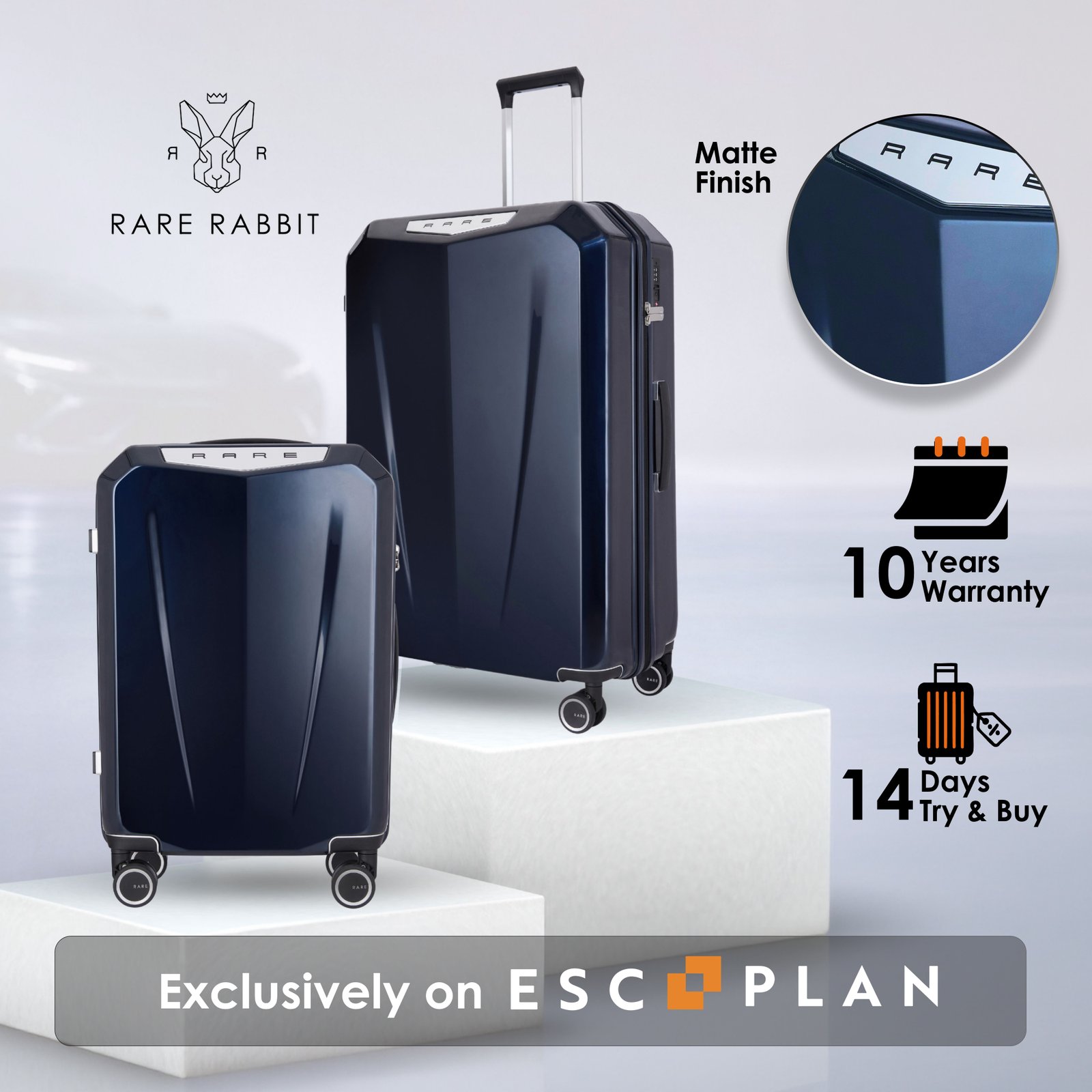
Partnerships like the one with Rare Rabbit are part of that, bringing real fashion DNA into travel gear, not as a seasonal experiment, but as a serious category build. Over the next five years, I expect travel accessories to become as considered a purchase as fashion or electronics. The consumer is getting there faster than the industry realises.
As someone who has travelled extensively across Europe, what are some global travel habits, innovations, or design philosophies you believe India is only just beginning to embrace?
A few things stand out. The first is modularity, the idea that your travel kit should adapt to your trip, not the other way around. In Europe, you see people travelling with systems, organisers, pouches, bags that clip and connect and reconfigure. India is just beginning to discover that.
The second is the concept of travel as identity. Abroad, what you carry communicates who you are. That level of intentionality around travel gear is new here but it’s coming fast, especially with younger travellers.
The third is sustainability, the idea of buying once, buying well, and maintaining the product over time. Refurbishment, repair, second-hand, these aren’t niche concepts abroad. We’re building those services into our platform because I believe India will arrive there sooner than people expect. The Indian traveller is evolving quickly. Our job is to be ready before they get there, not after.