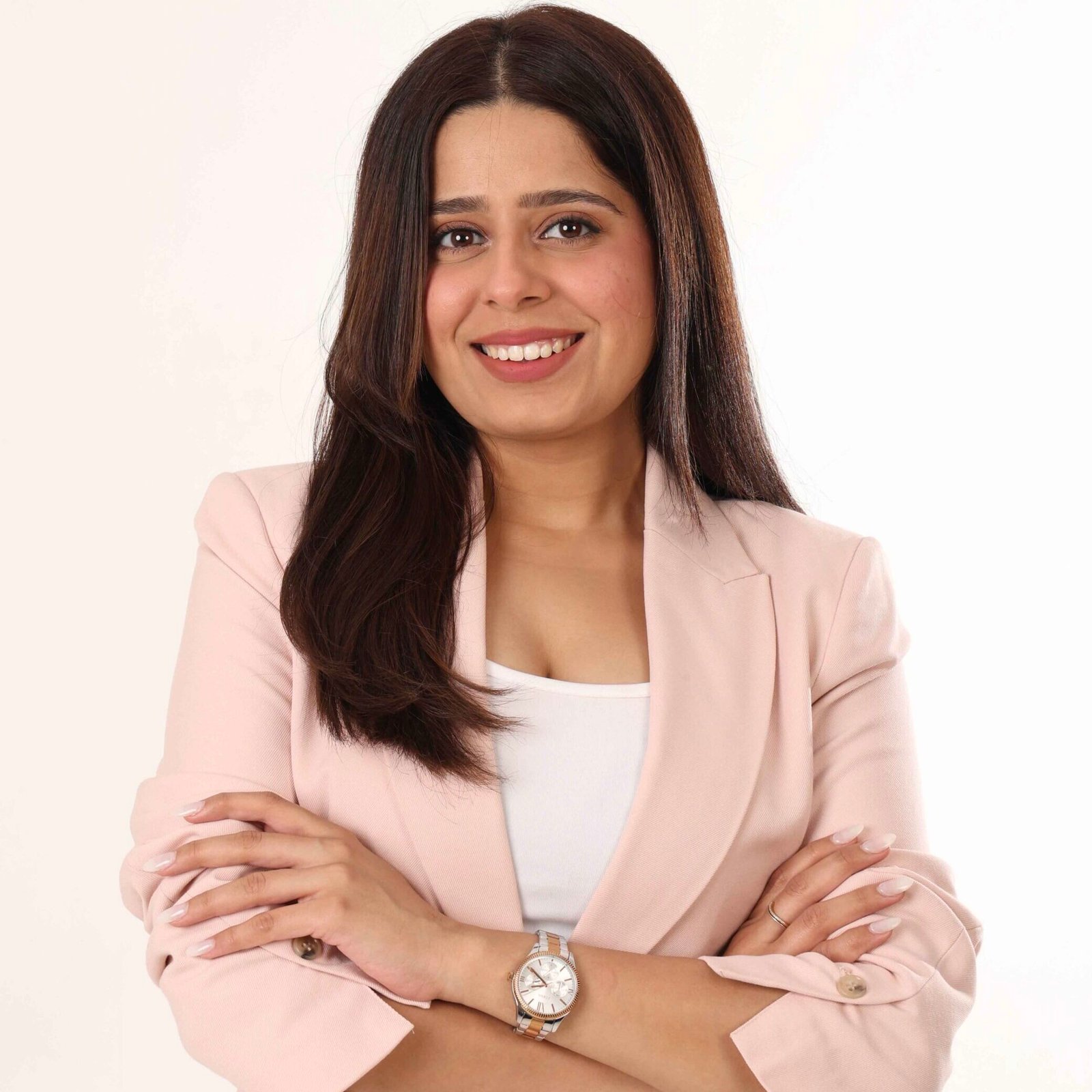
Diksha Paul, Founder, Vikar Beauty
As the Founder of Vikar Beauty, Diksha Paul hasn’t just created another beauty label, she has actually quietly led a cultural shift in the Indian Beauty Industry. One that replaces correction with confidence, insecurity with individuality, and unrealistic perfection with honest self-expression. At a time when the beauty industry often profits from self-doubt, Vikar Beauty dares to ask a radically simple question: What if beauty was never something that needed fixing in the first place?
The name itself carries depth. “Vikar,” derived from Sanskrit, translates to change or transformation but not in the conventional cosmetic sense. Instead, for Diksha, the transformation is emotional. It is about changing the way people see themselves. It is about unlearning years of harsh beauty narratives and replacing them with acceptance, kindness, and freedom. …And perhaps that’s what makes her journey so compelling.
Unlike many founders who enter the beauty industry beauty after strategizing market opportunities and trend forecasting, Diksha’s relationship with beauty began through vulnerability. Years of struggling with acne and constantly hearing unsolicited comments about her appearance deeply shaped her understanding of confidence and self-worth.
Today, Vikar Beauty stands for a generation that is tired of being told they are not enough. The brand promotes makeup not as a mask, but as an extension of personality, creativity, and mood. Here, beauty is expressive, emotional, and deeply personal — not performative.
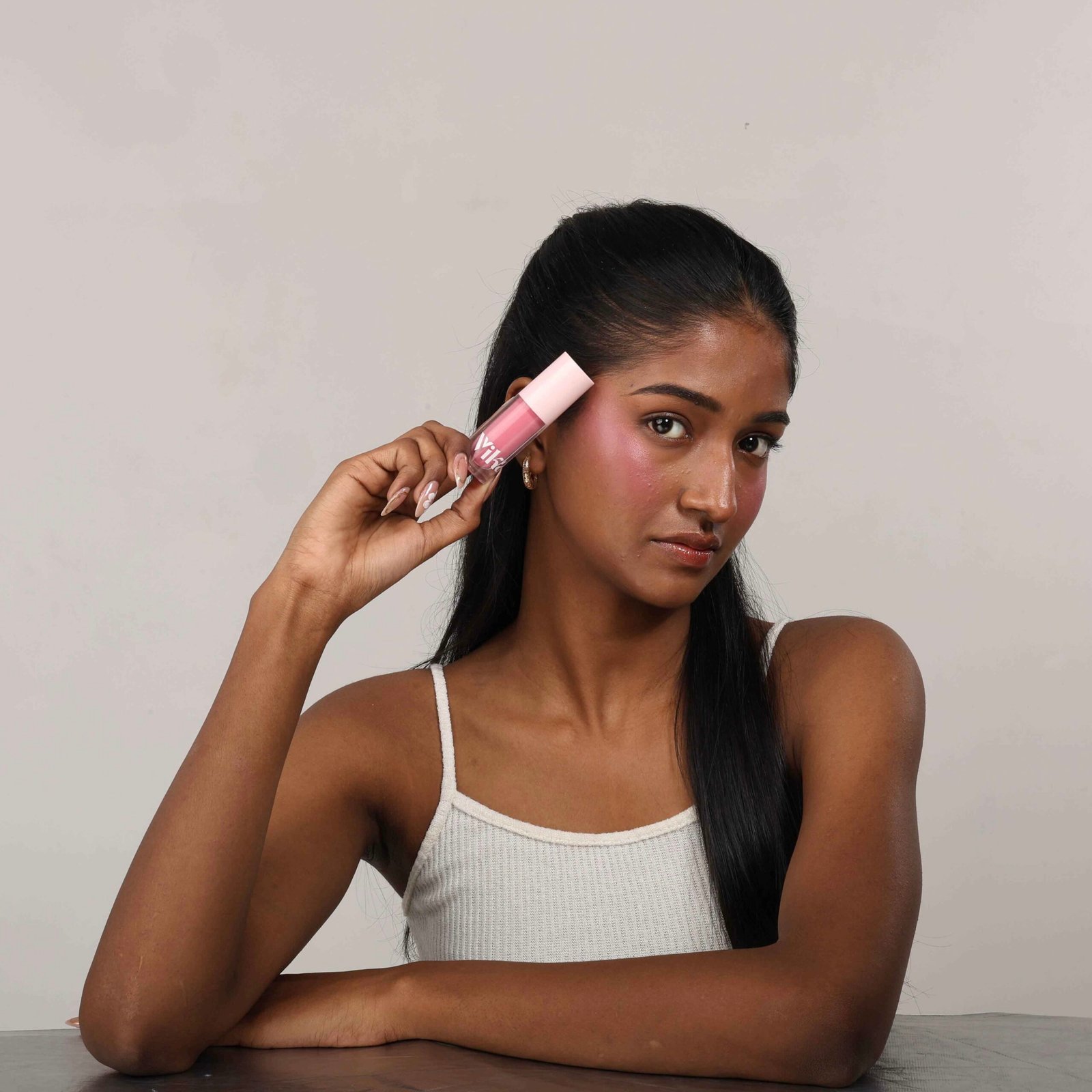
From vegan and cruelty-free formulations to skin-conscious products designed specifically for real people and real climates, the brand focuses less on hype and more on thoughtful problem-solving. Whether it’s lipsticks designed for comfortable reapplication or blushes that survive Indian humidity while still looking natural, the emphasis is clear: beauty should work with you, not against you.
Diksha’s philosophy also aligns beautifully with the rise of quiet luxury — a movement that values authenticity, intentionality, and understated elegance over excess. For her, modern luxury is not loud branding or heavy transformation. It is comfort. Ease. Confidence. The feeling of being fully yourself without pressure.
Here, in an exclusive interview with Sumita Chakraborty, Founder & Editor-in-chief, TheGlitz, Diksha Paul, Founder, Vikar Beauty, opens up about redefining beauty through individuality, challenging unrealistic standards, and building a brand that celebrates self-expression, confidence, and authenticity in its purest form.
Over To Diksha Paul, Founder, Vikar Beauty
Firstly, the name sounds unique. What made you name it Vikar Beauty?
“Vikar” in Sanskrit translates to “change” or “transformation,” and that meaning sits at the heart of everything we are building with .
For me, the idea was never about changing physical appearance to fit into societal beauty standards. It was about changing perspectives, the way we see ourselves and the way we see others.
We grow up constantly being told what beauty should look like, what needs to be fixed, hidden, or perfected. But I genuinely believe beauty has always been subjective. It exists in individuality, confidence, and self expression.
With Vikar Beauty, the “change” we want to bring is not about making people look different. It is about helping people feel more comfortable in their own skin and shifting beauty conversations from correction to acceptance. That mindset is what inspired the name, and it continues to guide the brand every day.
Your journey with Vikar Beauty began from a deeply personal place. How did your own experience with acne and beauty standards inspire you to create a brand that challenges traditional beauty narratives?
My journey with beauty has been deeply personal because I struggled with acne for years. What affected me the most was never just the acne itself, it was how people constantly felt the need to point it out. In India especially, comments around appearance are often normalized. People casually mention acne, dark circles, weight changes, or other insecurities without realizing the emotional impact those words can have. Over time, you begin to internalize those comments.
Ironically, the moment that affected me the most happened in Canada while I was working with Sephora. A client once referred to me as “the girl with a lot of acne.” That stayed with me because it made me question whether my appearance was the first and only thing people noticed about me. That experience became a turning point. It made me realize how deeply beauty narratives can shape confidence and self worth.
I understood that many people are not buying makeup from a place of creativity or self expression, they are often buying it from a place of insecurity. That is what inspired Vikar Beauty. I wanted to create a brand that reminds people they do not need to “fix” themselves to feel accepted.
Makeup should never feel like a requirement to hide who you are. It should simply be something that enhances your individuality and allows you to express yourself on your own terms. More importantly, I also hope the brand encourages people to choose kindness. If someone has acne, dark circles, scars, or any visible insecurity, they already know it. Compassion costs nothing, but it can change how someone sees themselves forever.
Having worked with Sephora in Canada, you were exposed to global beauty trends and consumer behavior. What key lessons from that experience shaped the vision and philosophy behind Vikar Beauty?
Working with Sephora in Canada gave me a completely different perspective on beauty consumers and the industry as a whole. One of the biggest differences I noticed was how ingredient conscious consumers were. People genuinely cared about what was going into their makeup products, how formulations were made, and whether the ingredients aligned with their lifestyle and skin concerns.
That level of awareness really stayed with me. I realized that beauty consumers globally are moving toward mindful purchasing. They are no longer just buying products because something went viral, they want transparency, quality, functionality, and trust.
Another important lesson was the value of product first thinking. Globally, strong brands invest heavily into research, formulation, and customer experience rather than relying only on aggressive marketing. I think sometimes brands become so focused on creating hype that they forget the product itself has to sustain that trust long term. That heavily influenced my approach with Vikar Beauty.
I strongly believe that if a product is genuinely good, consumers will speak for it. Indian consumers today are extremely aware, smart, and vocal. Word of mouth remains incredibly powerful here, especially in beauty. So instead of creating products just for trends, our focus has always been on creating products that solve real concerns, feel comfortable to wear, and justify the trust and money consumers invest in us.
Vikar Beauty strongly promotes the idea that makeup is an expression, not a correction. In an industry often driven by insecurities, how difficult was it to build a brand around empowerment and authenticity instead?
Honestly, I do not think Vikar Beauty was ever created as a “business idea” in the conventional sense. It came from lived experiences and emotions that felt very real to me personally. Because of that, the brand’s messaging around empowerment and authenticity never felt forced, it felt natural.
I understand the emotional relationship many women have with makeup because I have experienced it myself. There was a time when I used concealer primarily to hide my dark circles or acne rather than simply enjoying makeup creatively. And I know many people still approach beauty from that place of insecurity.
That is why I wanted Vikar Beauty to create a different kind of conversation. We are not against makeup, we love makeup. But we want people to wear it because they enjoy it, because it makes them feel expressive, artistic, confident, or powerful, not because they feel pressured to hide themselves to fit unrealistic standards.
Of course, building a brand around authenticity in an industry heavily driven by aspirational beauty can be challenging. But consumers today are also craving honesty. They are becoming more aware of unrealistic narratives and are drawn toward brands that feel relatable and emotionally genuine. For me, authenticity is not a marketing strategy. It is simply the foundation from which the brand was built.
Today’s consumers are becoming far more ingredient conscious and mindful about what they put on their skin. How is Vikar Beauty approaching clean, vegan, cruelty free, and skin friendly beauty differently from other emerging brands?
One thing that really shaped my approach was having direct consumer interaction both in India and Canada. It gave me a real understanding of what people actually want from beauty products instead of simply following assumptions or trends.
At Vikar Beauty, being vegan and cruelty free is not just a branding decision, it is a value system. I strongly believe we have access to excellent plant based and skin friendly alternatives today, and there is no reason beauty should come at the cost of harming animals.
Beyond that, our biggest focus is intentional product development. When I was working with manufacturers and the R&D team, one thing I repeatedly said was that if I personally would not feel comfortable buying this product at this price point, I cannot expect consumers to do it either. We are very careful about the ingredients we use, the claims we make, and the purpose behind every launch. We are not interested in creating products simply for the sake of adding more products into the market. We want each product to solve a real concern.
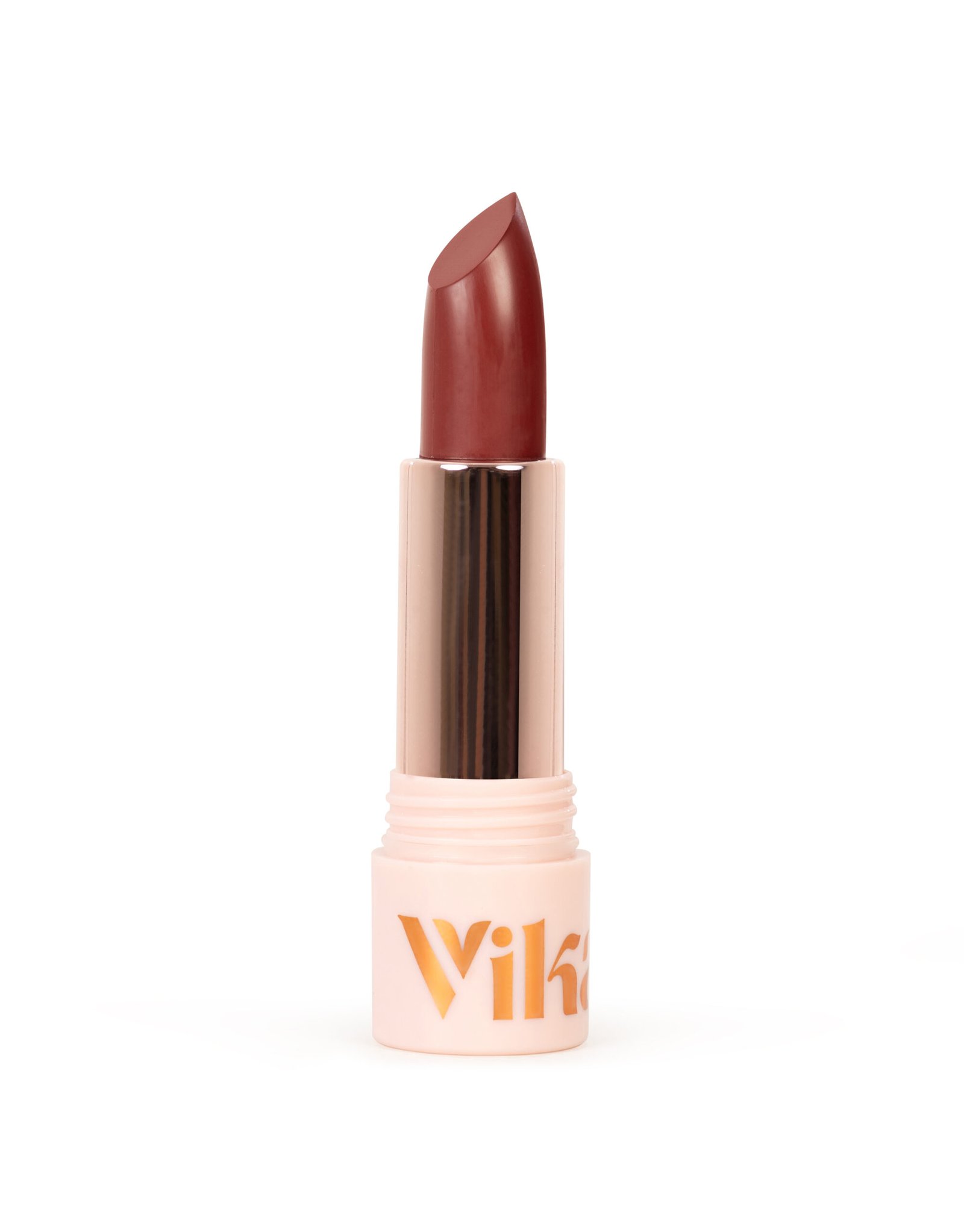
For example, with our lipsticks, we focused on creating something comfortable, transfer resistant, and easy to reapply without becoming dry or patchy because touch ups with traditional liquid lipsticks can often feel uncomfortable.
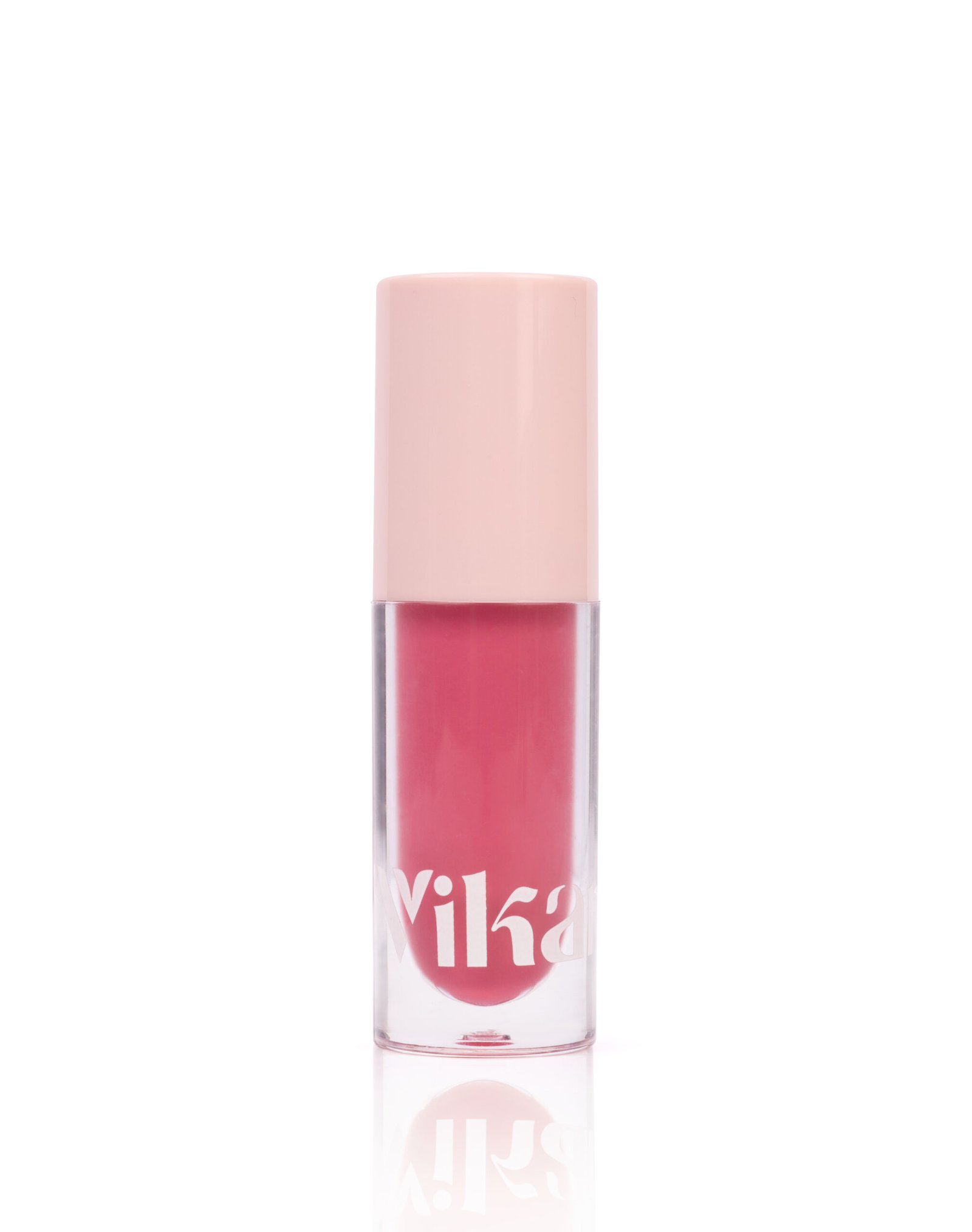
Similarly, with our blushes, the goal was to create a healthy glow that still feels lightweight and wearable, especially in Indian weather conditions. I think consumers today appreciate honesty and functionality more than exaggerated promises. That is the space we want Vikar Beauty to occupy.
Social media plays a huge role in shaping beauty perceptions today. With your background in digital marketing, how do you ensure Vikar Beauty creates conversations around confidence and individuality rather than unrealistic beauty standards?
Coming from a social media marketing background, I have seen both the positive and negative side of digital beauty culture. Social media has the power to inspire creativity and build communities, but it can also make people feel like they constantly need to look perfect. That is something I have always been very conscious about while building Vikar Beauty.
Our goal is to create conversations that feel human, relatable, and emotionally honest. Instead of pushing perfection driven messaging, we want to focus on real experiences, people sharing their personal journeys with makeup, confidence, skin concerns, and self expression.
As a growing brand, we are still in the early stages of building that community, but authenticity is something we are very intentional about. I personally believe genuine customer experiences and honest reviews create far more long term trust than excessive paid promotion. Of course, marketing is important, but consumers today can immediately sense when something feels performative versus authentic. For us, social media is not just about selling products. It is about creating a space where people feel seen, represented, and comfortable being themselves.
Quiet luxury has become one of the biggest lifestyle and beauty trends globally, where understated elegance speaks louder than excess. How do you see the concept of “quiet luxury” influencing modern beauty, and does Vikar Beauty align with this evolving mindset?
I think the rise of quiet luxury reflects a much larger shift in consumer mindset. People today are moving away from excessive consumption and overly performative beauty. Instead, they are becoming more intentional about what they buy, what they wear, and what truly adds value to their lives.
In beauty specifically, quiet luxury is less about showing off and more about feeling confident, refined, and comfortable in your own skin. It is about quality over excess, simplicity over pressure, and authenticity over perfection.
I definitely think Vikar Beauty aligns with that mindset. Our philosophy has never been about transforming people into someone else. It is about enhancing individuality in a way that feels effortless and honest. Whether it is through comfortable formulations, skin conscious ingredients, or minimal yet thoughtful branding, we want beauty to feel empowering rather than overwhelming. To me, modern luxury is not loud packaging or unrealistic perfection, it is feeling secure enough to embrace yourself as you are.
As a young founder building a conscious beauty brand in India, what is your long term vision for Vikar Beauty, and what kind of impact do you hope the brand will create in the beauty industry over the next few years?
My long term vision for goes far beyond simply building a successful beauty brand. I want to build a community where people feel emotionally connected, understood, and safe being themselves.
One thing that has been very special to me since launch is how personally customers interact with the brand. People message us asking for recommendations, shade advice, or even sharing their own experiences with confidence and skin insecurities. I never want to lose that closeness as the brand grows.
I want Vikar Beauty to always feel human, not distant or transactional. Over the next few years, I hope we can contribute to changing how beauty conversations happen in India. I want people to feel less pressure to constantly “fix” themselves and more freedom to express themselves as they are. Whether someone is into full glam, minimal makeup, acne positive beauty, or no makeup at all, they should feel equally represented and respected.
Ultimately, I hope Vikar Beauty becomes more than just a product based brand. I want it to become a space that encourages confidence, individuality, kindness, and self acceptance across all genders, ages, and backgrounds.
TheGlitz Take
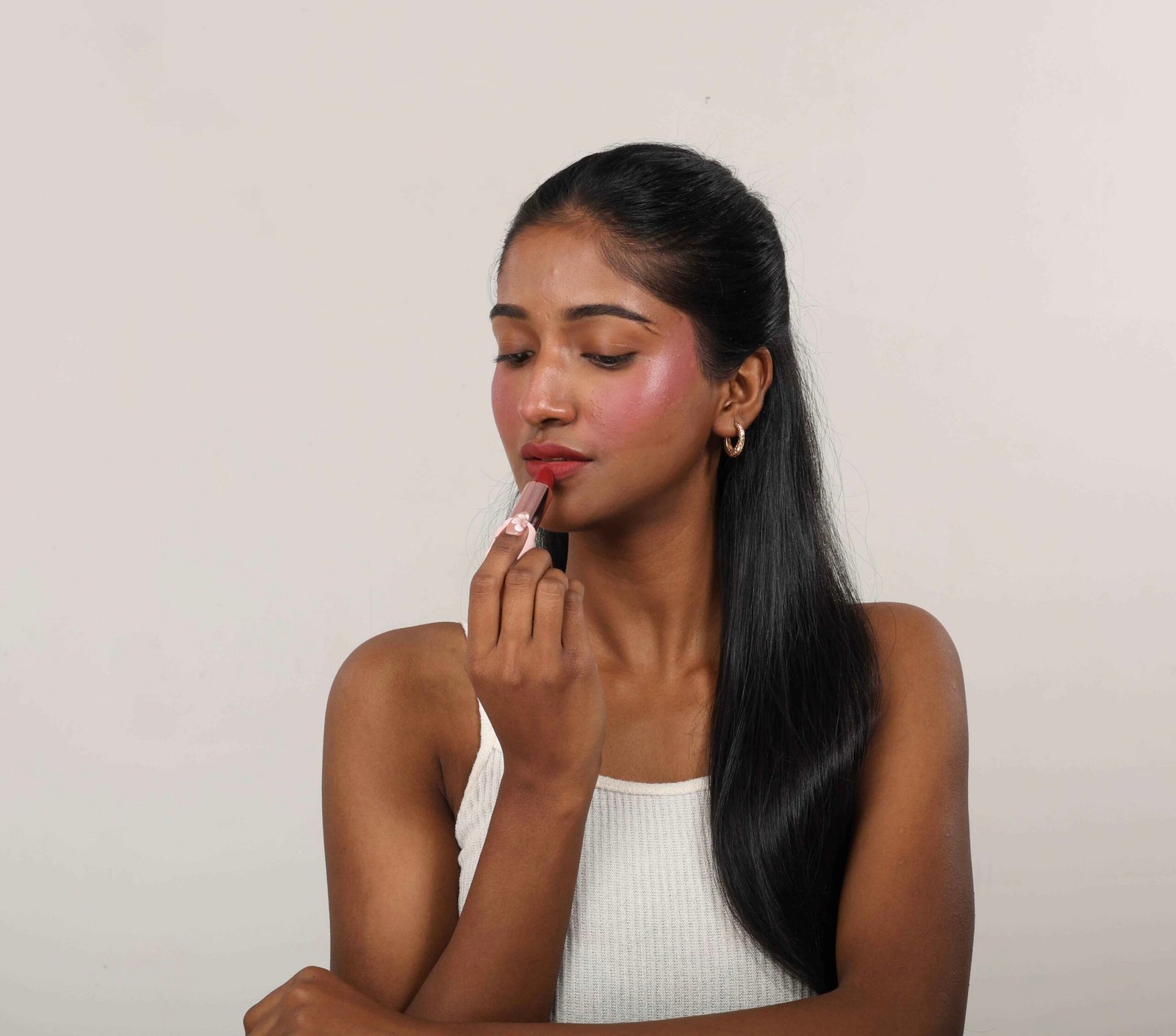
At TheGlitz, we believe Diksha Paul represents the future of beauty entrepreneurship — conscious, emotionally intelligent, globally aware, yet deeply personal. In an era where authenticity has become the ultimate luxury, Vikar Beauty feels less like a trend-driven startup and more like a meaningful movement.
…Because sometimes, the most powerful transformation is not “fixing” or changing your face, it is changing the way you see yourself.