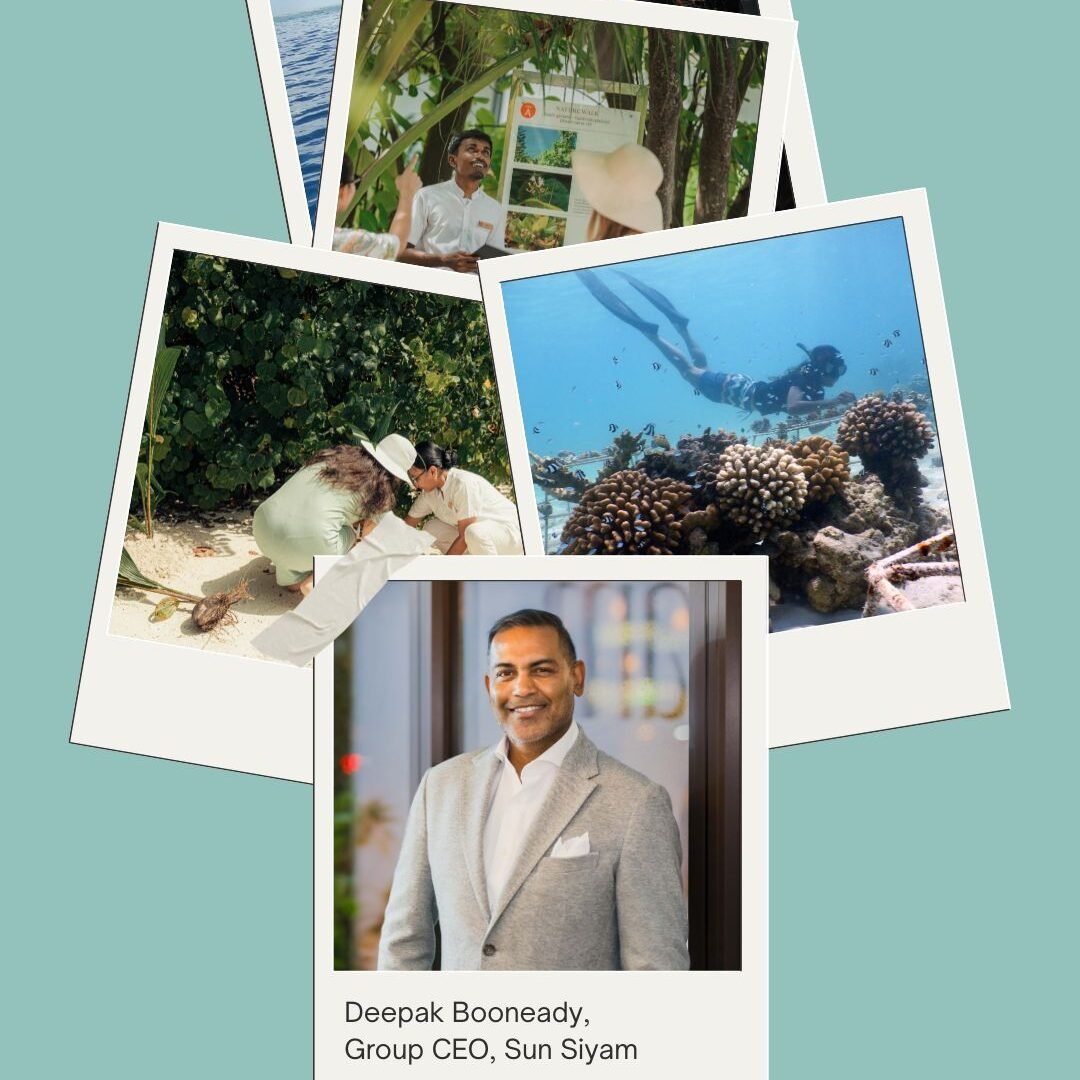
Deepak Booneady, Group CEO, Sun Siyam
World Environment Day may have been celebrated on June 5, 2026, but there is one hospitality group that lives and breathes environmental stewardship every single day of the year. Across the turquoise waters, coral reefs, and pristine islands of the Maldives and Sri Lanka, Sun Siyam has quietly built a blueprint for what responsible luxury can truly look like.
At the helm of this transformative journey is the very charismatic Deepak Booneady, Group CEO, Sun Siyam, whose passionate vision extends far beyond exceptional guest experiences. Under his leadership, sustainability is not a seasonal campaign or a marketing narrative… it is deeply embedded into the DNA of the organisation.
From renewable energy adoption and coral restoration programmes to marine conservation, plastic elimination, community empowerment, and biodiversity protection, Sun Siyam Resorts has demonstrated that luxury hospitality and environmental responsibility can thrive together.
For TheGlitz Earth Warriors 2026, we are proud to honour Sun Siyam for championing a hospitality model that protects some of the world’s most fragile ecosystems while inspiring guests, employees, and local communities to become active participants in conservation. Through the group’s pioneering sustainability framework, Sun Siyam Cares, all five of their Maldives resorts – Siyam World, Iru Fushi, Olhuveli, Iru Veli, and Vilu Reef, as well as their boutique retreat, Sun Siyam Pasikudah in Sri Lanka – operates with a clear commitment to safeguarding natural resources, preserving marine life, reducing environmental impact, and creating a positive legacy for future generations.
For TheGlitz Earth Warriors 2026, Sun Siyam stands as a shining example of hospitality leadership that balances business success with environmental responsibility, ensuring that paradise is not only enjoyed today but preserved for generations to come.
Over To Deepak Booneady, Group CEO, Sun Siyam
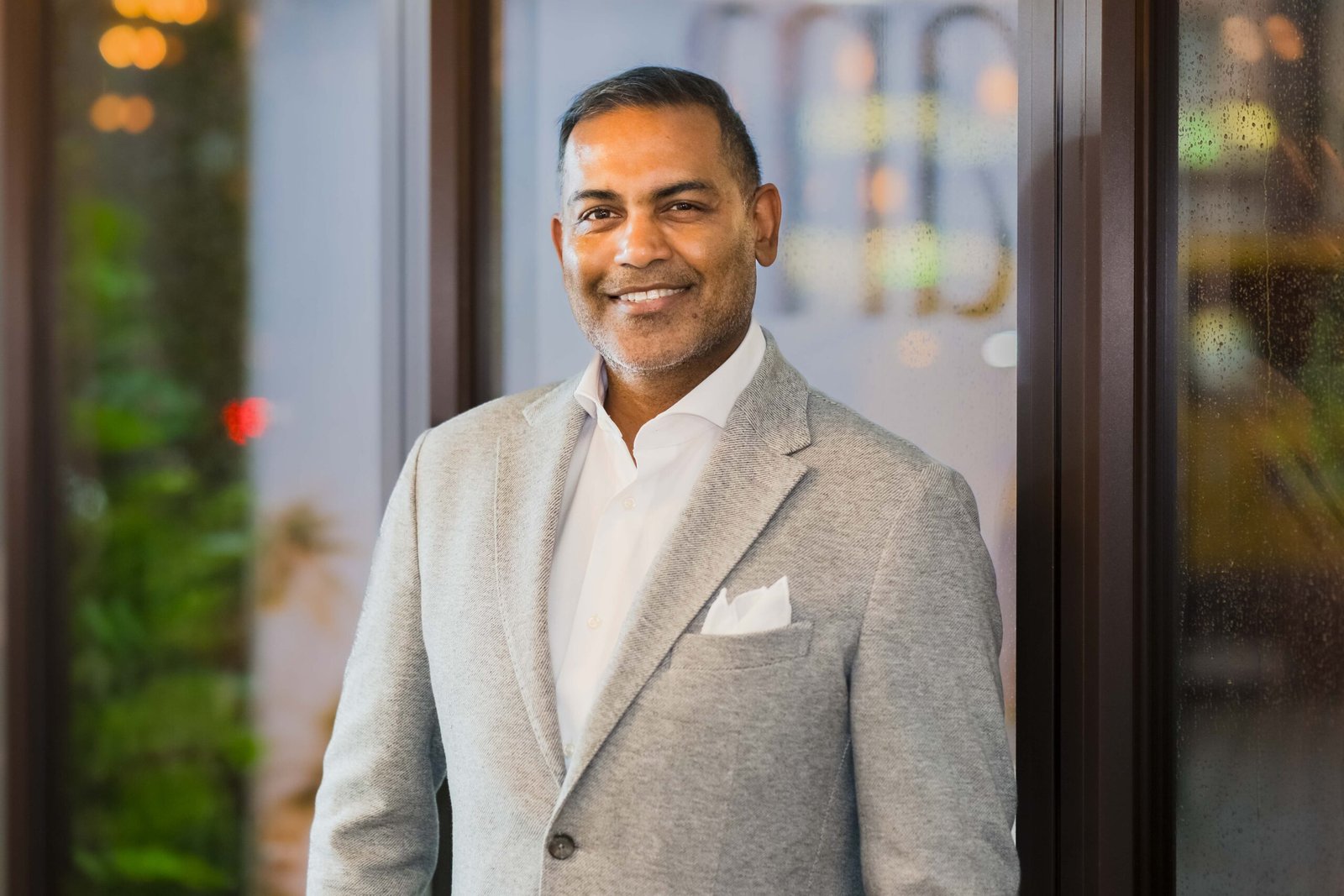
Sustainability has become an integral part of Sun Siyam. How does Sun Siyam Resorts ensure that environmental responsibility is embedded across its properties and daily operations?
At Sun Siyam, sustainability is not an obligation, it is a responsibility and privilege. Operating in one of the world’s most fragile ecosystems demands that we lead with integrity, innovation, and care. Our framework, Sun Siyam Cares, is built around a formal Sustainability Management Plan that applies to all five of our Maldives resorts —Siyam World, Iru Fushi, Olhuveli, Iru Veli, and Vilu Reef, as well as our boutique retreat, Sun Siyam Pasikudah in Sri Lanka. The plan covers every aspect of operations: energy, water, waste, biodiversity, procurement, employee wellbeing, community engagement, and guest awareness.
What makes it structural rather than cosmetic is governance. The SMP is overseen by a Group Sustainability Manager who works directly with the Group Executive Committee, Resort General Managers, and department heads. Sustainability targets are built into annual business plans, capital expenditure decisions, and supplier selection.
Each resort collects performance data monthly, which feeds into quarterly reviews and an annual sustainability report. Five of our Maldives resorts hold Green Globe membership, and Sun Siyam Pasikudah has achieved Travelife Gold Certification. These are independently verified benchmarks, and this accountability structure is what keeps sustainability embedded into our strategy, daily operations and guest experiences.
Operating in some of the world’s most ecologically sensitive island destinations comes with unique responsibilities. What are the most important sustainability priorities for your resorts today?
For us, three priorities stand out. The first is energy transition. We have installed hybrid solar systems with battery storage at Siyam World and Olhuveli — 2,572 kWh and 1,416 kWh respectively, which together generate close to six million kilowatt hours of renewable energy annually. Expanding that solar footprint across our remaining properties is a clear near-term objective, aligned with the Maldives’ national target of 33 percent renewable energy penetration by 2028 and its Net Zero 2030 goal.
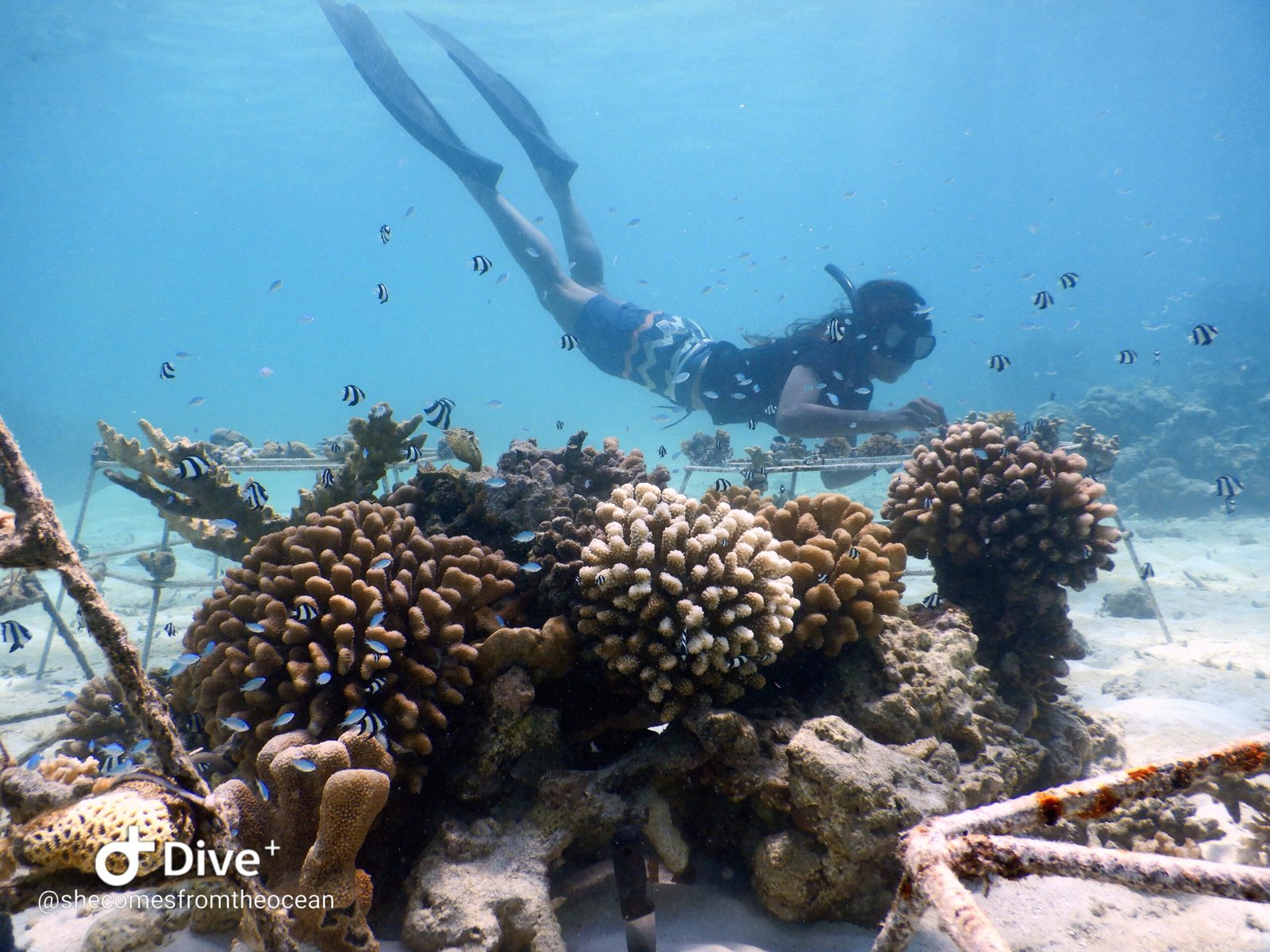
The second is ocean health. The Maldives’ reefs are under severe pressure from warming and bleaching, and our entire guest experience depends on a living, functioning marine ecosystem. Coral restoration, active marine biology programs at each property, and partnerships with Parley for the Oceans, Maldives Resilient Reefs, and the Blue Marine Foundation are all part of how we respond to that reality.
Waste elimination is another important tenet. We have already transitioned away from single-use plastics across our properties, replacing disposable bags, straws, and water bottles with sustainable alternatives. Our in-house reverse osmosis desalination and glass water bottling plants have reduced water-related carbon emissions by nearly 30 percent.
At Siyam World, we host the Maldives’ first Plastic Upcycling Centre, in partnership with CLEAN Maldives and the World Bank, where plastic waste is converted into usable furniture. All these projects are operational at scale and set standards for responsible luxury hospitality in the Maldives.
Marine ecosystems are vital to the Maldives. What initiatives has Sun Siyam undertaken to protect coral reefs, marine biodiversity, and the surrounding ocean environment?
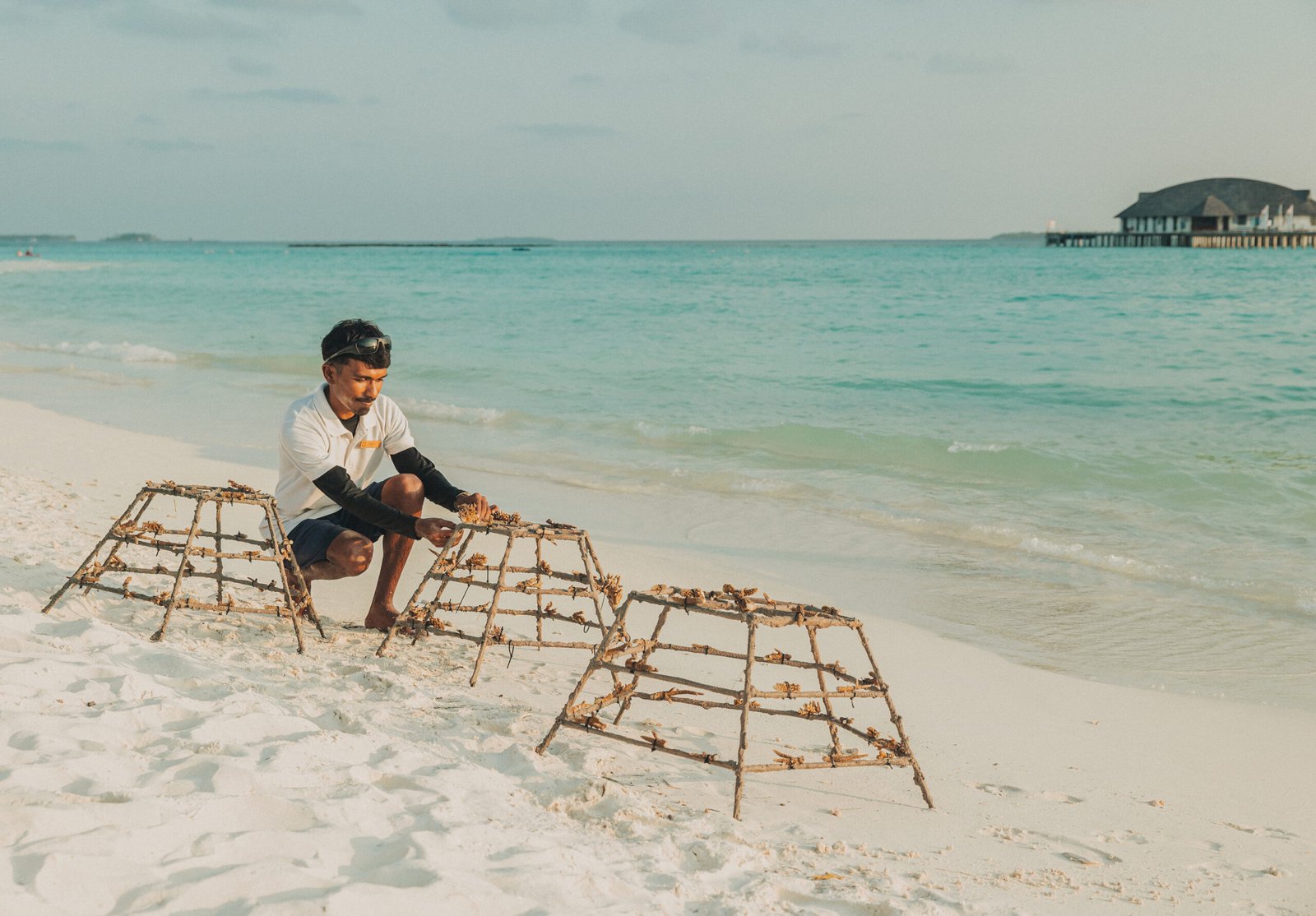
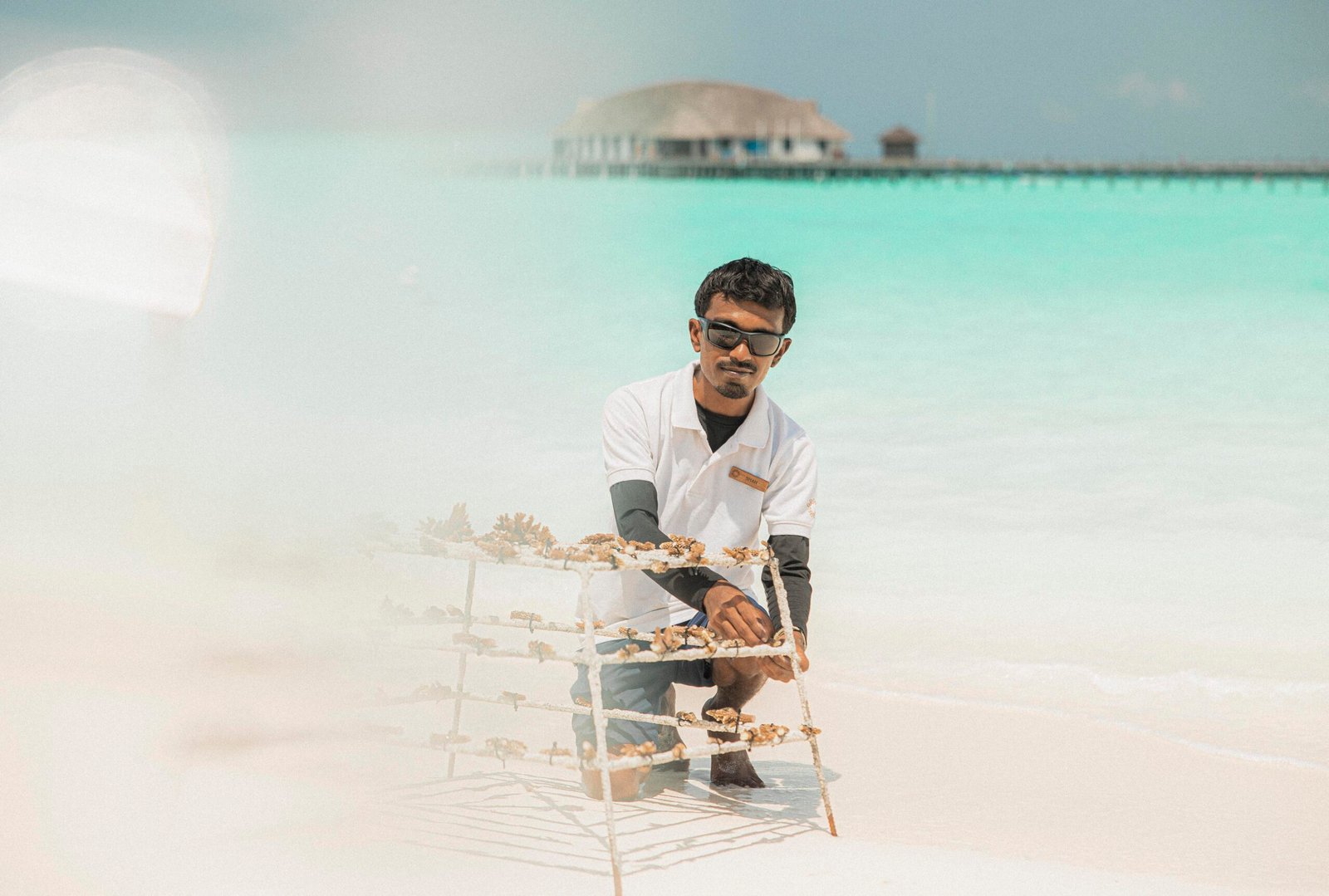
Marine conservation is central to Sun Siyam Cares, not peripheral to it. Each of our Maldives resorts has a dedicated resident marine biologist who conducts active reef monitoring, coral restoration, and guest education programs. Coral frames are installed within our resort lagoons as part of active restoration work, and photographic tracking documents growth over time, creating a data trail that directly informs how we manage reef health on an ongoing basis.
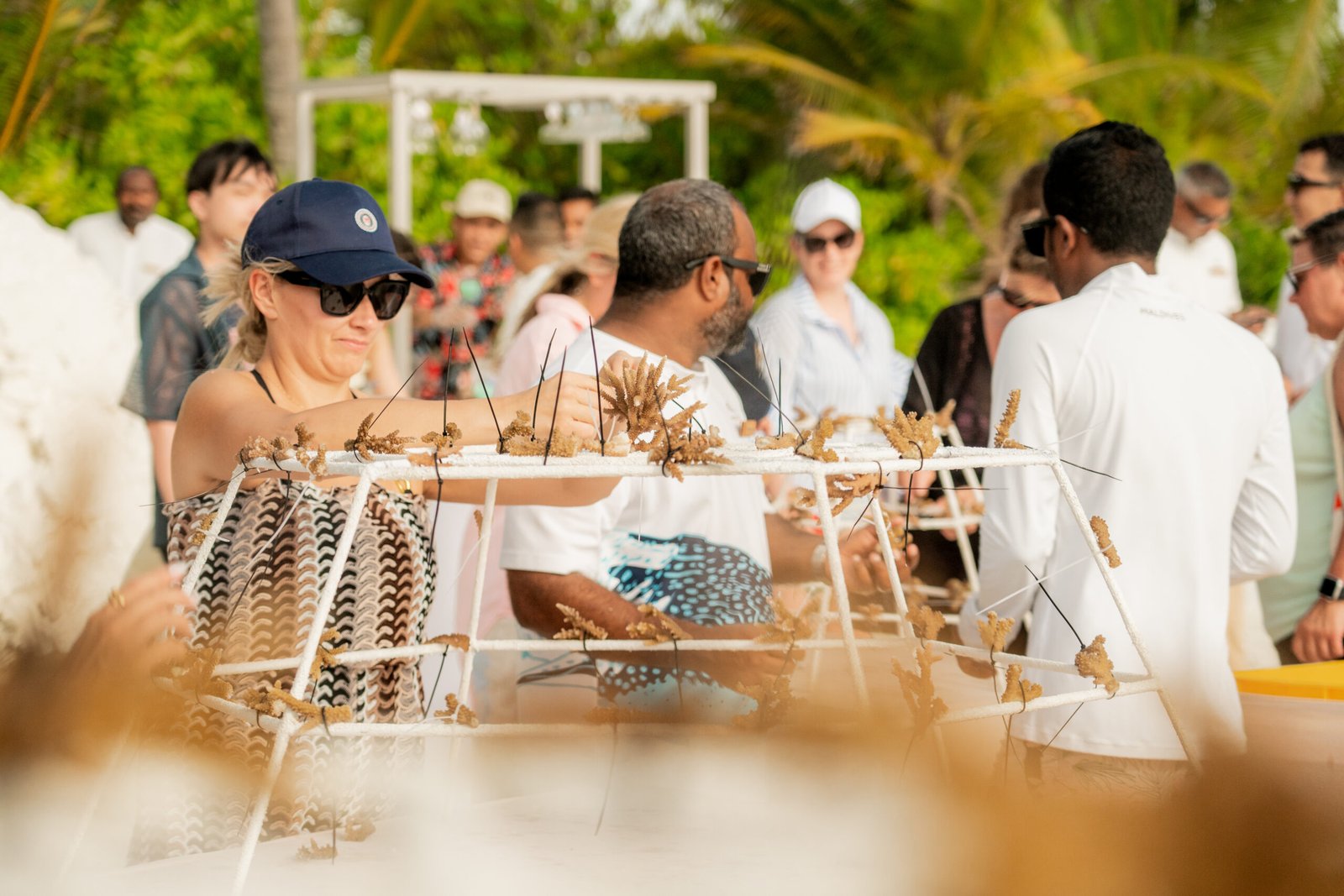
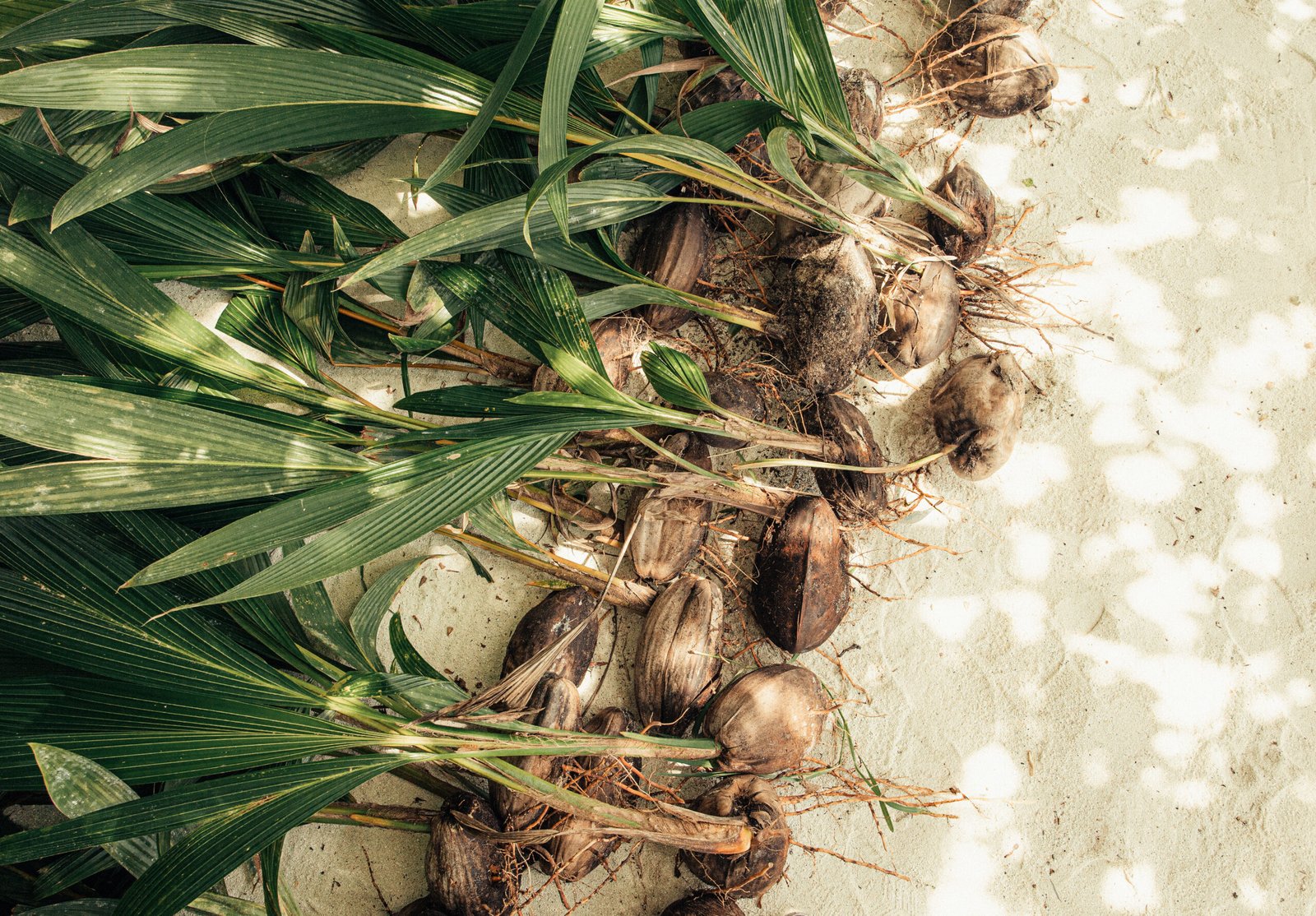
We organise weekly marine biology workshops covering coral health and Maldivian biodiversity, and guests who wish to participate in coral planting can do so alongside our marine teams. We also run regular beach, reef, and island clean-ups that guests are invited to join. Guests can contribute ten dollars per villa per stay to support our projects. We also regularly host beach, reef, and island clean up’s where guests can participate and offer tree planting ceremonies for visitors that dream of having a coconut tree named after them.
One initiative I consider particularly important and under-recognised by the broader industry is seagrass protection. Seagrass meadows are significant carbon sinks, nurseries for juvenile fish, and critical stabilisers of the seabed, yet many resorts remove them to create clear lagoons.
We actively protect seagrass across our properties and work with the Blue Marine Foundation with specific focus on seagrass preservation. Turtle conservation is another active area, with monitoring and protection initiatives operating across relevant properties.
Besides, through staff training, guest awareness programs and partnerships with environmental organizations, we actively safeguard the natural marine beauty that defines the Maldives, ensuring that our islands remain resilient, thriving, and preserved for future generations.
How do you balance delivering a luxurious guest experience while minimizing environmental impact and promoting responsible tourism?
The premise that luxury and sustainability are in tension is something I want to challenge directly. Our guests are not being asked to make trade-offs. They are staying in overwater villas, dining at world-class restaurants, and enjoying some of the most extraordinary reef environments on earth. The sustainability work happening around them and often with them enhances that experience.
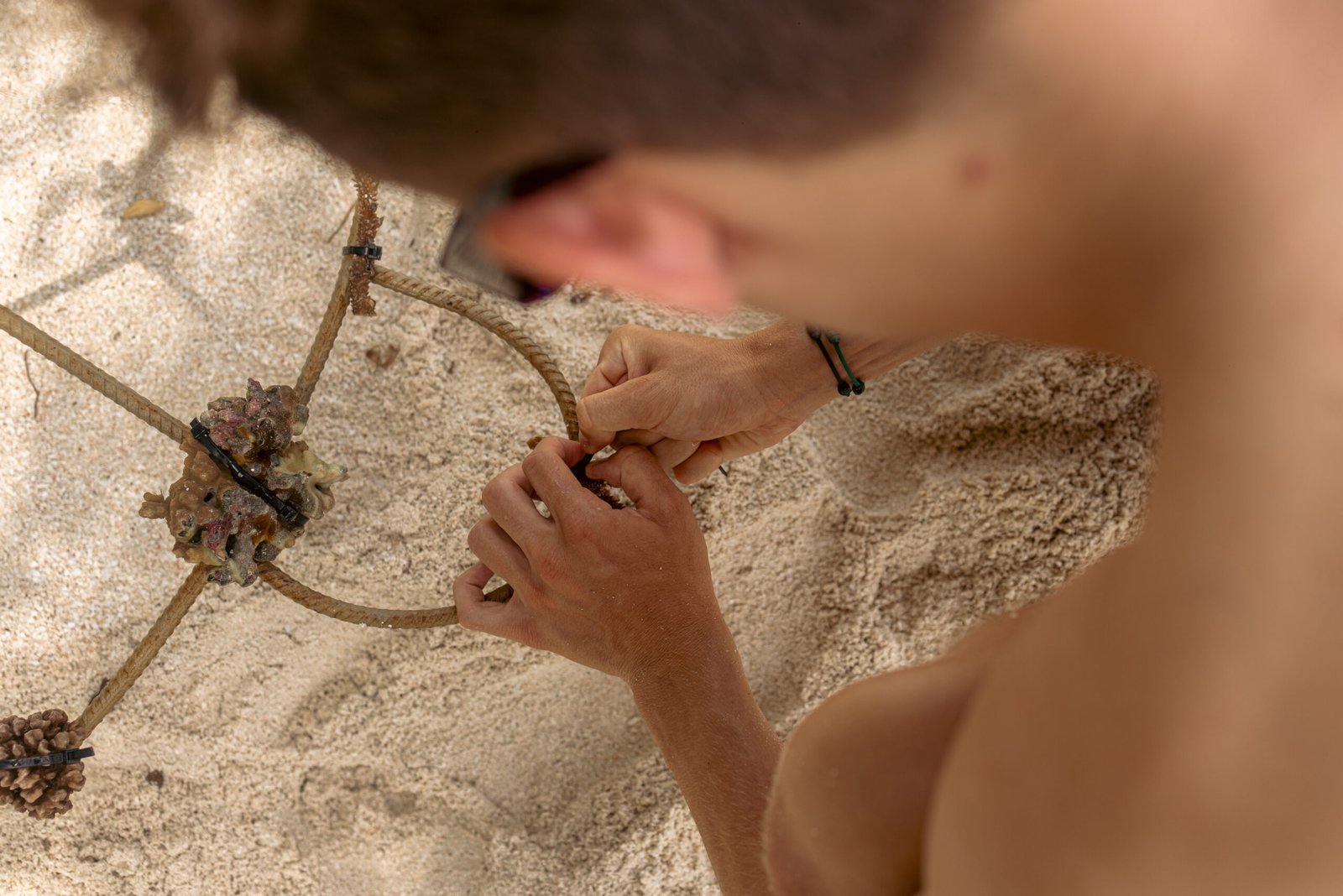
What we have found is that guests respond strongly when they are participants rather than observers. A guest who has planted a coral frame alongside our marine biologist and receives photo updates of its growth as it develops has had an experience that no amenity in a suite can replicate. Guests who attend our reef conservation sessions or join a beach clean-up carry something different home with them.
Operationally, sustainable practices have also made us more efficient. Solar energy reduces diesel dependency. Composting reduces waste disposal costs. Local sourcing shortens supply chains and delivers fresher produce. Greywater recycling conserves more than 100 cubic metres of freshwater daily, which is repurposed for irrigation and landscaping. Our PLEDGE food waste prevention program actively reduces food loss across every property.
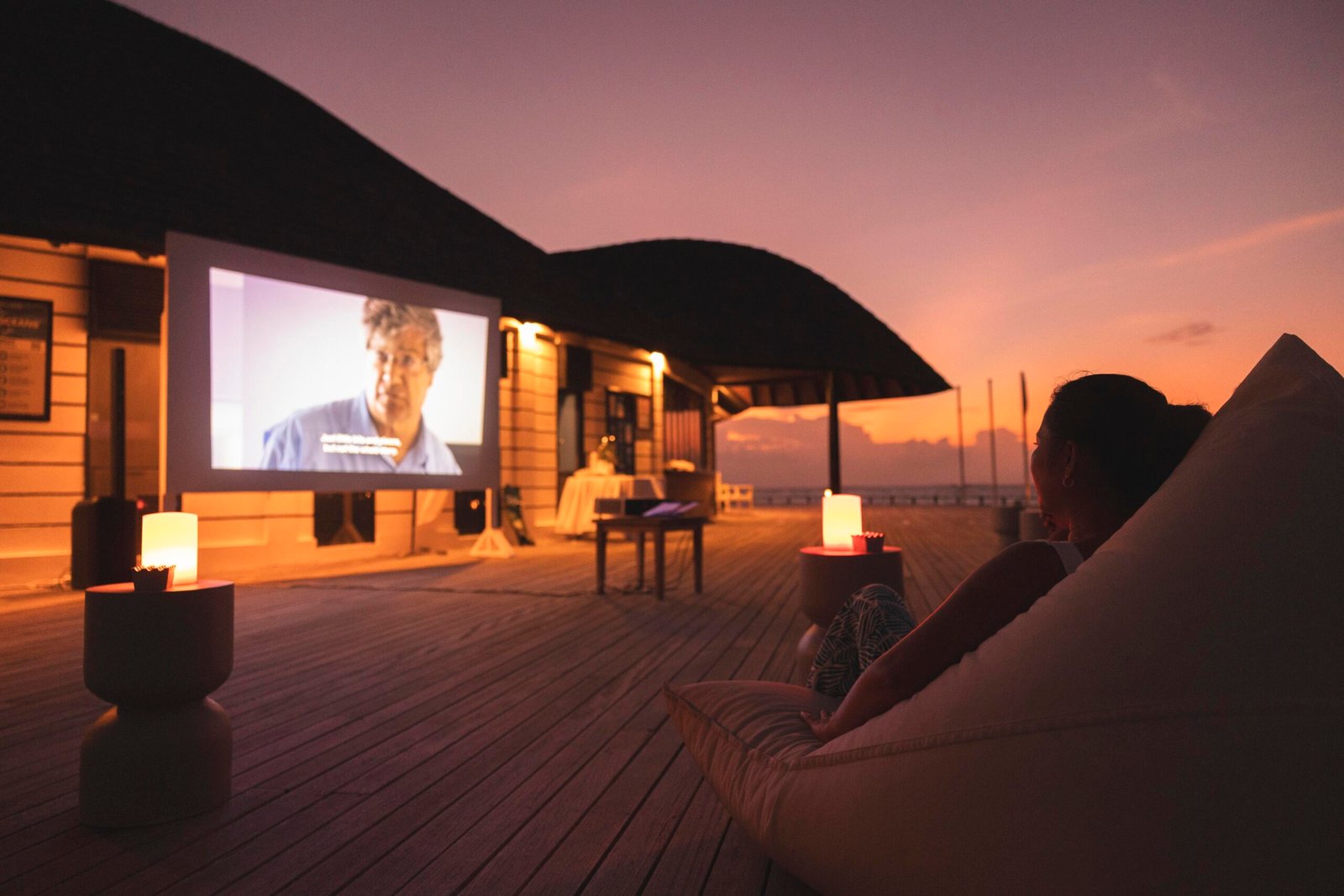
Apart from this, informative signage, digital platforms, and staff interactions help raise awareness on environmental protection and cultural respect. By inspiring guests to be conscious travellers, we extend our positive impact beyond the resort experience.
Community involvement is often key to long-term sustainability. How does Sun Siyam engage local communities and encourage guests to participate in environmental conservation efforts?
Sun Siyam was built on and around island communities; that relationship shapes how we operate, not just how we communicate. We actively recruit from neighbouring islands, creating direct employment and supporting national workforce development. We provide structured training, apprenticeships, and career progression pathways.
We work with women’s development committees for services including food preparation, cleaning, and gardening, creating meaningful income opportunities for local women while meeting our operational requirements. We also collaborate with local suppliers, entrepreneurs, and service providers, which strengthens island economies and keeps supply chains shorter and more sustainable.
Beyond employment, we partner with island councils, local government, and NGOs on environmental awareness programs and conservation action. Our educational eco-week programs extend to local schools, bringing sustainable tourism awareness to younger generations. In Sri Lanka, the CarePhant project supports elephant welfare and habitat protection, a reflection of the same philosophy applied to a very different context.
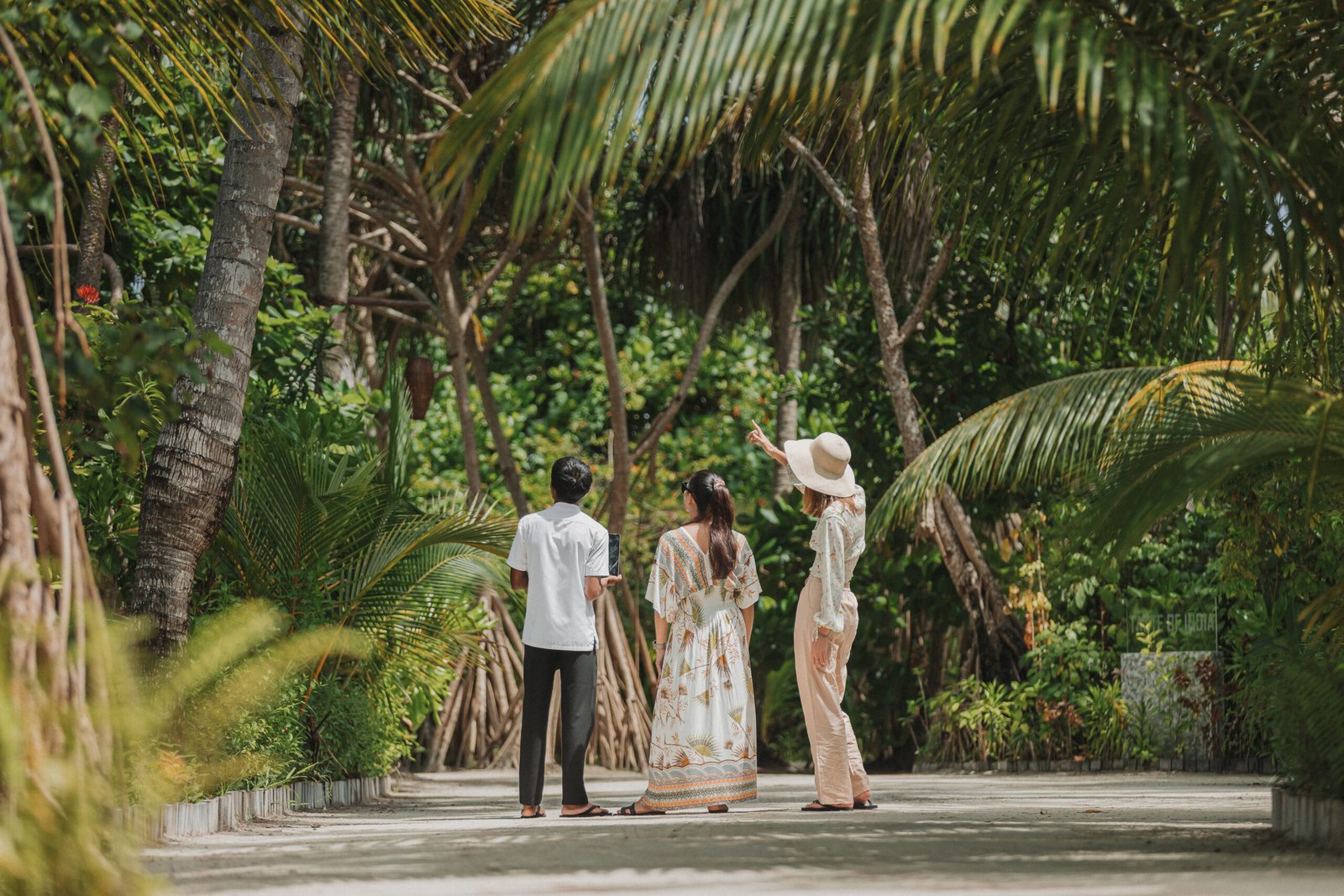
For guests, participation is an invitation rather than an obligation. Coral planting sessions, reef clean-ups, marine biology talks, tree planting ceremonies, and the option to contribute directly to Sun Siyam Cares are all offered as part of the stay. When guests engage, they leave with a relationship to the place rather than just a memory of it.
Looking ahead, what are the group’s most ambitious sustainability goals, and how do you see the future of eco-conscious luxury travel evolving?
Our most important forward commitment is generating close to six million kilowatt hours of renewable energy annually across our properties and reaching 50 percent renewable energy usage group-wide, in alignment with the Maldives’ national target of 33 percent renewable energy penetration and Net Zero 2030 goal. We see this as our responsibility to contribute meaningfully to that national effort as a Maldivian company. We publish our annual sustainability report every year to provide our stakeholders a comprehensive report of our ESG performance, stay accountable and foster trust, while promoting continuous improvement in responsible and sustainable operations.
On conservation, we are expanding coral restoration work across all properties and deepening our partnerships with marine research organisations. We will continue building on our waste elimination progress, with the Plastic Upcycling Centre at Siyam World serving as a model we intend to scale. Water efficiency through desalination, greywater recycling, and rainwater harvesting where feasible, will remain a core operational focus.
As for where eco-conscious luxury travel is heading, I think the distinction between eco and luxury will simply disappear. The guests arriving in our resorts today, particularly younger travellers, do not see these as separate categories. They want extraordinary experiences and they want to know that the place they are visiting will still exist for their children. The resorts that will lead in this industry are the ones that treat sustainability as the foundation of the guest experience, not an afterthought dressed as a value. That is the direction we have been moving in, and it is the only direction that makes sense.