
Casting directors
The world sees the glamour… the red carpets, flashing cameras, designer wardrobes, standing ovations, fan adoration, and the carefully curated moments of success that dominate social media. What often goes unseen is the emotional reality behind the spotlight. What the world rarely sees are the hundreds of auditions, the unanswered calls, the near misses, and the emotional weight of hearing “no” far more often than “yes.”
For actors, rejection is not an occasional setback but a recurring part of the profession. Yet behind every audition is a human being carrying dreams, vulnerabilities, financial pressures, and the hope that this could be the opportunity that changes everything.
As conversations around actor’s mental health continue to gain urgency, Sumita Chakraborty, Founder & Editor-in-chief, TheGlitz spoke to three of Bollywood’s most illustrious as well as respected casting directors… Mukesh Chhabra, Kunal M Shah, and Parag Mehta… about rejection, empathy, and the responsibility the industry bears toward the actors who walk into audition rooms every day.
Mukesh Chhabra: The Casting Maestro Who Understands an Actor’s Heart
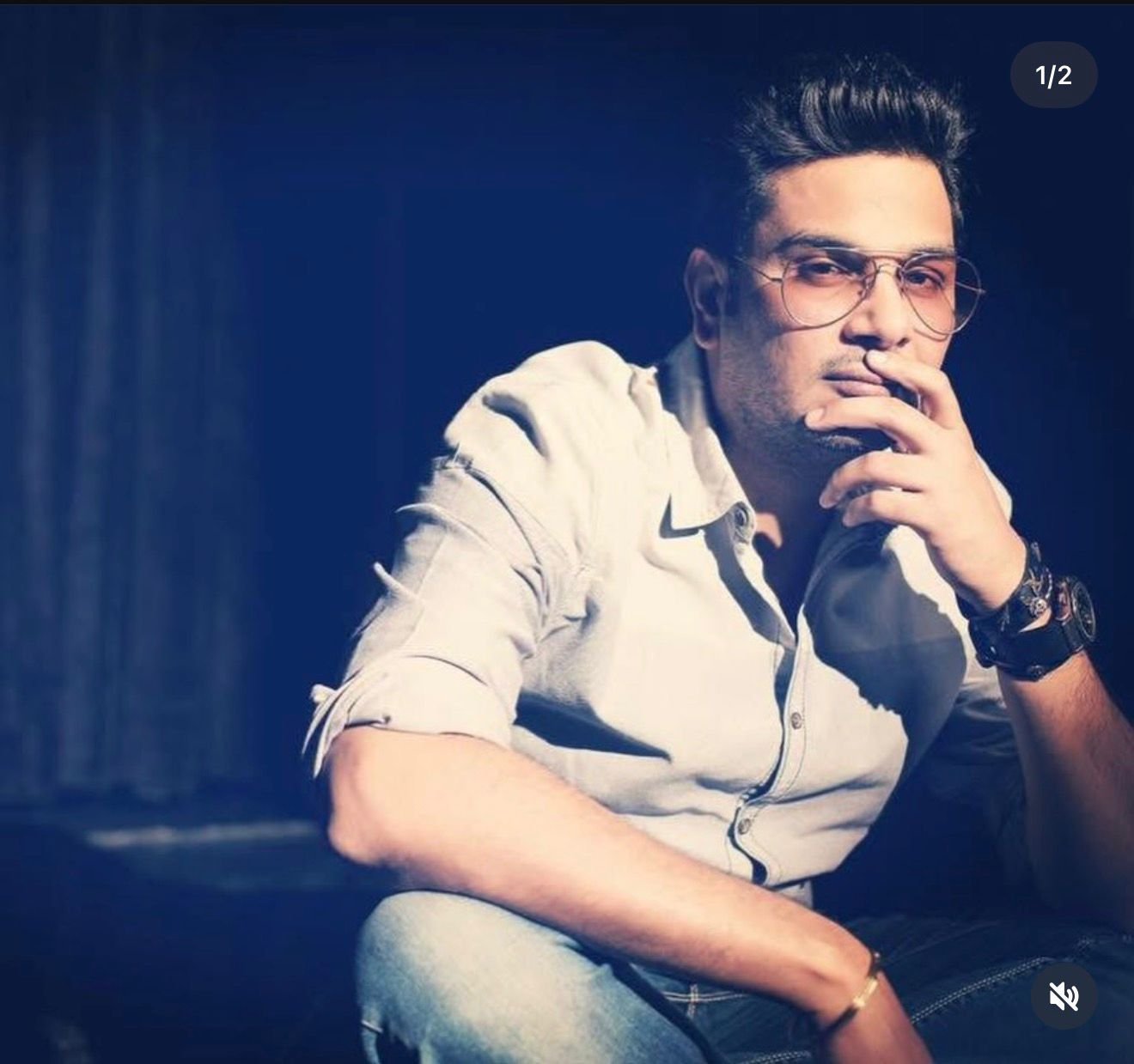
Widely regarded as one of India’s most influential casting directors, Mukesh Chhabra has played a pivotal role in discovering and shaping some of Bollywood’s most remarkable talent. Renowned for his exceptional instinct for authenticity and his acclaimed work on numerous blockbuster films… including the much-discussed Dhurandhar… Mukesh Chhabra has consistently redefined the art of casting.
Yet, beyond his celebrated professional achievements lies a deep sense of empathy for actors navigating the highs and lows of the industry. Believing that compassion is just as important as casting instinct, TheGlitz spoke to him about rejection, resilience, and the responsibility casting directors have towards protecting an actor’s confidence and dignity.
TheGlitz: Rejection is a constant part of an actor’s journey. You are known to be very empathetic… in fact, you have said that if you had your way, you would cast everybody. What responsibility do casting directors have in ensuring that actors are rejected professionally and respectfully, rather than being left feeling discouraged or humiliated?
As a casting director, I personally feel that whenever we say “no” to an actor, we have a responsibility to communicate it with sensitivity and respect. We are not rejecting an actor or their talent. We are only saying that for a particular script and a particular character, they may not be the right fit. Casting is based on many things – the age, look, energy, chemistry, voice, body language, and the specific world of the film.
Sometimes a very talented actor may simply not suit one role, but may be perfect for another. I completely understand the actor’s mindset because actors are often very vulnerable. They invest their time, emotions, money, hope, and confidence into every audition. When they do not get selected, it can feel personal. They may feel that their talent has been rejected, when actually it is only a decision about the character.
That is why I always try to explain this to actors whenever possible: “We are not saying “no” to you. We are only saying “no” for this role.” …Especially when it comes to children, we have to be even more careful. A child can take rejection very deeply, and it is our responsibility to make sure they do not walk away feeling ashamed, embarrassed, or less confident.
This profession is not easy. There is limited work, enormous talent, and thousands of people waiting for one opportunity. Even the strongest actors can feel low after repeated rejection. So as casting professionals, we must create an environment where actors feel respected even when the answer is “no”.
A kind word, a clear explanation, and basic dignity can make a huge difference. Our job is not only to find the right actor for a role; it is also to protect the confidence and hope of the people who come to us with their dreams.
TheGlitz: Have you ever reconsidered how feedback or rejection is communicated to actors after seeing its impact on their mental health and confidence? If so, what changes have you implemented in your own process?
I would not say that we reconsider casting someone simply because they are feeling low after a rejection. Casting has to remain honest to the script, the character, and ultimately, the director’s vision. Even if I personally want to give every actor an opportunity, I cannot compromise on what the role truly requires.
However, I do believe we can be more sensitive in the way we handle actors. If an actor is nervous, emotionally low, or unable to perform their best during an audition, and if the situation allows, I try to give them another chance. Sometimes a small conversation, a little reassurance, or a second take can help an actor come closer to the character and show their real potential.
I can also give constructive feedback wherever possible not to make false promises, but to help them understand what they can improve for future opportunities. It could be their preparation their understanding of the character, their confidence, or simply the way they approach an audition.
But I never want to give an actor false hope by saying, “We will reconsider you because you are feeling low.” That would not be fair to them, to the script, or to the director. It is a very sad and difficult reality of this profession: sometimes a talented actor may still not be right for a particular part. The important thing is to make sure that even when the answer is “no”, the actor leaves with dignity, clarity, and the belief that one rejection does not define their talent or their future.
TheGlitz: Many actors invest significant emotional energy, time, and money into auditions. Do you believe the casting industry should adopt clearer communication practices around selections and rejections? What practical steps can casting offices take to make that process more transparent and humane?
I believe clearer communication is important, and as casting directors, we should try our best to make the process more transparent, respectful, and humane. But it is also a very difficult space. Not every actor is in the same emotional state when they receive feedback or rejection. When someone has not been getting work for a long time, or is going through a difficult phase, even genuine advice can sometimes be taken negatively.
A casting director may explain the reason honestly, give feedback or suggest what an actor can work on but not everyone may be ready to receive it positively at that moment. Still, I feel we must keep trying. Wherever possible, we should communicate clearly: why someone may not fit a particular role, what the brief requires, and that a rejection is not a judgement of their talent. We need to make actors understand that casting is about the requirements of a script, the character, and the director’s vision not about rejecting a person.
At the same time, I would also request actors not to take every rejection personally. Auditioning is part of the journey. There is no shortcut – hard work, preparation, patience, and consistency are the only way forward. The process will remain the same whether you approach it with sadness or with hope. But when you stay positive, keep learning, and enjoy the process, you perform better, grow stronger, and give yourself a better chance of reaching your opportunity sooner.
My wish is that actors remain happy and hopeful while they are looking for work. Keep auditioning, keep working on yourself and remember one rejection does not decide your future.”
Indeed, Mukesh Chhabra’s words reveal a deep understanding of the emotional reality actors face. “We are not rejecting an actor or their talent. We are only saying that, for this particular script and this particular character, they may not be the right fit.”
Chhabra is particularly mindful of the emotional impact rejection can have, especially on newcomers and children. He believes casting directors must go beyond merely selecting talent; they must protect confidence and preserve hope.
“A kind word, a clear explanation, and basic dignity can make a huge difference. Our job is not only to find the right actor for a role; it is also to protect the confidence and hope of the people who come to us with their dreams.”
While Mukesh Chhabra remains committed to serving the script and director’s vision, he advocates giving actors a fair chance whenever possible, often offering reassurance, constructive feedback, or even a second take when circumstances permit.
Kunal M Shah: The Believer in Second Chances
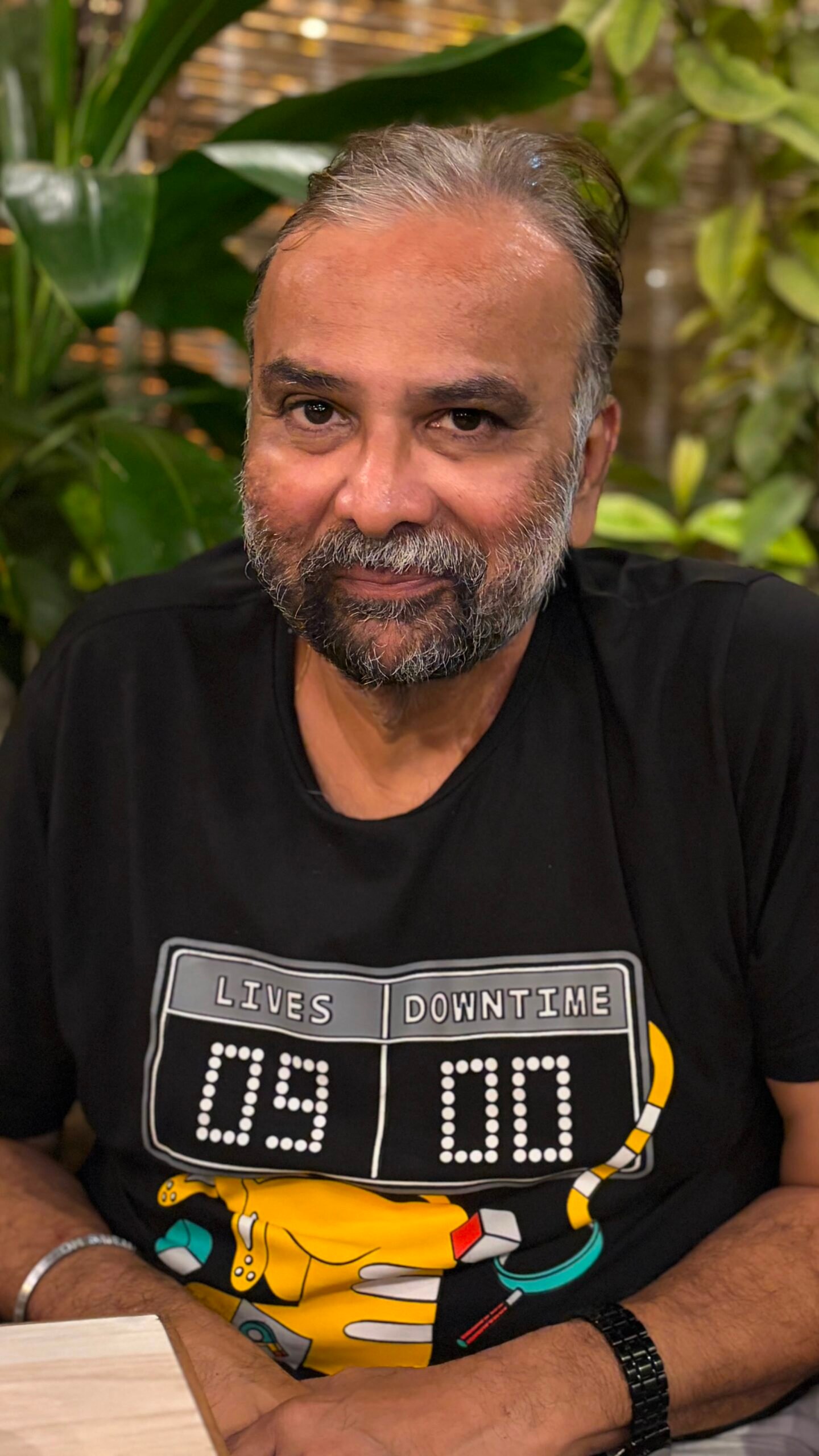
Known for his keen eye for talent and his ability to bring together memorable ensembles, casting director Kunal M Shah has earned widespread respect for identifying performers who leave a lasting impact on screen. Celebrated for looking beyond the obvious and championing genuine talent, Kunal M Shah understands both the opportunities and emotional complexities that come with the casting process.
For him, one of the industry’s most delicate balancing acts lies in navigating the practical demands of casting while remaining sensitive to the hopes, expectations, and need for closure that many actors experience. TheGlitz spoke to Kunal M Shah about rejection, communication, and the importance of making actors feel seen and valued, even when the answer is no.
TheGlitz: Your casting work has been widely appreciated for discovering strong talent and shaping memorable ensembles… how do you balance that responsibility with the reality that many actors may leave auditions without clarity or closure, and how do you personally ensure they still feel respected in the process?
Kunal averred: “It’s practically impossible to give individual feedback to every actor whose audition doesn’t work out, simply because there can be countless reasons behind a casting decision. Sometimes it’s not about talent at all… the director may be looking for a different age, look, energy, chemistry, or interpretation of the character.
Whenever possible, if I genuinely like an audition, I do reach out and let the actor know that it was a good take and that it simply wasn’t the right fit this time. I know rejection can be heartbreaking because this is not an easy industry, but we always try to keep good actors in mind and call them again for future opportunities.
I firmly believe that a good audition never goes to waste. It may not work today, but if the actor is talented and consistent, the right opportunity will eventually come.”
TheGlitz: You’ve built a reputation for working closely with actors and understanding performance at a deep level especially when dealing with large volumes of auditions and inevitable rejections, what systems or personal practices do you rely on to maintain fairness while also protecting the emotional experience of new talent?
For me, fairness comes from giving every actor an honest opportunity, regardless of their experience or background. Casting decisions are often influenced by factors beyond performance, so I try to ensure that actors don’t see rejection as a reflection of their talent. If someone delivers a strong audition, I make a note of it and often bring them back for future projects. I believe good talent is never overlooked for long, and maintaining that trust with actors is very important to me.
Just that one single text message that you were good means the world to them and make them emotionally secure.”
Kunal’s philosophy is simple yet powerful: good work never disappears.
“Whenever possible, if I genuinely like an audition, I do reach out and let the actor know that it was a good take and that it simply wasn’t the right fit this time.”
Adding firmly, “I firmly believe that a good audition never goes to waste. It may not work today, but if the actor is talented and consistent, the right opportunity will eventually come.”
Perhaps his most touching observation is also the simplest.
“Just that one single text message that you were good means the world to them and make them emotionally secure.”
In an industry often criticised for silence, Kunal M Shah’s belief in acknowledgement serves as a reminder that small gestures can have a profound emotional impact.
Parag Mehta: Championing Fairness and Fresh Talent

Few casting directors have earned the trust and admiration of the industry quite like Parag Mehta. Celebrated for his authenticity, sharp casting instincts, and ability to discover exceptional talent, Parag has consistently championed performers who bring honesty and depth to the screen. Known for giving fresh faces meaningful opportunities and assembling casts that feel b… finding the person who can most authentically bring a character to life.
With a reputation for nurturing talent and creating a fair, respectful audition environment, Parag Mehta has become one of the industry’s most respected voices on the art and responsibility of casting. TheGlitz spoke to him about rejection, opportunity, and the importance of ensuring that actors feel valued throughout the audition journey.
TheGlitz: Your casting choices have consistently stood out for their authenticity and fresh talent discovery… how do you personally approach the balance between industry expectations and giving new actors a fair opportunity during auditions and rejections?
Parag responded: “For me, casting is always about finding the most truthful person for the character, not just the most familiar face. Industry expectations are important because films are collaborative and commercial realities exist, but I believe every actor deserves an equal chance when they walk into an audition room.
“Many of the actors we celebrate today were once newcomers waiting for someone to believe in them. My responsibility is to create a process where talent, preparation, and suitability for the role matter more than popularity or connections. Sometimes a fresh face brings an honesty and unpredictability that elevates a character beyond what was originally imagined.
“Rejections are also a natural part of the process. Often an actor maybe excellent but simply not right for that particular role. I always try to separate the actor from the casting decision because a rejection is rarely a judgment on someone’s talent or potential.”
TheGlitz: In your experience as a casting director known for working closely with performers, what are some practical ways you ensure that actors walk out of auditions feeling respected, even when they are not selected?
Parag: “Respect begins long before the audition and continues long after it ends. I believe actors are not just auditioning for a role; they are trusting us with their time, preparation, and vulnerability.
“Practically, this means creating a welcoming environment, giving clear instructions, allowing actors enough space to perform without unnecessary pressure, and acknowledging the effort they have put in. Even small gestures—being punctual, listening attentively, and offering a simple thank you—make a difference.
“The most important part of my process is we inform them in case if it doesn’t work out through message or call.
“My goal is that every actor leaves the room feeling seen, valued, and encouraged to keep growing, regardless of the outcome.
“The industry needs talented performers, and casting directors have a responsibility to nurture that ecosystem with empathy and professionalism.”
Parag Mehta’s approach prioritises talent, preparation, and suitability over familiarity or connections.
He underlines, “Many of the actors we celebrate today were once newcomers waiting for someone to believe in them.”
Equally important to Parag Mehta is the experience actors have during and after the audition process.
“Respect begins long before the audition and continues long after it ends.”
Whether through punctuality, clear communication, attentive listening, or simply informing actors when a role doesn’t work out, Parag Mehta believes dignity should remain at the centre of every interaction.
“My goal is that every actor leaves the room feeling seen, valued, and encouraged to keep growing, regardless of the outcome.”
TheGlitz Says
In an industry built on dreams, rejection will always be unavoidable. But humiliation should never be.
What emerges from these conversations is a powerful reminder that casting directors are not merely gatekeepers to opportunity… they are often the first point of contact between an actor and the industry itself. A thoughtful conversation, a respectful rejection, a simple message of encouragement, or an honest explanation may seem small, but for an actor battling self-doubt, they can mean everything.
Behind every audition number is a person hoping to be seen. Behind every performance is someone who has survived countless rejections to reach the screen.
The entertainment industry thrives on creativity, but creativity flourishes best in environments built on empathy. If Bollywood truly wants to nurture exceptional talent, it must continue creating spaces where actors feel respected, valued, and supported… even when the answer is “no”.
…Because sometimes, preserving someone’s confidence may be just as important as discovering the next star.
An Industry That Needs More Compassion
The entertainment industry thrives on creativity, but creativity flourishes best in environments built on respect. More casting directors, producers and talent agencies must recognize that every audition room contains a human being, not just a candidate for a role.
Actors accept rejection as part of the profession. But behind every performance is a person navigating hopes, fears and insecurities. As conversations around mental health grow louder, perhaps the industry’s greatest role yet is learning how to treat its artists with the empathy they deserve.