
Mallika Prasad
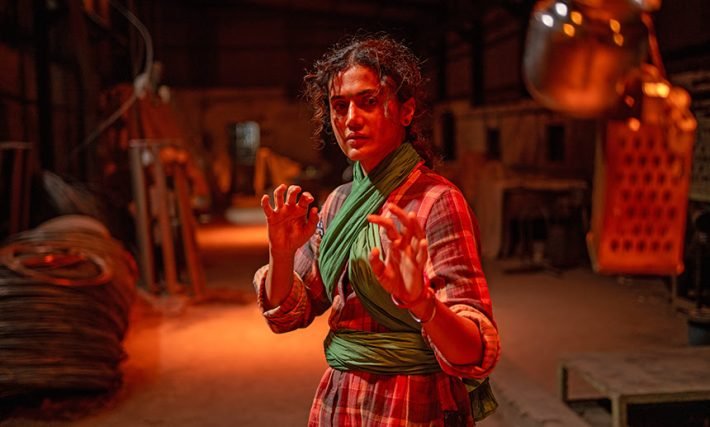
I walked into the theatre to watch Mardaani 3 with absolutely no expectations. Having met Rani Mukerji several times over the years, I naturally assumed the film would revolve around her magnetic screen presence. And while Rani was, as always, exceptional, it was someone else who completely caught me off guard.
My eyes were drawn to an electrifying performer whose haunting portrayal refused to leave my mind long after the credits rolled. Mallika Prasad, who plays the formidable Amma… the film’s chilling antagonist… delivered a performance of extraordinary depth, intensity and emotional complexity. It wasn’t merely compelling; it was unforgettable. For me, she deserved every accolade the season had to offer.
So, when the opportunity to interview Mallika Prasad came my way, I didn’t hesitate for a second. I wanted to know the woman behind that astonishing performance. But what I discovered surprised me even more than her acting. Beyond the award-worthy screen presence lies an artist, educator and mentor whose life’s work extends far beyond cinema. Thoughtful, deeply intuitive and refreshingly grounded, Mallika is as passionate about helping people discover their authentic voice as she is about inhabiting unforgettable characters.
One of South Asia’s very few certified practitioners of Fitzmaurice Voicework®, Mallika believes that the human voice is far more than a tool for speaking or performing… it’s a gateway to confidence, emotional resilience, presence and authentic human connection.
While she has shared the screen with some of India’s finest talents, including Shabana Azmi, Naseeruddin Shah, and worked with acclaimed filmmakers such as Anurag Kashyap, she is equally respected for her transformative work as a voice and acting coach. Every August, her much-awaited six-day Mumbai ‘India Intensive’ workshop scheduled from Tuesday, 11th August to Sunday, the 16th of August 2026, draws actors, leaders, educators, entrepreneurs and professionals eager to reconnect with their breath, body, imagination and, ultimately, themselves.
For Mallika, voicework isn’t simply about projection or perfect diction. It is about stripping away years of conditioning, discovering one’s innate authenticity and finding the courage to be fully present. Whether she’s bringing psychological complexity to a powerful film character or guiding someone to hear their own voice without fear or judgement for the very first time, her work is rooted in one profound belief: our greatest power lies in embracing who we truly are.
In an exclusive interview with Sumita Chakraborty, Founder & Editor-in-Chief, TheGlitz, acclaimed actor and voice practitioner Mallika Prasad opens up about her unforgettable performance in Mardaani 3, the lessons she’s learned from some of Indian cinema’s greatest artists, the transformative power of Fitzmaurice Voicework®, her India Intensive 6-day workshop and why discovering your authentic voice may be the most life-changing journey you’ll ever undertake.
Over To Mallika Prasad

You played Amma in Mardaani 3, a film that has resonated strongly with audiences. In fact, I personally think you should have won all the awards for that. What was it about the character that made you say yes, and what was the experience of sharing screen space with Rani Mukerji like? Did she leave you with any memorable lessons or moments that stayed with you long after the shoot wrapped?
The character of Amma has resonated with audiences. This lead antagonist role has certainly been a career highlight for me. What fascinated me was that despite being a villain, the character was psychologically complex. Her contradictions and humanity made her immensely playable.
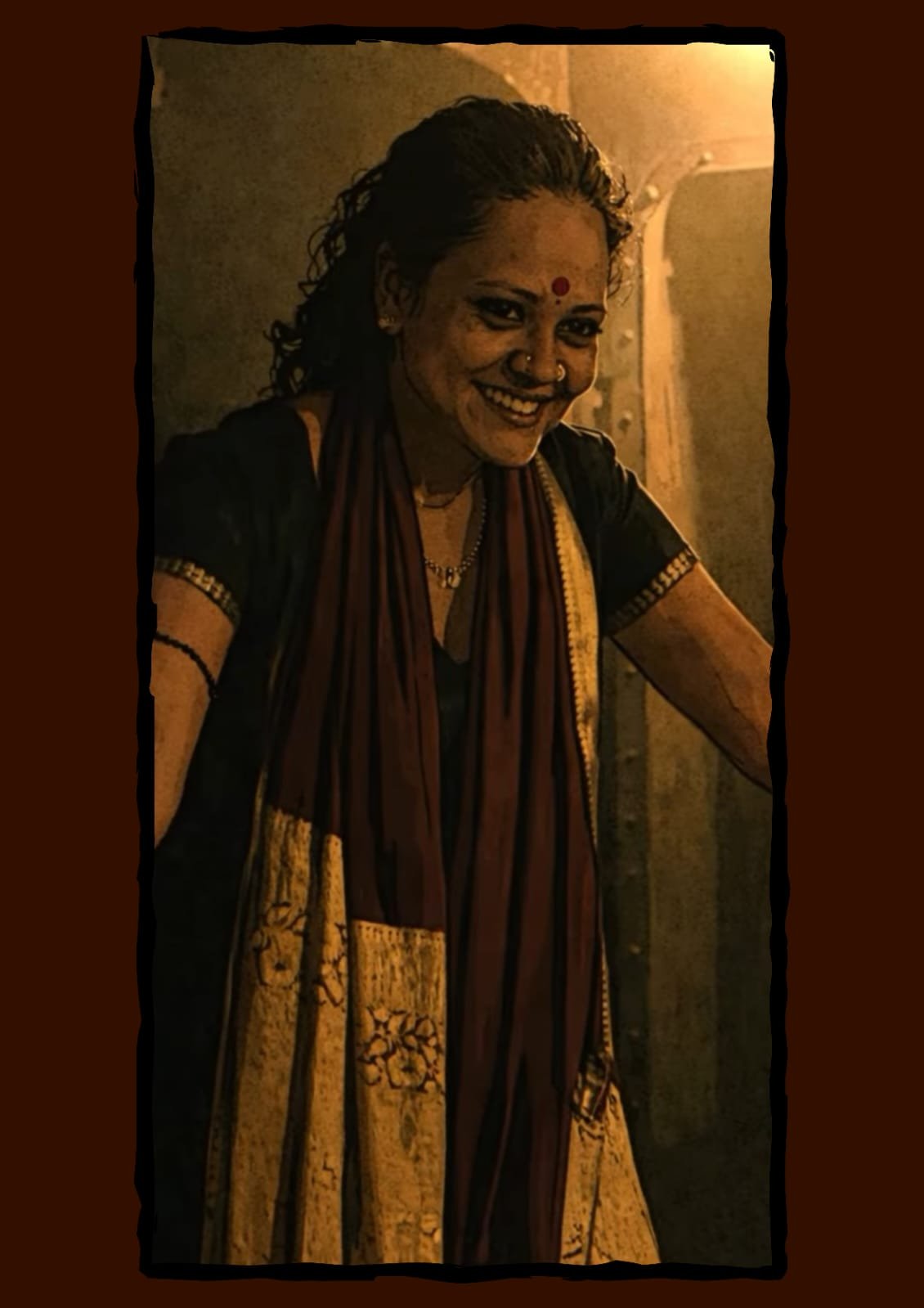
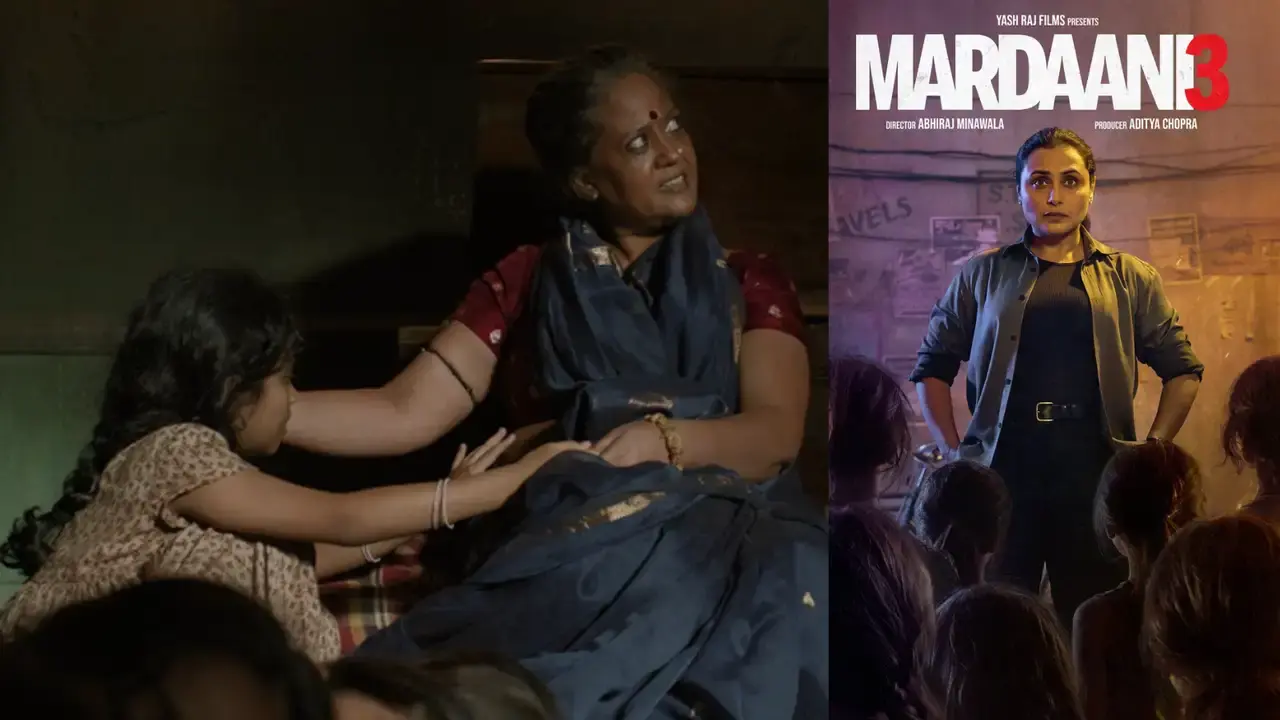
She is a product of the structural violence of society which the film was trying to highlight. Exploring and expressing these darker shades was an interesting challenge for me. I tried to bring out these layers through Amma’s unsettling and sometimes terrifying presence.
This was Shivani Shivaji Roy’s third outing, and YRF made the bold move to cast a female antagonist opposite Rani in a franchise that has had male villains – so that has been the most memorable moment, the courage of the franchise to tell this kind of story. My conversations with Aditya Chopra, and Abhiraj Minawala on shaping the character have also been memorable and YRF brought together a great team to make the film a success.
You’ve built an impressive body of work alongside some of India’s finest actors and filmmakers, from Shabana Azmi and Naseeruddin Shah to Anurag Kashyap. Looking back, how has each role shaped you, not just as an actor, but as a teacher and mentor?

I was very fortunate as a young performer to have worked with seasoned professionals like Girish Karnad and Shabana Azmi early in my career. Working with good actors elevates how everyone performs in the room. I’ve tried to carry that idea with me in my own work too.
More recently working with directors like Anurag Kashyap and Abhishek Chaubey, has also been inspiring. When you have a confident director who creates room for the performer to experiment, the actor flourishes and you get great performances.
It’s very rare for someone to be a good actor and also a great teacher. I admire Naseer sahab for this ability to do both with such grace and ease.
I also believe my best work is still ahead of me! Whether I’m acting or teaching, I’m looking for that next challenge.
You wear two very different hats… that of a performing actor and a voice and acting coach. How do these two worlds complement each other, and does one continually enrich the other?
A good actor on screen or on stage is always believable. It is what connects the actor/character with the audiences. This is what makes a performance memorable too. When someone is training their voice, they are also working towards believability. In both cases the search is for connection.
Every serious actor has a voice teacher. This is no different from having a personal trainer in the gym. Even if the exercises are known, there is something about working through them with an expert, who is addressing individual needs and goals which are always specific.
When someone is believable, they can shift perception, thinking and sometimes even deeply ingrained values. This is powerful stuff. So, this search for ‘authentic’ human connection is what I find most fascinating, whether it’s in performance or teaching.
You are one of the very few practitioners in South Asia certified to teach Fitzmaurice Voicework®️. For those hearing about it for the first time, how would you explain this practice, and why do you believe it is as relevant to corporate leaders, entrepreneurs and educators as it is to actors?
Fitzmaurice Voicework® (FV) is one of the contemporary vocal practices I teach. One of the tenets of this system and I’m quoting the founder Catherine Fitzmaurice here, is that the ‘voice is a full body action’. FV emerged from actor training and is a somatic practice. It’s also a holistic voice training system that works with the body’s natural process of healing and regulation.
Many performers or teachers who struggle with losing their voice pre-show, post-show or after a period of continuous/intensive voice use/abuse, benefit from this kind of training. Anyone who uses their voice to create positive change, influence and inspire will understand that there is a lot more to the act of getting up in front of a bunch of people and speaking than just delivering a message.
FV is a great point of entry to learn the difference between a good speaker and someone who has a ‘magnetic’ presence and the power to influence when they speak.
In today’s fast-paced, digitally driven world, many people have lost touch with their authentic voice… both literally and metaphorically. How can voicework help people become more confident communicators, more emotionally resilient and perhaps even more connected to themselves?
Everything you mention here is about ‘outward focus’. We feel disconnected because we have either forgotten or have never learned anything that can bring us back to ourselves – to an inward focus, something that can ground us back in our own truth and reality. The lack of tools to deal with reality – whether it is external or internal is at the root of fragility. Practices like these offer practical tools for resiliency.
Feeling fragile or vulnerable is not the problem if you know what to do when that happens. Human beings need to feel connected to heal and stay healthy. Your voice is one of your most valuable instruments for that connection. It is a vibratory healing tool embedded in your body. Voicework is also about building a relationship with your own healing and resiliency system.
To be a communicator – of any kind, confident or otherwise – the starting point is the acknowledgement that when we speak, we reveal ourselves – and this is essentially uncomfortable. And that it is okay to be uncomfortable.

Your six-day Mumbai ‘India Intensive’ workshop focuses on integrating the body, breath, imagination and voice. What kind of transformation do participants typically experience by the end of the workshop, and what are some of the most surprising breakthroughs you’ve witnessed over the years?
Every room is different. Most participants marvel at how open, tall and expanded everyone in the room looks and sounds on the last day!
One of the challenges of this kind of training is sitting with discomfort. Artists, even those who are comfortable revealing themselves, sometimes have a complex relationship with their voice. Everyone goes through years and years of conditioning that limits them to sounding ‘proper’.
One of my participants once took 5 days to give herself permission to find a spot where she could make a sound, free of judgement. The pressure of being judged is that strong. When people connect with their own voices, sometimes after many years – those moments are really special. When someone says I heard my own voice for the first time!
If there is one message you would like every participant to take away from your workshop, beyond voice and performance, what would it be? What does discovering one’s true voice ultimately teach us about living a more authentic, courageous and expressive life?
Your voice is as unique as your signature – it is who you are. Discovering your voice is like coming back home to yourself. This transformation is not outwards, of becoming something else. It is an allowing of things to fall away so that your brilliance that has been there all along – may be revealed.