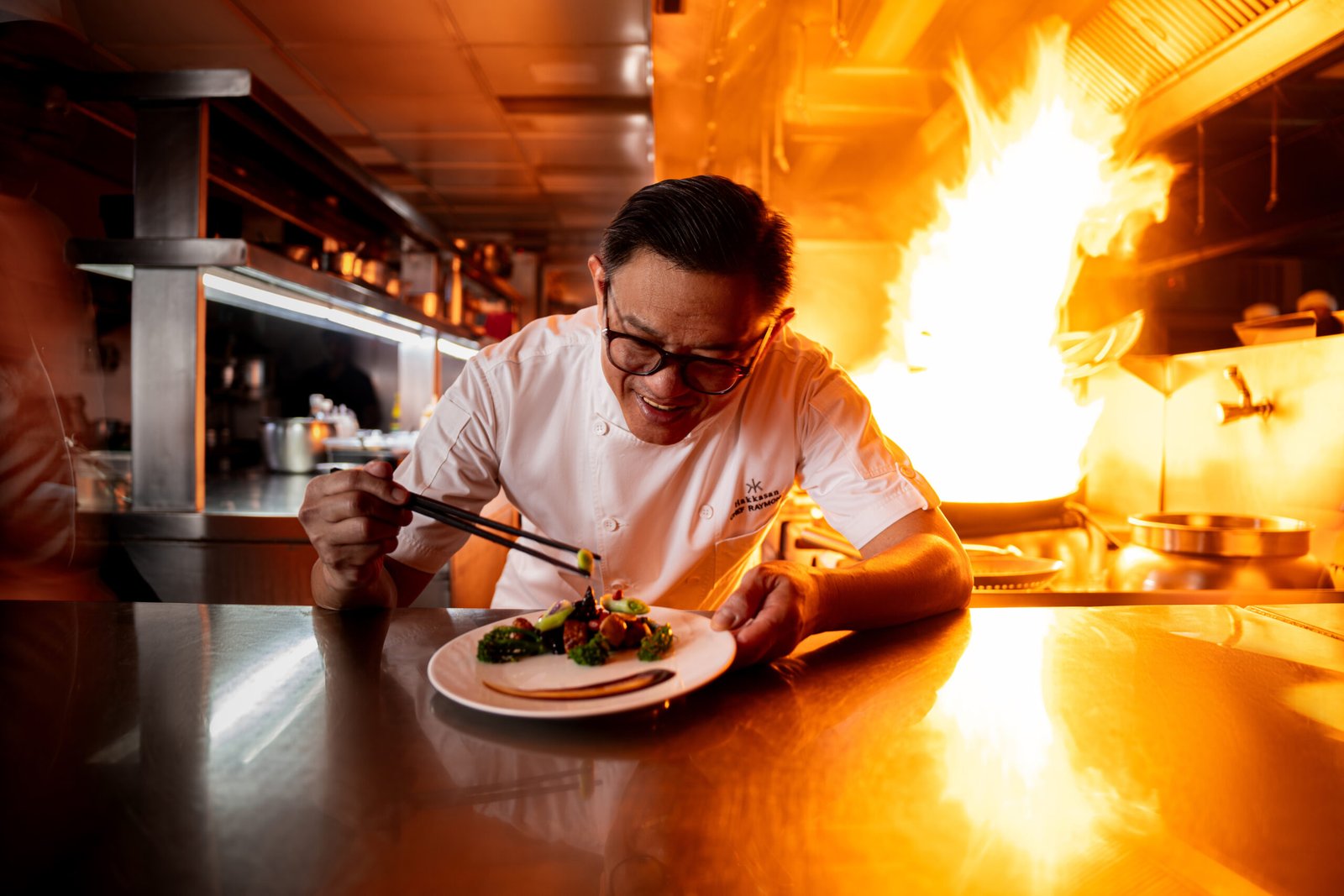
Master Chef Raymond Wong, Head Chef, Hakkasan and Yauatcha India
From the fiery artistry of Wok Hei to the quiet discipline behind every perfect dim sum, Master Chef Raymond Wong reveals why great food is never just cooked… it is lived.
Some chefs create memorable dishes. Others create memories through food. Then there are culinary masters like Master Chef Raymond Wong, Head Chef of Hakkasan and Yauatcha India, whose extraordinary three-decade journey across more than ten countries has transformed every kitchen into a stage and every plate into a story.
From bustling hotel kitchens in Brunei to acclaimed restaurants across Japan, Australia, Malaysia, Cambodia, Mauritius and now India, as Head Chef of Hakkasan and Yauatcha India, his remarkable career has been shaped by discipline, curiosity and an unwavering respect for authentic Cantonese cuisine. Along the way, he has judged the prestigious Iron Chef Thailand, earned international acclaim and emerged as one of the most respected ambassadors of contemporary Cantonese dining.
Whether discussing the elusive magic of Wok Hei, the discipline required to wear the iconic white chef’s jacket, or the joy of seeing a satisfied guest after every meal, Chef Raymond’s philosophy extends far beyond recipes. For him, cooking is an expression of heritage, craftsmanship and human connection… a language understood across cultures and continents.
In an exclusive conversation with Sumita Chakraborty, Founder & Editor-in-Chief, TheGlitz, Master Chef Raymond Wong, Head Chef of Hakkasan and Yauatcha India, reflects on the defining moments that shaped his remarkable career, the art of preserving Cantonese authenticity in a rapidly evolving culinary world, and why the finest ingredient in every unforgettable meal is still heart.
Over To Master Chef Raymond Wong, Head Chef of Hakkasan and Yauatcha India
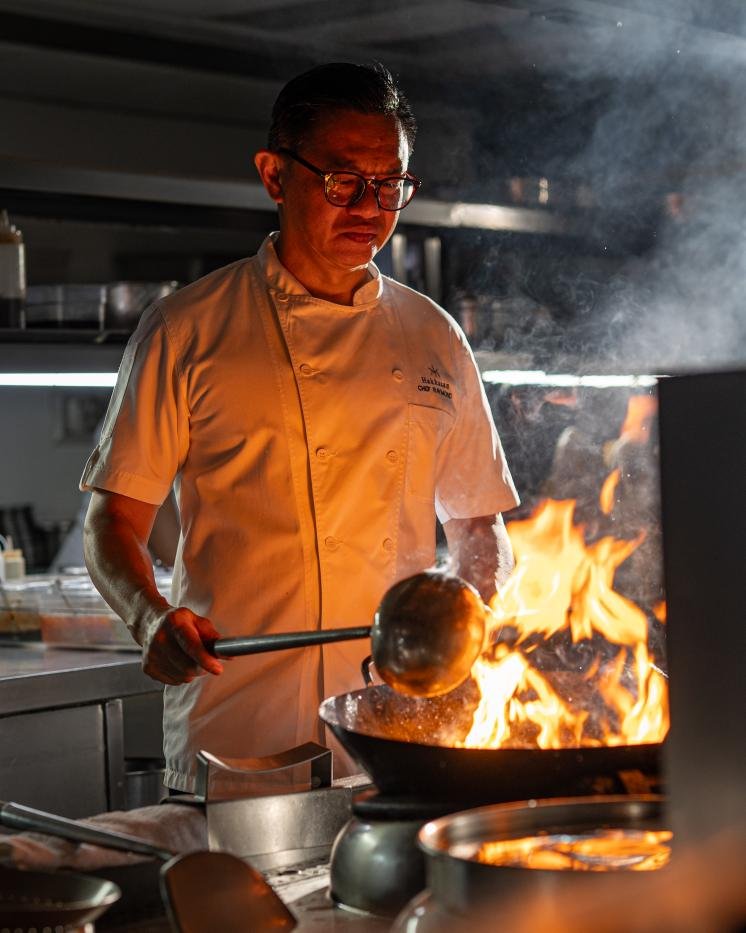
Your culinary journey began at just 16, inspired by your father and has taken you across more than ten countries over three decades. Looking back, what have been the defining moments that shaped you… not just as a chef, but as a storyteller through food?
Three defining moments have shaped my journey over the past three decades.
First, was at the age of 16, when my father guided me into this industry with a practical advice. He said, “Become a Chinese cuisine chef in a hotel if you want a career that lets you see the world.” That led me to my first overseas posting in Brunei at age 20, starting as a kitchen helper and eventually working across more than 10 countries.
Second, was realising the pride behind our uniform. Wearing the white chef’s jacket carries the same respect and responsibility as a doctor’s coat. Mastering the heat, precision and soul of Cantonese cuisine, especially the essence of Wok Hei, became my way of expressing tradition and craftsmanship.
Finally, the most impactful moment happens every day. Seeing the satisfied smiles on guests’ faces after a meal. To me, food becomes a story when it connects people and every dish I create is a reflection of my three-decade journey shared on a plate.
Cantonese cuisine is revered for its elegance, restraint and respect for ingredients. In an era where fusion often dominates the dining landscape, how do you strike the delicate balance between innovation and preserving the authenticity of centuries-old Cantonese traditions?
For me, innovation should never come at the expense of authenticity. It should honor it. Cantonese cuisine is anchored in absolute respect for ingredients, precise knife skills and mastering the raw intensity of Wok Hei (the breath of the wok). That traditional foundation is non-negotiable. The balance lies in evolution without losing the soul. I preserve traditional cooking techniques, stocks and timing, while innovating through refined plating, modern kitchen precision and elevating global ingredients.
Having worked in countries as diverse as Japan, Australia, Cambodia, Malaysia, Mauritius and India, you’ve experienced a fascinating range of food cultures. Which destination has had the greatest influence on your cooking philosophy and how have those global experiences found their way onto the menus at Hakkasan and Yauatcha India?
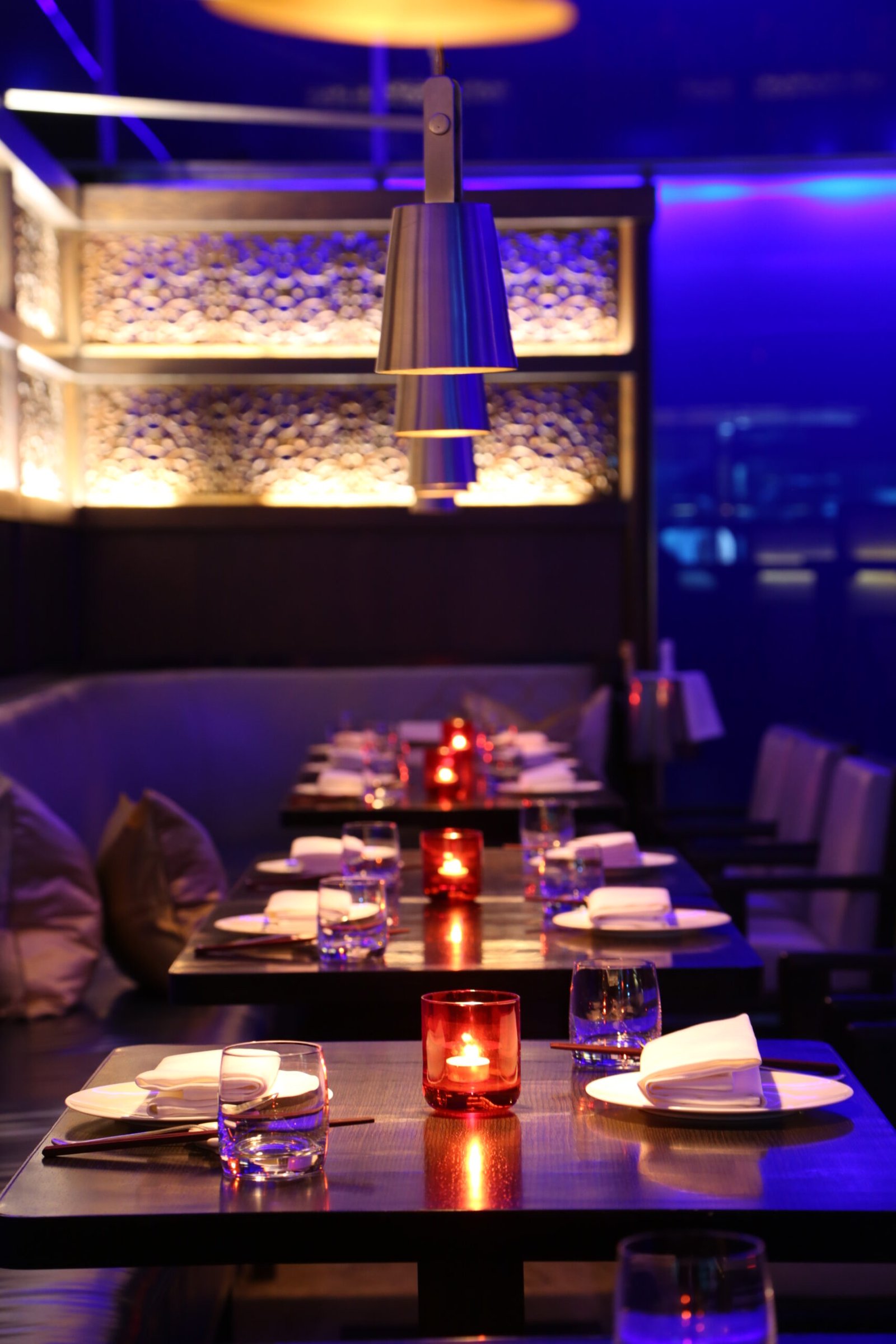
Every country has broadened my palate, but working in India has had the most profound impact on my cooking philosophy. The vibrant food culture here and the discerning palate for bold, multi-layered flavours pushed me to master the subtle balance of timing, seasoning and temperature even more precisely.
At Hakkasan and Yauatcha, our core is sacred. We never compromise on authentic Cantonese techniques, whether it’s the intense mastery of Wok Hei or the delicate artistry of dim sum.
Fine dining today is no longer just about exceptional food… it’s about theatre, storytelling and unforgettable experiences. In your opinion, what transforms a meal into a truly memorable culinary journey and how do you recreate that magic every single service?
A meal becomes unforgettable when it transcends the plate and evokes a genuine emotional reaction. Great food is the baseline, but the magic happens in the harmony of micro-details, the aroma of Wok Hei as a dish hits the table, the visual art of the presentation and the warm, seamless connection between our service and the guest.
To recreate this magic every single service, I view our kitchen as a theatre. Consistency is our absolute commitment. From the morning prep to the intense heat of peak service, every chef on my team must execute their role with razor-sharp discipline and passion.
When our team operates as one synchronised unit, every dish served is not just a course, but a fresh act in a story that leaves our guests with a lasting memory long after they step out the door.
Indian diners have become increasingly adventurous and knowledgeable about global cuisines. How has the palate of the Indian luxury diner evolved over the years, and what excites you most about introducing contemporary Cantonese cuisine to this audience?
Over the years, I’ve witnessed a remarkable evolution in the Indian luxury dining scene. Indian guests today are global travelers who are remarkably well-informed. They no longer look for heavy sauces, but rather seek authenticity, clean flavours, ingredient quality and elegant presentation.
What excites me most is their deep appreciation for subtle mastery. Contemporary Cantonese cuisine relies on restraint, allowing the natural sweetness of premium ingredients to shine through precise steaming, wok technique and the elevated aroma of Wok Hei.
Seeing Indian diners enthusiastically embrace delicate dim sum textures and complex, authentic Cantonese flavour profiles is deeply rewarding. It gives us the creative freedom to showcase real culinary craftsmanship and continually elevate the dining experience at Hakkasan and Yauatcha.
You’ve judged Iron Chef Thailand and worked with some of the world’s finest hospitality brands. When you mentor young chefs today, what qualities do you value most? Beyond technical excellence, what separates a good chef from a truly exceptional one?
Technical skills can be taught with time, but attitude and discipline cannot. When mentoring young chefs today, the qualities I value most are humility, absolute respect for the trade and a strong work ethic.
A good chef masters recipes and techniques, but a truly exceptional chef possesses three distinct qualities. Uncompromising Discipline: In the heat of a high-pressure kitchen, consistency is everything. An exceptional chef treats every single dish as if it were being served to the most important critic.
Pragmatic Problem-Solving: High-end kitchens move fast. Great chefs don’t panic when issues arise; they identify problems instantly and execute solutions calmly.
Heart and Pride: Wearing the white chef’s jacket carries a sense of duty. An exceptional chef cooks with genuine passion, taking personal pride in every plate that leaves the pass.
Pure technique gets you into the kitchen, but character, resilience and heart are what make you a master.
After more than 30 years in the kitchen, countless awards and an extraordinary international career, what still inspires you every morning? As you look to the future, what legacy would you like Master Chef Raymond Wong to leave on the world of contemporary Cantonese cuisine and luxury dining?
What inspires me every morning is simple: the endless pursuit of perfection and the quiet clarity before a busy service. Starting my day with focus allows me to approach the kitchen each afternoon with the exact same excitement and curiosity I had when I was a 16-year-old apprentice. Culinary arts never stand still and the drive to create new combinations and elevate flavours is what keeps my passion burning.
As for legacy, I want to be remembered for two things. First, for elevating Cantonese heritage on the global stage. I hope my work proves that authentic Cantonese cuisine built on the raw mastery of Wok Hei and profound respect for ingredients, belongs at the absolute peak of international luxury dining without losing its traditional soul. Second, for inspiring the next generation. I want young chefs to remember that true mastery isn’t achieved through shortcuts, but through discipline, resilience and pride in wearing the white jacket. If my journey inspires them to carry this timeless craft forward with heart, then my story is complete.
TheGlitz Take
Master Chef Raymond Wong reminds us that truly exceptional cuisine is never about extravagance… it’s about precision, patience, passion and profound respect for every ingredient. In a world where trends come and go, his philosophy celebrates the timeless beauty of authenticity, proving that the finest Cantonese cuisine is as much about soul as it is about skill. Every dish is a masterclass in restraint, craftsmanship and the elusive magic of Wok Hei, leaving diners with memories that linger long after the last bite.
As for Bengaluru food lovers, here’s a reason to celebrate… Master Chef Raymond Wong will be bringing his culinary brilliance to Hakkasan and Yauatcha Bengaluru from August 7 to 16, 2026, offering guests a rare opportunity to savour his signature interpretation of contemporary Cantonese cuisine.