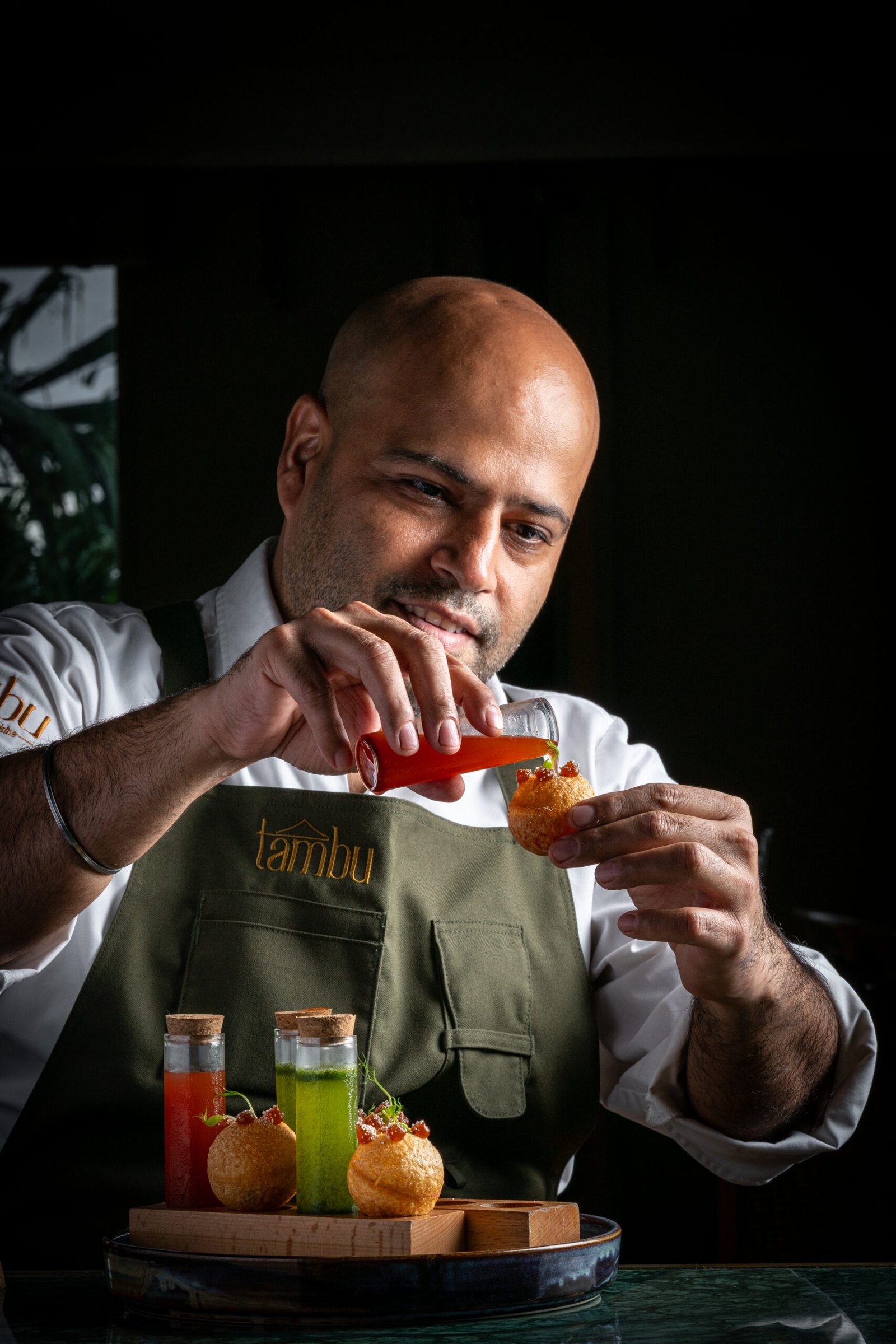
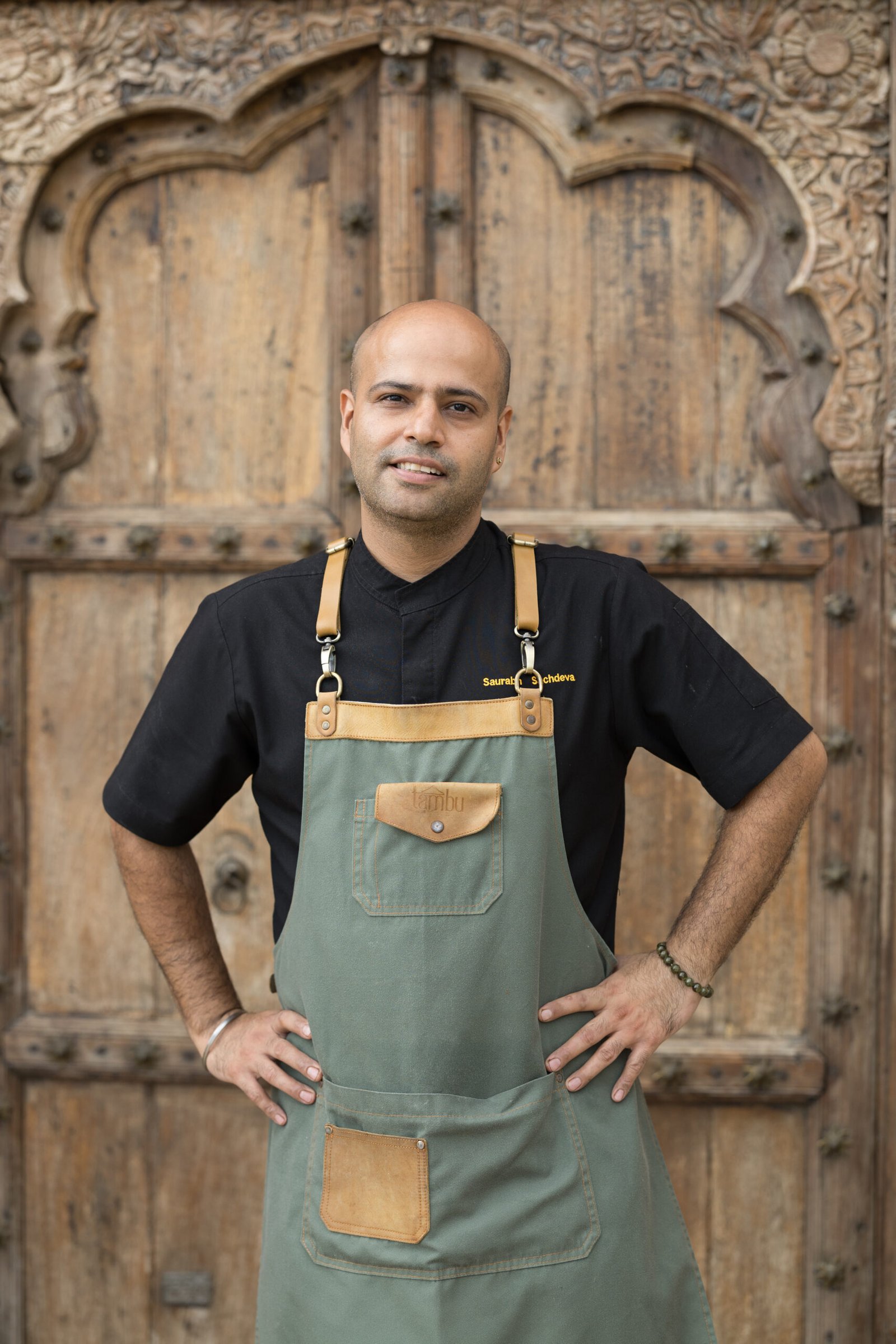
Iron Chef Saurabh Sachdeva, Executive Chef, Tambu Phuket
There are chefs who cook extraordinary food, and then there are culinary visionaries who reshape the way the world experiences an entire cuisine. Iron Chef Saurabh Sachdeva belongs firmly in the latter league. As the Executive Chef of Michelin Guide mentioned Tambu Phuket, he has transformed the award-winning restaurant into one of Asia’s most compelling dining destinations, where India’s rich culinary heritage is reimagined through the artistry of progressive charcoal cuisine.
His remarkable journey… from mastering luxury kitchens across India and the Middle East to winning the coveted Iron Chef Thailand title… is a testament to unwavering passion, relentless discipline and an uncompromising pursuit of excellence.
For Chef Saurabh, every dish tells a story. Every spice carries history. Every menu celebrates India’s extraordinary regional diversity while embracing contemporary techniques that resonate with discerning global diners. His philosophy is rooted in authenticity, elevated by innovation, and guided by a profound respect for ingredients, craftsmanship and culture. Whether it’s reviving forgotten recipes, showcasing indigenous ingredients or mentoring the next generation of culinary talent, he continues to push Indian gastronomy onto the international stage with quiet confidence and remarkable finesse.
In this exclusive interview with Sumita Chakraborty, Editor-in-Chief, TheGlitz, Iron Chef Saurabh Sachdeva reflects on his inspiring culinary journey, the triumph of winning Iron Chef Thailand, his vision for Tambu Phuket, the future of Indian cuisine, and why true innovation always begins by honouring tradition.
Over To Iron Chef Saurabh Sachdeva, Executive Chef, Tambu Phuket
Your culinary journey has taken you from India to leading luxury kitchens across the Middle East and Thailand, eventually bringing you to Tambu Phuket and the prestigious Iron Chef Thailand title. Tell us about that journey. Looking back, what were the defining moments that shaped you as a chef, and how has each country and culture influenced your culinary philosophy?
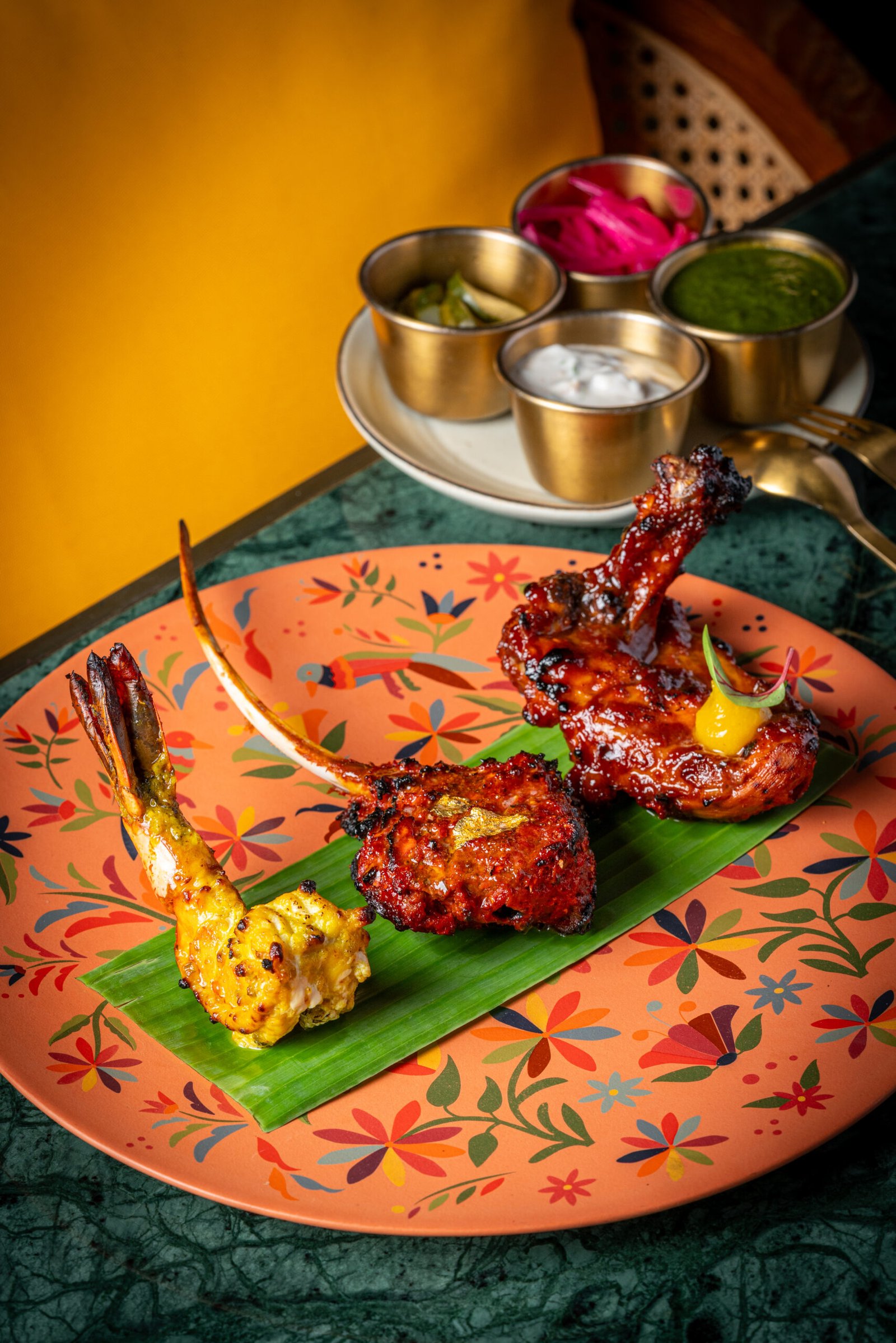
My culinary journey has always been driven by a curiosity about the diverse spices and ingredients that define cuisines around the world. Growing up in India, I was surrounded by extraordinary regional cuisines, cherished family traditions, and a deep respect for the art of using spices. Those early experiences laid the foundation for everything I do today.
Working in luxury hotels across India and the Middle East taught me discipline, precision, and the importance of consistency. It also exposed me to guests from around the world, helping me understand how to present authentic flavours in a way that resonates with an international audience. Moving to Thailand marked another defining chapter in my career. The balance, freshness, and profound respect for ingredients that define Thai cuisine inspired me to think differently while remaining firmly rooted in tradition.
Every destination has contributed something unique to my culinary philosophy. India gave me my identity, the Middle East refined my professionalism, and Thailand encouraged creativity. Today, my cooking reflects all three—authentic in spirit, contemporary in presentation, and always centered around exceptional ingredients.
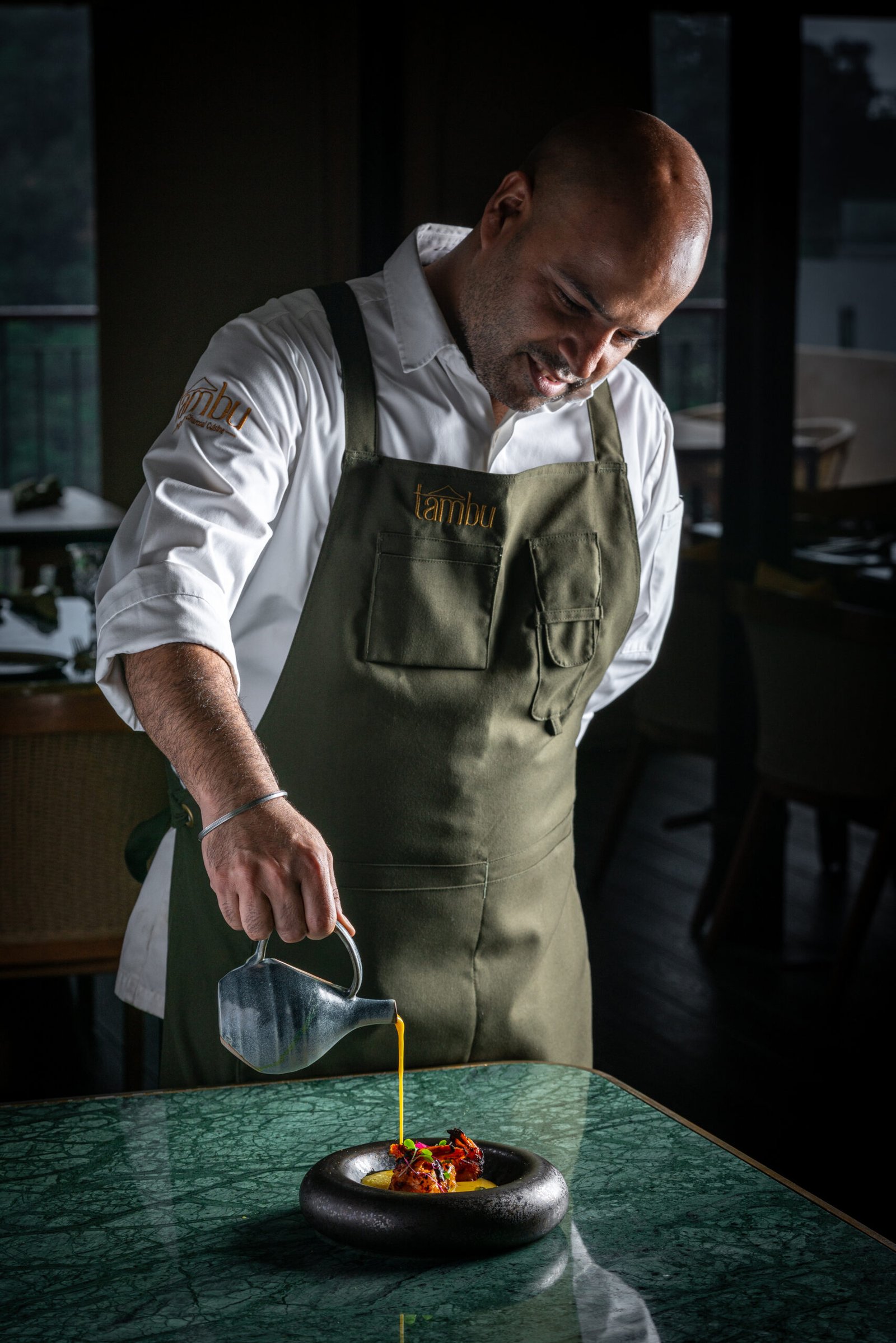
Winning the Iron Chef Thailand battle is a remarkable achievement that places you among the industry’s most respected chefs. What did earning the title mean to you, both personally and professionally? Has the experience changed the way you approach creativity, competition, innovation and the pursuit of excellence in the kitchen?
Winning Iron Chef Thailand battle was one of the proudest moments of my career. Personally, it was a validation of years of hard work, sacrifice and belief in my craft. Professionally, it demonstrated that Indian cuisine can stand shoulder to shoulder with any cuisine in the world when executed with passion, precision and innovation.
The competition taught me to trust my instincts, stay calm under immense pressure and make quick decisions without compromising quality. It also reinforced the importance of creativity with purpose. Innovation should never exist simply for the sake of being different—it should enhance flavour, respect tradition and create a memorable experiences for the guests.
As Executive Chef of Tambu Phuket, you’ve played a key role in establishing the restaurant as one of the region’s most celebrated dining destinations. What is your long-term vision for Tambu, and how do you balance preserving the authenticity of Indian cuisine while presenting it in a refined, contemporary, world-class format?
My vision for Tambu is to establish it as one of the world’s leading dining destinations for Progressive Indian Charcoal Cuisine—a restaurant that redefines the perception of Indian dining while remaining deeply connected to its heritage. I want every guest to leave with a greater appreciation for the diversity, sophistication, and evolving story of Indian cuisine.
Authenticity, for me, isn’t about recreating recipes exactly as they’ve always been made. It’s about respecting the essence of every dish—its flavours, techniques, and cultural story—while using contemporary culinary methods, charcoal cooking, and refined presentation to create an experience that feels relevant for today’s global diner.
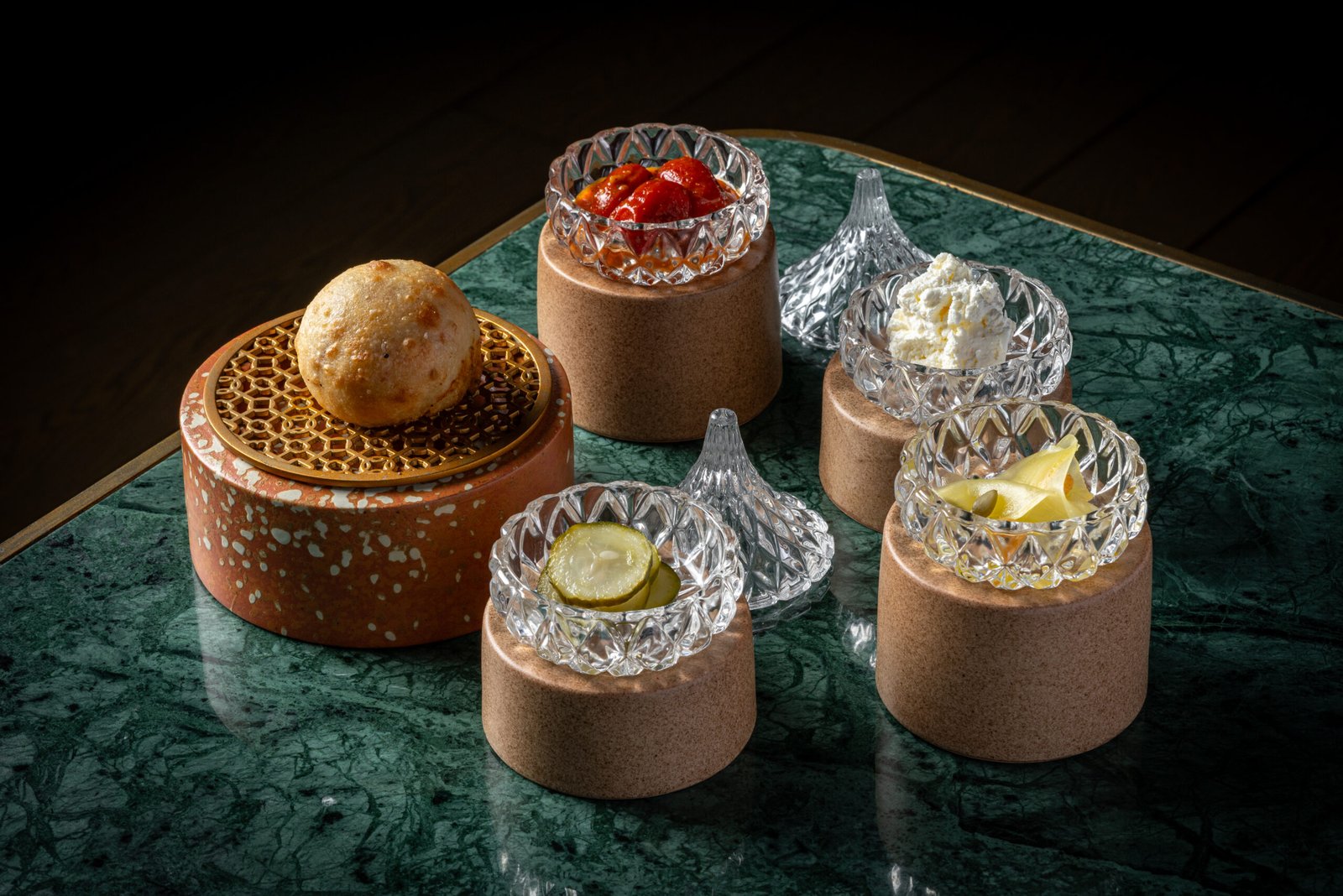
At Tambu, our Progressive Indian Charcoal Cuisine is built around the theatre and depth of live-fire cooking, exceptional seasonal ingredients, and time-honoured Indian techniques interpreted through a modern lens. Every detail—from the sourcing of our ingredients and the precision of our cooking to our service and storytelling—is carefully considered. The result is a dining experience that is both rooted in tradition and boldly contemporary, setting Tambu apart from conventional Indian restaurants around the world.
Indian cuisine is incredibly diverse, yet many international diners know only a small selection of its iconic dishes. Which regional cuisines, forgotten recipes or indigenous ingredients are you most passionate about showcasing on the global stage, and why do you believe they deserve greater recognition?
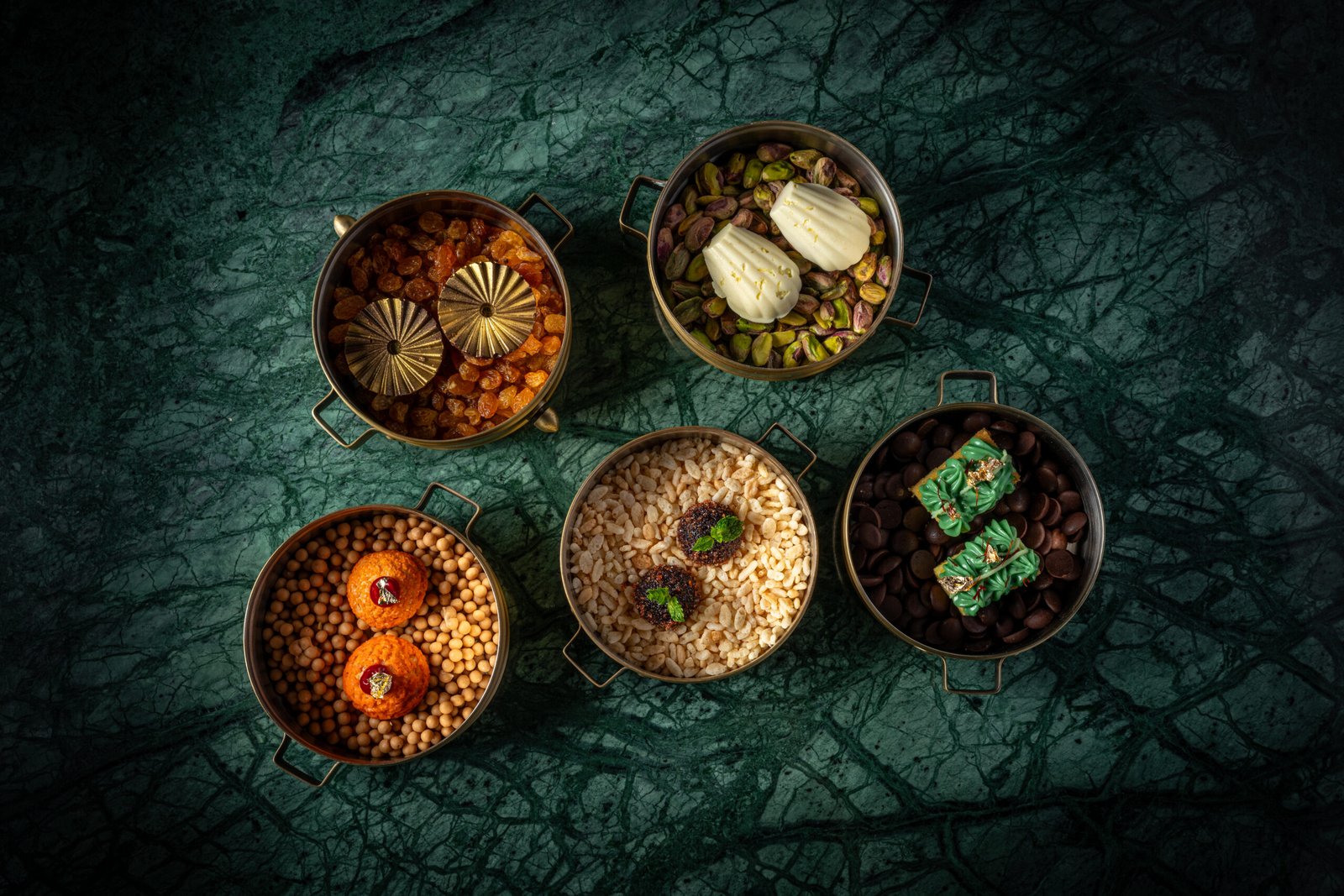
Indian cuisine is far more diverse than the handful of dishes recognised globally. I am particularly passionate about showcasing the richness of Mughal cuisine alongside the bold flavours of Kashmir, Kerala and Nothern India highlighting indigenous ingredients such as heirloom rice, millets, curry leaves, kokum, black cardamom, mustard oil, native peppers and regional spice blends that define India’s diverse culinary traditions.
These cuisines and ingredients deserve greater recognition because they reflect India’s rich cultural heritage, regional identities and centuries of culinary craftsmanship. At Tambu, our Roots 2.0 tasting menu and Sapt beverage pairing celebrate these flavours through a contemporary lens, allowing guests to experience the depth, diversity and evolution of Indian cuisine beyond the familiar.
Throughout your career, you’ve led multicultural teams in some of the world’s most prestigious hospitality environments, where consistency and excellence are non-negotiable. What has leadership taught you over the years, and how do you mentor young chefs to pursue excellence while encouraging creativity, curiosity and their own unique culinary identity?
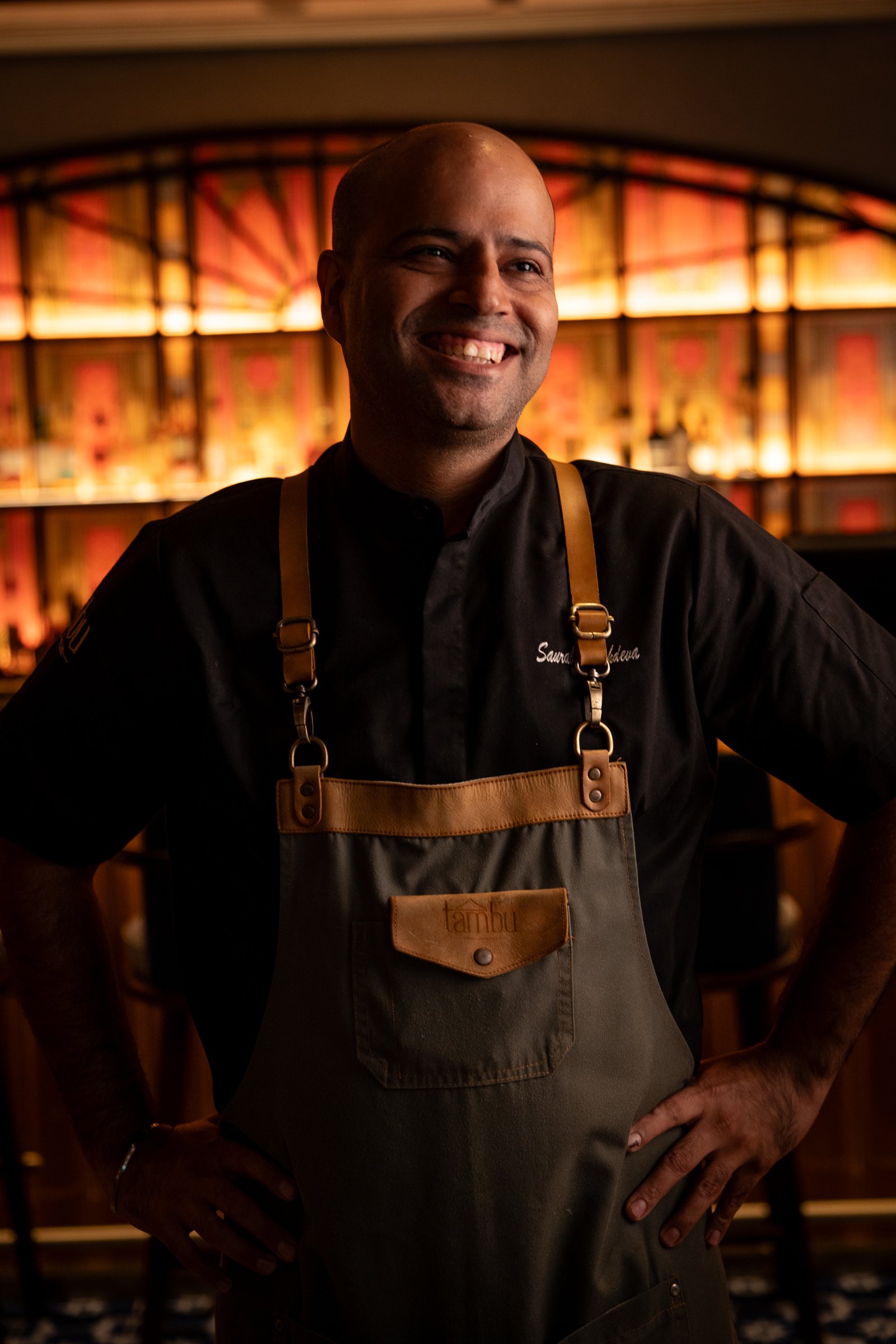
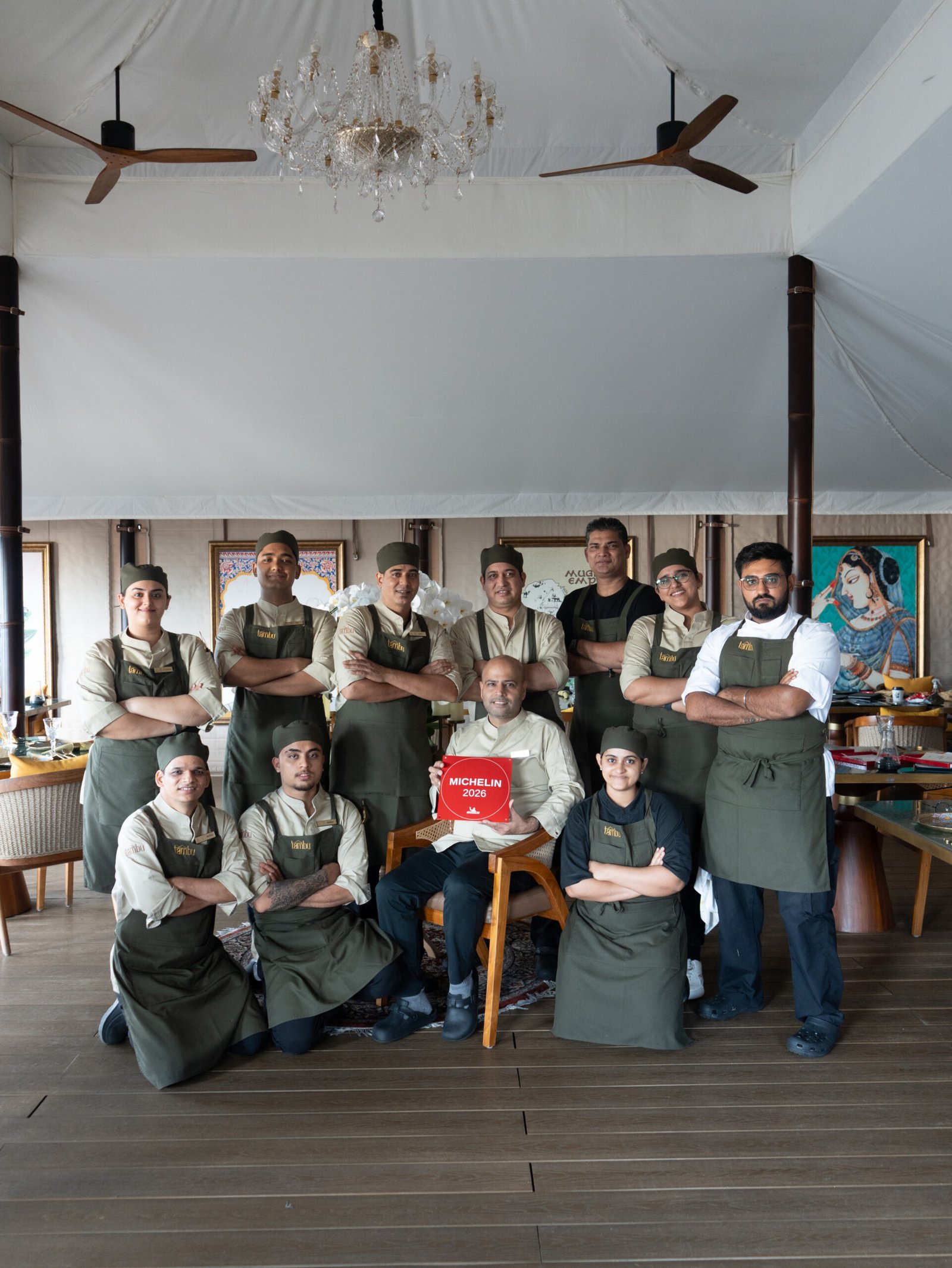
Leadership begins with respect. Every member of the team brings different experiences, cultures and strengths, and creating an environment where everyone feels valued ultimately leads to better food and stronger teamwork.
I encourage young chefs to master the fundamentals before chasing innovation. Creativity is most meaningful when it is supported by strong technical skills and a deep understanding of ingredients.
I also believe in giving people responsibility and encouraging them to ask questions, experiment and occasionally make mistakes. Those moments often become the greatest learning experiences. My role is not simply to teach recipes but to help young chefs build confidence, discipline and their own culinary voice.
Today, exceptional dining is about far more than what’s on the plate—it’s about storytelling, emotion and creating memorable experiences. How do you weave heritage, culture and innovation into every menu at Tambu Phuket, ensuring that guests leave with not only a great meal, but a lasting connection to the experience?


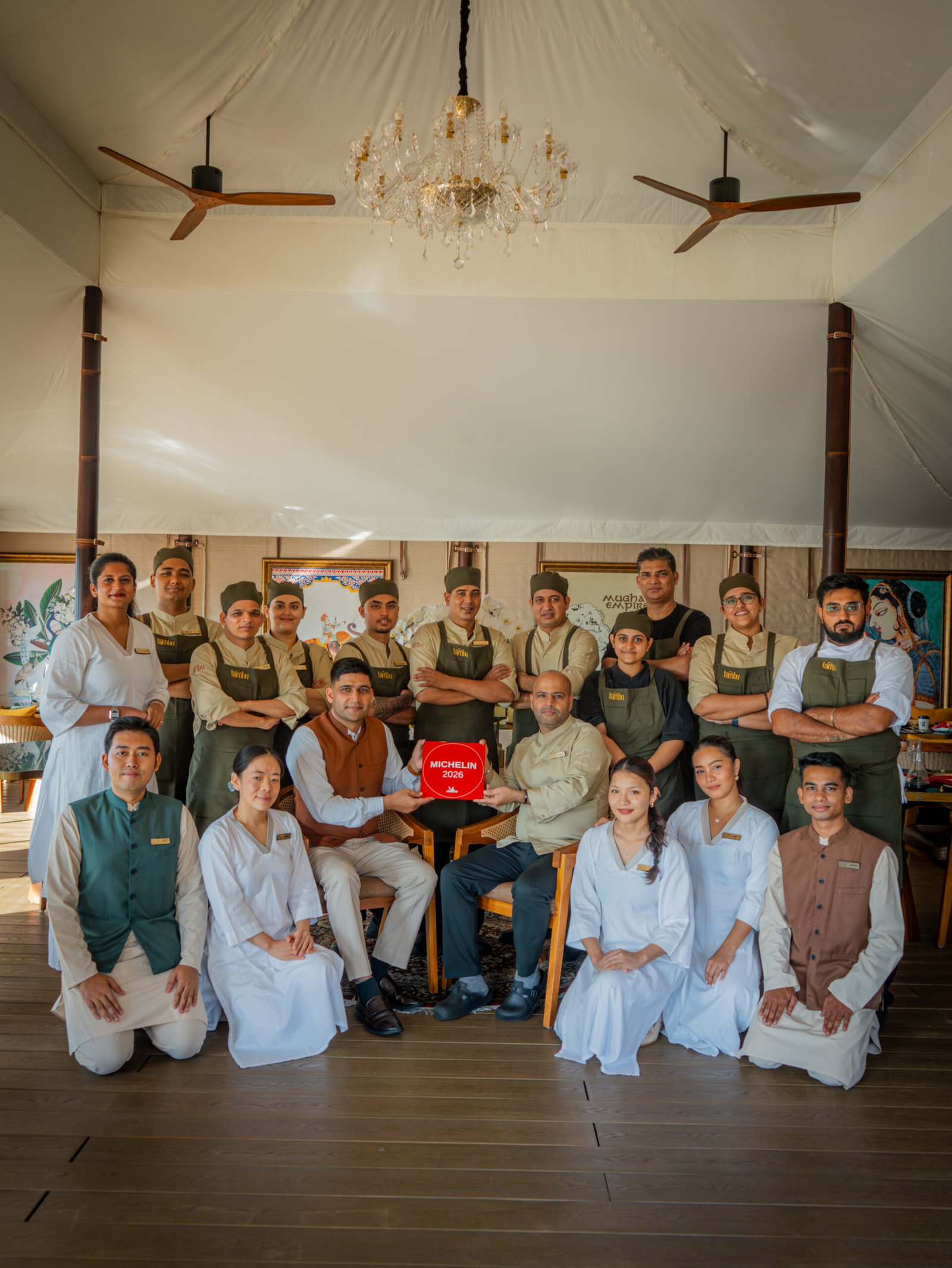
Every menu at Tambu begins with a story. It may be inspired by a region of India, a forgotten family recipe or an ingredient with deep cultural significance. We bring these stories to life with authentic flavours, thoughtful presentation and warm hospitality.
Whether it’s our à la carte menu or the Roots 2.0 tasting menu, every dish is designed to create a genuine connection with Indian culture. Innovation allows us to present these traditions in fresh and engaging ways, while always remaining rooted in authenticity. I want every guest to leave not only remembering what they ate, but also how the experience made them feel.
Indian cuisine is enjoying unprecedented global recognition, with more chefs pushing boundaries while celebrating tradition. What excites you most about the future of Indian gastronomy, and what advice would you give aspiring chefs who dream of becoming the next Iron Chef and taking Indian cuisine to even greater heights?
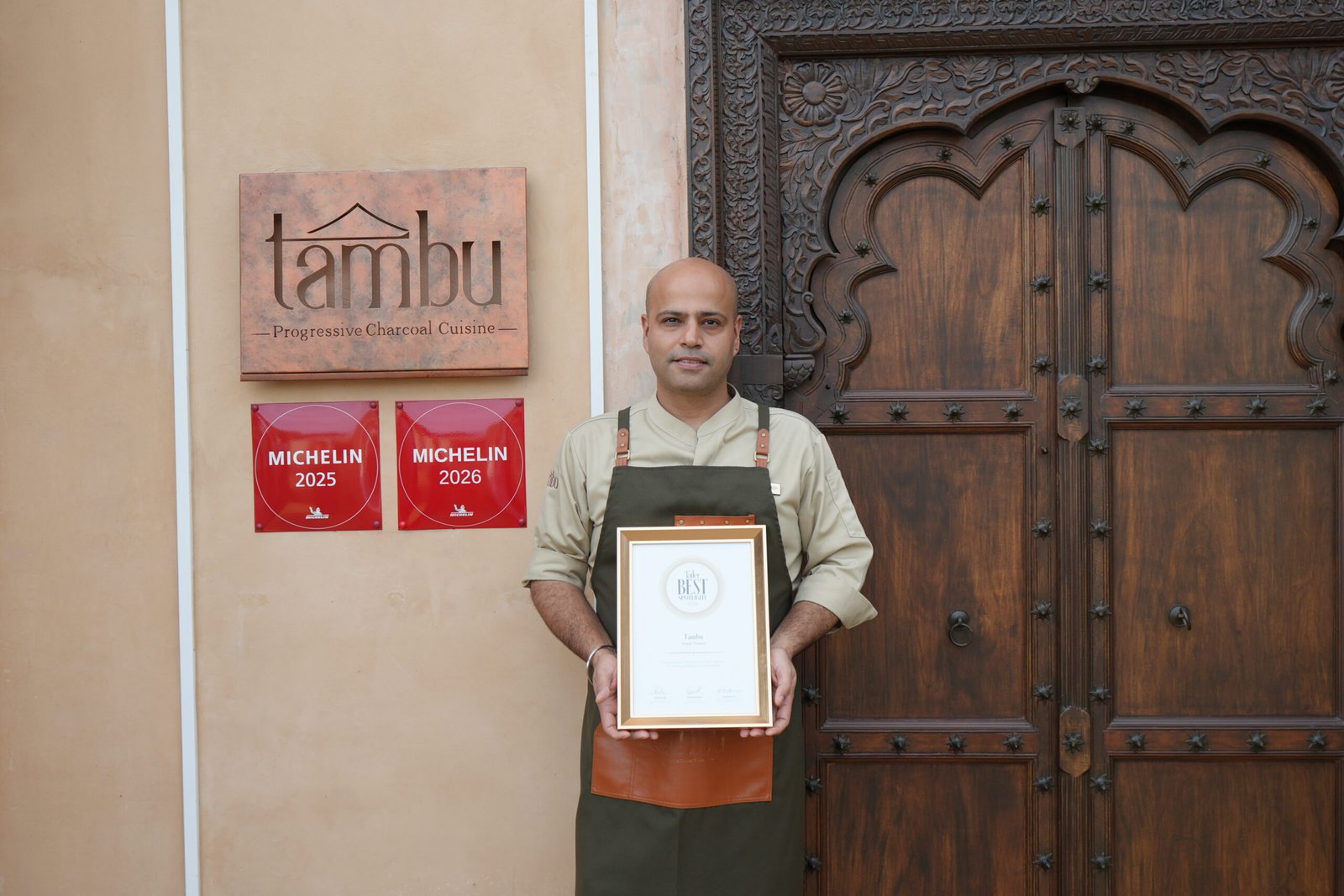
This is an incredibly exciting time for Indian cuisine. Around the world, chefs are moving beyond stereotypes and showcasing the remarkable diversity, sophistication and regional richness of our culinary heritage. International diners are increasingly seeking authenticity, sustainability and meaningful dining experiences, and Indian cuisine offers all of these in abundance.
I believe the next chapter of Indian gastronomy will be defined by regional storytelling, responsible sourcing and innovation that respects tradition rather than replacing it.
My advice to young chefs is simple: stay humble, never stop learning and build strong foundations. Master the basics before trying to reinvent them. Travel whenever possible, learn from different cultures and remain curious throughout your career.
Most importantly, cook with honesty. Awards and recognition are wonderful milestones, but they should never become the goal. If you remain committed to excellence, respect your heritage and cook with passion every single day, success will follow naturally.