National Handloom Day
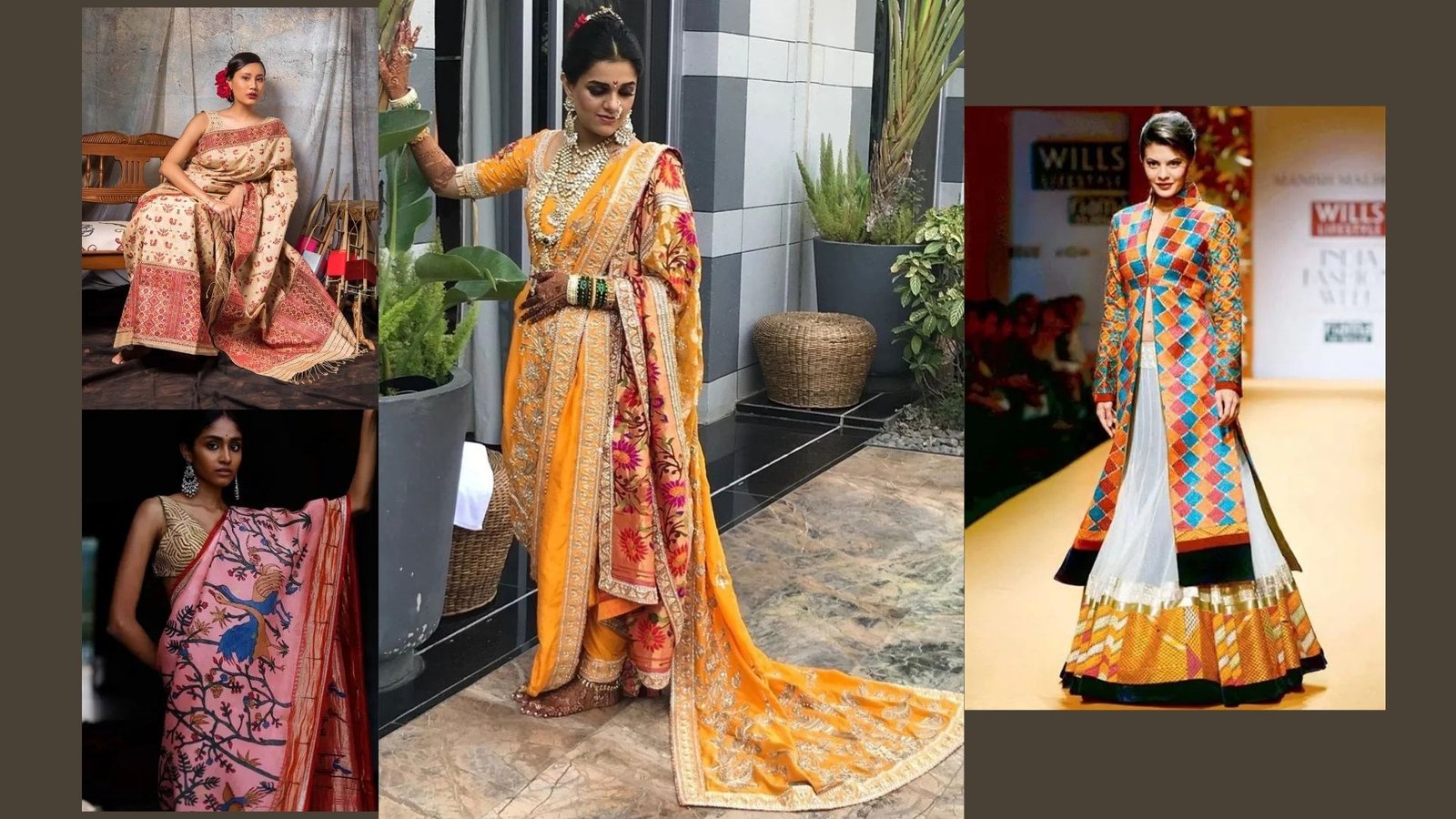
From Kashmir’s Pashmina to Assam’s Muga, Maharashtra’s Paithani to Telangana’s Pochampally Ikat — this National Handloom Day, TheGlitz celebrates the extraordinary textiles that have travelled from Indian looms into the wardrobes of the world.
There are fashion capitals. And then there is India.
A country where a piece of cloth can carry the geography of an entire region, the memory of a community, the mathematics of a loom and sometimes centuries of inherited knowledge.
This National Handloom Day, celebrated every August 7, TheGlitz is looking beyond the runway to the hands behind the runway. The Government’s Development Commissioner (Handlooms) continues to spotlight the extraordinary legacy and enduring relevance of India’s handloom sector. And as our Honourable Prime Minister in his Insta reel encourages us to GRWM (Get Ready With Me) in handloom, TheGlitz has its own stylish invitation: GRWM, but make it proudly Indian.
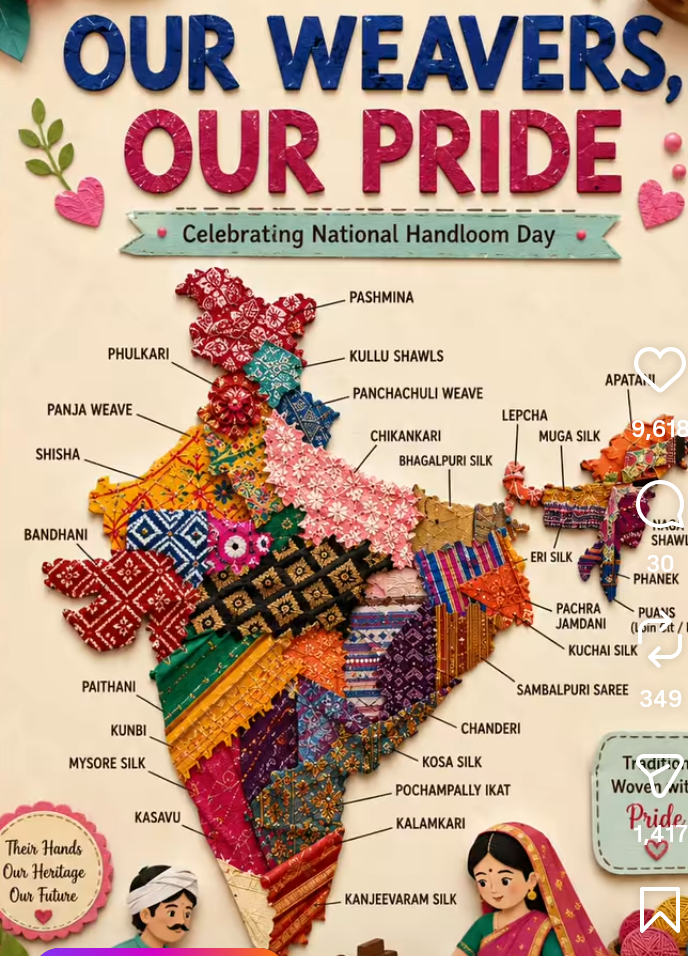
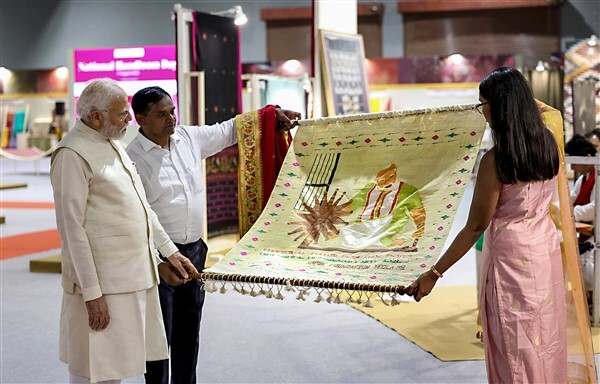
This National Handloom Day, we celebrate the magnificent, mesmerising world of Indian textiles and the visionary homegrown brands and designers who are giving our age-old crafts a bold, contemporary new identity. From heirloom weaves to exquisite embroideries, from masterfully crafted saris to modern silhouettes, these are stories, legacies and living works of art.
So, consider this our most fashionable GRWM yet: wrap yourself in heritage, wear your craft with pride and let India’s extraordinary textiles take centre stage. Because when tradition meets imagination, Indian handloom doesn’t just make a fashion statement… it makes a statement about who we are.
And what better reminder than this beautiful textile map of India? From the icy landscapes of Kashmir to the tropical south, from Gujarat’s desert craft traditions to the lush Northeast, India’s textiles don’t simply tell us what people wore. They tell us who we are.
Pashmina: Kashmir’s Soft-Spoken Luxury
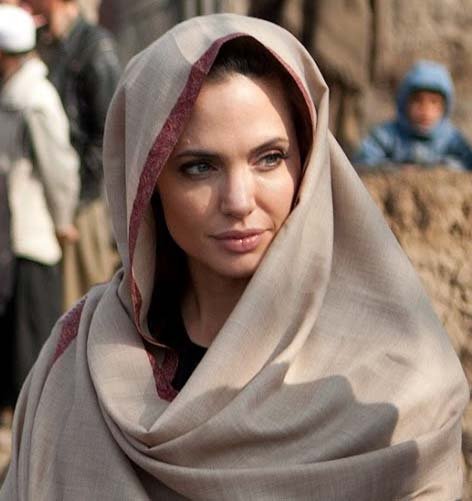
Pashmina is the ultimate expression of quiet luxury.
Known for its extraordinary softness and warmth, Kashmiri Pashmina has long been associated with refinement, craftsmanship and heirloom dressing. The finest pieces can take painstaking handwork, making a genuine Pashmina very different from mass-produced imitations.
Fashion’s fascination with it is easy to understand. Pashmina doesn’t need sparkle. It possesses its own kind of aristocracy.
Draped over a couture gown, wrapped around an evening dress or worn simply over a black ensemble, it whispers rather than announces.
That is luxury.
Kullu Shawls: The Mountain’s Graphic Language
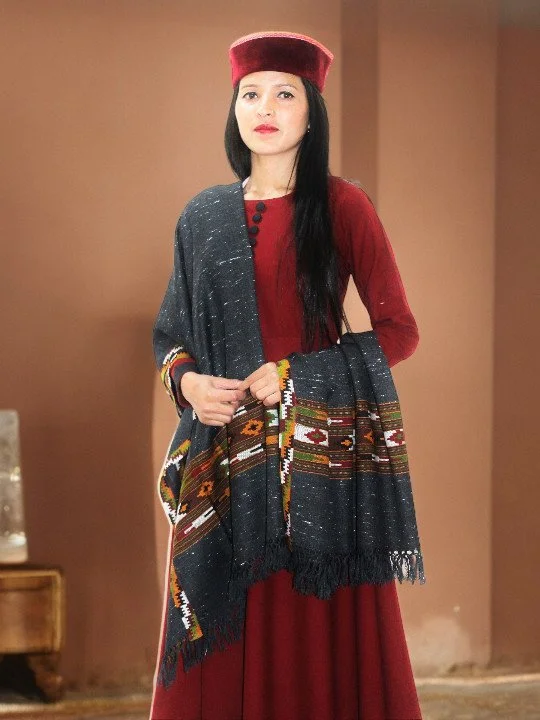
From Himachal Pradesh come the colourful Kullu shawls, recognised for their geometric borders and distinctive patterns.
What makes them particularly fashionable today is their ability to bridge tradition and contemporary styling. A Kullu shawl can look equally at home with a traditional salwar suit, an oversized coat or a sharply tailored winter wardrobe.
The mountain aesthetic has gone decidedly metropolitan.
Panchachuli: Woven by the Himalayas
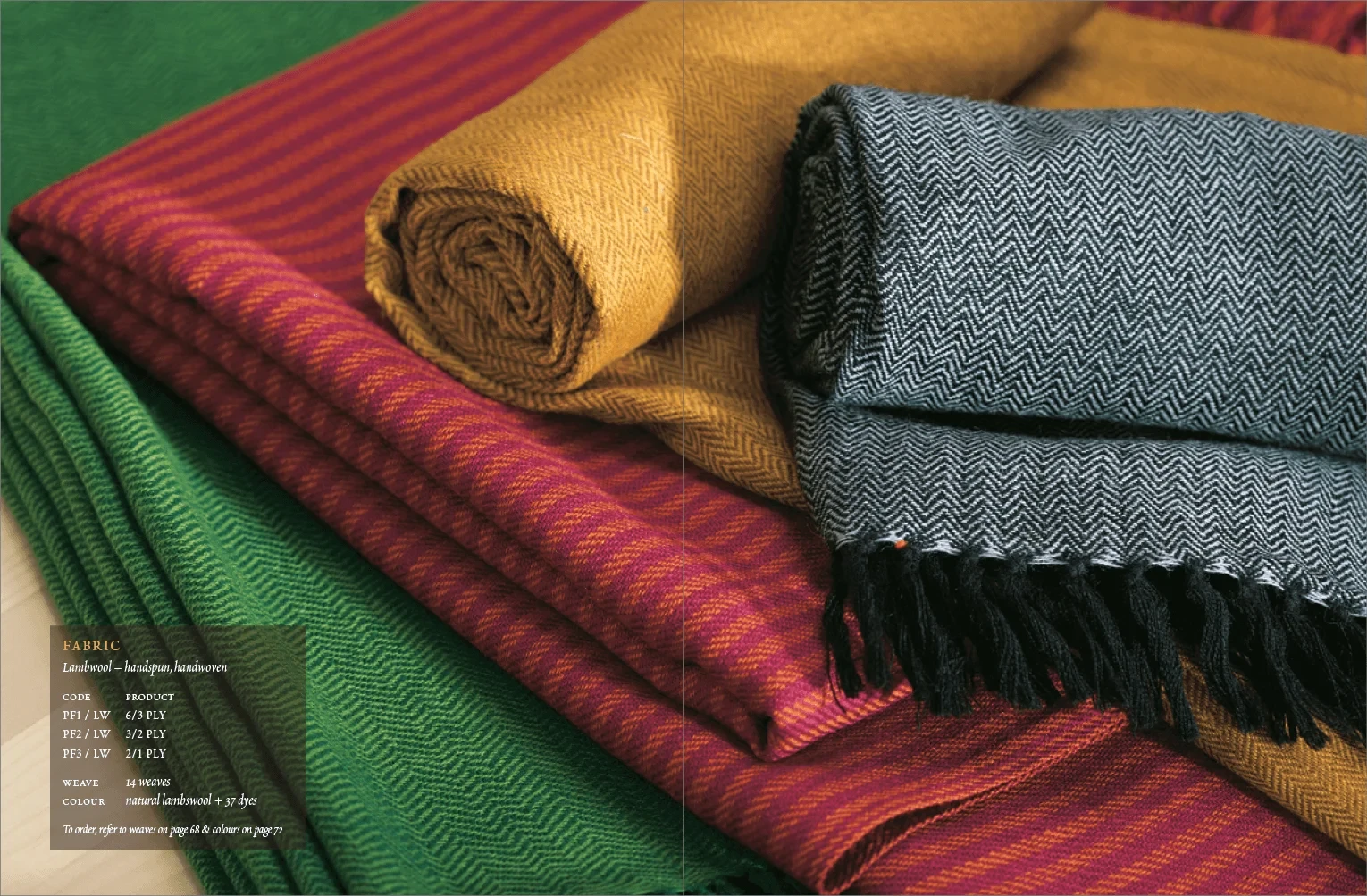
The Panchachuli textile tradition comes from Uttarakhand’s Kumaon region and is associated with beautifully crafted woollens and handwoven textiles.
Named after the five snow-covered peaks of the Panchachuli range, the craft carries the visual poetry of the Himalayas into clothing.
Think earthy colours, natural fibres and textures that feel particularly relevant in an era when fashion is rediscovering tactility.
Phulkari: Punjab’s Embroidery of Joy
If Pashmina whispers, Phulkari sings.
Meaning “flower work”, this celebrated embroidery tradition from Punjab is exuberant, colourful and intensely personal. Traditionally worked by hand, Phulkari transforms fabric into a riot of flowers, geometric forms and vibrant colour.
Contemporary designers have understood its potential beautifully.
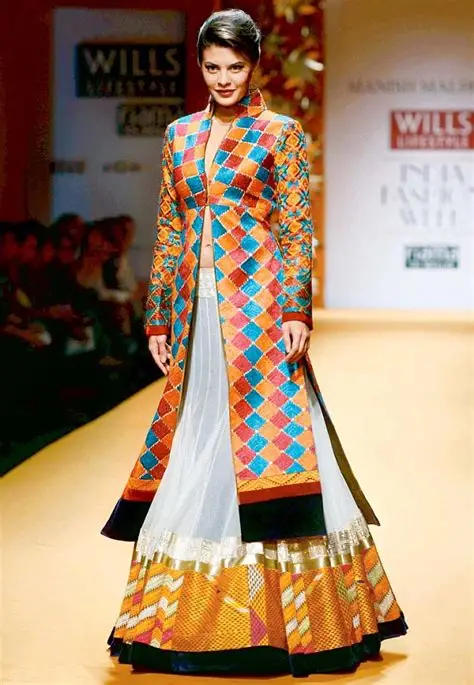
Manish Malhotra, for instance, has incorporated Phulkari among the regional crafts celebrated through his design vocabulary, alongside Chikankari and handwoven Benarasi. The Fashion Design Council of India specifically notes his work in reviving Indian craftsmanship and giving traditional techniques a modern Indian expression.
Phulkari today isn’t merely something inherited from a grandmother.
It is fashion with attitude.
Panja Weave: Geometry With Soul
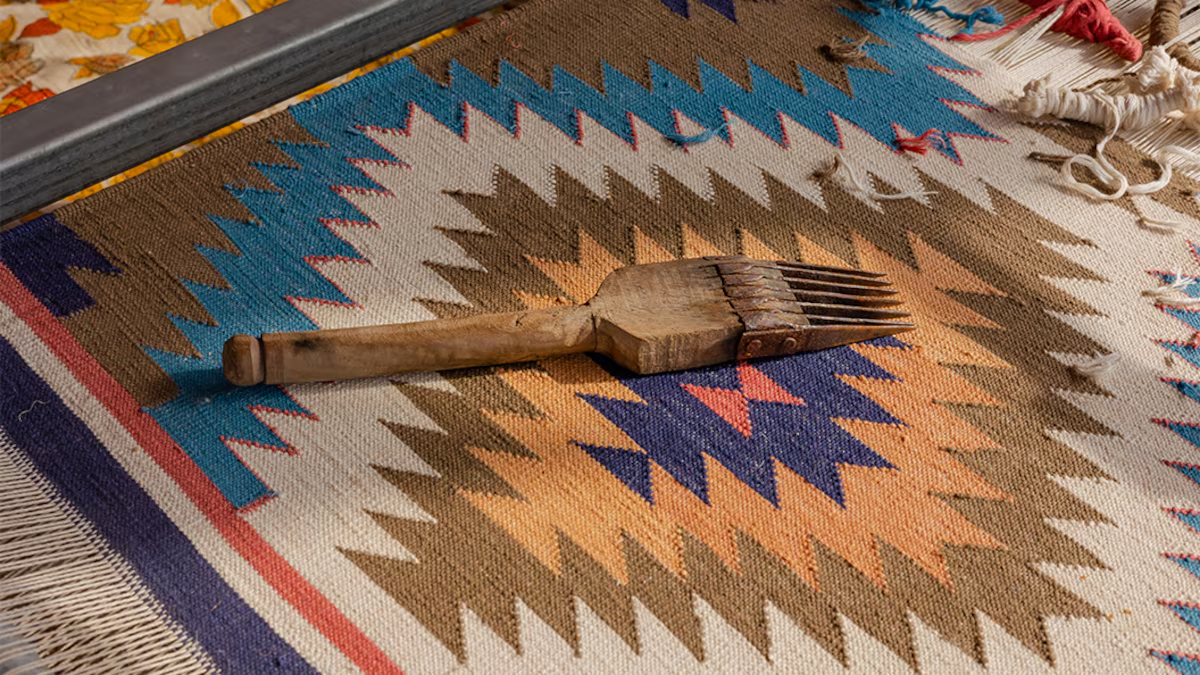
The Panja tradition, particularly associated with Rajasthan and other western Indian textile communities, is known for its distinctive handwoven and often rug/textile applications.
Its beauty lies in the tactile irregularities of handmade work.
In a world increasingly obsessed with perfection, Panja reminds us that the human hand has its own aesthetic… and that slight variations are not flaws.
They are signatures.
Shisha: When the Mirror Catches the Light
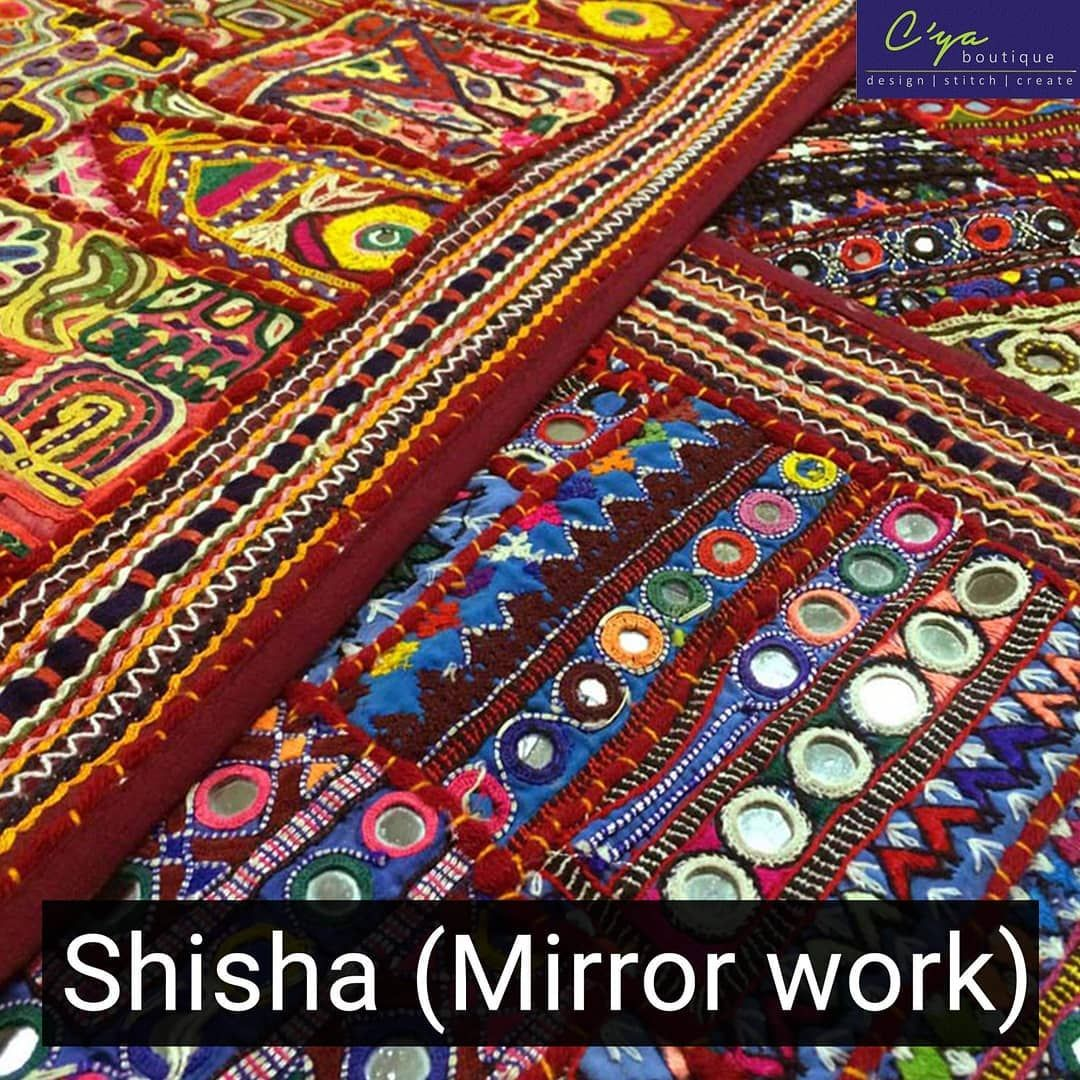
Technically an embroidery tradition rather than a weave, Shisha, or mirror work, is one of India’s most instantly recognisable embellishment techniques.
Tiny mirrors are secured into fabric using intricate stitches, creating an almost kinetic sparkle.
It has deep roots in western India, particularly Gujarat and Rajasthan, and has repeatedly found its way into contemporary festive and resort fashion.
The effect is pure drama.
One movement… and the garment catches the light.
Bandhani: India’s Original Colour Story
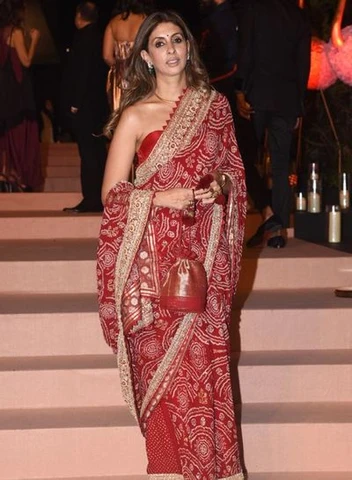
Few Indian textile traditions understand colour quite like Bandhani.
Created through the resist-dyeing of tiny tied sections of fabric, Bandhani produces the characteristic dots, waves and patterns that have become synonymous with Rajasthan and Gujarat.
From bridal reds to electric pinks, saffron, emerald and indigo, Bandhani has always possessed an unapologetically joyful fashion vocabulary.
And contemporary designers continue to reinterpret it through lehengas, saris, jackets and separates.
The lesson?
Traditional does not mean predictable.
Paithani: Maharashtra’s Woven Royalty
Then comes Paithani… and suddenly the conversation becomes regal.
Born in Maharashtra and historically associated with Paithan and Yeola, Paithani is celebrated for its luminous silk, zari and iconic motifs such as peacocks and lotuses. It is one of India’s great heirloom textiles.
But Paithani is not trapped in the past.
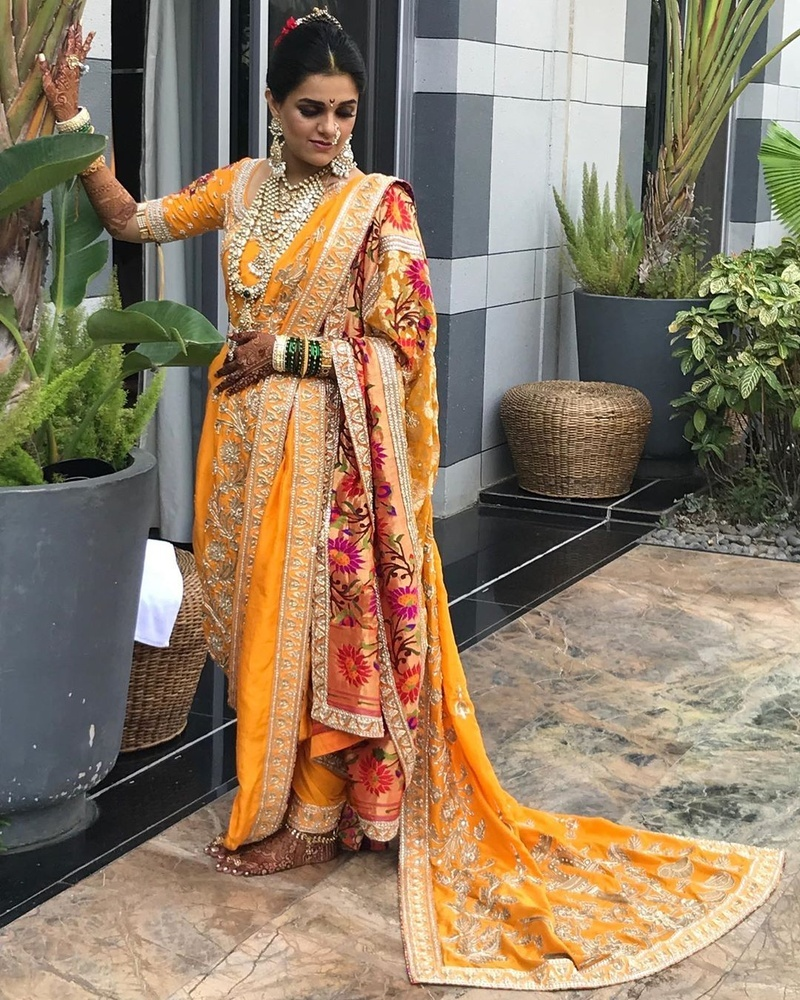
Designer Neeta Lulla famously interpreted Paithani through contemporary separates including lehengas, long kurtas, jackets, dhoti pants and sarong skirts during the Make in India Week.
Designer Gaurang Shah has also created Paithani collections, working with weavers across India and bringing traditional textiles into a contemporary design vocabulary.
That is the future of heritage:
not preservation behind glass, but movement on the body.
Kunbi: Goa’s Understated Cool
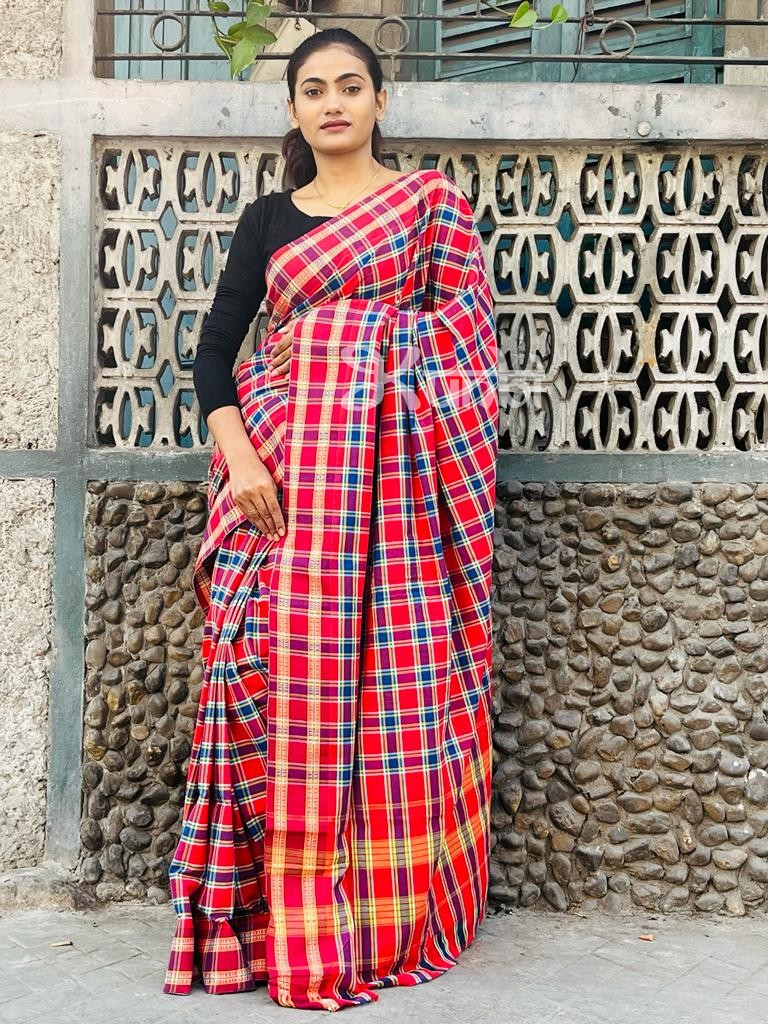
The Kunbi sari is Goa’s wonderfully unfussy contribution to India’s textile story.
Traditionally associated with the Kunbi tribal community, its checks and earthy, vibrant colours possess an almost modernist quality.
There is something incredibly fashionable about its simplicity.
No excessive ornamentation.
No overdesigning.
Just graphic colour, rhythm and personality.
In today’s world of quiet luxury, Kunbi feels surprisingly contemporary.
Mysore Silk: The South’s Liquid Gold
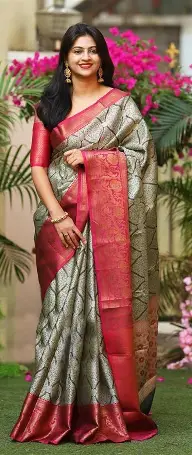
Elegant, lustrous and refined, Mysore Silk is known for its smooth texture and distinctive sheen.
It is the kind of textile that doesn’t need elaborate styling. A beautifully draped Mysore silk sari with understated jewellery can make a more compelling fashion statement than an entire wardrobe of embellishment.
It is classic South Indian elegance at its most polished.
Kasavu: The Power of Restraint
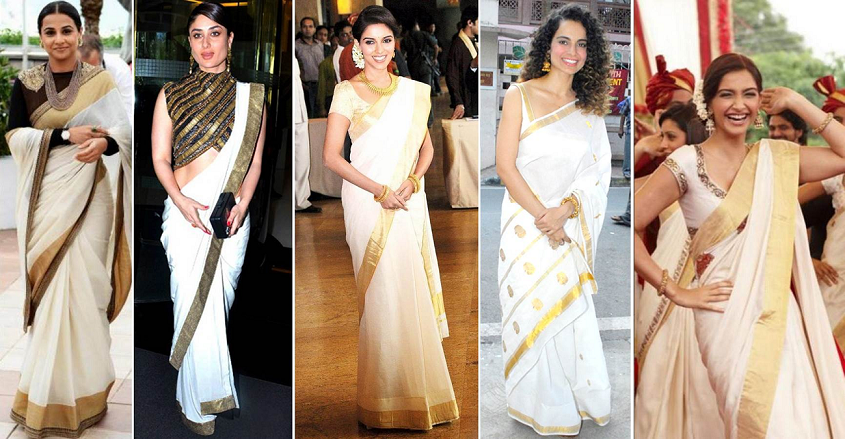
Kerala’s Kasavu is proof that minimalism can be spectacular.
The ivory or off-white fabric contrasted with a gold border is instantly recognisable… and wonderfully timeless.
Kasavu has become particularly relevant to today’s movement towards understated occasion dressing.
It doesn’t sparkle.
It glows.
And sometimes that is infinitely more sophisticated.
Chanderi: Feather-Light Luxury
If there were a textile designed for modern Indian summers, Chanderi would be it.
Originating in Madhya Pradesh, Chanderi is celebrated for its lightweight, translucent quality and subtle sheen. Contemporary textile labels have helped push it firmly into modern luxury.
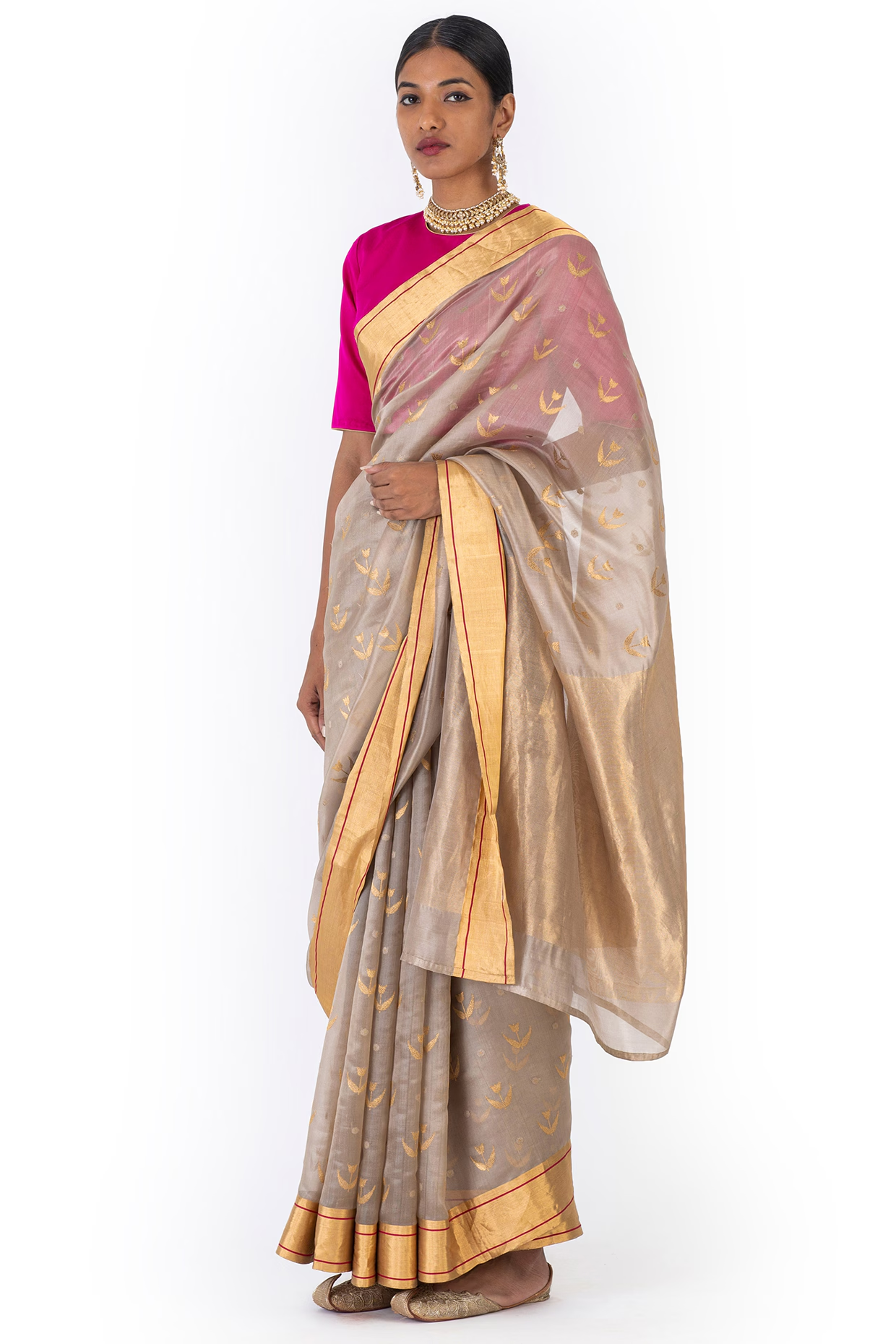
Raw Mango, founded by Sanjay Garg, has made Chanderi central to its vocabulary, experimenting with colour, motifs, zari and yarn combinations while working with hundreds of people engaged in the craft. The brand says its Chanderi work has influenced design innovation within the wider craft ecosystem.
And now Chanderi is no longer confined to the traditional sari.
It appears as dupattas, dresses, jackets and contemporary separates.
Kosa Silk: Chhattisgarh’s Quiet Treasure
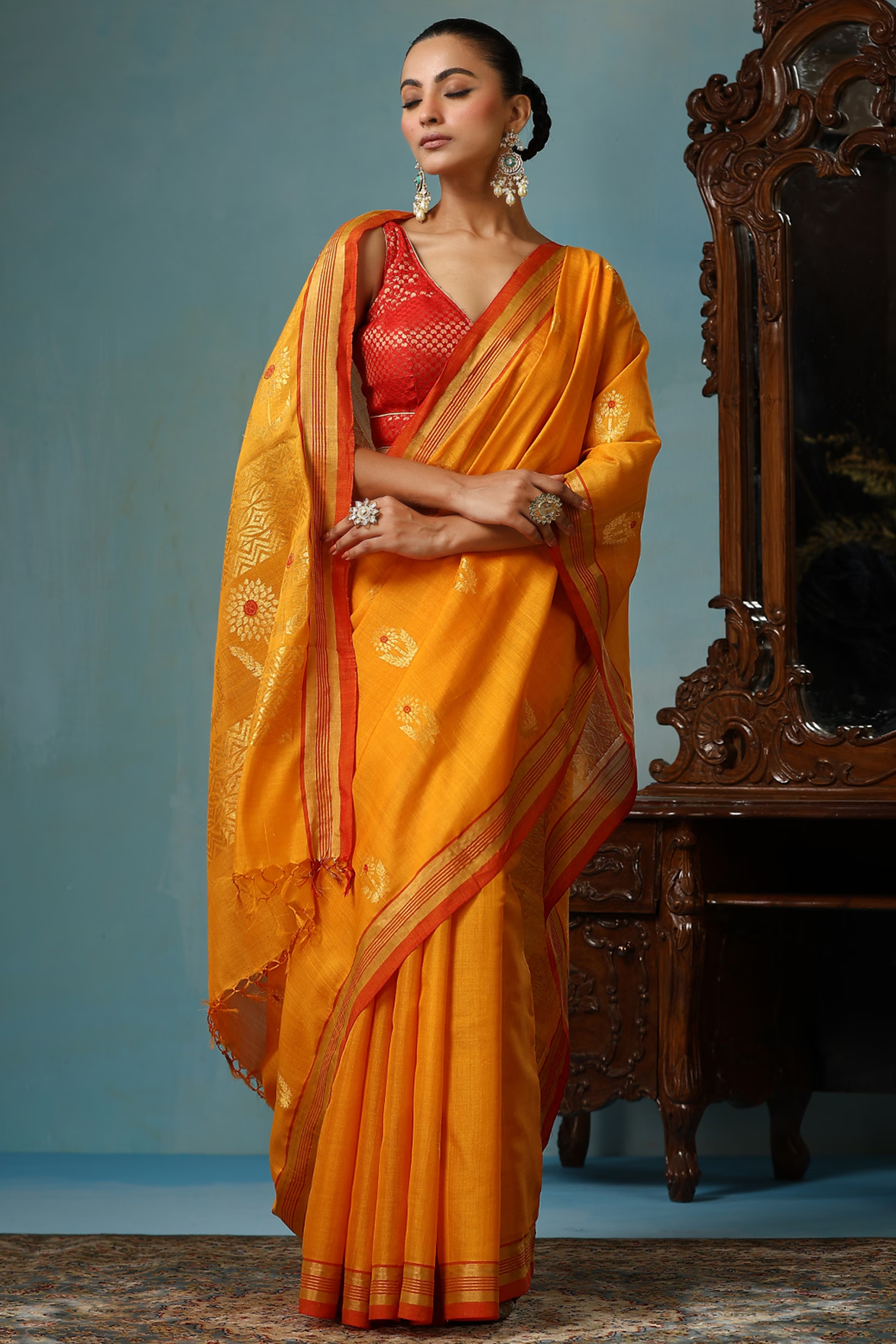
Kosa silk, associated with Chhattisgarh, is a variety of tussar silk admired for its distinctive texture and natural sheen.
It has an earthy sophistication that makes it particularly appealing to designers interested in natural textiles.
Kosa doesn’t shout “luxury”.
It suggests it.
Pochampally Ikat: The Mathematics of Beauty
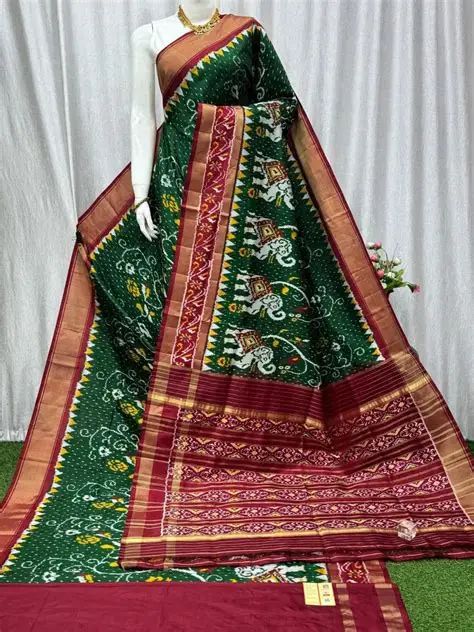
Now for one of India’s most extraordinary textile achievements: Pochampally Ikat.
The design is not printed onto the fabric.
It is created by resist-dyeing yarns before weaving, with the patterns emerging through extraordinary precision.
In double Ikat, both warp and weft are resist-dyed and aligned.
It is essentially mathematics turned into fashion.
Pochampally Ikat received India’s first handloom GI tag in 2004, and the technique has become internationally recognised for its geometric sophistication.
Today, Ikat is everywhere from saris and dupattas to jackets and contemporary fashion.
And that geometric vocabulary feels remarkably modern.
Kalamkari: When Fabric Becomes a Canvas
Kalamkari literally transforms textile into art.
Traditionally associated with Andhra Pradesh and Telangana, the craft uses hand painting and/or block printing to create elaborate narratives, botanical motifs and mythological imagery.
Its genius lies in the fact that every piece can look like an artwork.
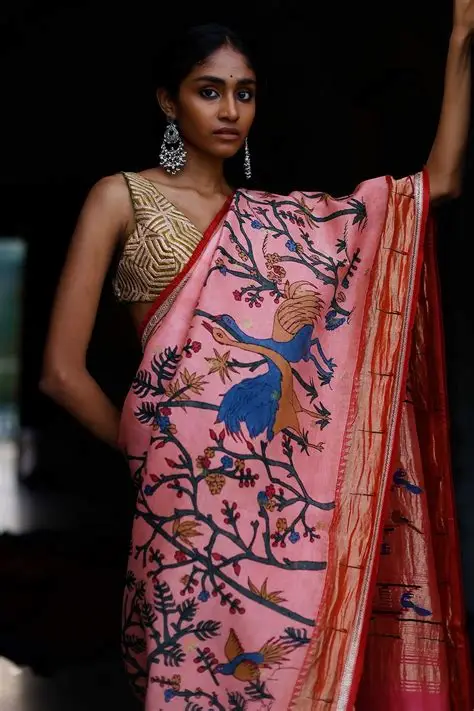
Indian designers have repeatedly brought Kalamkari into contemporary fashion. Designer Archana Jaju, for example, has worked with Kalamkari from Srikalahasti alongside Bandhani, Chikankari, Kanjeevaram and other regional crafts, using modern silhouettes to keep these traditions relevant.
Kanjeevaram: The Queen of South Indian Silk
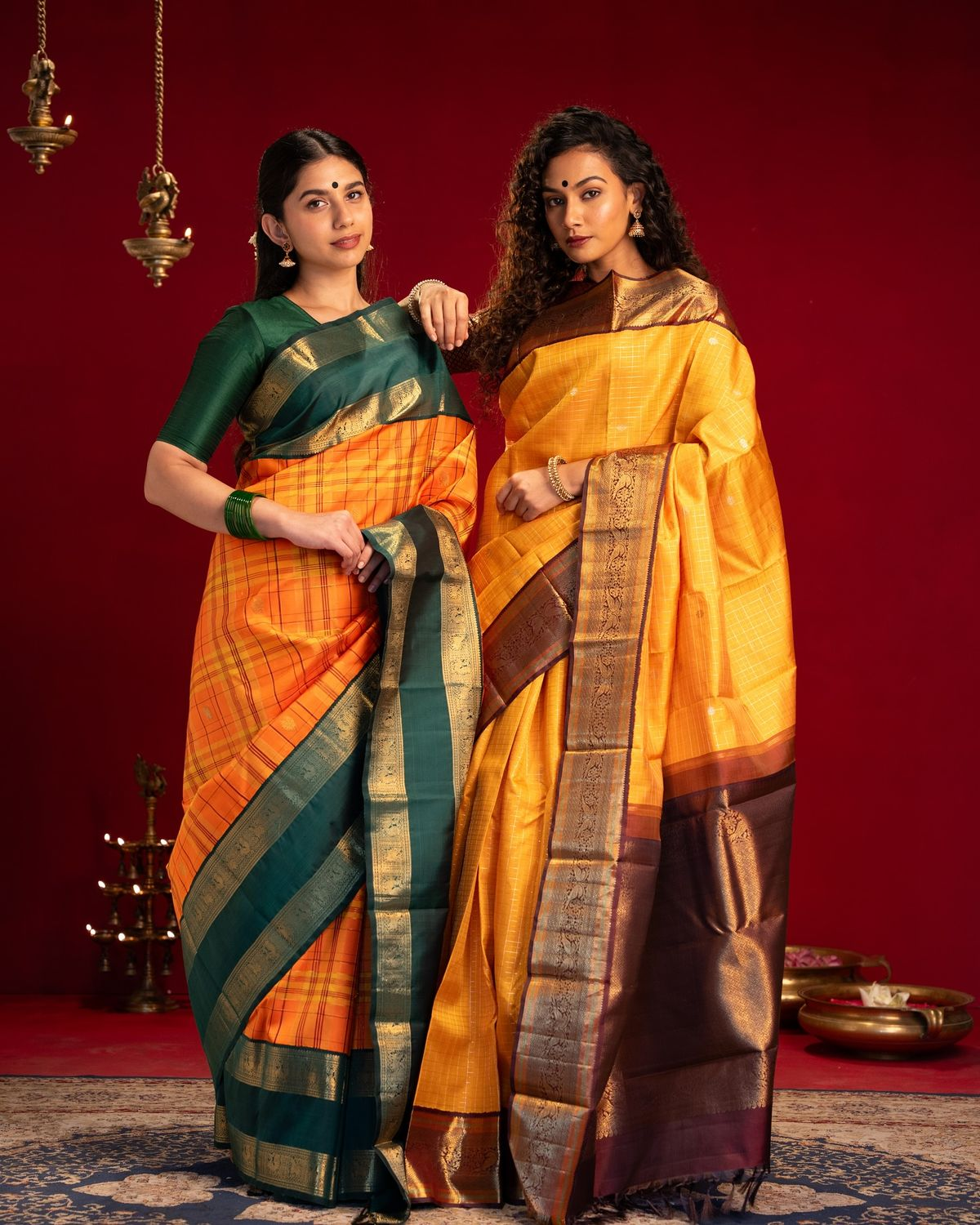
There are few textiles as instantly commanding as Kanjeevaram.
Born in Kanchipuram, Tamil Nadu, this silk tradition is celebrated for its richness, durability, bold colours, zari borders and temple-inspired motifs.
It is bridal royalty.
But Kanjeevaram is also having a contemporary moment, appearing with unexpected blouses, jackets, belts, contemporary jewellery and even unconventional drapes.
The fashion message is clear:
You don’t modernise Kanjeevaram. You modernise how you wear it.
Sambalpuri Saree: Odisha’s Graphic Poetry
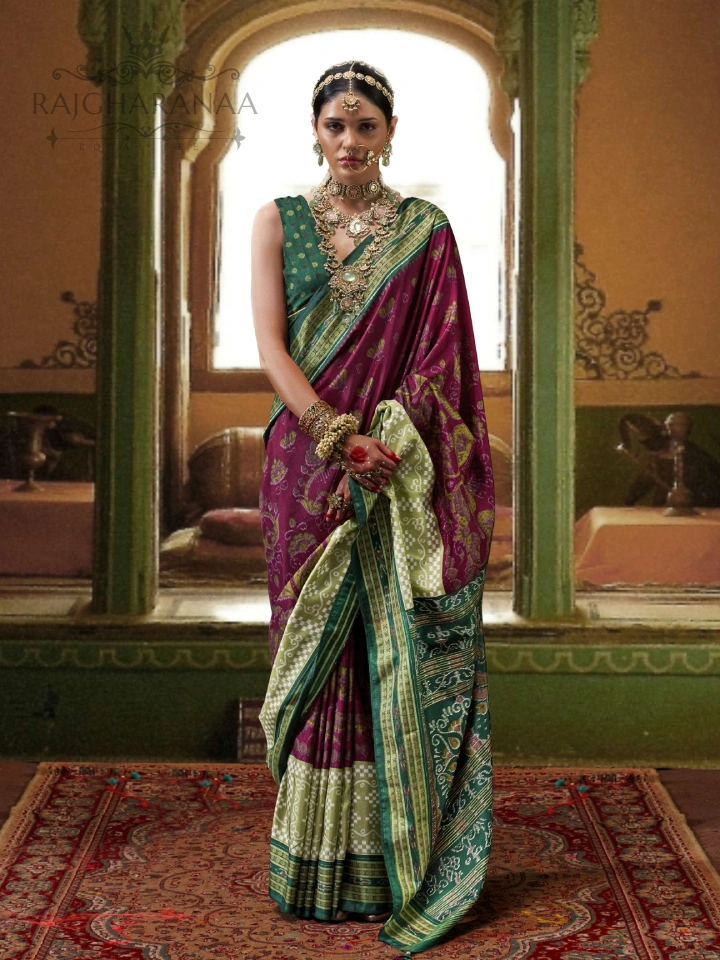
From Odisha comes Sambalpuri, celebrated for its Ikat techniques and distinctive motifs.
Its geometric patterns, natural imagery and deep colours give it a very strong visual identity.
It deserves far more attention outside Odisha… and contemporary fashion has the opportunity to take it there.
Indeed, Sambalpuri remains among the traditional handlooms that face pressure from mechanisation and cheaper alternatives, making visibility and informed consumption particularly important.
Bhagalpur Silk: Bihar’s Lustrous Legacy
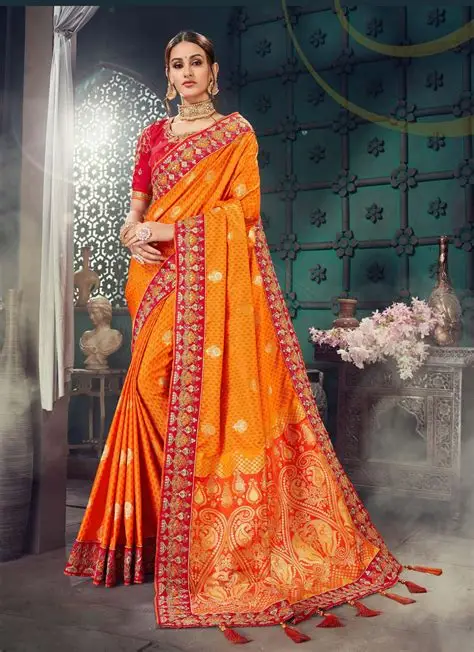
Bhagalpur has been associated with silk weaving for generations.
Bhagalpur silk has a distinctive texture and natural lustre and has increasingly found a place in contemporary Indian wardrobes.
It works beautifully in saris, stoles, scarves and contemporary silhouettes.
This is the kind of textile that reminds us that India’s luxury map extends far beyond the cities traditionally associated with fashion.
Jamdani: The Art of Making Air Visible
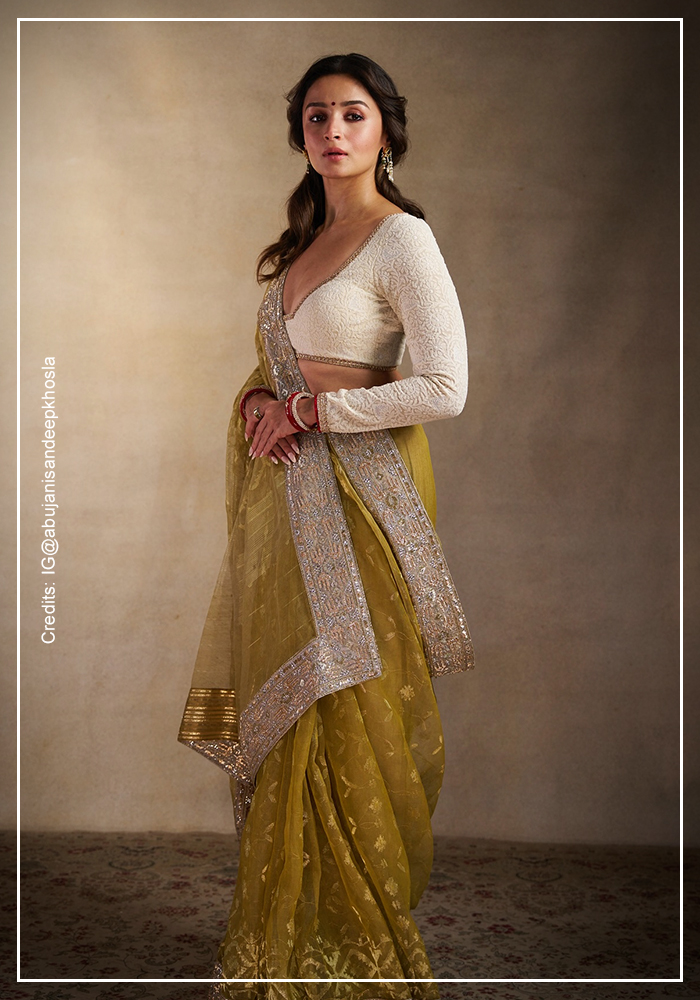
Jamdani is one of Bengal’s most exquisite weaving traditions.
Known for delicate motifs that appear almost suspended against the fabric, Jamdani requires extraordinary patience and precision.
It is ethereal.
It is intricate.
And it is quintessentially Indian.
The beauty of Jamdani is that it doesn’t overwhelm the wearer. It floats.
Pachra: Tripura’s Cultural Signature
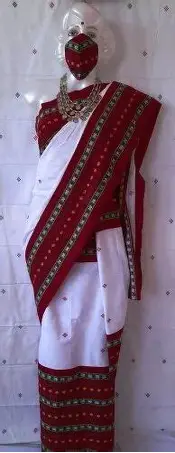
The Pachra textile tradition of Tripura is deeply connected to the state’s indigenous communities and cultural identity.
Its patterns and colours are not simply decorative; they carry social and cultural meaning.
As Indian fashion becomes more interested in indigenous textiles, crafts like Pachra offer designers an extraordinary vocabulary that has barely been explored by mainstream fashion.
Muga Silk: Assam’s Golden Miracle
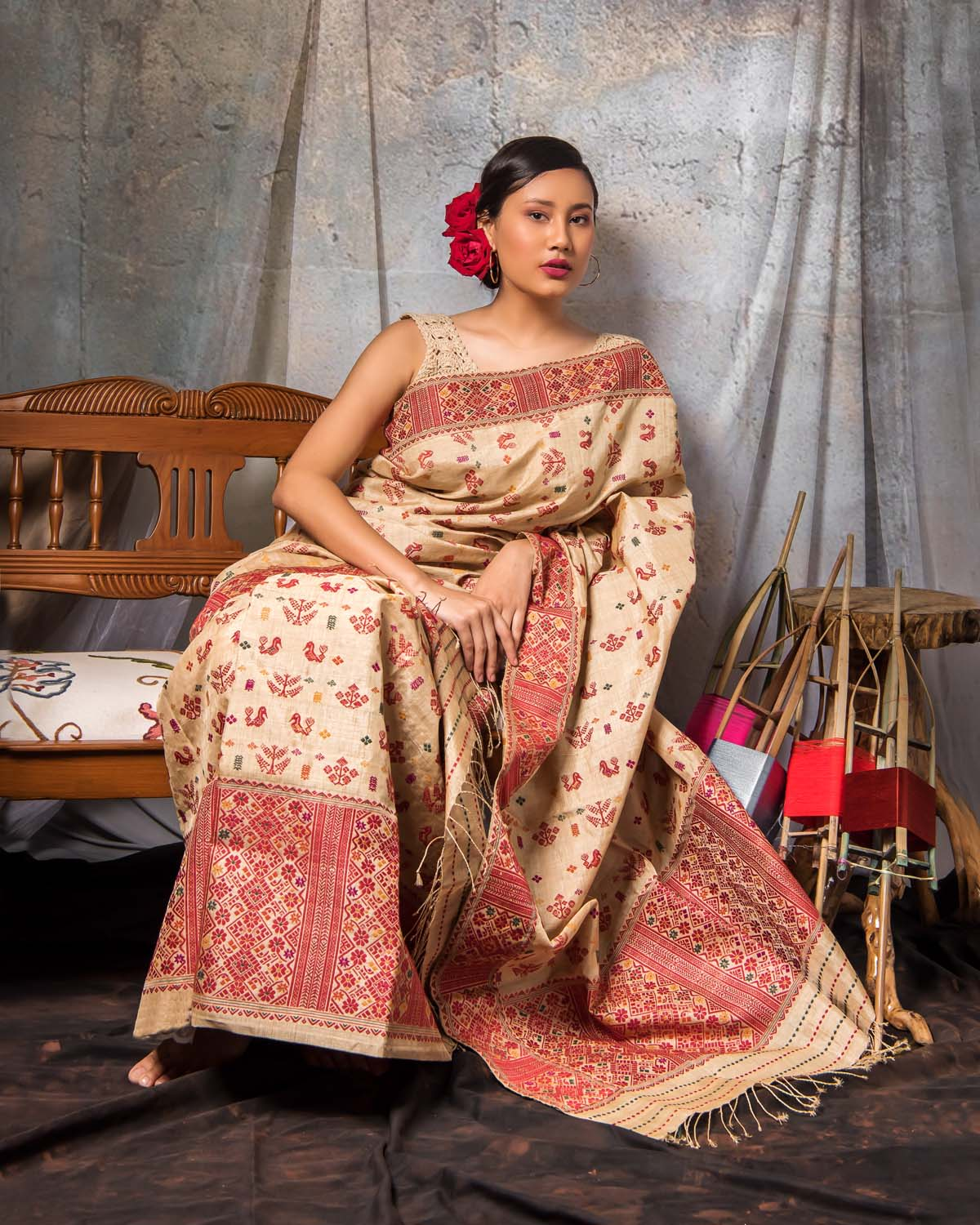
Then there is Muga silk, one of India’s most extraordinary natural fibres.
Native to Assam, Muga is prized for its naturally golden sheen and remarkable durability.
Unlike many textiles that become more beautiful with embellishment, Muga possesses a beauty that comes directly from the fibre.
It is literally golden by nature.
And that makes it one of India’s most distinctive luxury textiles.
Eri Silk: The Softer Side of the Northeast
Eri silk, also associated strongly with Assam and the Northeast, is known for its soft, wool-like texture.
It has become increasingly interesting to conscious-fashion consumers because of its association with more considered approaches to silk production.
It is tactile, breathable and wonderfully understated.
Lepcha Textiles: Sikkim’s Woven Identity
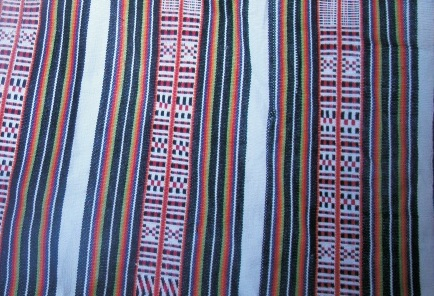
The Lepcha textile tradition of Sikkim is distinguished by geometric patterns and a strong connection to the cultural identity of the Lepcha community.
The textiles feel almost architectural.
And perhaps that is why they hold such potential for contemporary fashion.
Phanek: Manipur’s Powerful Geometry
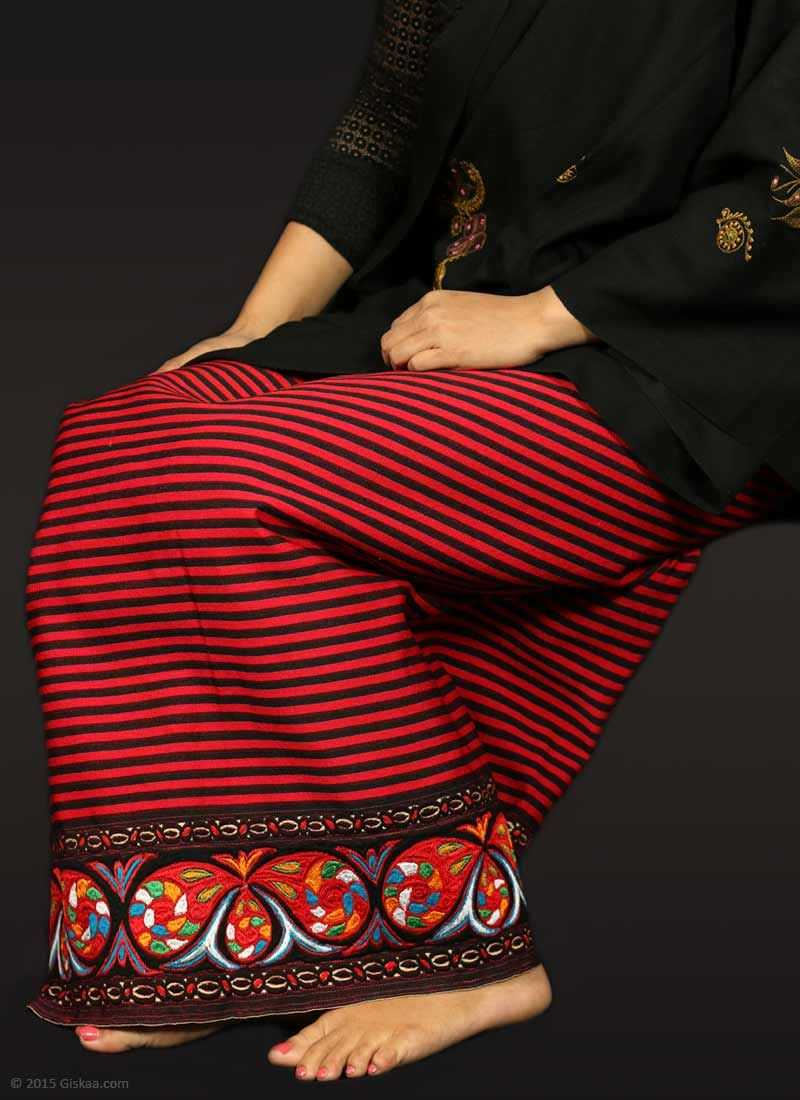
The Phanek is a traditional wraparound garment of Manipur, often distinguished by striking stripes, checks and woven motifs.
It demonstrates something important about Indian textile heritage: fashion isn’t always about the sari.
Every region has developed its own language of dressing.
Phanek is one of the Northeast’s most beautiful examples.
Puan: Mizoram’s Contemporary Potential
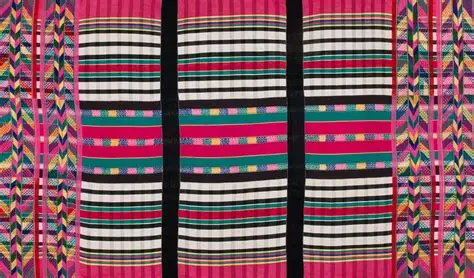
Mizoram’s Puan textiles are known for their bold stripes, colours and geometric compositions.
They possess a graphic quality that could translate beautifully into contemporary jackets, skirts, dresses and resortwear.
In fact, this is where India’s craft future becomes especially exciting: young designers can take regional textiles into silhouettes their makers may never have imagined.
Kuchai Silk: Jharkhand’s Under-the-Radar Luxury
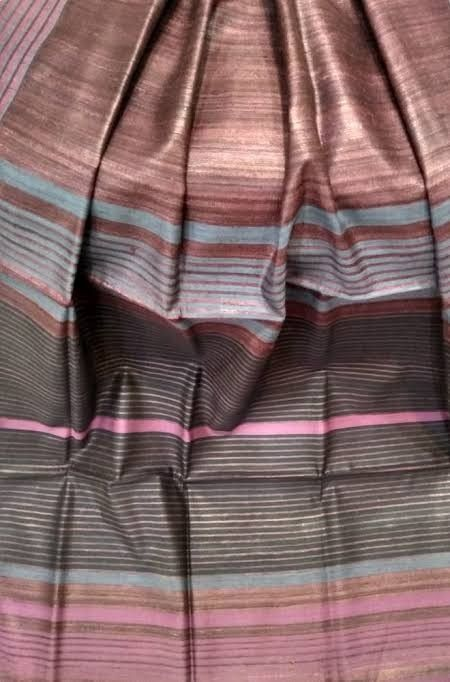
Kuchai silk, associated with Jharkhand, is another reminder of the extraordinary depth of India’s silk traditions.
Less internationally known than Kanjeevaram or Banarasi, its beauty lies precisely in that discovery.
The next generation of Indian luxury may well be about finding these lesser-known textiles and giving them the spotlight they deserve.
Pochampally, Chanderi, Paithani: India’s Global Fashion Moment
Indian textiles are no longer being celebrated only within India.
Raw Mango made its official London Fashion Week debut in February 2026, bringing its contemporary interpretation of Indian textile traditions to one of the world’s most influential fashion platforms. The label works with more than 1,200 artisans and has built much of its identity around India’s textile heritage.
That is significant.
Because the future isn’t about India borrowing fashion vocabulary from the West.
It is about India exporting its own vocabulary.
And What About International Designers?
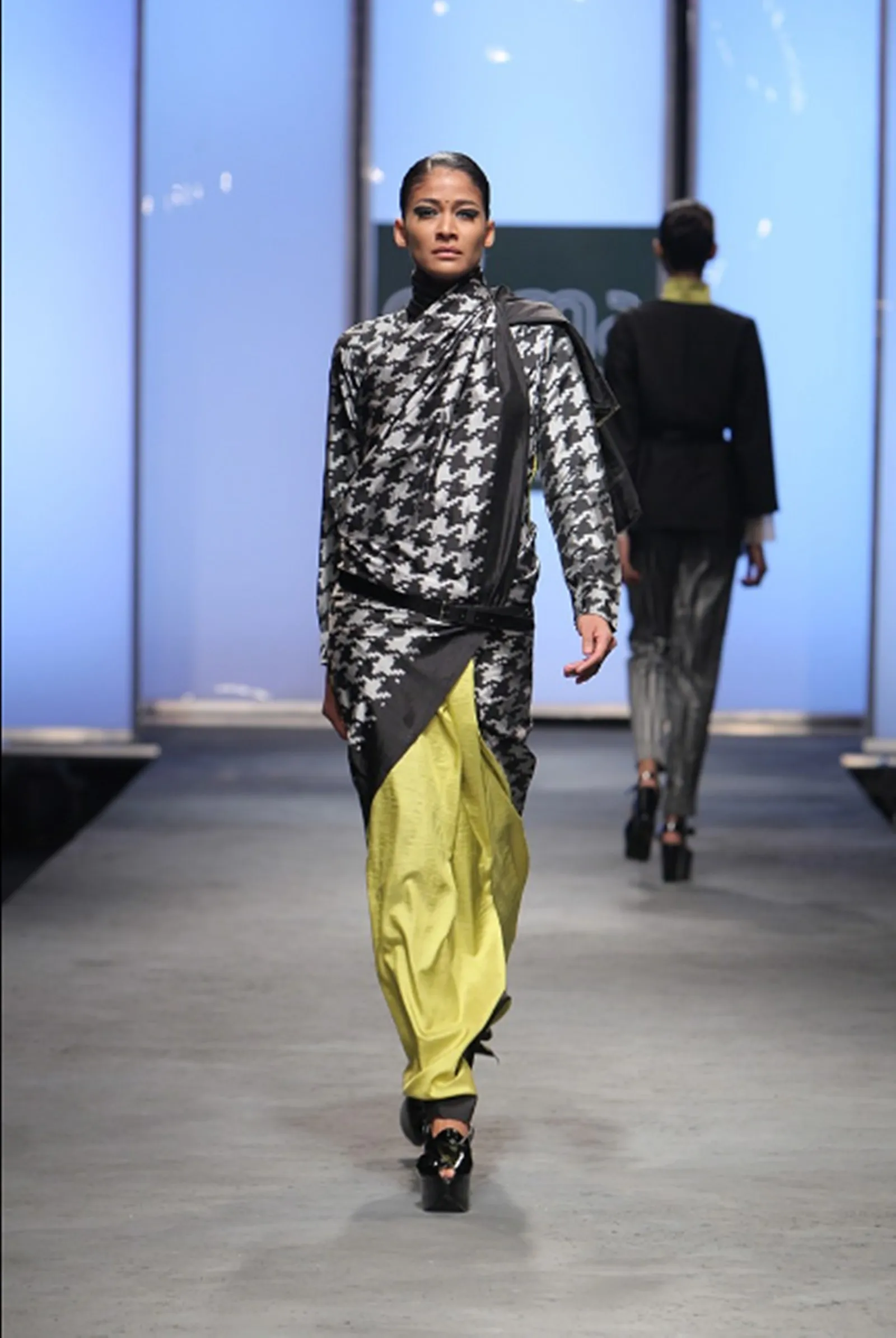
There is extensive global fascination with Ikat, Indian embroidery, silk and artisanal textiles, but we shouldn’t casually claim that an international designer is using authentic Pochampally Ikat or Kanjeevaram unless the provenance is documented.
What is undeniable is that Indian textiles and craftsmanship are increasingly part of the global fashion conversation, while Indian designers themselves are taking these traditions to international runways. Raw Mango’s London Fashion Week debut is a particularly strong current example.
And that, perhaps, is even more powerful.
We don’t need a European luxury house to validate our textiles. Our designers are taking them to the world themselves.
The New Indian Luxury
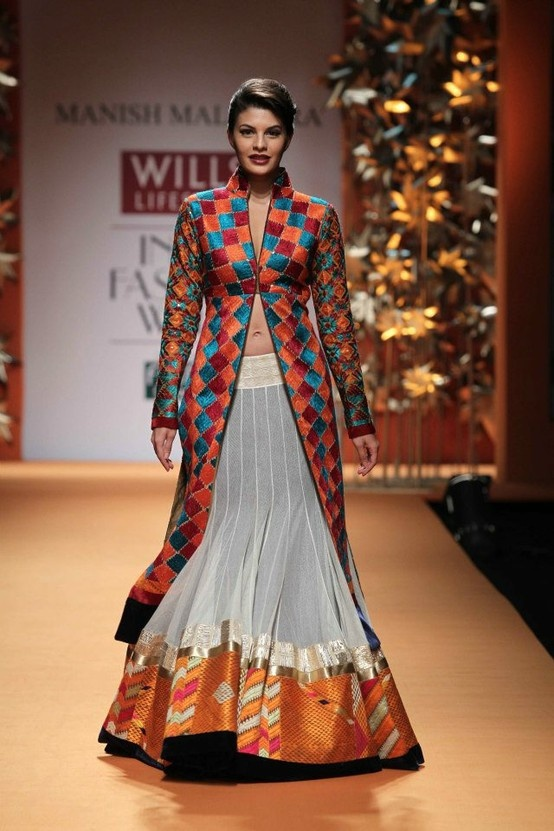
The most exciting thing happening in Indian fashion isn’t the disappearance of tradition.
It is its reinvention.
A Paithani becomes a contemporary lehenga.
Chanderi becomes a minimalist evening sari.
Ikat becomes an oversized jacket.
Phulkari becomes a statement blouse.
Kalamkari becomes a dramatic coat.
Kanjeevaram finds itself paired with a modern blouse.
Pashmina becomes the final layer over a couture gown.
The textile remains.
The attitude changes.
And that is precisely how heritage survives.
TheGlitz Take
At TheGlitz, we have always believed that luxury must go beyond the superficial.
And there is perhaps no better example than Indian handloom.
Because behind every spectacular textile is a person.
A weaver.
An embroiderer.
A dyer.
A painter.
A family.
A community.
A skill passed from one generation to another.
When we buy genuine handloom, we aren’t simply buying a sari, shawl, dupatta or piece of fabric.
We are buying time.
We are buying patience.
We are buying history.
We are investing in someone’s hands.
So this National Handloom Day, let’s make Indian craft fashionable… not because it needs rescuing, but because it deserves to be coveted.
Let’s wear the Paithani.
Wrap ourselves in Pashmina.
Celebrate Phulkari.
Fall in love with Chanderi.
Drape Kanjeevaram.
Own the geometry of Ikat.
Discover Muga.
Wear Kasavu.
And seek out the crafts that haven’t yet made it onto every fashion page.
Because India’s greatest luxury story isn’t waiting to be written.
It has been woven for centuries.
And now, finally, the world is beginning to read it.
Our weavers. Our pride. Our heritage. Our future.