
Rajeev Mokashi in conversation with Anuja Joshi, Founder, Interflora India
Anuja Joshi runs one of India’s most recognised luxury floral businesses, built more or less from scratch in a country that, until fairly recently, didn’t really have a luxury flower category to speak of. Ask how her day is going, though, and you get the truth before the polish. “Crazy,” she says, still catching her breath from a trip, talking about how Pune and Mumbai have both changed shape since she was young, almost unrecognisably so. It’s a fitting way to start. Changing what a city thinks it knows has more or less been her career.
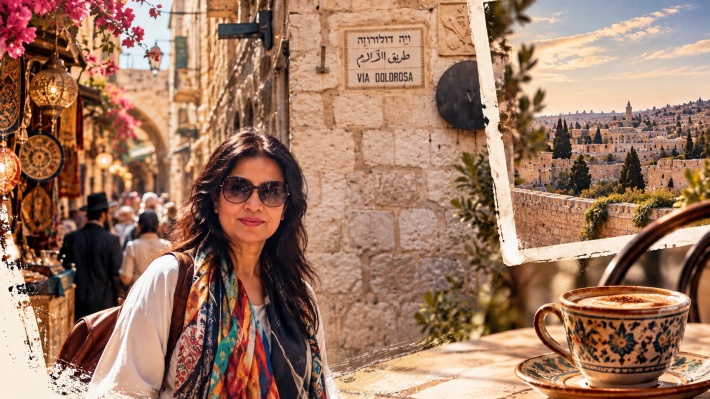
She wasn’t in the flower business then. She was running Pune’s first IB school. But on that Dutch trip, something stuck: fields of flowers, an auction unlike anything she’d seen, a scale and variety that simply didn’t exist back home. She filed it away as a good memory, not a plan. Later, in London, a hotel bouquet outlasted her entire ten-day stay. In India at the time, she says, you were lucky if flowers lasted two days.
“If it can happen internationally,” she remembers thinking, “why not in India?“
That’s the whole company, really, in one sentence. Interflora India now runs across 30-odd cities, works with over 300 growers on the ground, and has trained close to 500 florists a year in a country where floristry barely existed as a formal trade a decade ago. What looks effortless to a customer, a bouquet arriving on time, in one piece, exactly as promised, is actually a cold-chain and design network built over years, one most people never think about.
The client list, unsurprisingly, has grown to match: Dior, the Ambanis, the Jindals, a fair number of weddings the country is still gossiping about. Ask her about any of it, though, and she’ll tell you plainly that the glamorous bits are the smallest part of the job.
Here’s what she actually said.

Rajeev Mokashi: What’s the first memory you have of flowers, before any of this was a business?
Anuja Joshi: “Holland,” she says. “The auctions there. Fields filled with flowers, the whole process of it, and they let you actually walk through. The sheer quality, the variety, the size of it. It blew my mind.” She was running a school at the time, with no plan of turning any of it into a career. “Back then, in India, you could count the available varieties on your fingers. We were growing everything, but it was all getting exported. We consumed the leftovers.”
Did it ever occur to you, even then, that this could become your work?
“Never. Not even a little, not as a business opportunity.” No manufactured origin story here. She was, at the time, busy building something else entirely: Pune’s first IB school, years before international curricula became common in India. Looking back, she thinks the two were never as far apart as they seemed. “Bringing the best international practices into India, and taking the best of India out to the world, that’s always been the exciting part for me. When this opportunity came along, I was really thrilled.”
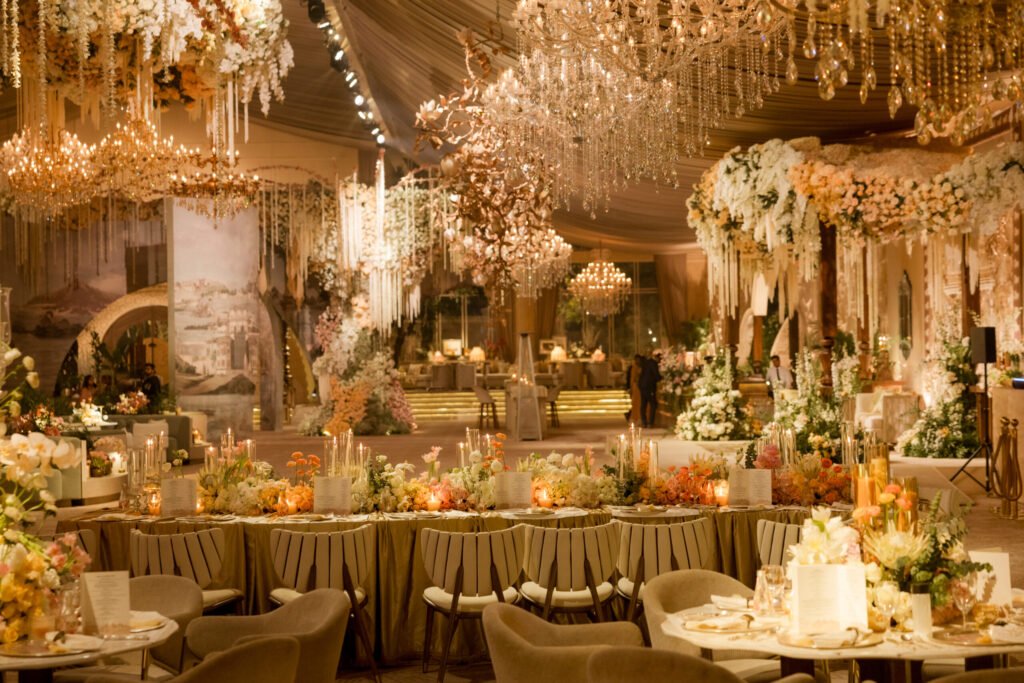
What made you believe a hundred-year-old European brand could actually work in India?
Marriage brought her to Mumbai, and with it, the sense that the city ran on a different rhythm to the schooling world she knew in Pune. While scouting for what came next, she stumbled onto Interflora, a legacy brand already a century old across Europe and the US. India, at the time, had none of the infrastructure to support it. “Logistically, we simply weren’t developed, cold chain, transport, everything a perishable product needs. But we’d watched what brands like McDonald’s had done here, how they’d changed the way India thought and behaved. We felt flowers could do the same.”
Flowers here have always sat closer to temples than to shops, garlands, gods, weddings. Does building a luxury business on that ground ever feel like turning religion into retail?
Her answer comes fast, and settled, the kind of certainty that comes from having answered this before. “Honestly, we never looked at it that way. We don’t do garlands, we don’t touch religious offerings. We look at flowers as happiness, as gifting, as an experience.” It’s a line she has clearly drawn before, and drawn firmly, less a rejection of tradition than a decision to work a different corner of it: love, gratitude, celebration, rather than ritual.
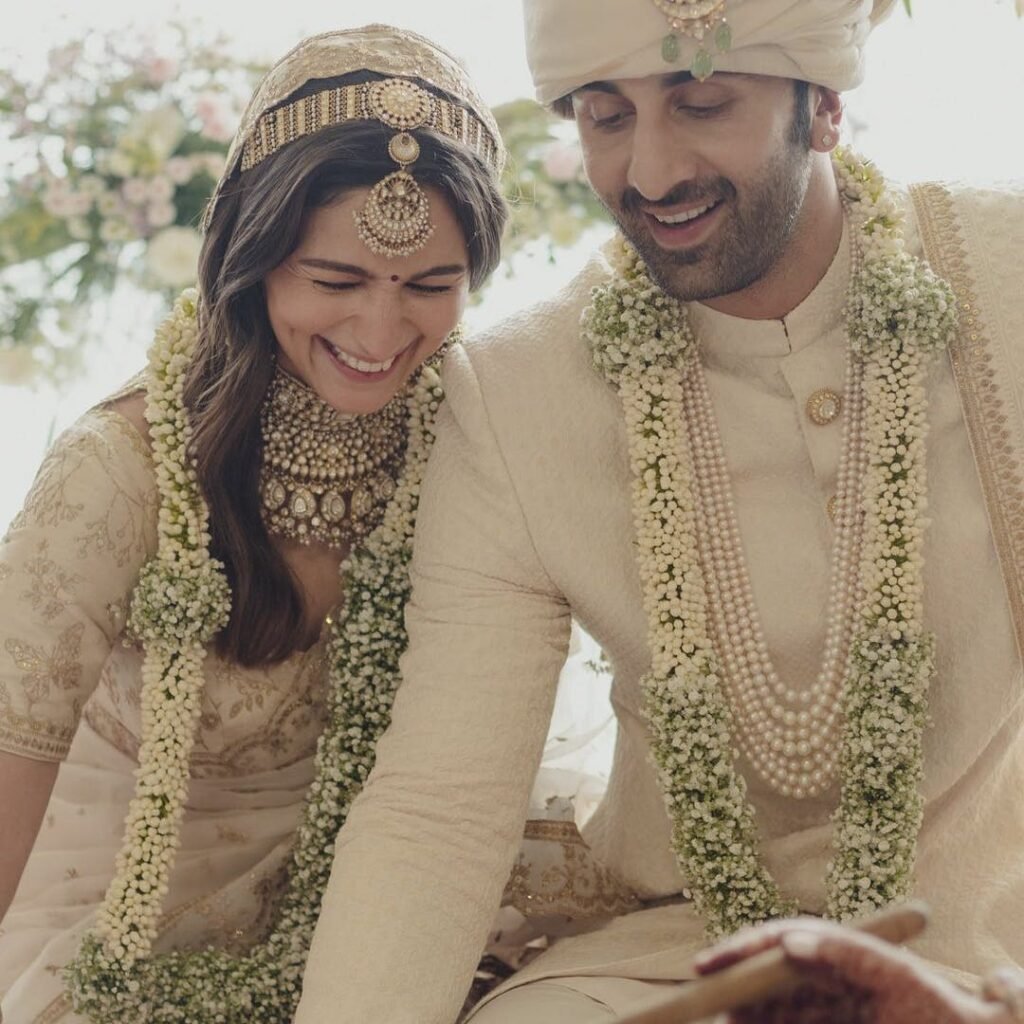
You’ve spent real time in Paris and London. What’s the one thing they do that makes you quietly jealous, and what does India already do better without realising it?
“The weather, honestly,” she says first. Flowers last longer there, and the cold chain is decades ahead of India’s. But she isn’t finished. “India has something they don’t. Skilled hands. The scale of trained artisans here, you don’t find that easily anywhere else in the world. It’s almost inherited.” That, and something she takes real pride in: “We’ve built floral gifting into something that’s at people’s fingertips now. That didn’t exist before us.”
Do you have a flower you’re personally sick of seeing? “Not really,” she says. “Even the same rose gets styled a hundred different ways. Even a marigold from someone’s garden can become a full installation. I don’t think I’ll ever get bored of that.”
How much of Interflora’s look is trend-chasing, and how much is you deciding what the trend should be?
“We believe flowers don’t exist in isolation,” she says. “We watch art, architecture and design globally, and drop a new collection every four to six weeks, built around whatever’s moving in those worlds.” Not a florist’s answer, that. A designer’s.
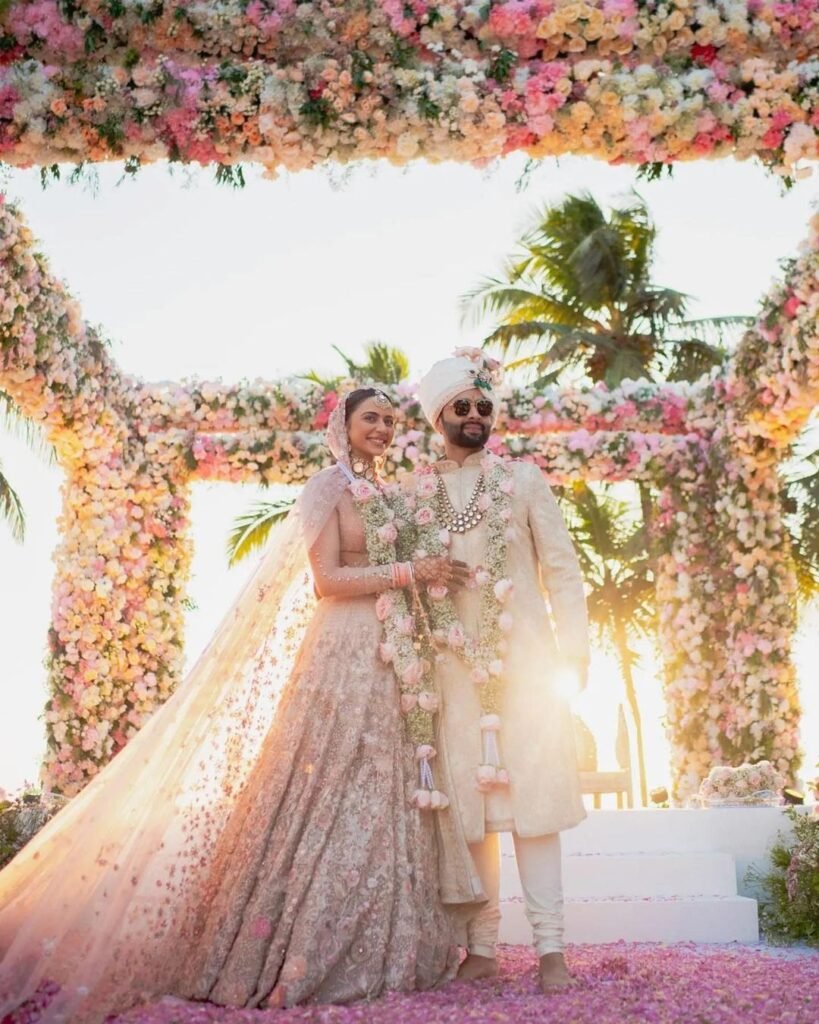
Has the geopolitical turmoil of the last couple of years touched the business at all?
“I’d like to believe the war is over,” she says, “we all would.” As for the business itself, not majorly affected. “There’s some price volatility, but that’s true across the board, not just flowers.”
How long does it actually take to build the floral world of a big Indian wedding?
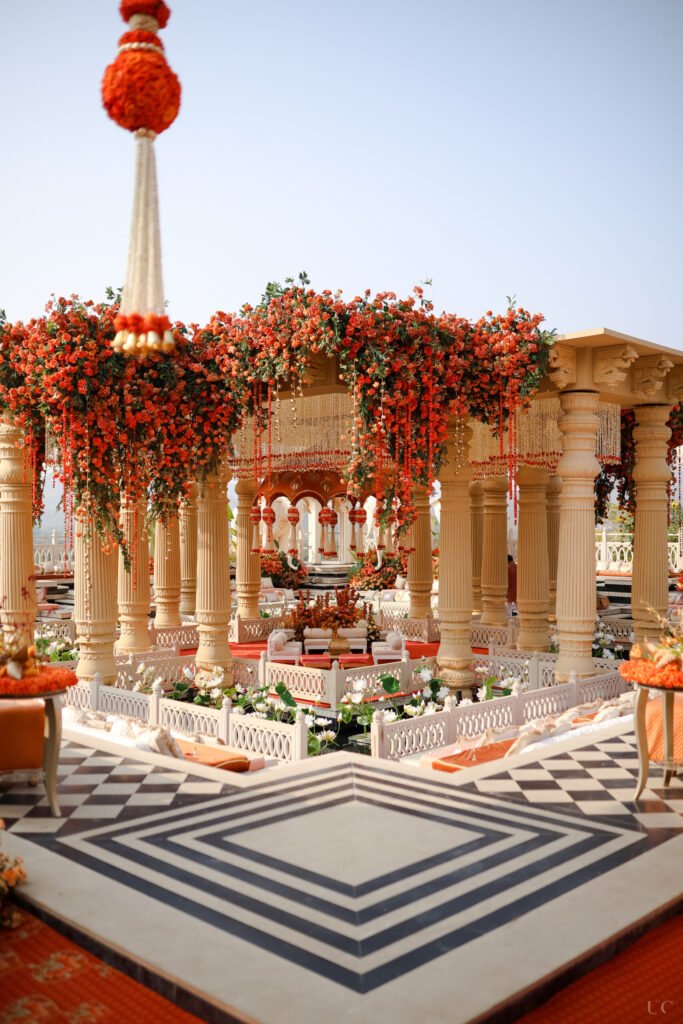
“Anywhere from four to six months,” she says, “sometimes three weeks if we have to. It starts with the couple, understanding their story, because people want meaning in it now, not just décor.” Then, almost as an aside, the line that says the most: “The flowers are perishable and hand-done. You can spend months designing and still have a single day to turn over the installation. If you ever see the backstage of a big wedding, you’ll understand. It’s the most insane logistics you’ll ever witness.”
Is there one project that pushed you to your absolute limit and still turned out beautifully?
Here she holds back a little, and fairly. There are NDAs with most of the country’s biggest families. But she offers one detail unprompted: the very first wedding Interflora did as a brand was an Ambani family engagement. “Zero experience, and it’s the first event we’re doing as a company. You can imagine the pressure.” Then, simply: “After five hundred weddings, the anxiety softens. But the thrill of that first one never quite leaves you.”
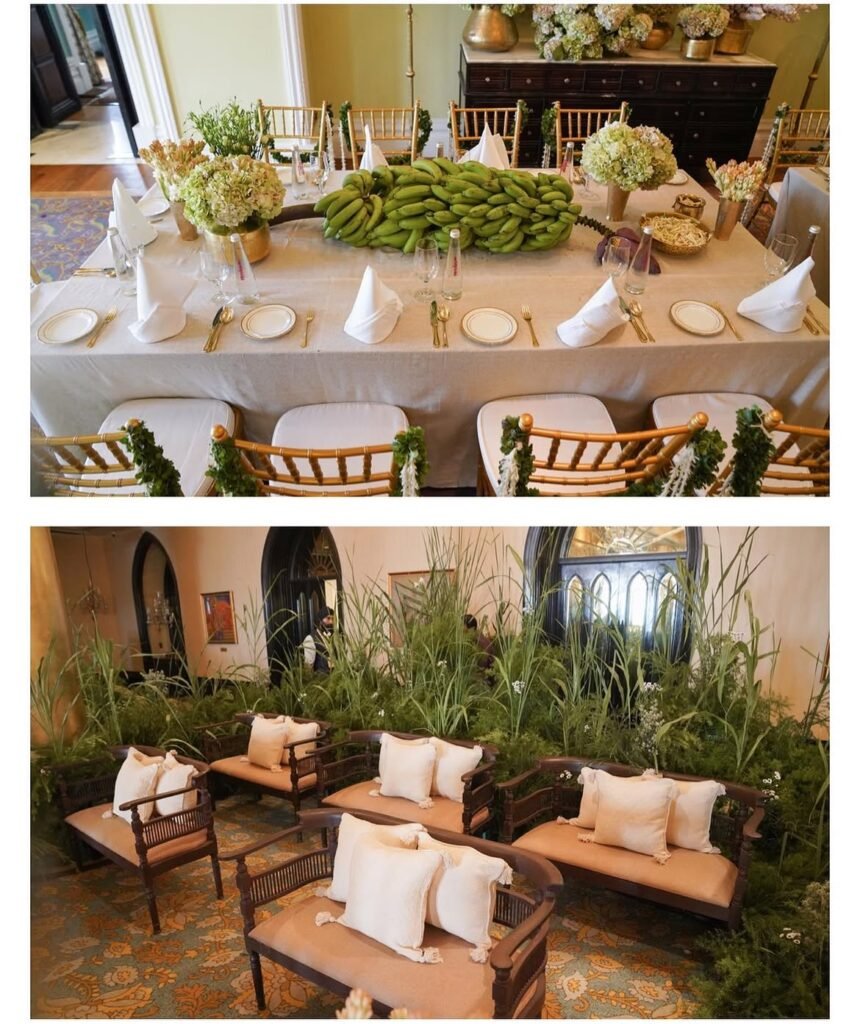
Dior wants restraint. A Udaipur wedding wants excess. Which one is closer to how you’d actually decorate your own home?
“I’m a maximalist,” she says, and then catches herself refining it. “I’m thoughtful about design, I like things classy, but I like them over the top.”
What does a bad day at Interflora actually look like? “Anything outside my control, mostly,” she says. “Weather, sudden rain, the fact that the product is perishable. If I can fix a problem myself, I’m fine. It’s the outside stuff that used to keep us up at night. We’re tech-first now, so we get warnings early.”
What’s the most extravagant, faintly ridiculous thing you’ve ever built, and did you enjoy it anyway?
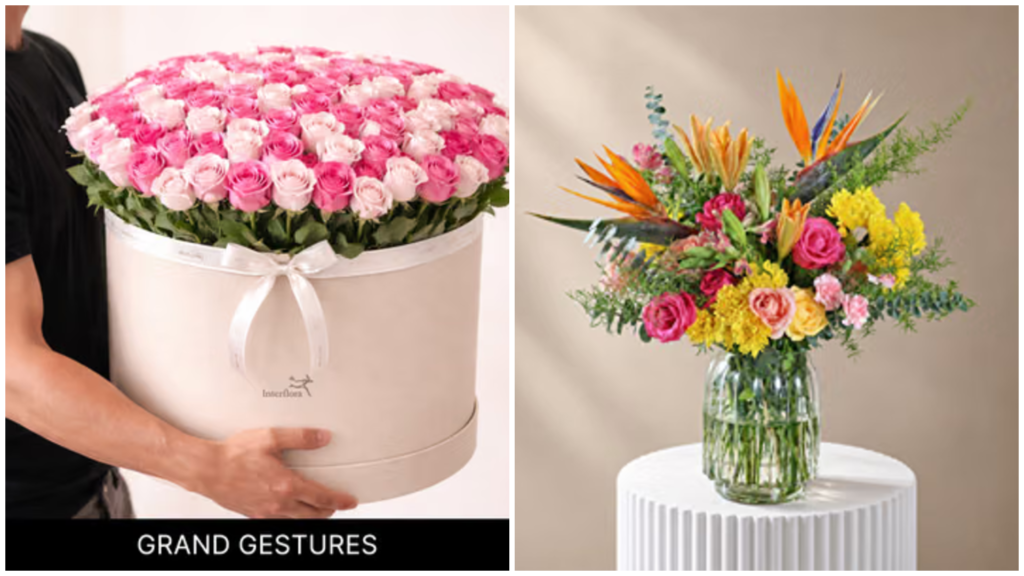
“People order arrangements worth a lakh, a lakh and a half,” she says, “and I think, oh my god, I really want to meet these people.” Her own reaction gives away how she feels about it. The biggest they’ve ever built came close to three or four lakhs, life-size, practically architectural. “For a wedding, honestly, that’s a small piece for us. I was just intrigued that someone wanted something that magnificent purely for their own home.”
A good deal of India’s most “exotic” wedding flowers are actually imported. Does that ever sit oddly with you?
“I don’t think of them as exotic because they’re international,” she says, correcting the premise straight away. “They’re exotic because they’re rarely seen here. Hydrangeas weren’t grown in India once. Now they are. Peonies too, in some states. Every flower carries emotional weight for a client, there’s often a story behind why someone wants a particular one. We import because the volume isn’t there yet, not because Indian flowers fall short.” It’s the sharpest answer of the whole conversation.
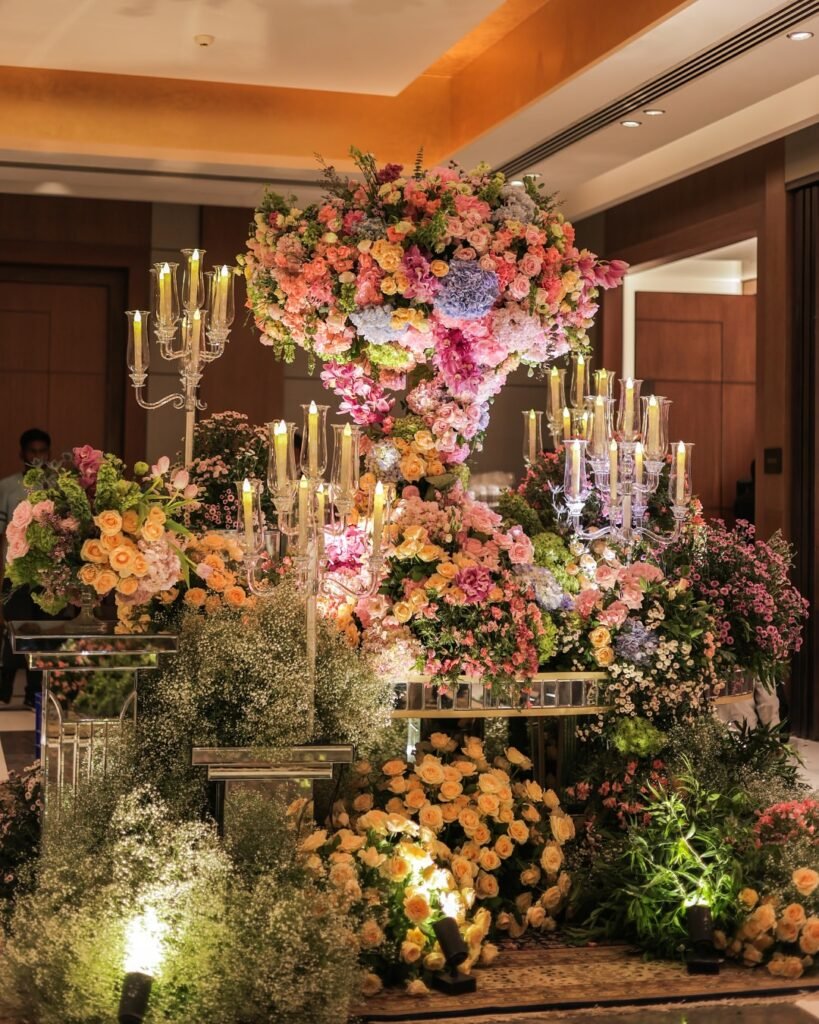
Who’s harder to please, a bride or a billionaire? “The bride, always,” no contest. “That one expression on her face when she walks in, that’s the whole point of everything we’ve spent months building. A hundred guests can say wow, but if she isn’t happy, none of it counts.”
You spend your days between the country’s most recognisable faces and growers whose names will never make a headline. Which conversation stays with you longer?
“The event is the moment,” she says, working it out as she goes. “The grower, the process, that’s the work behind it. So they stay with me differently, the wedding for the wow, the grower conversation for everything that had to happen to earn it. Two ends of the same chain.”
What do people assume about you, because of who your clients are, that isn’t actually true?
“Now this is a perfect question,” she says, sounding pleased by it. “That our life is this beautiful floral experience all the time. It really isn’t. There’s a lot of back end, a lot of logistics, a lot of what I’d call the good, dirty work behind it. I enjoy every bit of it, but no, it’s not a fairy tale. It looks very different backstage.”
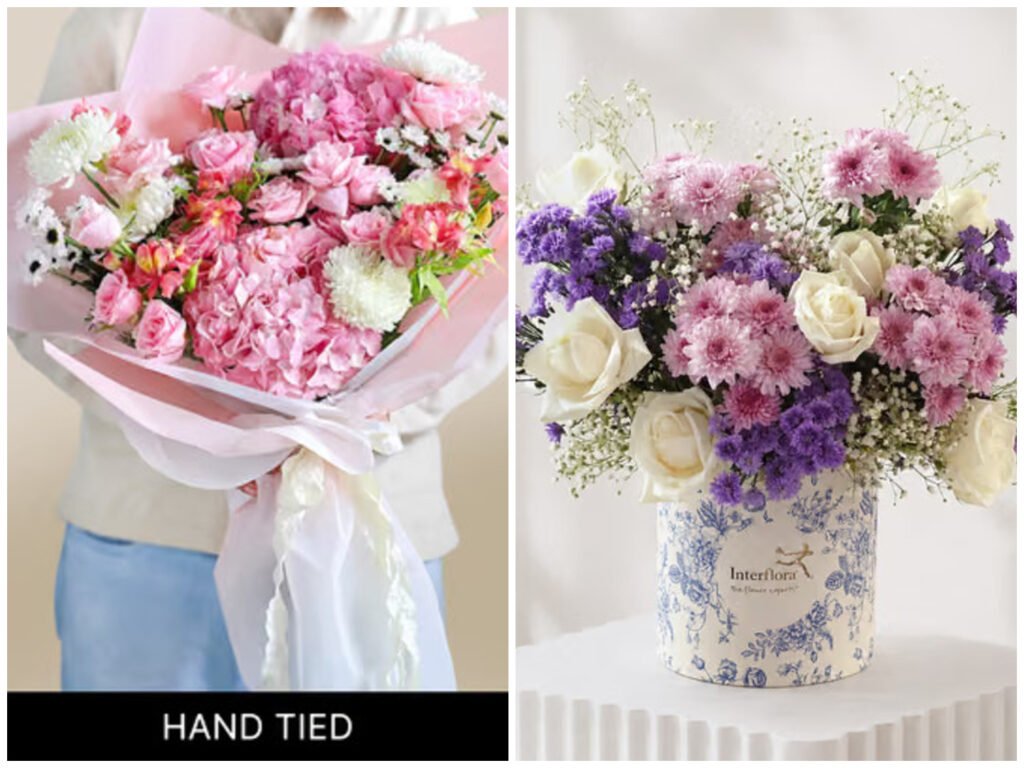
What’s the last thing that made you laugh at work? “I think I’m a very easy person,” she says, “you have to enjoy this work daily or it wears you down. We talk to customers constantly, and the requests we get are sometimes just delightfully odd.”
After everything you’ve built, what do you want people to feel, not think, when they see an Interflora arrangement ten years from now?
“I think, wow,” she says, landing on the word after actually considering it. “That is what we stand for, today also. It’s built on trust, the feeling that when you order, you don’t need to worry about the rest. You order, and it’s done.” She calls it, without a trace of irony, a sensorial experience. Underneath the trust and the logistics, that’s really the whole pitch: someone cared enough to send this. Coming from someone who has spent an hour being briskly unsentimental about the rest of the business, it’s a claim that earns its keep.
You’ve already changed how India buys flowers. What’s still missing, that you’re chasing now?
“I’d love to see flowers become as instinctive a gift as chocolates or jewellery,” she says. “That’s the cultural shift we’re still building.” It’s a bigger ambition than any single wedding or Dior collaboration, and a harder one to prove. You can point to a dark store or a designer roster. You can’t point to a habit until it’s already formed.
Sixty Seconds with Anuja
Rose or orchid? Orchid
Bigger ego, you or your florists? “My florists.”
Favourite flower to work with? “Peonies. They’re rare.”
Least favourite to smell? “Limonium. It has a punch.”
Ever cried over a wilted delivery? “Not cried. But a bad customer experience really pains me.”
Lose a client or a grower? “Neither. I’m not choosing.”
Superstitious about flowers at home? “No.”
Dior or Sabyasachi, for your own wardrobe? “Sabyasachi. I admire the man as much as the clothes.”
Ever secretly redone a bouquet after a client left happy? “Many times. The real fight in our office isn’t pleasing the client. It’s pleasing ourselves after the client’s already thrilled.”
One word: what does India’s next generation of florists lack most? “Precision.”
Would you ever send flowers to say something you couldn’t say out loud? “All the time. It’s the most honest medium there is.”
Ask her for a line to leave with readers and she doesn’t reach for anything rehearsed. “Keep ordering,” she says, then catches herself and tries again, something closer to a real sign-off: know what you’re good at, deliver it, and the customer never has to wonder. It’s a very Anuja answer. Unglamorous, a little funny, wholly sincere.
Rather like the flowers themselves, once you stop thinking of them as decoration and start noticing the months of planning holding the whole thing up.
For more features like this, stay tuned to TheGlitz.