Ashni
Nature is eclectic, electrifying and never still. It melts, settles, climbs, bends and transforms, its most beautiful shifts often unfolding so quietly that we barely notice.
Bengaluru-based lighting studio Ashni, founded by designer Priti Mehta, finds inspiration in these fleeting movements for its latest collection of luminaires. Drawing from molten earth, weathered stone and climbing tendrils, the collection explores how nature’s rhythms can be translated into light, texture, material and form. Rooted in Indian craftsmanship and a deep curiosity for the possibilities of materials, Bandhani, banana paper and loofah take on unexpected new identities across the collection.
TheGlitz looks at how Priti Mehta through Ashni is turning the language of nature into sculptural light.
A Dialogue Between Earth and Hand
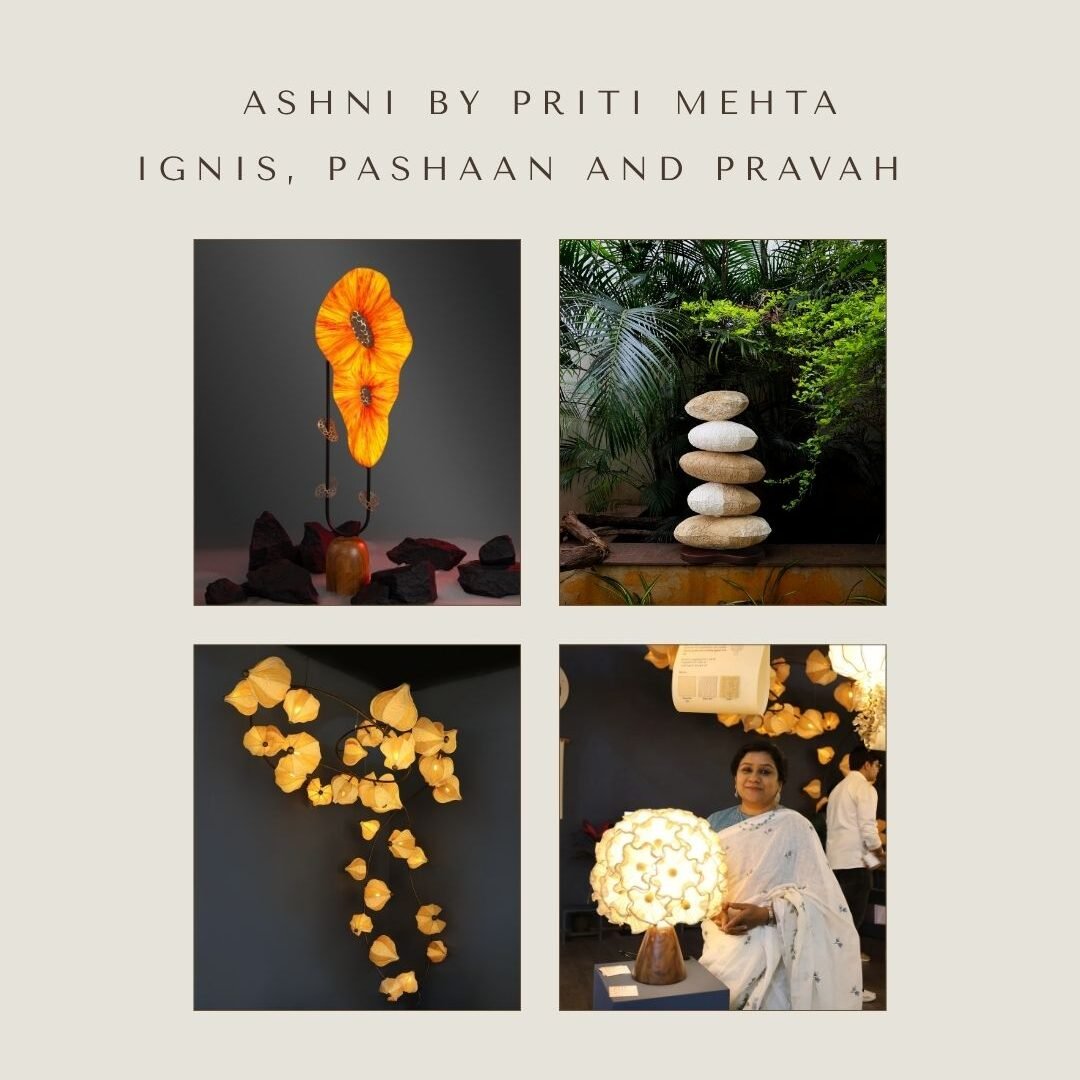
At Ashni, nature is not treated simply as an aesthetic reference. It becomes a teacher… offering lessons in movement, balance, transformation and imperfection. The studio’s latest edit, comprising Ignis, Pashaan and Pravah, explores three distinct natural states, each interpreted through tactile materials and traditional making techniques.
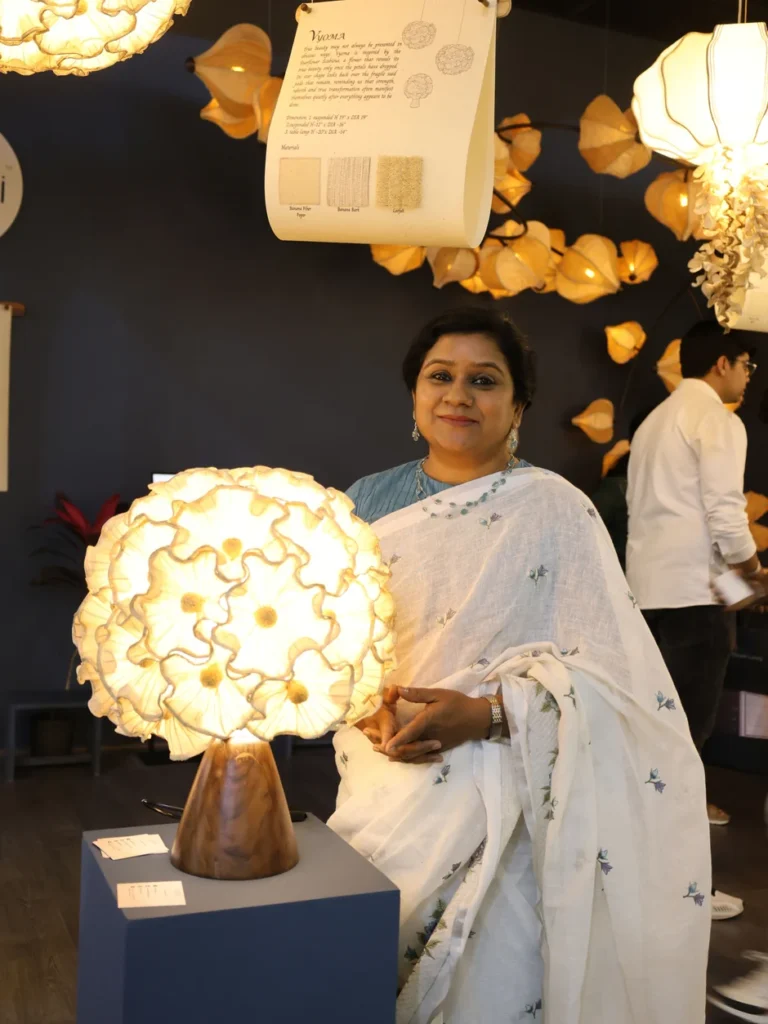
“Born in the heart of the earth, this light collection captures a moment of transformation where stillness melts into movement,” says Priti Mehta.
Ignis: Where Fabric Glows Like Molten Earth
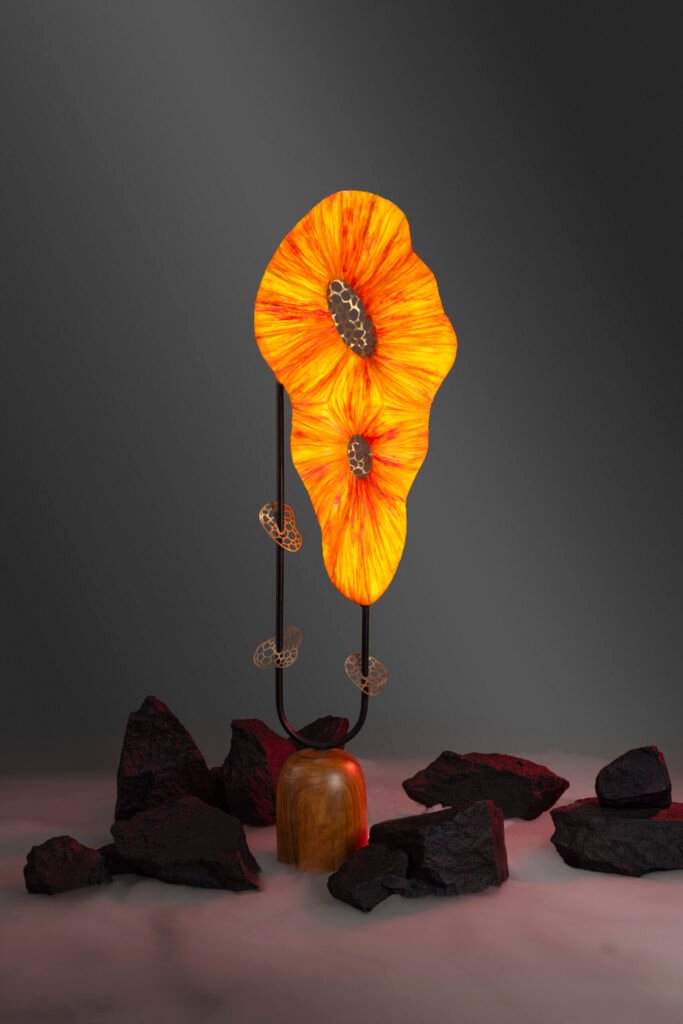
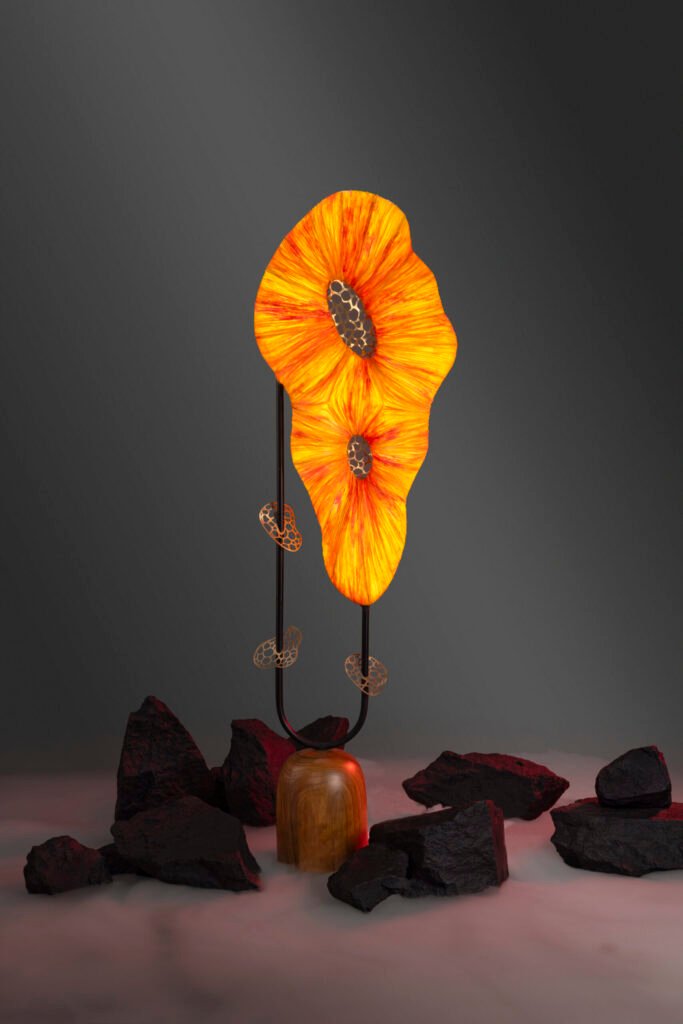
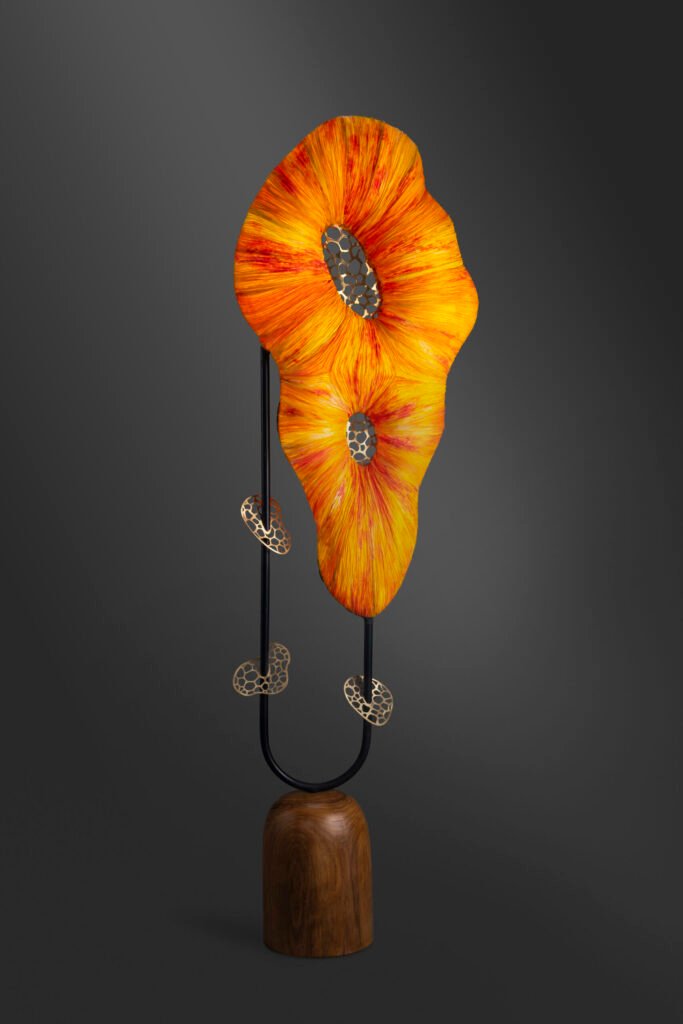
Available as a wall light and floor lamp, Ignis takes its cue from magma… fluid, unpredictable and constantly transforming. Its soft, organic contours deliberately embrace imperfection, creating a silhouette that feels almost alive.
At the heart of the design is Bandhani, the Indian tie-and-dye craft in which fabric is hand-tied and dyed in stages. The colour travels through the textile with a certain beautiful unpredictability, creating depth and variation. Once illuminated, the material glows in molten reds, deep ambers and warm oranges, evoking the heat and drama of earth in flux.
Here, chance and control work beautifully together. The result is a luminaire that feels less manufactured than formed… as though a fragment of molten landscape has been paused in light.
Pashaan: The Poetry of Stillness
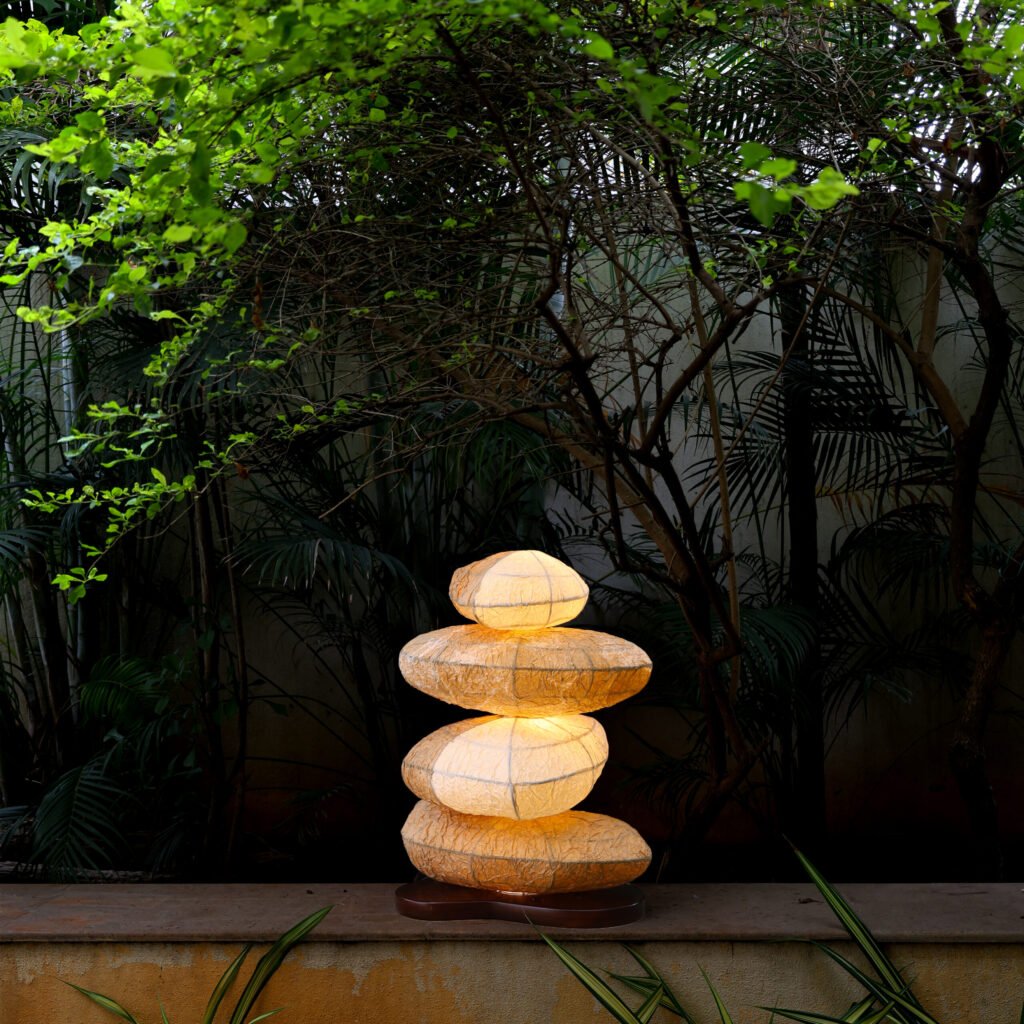
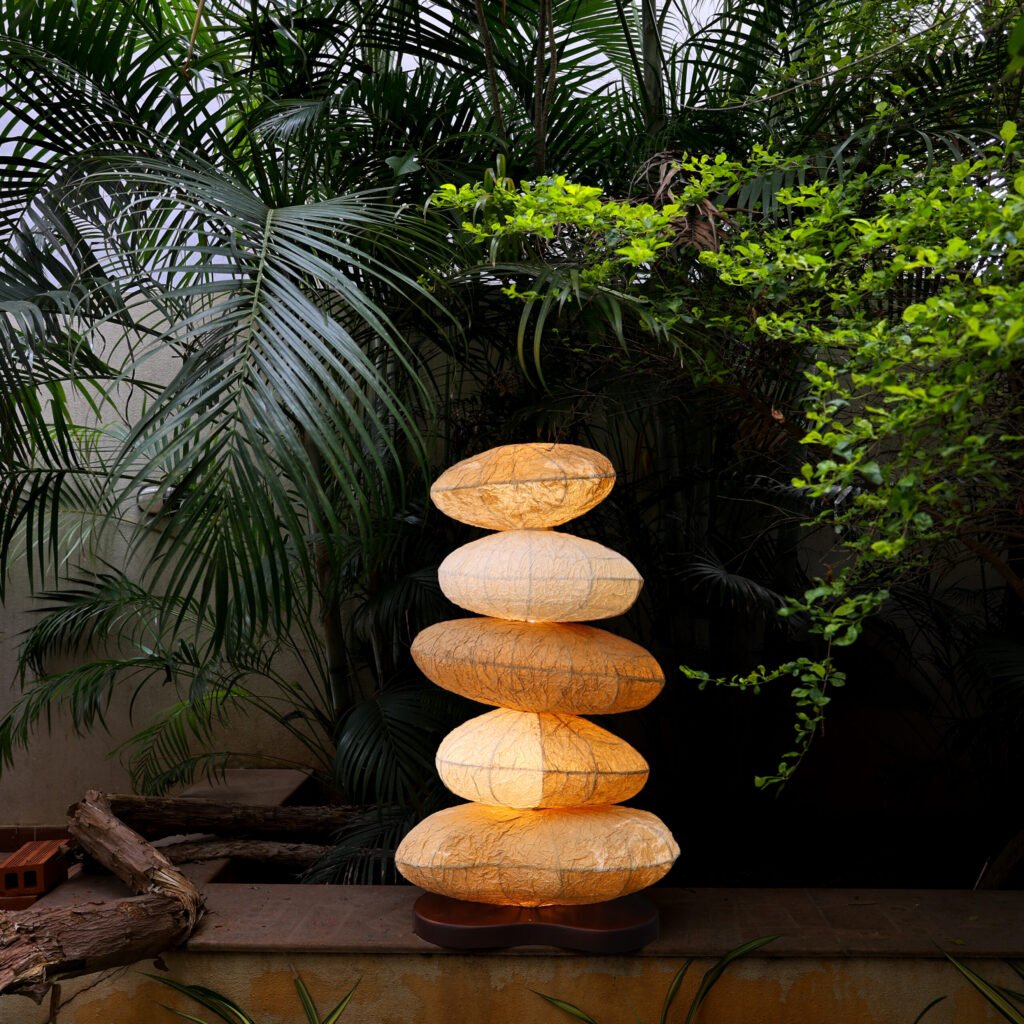
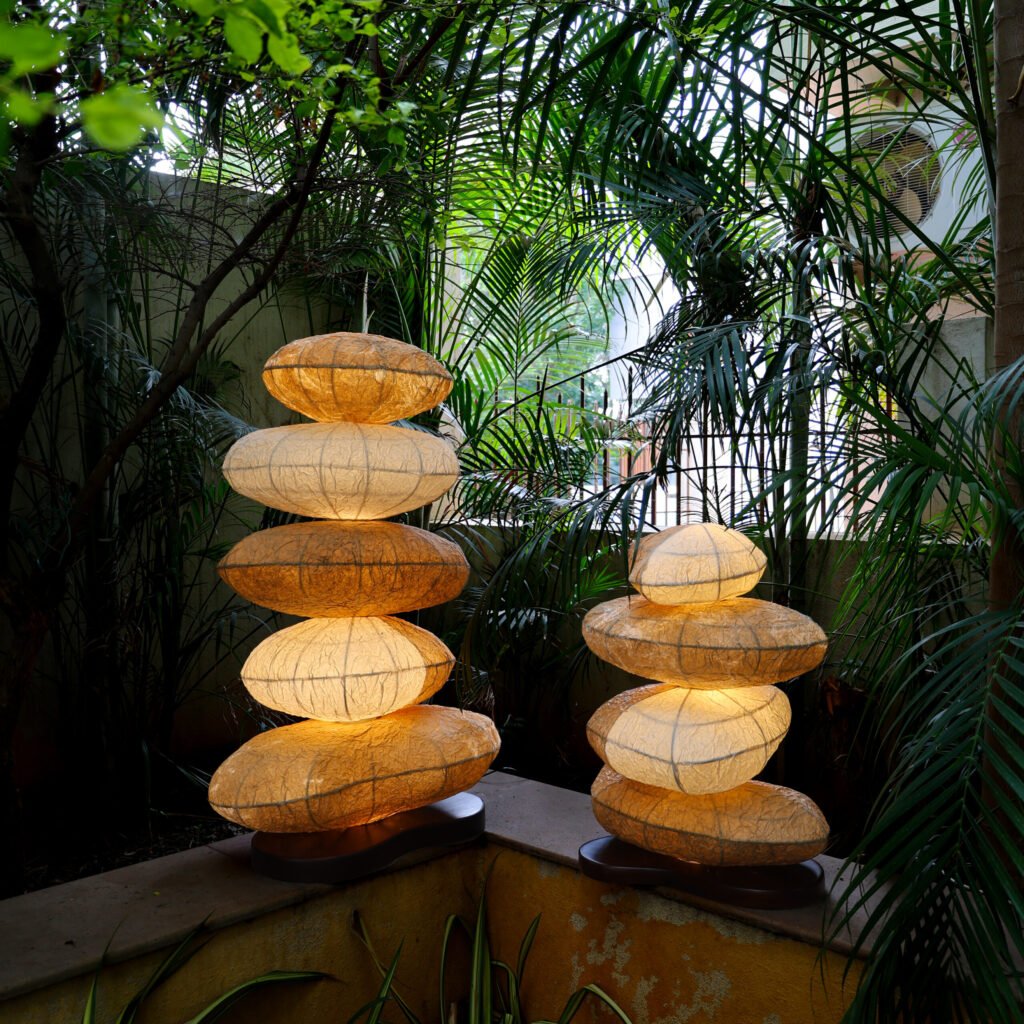
If Ignis is about movement, Pashaan is about repose. Inspired by the tranquillity of eastern gardens and their carefully balanced pebble sculptures, the floor lamp is composed of oblong, rock-like forms stacked one above another.
Each element is handmade using coffee-dyed banana fibre paper, giving the piece an earthy, softly weathered character. Rustic yet refined, Pashaan brings a quiet architectural presence to a room, creating an object that feels sculptural even when switched off.
Its appeal lies in restraint. There is no visual clamour here… only balance, texture and the meditative rhythm of stone.
Pravah: When Light Learns to Climb
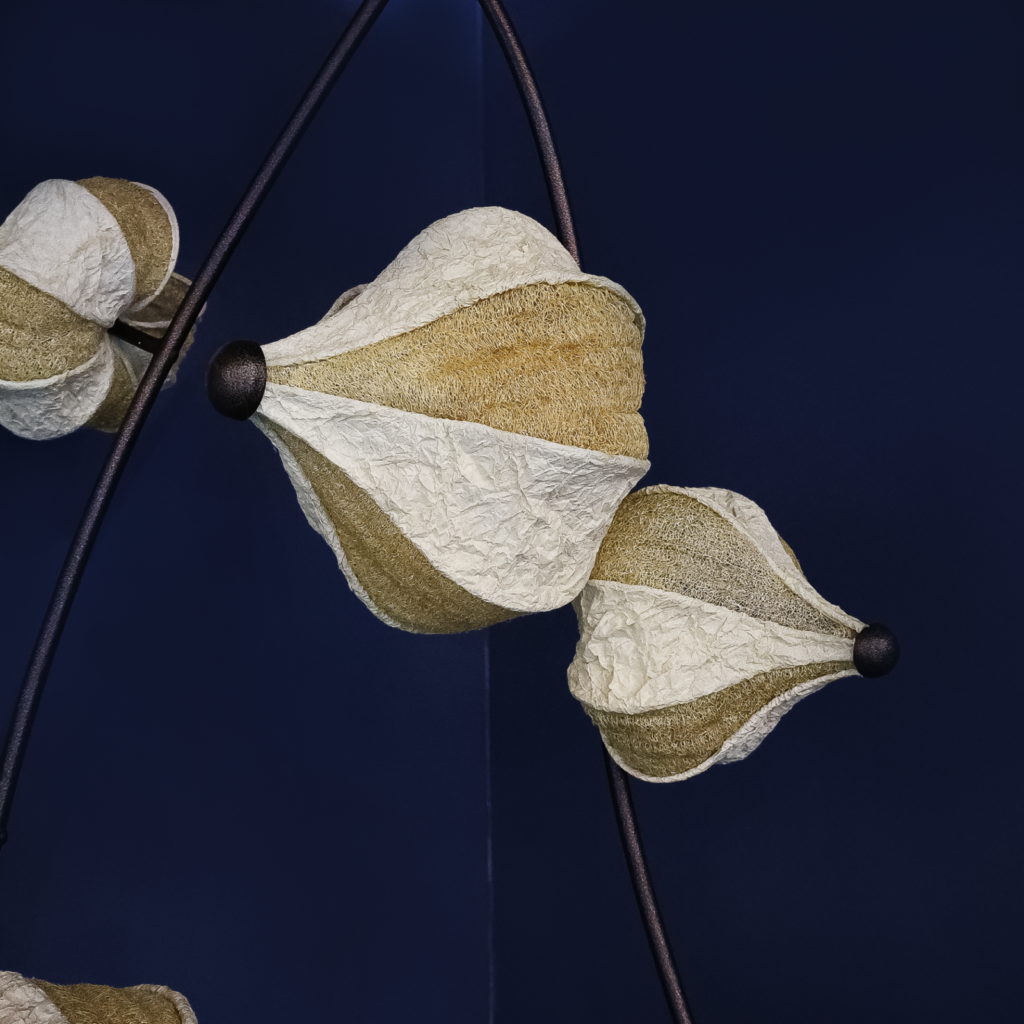
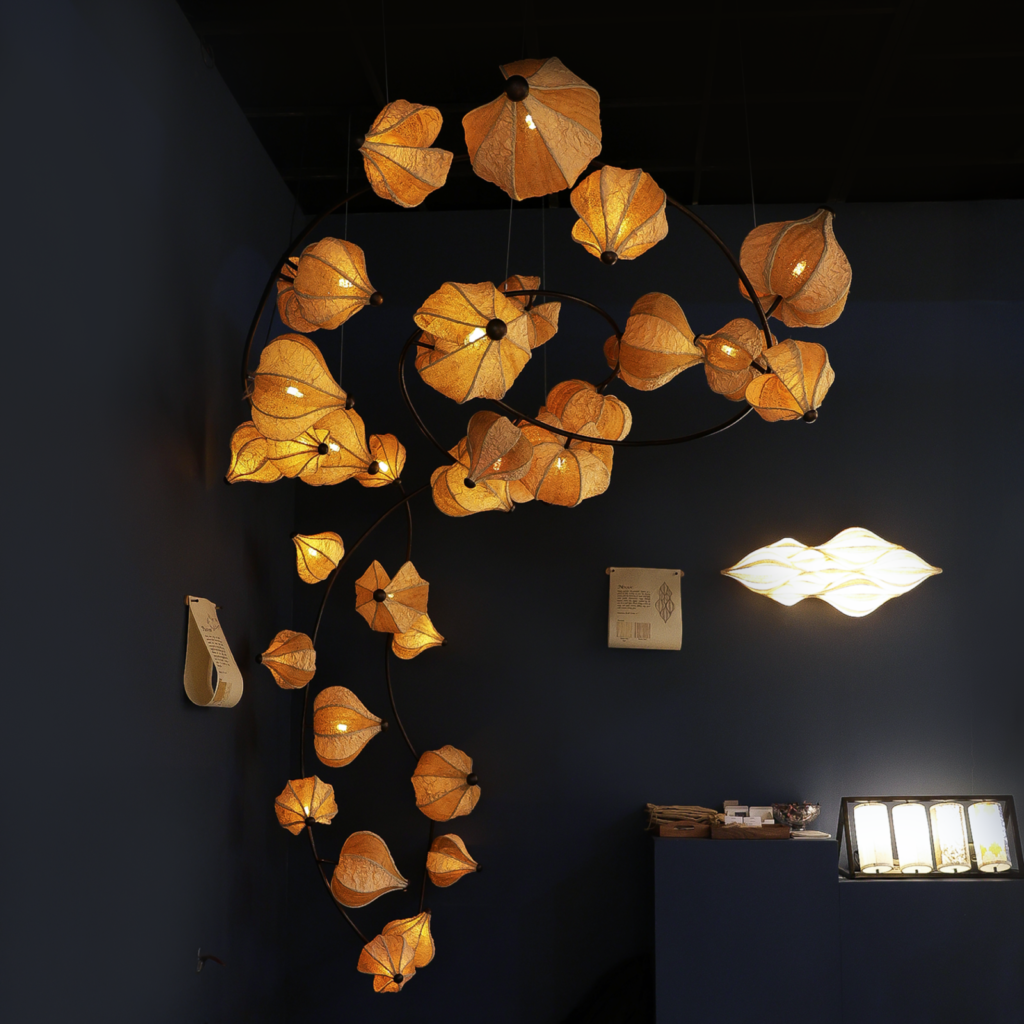
“Change doesn’t always rush forward; sometimes it climbs,” says Priti. Pravah, meaning ‘flow’, captures precisely that idea.
The chandelier draws inspiration from tendrils and creepers, translating their upward, searching movement into an expressive lighting form. Crafted from loofah and banana paper, its organic shapes appear to climb towards an imagined source of sunlight, creating a sense of continuous growth.
The collection also makes a compelling case for lighting as sculpture. Rather than merely illuminating a space, each piece introduces shadow, texture and mood, changing character with the room around it. It is functional design, certainly, but with an artistic temperament all its own.
Together, Ignis, Pashaan and Pravah form more than a lighting collection. They are a study in how traditional Indian craft can evolve without losing its soul. Ashni’s approach is tactile, thoughtful and distinctly contemporary, allowing humble materials to become objects of atmosphere and artistry.
In a world increasingly obsessed with polished perfection, Ashni offers something more nuanced: beauty that remembers the hand, celebrates irregularity and takes its cues from the living world.
And perhaps that is the collection’s greatest illumination… sometimes, the most sophisticated design is simply nature, translated by hand.
THEGLITZ TAKE: Let There Be Light — But Make It Art.
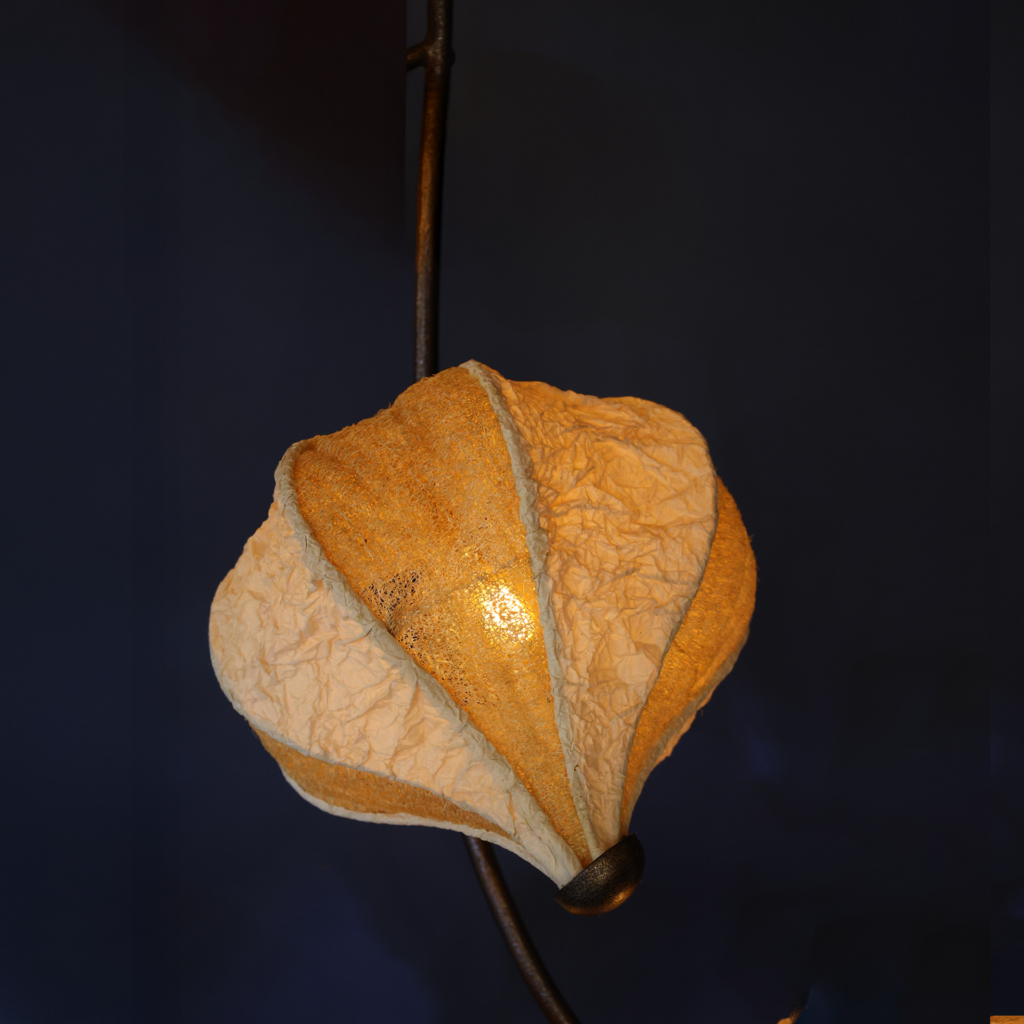
Ashni doesn’t simply light up a room; it gives the room a little poetry. Priti Mehta takes Bandhani, banana paper and loofah… — materials with wonderfully earthy, imperfect personalities… and turns them into sculptural objects that seem to have grown, flowed or emerged rather than been manufactured.
We love the way Ignis glows like molten earth, Pashaan sits in meditative balance and Pravah appears to climb towards the sun.
Our verdict? When nature meets Indian craft and a very clever designer, even a humble lamp can have main-character energy.