Solo travel
Solo travel, as I see it, is the ultimate act of liberation. But between Instagram-perfect sunsets and the reality of navigating an unfamiliar world alone, there is a more complicated story. The question isn’t whether we should travel solo. It’s whether the travel industry, our destinations and society are doing enough to make that freedom genuinely safe.
There is something gloriously seductive about the idea of travelling alone. No negotiating itineraries, no waiting for someone to finish shopping, no compromising on the restaurant you want to try or the little coastal village you have suddenly decided to explore. You wake up when you please, follow your curiosity and allow a destination to surprise you. For once, the only person you have to accommodate is yourself.
As someone who loves travel, culture and the delicious unpredictability of discovering a new place, I understand the appeal. But I also believe we need to stop romanticising solo travel to the point where we airbrush out its risks. The Instagram version shows a woman in a flowing dress against a Mediterranean sunset. It rarely shows her checking whether the lane back to her hotel is well lit, whether her cab is taking the correct route or whether the charming stranger at the bar is quite as charming as he first appeared.
My position as an avid traveller and TheGlitz Founder & Editor-in-chief, is simple: solo travel can be empowering, enriching and perfectly manageable. But confidence is not a safety strategy, and courage is not a substitute for infrastructure.
The Solo Travel Myth: Fearless Is Not the Same as Safe
The travel industry has done a brilliant job of packaging independence as an aspirational lifestyle. Solo travel, particularly for women, has become shorthand for self-discovery, personal growth and the freedom to live on one’s own terms.
There is merit in that narrative. Travelling alone can sharpen decision-making, build resilience and introduce you to people and experiences you might never encounter in a group. You learn to navigate unfamiliar streets, trust your judgement and enjoy your own company.
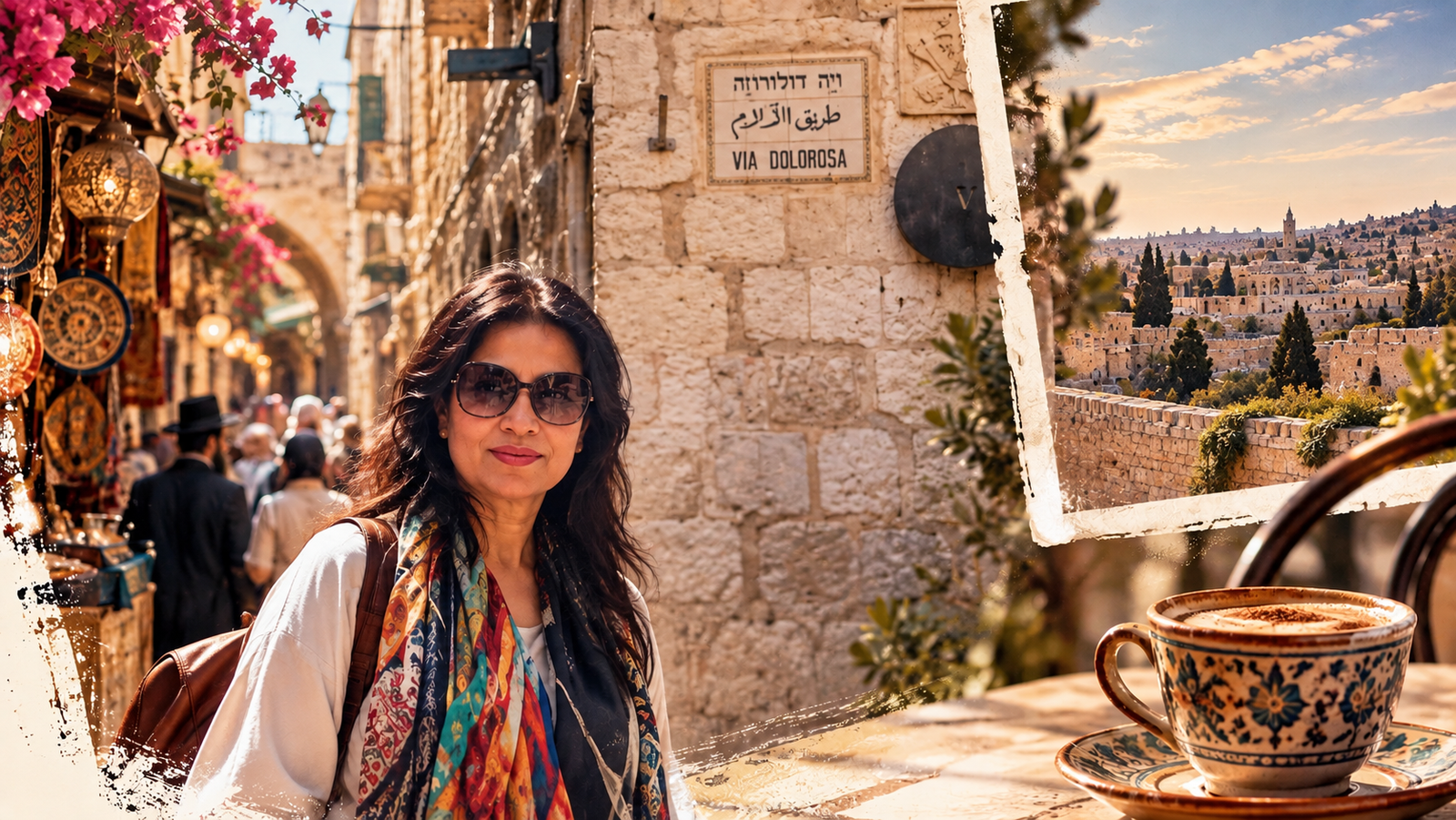
But there is another side to it too. I remember in the hustle-bustle of Jerusalem’s very colourful bazaar, I decided to take a breather so sat down in a cafe, a little tired from all the walking I did through the many narrow lanes lined by tiny shops. I ordered a coffee and then sat down to soak in the vibrant ambience. A few minutes later, the cafe owner came with the coffee and after making some small talk… he suddenly grabbed my hand and declared, “I love brown skin.”… Shocked and extremely unnerved, I dropped the coffee in a panic and hastily walked out of the cafe into the lanes than led to a different place… trying to put as much distance as possible from the cafe.
A little later, a street vender suddenly came up to me and said, “Why did you run? The cafe owner is a very kind man.” That creeped me out to the core and I rushed out of the place in a panic, called my driver and sped back to my hotel.
Safety First!
Not every concern is irrational. Not every place offers the same degree of personal security. And not every traveller encounters the world on equal terms.
A woman travelling alone may have to think about harassment, unwanted attention, transport after dark and the safety of her accommodation in ways that another traveller might not. A person with a disability may face entirely different risks. A queer traveller may need to research local laws and social attitudes before booking a room.
The point is not to frighten people out of travelling. It is to recognise that safety is contextual. The sensible traveller isn’t the one who feels no fear; it is the one who knows which risks are manageable and which are simply not worth taking.
The Gender Question We Cannot Keep Dodging
Women are often expected to perform an extraordinary amount of invisible labour simply to move through the world safely.
They research neighbourhoods, check hotel reviews, share live locations, send registration numbers to friends, monitor their drinks and calculate the time it will take to return to their accommodation. Even a spontaneous evening can involve a quiet mental checklist.
And if something goes wrong, the questions often arrive with remarkable speed. Why was she alone? Why did she go there? Why was she out so late? Why did she trust that person?
This is victim-blaming dressed up as practical advice.
Personal precautions matter, of course. But they cannot absolve destinations, transport providers, hospitality businesses or authorities of their responsibility to protect travellers. Safety cannot be reduced to a woman’s ability to anticipate every possible threat.
The answer cannot simply be to tell women to be more careful. Destinations must also become more accountable.
Is the World Becoming Safer for Solo Travellers?
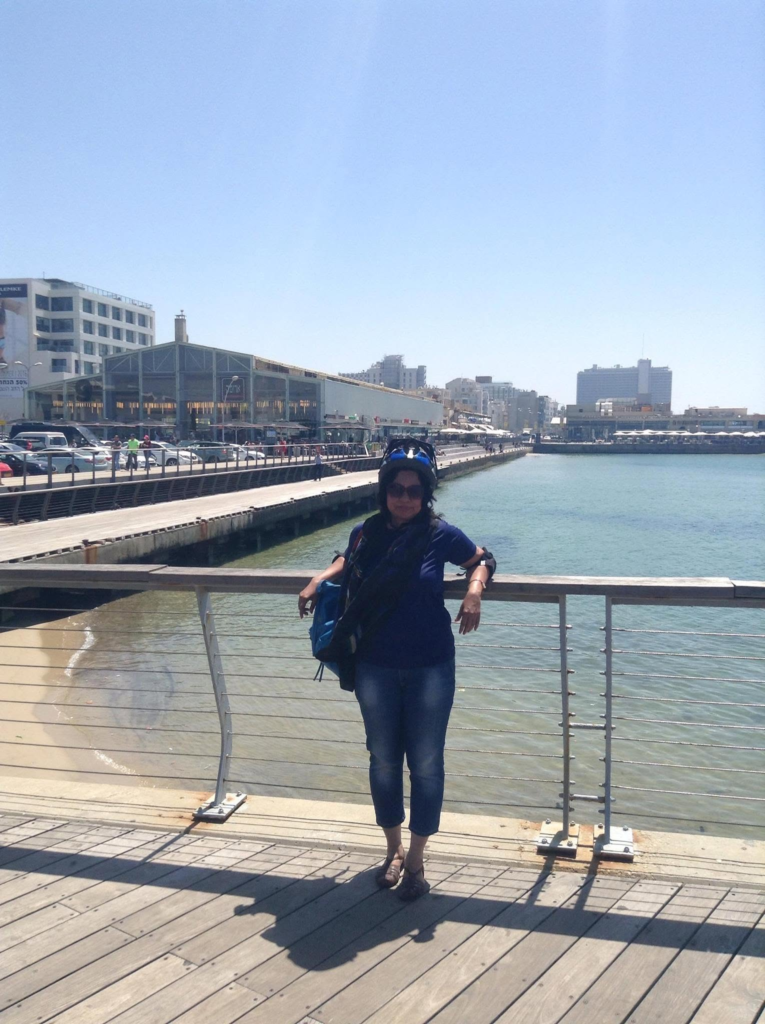
There is no honest, universal yes-or-no answer. Safety varies by country, city, neighbourhood, time of day, transport system and the individual traveller’s circumstances. Even within one destination, a busy tourist district and an isolated road can offer radically different experiences.
International tourism remains robust. UN Tourism estimated approximately 1.52 billion international tourist arrivals in 2025, around 4% more than in 2024. That signals the continued appetite for travel; it does not establish that travelling alone has become safer. Visitor numbers and personal safety are two entirely different measures.
Popular destinations are not automatically safe destinations. Nor does a destination’s reputation for friendliness guarantee reliable emergency services, trustworthy transport or adequate protection against harassment.
For Indian travellers heading overseas, official travel advisories should be part of the research process, alongside local reporting and recent traveller experiences. For international visitors exploring India, the same principle applies. No destination deserves either blanket condemnation or unquestioning praise.
I would rather spend an extra hour researching local transport than spend the evening pretending that a beautiful destination makes every situation harmless.
If You Feel Unsafe: Five Things to Do Immediately
This is the part of solo travel advice I wish received as much attention as packing hacks and picture-perfect itineraries. When something feels wrong, you do not need to prove that the danger is real before taking action. Your priority is to create distance, reach safety and get help.
1. Trust Your Instincts and Leave
If a conversation becomes intrusive like it did with me, someone is following you, a driver is behaving suspiciously or a situation simply feels wrong, leave if you can do so safely. You do not owe anyone an explanation, a smile or another five minutes of your time.
Move towards a busy, well-lit public place, a staffed hotel reception, a reputable restaurant or a security desk. Avoid isolated shortcuts, empty car parks and unfamiliar side streets.
TheGlitz reminder: Being polite is optional. Being safe is not.
2. Contact Someone You Trust
Call a trusted friend or family member and tell them where you are, what is happening and what you intend to do next. Share your live location if it is safe to do so, and provide a vehicle registration number or other identifying details when relevant.
If you believe you are being followed, do not lead the person to your hotel room or another private location. Head towards a staffed public place and ask for assistance.
If you cannot speak freely, send a brief message with your location and a clear request for help. Agreeing on a check-in routine before your trip can make it easier for someone to recognise when you need assistance.
3. Get Help From People Who Can Act
Approach hotel security, a shop manager, transport staff, venue security or local authorities. Be specific: explain what is happening and what you need, whether that is a safe place to wait, help contacting police or assistance arranging transport.
Do not assume that every stranger offering help has your best interests at heart. Choose identifiable staff or official personnel wherever possible.
If you are abroad, know the local emergency number before you need it. Save your country’s embassy or consulate contact details when travelling internationally.
If there is an immediate threat, seek emergency assistance rather than spending time trying to resolve the situation yourself.
4. Take Control of Your Transport and Accommodation
If a cab takes an unexpected route, refuses to stop or makes you uncomfortable, contact someone you trust and request assistance. Where safe and practical, ask to be let out at a busy, populated location rather than an isolated spot. If you suspect immediate danger, contact emergency services.
Use established transport providers and verify the vehicle and driver details before getting in. Never feel obliged to continue a journey simply because you have already paid or do not want to offend the driver.
If your hotel or accommodation feels unsafe, speak to management, request a room change or move to another reputable property if necessary. Keep enough money and access to a backup payment method to make an alternative arrangement.
Your itinerary is not a contract. You are allowed to change it.
5. Document the Incident and Report It
Once you are somewhere safe, record the relevant details while they are fresh: the time, location, names, vehicle registration, messages or other information that may help establish what happened. Preserve screenshots and avoid deleting communications that could be useful.
Report serious incidents to the appropriate local authorities. If you are overseas, contact your embassy or consulate for guidance where appropriate. If the incident involves a hotel, tour operator or transport provider, make a formal complaint as well.
You do not have to decide immediately whether to pursue every possible avenue of reporting. Your first priority is your safety and wellbeing. Seek medical attention if needed, and contact someone you trust for support.
Remember: Feeling unsafe is reason enough to take precautions. You do not have to wait for a situation to escalate before acting.
The Real Luxury Is Having Options
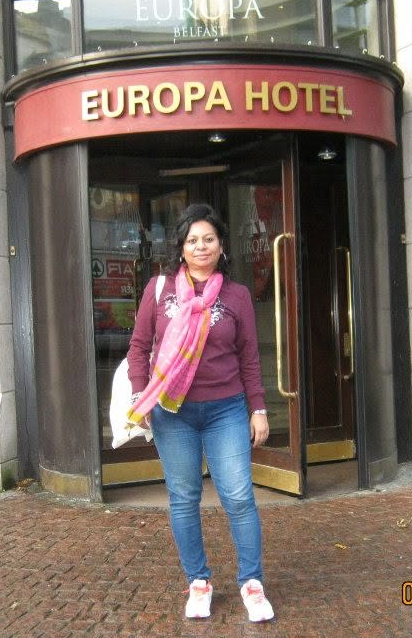
Luxury travel is frequently defined by thread counts, infinity pools, private transfers and exquisite service. But for the solo traveller, the most meaningful luxury may be something less photogenic: control.
Control over how you get back to your hotel. Control over whether you can change accommodation without financial disaster. Control over leaving a situation that feels uncomfortable without having to explain yourself.
This is where money becomes an important, often overlooked part of travel safety. A traveller with a flexible budget may be able to switch hotels, book a reliable transfer or leave a destination early. Someone travelling on a strict budget may have fewer choices.
That does not mean expensive travel is inherently safer. A luxury hotel cannot eliminate every risk, and a modest guesthouse is not automatically unsafe. What matters is the availability of dependable options and the financial ability to use them when necessary.
For me, good travel planning is not about eliminating spontaneity. It is about creating enough security that spontaneity becomes enjoyable rather than reckless.
The Digital Safety Net: Useful, But Not Infallible
Smartphones have transformed solo travel. Digital maps, verified bookings, translation tools, ride-hailing applications and location sharing can make unfamiliar places easier to navigate.
Yet technology can also create false confidence. A live location does not guarantee that someone is watching it. A ride-tracking feature cannot prevent every incident. A five-star online review is not a background check.
Share your itinerary with someone you trust, keep emergency contacts accessible offline, research your accommodation and transport before arrival, maintain a backup payment method, and avoid posting your exact location in real time if doing so could compromise your privacy.
Trust your instincts, too, but understand their limits. Discomfort is a perfectly valid reason to leave a situation. You do not need courtroom-standard evidence to decline a lift, change a table or walk away from an overly persistent stranger.
Preparation should make you feel more independent, not more frightened.
Should You Travel Solo, Then?
Absolutely… if it is something you genuinely want to experience. But do it with your eyes open.
Start with a destination whose transport, accommodation and local conditions you can research confidently. Arrive during daylight when possible. Keep your first day’s itinerary relatively flexible. Understand local customs without assuming that cultural familiarity guarantees personal safety. Have a plan for getting back to your accommodation, and give yourself permission to change your mind.
Most importantly, do not confuse a carefully planned trip with a timid one.
There is no prize for taking unnecessary risks to prove that you are independent. Equally, there is no reason to surrender the joy of travel because the world is imperfect.
TheGlitz Take
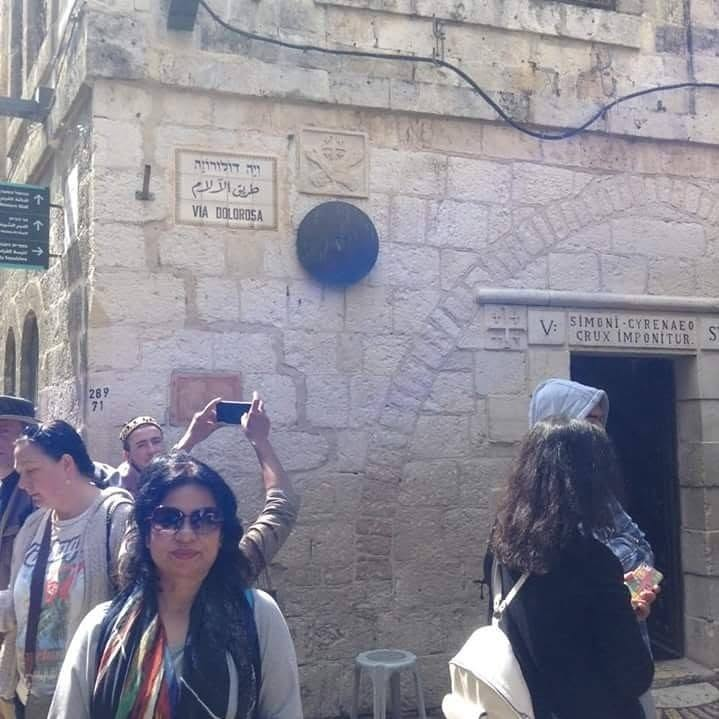
I love solo travel and I honestly find the idea of solo travel compelling precisely because it gives us room to hear ourselves think. There is a particular pleasure in sitting at a café in an unfamiliar city, watching the world pass by and realising that you don’t need to negotiate your experience with anyone else.
But independence should not mean being left to fend for yourself.
The travel industry cannot keep selling women the fantasy of fearless exploration while leaving them to shoulder the practical burden of staying safe. Hotels must take guest security seriously. Transport providers must be accountable. Governments must make reporting and assistance accessible. And fellow travellers must stop treating caution as a failure of courage.
My verdict? Travel alone for the freedom, the discovery and the sheer pleasure of belonging to no one’s itinerary but your own. Be adventurous, not careless. Be open, not indiscriminate. And never let anyone convince you that taking your safety seriously makes you less brave.
The ultimate luxury of solo travel is not proving that you can survive the world alone. It is being able to explore it with confidence, dignity and the freedom to choose.
Add a compact pre-trip safety checklist. Tighten repeated safety guidance