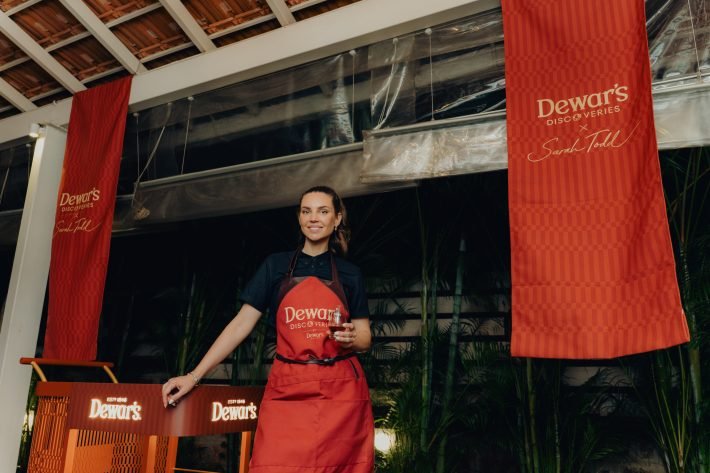

Senjuti Mahato, Earth Story Farms
What happens when the instinctive wisdom of a seventh-generation farmer meets the sharp commercial eye of a woman who has spent nearly two decades in advertising? In the case of Senjuti Mahato, Co-Founder of Earth Story Farms, it creates a rather compelling proposition: food is not merely something we grow, cook or consume… it is a living repository of geography, culture, memory, knowledge and identity.
Her journey has taken her from understanding the rhythms of the farm to questioning why so many of India’s most distinctive ingredients, indigenous varieties and traditional food practices remain economically undervalued. Founded by Abhishek Choudhury and Co-Founded by Senjuti Mahato, Earth Story Farms (ESF) was born in that very gap… with an ambition to build stronger value chains around farmers, artisans and native foods while making India’s extraordinary food heritage relevant and desirable to the contemporary consumer.
What makes Senjuti Mahato’s perspective particularly fascinating is that she refuses to view preservation through the rose-tinted lens of nostalgia. For her, saving India’s food heritage is about creating a viable future for it.
Whether it is mahua transformed from a culturally marginalised forest food into a contemporary snack, heirloom rice varieties such as Tulaipanji, Gobindobhog and Chak Hao, indigenous cheeses, forest honey or traditional Nolen Gur, she sees provenance as something far more meaningful than a story printed on a label. It is about the farmer, the landscape, the process, the knowledge and crucially, whether the economic value actually finds its way back to the people who have preserved that knowledge for generations.
And perhaps that is what makes her conversation so timely. At a moment when “clean”, “natural”, “native” and “heritage” have become fashionable food-world buzzwords, Senjuti Mahato asks us to look beyond the packaging and question what is genuinely happening at source.
She talks about the complexities of working across nine states, the challenges of seasonality and supply chains, the role of food technology, the art of making indigenous foods desirable without making them anonymous, and why the next generation of farmers could fundamentally change the way India grows, buys and eats.
Here, in an exclusive conversation with Sumita Chakraborty, Founder & Editor-in-Chief, TheGlitz, Senjuti Mahato of Earth Story Farms talks about India’s forgotten flavours, the politics of food, the business of preserving indigenous wisdom, and why the future of Indian food may lie in trusting the intelligence of our own food systems again.
Over To Senjuti Mahato, Earth Story Farms
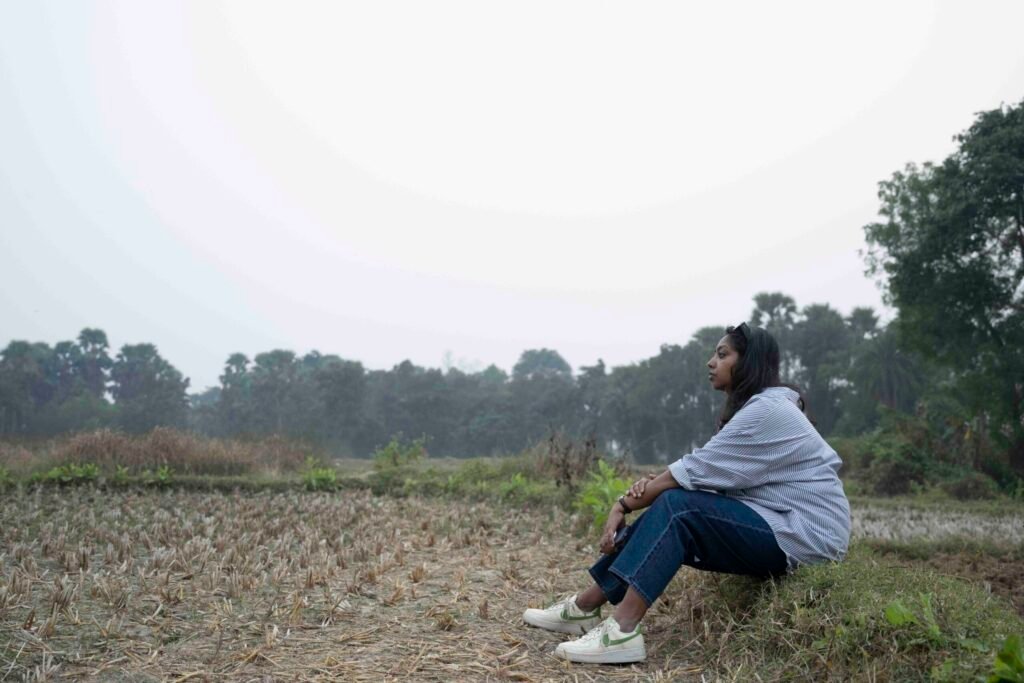
You are a seventh-generation farmer, yet you also come with nearly two decades of experience in advertising. How have these two worlds… the instinctive wisdom of farming and the strategic lens of advertising… shaped the way you built Earth Story Farms?
I think the two worlds have taught me to look at food as both a cultural system and a commercial system.
Growing up in a family of farmers gave me an instinctive understanding of seasonality, provenance, crop cycles and, importantly, the amount of knowledge embedded in something as simple as an ingredient. You learn very early that food is not just a commodity. It carries geography, climate, technique and generations of accumulated knowledge.
Advertising taught me to look at the other side of the equation: how value is created, communicated and scaled. After nearly two decades of building brands, I became very interested in the gap between the real value of a product and the value the market actually assigns to it.
That gap is really where Earth Story Farms began.
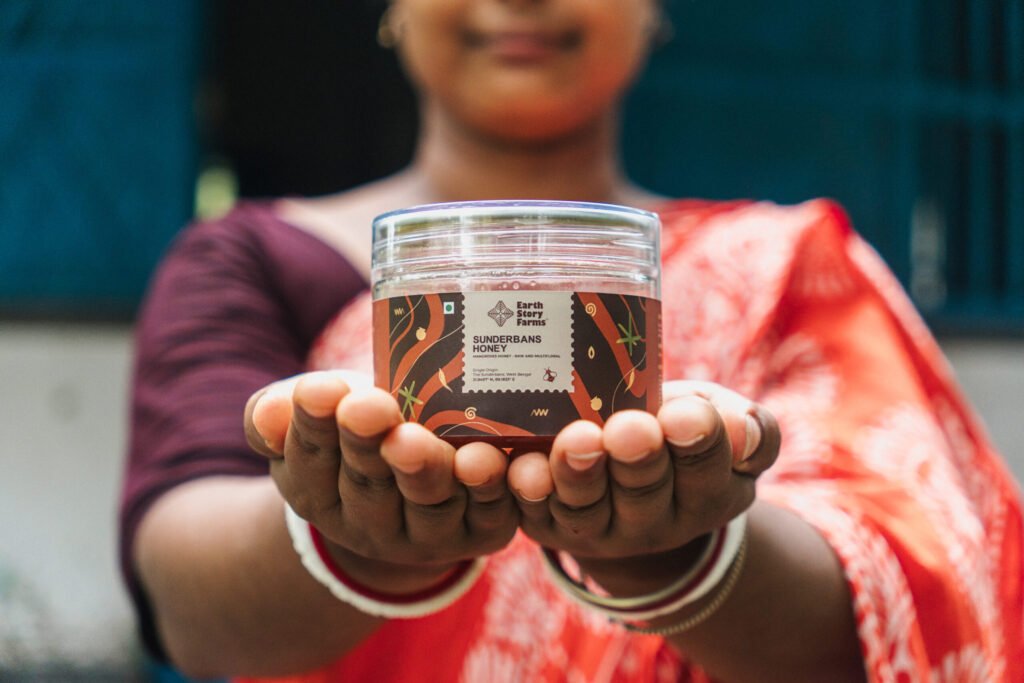
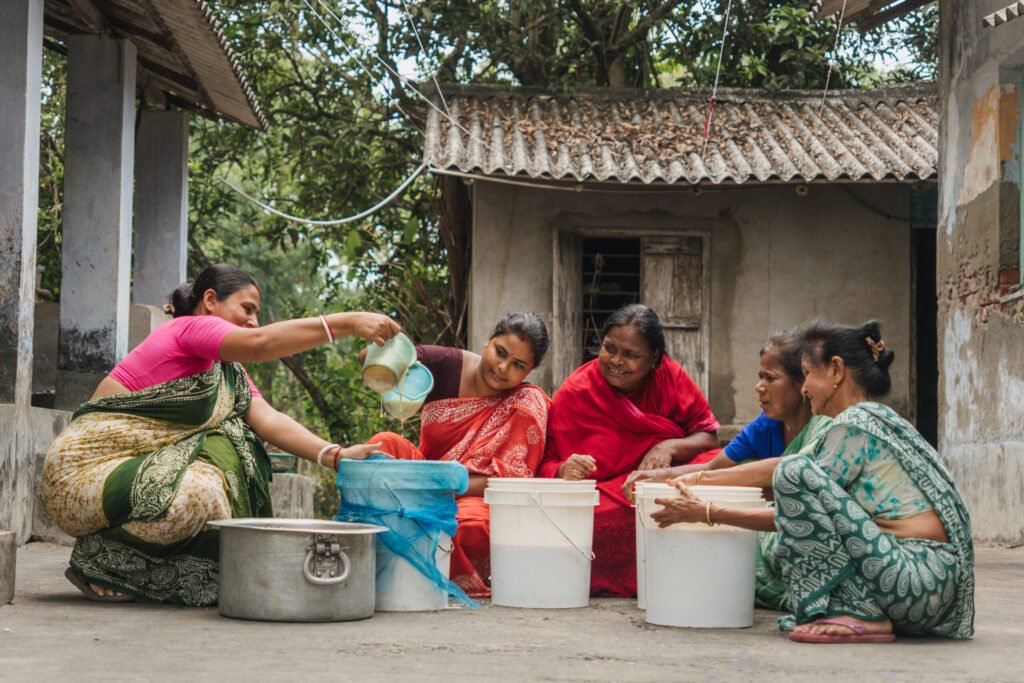
We work with farmers and artisans around ingredients and food traditions that are deeply rooted in their regions, but often remain economically undervalued. Our job is to build the value chain around them better growing, processing, product development, provenance, branding and market access so that more of the value comes back to the people and places that created it.
So, in a way, farming taught me where value originates, and advertising taught me how value moves through a market. ESF sits at that intersection. We are trying to make India’s food heritage commercially viable enough to survive and valuable enough for the people who preserve it to continue doing so.
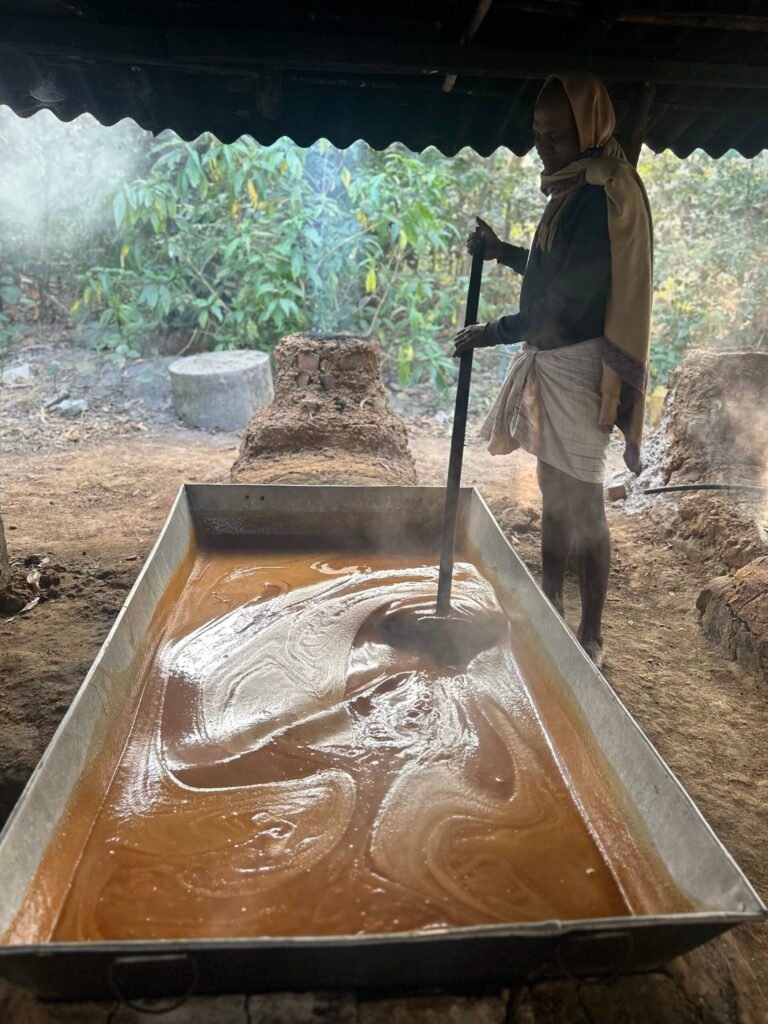
You speak passionately about native and pure produce. What, in your view, have we lost in the pursuit of commercially convenient food… and which indigenous ingredients or varieties do you believe urgently need to be rediscovered? Could you name or share anecdotes about the produce you stock? Like the cheese, mahua raisins…
I think what we have lost is not simply “traditional food”. We have lost specificity, memories, the taste of a place, the seasonality of an ingredient, the knowledge of how it was grown, harvested and made. In the pursuit of consistency, convenience and shelf life, we have often made food more uniform and homogenised.
A rice from Bengal starts tasting like rice from everywhere; a jaggery becomes simply “sweet”; a cheese loses the character of the animal, the pasture and the maker. And somewhere along the way, we have also lost a lot of nutritional diversity.
For me, provenance is not a romantic idea. It has very practical consequences. What you grow, where you grow it, how you harvest it and how little you interfere with it all affect what eventually reaches your plate. Indigenous varieties evolved in particular ecologies and were often selected over generations for their ability to thrive there. When we replace that diversity with a handful of commercially efficient varieties, we don’t just lose flavours; we narrow the food system.
Some of the products we work with make this loss very tangible. Mahua is a good example. It is an incredibly interesting forest food with a long history across tribal communities, but most urban consumers know very little about it beyond its association with a spirit. We work with mahua flowers and turn them into a nutritious snack, and when you taste them, there is this extraordinary caramelised, almost fruity depth. Suddenly an ingredient that has been culturally and commercially marginalised becomes something you can understand and enjoy in an entirely different context.
Then there are things like our heirloom rice varieties: Tulaipanji, Gobindobhog, Chak Hao, where the grain itself tells you something about the ecology and food culture it comes from. Or our indigenous spices and forest honey, where origin genuinely changes the sensory profile.
And cheese is another example I find fascinating. A good indigenous cheese is not trying to imitate an industrial European cheese. Its character comes from its milk, its environment, its microbial culture and the maker’s technique. That variability is not a flaw to be corrected; it is part of what makes the food interesting.
That, ultimately, is what I feel we urgently need to rediscover: not nostalgia, but diversity. Diversity of crops, flavours, processing methods and nutritional profiles, and the people who have kept that knowledge alive.
At ESF, we’re trying to make these foods relevant to a contemporary consumer without flattening what makes them distinctive. Because if we can create a market for that specificity, we give farmers and artisans an economic reason to keep producing it. And that, to me, is a much more meaningful form of preservation.
You have spent years reading, cooking and travelling to understand produce through its regions, cultures and people. What has travel taught you about the relationship between food and identity that a textbook never could?
Travel taught me something I don’t think a textbook can: food is one of the most intimate ways a community tells you who it is. And the more I travelled, the more I realised that food is never just food. It is culture, but it is also history, economics, politics, migration, memory and identity; often all on the same plate.
I love the way Samin Nosrat talks about food through Salt, Acid, Fat and Heat. But what fascinates me is everything that sits underneath those four things, who decided what was worth cooking, what was available to them, what they could afford, what they were allowed to eat, what they carried with them when they migrated.
You see this very clearly in India. Travel a few hundred kilometres and an ingredient changes meaning. A grain that is everyday food in one place can be almost unknown in another. A forest ingredient can be nourishment, livelihood, ritual and income for one community, while the urban consumer may know nothing about it. Even the way we classify food “tribal”, “regional”, “poor man’s food”, “premium” tells you something about power. And that’s where food becomes political for me.
Who gets to grow something? Who gets to eat it? Whose knowledge is considered valuable? Who gets paid for it? And whose version of that food eventually becomes the commercially accepted one?
Travel has made me much more suspicious of the idea that there is one “authentic” Indian cuisine. There are thousands of them. Authenticity is often local, seasonal and constantly evolving. What matters is understanding the context rather than freezing something in time and calling it traditional.
That’s also changed the way I look at what we do at Earth Story Farms. When I meet a farmer or an artisan and understand why a particular rice is grown, why a particular jaggery is made in a particular way, or why an ingredient exists in a community’s food culture at all, I don’t just see a product anymore. I see a piece of identity and a body of knowledge.
And perhaps that’s the biggest thing travel has taught me: when you eat someone’s food, you’re being allowed into their history. The least we can do is know whose history we’re eating.
There is a growing premium-food movement around “clean”, “natural”, “native” and “traditional”. How do you distinguish genuine food wisdom from clever marketing dressed up as heritage?
I think the easiest way to distinguish genuine food wisdom from heritage as a marketing device is to look beyond the label and ask what is actually happening on the ground.
At ESF, we ask: Where did this ingredient come from? Who grows or makes it? How has it traditionally been processed? What changes when we scale it? And does the value created actually reach the people and ecosystems that make it possible?
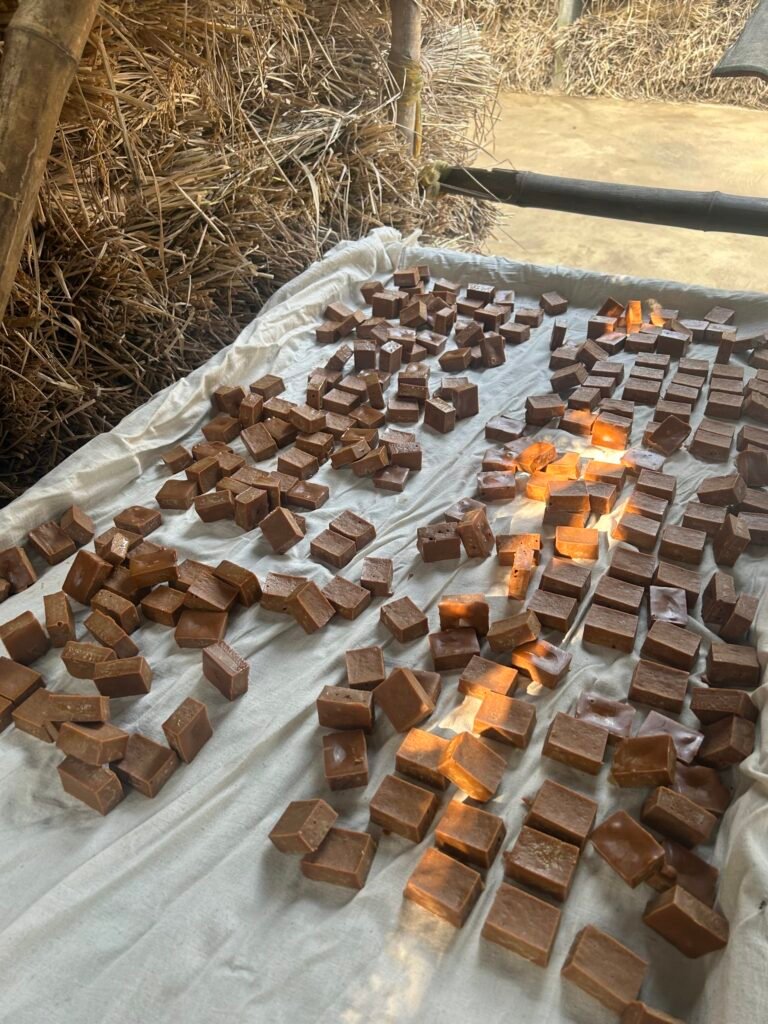
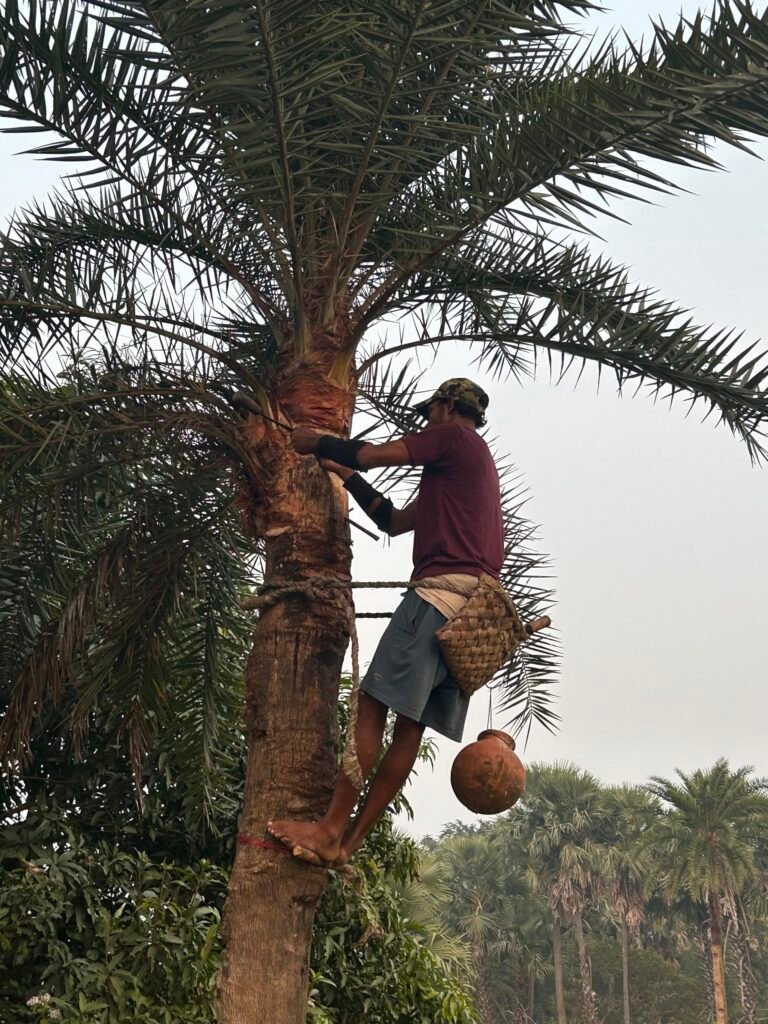
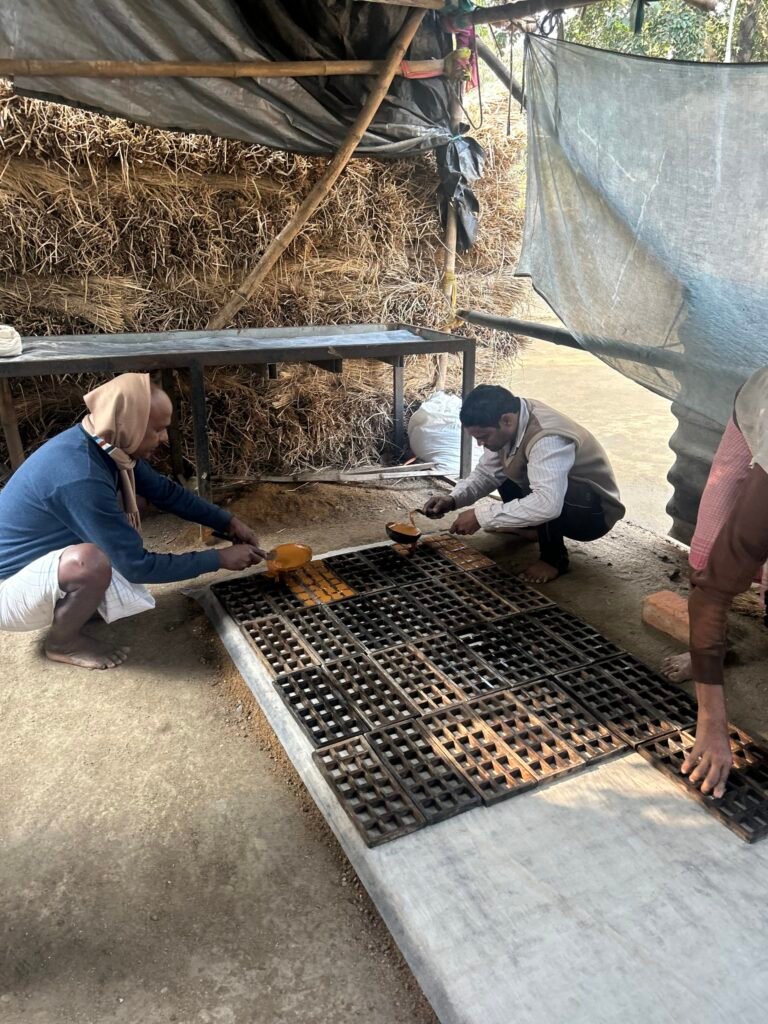
For us, traditional food wisdom is embedded in the method, not just the ingredient. Take Nolen Gur. The heritage isn’t simply that it is date-palm jaggery from Bengal. It is the knowledge of tapping the palm, collecting the sap, and reducing it using traditional methods. If you industrialise every part of that process and retain only the name, you’ve lost the knowledge and livelihood system behind it.
The same applies to our work with indigenous ingredients and regional foods. We look at provenance, seasonality, traditional processing, ecological context and the economics of the producer. If a food is supposedly rooted in a particular landscape but the farmer is being paid poorly, the traditional knowledge is disappearing, or the ecosystem is being depleted to produce it, then I don’t think we can honestly call that a sustainable food tradition.
We also don’t romanticise tradition. Some traditional practices need better food safety, consistency or infrastructure to reach a larger market. Our job is to modernise the system without erasing the intelligence within it.
Ultimately, heritage isn’t a story you tell on the packaging. It’s a system that should still be alive at the source. If the farmer, artisan, landscape and knowledge aren’t part of that system, then ‘heritage’ is probably just advertising.
For a farmer, growing exceptional produce is only half the battle. How difficult is it to build a business around products that may be seasonal, indigenous, less predictable and often unfamiliar to the urban consumer? You also coordinate with 10 states, how challenging is this for you?
It is difficult because you’re essentially building a business around variables that conventional FMCG tries very hard to eliminate: seasonality, geography, variability and limited consumer familiarity. And our job goes beyond that. We also have to build our farmers’ and artisans’ capacity, helping them access government schemes and subsidies, improve infrastructure, transfer knowledge, meet food-safety requirements and scale their production responsibly. At the same time, we have to create the market for these products, which means investing in packaging, consumer education, distribution and marketing, often with very limited budgets. So we are building both ends of the value chain simultaneously.
The supply chain is probably our biggest operational challenge. We work across 9 states, with different crops, harvest windows, processing traditions and infrastructure. And when you work with farmers, you also have to earn trust. You can’t simply arrive before harvest and ask them to change the way they have worked for generations. We have to build relationships, give them confidence that we will work with them consistently, and increasingly move towards year-round value for what are often seasonal livelihoods.
Then there is the question of risk. We have consciously chosen to keep many of our products additive-free, which means we have to solve for shelf life, food safety and consistency without taking the easy route of preservatives or excessive processing. That creates challenges in food technology, packaging and logistics. Packaging has to protect a product that may be more variable and sometimes more fragile, while still communicating what makes it special.
So a lot of what we do at ESF is actually food science and supply-chain design. We use food-tech interventions where they help us preserve the ingredient without fundamentally changing it, better processing, moisture control, packaging technology, shelf-life testing and cold-chain or storage solutions where necessary.
The irony is that the very things that make these foods difficult to scale: seasonality, variability, traditional methods, are also what make them valuable. Our job is not to eliminate that complexity. It is to build enough intelligence into the supply chain to make that complexity commercially viable.
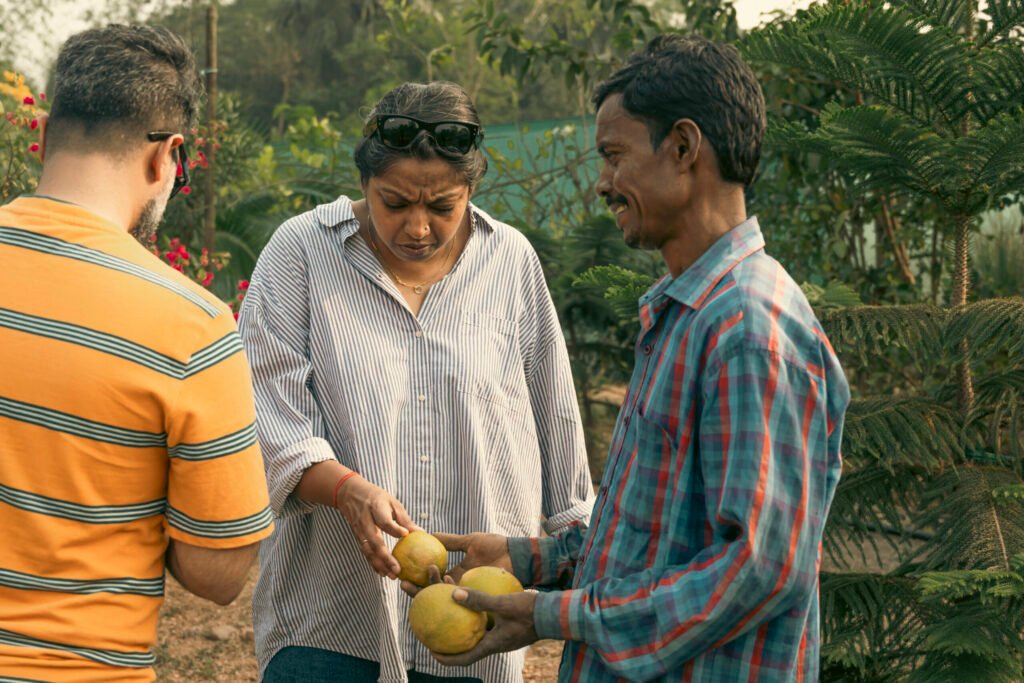
As someone responsible for business development, packaging and marketing, how do you package a traditional or native product for a contemporary consumer without stripping away the story, culture and authenticity behind it?
I think the tension is actually the interesting part. I come at packaging from three different places: as a farmer, I’m protective of provenance and the integrity of the product; as a marketeer, I understand that if the consumer doesn’t notice it, understand it and want to pick it up, the story doesn’t travel; and as someone who genuinely loves beautiful things, I want the object itself to feel desirable.
So I don’t think authenticity means making something look rustic or deliberately “Indian”. That can become another kind of cliché. For me, good packaging is about translation, not decoration. We take the complexity of the ingredient: its region, variety, process, season and people and make that legible to a contemporary consumer without simplifying it into a marketing claim.
That’s where I probably nerd out the most. I think about typography, material, colour, structure, information hierarchy, even how a pack feels in your hand. But underneath all of that, I want the consumer to be able to answer a few basic questions: What is this? Where is it from? Why is it different? And why should I care?
All of this, for me, is also increasingly about knowledge. It isn’t just beautiful packaging or an expensive-looking object. It is knowing that your rice comes from a particular landscape, that your jaggery was made through a particular process, or that an ingredient exists because a community has preserved that knowledge for generations.
So the ambition at ESF is to make these foods feel contemporary and desirable without making them anonymous. We want the packaging to invite you in, but the product and its provenance to give you something to discover.
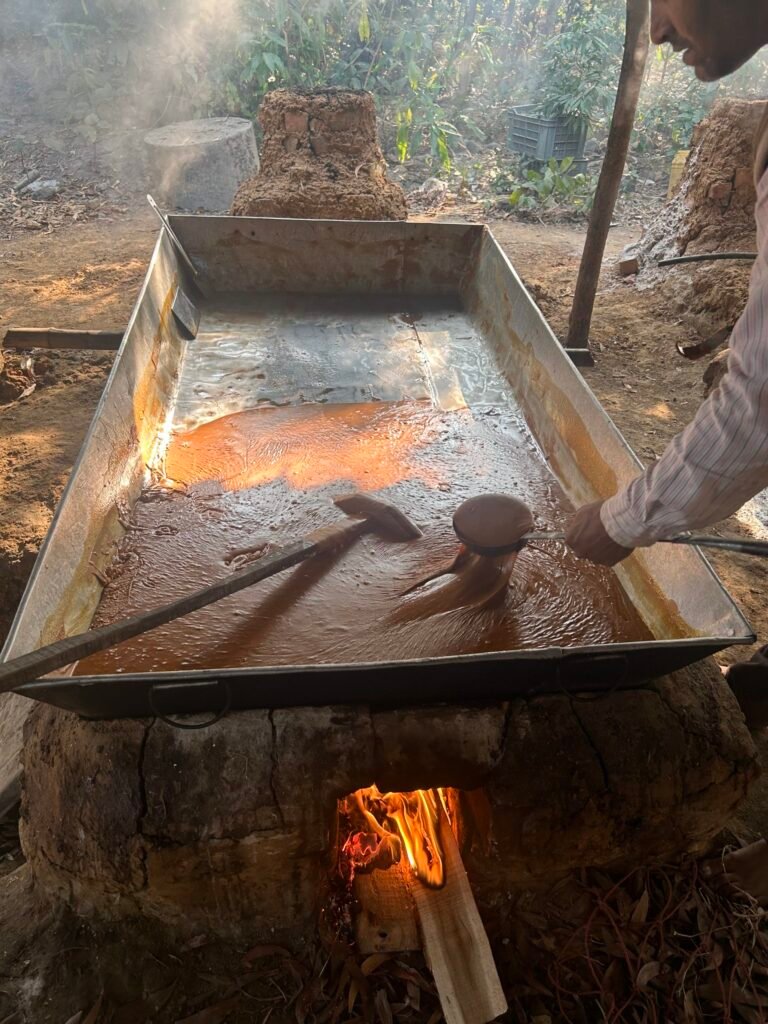
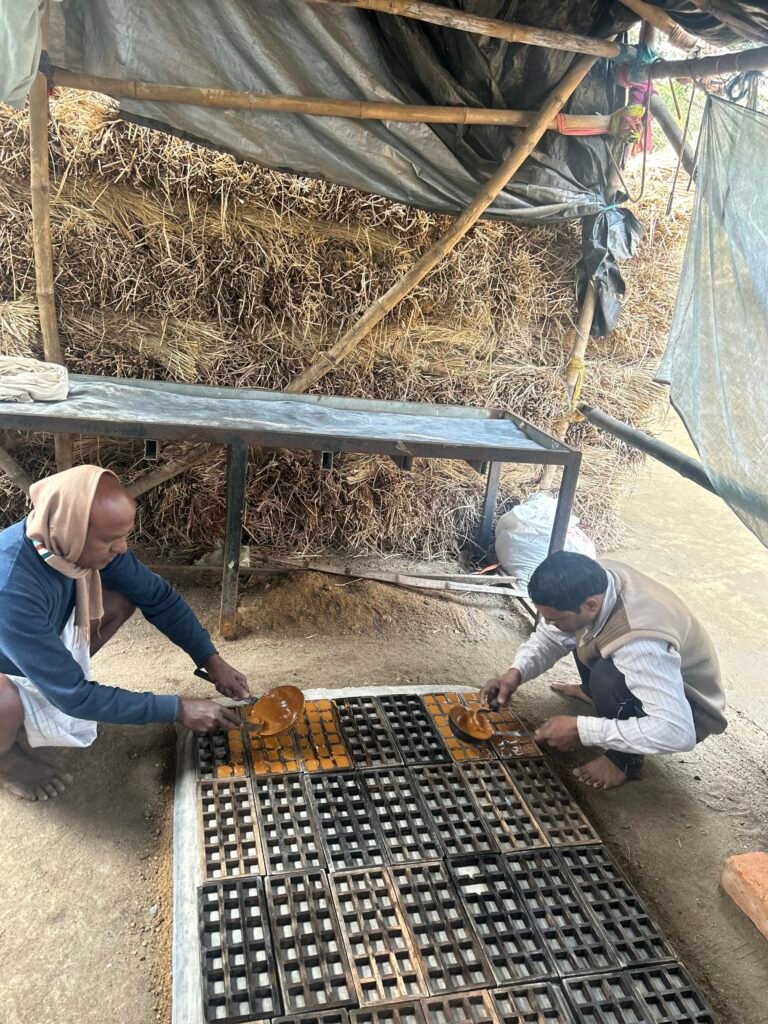
If Earth Story Farms could change one thing about the way India grows, buys and eats food over the next decade, what would you want that change to be and what role do you see the next generation of farmers playing in it?
I think if Earth Story Farms could change one thing, it would be to make India trust the intelligence of its own food systems again.
I’m not against global food culture; a melting pot is wonderful. But occasionally borrowing from elsewhere is very different from overlooking the gold mine sitting in your own backyard. We have extraordinary crop diversity, indigenous knowledge, regional processing techniques and food cultures that are incredibly well adapted to our ecologies. We need to stop treating them as backward simply because they are not industrial.
That also means gradually moving away from monoculture and towards more diverse, resilient food systems. Because crop diversity isn’t just about what we eat; it is also about what we preserve; soil health, local ecosystems, biodiversity and the resilience of our agricultural landscapes. And we need to get much smarter about using a crop 360 degrees; not just selling the most commercially valuable part, but finding applications for by-products, processing waste and secondary grades. There is enormous opportunity there to reduce post-harvest loss, create additional farmer income and build more circular food systems.
And I think the next generation of farmers is going to be crucial to this. What gives me hope is that many young people entering farming today are doing it by choice, not because they had no other option. They see technology, entrepreneurship and better markets as ways of making farming a viable and dignified profession. That changes the psychology of the entire sector.
For me, half the battle is already won when a young person can say, I want to be a farmer rather than I had to become one.
I’m very glad that, in our own small way, ESF has been able to contribute to that shift; by making farming and artisan food systems economically valuable, intellectually interesting and something people can take pride in.
TheGlitz Take
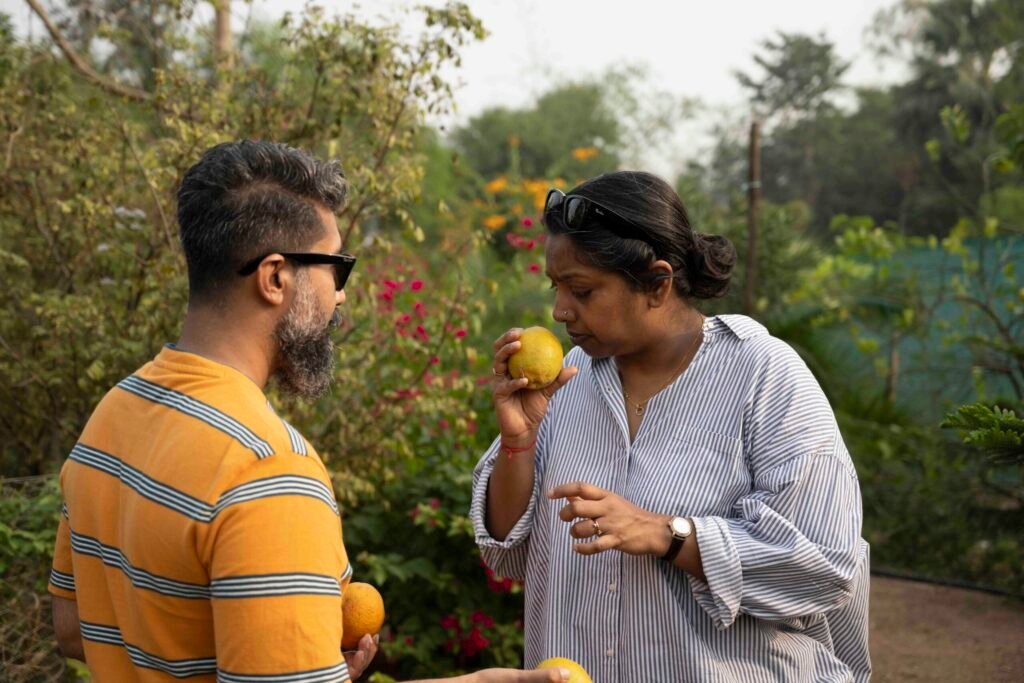
I discovered Earth Story Farms while casually scrolling through the ’gram, and the concept immediately piqued my curiosity. Intrigued, I reached out to the woman behind it and, much to my delight, uncovered a fascinating story… that of Senjuti Mahato, a seventh-generation farmer with a deep-rooted passion for India’s forgotten flavours and a mission to preserve the indigenous wisdom that has shaped our food heritage for generations. What began as a casual discovery soon turned into a compelling story about food, farming, culture and the business of keeping our culinary legacy alive.
Senjuti Mahato reminds us that the future of Indian food may not lie in chasing global superfood, but in rediscovering the extraordinary ingredients we have overlooked in our own backyard.
Through Earth Story Farms, she is doing more than rescuing forgotten flavours; she is challenging a food system that often prizes uniformity over diversity and marketing hype over genuine provenance. Her most compelling message? Heritage cannot survive on nostalgia alone… it needs viable markets, fair value for farmers and consumers willing to look beyond the label. That is because when we preserve an indigenous grain, a forest ingredient or an age-old artisanal technique, we are not merely saving a taste. We are safeguarding livelihoods, biodiversity and generations of knowledge. And that, in our books, is food for thought… quite literally.