Spectrum India 2026
From scar-free procedures and precision cancer treatments to indigenous medical technology, Spectrum India 2026 puts the spotlight on the future of interventional radiology and its potential to transform patient care in India.
Imagine treating complex medical conditions without the trauma of major surgery, lengthy hospital stays or extensive recovery periods. This is the promise of interventional radiology, a rapidly advancing medical speciality that is redefining how doctors approach everything from cancer and liver disease to women’s health. With image-guided precision and minimally invasive techniques, it is opening up possibilities that could fundamentally change the patient experience.
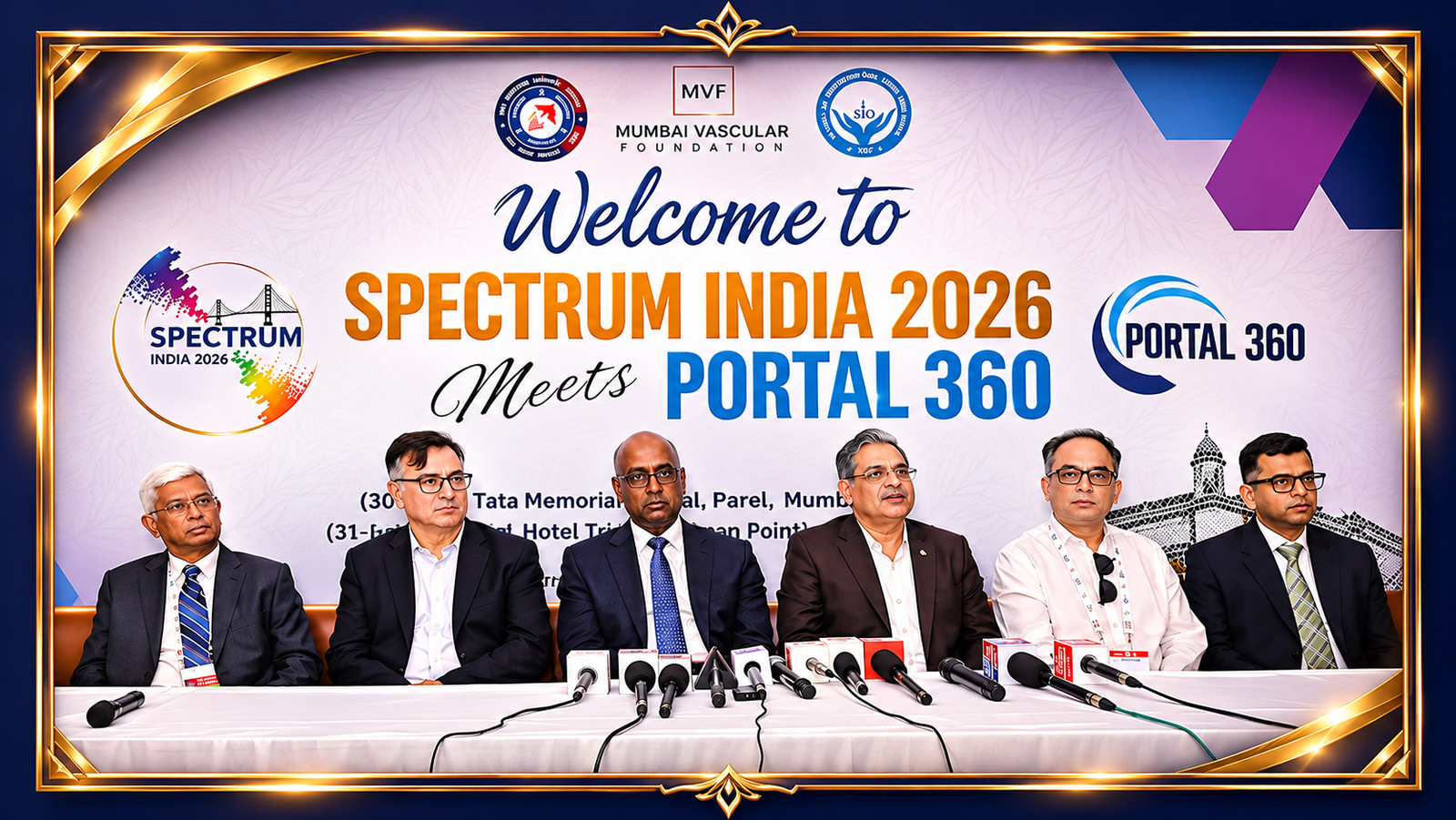
Bringing this medical evolution into focus, SPECTRUM INDIA 2026, held from October 30 to November 1 in Mumbai, brought together leading international experts, Indian specialists and healthcare innovators to examine how advanced interventions can become more accessible, affordable and effective. TheGlitz reports.
A Global Convergence of Medical Expertise
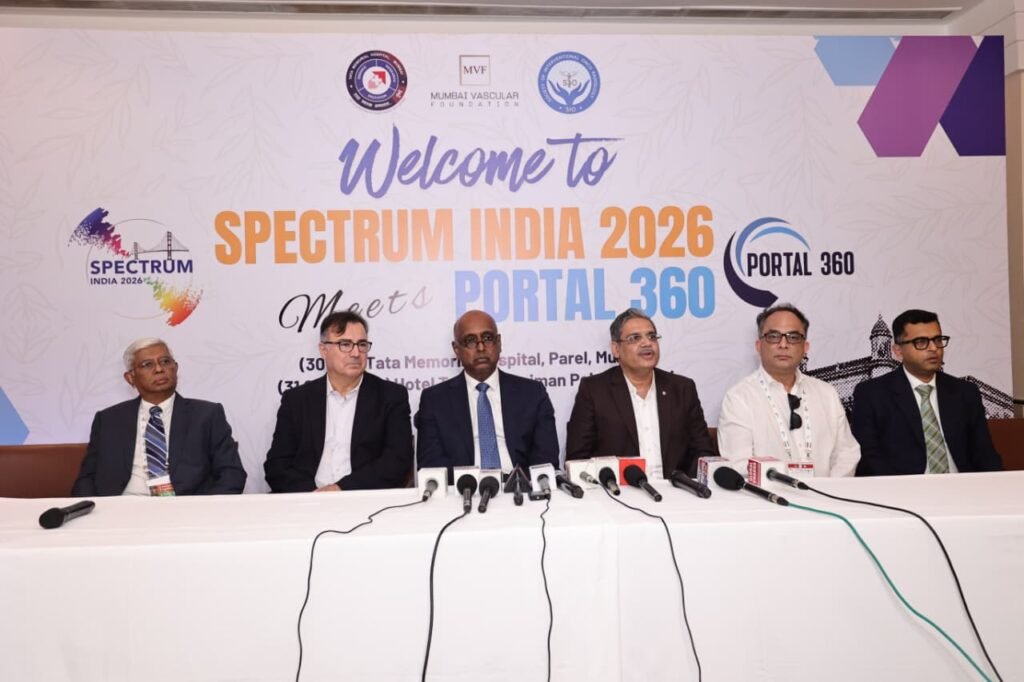
Jointly organised with PORTAL 360, the renowned American programme specialising in advanced portal vein interventions, Spectrum India 2026 created a platform for international knowledge exchange and clinical collaboration.
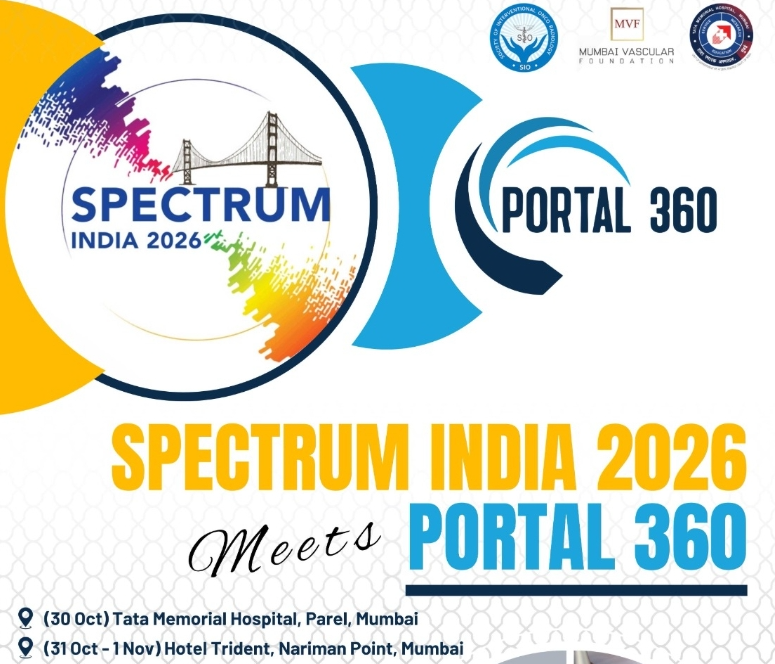
The conference opened with specialised live-demonstration workshops at Tata Memorial Hospital, Parel, before moving to Hotel Trident, Nariman Point, for scientific sessions, keynote discussions and live case broadcasts. The emphasis was on translating global advancements into practical Indian healthcare solutions.
Organising Chairperson Dr. Suyash Kulkarni highlighted the urgent need to make emerging cancer treatments accessible:
“Driven by modern lifestyle factors and dietary shifts, breast cancer cases are unfortunately rising in India. While minimally invasive suction techniques are already well-established for benign breast lumps, groundbreaking clinical trials are now exploring image-guided ablation and cryoablation combined with immunotherapy as a transformative, scar-free future option for early-stage breast cancer. To make these advanced therapies truly accessible across India, we are working on two essential fronts: developing indigenous devices to lower costs and establishing rigorous treatment guidelines through the National Cancer Grid to drive policy, policy-backed reimbursement, and uniform care via government schemes for the common man.”
Women’s Health: A New Era of Stitch-Free Care
Interventional radiology is also expanding the possibilities in women’s healthcare. Organising Chairperson Dr. Bhavesh Popat spoke about procedures that can treat conditions such as uterine fibroids, thyroid nodules and varicose veins without conventional invasive surgery.
“Women’s health care is being revolutionized by interventional radiology, allowing us to treat uterine fibroids, thyroid nodules, and varicose veins completely stitch-free. Procedures like UFE preserve the uterus and enable patients to walk out on their lunch break, offering a vastly superior quality of life compared to traditional, invasive surgeries.”
Cancer Care: The Fourth Pillar of Treatment
A significant discussion centred on interventional oncology and its growing role alongside surgery, medical oncology and radiation therapy. Dr. Govindarajan Narayanan emphasised that the speciality must become an integral part of comprehensive cancer management.
“Interventional oncology is no longer a standalone specialty; it is firmly established as the fourth pillar of modern cancer care, working hand-in-hand with surgery, medical oncology, and radiation—especially when side effects limit traditional chemotherapy. For our specialty to truly thrive and penetrate deeply in India, interventional radiologists must take full clinical ownership of patients: seeing them in clinics, admitting them, rounding on them, and managing their complete continuum of care just like any primary clinical specialty.”
Tackling Liver Disease Through Precision
The PORTAL 360 collaboration brought particular attention to liver disease, cirrhosis and portal hypertension. Dr. Bulent Arslan highlighted the importance of advanced interventions such as TIPS and direct tumour ablations.
“Cirrhosis and portal hypertension are devastating conditions, but advanced minimally invasive interventions like TIPS are literally saving lives in emergency settings. Furthermore, for liver tumors, interventional radiology offers a highly effective, low-risk curative alternative that matches surgery’s outcomes without the trauma of open operations—making public and professional awareness essential.”
Made in India: Breaking the Technology Cost Barrier
A key takeaway was the need to develop indigenous medical devices and reduce dependence on expensive imported technology. Dr. Roy Santosham highlighted collaborations with institutions such as IIT to develop robotic and laser-guided devices.
“Interventional oncology brings together a powerful, collaborative multi-specialty team to deliver patient-centric care that preserves quality of life. By partnering with premier institutions like IIT to build indigenous robotic and laser-guided devices in India, we are successfully breaking past the cost barrier of imported technology, ensuring that precision biopsies and targeted ablations become affordable and widely available to every patient who needs them.”
Dr. Shuvro Himanish Roy Chowdhury echoed the importance of combining global expertise with local innovation:
“Bringing world-class international programs like Spectrum India home gives our young doctors direct access to global expertise while showcasing India’s rapid medical progress. By combining cutting-edge interventional techniques, government healthcare schemes, and innovative local resourcefulness, we are steadily making advanced, minimally invasive care more accessible and effective for the common man.”
TheGlitz Take: A New Dawn for Indian Healthcare
Spectrum India 2026 is indeed impressive as it is more than a meeting of medical minds; it is a celebration of how collaboration, innovation and clinical excellence can reshape the future of healthcare. By bringing together global expertise, India’s leading specialists and homegrown technological innovation, the summit has highlighted the extraordinary potential of interventional radiology to make treatments more precise, less invasive and increasingly patient-centric.
From advancements in women’s health and cancer care to life-saving liver interventions and indigenous medical devices, the discussions point towards a more progressive healthcare ecosystem. TheGlitz applauds Spectrum India’s vision of combining global knowledge with Indian ingenuity to advance accessible, world-class medical care. Its emphasis on research, training, affordability and collaboration offers an encouraging roadmap for the future.