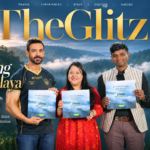
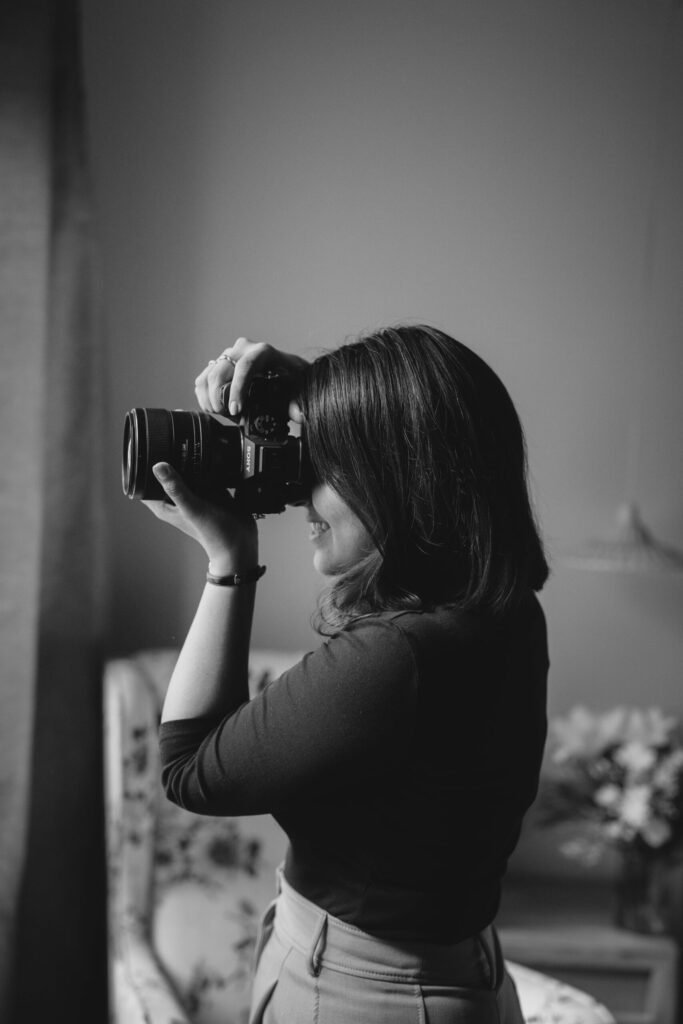
Amrita Samant, Founder, Creative Director and Lead Photographer at Mommy Shots by Amrita
Before maternity photography became a Pinterest-worthy rite of passage, before expectant mothers walked into studios armed with mood boards, elaborate gowns and carefully curated creative briefs, there was a time when photographing a baby bump in India was an idea that needed convincing.
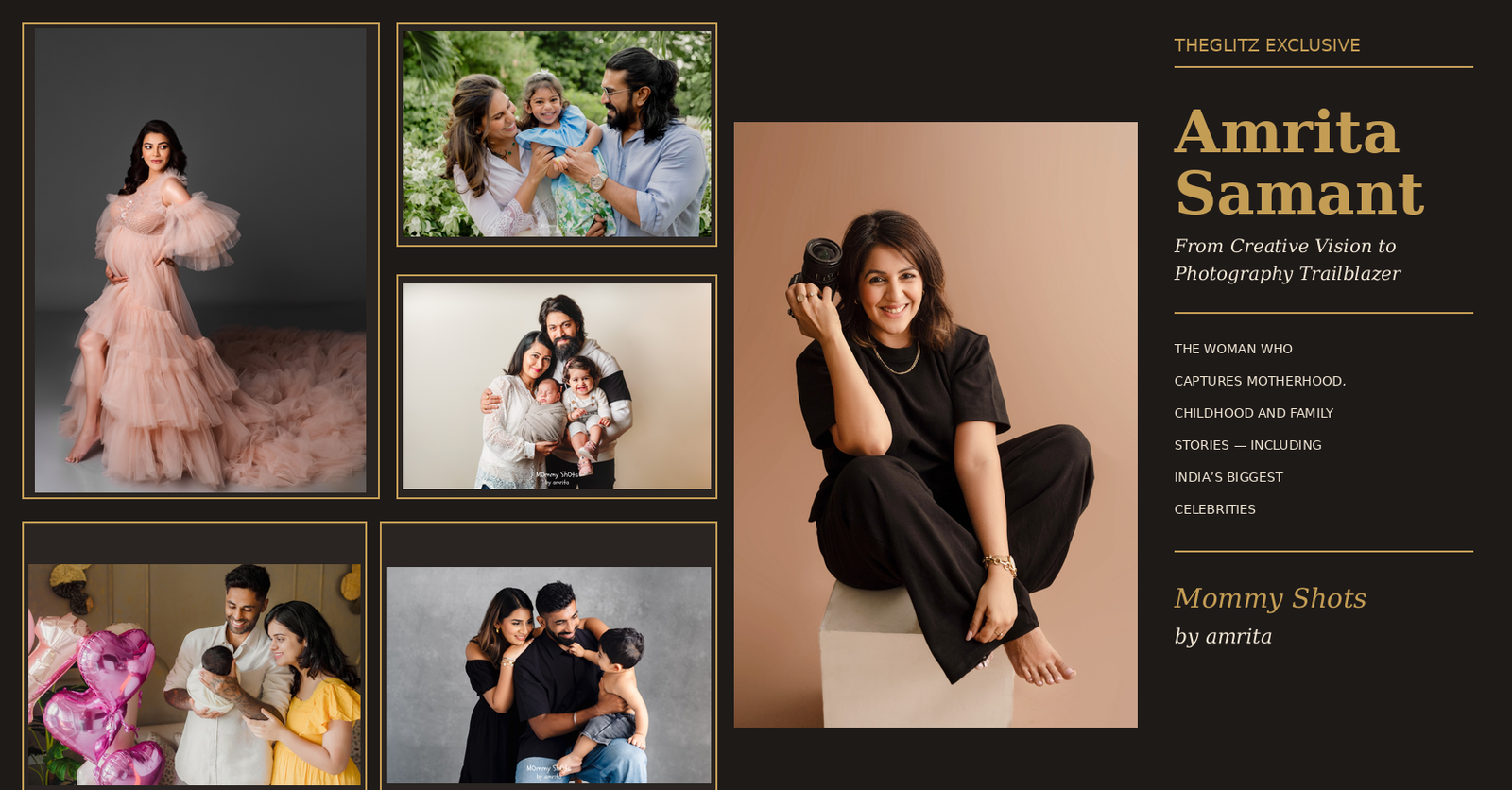
Enter Amrita Samant, ace photographer and creative visionary who spotted beauty, storytelling and an untapped possibility in the fleeting moments of pregnancy, infancy and childhood. What began in 2014 as a creative leap of faith has since evolved into Mommy Shots by Amrita... a brand that has spent over a decade capturing life’s most tender, transformative and irreplaceable moments. And her lens has, quite literally, seen some super starry moments too.
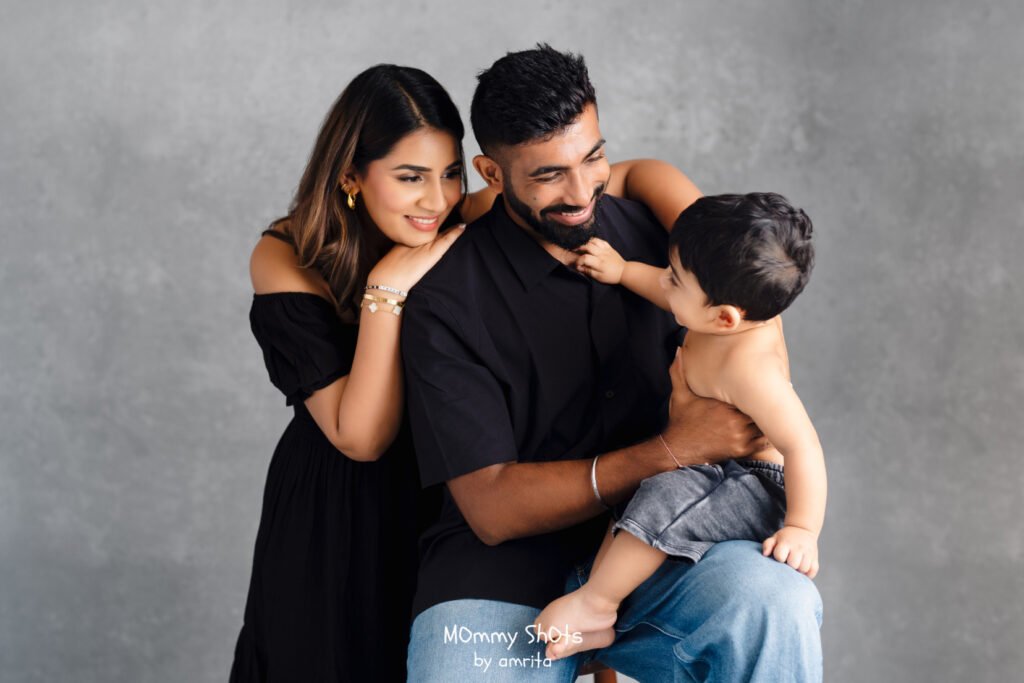
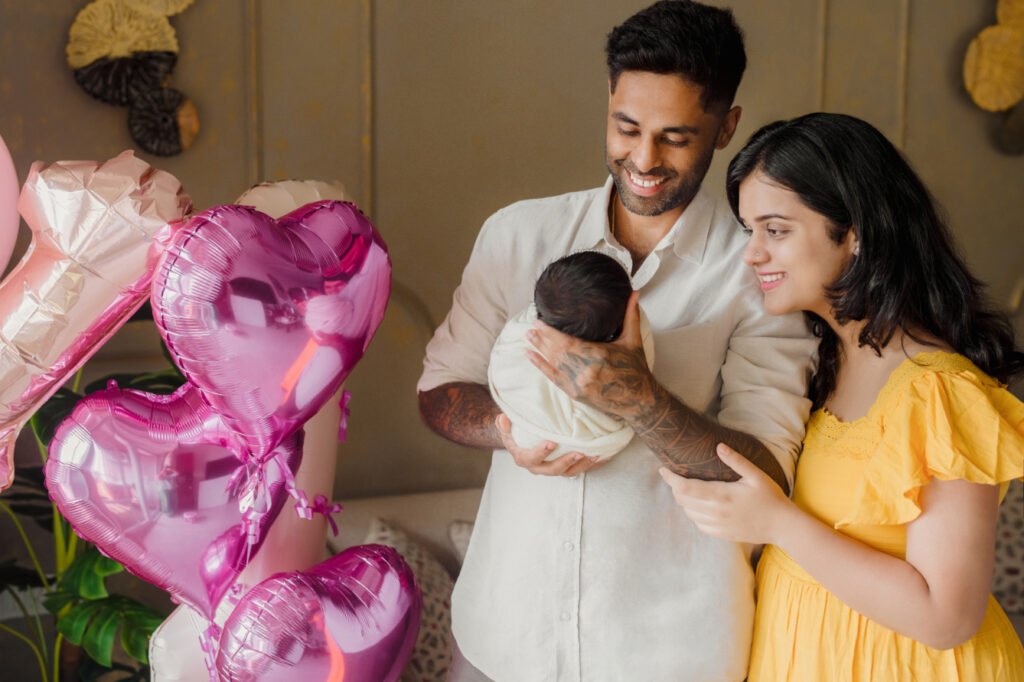
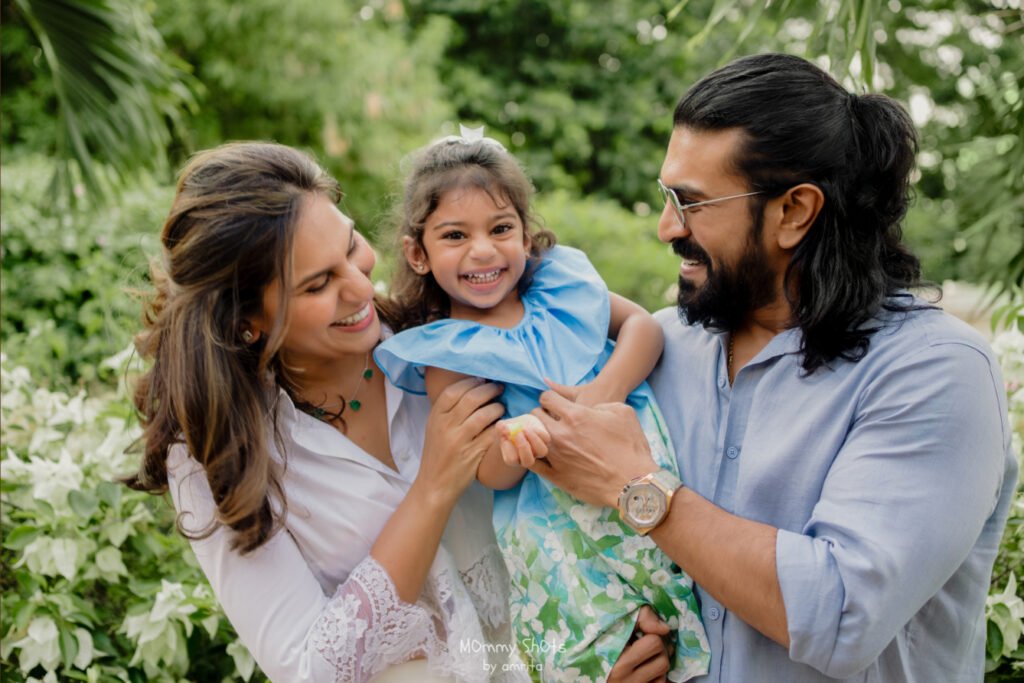
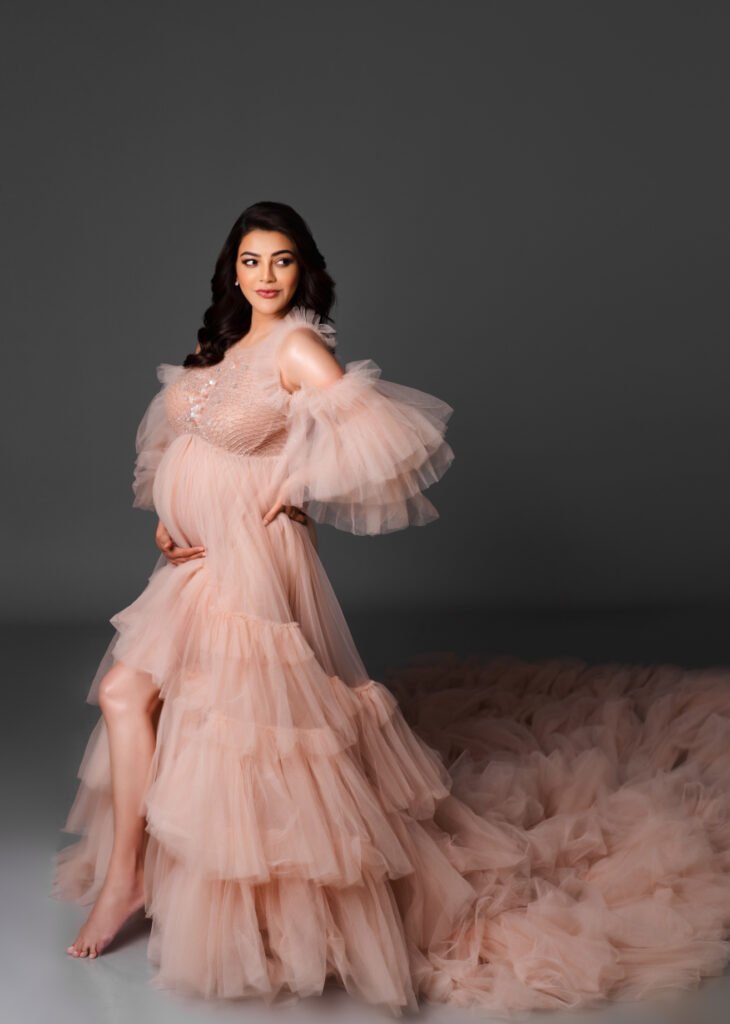
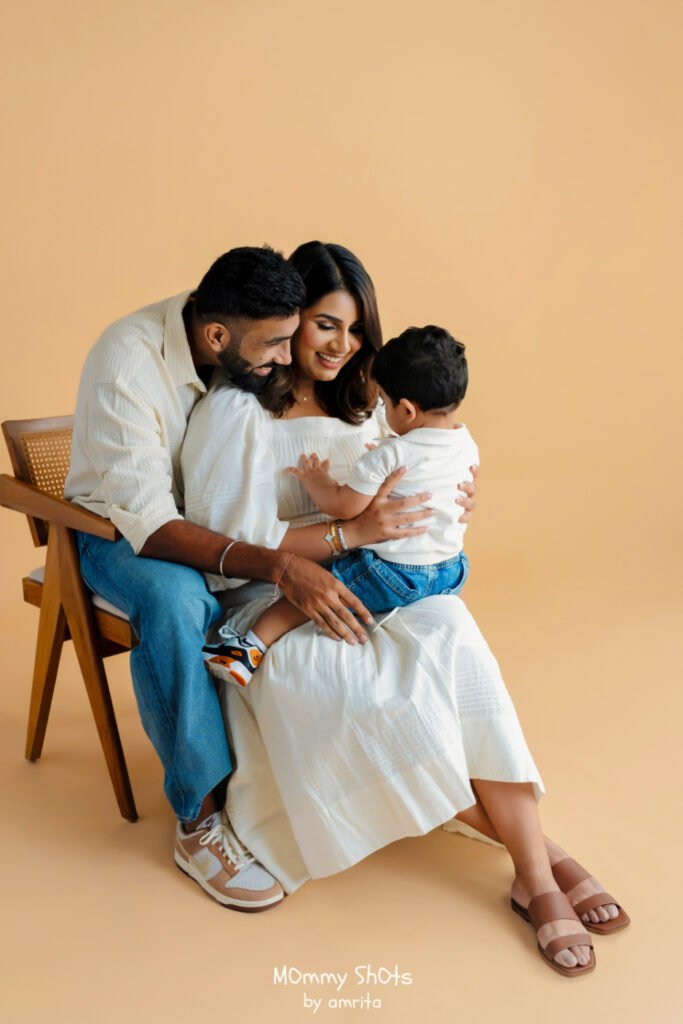
From cricketers Jasprit Bumrah and Suryakumar Yadav to actors Yash, Ram Charan and Kajal Aggarwal, Amrita has photographed some of India’s celebrated names and their families, proving that behind the glitz, glamour and sporting stardom are the same wonderfully intimate moments of parenthood, love and family that make every story worth capturing.
With more than 6,000 shoots behind her lens, Amrita’s journey has been anything but just about photography. A former corporate HR professional with an innate creative streak, she found her calling in the intersection of children, storytelling and photography.
But she wasn’t interested in the conventional studio portrait. She wanted to capture personality, quirks, emotion and the unscripted magic that makes every child and family unique. In doing so, she helped push maternity and family photography beyond the traditional frame, making it less about posing for perfection and more about preserving a personal story.
Yet, behind the soft-focus beauty of maternity portraits and the adorable chaos of newborn shoots lies a formidable entrepreneur. Amrita Samant understands that creative talent alone cannot build a sustainable business. From navigating the challenges of introducing a previously unfamiliar category to scaling a brand, building teams, managing operations and launching Mommy Shots Academy, she has steadily expanded her vision beyond the lens. Today, her world encompasses celebrity family photography, commercial work, education and an evolving exploration of cinematic family storytelling.
Here, in an exclusive interview with Sumita Chakraborty, Founder and Editor-in-Chief, TheGlitz, Amrita Samant, Founder, Creative Director and Lead Photographer at Mommy Shots by Amrita, opens up about breaking conventions, building a photography brand from the ground up, the emotional power of photographs, entrepreneurship, celebrity clients, mentoring the next generation of photographers and why, in a world increasingly capable of creating artificial perfection, the most priceless images are still the ones that capture life exactly as it unfolds.
Over To Amrita Samant, Founder, Creative Director and Lead Photographer at Mommy Shots by Amrita
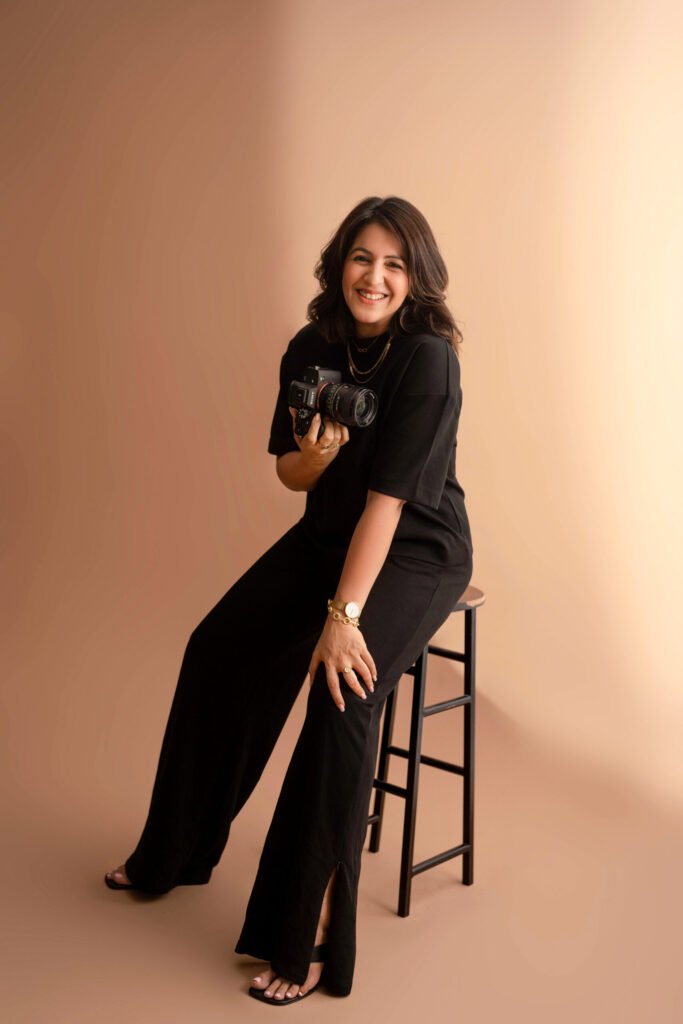
Breaking the Lens of Convention: Creating a New Category
Twelve years ago, maternity and newborn photography occupied an almost taboo space in India. You saw an opportunity where others saw hesitation and discomfort. What gave you the conviction to pursue this niche when it was still largely unexplored? Was there a defining moment when you realised you weren’t simply building a photography business but changing the way Indian families documented motherhood?
When I started Mommy Shots in 2014, maternity photography was practically unheard of in India. In fact, I remember a time when I had to convince expecting mothers to even consider getting photographed!
There were so many inhibitions around photographing a baby bump. Some families felt it was inauspicious, some were uncomfortable with the idea of displaying a pregnant belly, and many simply couldn’t understand why someone would want a professional photoshoot during pregnancy.
I think what worked in my favour was that I wasn’t approaching this as a traditional photography business. I had spent seven years working in corporate HR, but the creative bug in me was always alive. I explored everything from dance and theatre to other creative pursuits before eventually discovering photography. I was also an aunt to twins, and I had spent a considerable amount of time photographing them and documenting their childhood. Combining my love for children with photography just seemed like a natural progression.
What I saw was a huge gap in the Indian market. Baby photography existed in old-school studios with very little room for play in the process, but I wanted to do something different. I wanted to capture a child’s personality, their expressions, their little quirks and the things that made them who they were. I wanted to bring storytelling into this space.
I don’t think I started with the ambition of creating an industry. I was simply convinced that there was a market for something that didn’t exist yet. But I also learnt very early that if you’re introducing a new category, you aren’t just selling a service. You’re educating people, challenging perceptions and sometimes convincing them that they need something they didn’t even know existed.
Today, maternity photography has become almost a ritual for many expecting families. We’ve gone from people saying, ‘No, we don’t want to do this,’ to ‘Okay, we’ll do it, but please don’t put the pictures anywhere,’ to mothers coming in with elaborate Pinterest boards and very specific creative briefs!
That evolution has been incredibly satisfying to witness. But what makes me particularly happy is that we’ve helped normalise the idea that pregnancy, motherhood and childhood deserve to be documented, not just remembered.
Beyond the Perfect Picture: Capturing the Unspoken
Photographing a pregnant woman or a newborn is very different from conventional portrait photography. There are emotions, insecurities, physical discomforts and deeply personal moments involved. How do you build trust with a mother who may be feeling vulnerable, or with parents welcoming a newborn? Is there an emotional instinct that a photographer must possess beyond technical expertise to capture such intimate moments authentically?
The unspoken lives in an area of trust. That’s something I aim to build with every single subject in front of my lens. This is where the layers are peeled back and I get to know the soul of my subject, which eventually allows me to create imagery they love.
I think one of the biggest mistakes people make when they look at a beautiful photograph is assuming that the person in it was naturally comfortable in front of the camera. More often than not, that’s not the case.
I’ve photographed thousands of women, and I can tell you that pregnancy is a very complicated relationship with your own body. You can be absolutely thrilled about becoming a mother and still feel uncomfortable with how you look. You can be excited about the shoot and simultaneously wonder whether you’ll like any of the photographs. I’ve had mothers walk into a session saying they’re extremely camera-shy, that they don’t photograph well, or that they want to hide certain parts of themselves.
I think our job is to understand all of that before we even pick up the camera.
I have a fairly strong opinion about this: a maternity shoot should not become another occasion where a woman feels she has to live up to an aesthetic expectation. Social media has created this idea that every maternity shoot needs to look a certain way. The perfectly styled gown, the perfect makeup, the perfect body, the perfect pose. But pregnancy isn’t a fashion campaign (unless, of course, that’s the brief itself). It’s a deeply personal experience, and I don’t think we should take away from that by making women feel they need to look a certain way.
I’m much more interested in photographing a woman in a way that feels like her. If she’s bold, let’s celebrate that. If she’s understated, let’s embrace that. If she wants to include her cultural roots, her family traditions or something completely unconventional, let’s explore it.
With newborn photography, the philosophy is similar, but the responsibility is even greater. Babies don’t work according to our schedules, and they certainly don’t understand our creative briefs! You have to learn to read their cues, understand their comfort levels and work around them. No photograph is worth compromising a baby’s safety or comfort.
I also think emotional intelligence is an underrated skill in photography. You need to know when to direct, when to step back, when to make someone laugh and when to simply let a moment unfold. Technical expertise can teach you how to use your camera, but it cannot automatically teach you how to make someone feel comfortable.
Ultimately, I don’t want someone to look at their photographs and think, ‘I look perfect.’ I want them to look at them and think, ‘Hey, that’s me in my element.’
6,000 Shoots, Countless Stories: The Emotional Legacy
With over 6,000 shoots across more than five countries, you have witnessed thousands of personal journeys into motherhood and family life. Is there one particular shoot or client experience that has stayed with you long after the camera was put away? Has documenting so many intimate family moments changed your own understanding of motherhood, relationships and the passage of time?
It’s difficult to pick one story because, after 6,000-plus shoots, you realise that no two families are ever really the same. And that’s precisely what has kept me interested in this profession for so long.
One shoot that particularly stayed with me was a maternity session where the mother wanted to celebrate her cultural identity. She didn’t want the usual interpretation of a maternity shoot. She wanted her heritage, ethnicity and traditions to be represented in the photographs. We explored the styling and visual language around that, and the result was something that felt incredibly personal.
I loved the idea that her child would grow up looking at those photographs and understand something about where they came from. I think that’s a beautiful thing photography can do. It can preserve not just how you looked at a particular point in your life, but also who you were, what you believed in and the things that mattered to you.
Another thing that has become increasingly clear to me over the years is that photographs change in value as time passes. When parents come to us for a newborn shoot, they’re usually looking for beautiful pictures of their baby. But when that child turns ten or fifteen, those photographs become something entirely different. They become a record of a time that the family can never recreate.
I also find it interesting that children often become the people who value these photographs the most as they grow older. Parents might commission the shoot, but years later, it’s the children who discover these images and begin asking questions about their own childhood, their parents and the world they were born into.
I sometimes think we’re so busy documenting our children’s lives on our phones that we forget to create something that actually belongs to them. We have thousands of pictures sitting in our galleries, but how many of them are printed? How many have made it into an album? How many will our children actually get to hold and look through?
For me, that’s the bigger purpose of what we do. I’m not particularly interested in creating photographs that are just Instagram-worthy. I want to create photographs that have a life beyond Instagram.
Something that becomes part of a family’s history.
And if, twenty years from now, a child looks at a photograph we made and feels closer to a parent, a grandparent or a version of themselves they barely remember, I think we’ve done our job.
Shooting Celebrityhood: Privacy Behind the Glamour
Your client portfolio includes some of India’s most recognisable personalities, from Kajal Aggarwal, Sameera Reddy and Gauahar Khan to Ram Charan, Yash, Jasprit Bumrah and director Atlee. Photographing celebrities, particularly during such personal family milestones, must come with a unique set of expectations. Could you share any celebrity moment that was unique or special? How do you balance the glamour and excitement of celebrity assignments with discretion, privacy and the need to capture something genuinely intimate rather than picture-perfect?
I’ve always maintained that celebrity parents are parents first. I’ve photographed some of the biggest names in Indian cinema and sport, but when they walk into a family shoot, they’re usually just another set of parents trying to get their child to cooperate!
In fact, some of my most memorable experiences have been watching personalities whom we associate with enormous stardom become completely ordinary, sometimes hilarious, parents around their children. I’ve seen actors and cricketers who command enormous attention professionally turn into the most animated people in the room simply because their baby smiled at them.
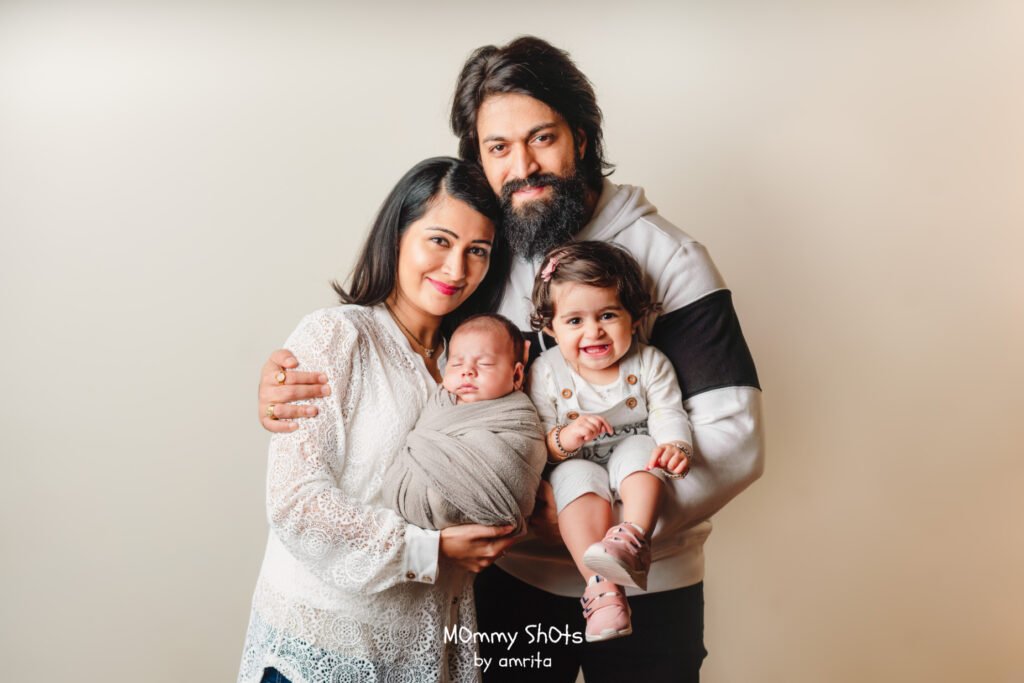
I remember meeting Yash around the time KGF had become such a massive phenomenon. I was prepared to meet this larger-than-life superstar. Instead, I met a father who was completely invested in making sure his baby had a happy shoot. I’ve had similar experiences with Ram Charan and several other well-known personalities. Their profession might be extraordinary, but their emotions as parents are remarkably ordinary.
Of course, working with high-profile families comes with a different set of responsibilities. There are tighter schedules, security considerations, privacy requirements and sometimes very specific requests around what can and cannot be shared. We’ve always taken that seriously.
I actually think discretion is one of the most important things you bring to the table when you work with celebrities. Just because someone is famous doesn’t mean every part of their personal life is public property. We’ve photographed families and moments that have never appeared on our social media, and that’s perfectly fine with me.
I also don’t believe that the value of a celebrity assignment lies in how many followers you can reach by posting a photograph. That’s a very short-term way of looking at the relationship.
For me, being trusted with someone’s family photographs is a much bigger privilege than being able to announce that I’ve photographed them. And I would much rather have a client who trusts us enough to return for every milestone than one photograph that gets a million views.
The Business of Being Behind the Lens: From Solo-Preneur to Industry Leader
Mommy Shots by Amrita has grown into one of India’s recognised names in maternity, newborn and family photography, yet you remain personally involved in creative direction, client experience and image-making. How challenging is it to scale a deeply personal, service-driven business without losing the very human touch that made it successful? What business lesson did you learn the hard way, and what would you tell aspiring women entrepreneurs looking to turn a creative passion into a sustainable brand?
I think one of the biggest misconceptions about creative businesses is that if you’re good at your craft, the business will automatically take care of itself. It absolutely will not!
When I started Mommy Shots, I was very creatively driven. I was excited about the photographs, the concepts, the shoots and the possibilities. But very quickly, I realised that being a photographer and running a photography company are two entirely different jobs.
You can be the most talented photographer in the room and still struggle to run a business. You have to understand sales, marketing, pricing, customer behaviour, hiring, operations, cash flow, client servicing and about a hundred other things that nobody really prepares you for when you’re starting out.
I came from a corporate HR background, so I wasn’t entirely unfamiliar with people management and organisational structures. But running a creative business brought its own challenges. Particularly in the early years, when we were introducing a category that people weren’t familiar with, we had to work incredibly hard to build credibility and trust.
One thing I learnt quite early is that you cannot build a sustainable business around your own talent alone. If every decision, every client interaction and every creative output depends on you, you’ve created a job for yourself, not a business.
And I say that from experience! There have been phases where I’ve been involved in practically everything, from the first client conversation to the final image delivery. It’s rewarding initially because you feel in control, but eventually you realise that you cannot scale that way.
I also think creative entrepreneurs sometimes romanticise the idea of doing everything themselves. We take pride in being the photographer, the salesperson, the accountant, the marketer and the person responding to WhatsApp messages at midnight. But that’s not necessarily entrepreneurship. Sometimes it’s just an inability to let go!
Over the years, I’ve learnt that building a brand requires you to move from being the person doing everything to being the person building the organisation that can do those things well.
Today, Mommy Shots has multiple verticals across family photography, commercial work and photography education through Mommy Shots Academy. Each of these requires a different mindset and a different business approach.
My biggest learning for anyone starting a creative business would be this: don’t use your passion as an excuse to ignore the business. Learn to charge what you’re worth, understand your customer, build systems, hire people who are better than you at certain things and, most importantly, learn to sell. A beautiful portfolio doesn’t automatically translate into a profitable business.
And perhaps the hardest lesson of all: learn to make yourself less indispensable to the day-to-day functioning of your business. That’s when you actually start becoming a business owner rather than just a very busy creative professional.
From Photographer to Mentor: Creating the Next Generation
As a Sony Photography ambassador who has mentored more than 500 budding photographers, you have extended your influence well beyond your own studio. What are the biggest misconceptions aspiring photographers have about building a successful career? How important are business acumen, emotional intelligence and client management alongside technical photography skills? And do you see more women carving out independent entrepreneurial identities in professional photography today?
I think the photography industry has become a little obsessed with equipment. Every time there’s a new camera, a new lens or a new editing tool, there’s a whole conversation around how it will transform someone’s photography.
But I genuinely believe that the camera is probably the least interesting part of becoming a good photographer.
You can buy the best equipment in the world, but it won’t teach you how to photograph a toddler who has absolutely no interest in cooperating. It won’t teach you how to make an expecting mother feel comfortable when she’s nervous about being photographed. And it certainly won’t teach you how to build a relationship with a client who is trusting you with some of the most personal moments of their life.
Photography is a people business, especially in the genres I work in.
You need to understand children, their behaviour, their attention spans and their psychology. You need patience, observation skills and the ability to adapt very quickly. Some of the best photographs I’ve created have happened because I stopped trying to control a situation and simply observed what was unfolding.
I also think there’s a huge gap between learning photography and learning how to make a living from photography. These are two very different skill sets.
I’ve met incredibly talented photographers who struggle because they don’t know how to price their work, communicate their value, convert enquiries, manage clients or build a business around their talent. And I’ve seen people with fairly modest equipment build wonderful businesses because they understand their customers and know how to position themselves.
That’s one of the reasons I started Mommy Shots Academy. I wanted to share the practical knowledge that comes from actually running a photography company, not just teach someone how to use a camera.
I don’t think photography education should stop at aperture, shutter speed and lighting. It should also include the unglamorous but extremely important parts of the profession: sales, marketing, client management, financial planning, workflows, team building and understanding the market you’re entering.
I’m particularly happy to see more women exploring photography as an independent profession. Photography can offer a wonderful creative career, but I don’t want women to see it only as a hobby or a convenient side hustle. It can be a serious business, and it deserves to be treated like one.
I also have a fairly strong belief that photographers shouldn’t treat each other as competition all the time. There is enough room for different styles, different specialisations and different business models. We don’t all have to photograph the same way or serve the same customers.
If anything, I’d like to see more photographers sharing knowledge, raising standards and helping each other build sustainable careers. The industry will become stronger when we have more professionals who understand both the art and the business of photography.
The Future of Family Photography: What’s Beyond the Frame?
Photography is changing rapidly with AI, advanced imaging technology, social media and increasingly sophisticated consumer expectations. How do you see maternity, newborn and family photography evolving over the next five years? Will technology make photography more accessible, or will the demand for authentic, emotionally resonant and professionally crafted images become even stronger? And what is the next big creative chapter you envision for Mommy Shots by Amrita?
I think photography is at a very interesting crossroads right now. AI is changing the way images are created, editing is becoming increasingly automated, and almost everyone has access to tools that would have been unimaginable even a few years ago.
But I think we need to have an honest conversation about what all this means for photography.
I’m not someone who believes that technology is going to destroy the profession. In fact, I’m quite excited about it. If AI can help us spend less time on repetitive editing tasks, improve workflows and explore new creative possibilities, I’m all for it. As a business owner, I’m particularly interested in technology that makes our teams more efficient and allows us to focus on the things that actually need human intervention.
But I do think we need to distinguish between creating an image and documenting a life.
AI can create a beautiful image of a pregnant woman in a stunning setting. It can generate a family portrait that looks like something out of a magazine. But it cannot document the actual experience of a family waiting for their baby, the way a father looks at his newborn for the first time, or the funny little expressions a child makes that are unique to them.
Those moments have value precisely because they happened.
I also think we’ve reached a point where we’re producing more photographs than ever before, but that doesn’t necessarily mean we’re preserving more memories. Our phones are full of images, our social media feeds are overflowing with content, and yet so many of these photographs never make it beyond a screen.
I would actually love to see the photography industry move away from this constant obsession with creating content and start placing greater value on documenting life.
For Mommy Shots, I see the future going well beyond traditional photoshoots. We’ve spent 12 years documenting families through photographs, and I think there’s an opportunity to tell these stories in much richer ways.
Our cinematic films are an extension of that thinking. I’m particularly excited about documentary-style family films that capture a family spending an ordinary day together, children being themselves, parents interacting with their children and all those little details that you don’t necessarily think to photograph.
Imagine being able to watch a film of your child at five years old, hearing their voice, seeing how they spoke, watching them run around, interact with their grandparents or tell you a completely random story. Twenty years later, that’s going to be priceless.
I think the future of family photography will be much more experiential, personalised and emotionally driven. People will increasingly look for something beyond a collection of beautiful pictures. They’ll want an experience and a finished product that tells their family’s story.
For us, that means continuing to evolve as a brand. Mommy Shots has grown from maternity and newborn photography into childhood, family storytelling, commercial photography and education through our Academy. I want us to keep exploring new formats and new technologies without losing sight of what brought us here in the first place.
Technology will change. Cameras will change. The way we create and consume images will change. But the desire to remember the people we love, the way they were and the moments we shared with them is not going anywhere.
And I think that’s a pretty wonderful industry to be in.
TheGlitz Take
We believe that Amrita Samant has done something rather extraordinary: she has made people see motherhood not only as an iconic chapter but also as a story worth immortalising. At a time when photography can often be reduced to filters, viral reels and an endless scroll of picture-perfect pretence, she is championing something far more enduring… the art of preserving life as it is, beautifully imperfect, gloriously messy and unapologetically real.
She didn’t wait for maternity photography to become fashionable in India; she helped make it fashionable. From persuading hesitant mothers to embrace the camera to building a brand that has clocked over 6,000 shoots, Amrita Samant has married creative instinct with entrepreneurial muscle. And she isn’t resting on pretty pictures either… she’s building an ecosystem that spans photography, education and cinematic storytelling.
The celebrity clientele may make headlines, but the real star of her work is trust. Her lens doesn’t just flatter; it finds feeling. More so when the Instagram likes have evaporated and the digital galleries are forgotten, what remains isn’t the perfect pose, it’s the photograph that makes you pause, smile, ache a little and say, I remember. …And that is where Amrita Samant’s magic and her legacy truly lies.