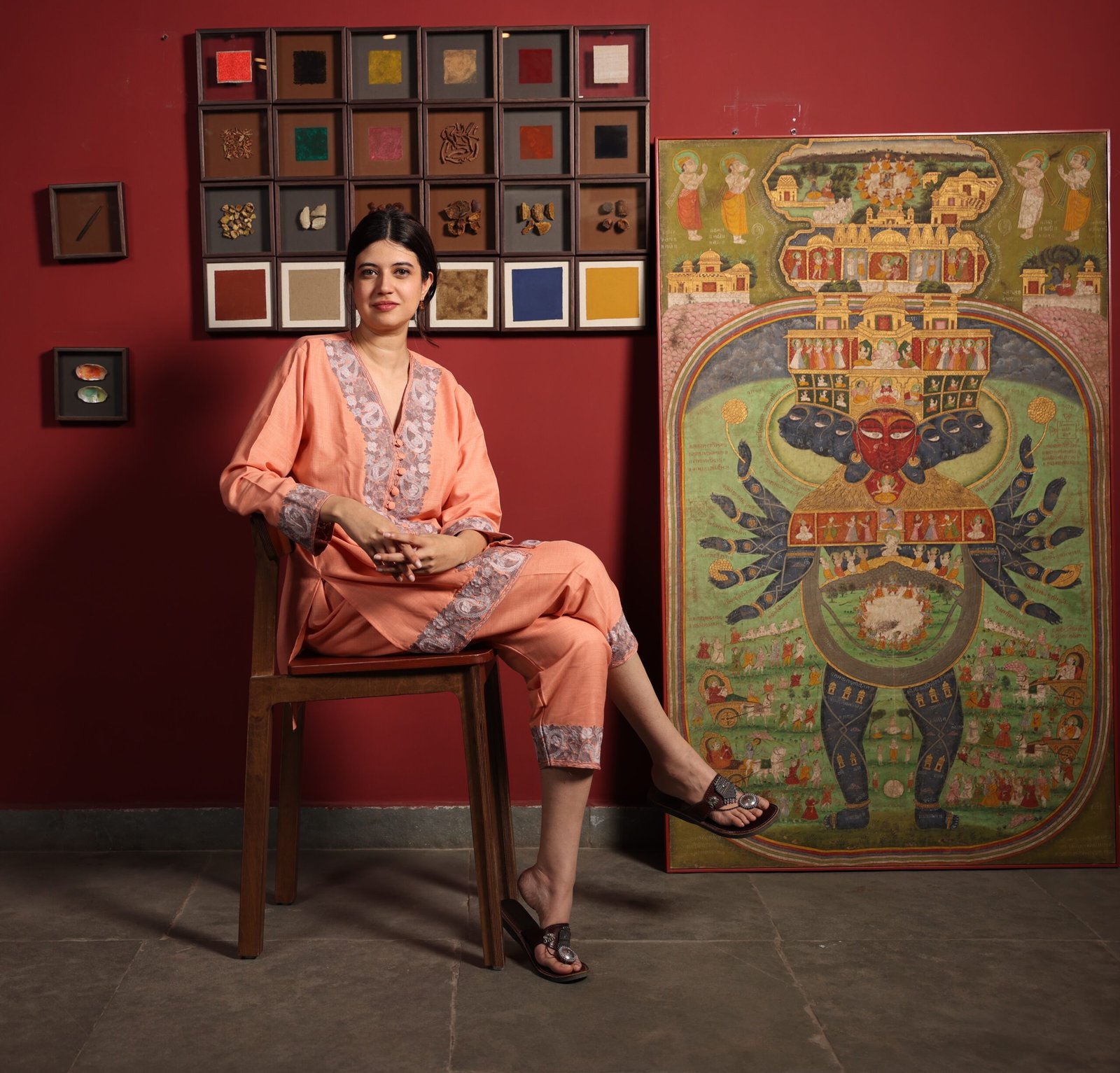
Aakanksha Singh, Founder, Bridge Bharat
In a fast-paced world constantly racing toward the new, the dynamic Aakanksha Singh, Founder, Bridge Bharat, is quietly, powerfully reclaiming the value of the timeless. With a vision rooted in memory yet designed for modernity, she is not merely preserving India’s rich artistic legacy… she is reimagining its place in contemporary life. Where many see exquisite traditional art as merely relics of the past, Aakanksha sees it as living, breathing systems of knowledge waiting to be rediscovered, reinterpreted, and reintegrated into the spaces we inhabit today.
Her journey with Bridge Bharat is not driven by nostalgia, but by a deep, almost urgent clarity: that generational art forms are not fading due to lack of relevance, but due to the absence of thoughtful infrastructure. With a rare blend of sensitivity and strategy, she has positioned herself as a cultural translator – bridging artisans and architects, heritage and modernity, emotion and design. The result is a transcending movement that doesn’t just celebrate Indian art but ensures it evolves without losing its soul.
At its core, Bridge Bharat is a testament to the idea that true luxury lies in meaning, in story, and in the hands that create. Aakanksha’s work stands as a reminder that when tradition is given the right framework, it doesn’t just survive… it thrives, adapts, and commands its rightful place on the global stage.
In this exclusive conversation with Sumita Chakraborty, Founder & Editor-in-Chief, TheGlitz, Aakanksha Singh, Founder of Bridge Bharat, unveils her powerful vision shaped by purpose, resilience, and cultural pride. She reflects on the defining moments, challenges, and breakthroughs that led her to build Bridge Bharat, not just as a platform, but a movement… one that safeguards India’s artistic legacy while boldly reimagining its place in the modern world, proving that true heritage doesn’t just endure… it evolves.
Over To Aakanksha Singh, Founder, Bridge Bharat
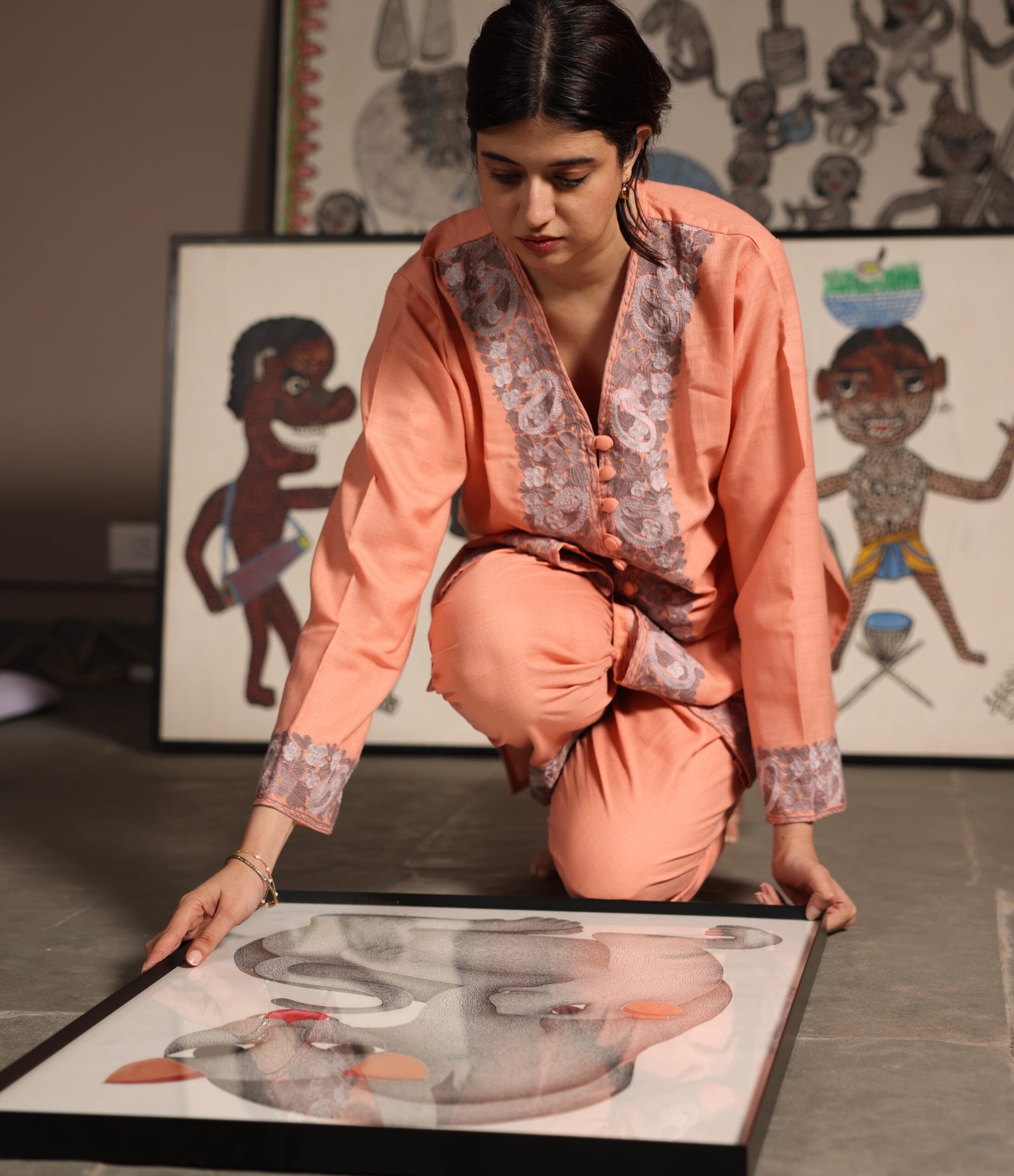
Photograph by Bridge Bharat
Courtesy: Bridge Bharat
Usage Rights: Owned and approved by Bridge Bharat
The Vision Behind Bridge Bharat
Bridge Bharat is built on the idea of preserving “end-of-era” generational art. How did the Bridge Bharat journey start? What was the moment that made you realise this wasn’t just important… but urgent?
Aakanksha Singh – Bridge Bharat began with a personal observation that stayed with me over time. Growing up in an Air Force family, I moved frequently and saw how Indian art was naturally woven into everyday life never displayed, just lived with.
Years later, I noticed a shift. Modern homes had changed, and while people still admired Indian art, they struggled to integrate it into their spaces. The real turning point came during my work with traditional artisans, where I saw highly skilled, generational art forms struggling to find relevance in today’s systems.
That’s when it became urgent. The issue wasn’t the art- it was the lack of infrastructure around it. Bridge Bharat was born to bridge this gap, by building the systems that allow these traditions to exist meaningfully in contemporary spaces without losing their essence.
Beyond Preservation to Relevance
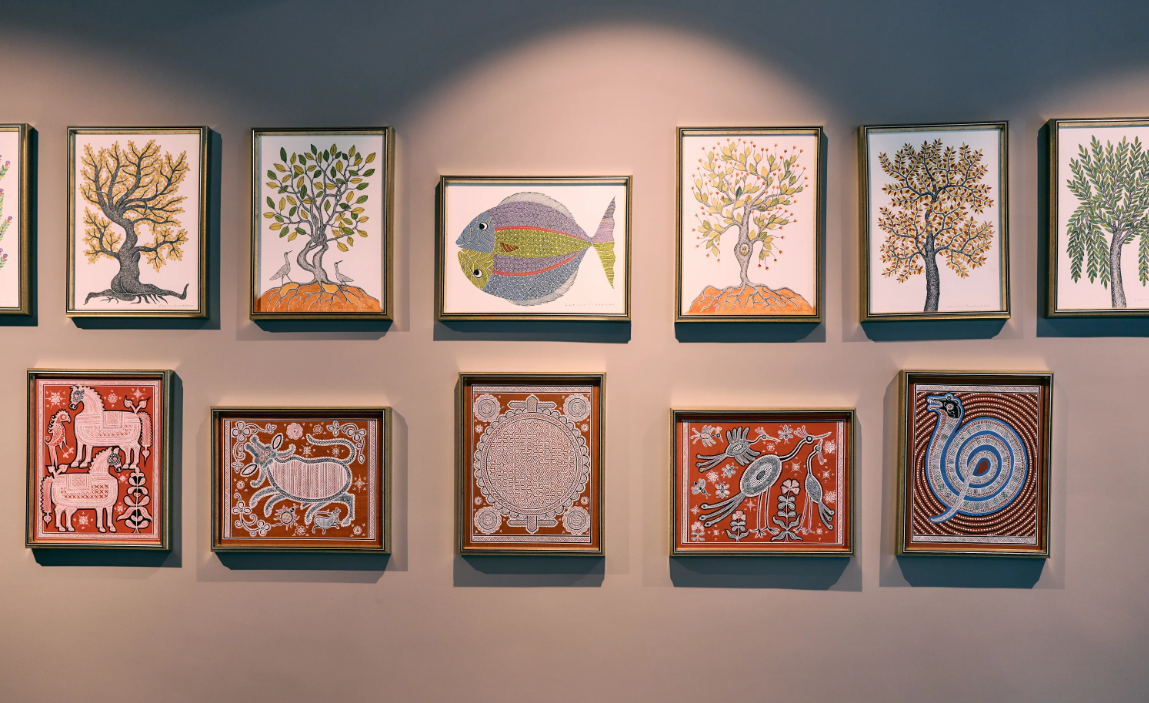
Many initiatives archive traditional art, but Bridge Bharat actively co-creates. How do you ensure these legacy art forms remain relevant in a contemporary, global context?
Aakanksha Singh – Bridge Bharat goes beyond archiving by actively co-creating contemporary expressions of India’s oldest painting and textile art traditions. We translate centuries-old techniques, materials, and visual languages into site-specific works that meaningfully belong within today’s architectural and lived spaces, without compromising the integrity of the original art forms.
Our real intervention is translation. We study the structure of each art form- its scale, rhythm, material logic, and design how it meets contemporary space. That could mean rethinking proportions, framing, negative space, or how a piece sits on a wall. The goal isn’t to modernise the art. It’s to let it live naturally in modern homes.
We build structured yet flexible systems around traditional art forms- starting with deep research into materiality, techniques, regional histories, and current architectural contexts, then working closely with master artists to develop contemporary bodies of work. We operate as designers, collaborators, and cultural translators, creating frameworks for experimentation while ensuring the ethos and integrity of each art form remain intact.
This way, the same artwork can sit comfortably in a living room, a hotel lobby, or a museum context — because the infrastructure around it has been carefully designed.
Working with Generational Artist Families
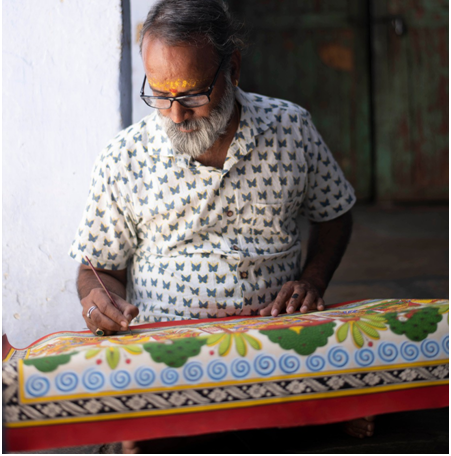
Photograph by Bridge Bharat
Courtesy: Bridge Bharat
Usage Rights: Owned and approved by Bridge Bharat
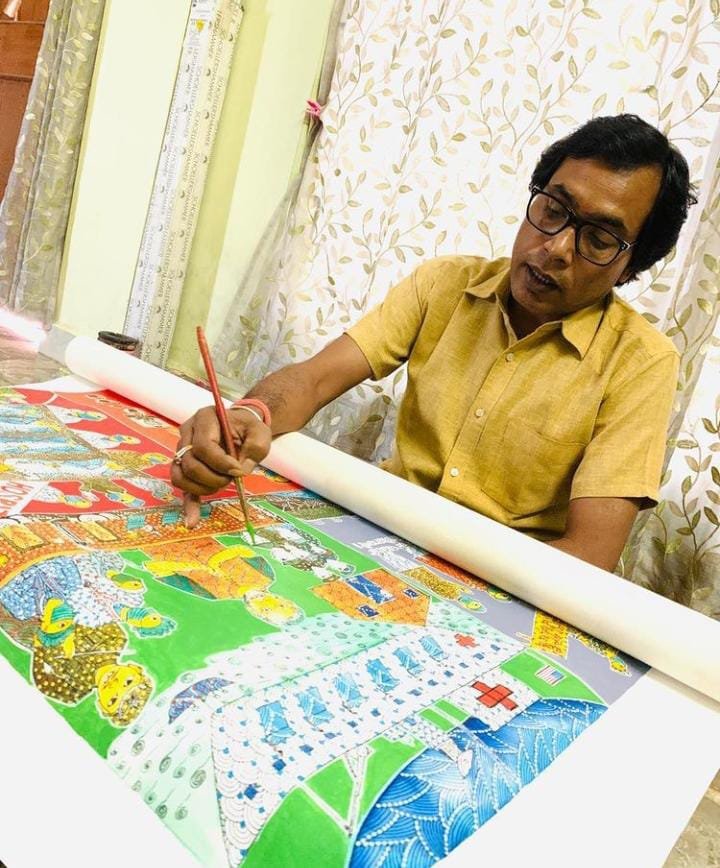
Unique totemic style of painting
Photograph by Bridge Bharat
Courtesy: Bridge Bharat
Usage Rights: Owned and approved by Bridge Bharat
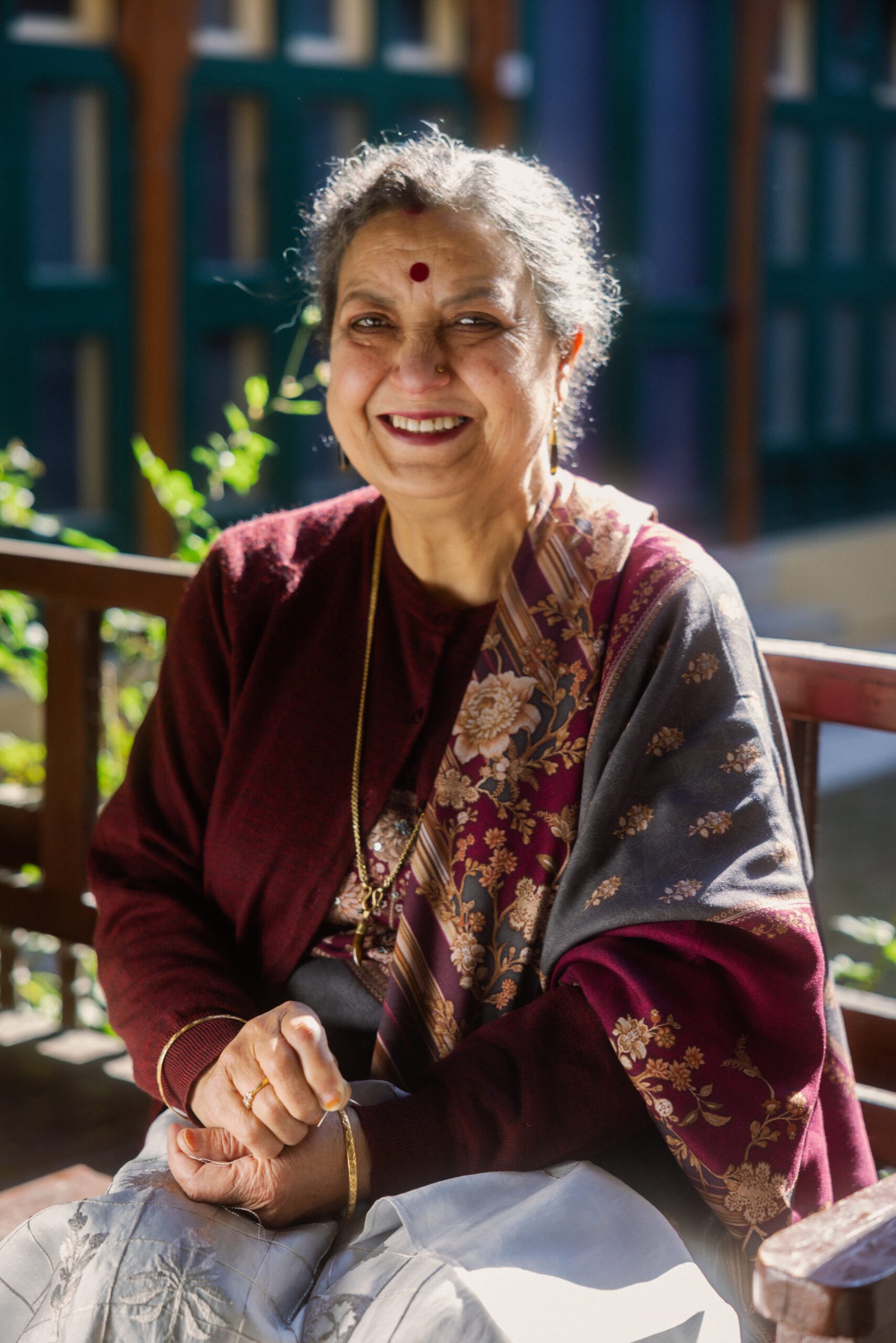
Photograph by Bridge Bharat
Courtesy: Bridge Bharat
Usage Rights: Owned and approved by Bridge Bharat
Collaborating with legacy artist families must come with both depth and responsibility. What has been your most profound learning from working so closely with these communities?
Aakanksha Singh – The most profound learning has been that traditional art doesn’t lack creativity, it lacks systems.
These artist families carry extraordinary generational knowledge. What they need isn’t change, but continuity, steady demand, structured engagement, and the right frameworks to evolve without losing their essence.
We work with them as long-term partners, building systems around their practice so their art can exist meaningfully in contemporary spaces while preserving its integrity.
The Scale of India’s Artistic Diversity
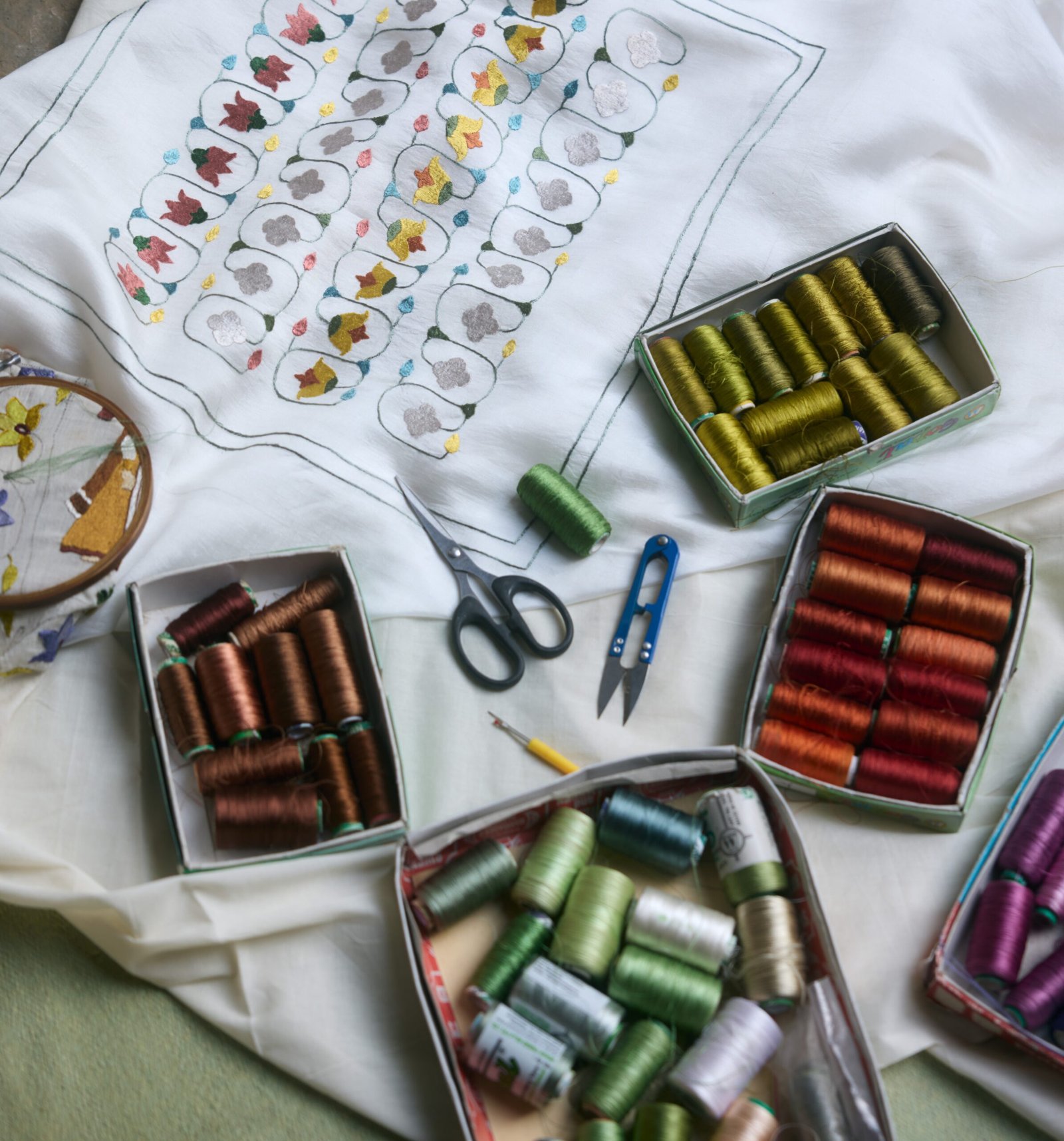
With over 3000 artforms across the country, how do you decide which stories to spotlight… and how do you avoid oversimplifying such complex cultural narratives? What are the challenges that have come your way? How did you tackle them and what have you learnt from that?
Aakanksha Singh – We work very selectively and intentionally, focusing on quality over scale by partnering with a limited number of communities – typically no more than 20 to 25 so each collaboration is deeply understood and meaningfully developed. Our selection goes beyond skill to include production ecosystems, material intelligence, and the art form’s ability to translate into contemporary architectural contexts.
Rather than simplifying narratives, we preserve them. The artist remains central, and every work carries its lineage, process, and cultural context. We act as facilitators, building frameworks that allow these stories to travel without dilution.
One of our biggest challenges has been resisting the pressure to scale quickly and learning that not every art form fits every audience. By slowing down and being intentional about where and how we present the work, we’ve learnt that true relevance comes from adapting the systems around the art—while keeping its integrity untouched.
Art as Language & Identity
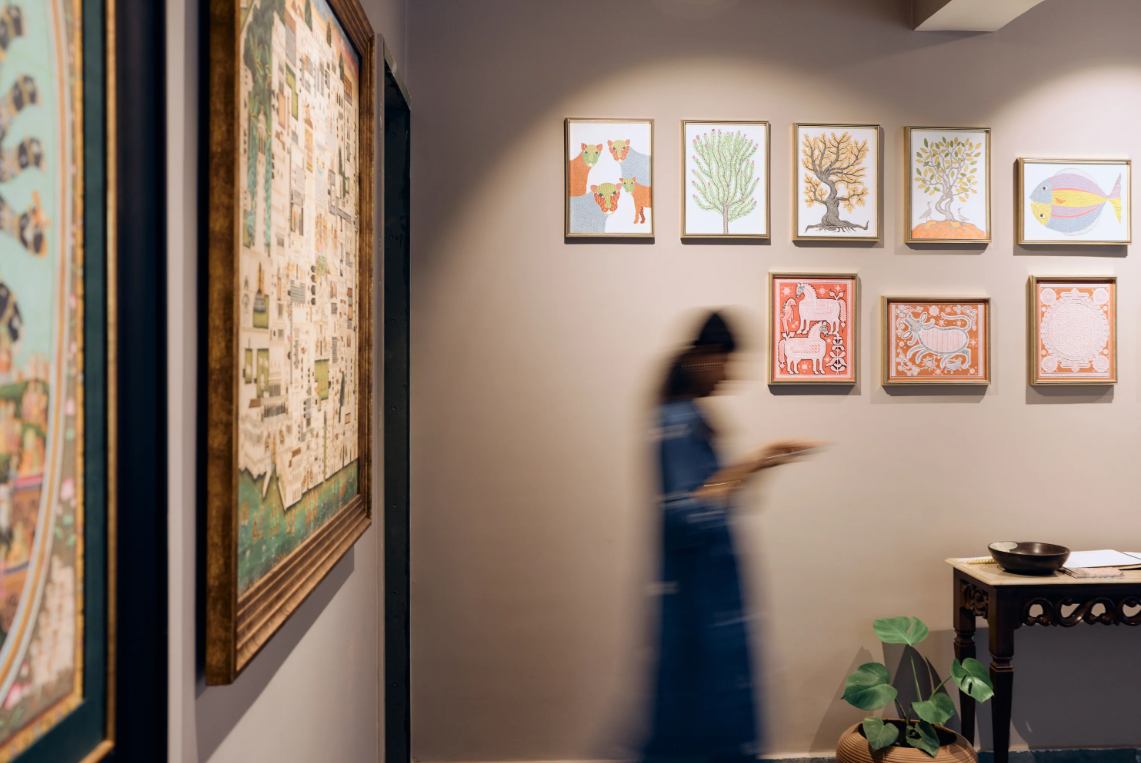
You speak about art carrying language, memory, and ways of thinking. In your experience, how does art succeed where words often fail?
Aakanksha Singh – Art succeeds where words often fail because it expresses culture in a way that is felt, not explained. It carries lineage, rhythm, and ways of thinking that language cannot fully capture.
By absorbing change while retaining its essence, art creates a natural bridge between past and present. When thoughtfully placed in modern spaces, it evokes a sense of continuity and belonging, allowing cultural identity to live on, beyond words.
Taking Indian Aesthetics Global
As you position Indian heritage on a global stage, what has been the biggest shift in how international audiences perceive traditional Indian art today? What are the three biggest milestones in your Bridge Bharat journey?
Aakanksha Singh – The biggest shift has been in perception, traditional Indian art is no longer seen as merely decorative or folkloric, but as a serious design language that can exist within contemporary global architecture and homes. There’s a growing respect for its depth, material intelligence, and cultural authorship.
At Bridge Bharat, we approach this shift with confidence, ensuring Indian art travels globally with its lineage, logic, and makers fully recognised.
Our three key milestones have been: raising early capital from strong institutional and angel networks; building a strong foundation by working deeply with around 20 master artist families; and reaching near break-even in our third year, creating a sustainable, operationally sound model.
The Future of Bridge Bharat
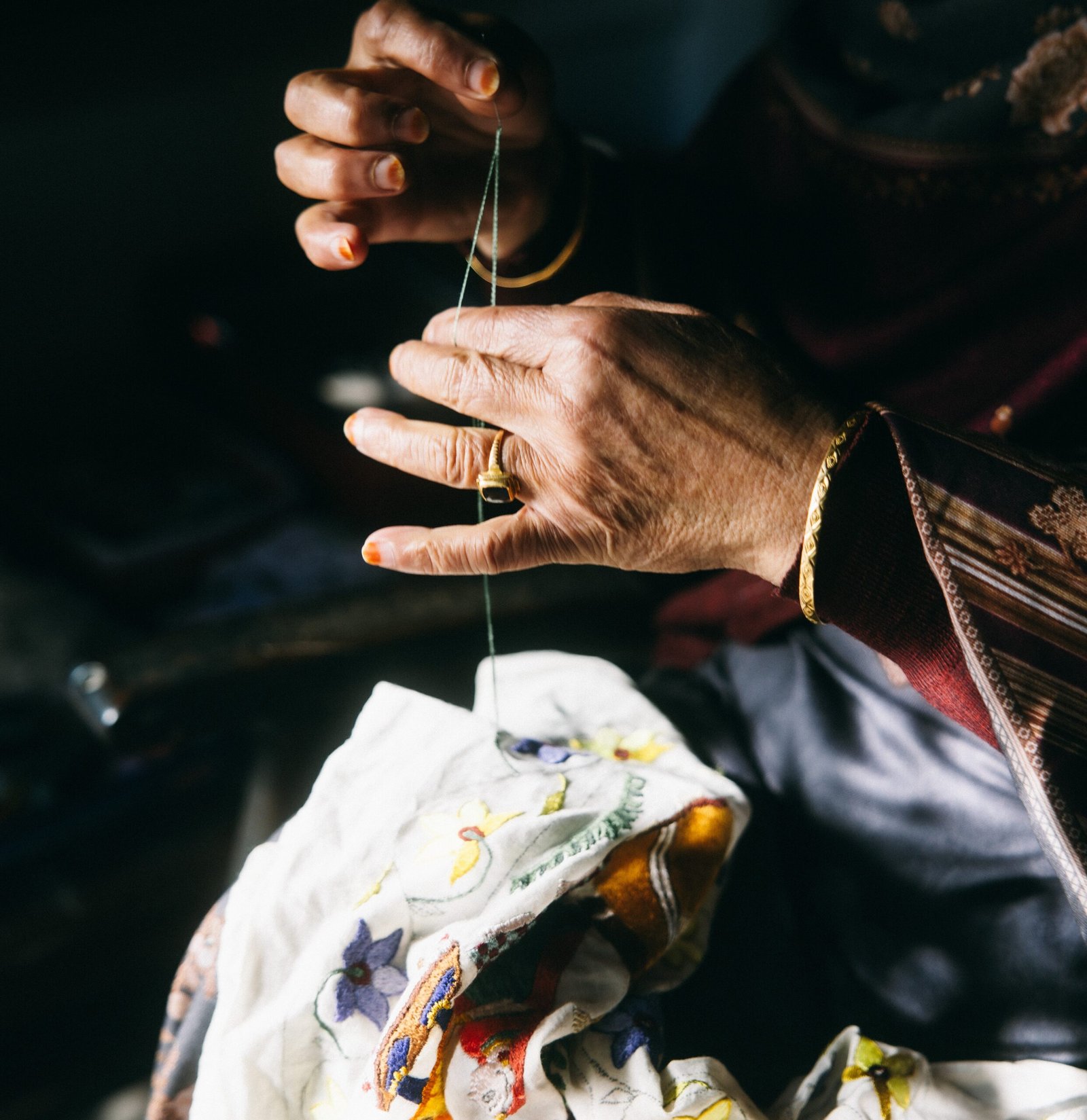
Photograph by Bridge Bharat
Courtesy: Bridge Bharat
Usage Rights: Owned and approved by Bridge Bharat
Looking ahead, what does success look like for Bridge Bharat, not just as a brand, but as a cultural movement?
Aakanksha Singh – Success for Bridge Bharat looks less like mass scale and more like cultural and brand depth—being present in a few hundred to a couple of thousand thoughtfully curated homes, becoming an aspirational reference point within India’s design ecosystem, and working deeply with around 20 core craft communities through active, evolving collections. Financially, the focus is on building steady, sustainable revenue rather than explosive growth, ensuring both the brand and the artist ecosystems mature together.