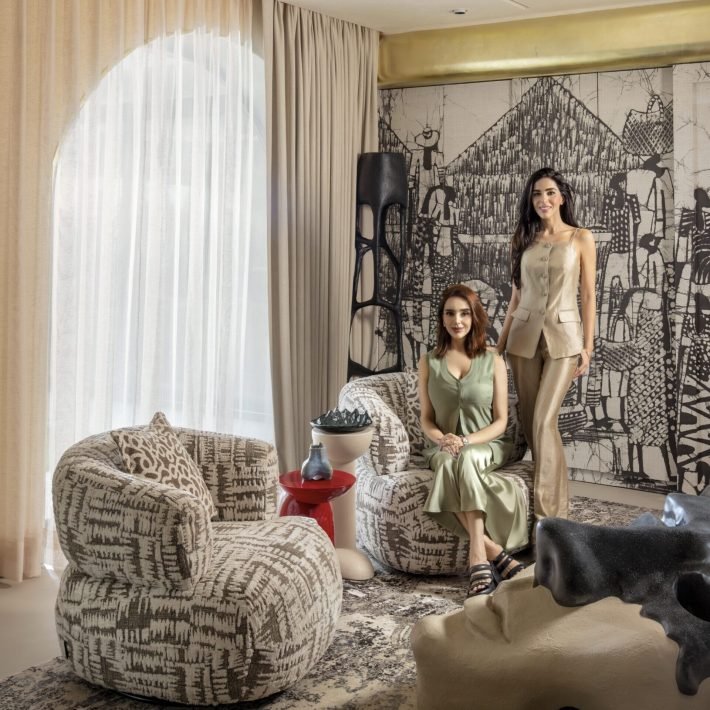
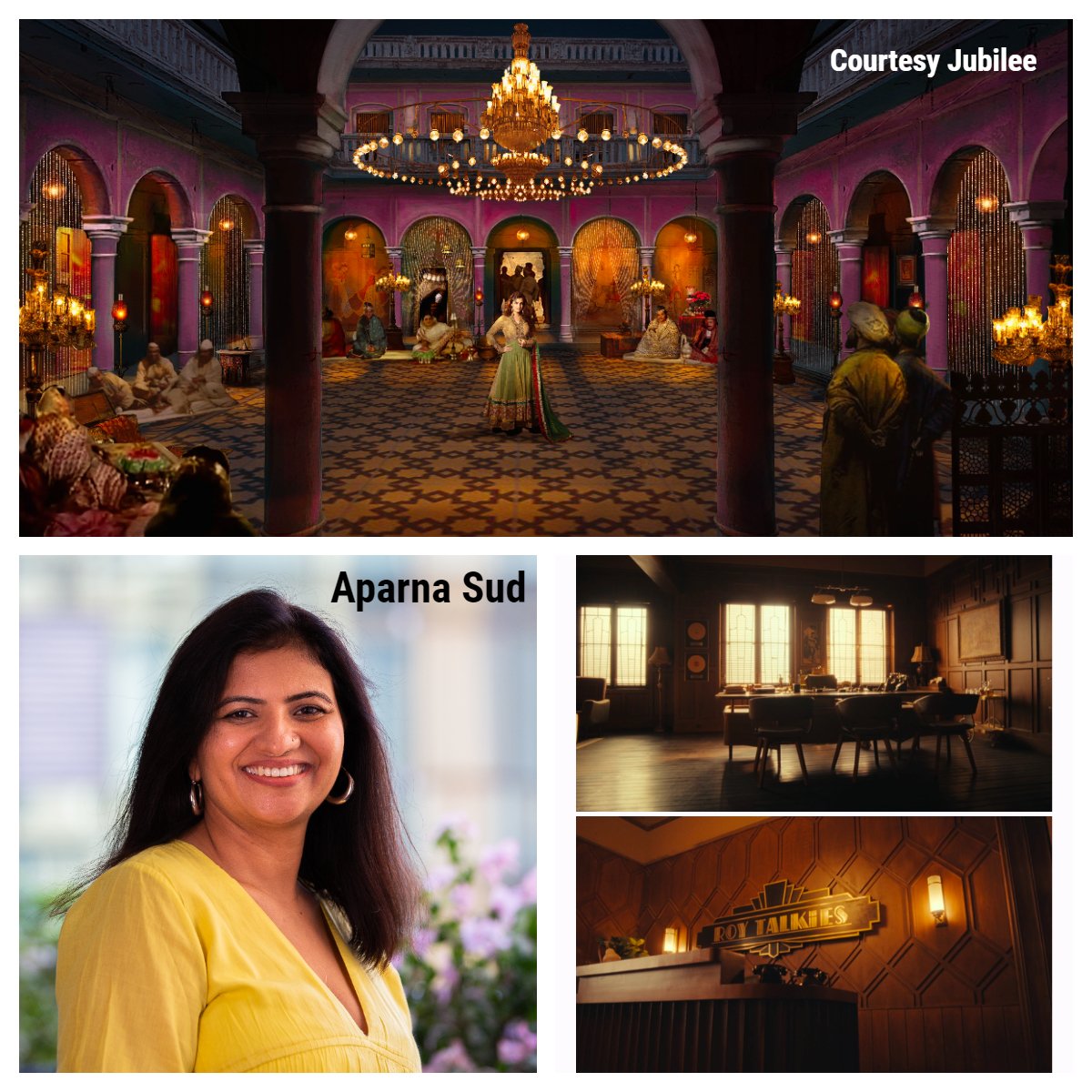
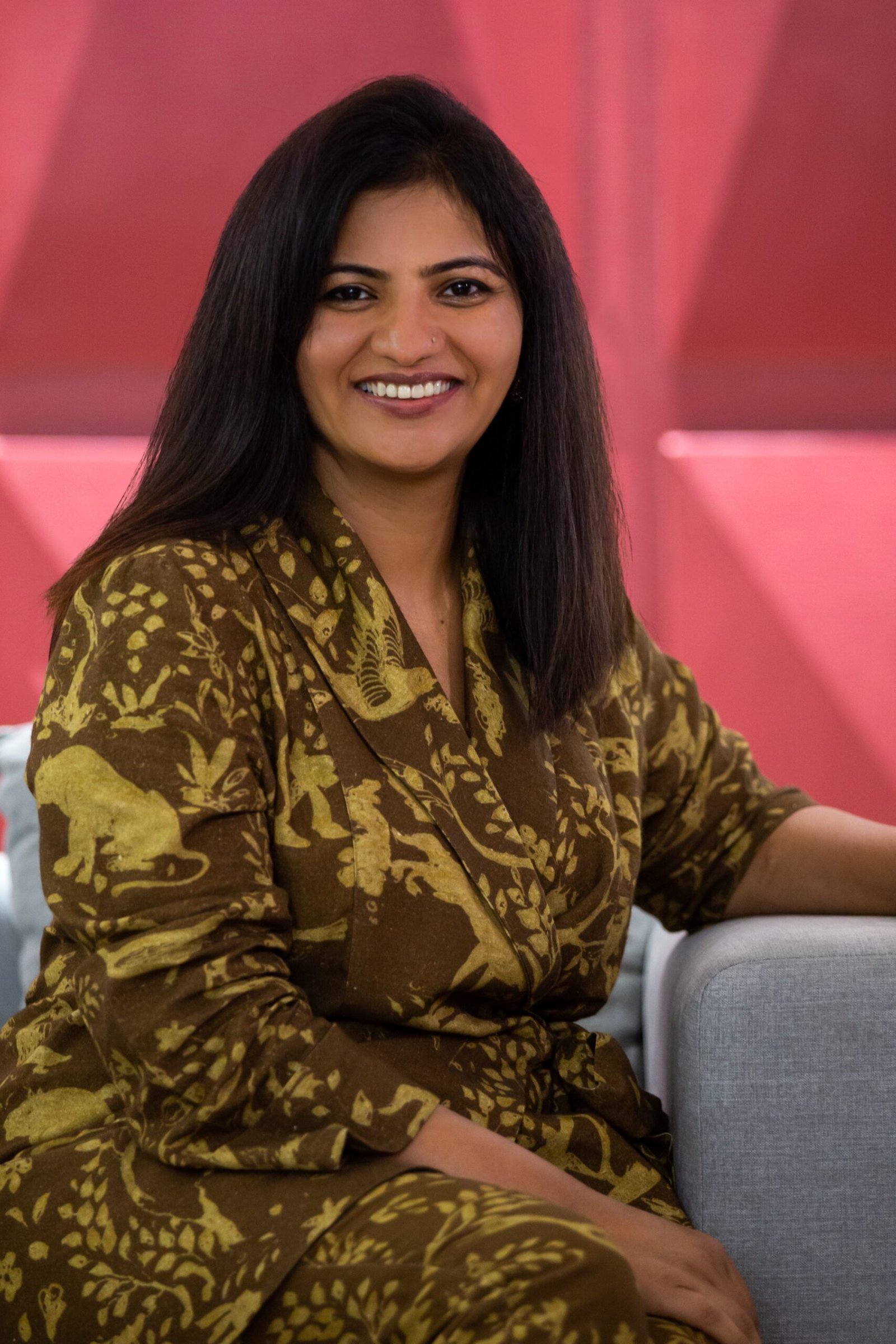
Meet the amazing Aparna Sud, the production designer behind the magnificent sets of Amazon Prime’s critically acclaimed series Jubilee’, wherein she recreated the long-lost era of the ’50s of the Hindi film industry. Indeed, her aesthetic sense, incredible research behind every design and eye for detail makes Aparna stand out amongst the milieu of designers in Bollywood. No wonder, she has won many awards, notable amongst them are the many awards for the film Neerja. Read on as Aparna speaks exclusively to TheGlitz about her journey, working on Jubilee and reveals many interesting anecdotes about designing sets.
Could you tell us about your journey in the entertainment world?
It’s been a wonderful 20 years in this industry. I started as an assistant art director to Guruji (Vinod Guruji) for a film called ‘Dil Ka Rishta’. After which was ‘Dhoom 1’ and a few TV commercials, followed by the Amitabh Bachchan-starrer ‘Baghban’ as a set dresser. I got my first break as HOD from the maestro Ram Gopal Varma and did eight films with him back-to-back. It was my luck that I got to work with illustrous directors like Ram Madhvani (Neerja), Raj & DK (The Gentleman), Vivek Soni (Meenakshi Sundareshwar), and now Vikram Motwane on ‘Jubilee’. In my journey. I hope this journey continues and remains as exciting as it has been till now.
You made the brilliant set design of Jubilee. Please tell us about what exactly went in building this from scratch.
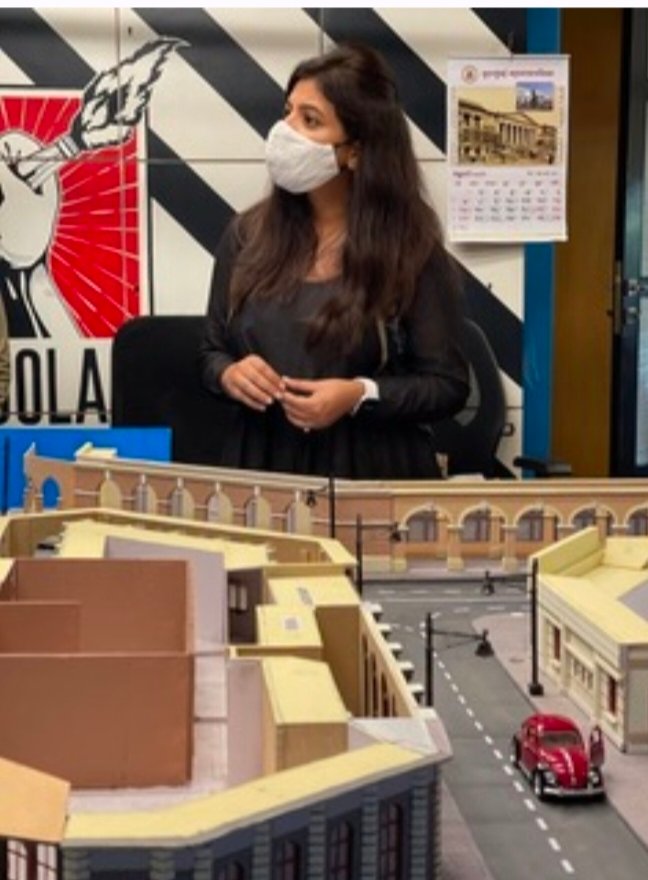
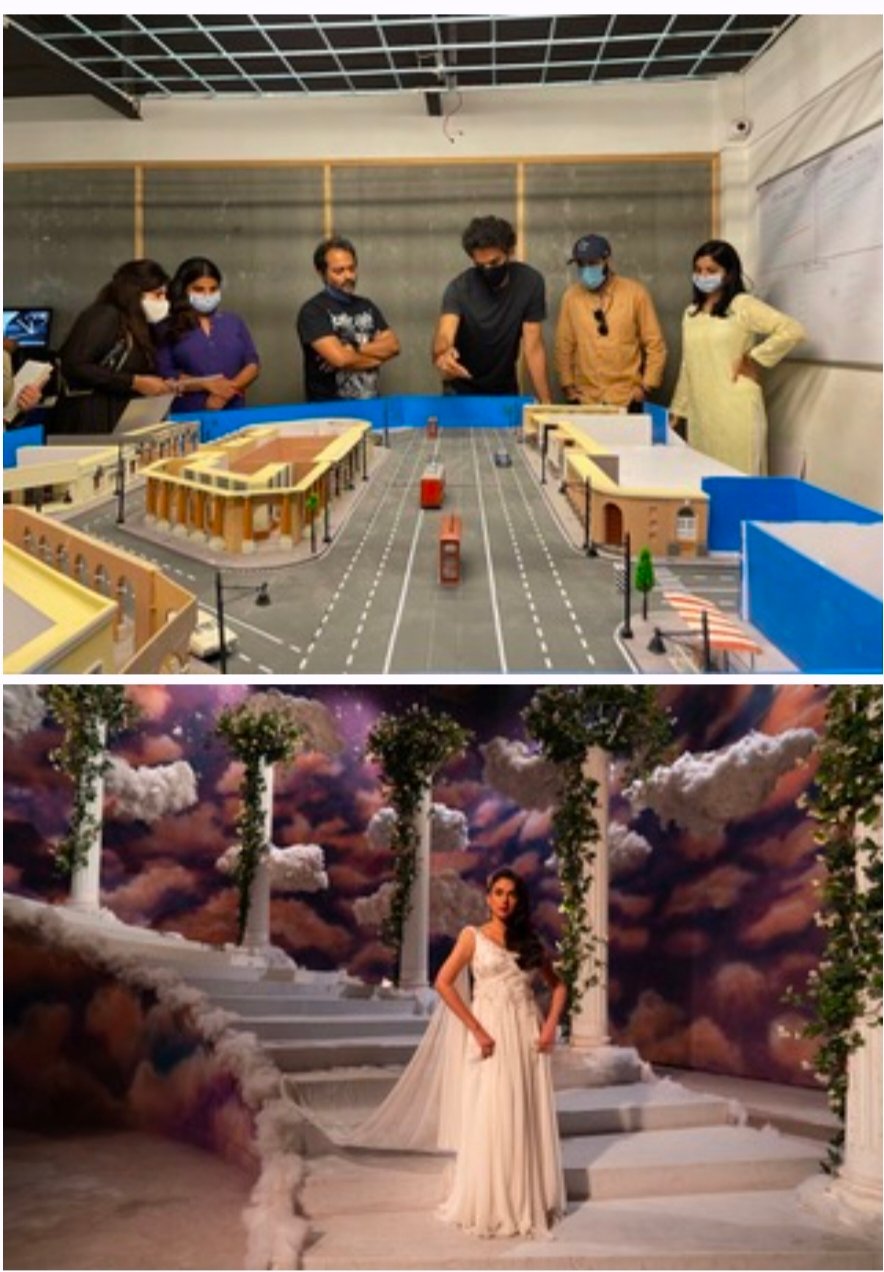
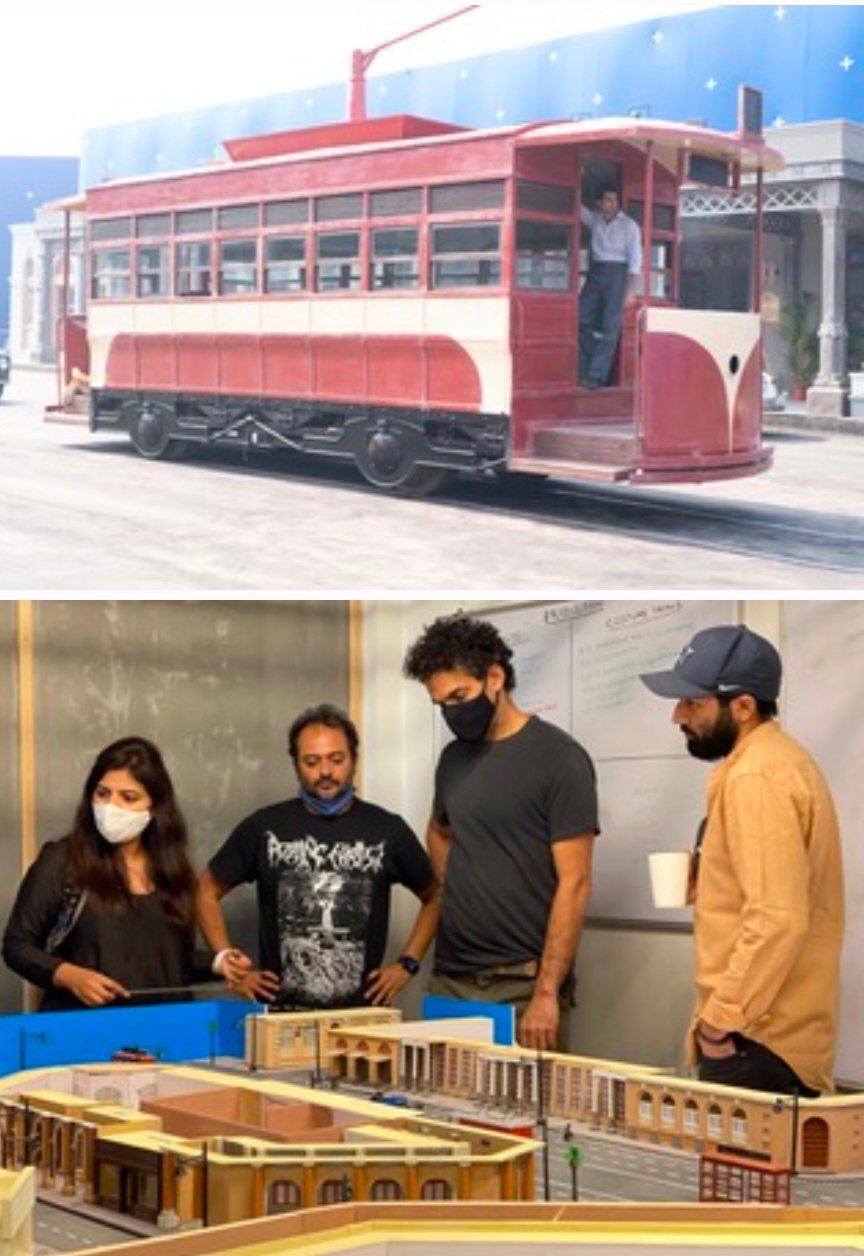
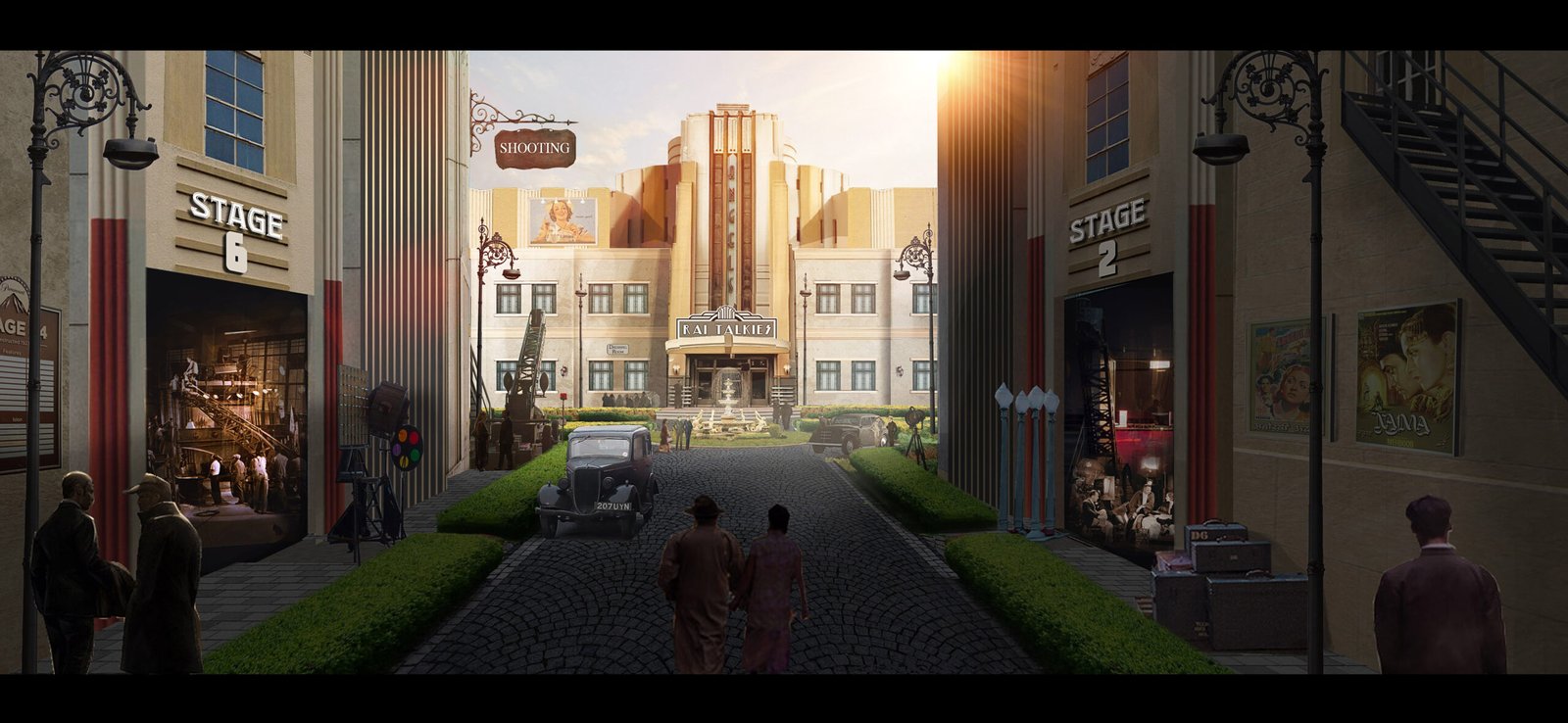
First of all, I must say that Jubilee is a production designer’s dream. It’s an honour to be able to build this world and be a part of this project. When I joined at the end of 2019, a lot of research was already done by Vikram’s team. We added to that all we could and started working on the designs. Initially, we worked on just layouts, references and sketches, and then worked on the detailed 3D renders and miniatures for the large sets. Simultaneously, I had teams source period props and make the film equipment that we couldn’t find. Then the actual set building started. We started with Roy Talkies, which was almost ready but had to be pulled down due to Covid-19. After the lockdown, we started with a different schedule.
What are the challenges or setbacks you’ve faced? And how did you cope with them?
Are you talking about Jubilee or overall in my career? Our work is about a lot of people … the larger the project, the larger the team. At the end of it, we as production designers are as good as our team is. I have managed to always have a decent bunch of experienced people around me who helped me face anything that comes by during the process.
Bollywood, they say, it’s all about contacts. Do you believe this is true? Or would you like to differ?
I definitely would like to differ. I feel perseverance and hard work are more important.
Tell us any anecdotes on the sets of Jubilee...
Ah, so could you figure out that the kotha set and the bar set – the basic structure is the same and we did cosmetic changes within just 3 to 4 days from one to the other? Those kinds of things are always fun to play around with.
What are the other projects you have in hand?
I have something which will be released at the end of this year but I can’t disclose details. Other than that I am working on TV commercials. I love to do long formats but it has to be something very interesting.