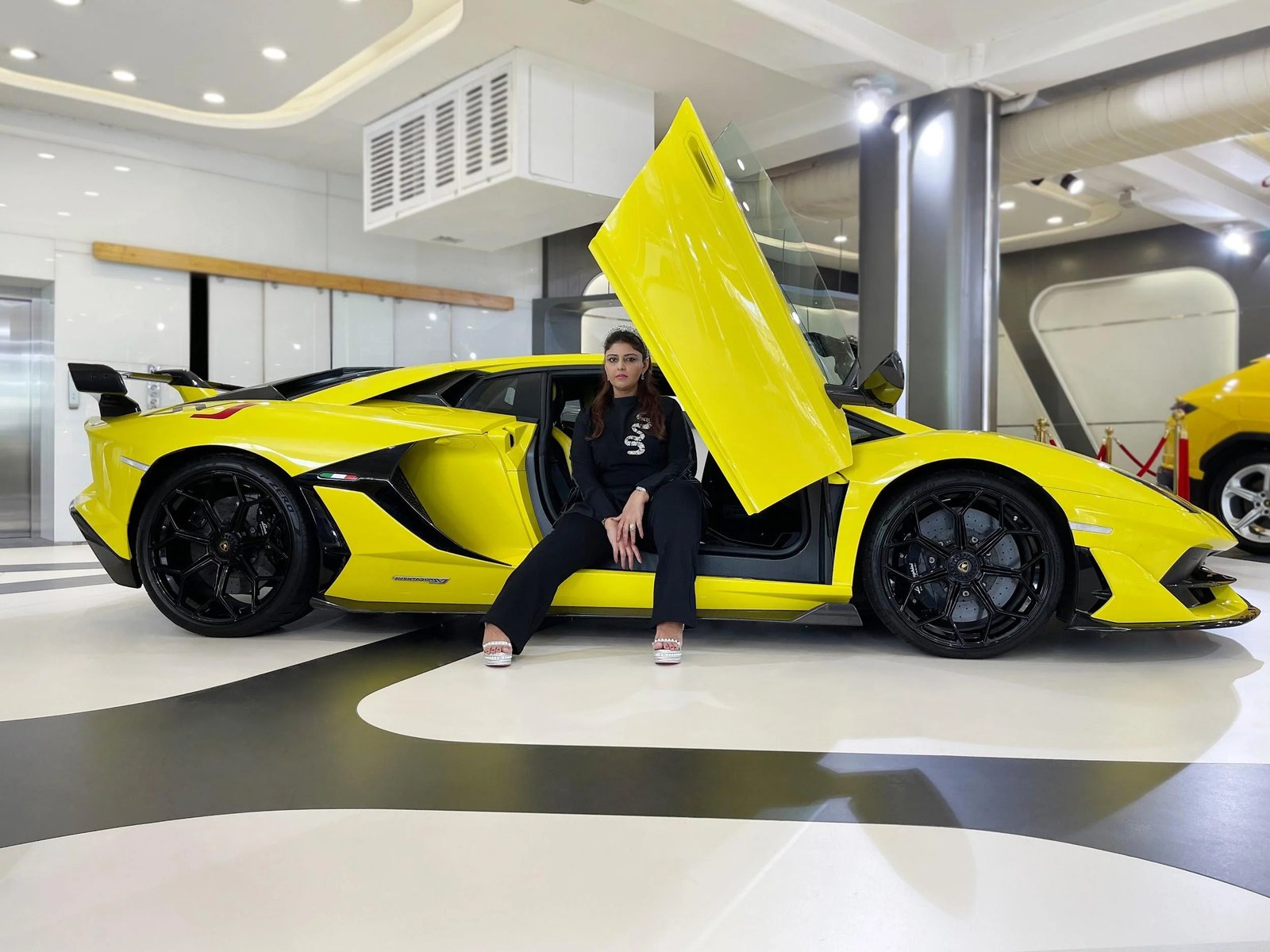
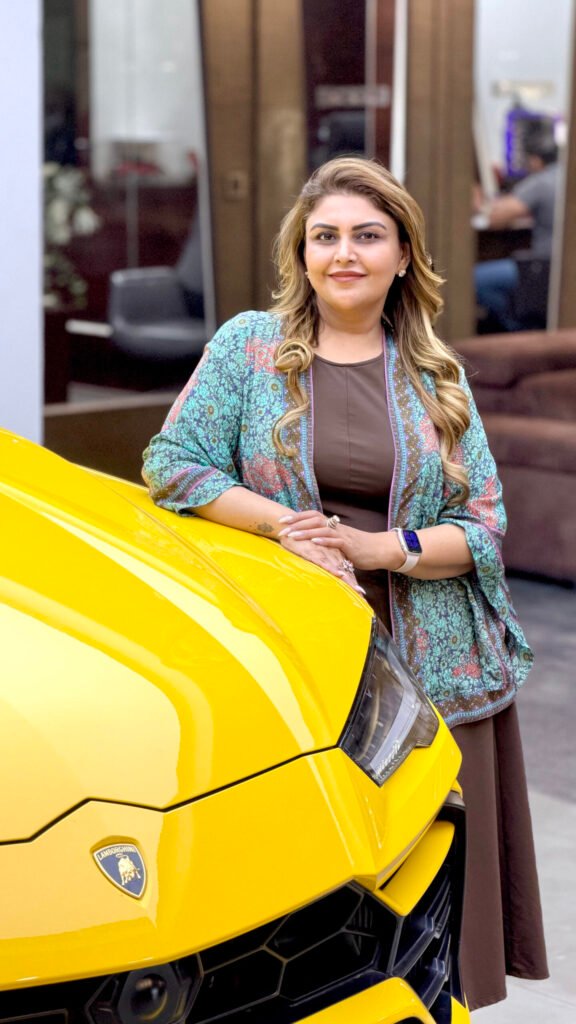
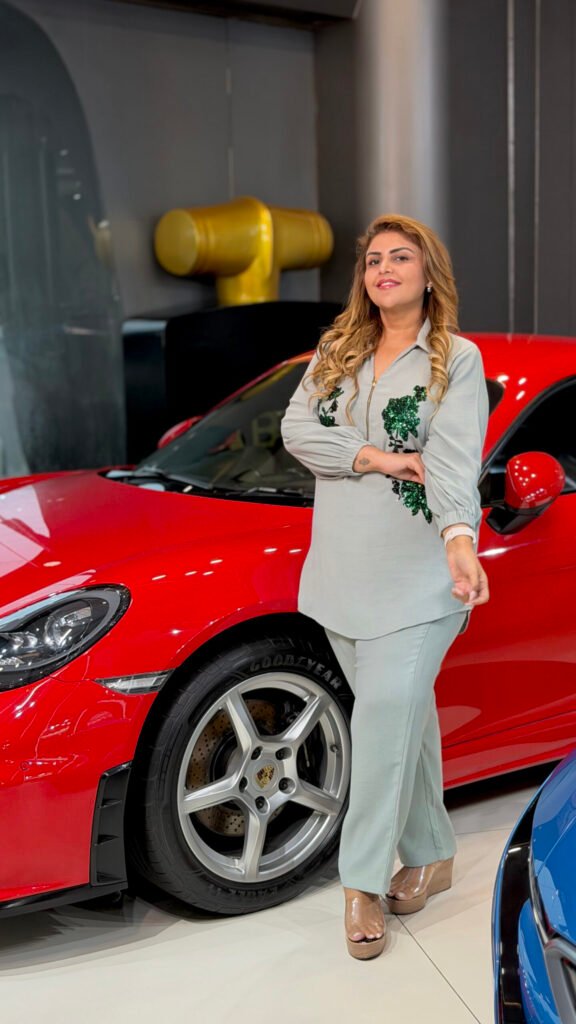
Catching Ritika Jatin Ahuja, founder of Queens Drive Club and COO of Big Boy Toyz, mid-week was a bit like catching a supercar at a red light: brief, and only if you timed it right. I was jet-setting between cities, she was knee-deep in final logistics for Queens Drive Club’s first-ever Mumbai drive, and between the two of us, our calendars had exactly one overlapping window. We took it.
The timing wasn’t incidental. In just two days, on September 6th, more than a hundred women will flag off from the Bastion Beach Club Juhu, in a convoy of supercars, but this isn’t just another glossy drive morning. This one comes with a post-brunch panel of cancer survivors and doctors, a partnership with V Care Foundation, and Queens Drive Club’s pledge of one lakh chemotherapy treatments alongside PATH Foundation.
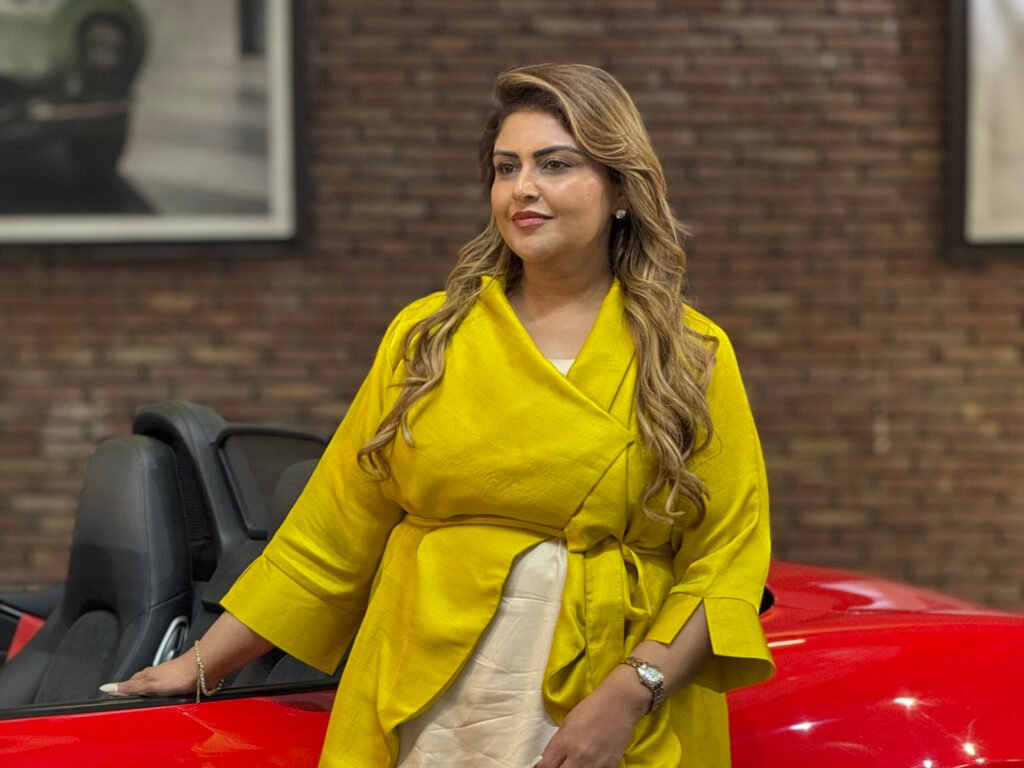
It’s Ritika’s boldest articulation yet of what she’s been building since founding the club: a community that started with a shared love for cars and has quietly become a platform for something far more consequential.
For TheGlitz, we spoke about why she chose cancer awareness for Queens Drive Club’s Mumbai debut, what privilege owes to purpose, and how a woman who once designed yacht interiors for a living is now designing space for some of the hardest conversations a room can hold. Here’s what she had to say.
Over to Ritika Jatin Ahuja…
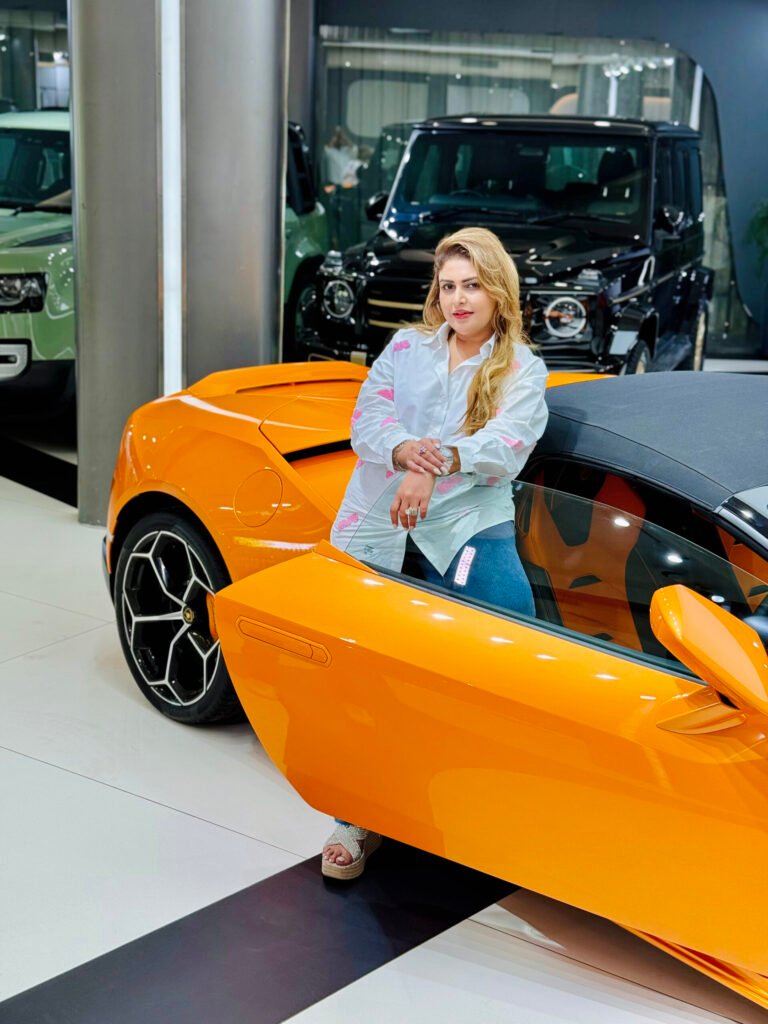
Rajeev Mokashi: Supercars are about speed, precision, exclusivity. Cancer awareness is about vulnerability and slowing down to listen. What made you put these two worlds in the same orbit for Queen Drive Club’s Mumbai debut?
Ritika Jatin Ahuja: Perhaps because they seem like two completely different worlds. But that contrast is exactly what made me feel they belonged together.
Queens Drive Club (QDC) is a community of women who have been fortunate enough to experience certain privileges, and I have always believed that privilege becomes more meaningful when you use your platform to create awareness and impact. Cancer is something that can touch any family, it’s a disease that doesn’t differentiate, yet conversations around it are often difficult.
I wanted our Mumbai debut to be about more than beautiful cars and a beautiful morning. I wanted us to pause, listen, and use the visibility of our community for something that genuinely matters.

Pairing survivors and doctors at a post-drive brunch is an unusual mix of celebration and confrontation. What do you hope a woman in Louboutins, coffee in hand, takes away from that conversation that a pamphlet never could?
I hope she walks away understanding that cancer is not an abstract statistic. There is a person, a family, and a very real story behind every diagnosis.
Meeting survivors and hearing from doctors creates an emotional connection that information on a page sometimes cannot. I personally learned, after visiting V Care Foundation, that chemotherapy can cost as little as ₹2,000 and that realisation stayed with me. There’s no reason to hesitate before asking how we can help or support.
I also want women to leave with a sense of responsibility, not fear. To understand the importance of awareness, early detection, and looking after themselves and the people around them. If one woman goes home and has a conversation with her mother, sister, friend or doctor because of what she heard that morning, the conversation has done its job.
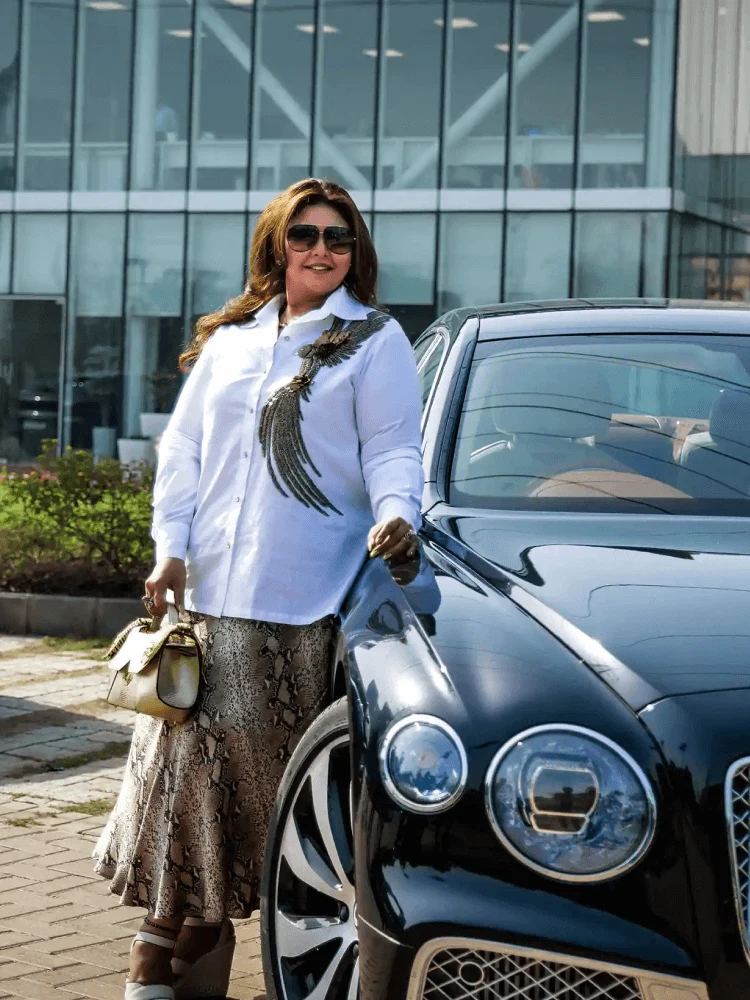
Awareness campaigns are common; sponsoring one lakh chemotherapy treatments is a commitment with a very specific number attached. Walk us through the moment that number stopped being aspirational and became a promise.
The intention was never to put a number out there simply to make a statement. As we started understanding the needs on the ground, we realised that cancer care extends far beyond chemotherapy.
Patients and their families need support through comprehensive cancer treatment, palliative care, and even something as basic as meals during an incredibly difficult time. That’s when the commitment became much more real for us. We wanted to support cancer patients in a way that addressed the larger journey of treatment and care, rather than reducing it to just one aspect.
The number represents the scale of the commitment, but the people behind that number are what truly matter. Once you understand that, it becomes less about making a promise and more about taking responsibility for following through.
You’ve spoken about communities with means having a greater duty to causes like this. Is that responsibility, guilt, or simply good leadership, and how do you tell the difference?
I don’t believe it should come from guilt. Guilt is not a sustainable reason to do anything.
I see it more as responsibility and awareness. If you have access, influence, or a platform that can bring attention to an important cause, why wouldn’t you use it? Good leadership, to me, isn’t only about building successful businesses or communities. It’s also about understanding the impact you can create beyond them.
The real test is whether you’re doing it because it looks good, or because you genuinely want to make a difference. People can usually tell the difference.
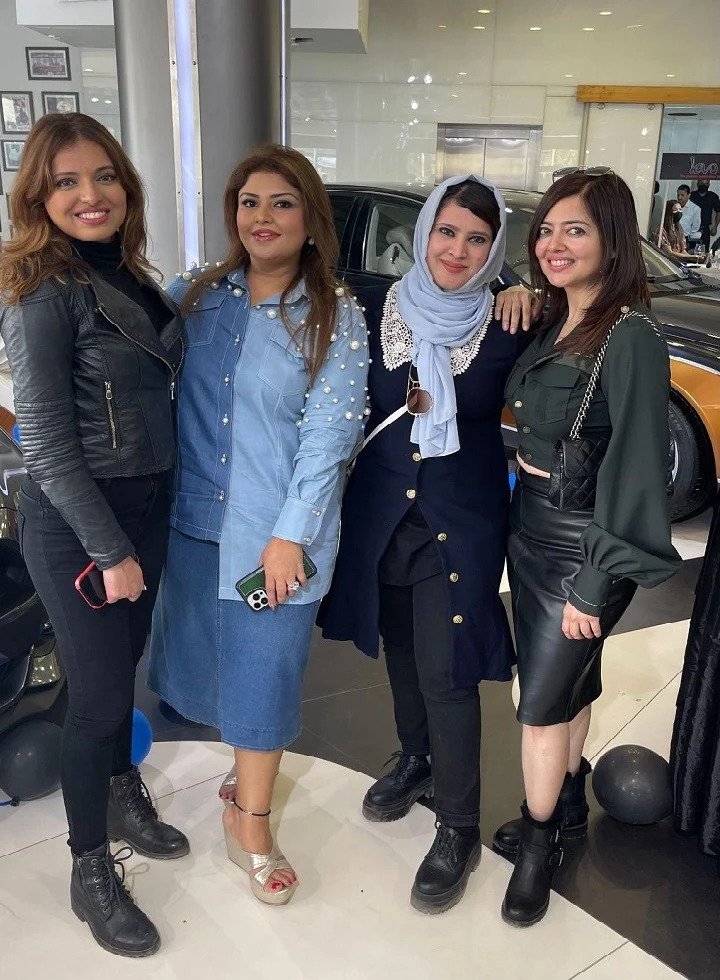
Queens Drive Club began as 100+ women united by a love of horsepower. At what point did you realise the real engine was the community itself, not the cars?
Very early on. The cars were the reason we met, but they were never the reason women kept coming back.
I started seeing friendships form between women who otherwise may never have crossed paths, celebrating each other’s businesses, achievements and personal milestones, supporting each other and creating opportunities for one another.
That’s when I realised, we had created something much bigger than a driving club. Today, if you took the cars away, I genuinely believe the community would still exist. And I think that’s the biggest achievement of Queens Drive Club.
You trained in yacht and jet interiors before helming Big Boy Toyz, spaces built entirely around comfort and control. How does that eye for detail show up in something as uncontrollable as a cancer conversation?
Design taught me that the smallest details often determine how people experience a space. But cancer isn’t something you can design or control, and that’s exactly why the focus has to be on the human experience.
For this conversation, the details matter in a different way, creating an environment where survivors feel respected, where doctors can speak openly, and where everyone feels comfortable enough to listen.
You can’t control what someone feels when they hear another person’s story, but you can create the right space for that conversation to happen.
Between the awards and the accolades, what’s one belief about leadership you held that QDC has quietly talked you out of?
I used to think leadership meant having the answers. QDC has taught me that sometimes leadership is about creating a space where other people can find their own answers.
I’ve learned to listen more, to trust people, and to understand that you don’t always have to be the loudest voice in the room. Some of the strongest leadership I’ve witnessed within QDC has come from women simply showing up for one another. That has changed the way I think about leadership.
Five years from now, will Queens Drive Club be remembered for the cars, or for the cause?
I would love for the cars to be the beginning of the story, not the whole story.
Five years from now, I want people to remember QDC as a community that brought women together, gave them confidence, created experiences, and used its collective influence for causes that mattered.
The cars will always be a very important part of who we are, they’re what brought many of us together. But if the community can leave an impact beyond the road, that would mean far more to me.