Gita Balakrishnan
In an industry long defined by structured form, function, and visual language, Gita Balakrishnan has been quietly yet powerfully shifting the narrative… placing people, purpose, and participation at the very heart of design. As the Founder of Ethos Foundation, her work goes far beyond creating platforms; it builds ecosystems where architecture is not just taught or practiced, but questioned, expanded, and made deeply relevant to the world it inhabits.
What sets Gita apart is her unwavering belief that architecture must move beyond aesthetics and into empathy. Through initiatives that bridge the gap between education and real-world practice, she has consistently championed a more inclusive, accessible, and socially conscious design language… one that listens as much as it creates. Whether it’s empowering young architects, amplifying unheard voices, or reimagining how spaces are experienced across diverse communities, her approach is both visionary and grounded in action.
At a time when the industry is grappling with questions of sustainability, inclusivity, and responsibility, Gita’s voice feels not just relevant, but necessary. She reminds us that design is not a solitary act of creation, but a collective dialogue… one that must include the very people it seeks to serve. Her journey, marked by resilience, conviction, and an ability to turn challenges into catalysts, reflects a deeper cultural shift within architecture itself.
Here, in an exclusive interview with Sumita Chakraborty, Founder & Editor-in-Chief, TheGlitz, Architect Gita Balakrishnan shares her journey, why she started Ethos Foundation, the challenges that shaped her path, and her vision for a more human-centric, empathetic future in design…one where architecture doesn’t just build spaces but builds understanding.
Over to Architect Gita Balakrishnan…
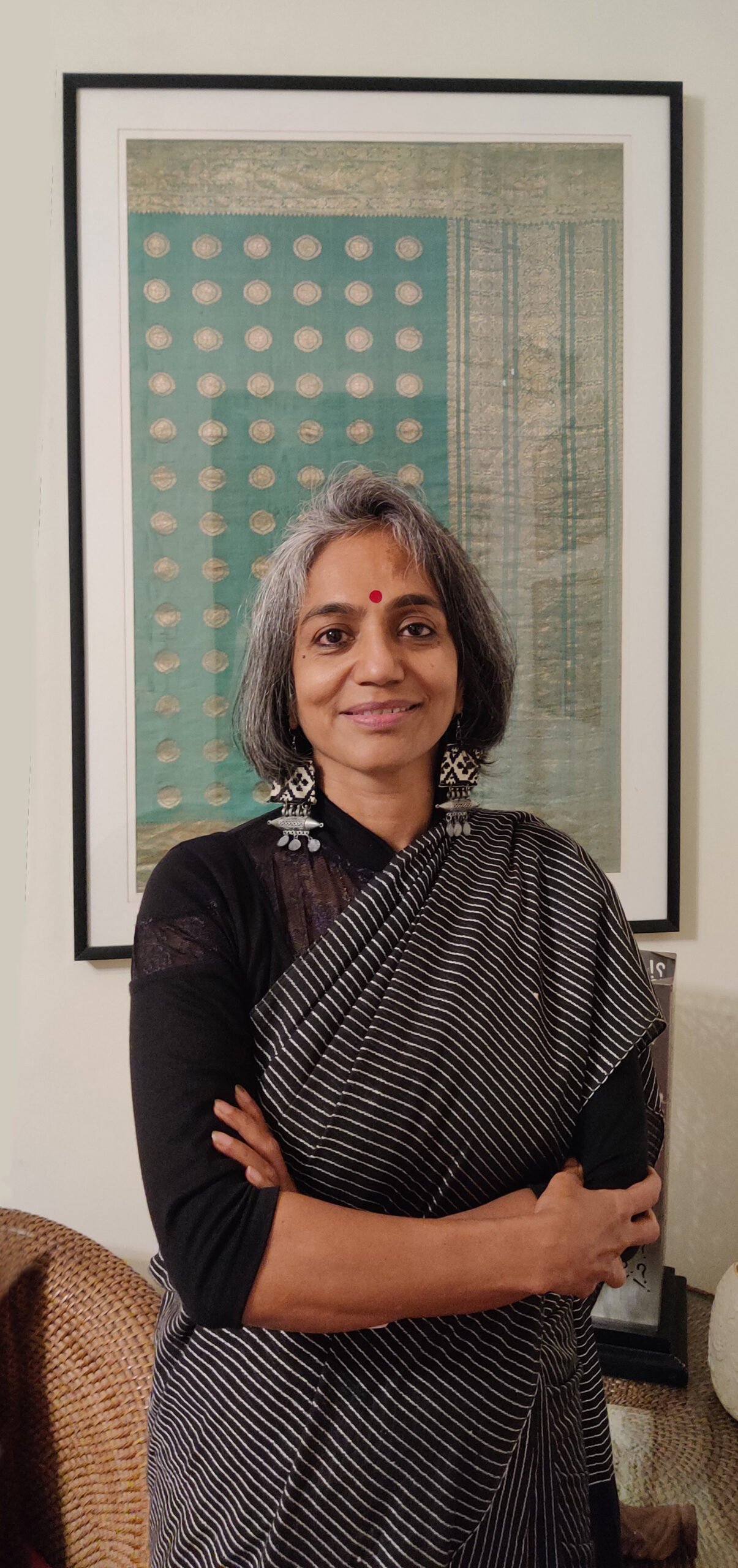
Your work has consistently pushed architecture beyond aesthetics into the realm of social responsibility, firstly could you tell us about your journey into the world of architecture, the challenges you faced and how you overcame them? Also, what, in your view, is the biggest shift the industry still needs to make to truly become inclusive and accessible?
Gita Balakrishnan – When I started Ethos in 2002 and conceived Archumen, I felt the brilliance of the idea would have many financial sponsors lining up to partner with the event. I realised how wrong I was. The first event, I actually had student participants staying at my house. We would even pick them up at different times from the station.
I invested my own money in the first event. But never did I doubt the idea. I saw how the initiatives I conceptualised over time galvanised students, got them to find the best version of themselves and firmly believed in the need for them to fill the gaps that they were being designed to fill. And that conviction was so strong that I innovated on ways to fund them. After the first event, I decided that I would only spend what I earn, and that has held me in good stead. I discovered that when you ensure exemplary quality, partnerships sustain over time and grow to be robust.
The biggest challenge has been and continues to be getting partners to be patient in their expectation of ROI – Returns on Investment; getting them to understand the value of investing in young minds and the potential of them growing into professionals.
I would be completely remiss if I did not begin by mentioning my family, who partook in the joy of my journey at every step. Every new initiative is like a family celebration even today. In the early years, when I was not sure until a sponsor pledged support if I had money to see an event through, the quiz host, Giri “Pickbrain” Balasubramaniam, would assure me that he was on board, irrespective of whether and when I paid him.
Almost every architect I invited in the early years—whether as guests, jury members, or attendees—joined with exuberance. They believed in what I was doing, or at least attempting to do. Past participants and achievers have developed deep bonds with Ethos because of their fond memories and are always eager to help with advice, with time and even resources.
The biggest shift the industry still needs to make is, moving from compliance-driven design to empathy-driven design. Today, accessibility is often treated as a checklist, minimum widths, prescribed ramps, and reserved facilities, added at the end of a project to meet regulations. But true inclusivity demands that we rethink the very starting point of design, where diverse users are not exceptions but the norm.
Through Ethos Foundation, you’ve created platforms that bridge education and practice… what gaps did you observe in the architecture ecosystem that led you to build this initiative?


Gita Balakrishnan – In the first 22 years through Ethos and in the last 4 years through Ethos Foundation, we only worked to observe and learn about gaps and constantly found engaging ways of bridging them. So, it was really one step at a time – identifying a pain point and crafting an innovative way to bridge the gap, that made all those involved value-holders so that they felt ownership and accountability. We evaluated the impact and pivoted as required. It was both hard and easy since there was no precedent. Gradually, the mission evolved into a deep personal calling and to harness the ecosystem we were creating for larger social change.
In the early years, Ethos’s vision was limited to creating outside-the-classroom learning opportunities and bringing different colleges together to learn from each other. In the second decade of Ethos, democratising learning became central to all that we did with conscious efforts to reach content, the experience of practitioners and initiatives to all students and colleges equally. The gap between job opportunities and architects seeking employment was also addressed.
Along the way, students and colleges expected us to play a larger role. As we curated initiatives, I realised that the call of the hour was for a shift – where we, as a community of architects, include in our conversations those with whom we are to design and build, the voices that we rarely hear when we communicate in our closed circles.
The initiative emerged from a clear gap between architectural education and the societal context within which design operates. The ecosystem had limited emphasis on social responsibility, inclusivity and real-world impact. Ethos Foundation was built to create platforms to help connect students, professionals, and communities. Design education needs to be more accessible and socially relevant.
There is also a lack of awareness around issues such as sustainability, universal design, affordability and the role of construction workers. Through our initiatives, Ethos Foundation helps integrate these concerns into design thinking by encouraging a more holistic and responsible approach towards the design.
In conversations around design today, inclusion is often spoken about, but not always implemented… what are some practical ways architects and designers can move from intent to impact?

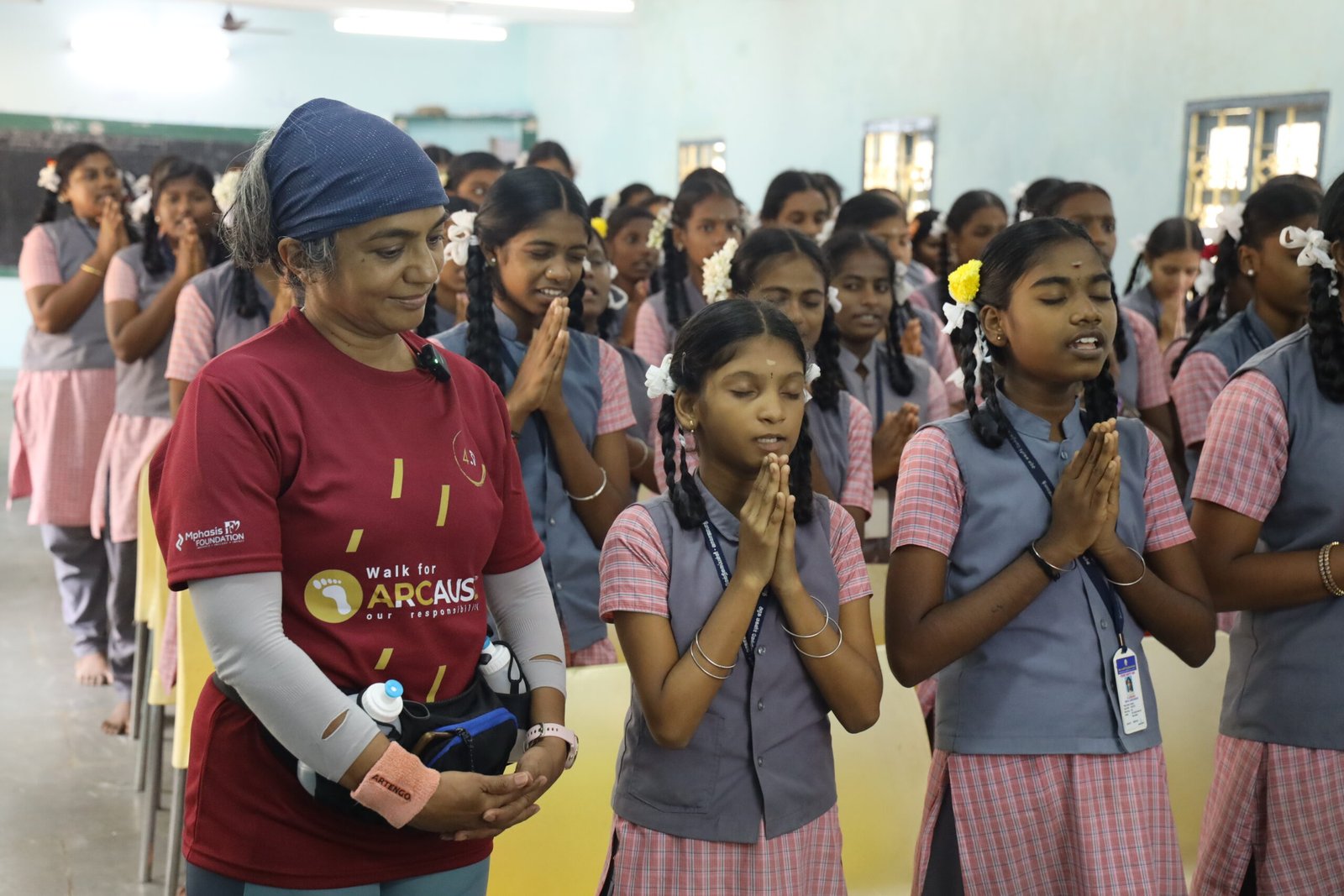
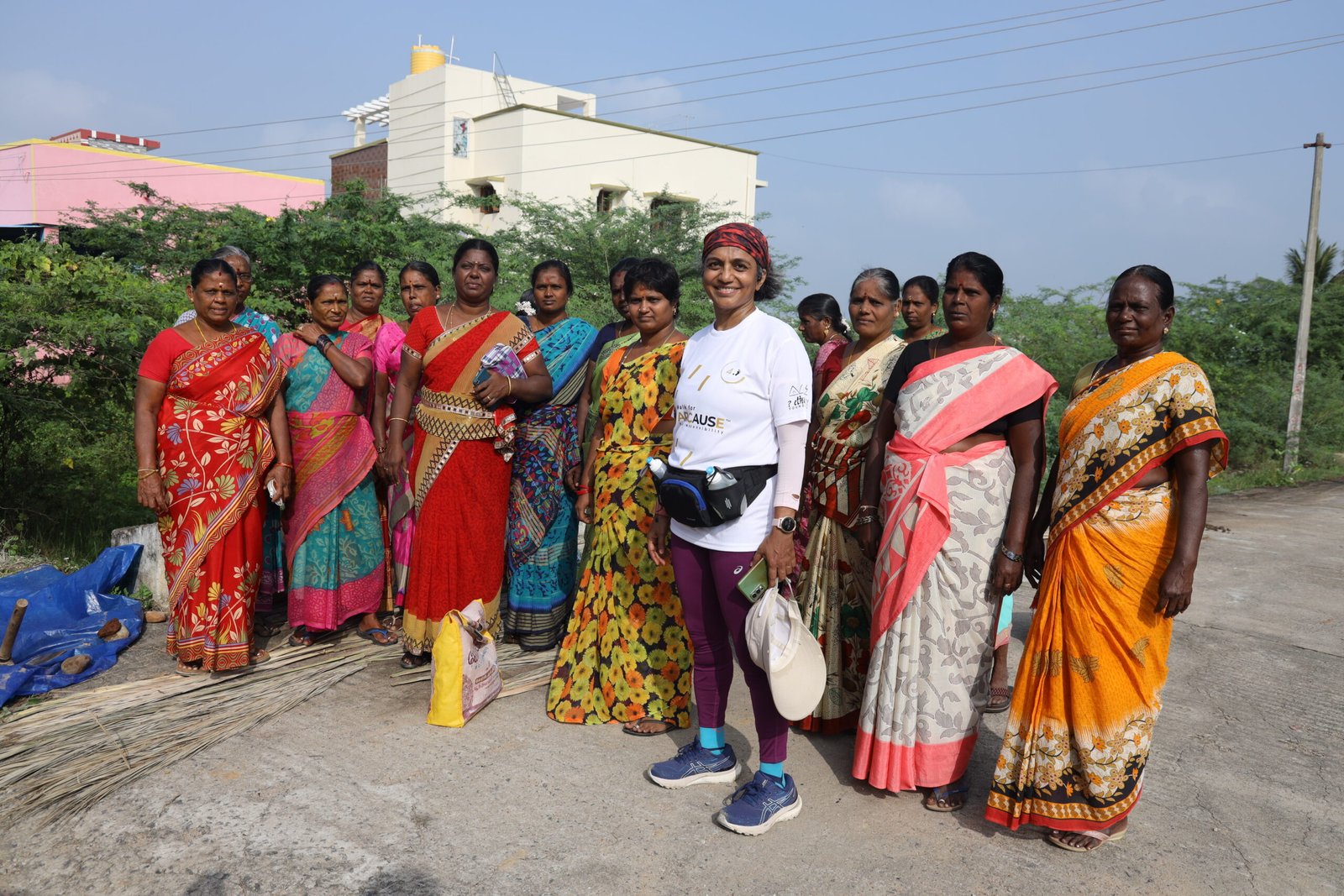
Gita Balakrishnan – In today’s discourse, inclusion must be embedded as a method, a process, and a measurable outcome within design practice. Our experience through the Universal Design Walk for Arcause – Walk for Empathy, Walk for Inclusivity made this shift starkly evident: spaces are not exclusionary by accident; they are exclusionary by design decisions that overlook lived realities.
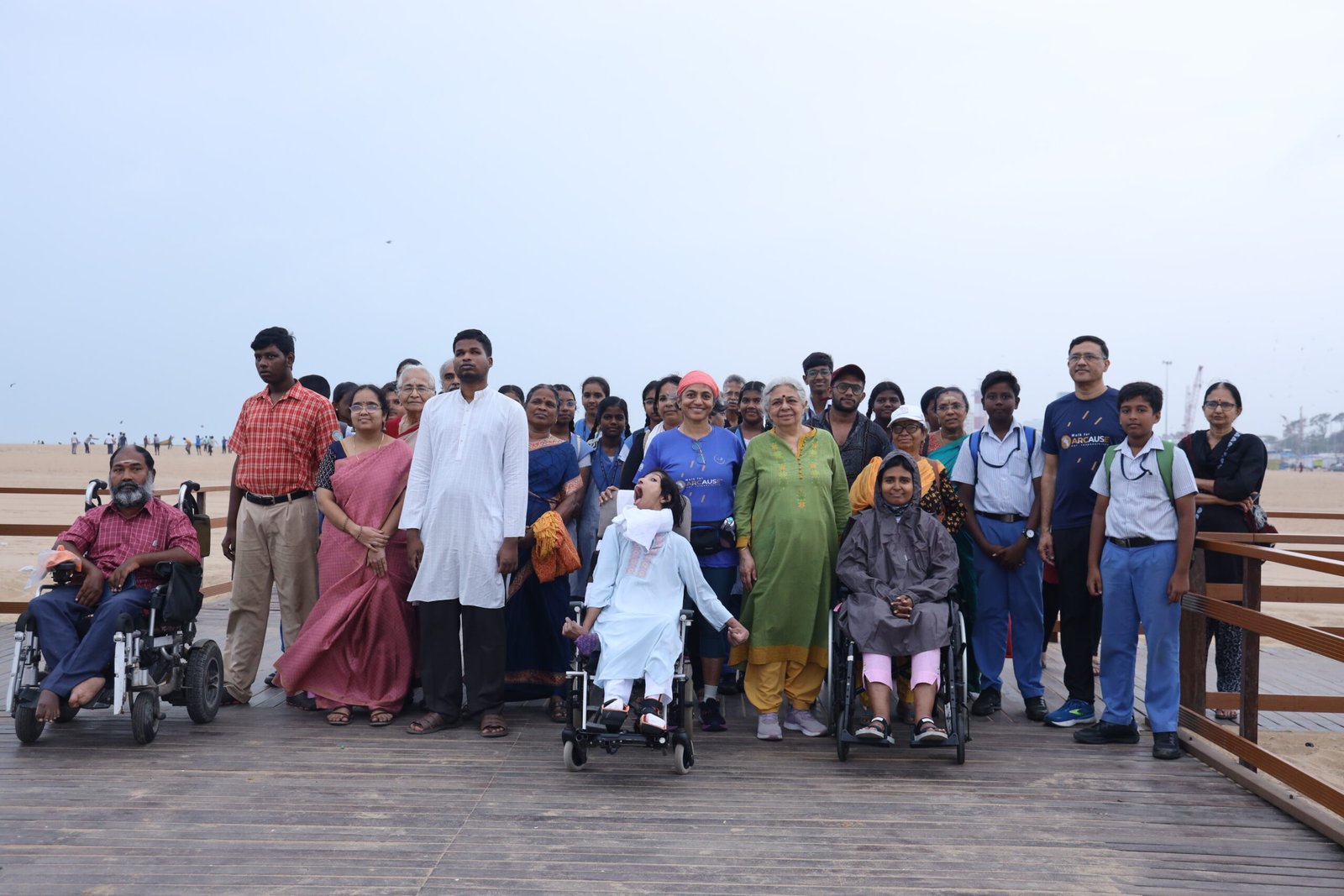
Walking alongside persons with visual impairments, wheelchair users, senior citizens, and diverse communities revealed that the built environment consistently assumes a narrow, able-bodied user. Moving from intent to impact, therefore, begins with reframing design as a participatory and empathetic act, one that actively involves users across abilities in the design process, as co-creators from the outset.
Inclusion must move beyond token gestures like ramps to embrace universal design as a systems approach. integrating tactile navigation, intuitive wayfinding, sensory-sensitive environments, accessible public transport interfaces, and life-span design considerations that respond to children, the elderly, and neurodiverse users.
The everyday struggles we witnessed, students with visual impairment forming human chains to navigate footpaths, inaccessible or locked PwD public toilets, bollards that block both two-wheelers and wheelchairs, highlight that the failure lies not in a lack of awareness, but in poor design and fragmented implementation.
To bridge this gap, architects and designers must adopt multi-scalar accountability: auditing accessibility not just at the building level but across streetscapes, mobility networks, and public infrastructure; collaborating with policymakers and communities; and leveraging technology where it enhances independence rather than complicates it. Ultimately, inclusion is a continuous, evolving ethic.
Designing for it demands that we measure success not by aesthetics alone, but by how independently, safely, and with dignity every individual can inhabit and move through space.
We widely discuss inclusion, but the real shift happens when it is synchronised with everyday life. Architects need to talk to construction workers, interact with women, engage with school students, and walk through both formal and informal settlements. Architects and designers can move towards creating impact by engaging directly with the communities and understanding their needs.
Our initiative highlights the importance of design literacy by educating professionals and communities to think towards social responsibility. Through collaborative workshops and on-ground engagement, designers can translate their intent into inclusive outcomes.
How do you see the role of young architects evolving in shaping a more conscious and community-driven design future, especially in a rapidly urbanising country like India?

Gita Balakrishnan – Young architects today are positioned as critical agents of change to shape a more conscious and community-driven design future. The focus is now shifting from designing for people to designing with them, by direct engagement and real-world exposure. In India, their role extends beyond buildings to address social equity, inclusivity and environmental responsibility.
Students and young architects are capable of shaping more responsive design ecosystems when supported by collaborative platforms linking with their academics, practice and communities. The future ultimately lies in architects acting as facilitators to create solutions rooted in context, shared ownership and collective well-being.
Through the Ethos Foundation, we aim to cultivate socially and environmentally responsible architects and designers by instilling attitudes and practices prioritising community involvement leading to sustainability of the endeavour.
At its heart, all our action areas recognise the power of education and practice as transformative tools for shaping the future. By equipping educators, students, and young professionals with the knowledge and tools to integrate social and environmental responsibility into design practices, the initiative ensures that these values permeate every layer of the design ecosystem.
This ripple effect extends beyond classrooms and studios, influencing communities, fostering meaningful collaborations, and championing a design ethos rooted in equity, sustainability, and innovation.
Your work intersects architecture, education, and dialogue… how important is storytelling and discourse in shaping the way spaces are designed and experienced?
Gita Balakrishnan – Storytelling at Ethos Foundation, is not limited to writing or documentation; it is also a tool for engagement and outreach. It becomes a bridge between architecture and people who may not otherwise see themselves as part of design conversations.
Through walks, workshops, visual narratives, and shared experiences, storytelling allows communities to articulate their own spatial realities, making their voices visible and valued. In doing so, it transforms architecture from an abstract discipline into a collective, lived dialogue, one where design is not just created for people, but shaped with them.
Storytelling and dialogue should go hand-in-hand with design. Every space carries memory, use, conflict, and meaning, and unless those are understood and spoken about, design risks becoming disconnected from its context.
Creating platforms for dialogue allows different voices to come into the process, for students, practitioners, users, and communities. It shifts architecture from being a one-way act to something more open, participatory, and reflective. Storytelling, in that sense, becomes a way of documenting, questioning, and sharing these layered perspectives. It helps people relate to spaces on a deeper level, and it pushes designers to be more responsible in what they create.
With sustainability now a global priority, how do you think architecture in India can balance innovation with cultural and environmental sensitivity?

Gita Balakrishnan – In India, sustainability is not a modern concept; it already exists in many of our traditional building practices, materials, and ways of living. The challenge is that in the hugely increased scale, the push towards rapid development and new technologies, these systems are often neglected or undervalued.
The balance between innovation and cultural and environmental sensitivity lies in recognising that innovation doesn’t always mean something entirely new. It can also mean reinterpreting what already works, adapting local materials, climate-responsive design, and cultural practices to current needs. When innovation is in context, it becomes more meaningful and long-lasting.
A key shift lies in participatory approaches. When communities are actively involved in the design process, solutions become more relevant, inclusive, and sustainable, fostering a sense of ownership that ensures long-term success.
Moving forward, the focus should be on building an awareness of education and collaboration. By integrating sustainability, inclusivity and real-world engagement into learning, innovation can remain rooted in cultural continuity. Ultimately, balance comes from seeing sustainability as an inherent part of how we think, design and build.
Looking ahead, what is your vision for the future of architecture in India… and what kind of mindset shifts are essential for the next generation to build more meaningful, human-centric spaces?
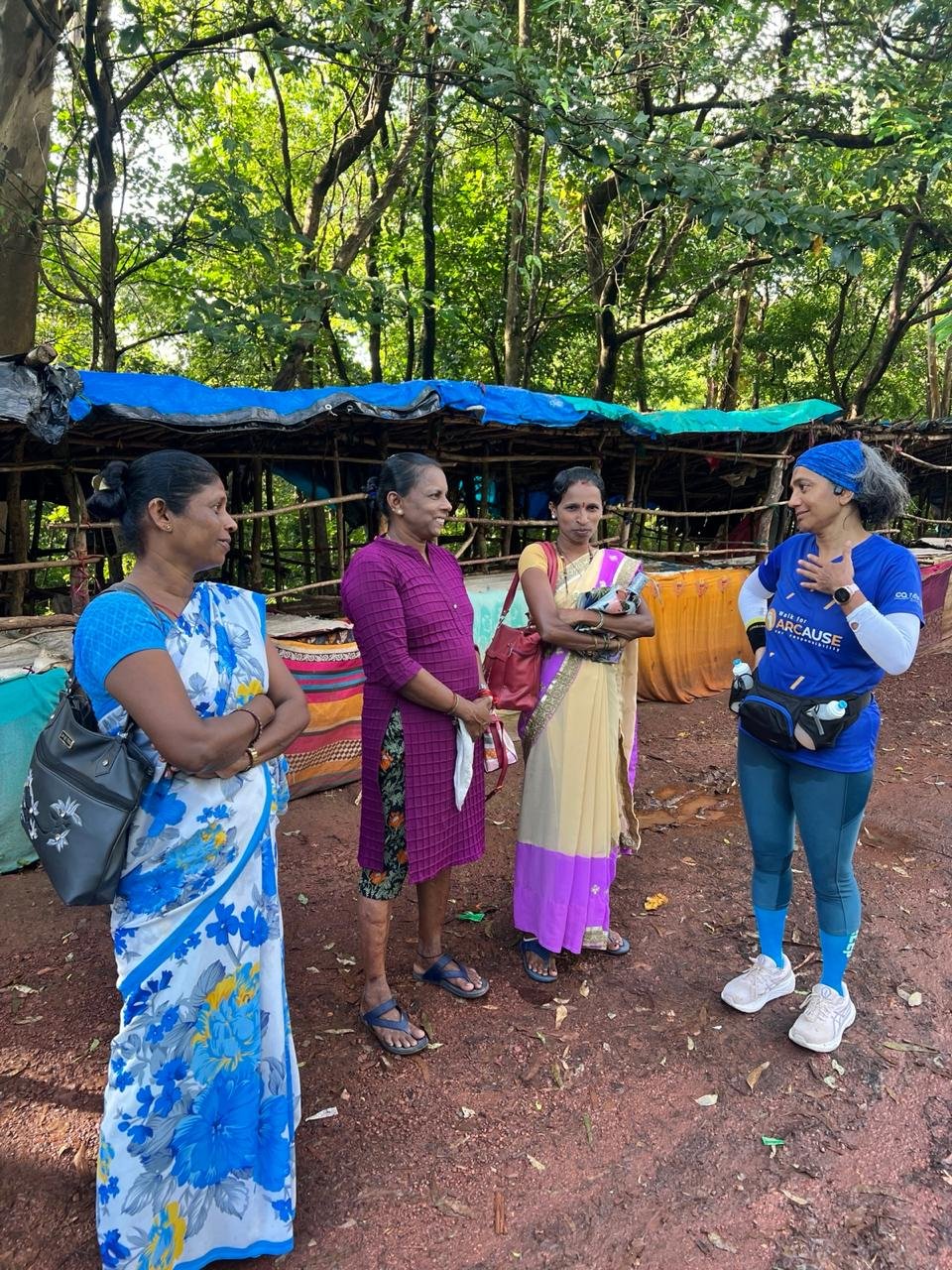
Gita Balakrishnan – The future of architecture in India lies in moving beyond the mere design of buildings to embracing a larger role rooted in creativity, community, and social responsibility. It calls for a collaborative ecosystem where architects, academia, and communities work together to create meaningful and inclusive change. It involves critically assessing how design decisions will impact the quality of life for the people involved.
Students must be taught this perspective. This can only be achieved through fostering awareness and facilitating on-the-ground engagement with communities and the environment. We are already addressing this through the Arcause Clubs. They aspire to transform architecture and design into powerful tools for societal impact, instilling a strong sense of responsibility towards society and the environment.
We seek to cultivate a generation of students and institutions that are not only skilled designers but also conscious guardians of the built and natural world. A large part of this shift can only happen when the educators are also honed in this direction.
We need to update our syllabus to align with our context and make room for curriculum shifts with the changing environment. There should be a key shift to a human-centric approach that is grounded in awareness and inclusivity.
Capacity building for educators can influence and enhance the curriculum, facilitating mentorship and promoting pedagogical innovations rooted in sustainability and inclusivity. Collaborations are the way to go. Bringing alumni, architects and communities together to mentor students, share professional insights, and build lasting networks that foster community-oriented design practices.
The ultimate goal is to nurture architects who act as responsible contributors to create meaningful and sustainable spaces.