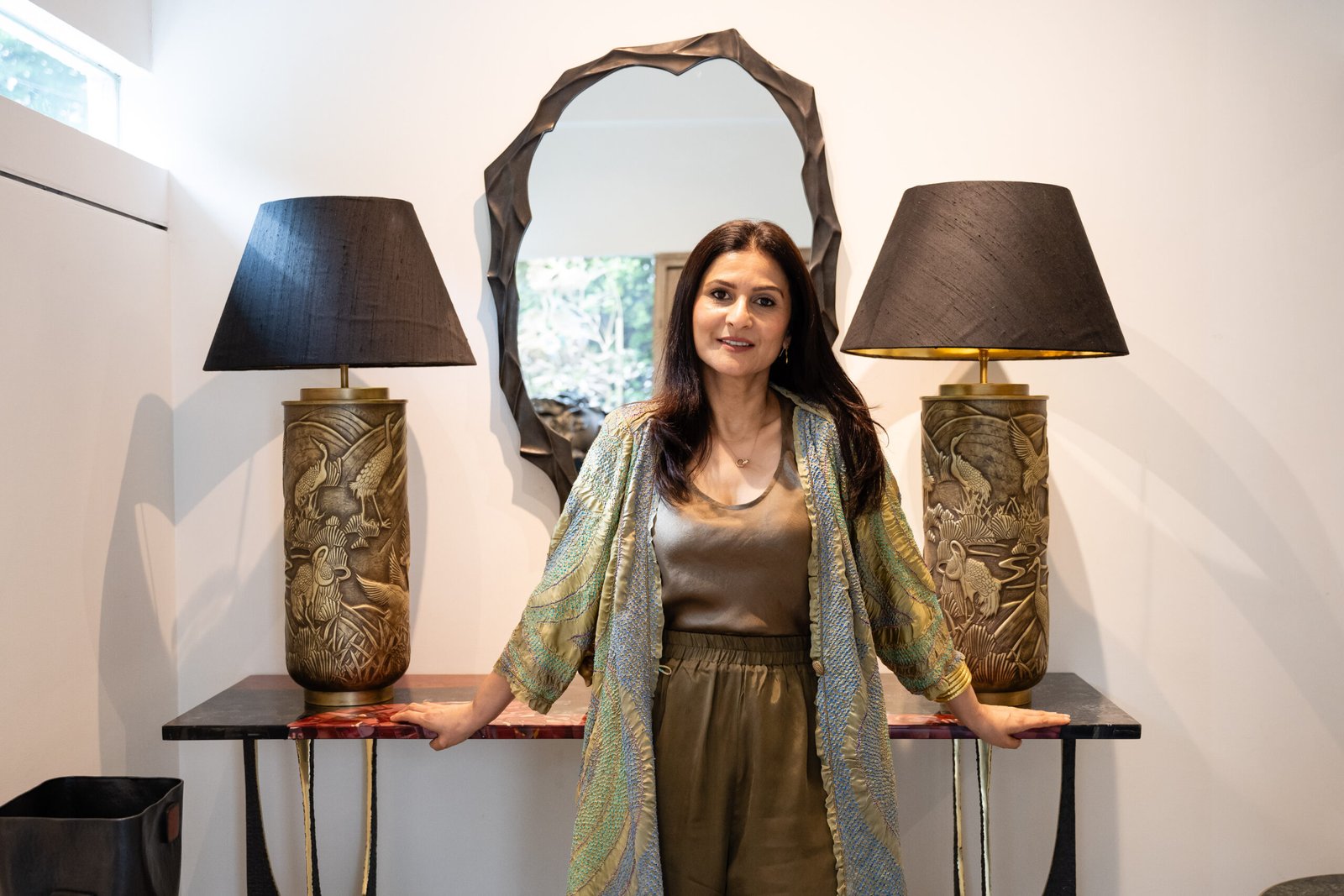
Ishita Parikh, Bougainvillea Gallery The ‘Creative Veranda’
In a chaotic world obsessed with speed, scale, and saleability, Ishita Parikh, Founder & Curator, Bougainvillea Gallery The ‘Creative Veranda’, is quietly rewriting the rules of engagement. In the heart of Ahmedabad, she has spent over a decade shaping Bougainvillea Gallery The ‘Creative Veranda’ into something far more evocative than just a retail space.
In fact, to call it a store would be reductive; Ishita envisions it as an “experiential verandah” — a deeply Indian, almost poetic pause between the chaos of commerce and the intimacy of connection. It is here that objects breathe, stories unfold, and time seems to soften its pace.
A designer by instinct and a curator by evolution, Ishita’s journey is anything but linear. Her early years running a design studio organically gave way to a more layered, intuitive practice — one that brings together creators, narratives, and emotions under a single, thoughtful canopy.
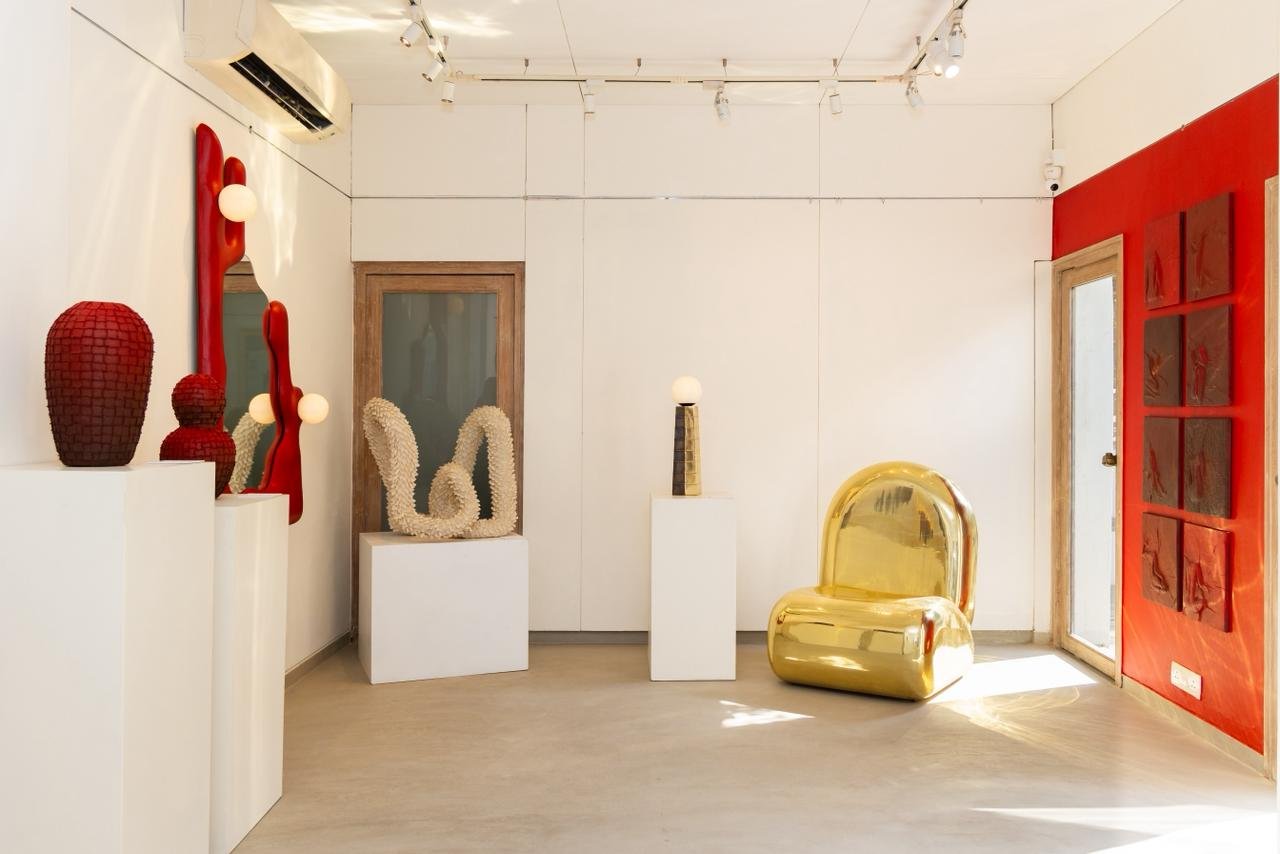
For Ishita, at Bougainvillea, fashion dissolves into art, and art lingers like memory. Whether it’s a rare archival embroidery reimagined as a collectible rather than clothing, or a carefully staged display that invites stillness, Ishita’s philosophy challenges the very idea of consumption. Here, nothing is hurried, nothing is incidental. Every piece lovingly carries the weight of time, craft, and cultural resonance — urging the viewer to not just see, but to feel.
Deeply influenced by Ahmedabad’s understated yet profound design language, Ishita’s aesthetic is rooted in restraint, honesty, and quiet luxury. There is no overt spectacle, no desperate attempt to impress — only a confident, almost spiritual clarity of intent. Her work gently nudges you to slow down, to ask questions, to connect — not just with the art objects on display, but with your own sense of meaning.
In an exclusive interview, Ishita Parikh, Founder & Curator, Bougainvillea Gallery The ‘Creative Veranda’, talks to Sumita Chakraborty, Founder & Editor-in-Chief, TheGlitz, about Bougainvillea Gallery, creating spaces that transcend commerce, curating with intuition, and why true luxury today lies in depth, not display.
Over To Ishita Parikh, Founder & Curator – Bougainvillea Gallery The ‘Creative Veranda’
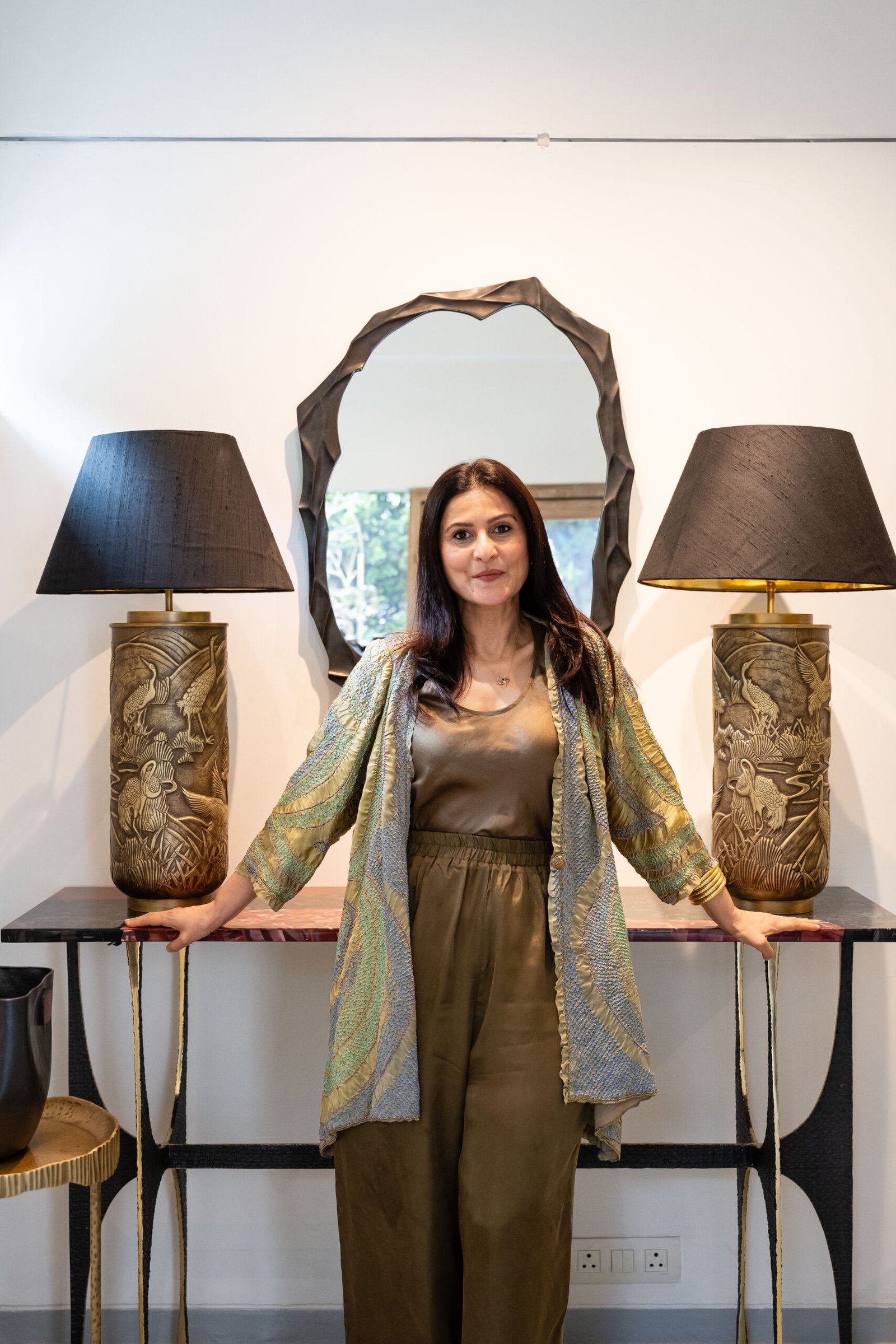
Your Bougainvillea Gallery is described as an “experiential verandah” rather than a store… how do you define this concept, what made you start it and what kind of emotional or sensory journey do you want visitors to experience when they step in?
Bougainvillea was never conceived as a store… it’s closer to a verandah in the truest Indian sense, a space of pause, conversation, and quiet discovery. I wanted to create an environment where objects are not just seen, but felt… where light, material, memory, and storytelling come together. When someone walks in, I hope they slow down, linger, and form a personal connection with what’s on view, rather than experience it as a transaction.
You’ve transitioned from being a designer to a curator… what prompted that shift, and how has your design background influenced the way you curate and present art today?
The shift was quite organic. I wouldn’t say I came from a formal design background, but I’ve always had a deep love for design and everything around it. I did run my own studio for about 10–12 years, and through that, I found myself increasingly drawn to the stories, processes, and people behind what we create. Over time, it felt more natural to move into a space where I could bring together multiple voices and perspectives.
That sensibility still stays with me… the way I think about form, balance, and how a space unfolds… but curation, for me, is really about shaping an experience rather than just creating a product.
Your recent viewing of a 30-year archival embroidery treated textiles as fine-art collectibles… how do you see the boundary between fashion and art evolving, especially in the Indian context?
I’ve always felt that the distinction between fashion and art is more imposed than inherent. In India, especially, textiles carry history, technique, and emotion in a way that is deeply archival. When you look at a 30 year old embroidered piece, you’re not just looking at a garment… you’re looking at time, labour, and legacy. I think we’re slowly moving towards acknowledging these works as cultural artefacts and collectible pieces, rather than something purely seasonal or wearable.
In a world driven by fast consumption, your space feels deeply rooted in slow, mindful appreciation, how do you encourage audiences to engage more meaningfully with craft and storytelling?
It’s less about telling people to slow down and more about creating the conditions for it. The way we present work… through thoughtful displays, context, and storytelling… naturally encourages a different kind of engagement. When something is experienced rather than consumed, the relationship changes. People begin to ask questions, spend time, and form meaning, which is far more lasting than a quick purchase.
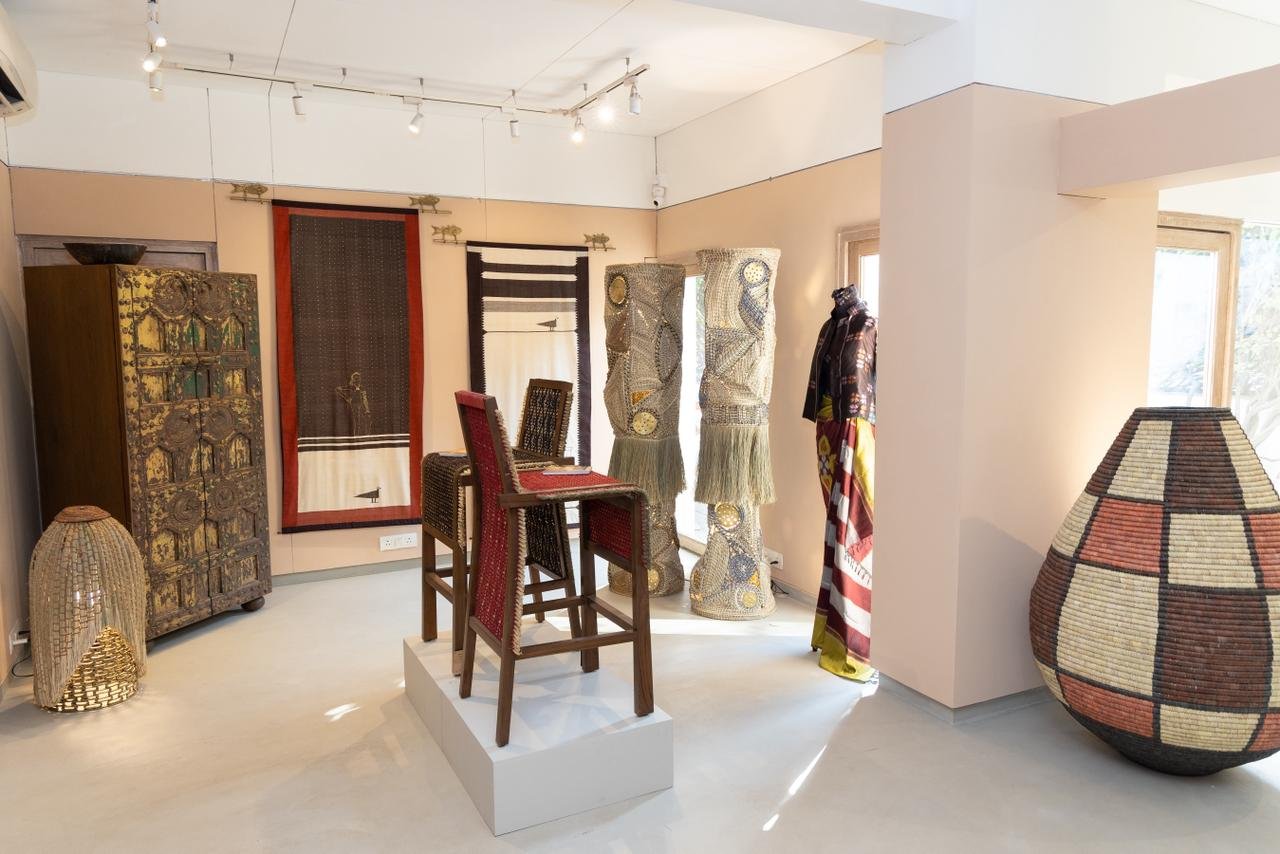
Ahmedabad has a rich design and craft legacy, how has the city shaped your aesthetic and philosophy, and what role do you think spaces like Bougainvillea play in preserving and evolving that narrative?
Ahmedabad has a very quiet, assured design language… it doesn’t try too hard, yet it carries immense depth. Growing up here, you’re constantly surrounded by institutions, textiles, architecture, and a culture that values process as much as outcome. There is a certain restraint and honesty to the way things are made and presented, which naturally shapes your sensibility over time.
As someone who works at the intersection of creativity, intuition, and healing, what advice would you give to emerging curators or creatives looking to build spaces that are not just visually beautiful, but also soulful and transformative?
I think it’s important to build from a place of honesty rather than trend. A space becomes soulful when it reflects a certain clarity of intent… when it’s not trying to impress, but to express. Take time to understand what moves you, work with people and processes you genuinely believe in, and allow intuition to guide decisions. The rest… scale, visibility, success tends to follow when the foundation is real.