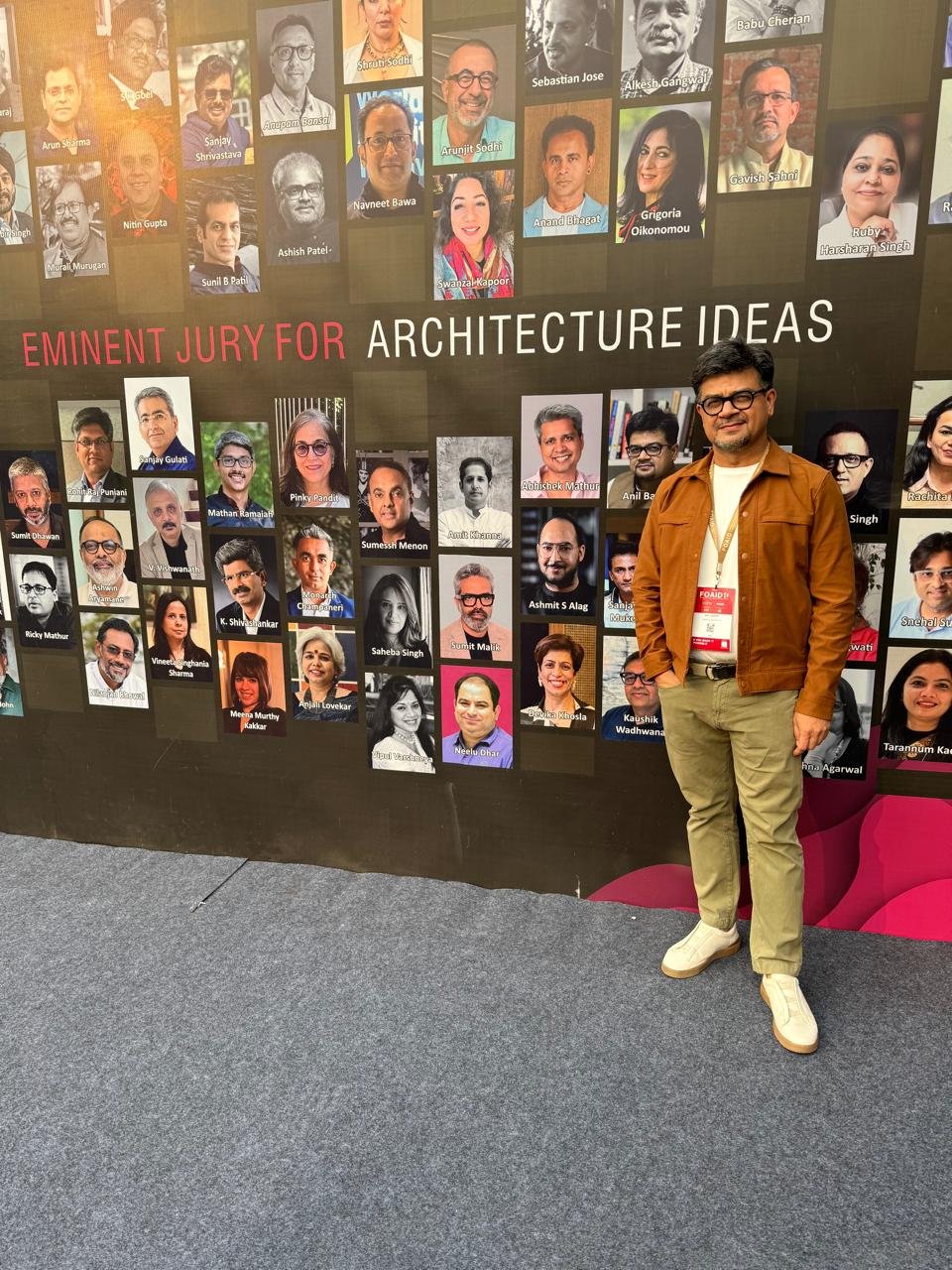
Architect Anil Badan, Founder & Principal Architect, Studiob Architects
From crafting landmark hospitality destinations for globally celebrated brands like Taj Hotels, Radisson Blu, Ramada, and Grand Mercure to redefining the relationship between luxury, culture, and functionality, Architect Anil Badan, Founder & Principal Architect, Studiob Architects, has emerged as one of the most thoughtful voices in contemporary hospitality architecture.
With a design philosophy rooted in emotion, experience, and timeless elegance, Anil Badan believes that great hospitality spaces go far beyond aesthetics — they create memories, evoke connection, and reflect the soul of a destination. His work seamlessly blends operational intelligence with refined storytelling, where every corridor, material, texture, and transition is designed to enhance how people feel within a space.
Known for integrating local heritage with modern hospitality standards, his projects stand out for their balance of cultural authenticity, sustainability, and guest-centric planning. Whether reinterpreting Mughal influences at Grand Mercure Agra or shaping immersive luxury experiences across premium hospitality brands, Architect Anil Badan continues to push the boundaries of experiential design.
In this exclusive conversation with Sumita Chakraborty, Founder & Editor-in-chief, TheGlitz, Anil Badan shares insights into the evolving world of hospitality architecture, the future of luxury travel spaces, sustainability, guest psychology, and the art of creating hotels that leave a lasting impression.
Over To Architect Anil Badan
You have shaped hospitality spaces for iconic brands such as Taj, Radisson Blu, Ramada, and Grand Mercure. How did your journey start, and how does designing for luxury differ from designing for functionality, and where do the two meet beautifully?
Anil Badan – My journey in hospitality architecture began with a deep interest in how spaces can shape emotions and experiences. Over the years, working with brands like Taj, Radisson Blu, Ramada, and Grand Mercure has helped me understand that hospitality design is not just about creating buildings; it is about creating memorable experiences.
Luxury and functionality are often seen as separate aspects, but in reality, the best hospitality spaces are where both work together seamlessly. At Grand Mercure, Agra, we combined Mughal-inspired design elements with modern materials and operational planning to create spaces that feel elegant yet highly practical. For me, true luxury lies in comfort, timelessness, and effortless functionality.
In today’s fast-evolving travel landscape, what are the biggest shifts you see in how guests want to experience hotels and destination-led spaces?
Anil Badan – Today’s travelers are looking for experiences that feel authentic and connected to the destination. Hotels are no longer viewed only as places to stay; they are becoming an extension of the culture and identity of a city.
I often try to reinterpret local architectural elements, materials and craftsmanship in a contemporary way so that guests feel connected to the destination through the space itself. Guests today also value flexible social spaces, wellness-driven environments and personalized experiences. Hospitality design now needs to balance emotional connection, comfort and functionality.
Sustainability is no longer optional in architecture. How do you balance eco-conscious design with the glamour and comfort expected in premium hospitality projects?
Anil Badan – I believe sustainability and luxury should complement each other rather than compete. In premium hospitality, guests expect comfort and sophistication, but they also appreciate environmentally responsible design.
In hospitality design, material selection plays a major role in balancing sustainability with luxury. I prefer using durable finishes, energy-efficient systems and timeless materials that enhance both performance and aesthetics. Natural materials like stone, wood, brass and cane are also used to create warmth and timeless appeal. Sustainable design today is about creating spaces that are elegant, efficient, and built to last.
You often integrate architecture with guest movement and operational logic. Can you share an example where smart design dramatically improved the guest experience behind the scenes?
Anil Badan – In one hospitality project, we noticed that the check-in and lounge areas were creating unnecessary crowding during peak hours. Instead of adding more space, we redesigned the circulation pattern by separating guest movement from service movement and creating clearer transition zones.
This small planning intervention significantly improved the flow of movement, reduced waiting congestion, and made the arrival experience feel much calmer and more luxurious. Guests may not consciously notice these details, but smart spatial planning has a direct impact on comfort, efficiency, and the overall experience.
Hospitality design is about storytelling as much as structure. How do you translate the soul of a location into a hotel’s architecture and interiors?
Anil Badan – I always believe that hospitality spaces should reflect the culture and spirit of their location through thoughtful use of materials, forms, textures, and craftsmanship.
For the Grand Mercure hotel in Agra, we drew inspiration from the city’s Mughal heritage and timeless architectural language. Elements such as arches, jaalis, marble surfaces, brass detailing, and layered textures were reinterpreted in a contemporary way to create a refined yet context-driven hospitality experience.
The intention was not to create a themed space, but to design an environment where guests could subtly experience the essence of Agra through architecture and interiors.
Having spoken at platforms like FOAID and ACETECH, what emerging trends in hospitality architecture excite you the most for the next five years?
Anil Badan – I believe the future of hospitality architecture will focus strongly on experiential design, sustainability, wellness, and technology integration.
There is a growing shift towards culturally rooted spaces that celebrate local craftsmanship, materials, and storytelling instead of generic global aesthetics. I also see wellness-focused environments, biophilic design, and flexible public spaces becoming increasingly important. Technology will continue to improve guest comfort, but emotional connection and authenticity will remain at the heart of hospitality design.
For young architects aspiring to enter the world of hospitality design, what mindset and skills do they need to truly stand out in a competitive industry?
Anil Badan – Hospitality design requires much more than creativity. Young architects need to understand human behavior, guest experience, operational planning, and material performance.
Attention to detail is extremely important because every element from lighting and circulation to finishes and furniture contributes to the overall experience. I always encourage young designers to travel, observe different cultures, and stay curious. The architects who stand out are those who can combine innovation, practicality, and storytelling to create spaces that leave a lasting impression.