
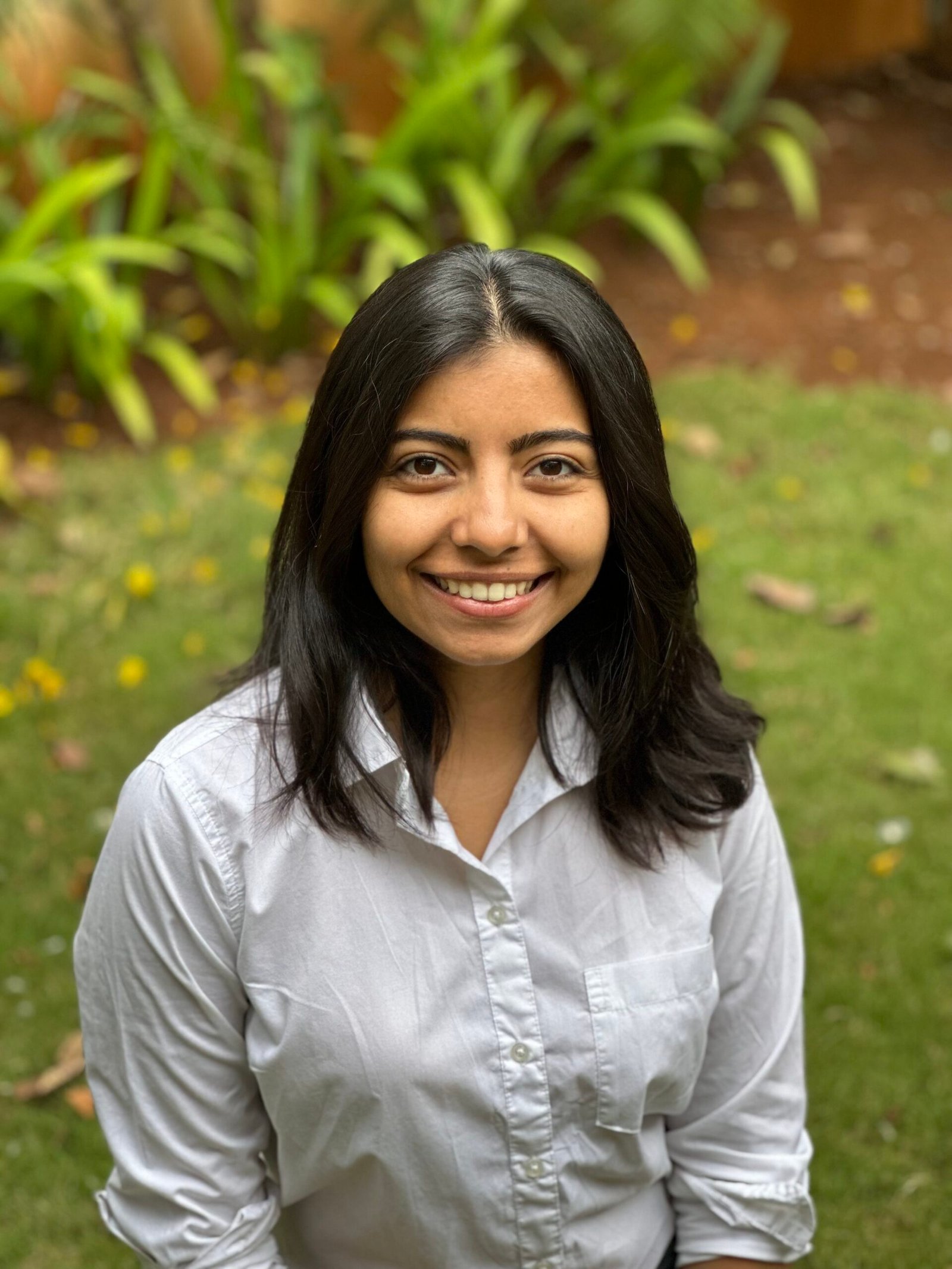
Aishwarya Lahariya is not just co-founder of JIWYA; she is a true pioneer in the plant-based fashion movement. With an unwavering commitment to sustainability and timeless design, Aishwarya is shaping a new era for fashion that’s both conscious and captivating. The brand’s latest collection, Rivayat, is a celebration of the eternal cycle of renewal and reawakening, perfectly embodying Jiwya’s philosophy of reconnecting with nature through style.
As Aishwarya continues to push boundaries with her creative vision, she has earned her rightful place in TheGlitz 2025 Catalysts, joining an elite group of changemakers who are redefining industries. With each thread of Jiwya, Aishwarya Lahariya is weaving a legacy of sustainable luxury, marking a new chapter in the future of fashion.
Over To Aishwarya & Jiwya:
Could you tell us about your journey as the co-founder of Jiwya? What inspired you to start a plant-based fashion brand, and how has the journey shaped you personally and professionally?
As a textile scientist, I have been privy to the research and manufacturing aspects of this industry for more than a decade. On an individual level, I have tried to clean up to the best of my ability – replacing harmful dyes and toxic finishing chemicals with planet-friendly alternatives, promoting safe working conditions for first-line workers, and so forth – but it never felt enough. More importantly, the industry’s resistance to change was really frustrating.
My co-founder, Adhiraj, shared the same experience. This brought us together to lead by example, and create better fashion, in terms of materials, practices and end-products. Our goal was to create a brand that doesn’t harm a soul on this earth, whether people, animals or the planet herself.
I have been living sustainably for many years now, maintaining a zero-waste lifestyle, composting, and buying consciously. So, personally, the drive to do better came before I expanded this mantra to my work in a bigger way. The journey of starting Jiwya has been a beautiful, uphill drive. We met a lot of resistance, which only built our resilience; but anytime we encountered a believer, they motivated us to keep going. As a person, I have grown to be a lot more patient and resilient since starting Jiwya, and as a professional, I have learnt the nuances of leading a sustainability-first company and instilling that spirit in my team as well.
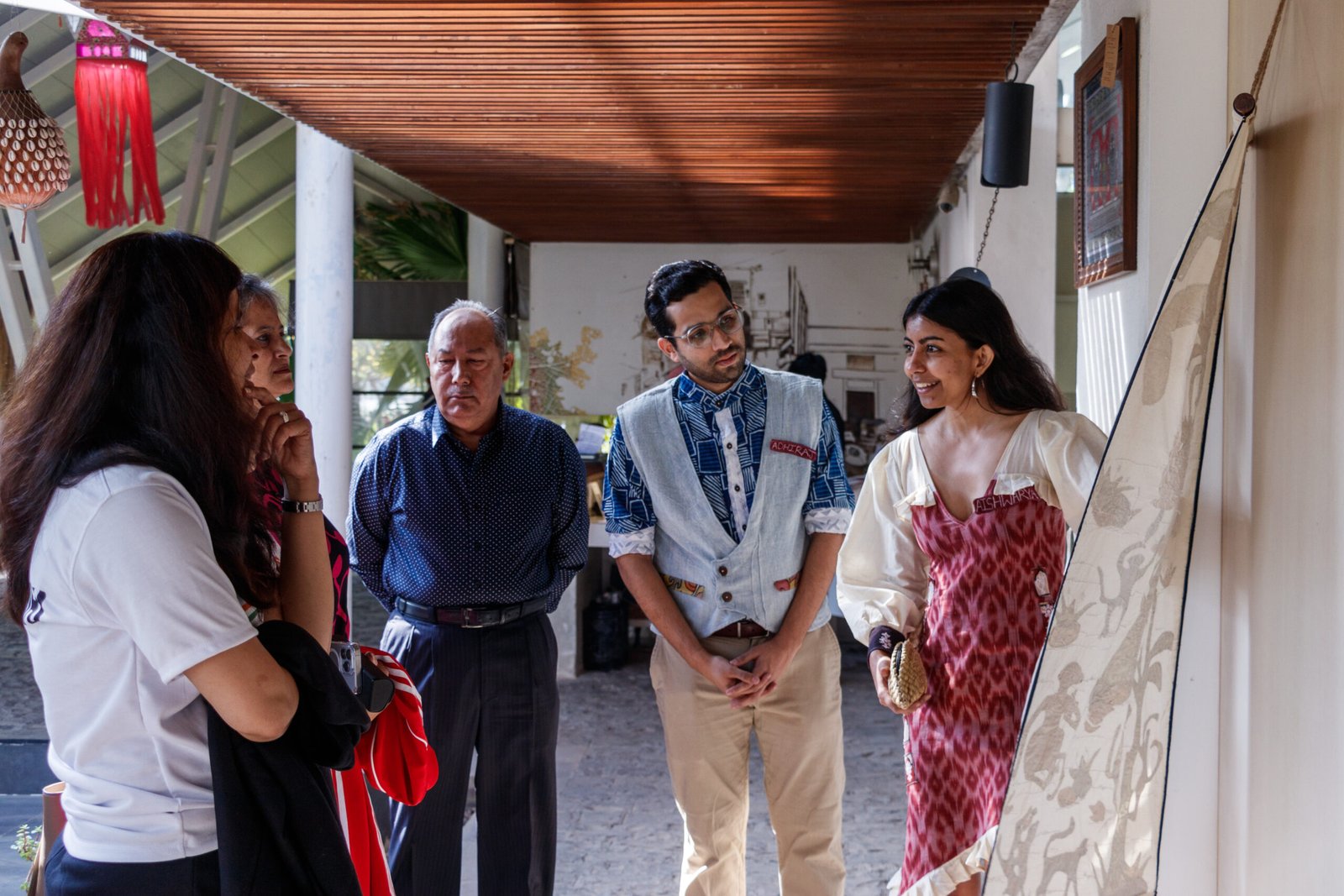
Launching a brand in such a competitive industry comes with its challenges. What were some of the biggest hurdles you faced in bringing Jiwya to life, and how did you overcome them?
At Jiwya, when we say 100 per cent plant-based, we really mean it. That means, at every step, we’ve had to rethink and restructure the systems inherent to the typical textile and fashion supply chain. For instance, what comes to your mind when you think of a garment tag? In all likelihood, it is plastic ties with plastic tags that display the product information, hanging on them.
At Jiwya, even that tag is made of recycled paper, with the label printed in certified biodegradable ink. We have taken our commitment to the nano level, to ensure the only materials used in our product as well as our processing are regenerative in nature. We completely eschew plastics or animal-derived materials.
Naturally, when one goes against the status quo, there are challenges – from locating farmers who would not use pesticides to grow our plant-fibres to sourcing local and ethical raw materials for plant-dyes, to securing packaging vendors who would take a risk with using different materials for us, to persuading artisans to create their art in the materials and practices we were suggesting, and many more. To give you a slightly technical example, plant dyes need a mordant (a kind of pre-treatment) to make the fibre more receptive to the plant dye molecule. In most conventional practices, this mordant is a metal, which is polluting.
As scientists, we spent a great deal of time sourcing and experimenting with plant-based mordants. The toughest part was seemingly the most innocuous – to source a stitching thread that is not mixed with polyester! In fact, this simple element took us months to source.
Our passion, patience and persistence were our greatest allies. We created Jiwya to make a difference, an impact, and a way forward. That passion keeps us motivated to do better and to keep at it, despite the odds. We think that when you are on the right path, it might take you time but you will find believers. That’s how we found the risk takers who are now part of our mission.
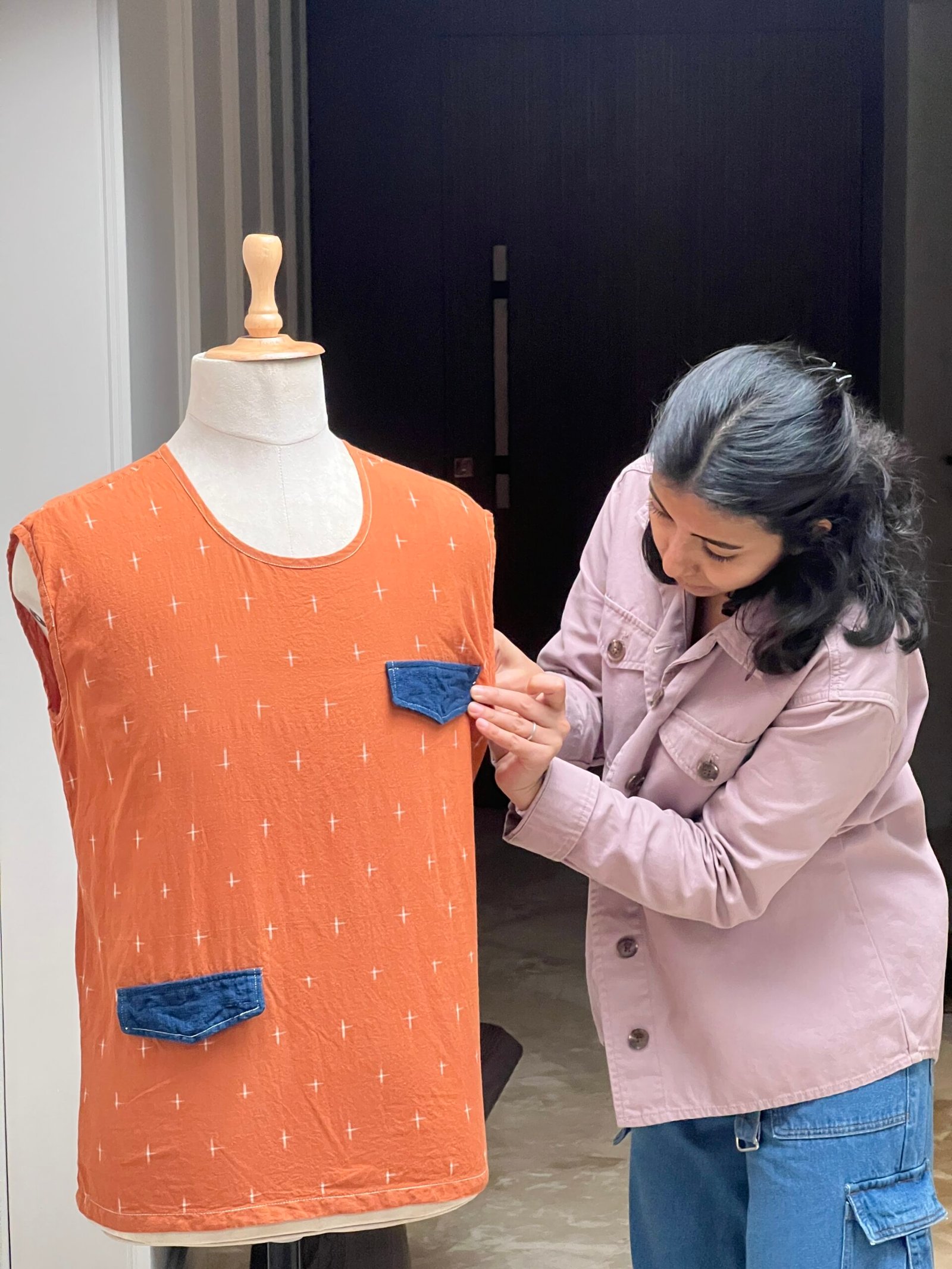
Jiwya’s latest collection, Rivayat, embraces renewal and reawakening. Can you share the inspiration behind this collection and what message you hope to convey through it?
The underlying ethos of each design is to narrate the tales of the land in plant-based fibres. No two stories are the same, but they all invoke a memory, an emotion or a charm. That is what this collection does: it narrates stories of plant-based compassion for the earth, in her glory for each body to express. The inspirations came from the many stories of India that I captured white travelling across the country, from India’s vast geography and varied elements, as well as the human essence and generational stories it preserves.
I learnt designing for Jiwya; being a scientist, functionality comes first to me. Every design at Jiwya blends both function and aesthetics. The designs follow a scientific foundation with a global approach, an attempt at transcending Indian generational arts through a sustainable lens for the world. Jiwya creates fashion that celebrates the body, skin, textures and shapes – of the wearer and the fabric. The idea is to create clothing that holds a wearer’s body in the warm embrace of heritage arts, while giving every curve and node the attention it deserves.
Rivayat is my attempt to show that beautiful fashion can be truly plant-based, rooted in soil and attached to the very core of our being—the earth. I strongly believe the planet has already given us everything we need; once used well, it has the power to be one with our bodies. When you wear a Jiwya piece, you feel the calming softness of the plant fibres, the subtle hues of the earth, and the lightness of owning something so pure and filled with generational wisdom.
What has been a milestone moment in your career as a fashion entrepreneur that has had a lasting impact on you and the brand?
It was the humbling journey of travelling across India and experiencing 19,000 kms of the spirit and culture of this country through artisans engaged at the grassroots level—it endowed us with generational knowledge, solidified our commitment to make a meaningful impact, and renewed our motivation to take on an uphill challenge. The way these artisans function, the holistic systems they follow, and their struggles to keep their art alive were truly inspiring. The learning we gleaned from this journey has shaped critical parts of Jiwya.
Sustainability and eco-consciousness are integral to Jiwya’s identity. How do you stay committed to these values while balancing the need for growth in the fashion industry?
There are quite a few things that are fundamentally wrong with the fashion industry today. The irony is all of these are tied inextricably with notions of growth — fast fashion has perpetuated the falsehood that unless we churn out 100 styles and 10,000 garments a day, we are not successful. How horribly wrong an idea! We rarely stop to think about whether we need those many products? Is a fleeting trend truly worth following?
At Jiwya, we believe in staying true to our ethos, and building quality over quantity. We create meaningful pieces designed for a lifetime of wear. Staying committed to these values isn’t an additional task to us because they are the very foundation of our brand. We are a 100 per cent plant based, zero-waste, and authentically artisanal slow fashion brand that extends an EPR for our products. These core values remain our constants, and determine every next step we take. We believe these will drive growth in the most sustained manner.
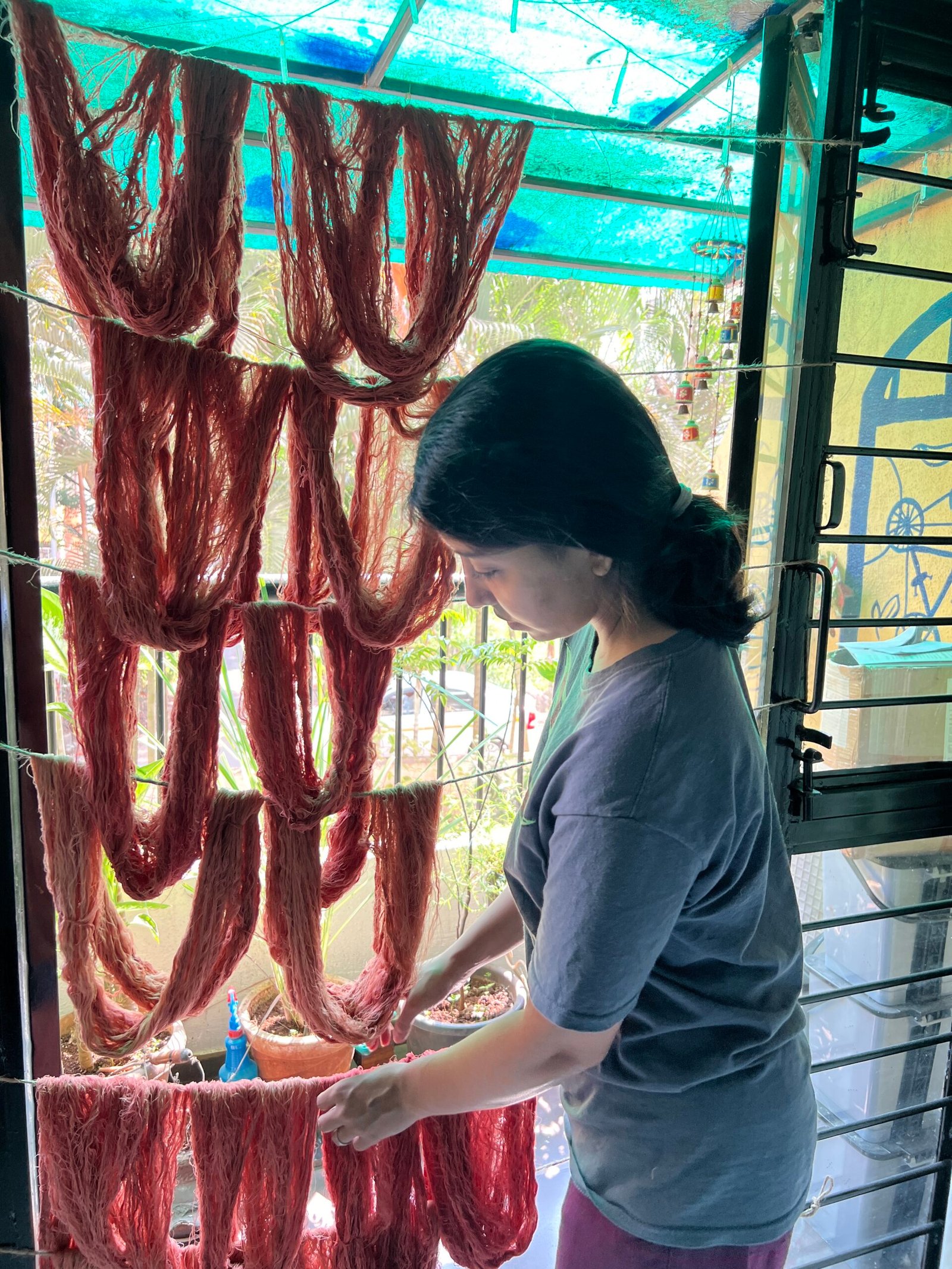
As someone who has successfully launched a plant-based fashion brand, what message would you like to share with aspiring entrepreneurs, especially those keen on entering the sustainable fashion space?
On the sustainability front: Don’t wait to be perfect. Start and then work on perfecting your journey. Talk to peer networks and communities. Share your learnings and grow collectively. Being a climate impact entrepreneur is a process of resilience and learning, and involves a lot of determination. It is deeply rewarding and demanding. Step into it with emotional strength or the mindset to learn emotional strength.
On the entrepreneur front: Being a first-gen entrepreneur is a challenge. While you have the opportunity to build something beautiful, you don’t have a cushion to fall back on. Create your cushion. Money is a huge factor. I am a fiercely independent person, in terms of both my finances and my lifestyle. Since the age of 20-21, I have been living by myself. So, founding a startup was no different. I took the leap of faith only after I had enough savings to take the risk.