The Enduring Art of Tussar Silk: A Story Reimagined by Eco Tasar
In these times of synthetic everything, Eco Tasar is doing something beautifully radical—by going back to nature’s own design. Deep in India’s vast countryside, where ancient trees shelter remote communities, a remarkable silk is born with minimal human interference.
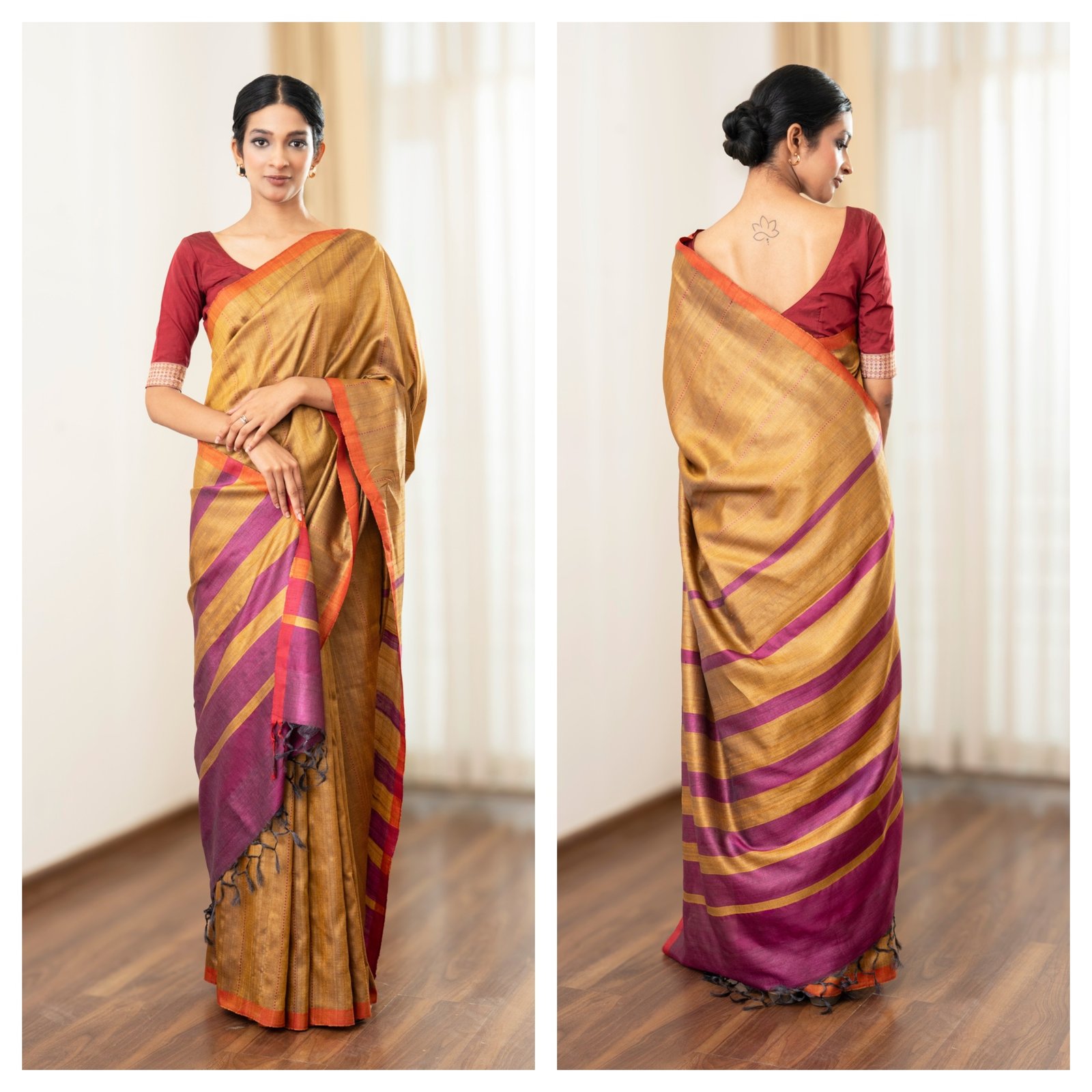
This unique fabric, Tussar silk, begins with silkworms spinning their cocoons on living trees under open skies. Unlike more cultivated silks, these cocoons form naturally in the wild, creating that unmistakable golden shimmer and a texture as distinct as a fingerprint.
For generations, tribal women in Bihar, Jharkhand, and West Bengal have understood this silk’s secrets. Their hands know the rhythm of the loom, the weight of the thread, and the patience required to turn raw nature into something beautiful. Yet, until recently, their extraordinary skills earned them barely enough to survive.
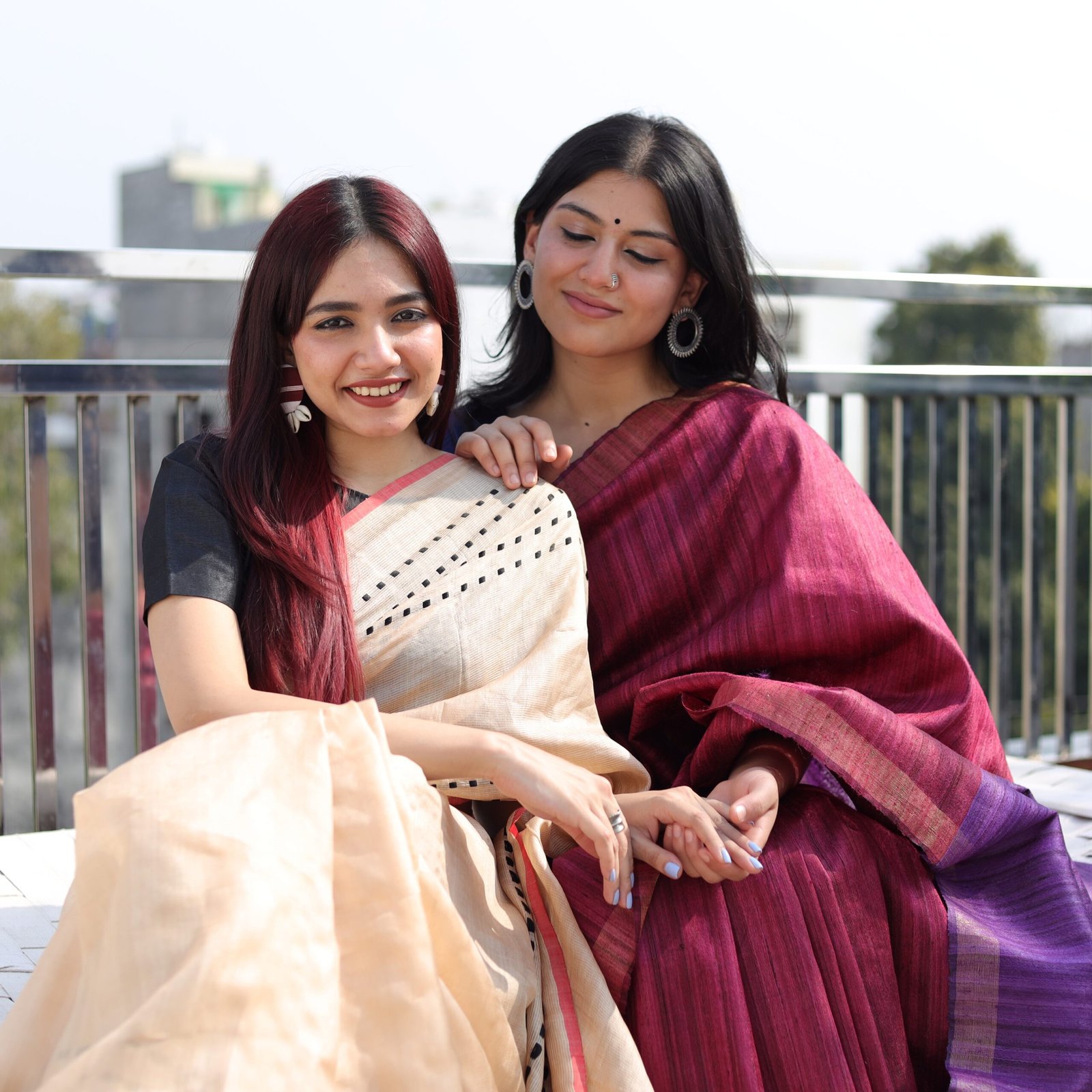
Khitish Pandya spotted this gap in 2000 and decided to do something extraordinary—turn ancient artistry into modern enterprise. Since founding Eco Tasar, he’s been quietly revolutionising how we think about craft, community, and commerce. His vision? To transform these inherited skills into sustainable prosperity, creating a new model where tradition and progress dance together. This isn’t just about beautiful fabric; it’s about reclaiming our connection to the earth and each other. Every thread supports a family and preserves a dying art.
In this feature TheGlitz revives the art of lost craft with Eco Tasar’s inspiring journey. Co-founder Rajeev Mokashi speaks with Khitish Pandya to explore his philosophy of conscious commerce and the vision behind his mission for sustainable change.
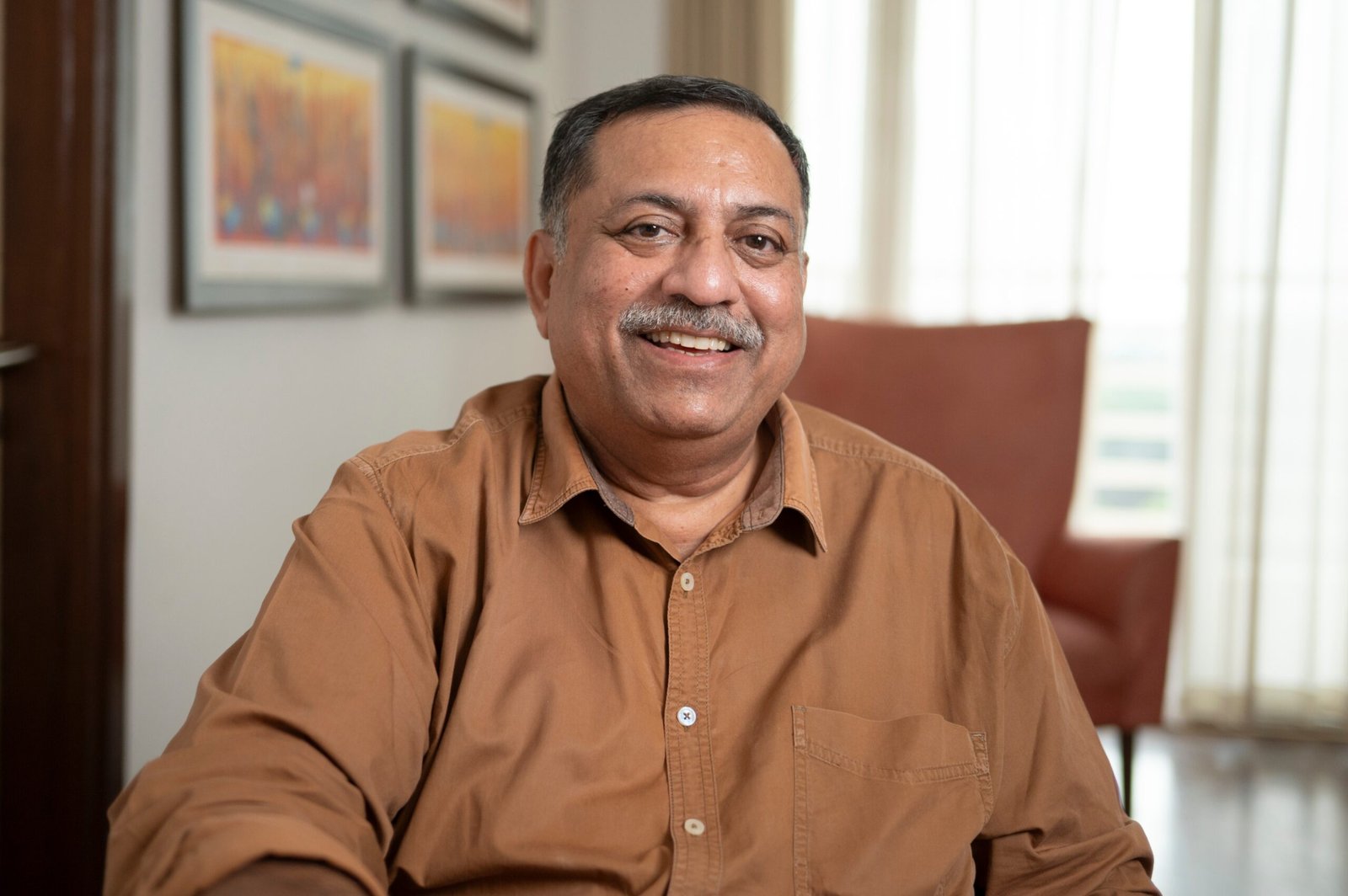
Rajeev Mokashi: For those who might be hearing about tussar silk for the first time, what exactly is it? What makes this fabric special compared to the silk most of us know?
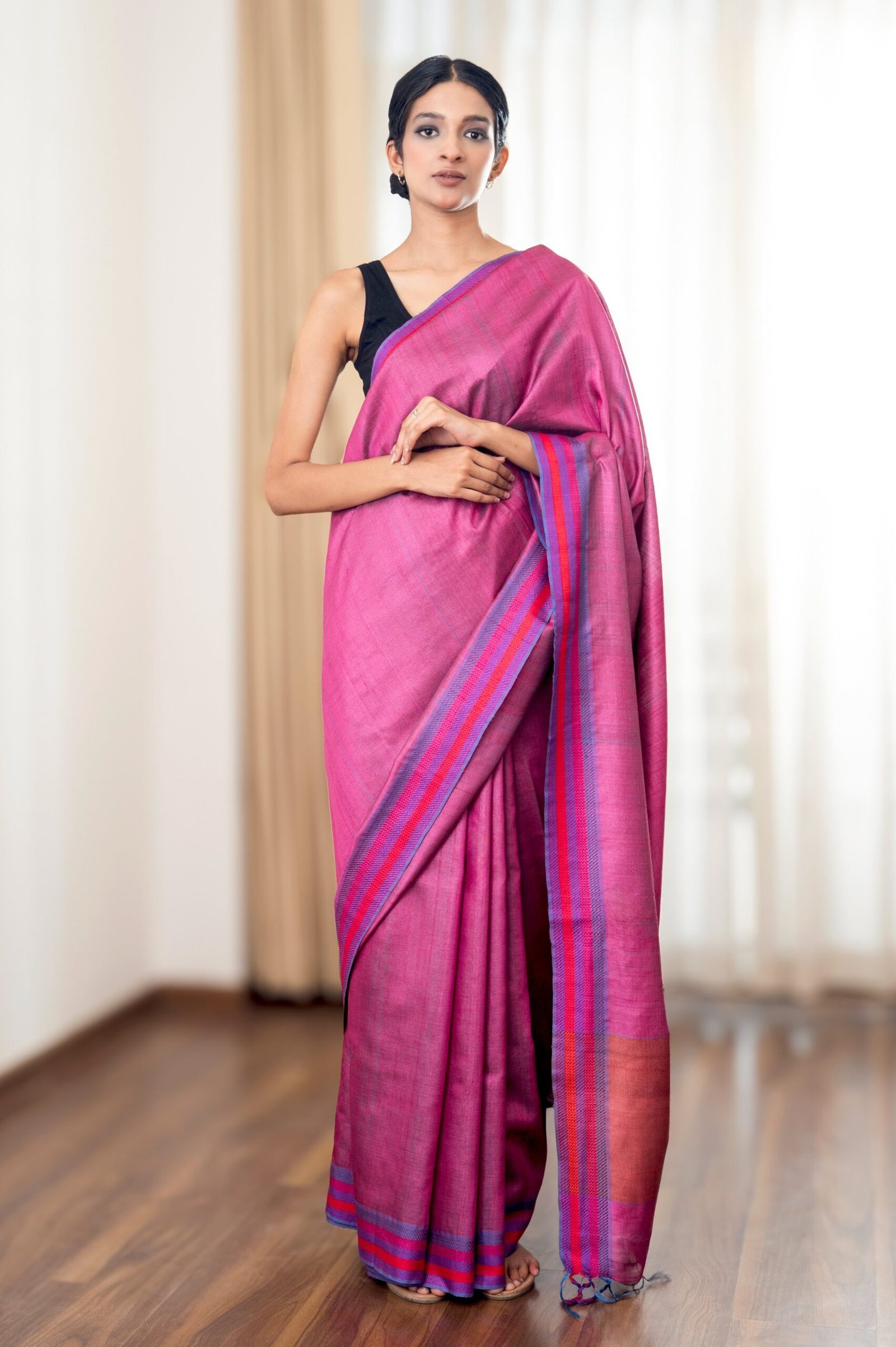
Khitish Pandya: Tussar stands out as truly unique among silks because its silkworms must be live-reared on trees. As the silkworm spins its cocoon, it remains exposed to nature’s elements, which inherently gives the finished silk a multi-tonal, organic look. This natural variation is as distinct as a fingerprint; no one can control the precise colour shifts when the yarn is spun. This raw, outdoor processing is what sets Tussar apart from Mulberry or Eri silks, which are typically cultivated and processed indoors, resulting in a more uniform appearance.
RM: What drew you to tussar silk in the first place? Was it the sustainability angle, the craft itself, or something else that made you think “this is it”?
KP: I began a consultancy assignment with PRADAN, an NGO focused on tribal communities involved in tussar silkworm rearing. As part of a livelihood initiative, they’d also trained local women to spin yarn from tussar cocoons. My role was to build a market for this tussar silk produced through the project. Initially, it felt like any other consultancy, but as I delved deeper, I quickly understood the profound impact of my work.
Building strong demand for tussar silk has created sustainable livelihoods for many underprivileged families, allowing them to earn a living within their own villages. These families typically faced forced migration after the agricultural season, lacking other local income options to support themselves. This displacement negatively affected their children’s education, often leading to illiteracy and perpetuating a cycle of poverty.
RM: Everyone talks about “community impact,” but what does that actually look like day-to-day for the families and artisans Eco Tasar works with? Any stories that really stick with you?
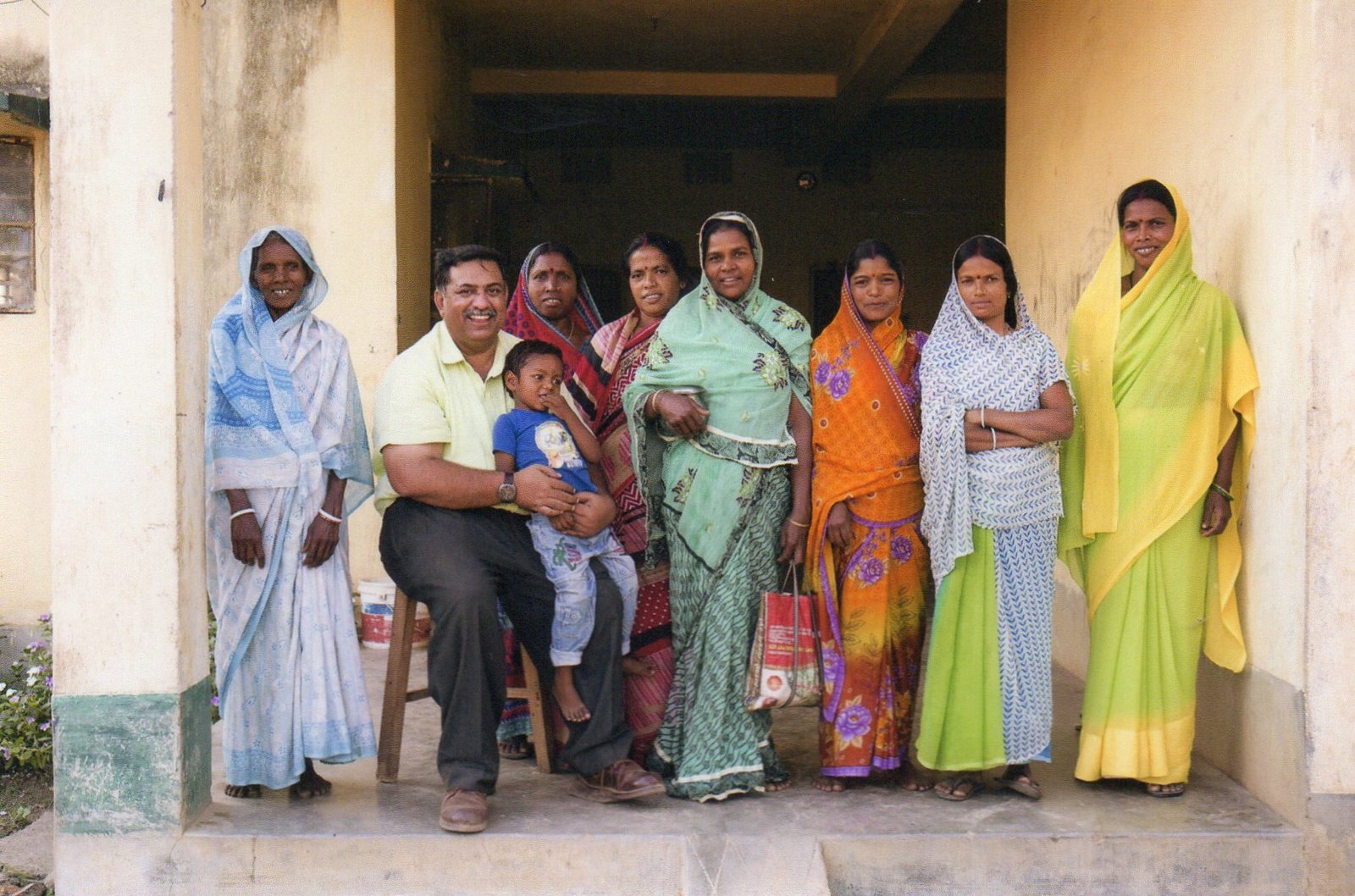
KP: We currently collaborate with over 461 women who produce yarn for us, for which they receive direct cash payments. The consistent availability of this income has largely eliminated the need for most of these women to migrate from their villages. Now, it’s often the husbands who journey to nearby towns, returning home when the agricultural season begins.
Thanks to this new cash flow, the children of our yarn makers are even attending missionary-run boarding schools in the area, with families now able to afford the fees. For instance, Bimla Didi from Rajdah village has not only sent her two elder daughters to college but also used her earnings from yarn making to fund one of their weddings.
Providing a steady and predictable cash income through our engagement has fundamentally ensured the continuity of education for these children. This vital change means many of them will ultimately break free from the cycle of poverty that their parents experienced. We believe this represents a subtle yet profoundly impactful outcome of our business model.
RM: “Zero carbon footprint” sounds amazing on paper, but what’s the reality check? What’s one challenge in staying true to that commitment that most people wouldn’t even think about?
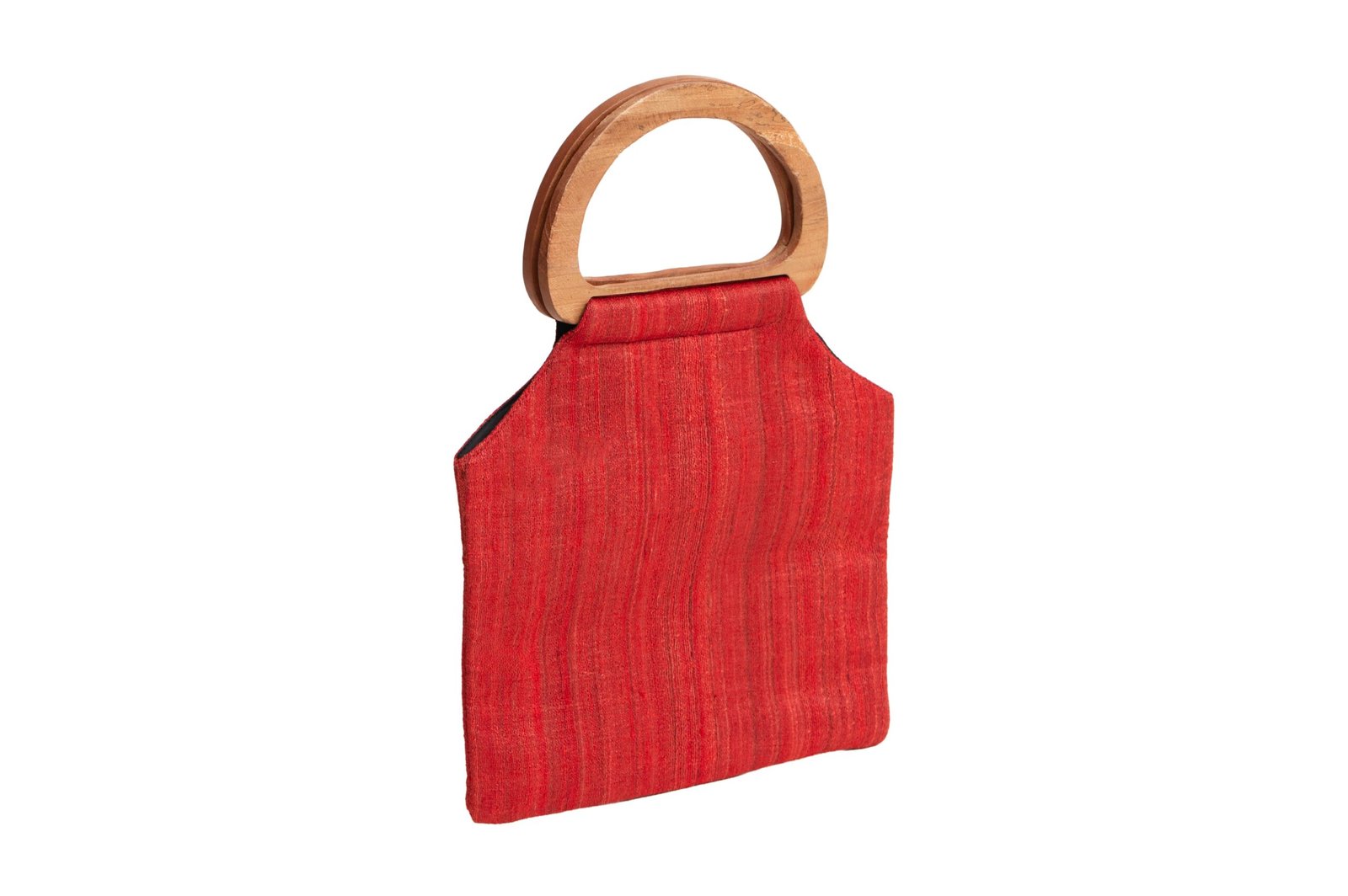
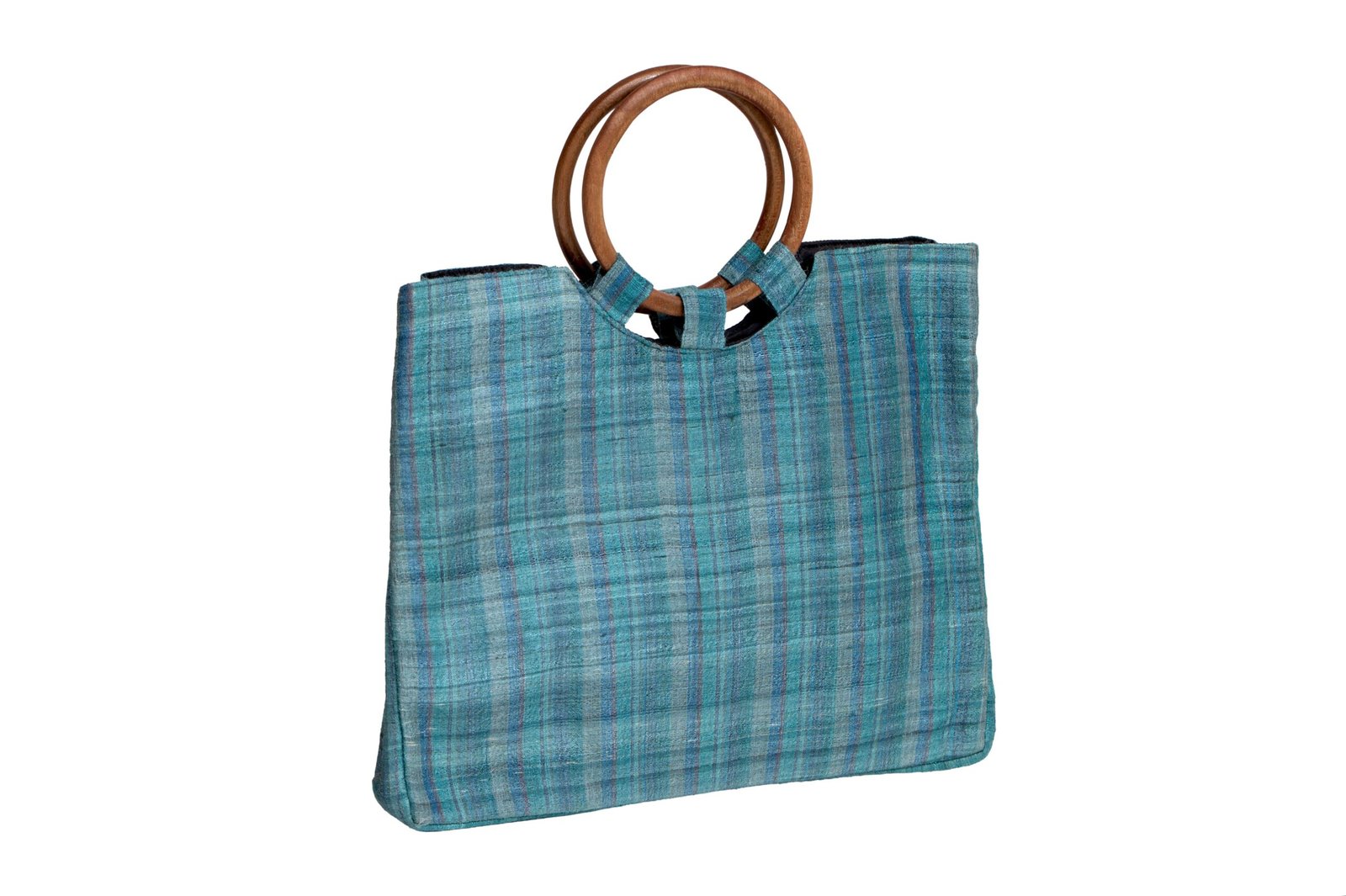
KP: Making yarn manually and weaving it on handlooms makes our fabric production 100% free from fossil fuel.
RM: You’ve built a market for tussar silk from basically scratch – that’s no small feat. What’s been your biggest breakthrough moment in getting people to fall in love with something they’d never heard of before?
KP: When I started in 2000, exhibiting directly to the public in South India, many women customers weren’t familiar with tussar silk. Having primarily encountered mulberry silk, they often mistook our tussar for “impure.” Through consistent information sharing at our sales points and ongoing online communication, tussar is now widely recognised, even among mainstream middle and lower-income consumers.
RM: Managing artisans across different regions while keeping everything fair-trade and consistent – how do you actually pull that off?
KP: It’s often said that charity begins at home, and we certainly apply that principle. We ensure our weavers receive fair wages, paid at predictable intervals without them ever needing to request what’s due. This approach, we’ve found, is incredibly empowering. Many freelance weavers who started with us in 2000 are still with us today, consistently choosing to work on our projects.
We’ve established a system where weavers submit their bills by the 10th of each month, and we process their payments directly to their bank accounts within a week. This consistent and timely payment structure significantly helps them plan their finances more effectively.
RM: Supporting over 590 tribal silkworm rearers is impressive—what’s the big vision for scaling this impact even further?
KP: While we don’t work directly with silkworm rearers, our approach ensures their stability. By consistently buying all our cocoon requirements from within a 50 km radius of our office, we provide a reliable market for over 600 rearers. They can depend on us year after year for fair prices and prompt payments for their produce. Currently, over 461 women produce yarn for us; we supply them with raw material and guarantee to buy back 100% of their finished yarn.
We are in the process of expanding this activity to include another 700 women, aiming to have nearly 1,000 yarn makers by the end of the 2025-26 financial year (accounting for some expected attrition among new entrants). We have no concerns about yarn demand, as the output from these additional makers will eventually replace a significant portion of the yarn, we currently source from Assam.