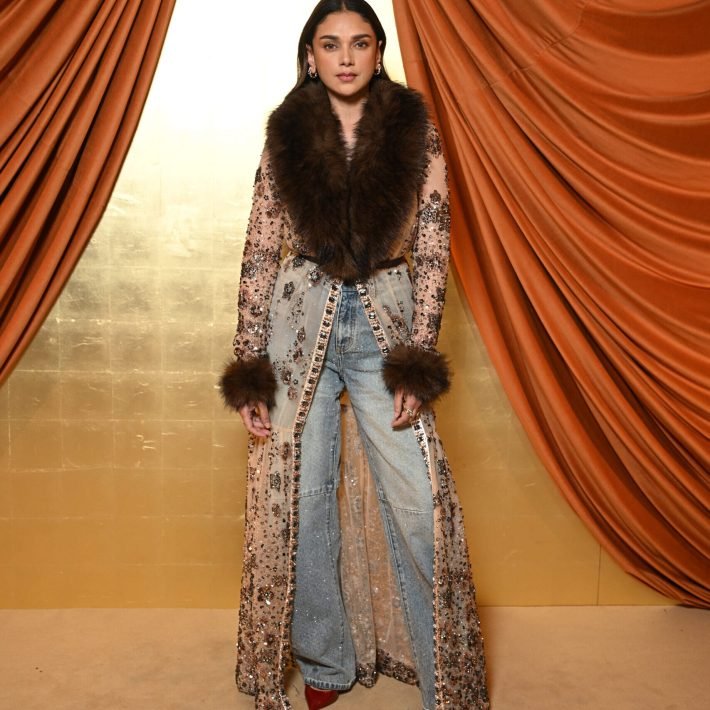
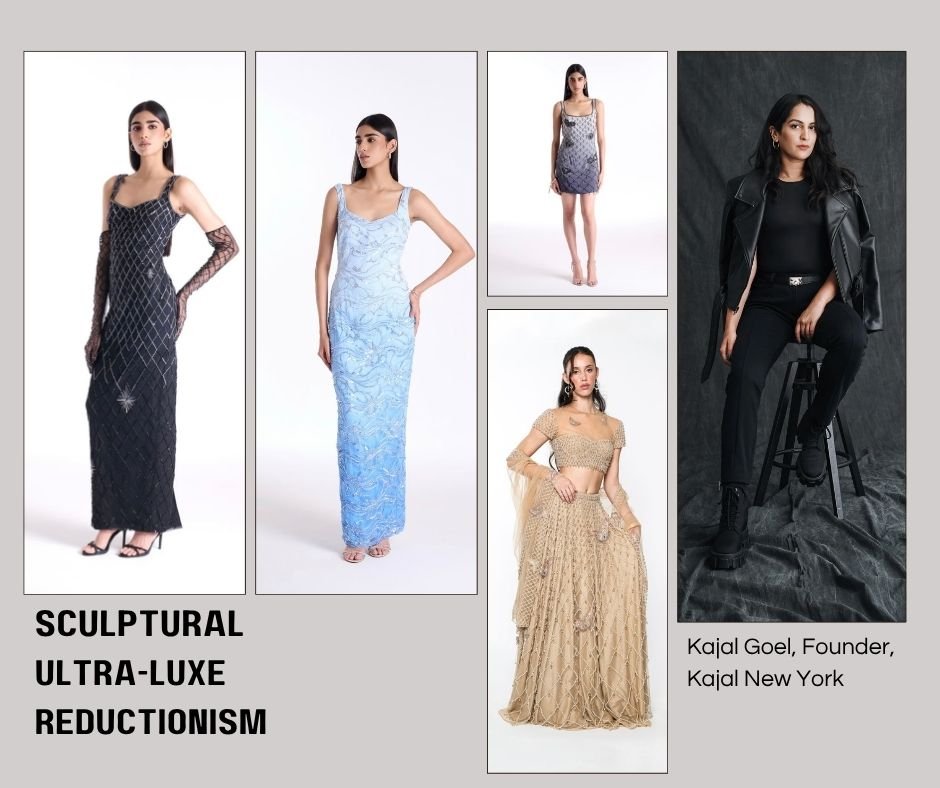
Kajal Goel, Founder & Creative Director, Kajal New York
Kajal New York — an uber stylish New York luxury fashion house that embraces ultra-luxe reductionism, decadent elegance, drama and deft craftsmanship. Founded by the young and dynamic Kajal Goel, the brand creates sculptural, limited-edition pieces that combine architectural tailoring, intricate handwork and an amped-up display of fashion drama.
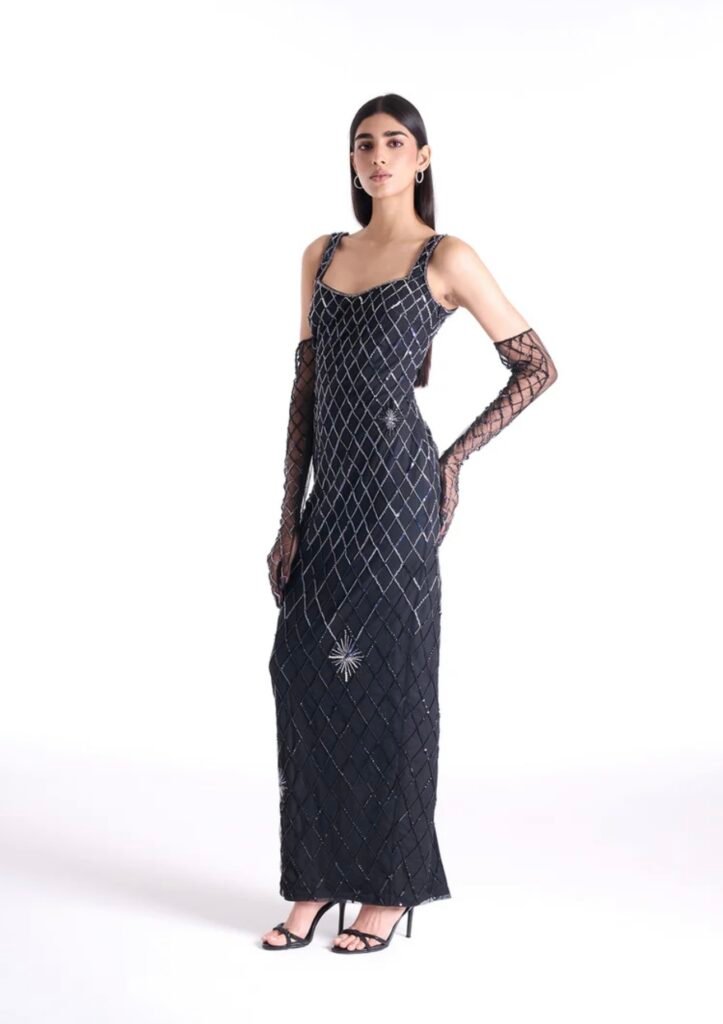
Its debut collection, OMBRA Chapter I, explores the interplay of light and shadow through fluid ombré silks, delicate lace, hand embellishment and striking crystal detailing. Designed in New York and meticulously handcrafted by skilled artisans, each piece reflects exclusivity, artistry and a fresh perspective on modern luxury.
In an exclusive conversation with Sumita Chakraborty, Founder & Editor-in-Chief, TheGlitz, the very stylish Kajal Goel, Founder & Creative Director, Kajal New York opens up about her philosophy of “ultra-luxe reductionism”, the making of OMBRA Chapter I, the art of balancing restraint with drama, the push and pull of polish and elegance of New York and why true luxury, for her, is ultimately about creating pieces that endure.
Over to Kajal Goel, Founder & Creative Director, Kajal New York
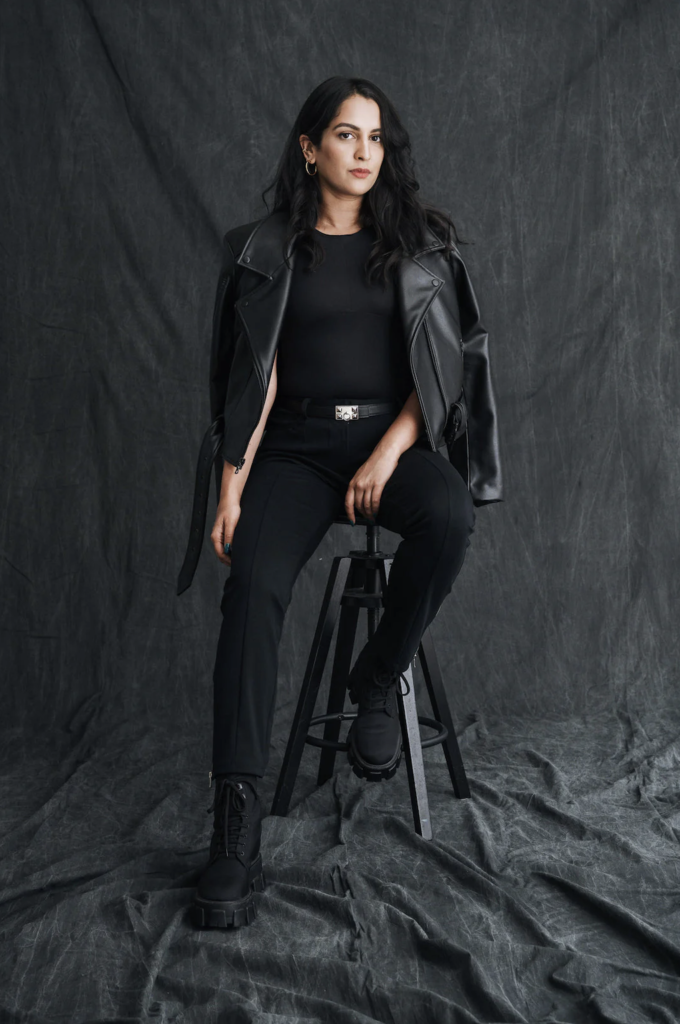
Kajal New York is built around what you call “ultra-luxe reductionism” — a fascinating contradiction between restraint and drama. What does modern luxury mean to you, and how did this philosophy shape the DNA of Kajal New York?
To me, modern luxury is about longevity — design that isn’t in today and out tomorrow, but timeless. It’s not about how many elements you can layer onto a piece; it’s about restraint, about knowing what to leave out. A simple, beautiful design will always outlast something overworked. “Ultra-luxe reductionism” is really that idea distilled: stripping away anything unnecessary so that what remains — the craftsmanship, the drama, the detail — can speak fully. It’s restraint in structure, but never in feeling. That tension between control and emotion became the foundation of Kajal New York from day one: pieces built to last, not to trend.
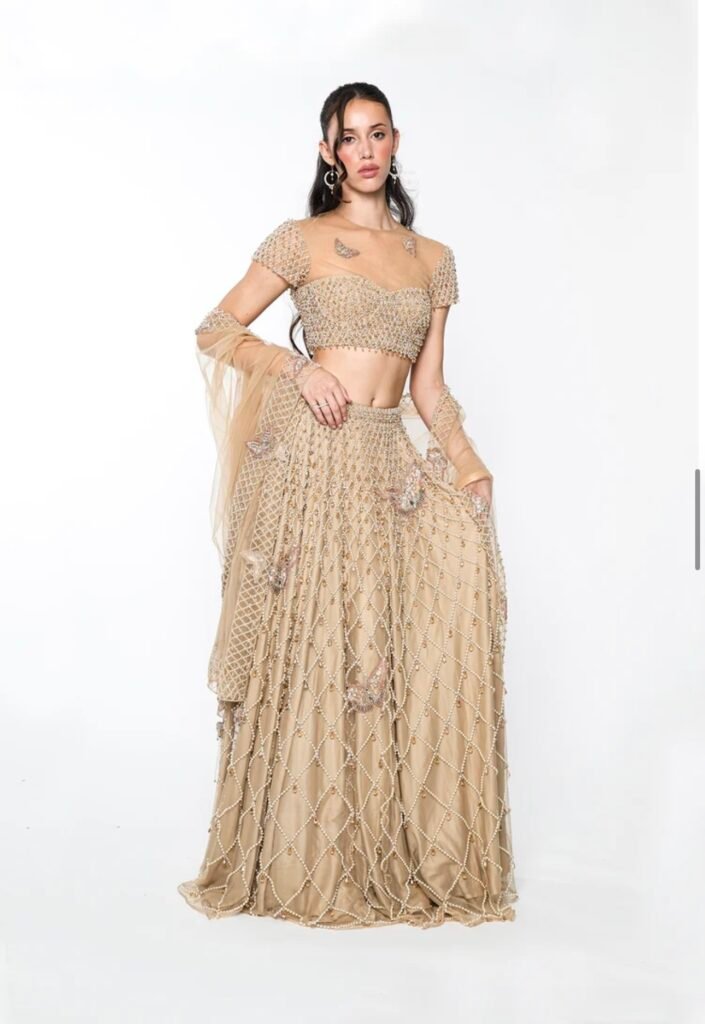
Your debut collection, OMBRA Chapter I, explores light and shadow through ombré silks, lace, hand embellishment and crystal detailing. What was the emotional or visual story you wanted the collection to tell?
OMBRA was about transition — the space between light and shadow, softness and structure. I wanted the collection to feel like it was caught mid-movement, the way ombré fades from one shade into another without a hard line. Each piece was meant to hold both restraint and drama at once — quiet in its silhouette, but alive in its detail once you look closer.
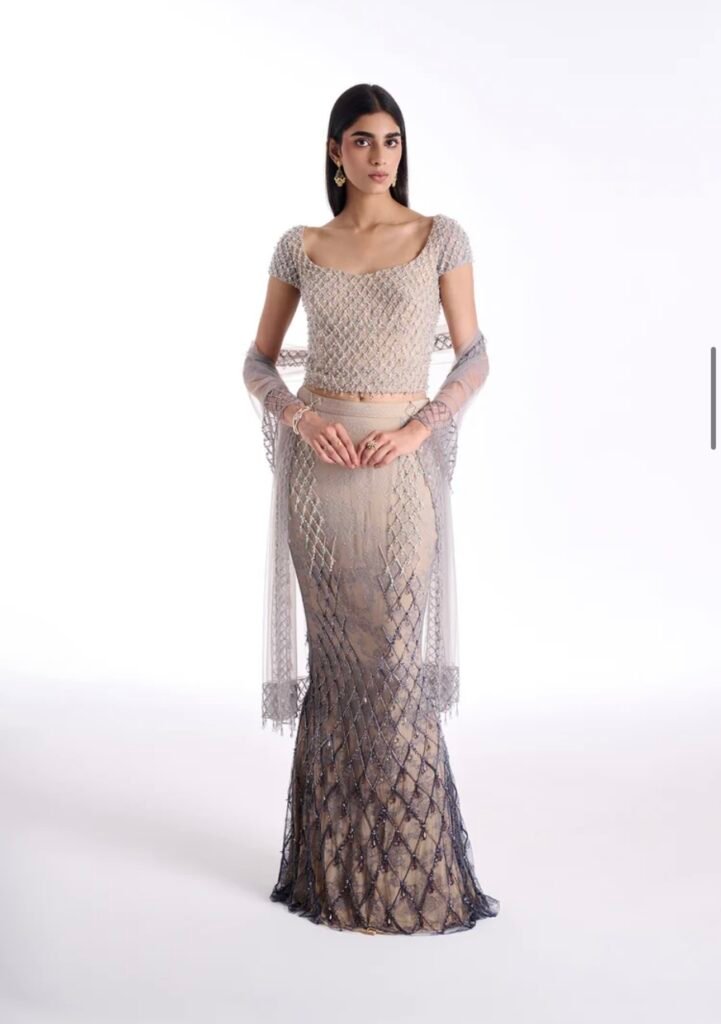
You describe your pieces as sculptural and limited-edition, with architectural tailoring and meticulous handwork. In an age of fast fashion and mass production, why was craftsmanship and exclusivity so important to you from the very beginning?
Because clothing like this can’t be rushed, and it shouldn’t be. Every piece we make involves hours of hand embellishment and detailing that simply can’t be replicated at scale — and that’s the point. In a world of fast fashion, I wanted Kajal New York to stand for the opposite: pieces made to be collected, not consumed. Exclusivity isn’t about scarcity for marketing’s sake — it’s a natural result of doing the work properly.
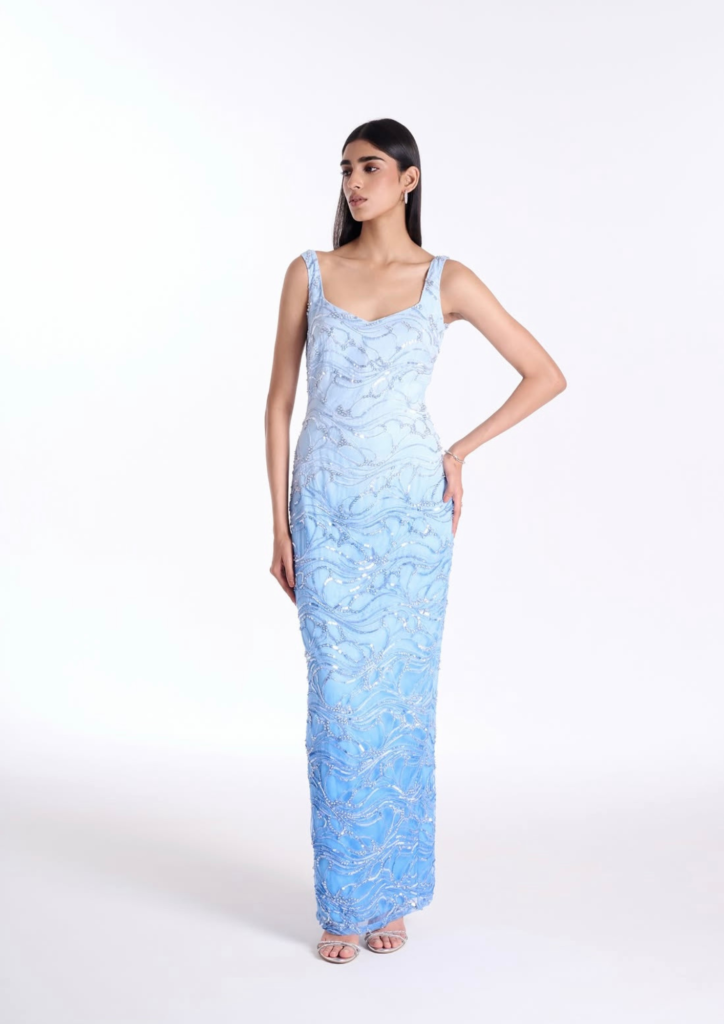
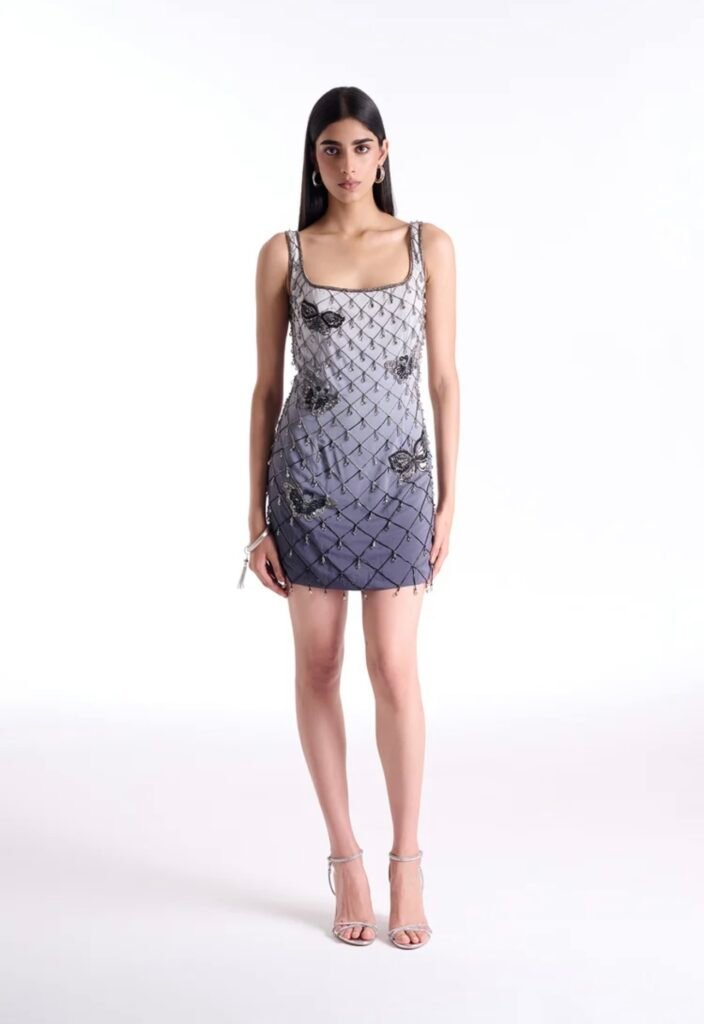
Kajal New York brings together heritage tailoring, preppy codes and classic occasion-wear silhouettes, but with a distinctly contemporary New York sensibility. How do you balance these seemingly different influences without losing the identity of the brand?
I think of heritage tailoring and preppy codes as the bones, and New York as the attitude. Classic silhouettes give the pieces structure and timelessness, while the city pushes us to keep things sharp, modern, and a little unexpected. The balance comes from never letting one overpower the other — the craftsmanship stays rooted in tradition, but the styling and detailing always feel like now.
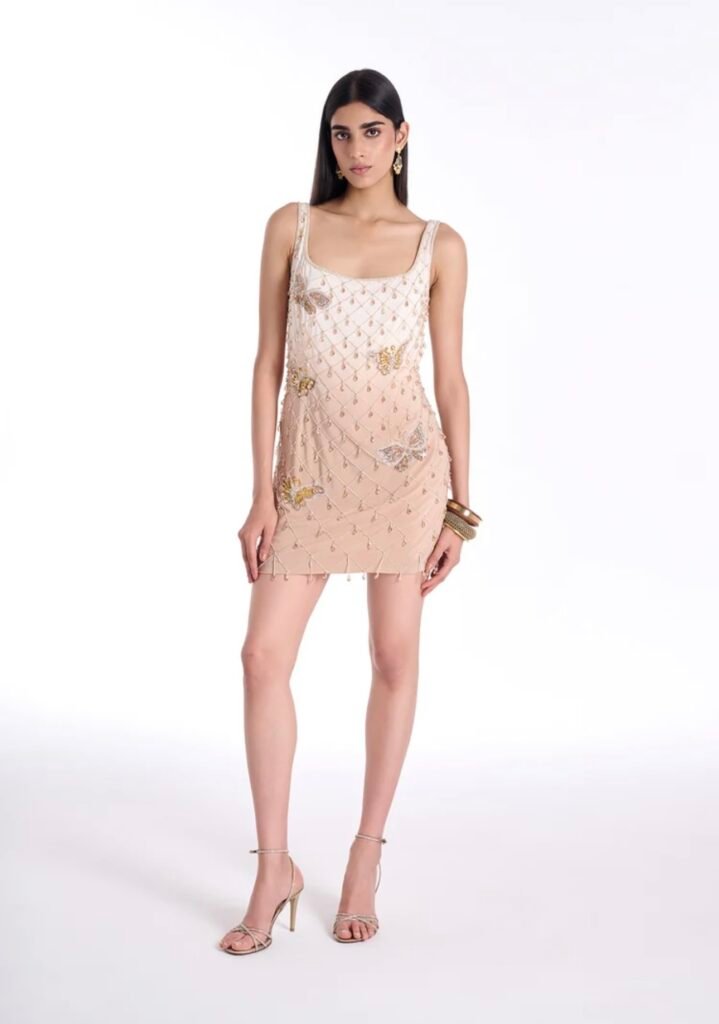
You have chosen New York as the creative home for a luxury label that is deeply dependent on skilled craftsmanship and handwork. How does living and designing in New York influence your aesthetic, and where do you see the city fitting into the global luxury fashion conversation today?
New York has this constant push and pull between polish and edge, and I think that’s baked into everything we design. The city moves fast, but it also has a real appreciation for craft and detail when it’s done right. I see New York increasingly becoming a place where global craftsmanship — like the handwork we do in India — meets a distinctly American energy, and that intersection is exactly where Kajal New York lives.
There is a growing shift towards “quiet luxury,” yet OMBRA embraces drama, crystals, sculptural forms and a certain decadence. Do you think the pendulum is now swinging back towards fashion that is meant to be seen, celebrated and remembered?
I think there’s room for both, but yes — I do think people are craving pieces with more emotion again. Quiet luxury had its moment, but fashion is also about memory-making
the dress you remember someone wearing, the piece that becomes part of a story. OMBRA was built for those moments. It’s decadent, but never careless — every embellishment has a reason for being there.
As you build Kajal New York, what do you ultimately want the woman wearing your clothes to feel? And five years from now, what would you like people to say when they hear the words “Kajal New York”?
I want her to feel powerful, but not performative — like the piece is doing the work so she doesn’t have to try too hard. Five years from now, I’d love for people to hear “Kajal New York” and immediately think of craftsmanship, of pieces that were made to last beyond a single season or moment.