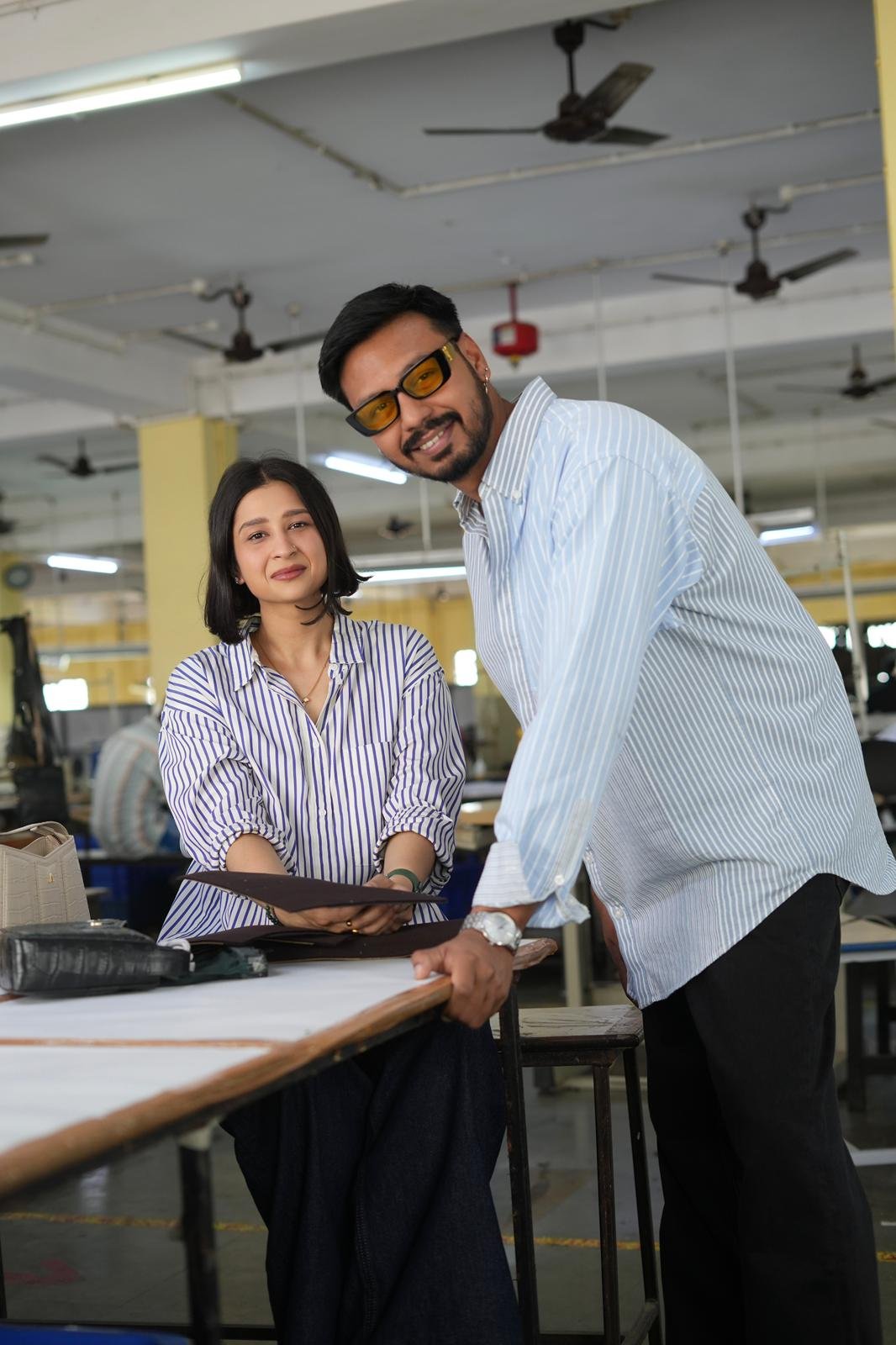
Structured AKINNA is built on a premise its founders never bother to soften: that a bag should behave more like architecture than a trend. Annika Saraf studied design in Milan before returning to India to prove the point, and her co-founder, Sanchit Goyal, has spent the years since making sure the idea survives contact with an actual business.
Together they built AKINNA on patience rather than pace. Before settling on their artisans and tanneries, the pair travelled across India in search of the right hands and the right leather, a search that shaped nearly everything the brand has done since. They don’t launch a new bag every season, and they aren’t especially interested in what’s trending. What they’ve built instead is a small catalogue and a short list of rules they don’t break.
We asked them to walk us through those rules: how Structured AKINNA holds onto Indian craft while keeping an international eye, what sustainability actually costs a brand still finding its footing, and why they’d rather lose a trend-chasing customer than compromise on what the brand is meant to stand for.
Over to Akinna Co founders Annika Saraf & Sanchit Goyal
As brands expand across India, how are consumer expectations shifting, particularly in categories built around lifestyle, design, and experience?
Indian consumers have changed more in the last decade than in the twenty years before it. They’re more travelled, more informed, and far less willing to buy on name alone. A decade ago, recognition was often enough. Now people want to know the thinking behind what they’re buying: the quality, the function, the philosophy sitting underneath the design.
That’s shown up as a shift away from status buying toward something more considered. People ask better questions these days. Why is it made this way? What went into it? Will it last? Does it make my life a little easier?
So, our job isn’t to lean on a logo or a heritage story. It’s to build products good enough that the experience speaks first.
AKINNA leans heavily on storytelling. How important is that today in building a connection that outlasts a single purchase?
Storytelling only works when there’s something true underneath it. For us, it’s less about narrative and more about explaining the reasoning behind every choice we make. The brands that last aren’t the ones with the loudest campaigns. They’re the ones with a clear point of view.
Ours comes down to structure. We think people are worn down by noise and clutter and endless decisions, and what they’re really searching for is clarity. That belief runs through everything, from how a bag is designed to how we talk about it.
A product might get someone’s attention once. A shared set of beliefs is what brings them back.
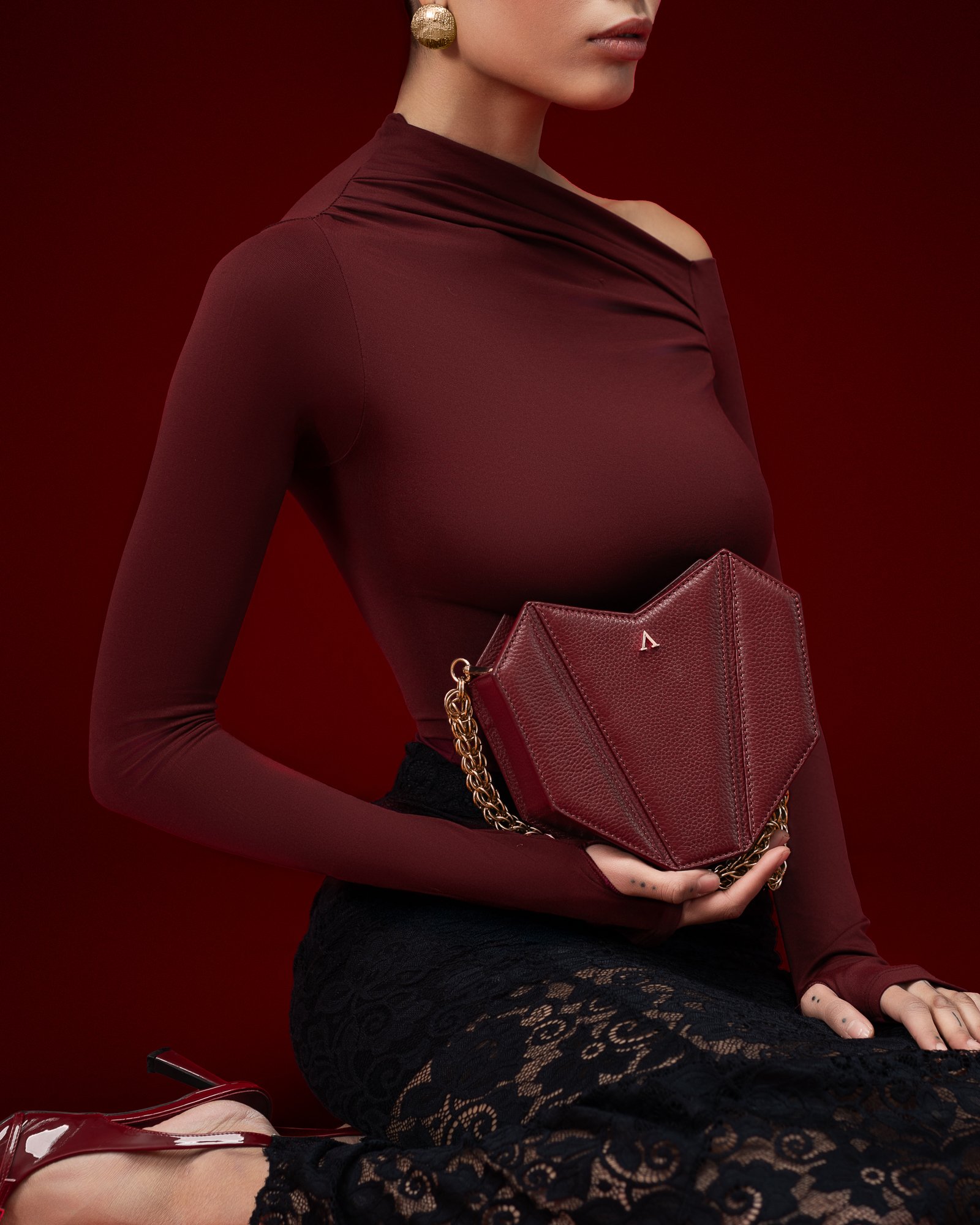
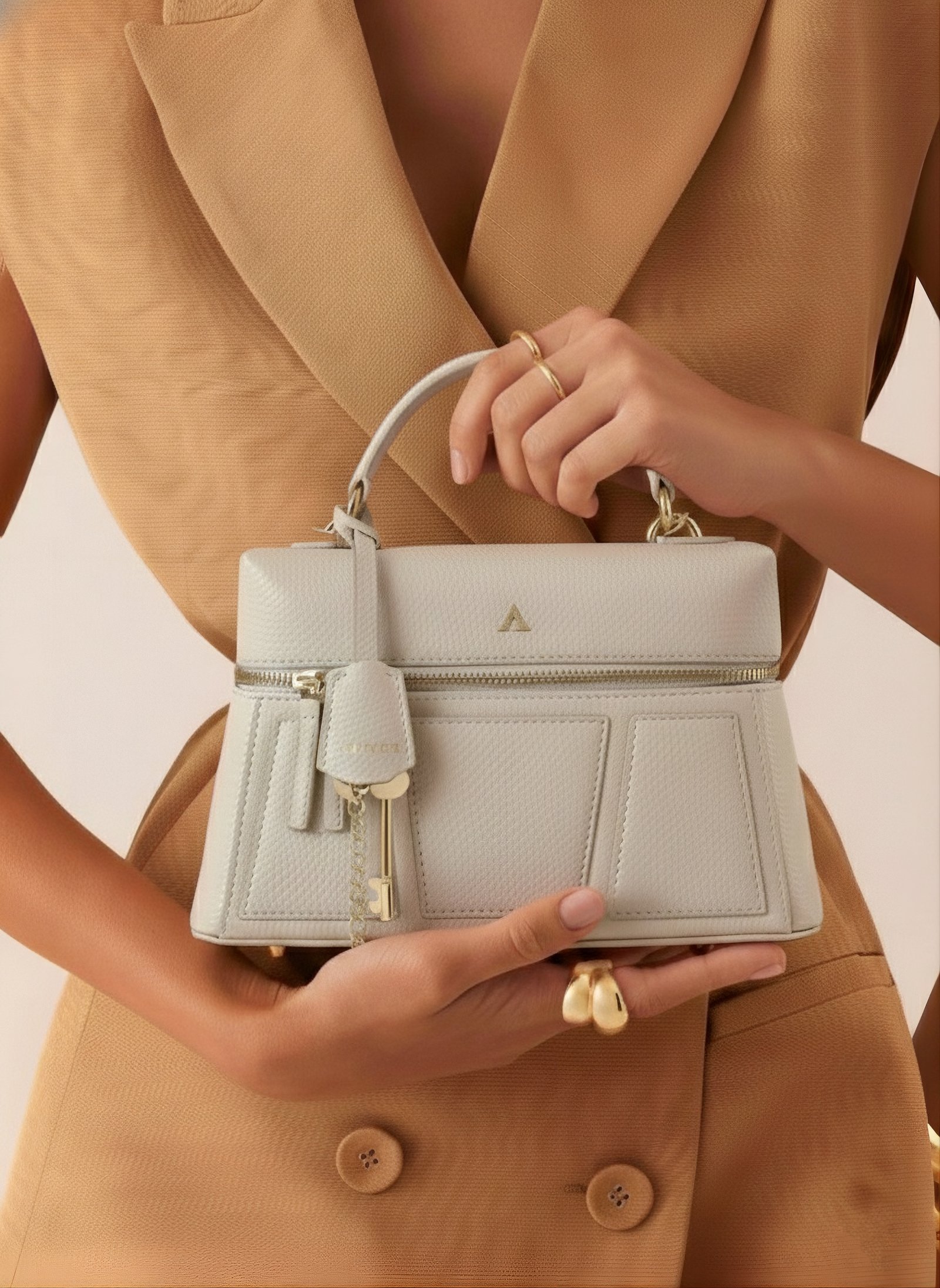
Every collection carries a creative vision. What inspired AKINNA’s latest one, Lia, and what did you want it to say?
Lia is really an extension of everything we believe about structure, both as a design language and as a way of living.
A lot of the inspiration came from architecture, from the relationship between form, balance, and function. Great buildings solve real problems while still managing to look powerful, and we wanted our bags to do the same thing.
We’re not chasing seasonal trends with each new collection. We’d rather spend the time developing silhouettes with a clear purpose, pieces meant to make sense well past a single season. If Lia has one narrative, it’s about bringing a bit more clarity, confidence, and composure into an ordinary day.
Every shape in the collection is meant to feel deliberate, easy to recognise, and even easier to live with.
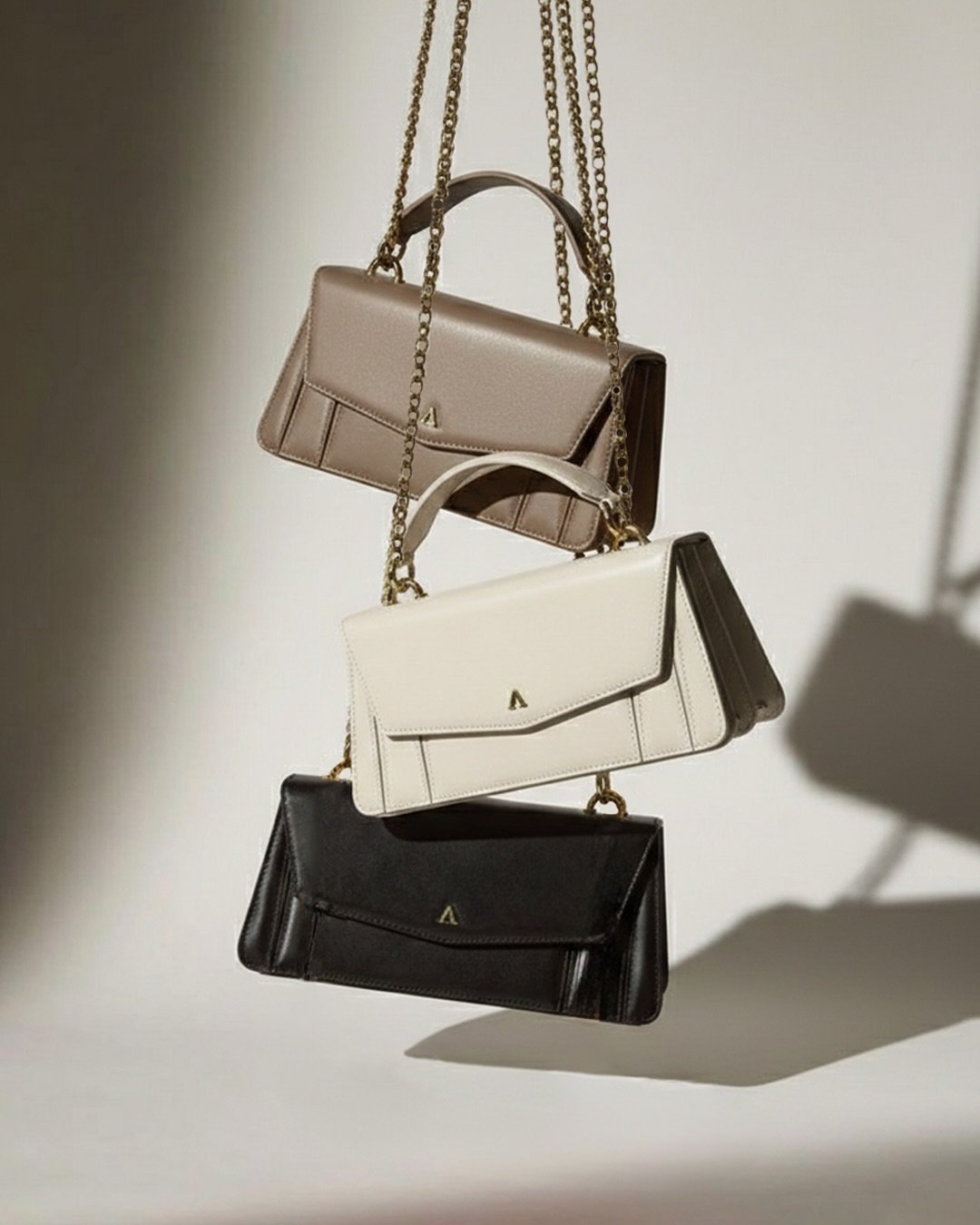
Indian consumers are deeply tied to culture and identity. How do you keep AKINNA culturally rooted while giving it global appeal?
We don’t think cultural relevance comes from putting an obvious symbol on a product. It comes from actually understanding the people you’re designing for, their values, their daily realities.
AKINNA is built in India, proudly, but our design language doesn’t stop at any one border. We work with Indian artisans and Indian leather expertise, but we bring a perspective shaped by time spent in Milan and in fashion markets abroad.
We’re not trying to make something that reads as Indian or Western. We’re trying to make something that feels relevant anywhere while staying honest about where it comes from.
Sustainability matters more to consumers than ever. How does it show up in AKINNA’s design, sourcing, and production?
For us, sustainability starts with permanence. The most sustainable bag is usually the one you never have to replace.
So we design for longevity first, using full grain leather from LWG certified tanneries and working only with production partners who treat their people fairly. We’d rather make fewer, better things than chase a new drop every season.
Durability, repairability, and honest sourcing say more about a brand’s values than any label ever could. What we’re really after is a bag that ages well and still feels right for years, not seasons.
The market is crowded. How do you keep AKINNA’s voice authentic and distinct?
Authenticity really just comes down to having a clear point of view and defending it, even when it would be easier not to.
Every decision at AKINNA runs through the same question: does this reinforce structure, clarity, and control? If it doesn’t, it gets cut, no matter how good it looks on its own.
We’re not trying to speak to everyone or chase every trend. That restraint is what keeps us consistent.
Standing out was never about volume. It’s about specificity. The sharper your philosophy gets, the harder it becomes for anyone to copy it.
What role has your own story played in shaping AKINNA’s identity?
We built the foundation, but the brand had to be able to stand on its own without us.
AKINNA started with Annika’s belief that thoughtful design could improve someone’s everyday life. Even so, we always wanted it to work as a system, not a signature label built around one person.
Studying in Milan, working across global markets, travelling through India to find the right artisans, all of that shaped what AKINNA became. But we were never trying to build a brand about ourselves. We were trying to build one around a design principle clear enough to outlast us.
We set the direction. The products do the rest.
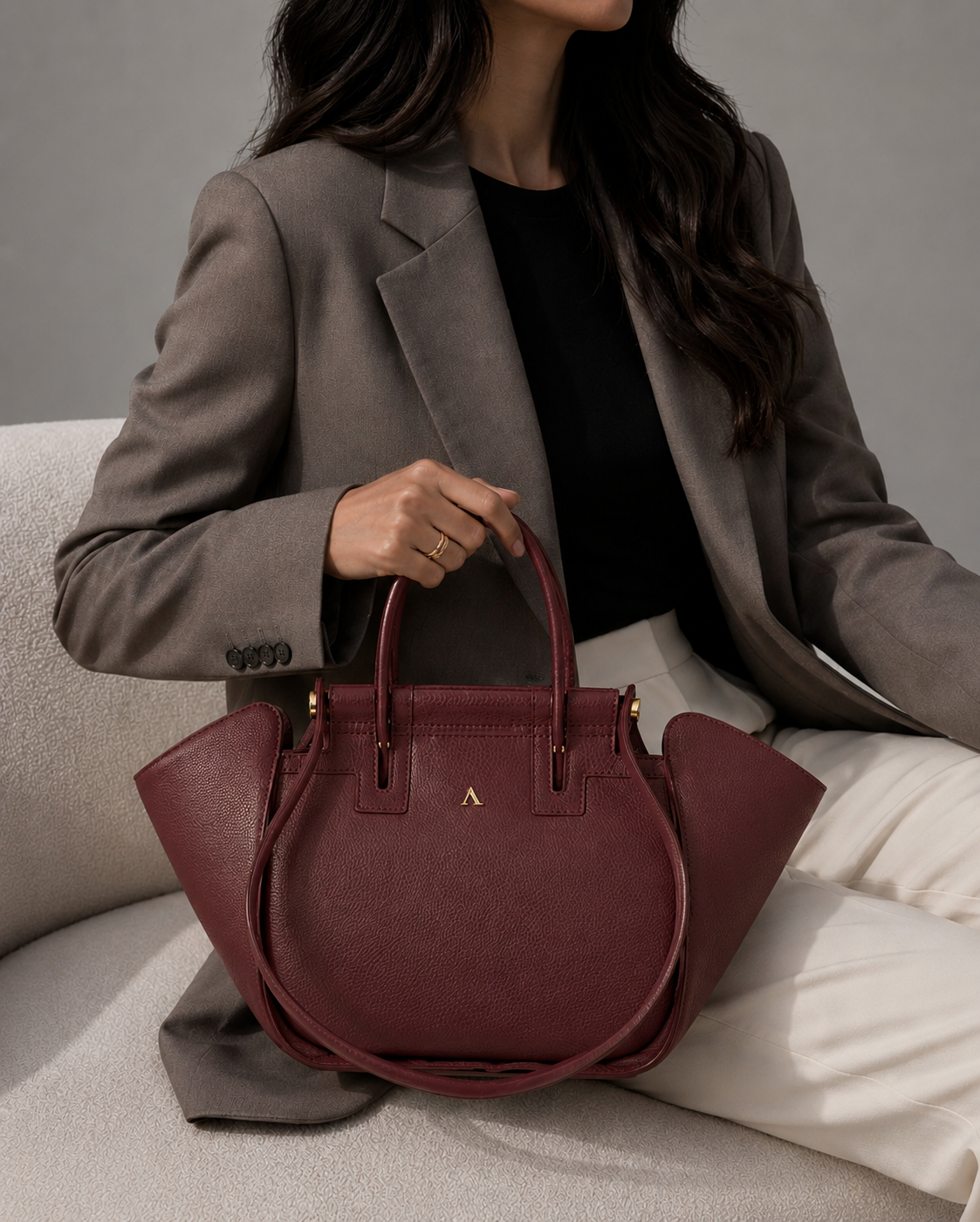
Consumers want products that look good and actually work. How do you balance design with usability?
We’ve never treated looks and function as separate goals. The best design happens when they stop being two different conversations.
Every bag starts with a simple question: how does someone actually move through their day? How do they carry it, where does their hand naturally land, how does it adapt from work, to travel, to whatever comes after?
To us, innovation isn’t about piling on features. It’s about taking away friction. If a detail doesn’t earn its place, it comes out.
What we’re aiming for is something that looks considered, works without a second thought, and eventually just becomes part of someone’s routine.
India is seeing a rise in conscious consumption. Will sustainability and ethical production soon be non-negotiable for lifestyle brands?
We think so, yes. Consumers have more information at their fingertips than any generation before them, and transparency has stopped being a selling point. It’s becoming the baseline.
People want to know where a product came from, who made it, and whether its price holds up against its quality. Brands that can’t answer those questions clearly are going to have a harder time earning trust.
It’s part of a bigger shift in values, and younger consumers in particular are simply going to expect brands to be accountable.
Looking ahead, what’s next for AKINNA in the Indian market?
We’re chasing depth, not breadth.
That means continuing to build our reputation as a design led leather goods brand known for structure, quality, and function that actually holds up. We’ll keep refining our core pieces, reaching the right audience rather than a bigger one, and growing a community that buys into what we believe, not just what we sell.
For more stories like this, stay tuned to TheGlitz.