Acclaimed content creator and social media influencer Prableen Kaur Bhomrah has spent years encouraging people to embrace their real selves: skin texture, body shape, PCOS struggles, and everything in between. So when she got married on October 30th in Mumbai, no one expected anything ordinary. They were right.
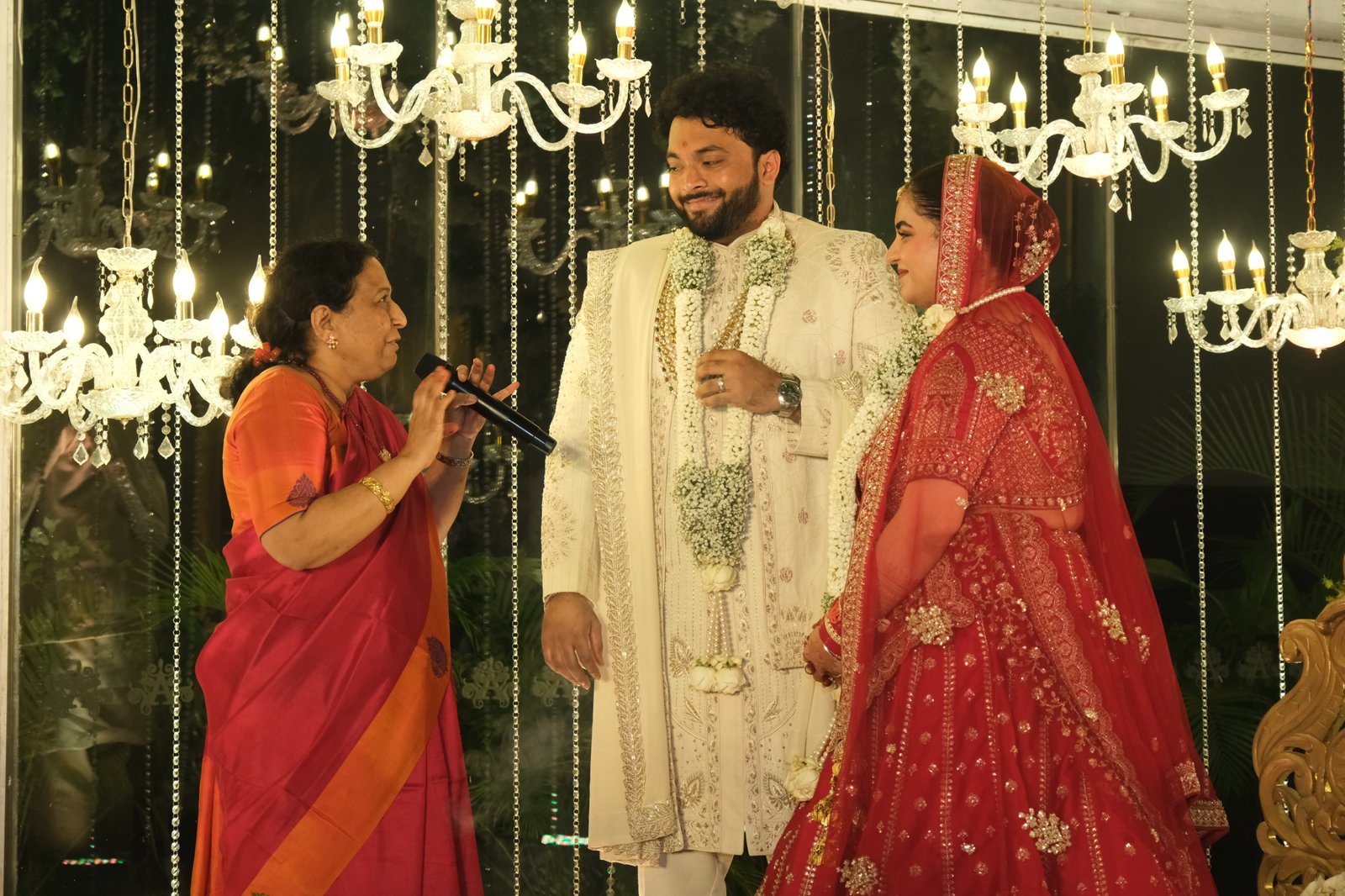
Prableen married her college senior turned life partner, Rahul Yangaldas, in a ceremony that honoured culture while staying true to her beliefs. The defining detail? A female priest, Varsha Ashok Gadgil, officiated the entire wedding – not as a social media statement, but because it aligned with everything Prableen stands for: empowerment, inclusion, and doing things her own way.
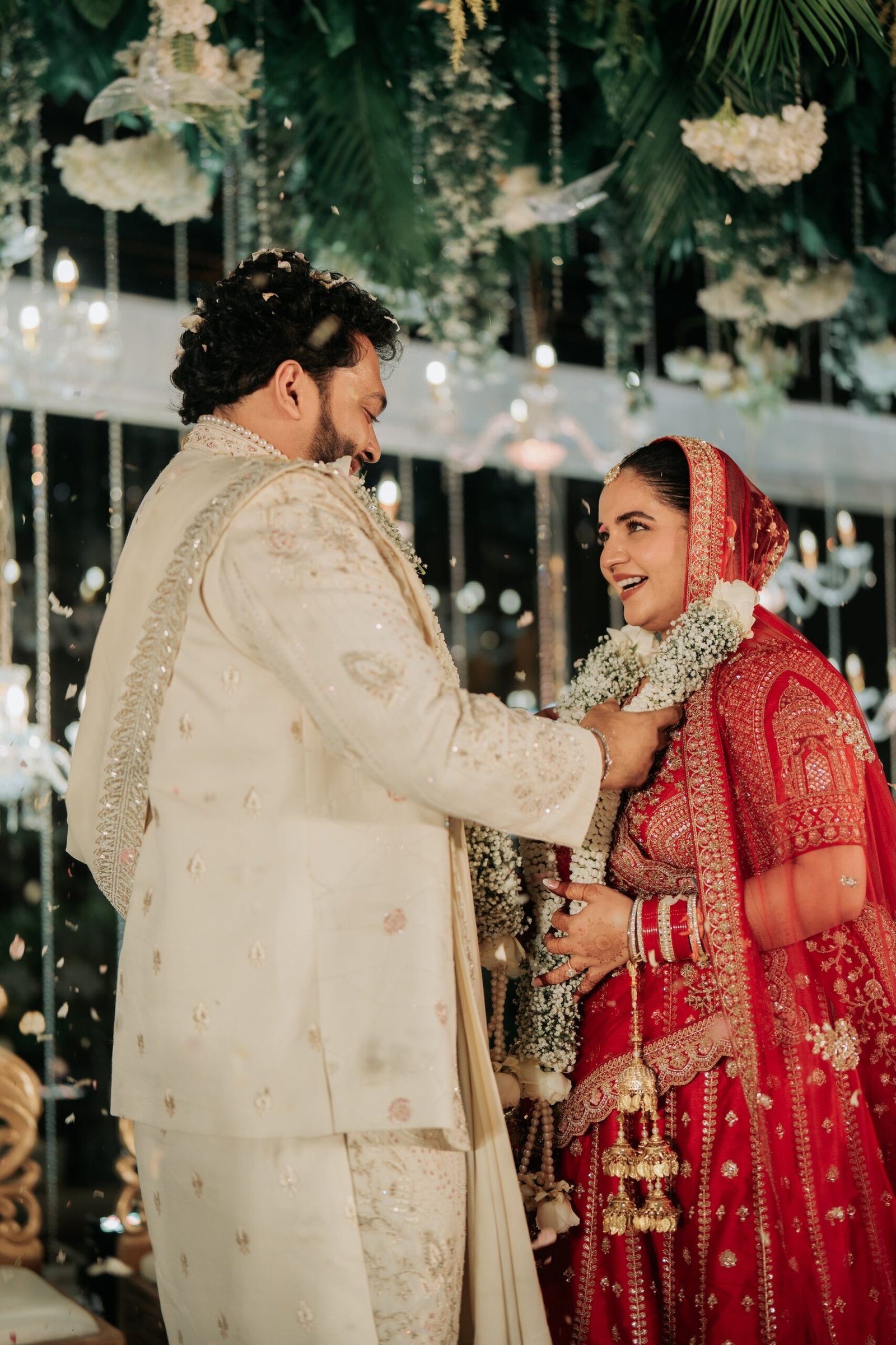
She discovered Varsha through an Instagram interview, knew instantly she was the one, and never looked back. With her Punjabi family on one side and Rahul’s Telugu family on the other, Varsha explained every ritual with such clarity that both sides could actually enjoy the wedding instead of simply observing it. Simple, beautiful and exactly as Prableen had imagined.
For someone who’s built her voice around showing up authentically, having a woman lead her into marriage wasn’t just meaningful – it felt inevitable.
In an exclusive conversation with Rajeev Mokashi, of TheGlitzMedia, Prableen opens up about her wedding choices, what tradition means to her, and the moments that mattered most. Over to Prableen…
When Prableen Kaur Bhomrah Made Her Wedding As Real As Her Feed…
Rajeev Mokashi: Did Rahul need convincing, or was he immediately on board?
Prableen: Rahul? Immediately on board. Actually, thrilled once he spoke to the panditayin himself. For him, the equation was simple: I wanted the rituals, the functions, the whole traditional affair – so we did it my way. He was perfectly happy with a court marriage and lunch after. That’s how chill he is. But he saw how much it mattered to me, and that was enough.
What did Varsha bring to the ceremony that felt different from traditional male priests you’ve seen at other weddings?
Warmth. The kind that wraps around you and makes a sacred ceremony feel personal, not performative. She wasn’t rushing through Sanskrit verses we couldn’t understand – she paused, explained what each ritual meant, made sure we were present in our own wedding. That focus, that care, that instinct to include rather than instruct? I truly believe only a woman brings that energy to the mandap. She made us feel seen, not just married.
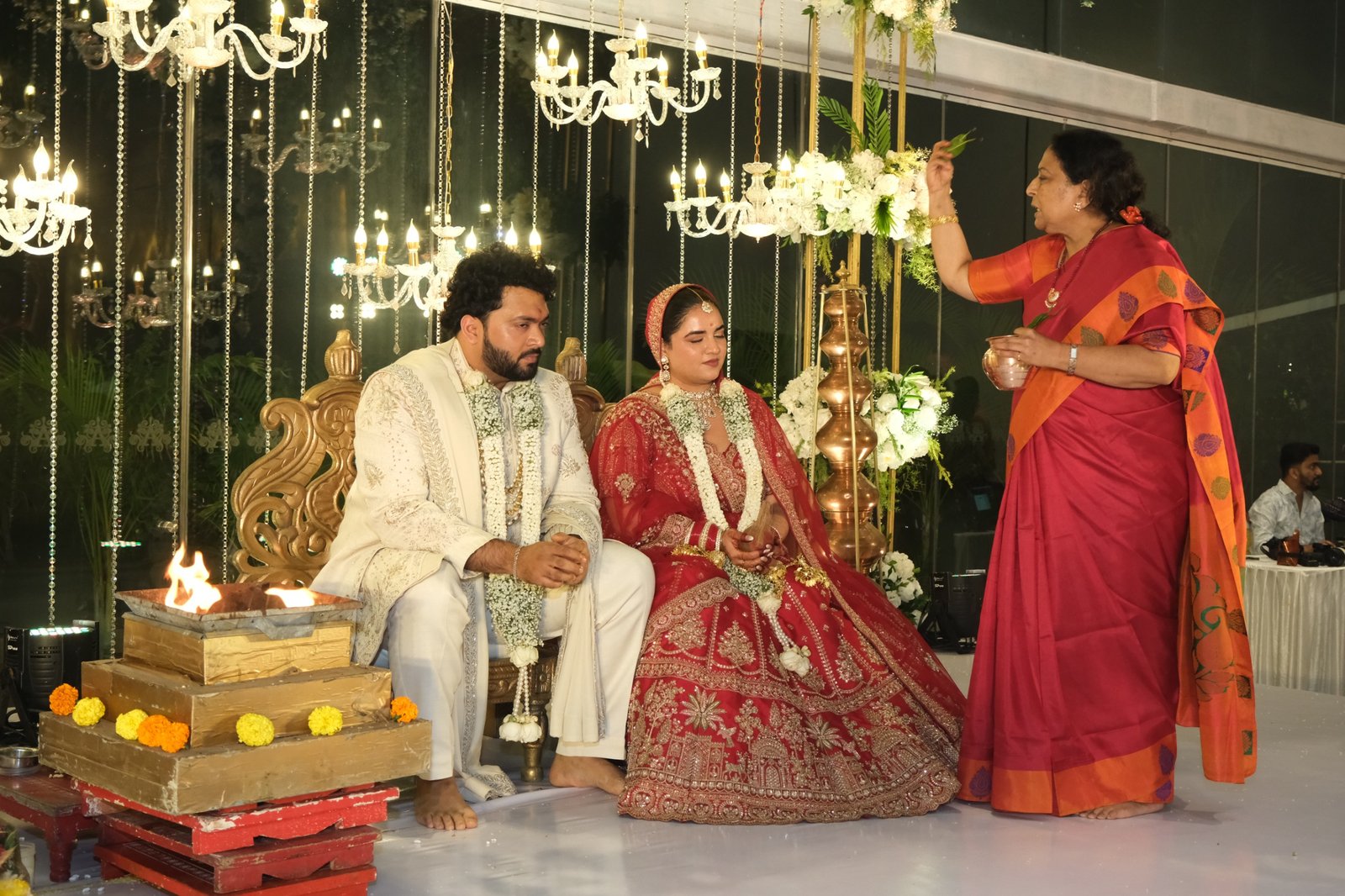
Walk us through the moment she started the ceremony, what was going through your head?
Surreal doesn’t even cover it. All those months of planning, the debates, the decisions, the will this actually work? Moments – and suddenly we’re on stage, she’s beginning the ceremony, and it’s happening. Exactly as I’d imagined. Maybe better. For once, reality matched the vision in my head, and I just thought: This. This is it. Perfect doesn’t do it justice, but it’s the only word I have.
Prableen, you have huge followers. Did you think, “This is going to start conversations,” or was it purely personal?
Oh, the intent was entirely personal. I wanted warmth, care, someone who’d guide us through the rituals with kindness instead of barking instructions like we’re late for a train. That tenderness? I wasn’t going to find it with most male pandits I’d encountered. But did I know it would spark conversations? Absolutely. Eyeballs? Yes. Eye rolls? Also yes. I was prepared for both. The difference is – I didn’t choose her for the attention. I chose her for us. The attention was just the bonus prize nobody asked for.
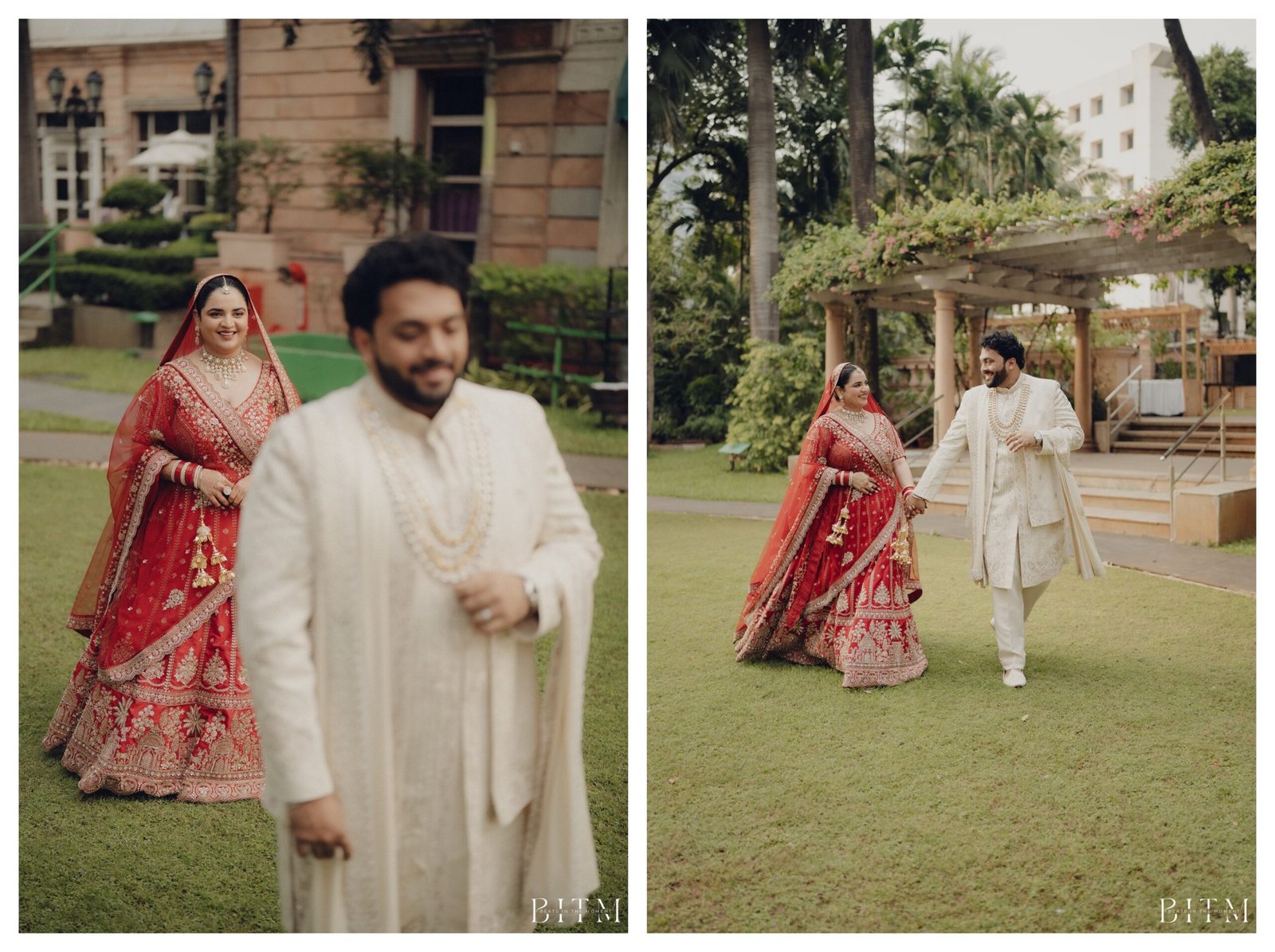
Best compliment you got about the wedding? And perhaps ‘a-not-so-good comment?
Best compliment? Someone told us it was a wedding “filled with love” – and considering it was interfaith, that meant the world. We honoured both traditions without erasing either. That respect showed. And here’s the thing people don’t talk about enough: I don’t come from money. My partner and I saved, planned, budgeted, executed everything ourselves. No family wealth cushion, no event planner holding our hand. The wedding of my dreams? We built it. Ourselves. I’m absurdly proud of that.
Now, the less-charming moment? Our mehendi had an electricity glitch – music cut out mid-celebration, very annoying. And someone, bless their unnecessarily loud mouth, commented: “Oh, they probably didn’t pay the full amount. That’s why it got cut.” Can you imagine? The audacity. The reach. But sure, aunty, that’s definitely how vendor contracts work.
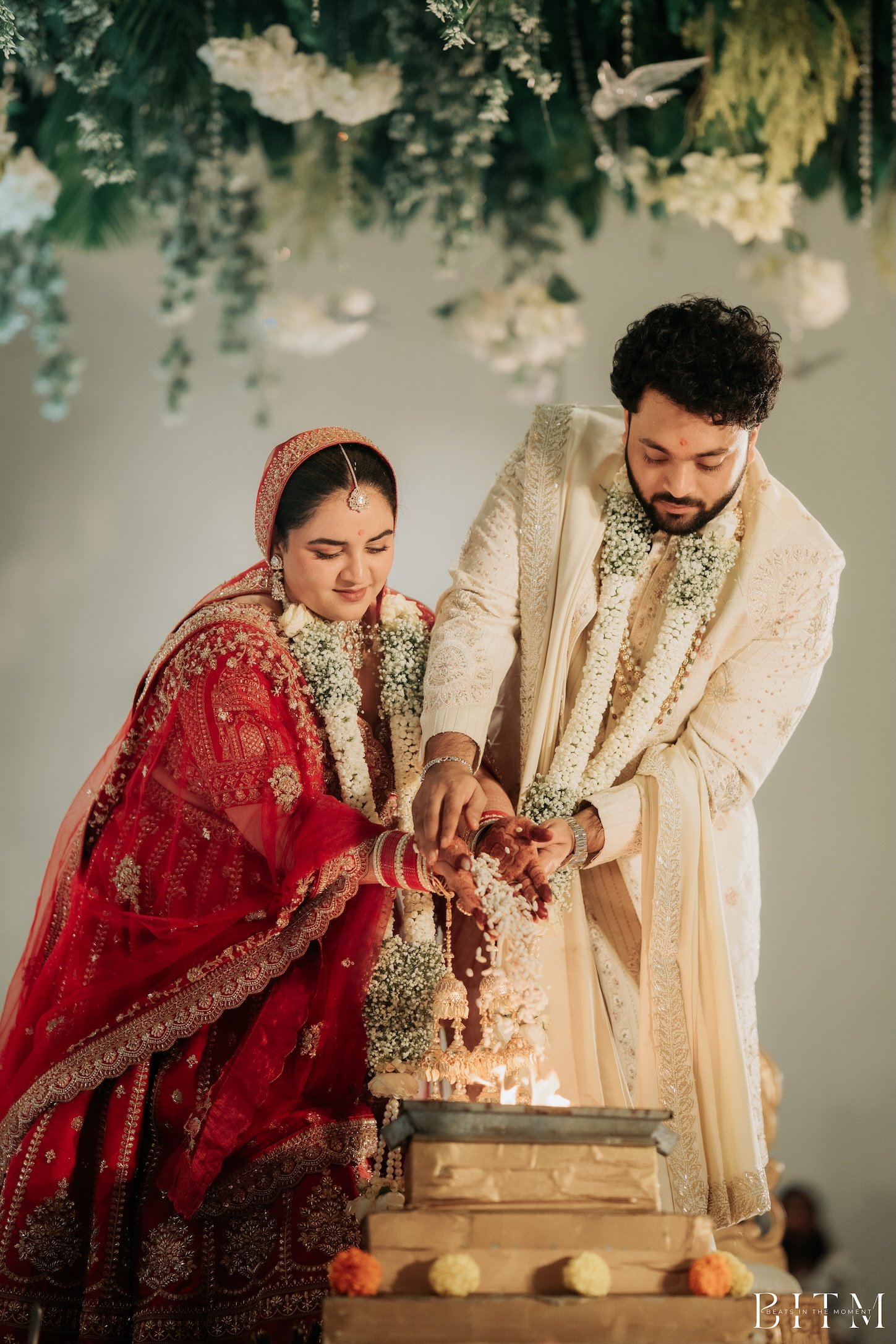
Final question: If your daughter gets married one day, what will you tell her about tradition?
I’ll tell her what I lived: tradition is beautiful when it serves you, not when you’re serving it. I wasn’t the typical dulhan. I didn’t follow every rule religiously. I did everything respectfully, yes – but on my terms.
The chooda ceremony? Traditionally, your mamas put it on. I had my male best friends do it too. Why? Because they showed up for me in my hardest moments. They earned that place at my mandap.
The kaleeras? Supposed to be tied by your sisters. Mine were tied by my girl best friends. My chosen family, because let’s be honest, they’ve been more present than some cousins I see once every five years.
So, if she asks me one day what tradition means, I’ll say this: Honour it. Respect it. But never let it erase the people who actually held you up. Tradition evolves when we’re brave enough to make it ours.