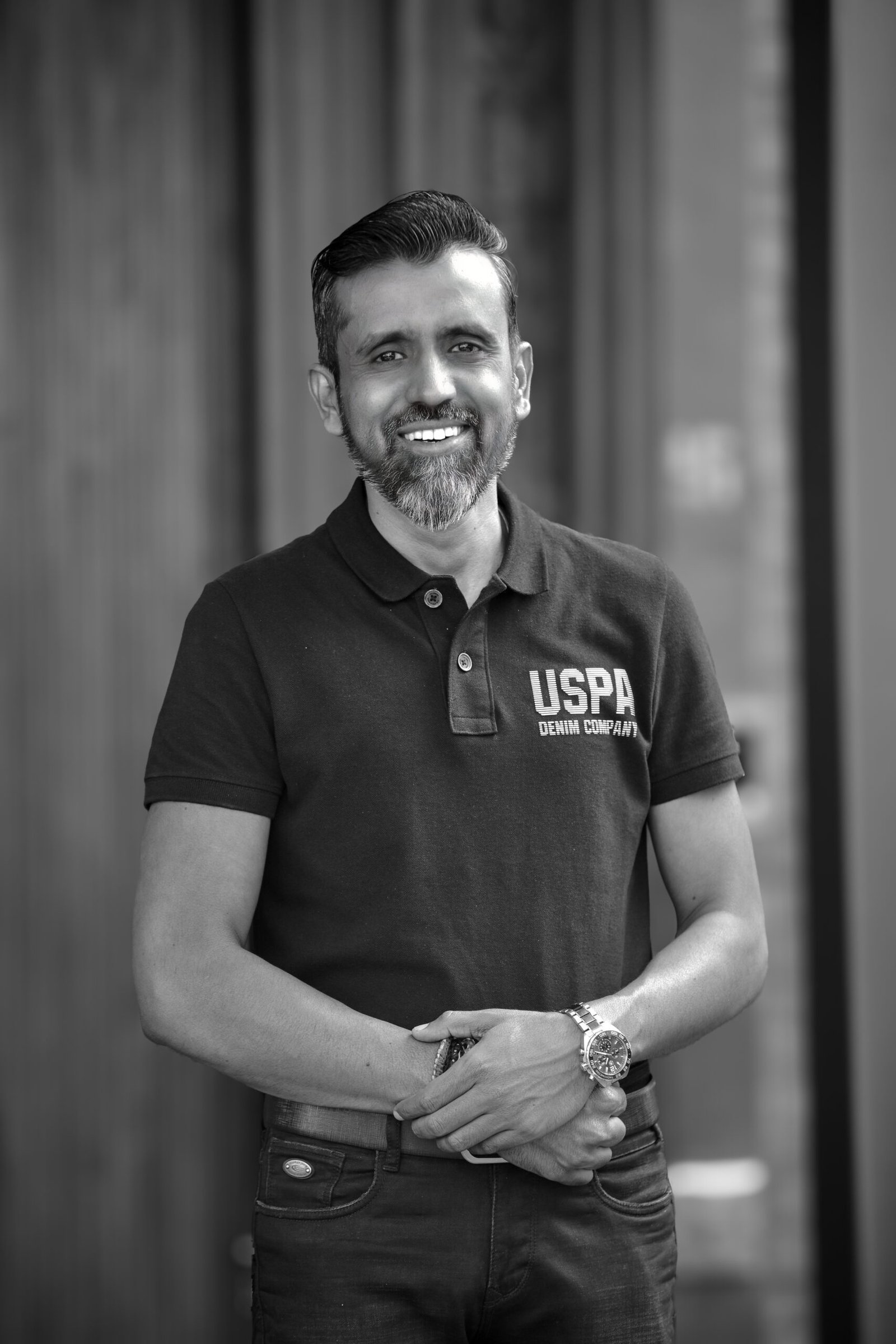
Ar. Rajkumar Kumawat, founder and principal of Rajkumar Architects, has spent twenty-seven years proving that good architecture stays rooted while reaching forward. Since opening his Jaipur practice in 1997, he’s earned notice for creating spaces that don’t just photograph well but feel right when you’re standing in them. His approach is straightforward: architecture should breathe alongside the people who use it, respecting the ground it’s built on.
Le Corbusier and Frank Lloyd Wright influenced his early work, their modernist ideas clear in those first projects. But Jaipur’s extraordinary heritage pulled him deeper into something more rooted. He began mirroring the city’s rich history and cultural diversity in contemporary designs, refusing to treat tradition like ornament. Every project, he believes, needs its own personality – one that reflects the people living there. That devotion to craft and getting every detail right brought him the FOAID award and prominent media presence.

What makes Rajkumar different is how seriously he considers Vastu. Not as decoration, but as practical architectural knowledge that affects how people actually live in their homes. Most architects sidestep it entirely. He’s been applying it for decades, room by room, project by project.
Rajeev Mokashi from TheGlitzMedia sits with Architect Rajkumar Kumawat to understand what makes a building not just beautiful, but transformative.
Over to Ar. Rajkumar Kumawat…
Rajeev Mokashi: What made you fall in love with Vastu? Was there a divine moment of clarity?
Rajkumar Kumawat: I wouldn’t call it a divine moment, rather, it was a gradual awakening. During my early years in architecture, I was intensely interested in the way spaces feel and not so much the way they look. I found myself paying attention to the fact that some houses have an innate sense of peace, and others, though beautiful, were unbalanced. This brought me to discover Vastu as not superstition, but an ancient spatial harmony science.
The more I learned about it, the more I understood how beautifully it adheres to architectural reasoning, orientation, ventilation, sunlight, and circulation. The first experience I had of Vastu’s true power was when designing a home where a mere reorientation of the front entrance shifted the whole atmosphere of the house. The family’s experience confirmed what I had intuited, that architecture, when it relates to energy, is more than a building; it is a living creature that cares for its people.
Tell us about your latest residential gem. What magic did Vastu bring to the space?
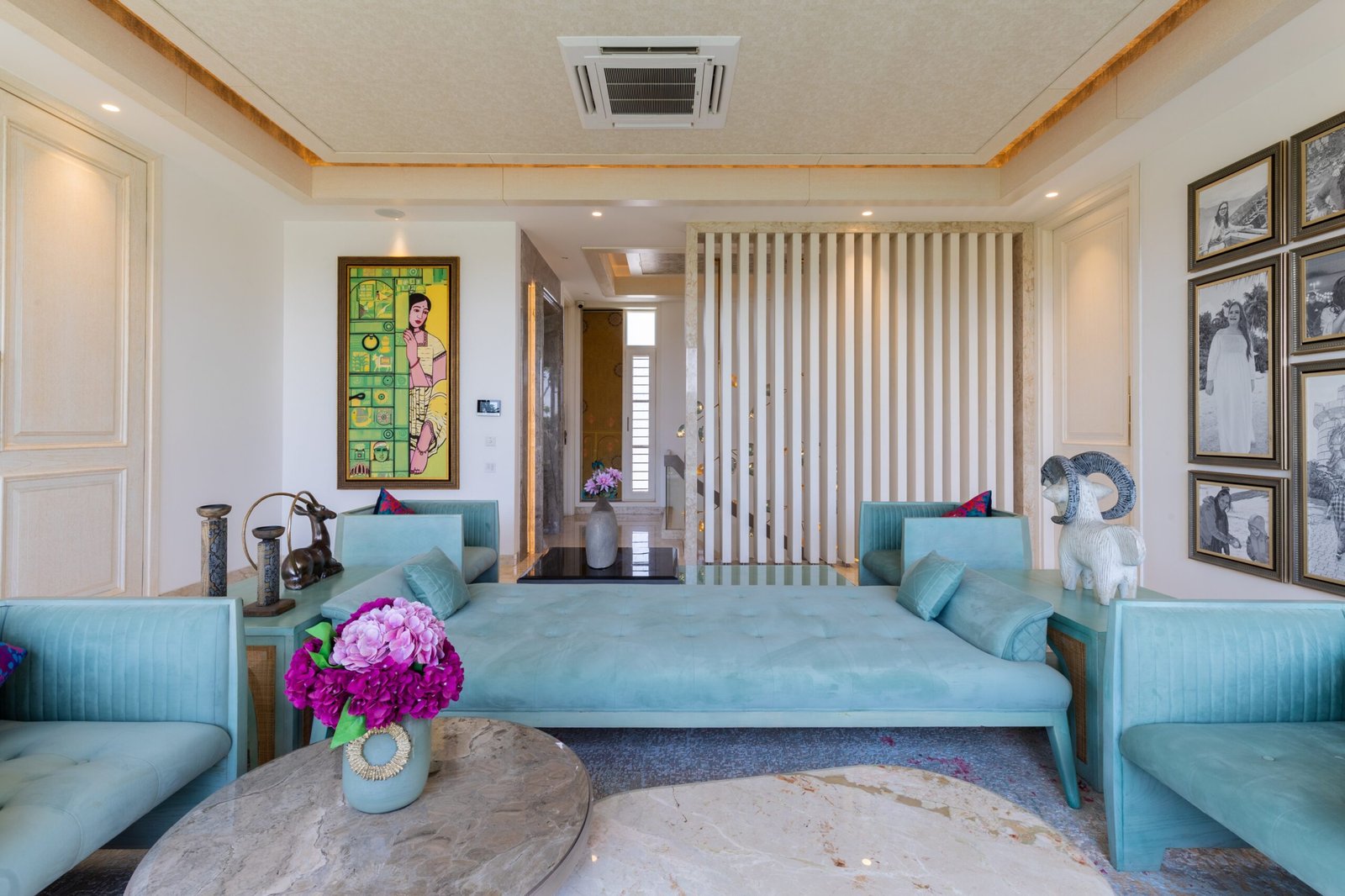
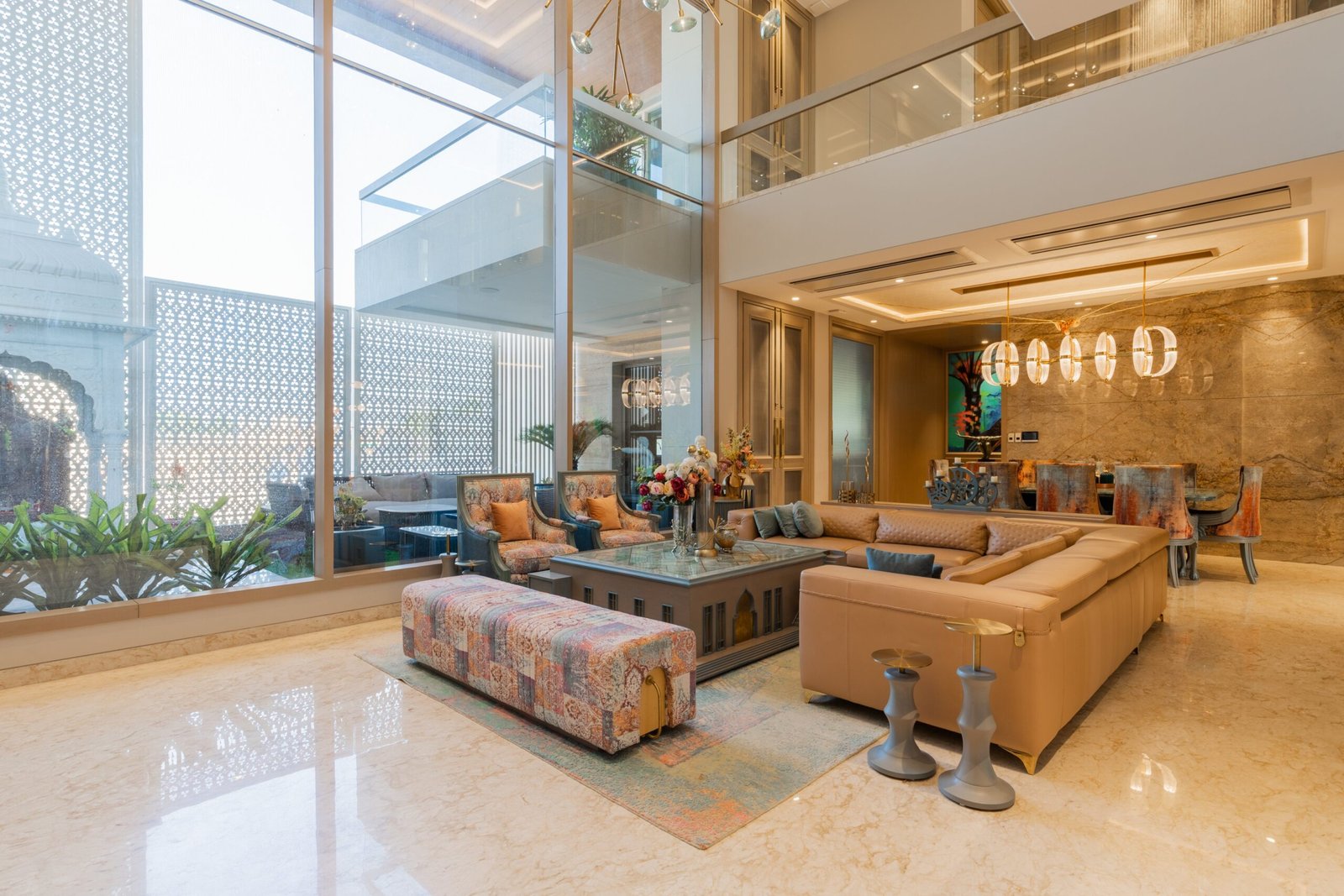
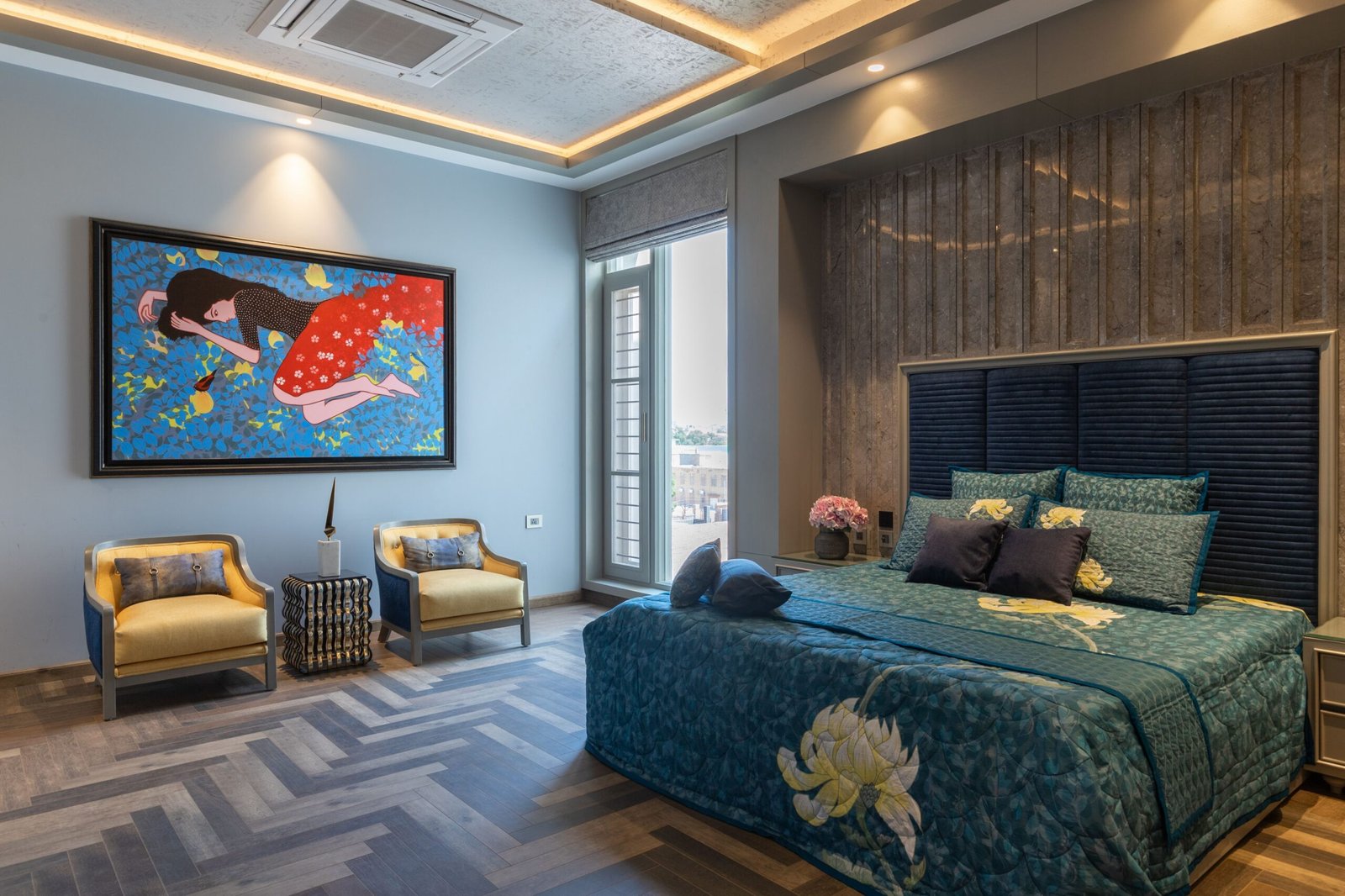
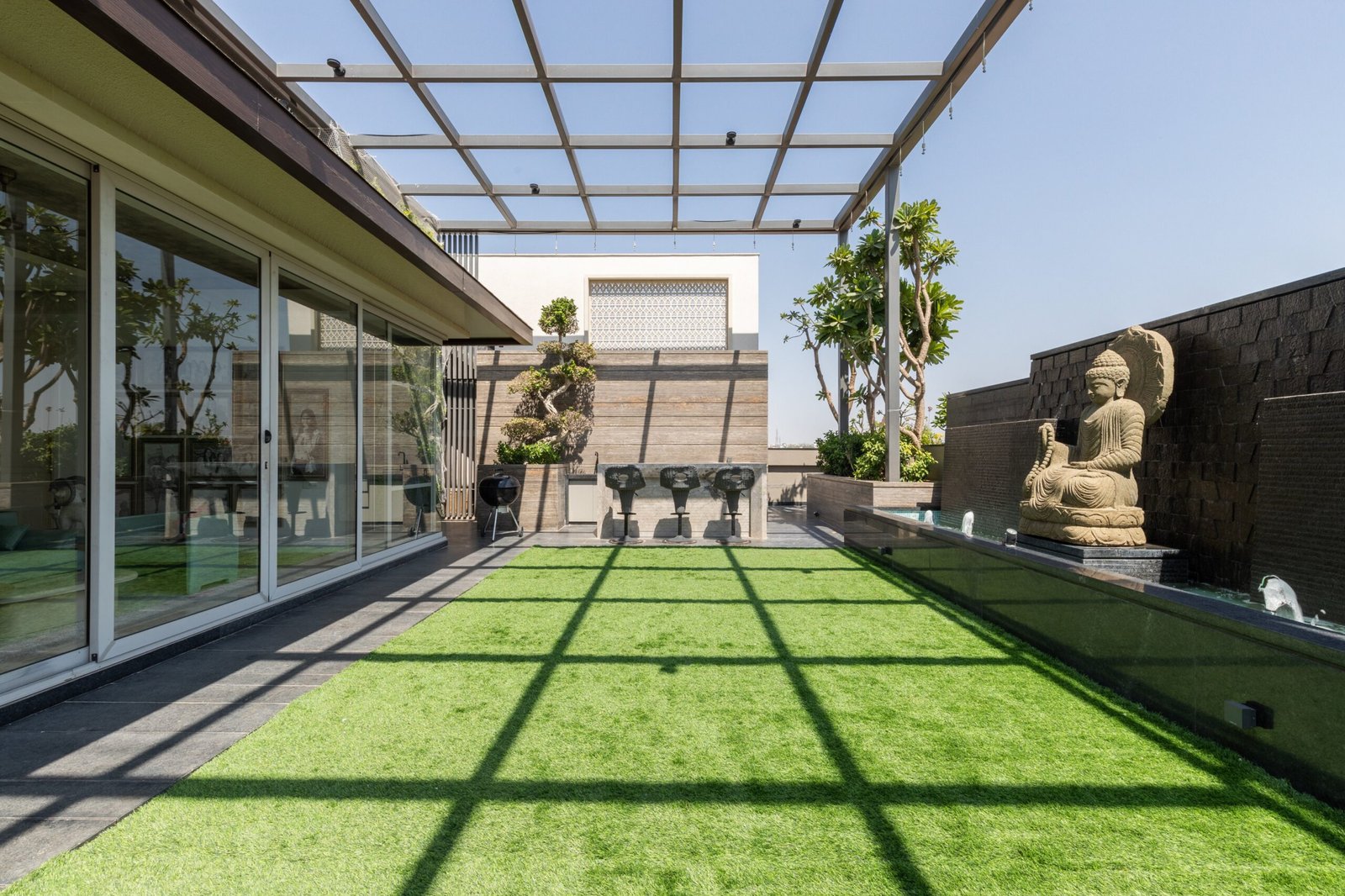
One of my latest projects, a house in Jaipur, exquisitely demonstrates the balance of modern design and Vastu. The client desired a contemporary house with open, airy spaces, but wanted a sense of groundedness nonetheless. We planned the house around a central court, oriented to receive natural light from the east and permit continuous air circulation. The kitchen is in the southeast, the direction of fire; the bedrooms look out over the north and the east, drawing in peaceful energy.
All the decisions about space were made with thought, both out of design sensibility and Vastu reason. What really did feel magical was how naturally the house came alive, you could feel the coziness in the mornings, the peace in the evenings. The family consistently mentions to me that the house “feels right”, and to me, that is the ultimate confirmation of energy playing nicely with design.
Is wellness architecture just a trend, or are we finally waking up to ancient wisdom?
I think that we’re finally going back to where our ancestors were. Wellness architecture is not something trendy, it’s a return to something that we instinctively understood before. We used to build houses with the sun, wind, and seasons in mind. As time went on, conventional construction practices emphasized efficiency and beauty, but we forgot that intuitive feel for energy.
Now that people want balance in their hectic lives, they’re noticing that design itself has a direct impact on well-being. Vastu, biophilic architecture, and sustainable materials all stem from the same philosophy, that architecture needs to coexist with nature. I always say good design doesn’t impose itself; it responds. Wellness architecture is that response, a holistic design that honours the unseen forces that control how we live, breathe, and feel in our homes.
How do you sell skeptical clients on moving their bedroom for better energy flow?
I never “sell” Vastu, I describe it as I would any logic of design. I begin with the science behind: patterns of sunlight, cross-ventilation, direction psychology. For instance, a bedroom in the southwest provides thermal comfort and stability and an east-facing bedroom promotes light and vigor. As soon as clients see that these norms are not randomly drawn up but based on energy and comfort too, the resistance subsides automatically.
In one such project, the client was reluctant to move their master bedroom, but once the change was made, they reported that their sleep became better and the room felt more peaceful. That’s when they realized themselves that Vastu is not about superstition; it’s about designing spaces that enhance your day-to-day rhythm and mental equilibrium. The atmosphere of a space is intangible, but when felt, it says more than any argument.
Where is Vastu-integrated design headed? Are we on the brink of an energy-conscious revolution?
Absolutely. I think we’re coming into an age of energy-aware design, when architecture transcends form and function to incorporate emotional and energetic well-being. Vastu is no longer relegated to traditional dwellings; it’s transforming within contemporary architecture, from city apartments to wellness retreats.
What thrills me most is how young architects are combining data-driven design software with Vastu practices, rephrasing ancient wisdom in modern terms. The future is integration, not deciding between tradition and modernity but rather enabling them to coexist. By designing with consideration of direction, light, energy, and emotion, we step toward architecture that heals, inspires, and sustains. That, in my mind, is the revolution.
For more stories like this, stay tuned to TheGlitz