Varun Parikh & AI
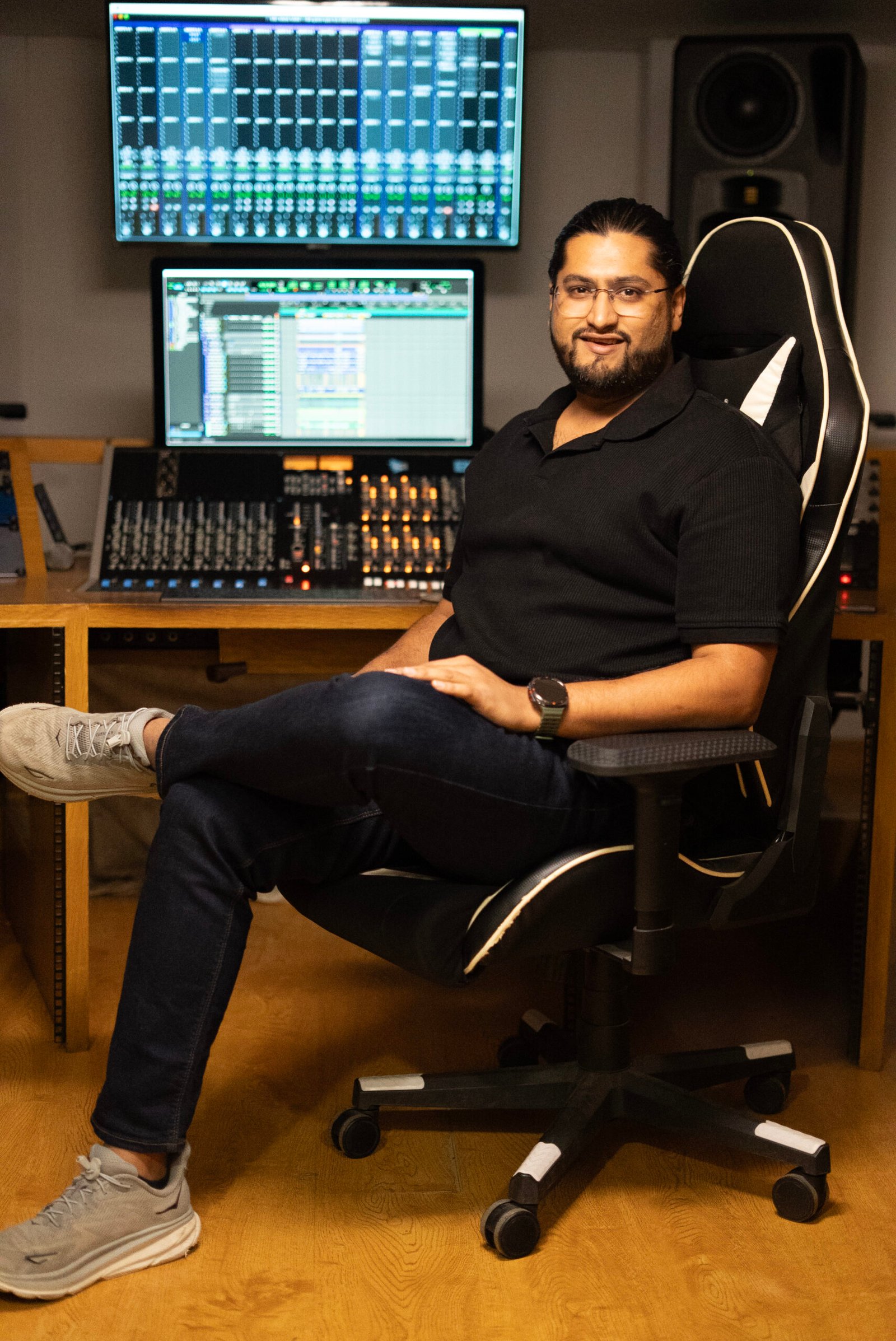
In an ‘AI’ overdrive era where algorithms compose melodies, reels dictate rhythm, and fandoms rival record labels, Varun Parikh, Founder of Bay Owl Studios and Director at Abbey Road Institute Mumbai, producer, and sound visionary… is indeed asking the right questions about the future of music. Sharp, self-aware, and unafraid to challenge the status quo, Varun stands at the crossroads of art and innovation, dissecting how AI, genre-fluidity, and fan-driven ecosystems are rewriting the global music playbook.

For him, artificial intelligence isn’t the “villain” in the studio… it’s a collaborator that amplifies human creativity. Genre, he insists, isn’t dying… it’s evolving, expanding beyond definitions and demographics. And while attention spans may be shrinking in a world addicted to 15-second hooks, Varun Parikh believes authenticity still cuts through the noise. His insights echo both realism and rebellion: a call for musicians to reclaim their artistry in a landscape increasingly ruled by code, clicks, and convenience.
As he breaks down everything from NFTs to the rise of VR concerts, Varun Parikh doesn’t just predict the next phase of music… he embodies it. …Because in his world, the future of sound isn’t artificial, it’s amplified. Here in a hard-hitting interview regarding the role of AI in music, Varun Parikh talks to Sumita Chakraborty, Founder & Editor-in-chief, TheGlitz…
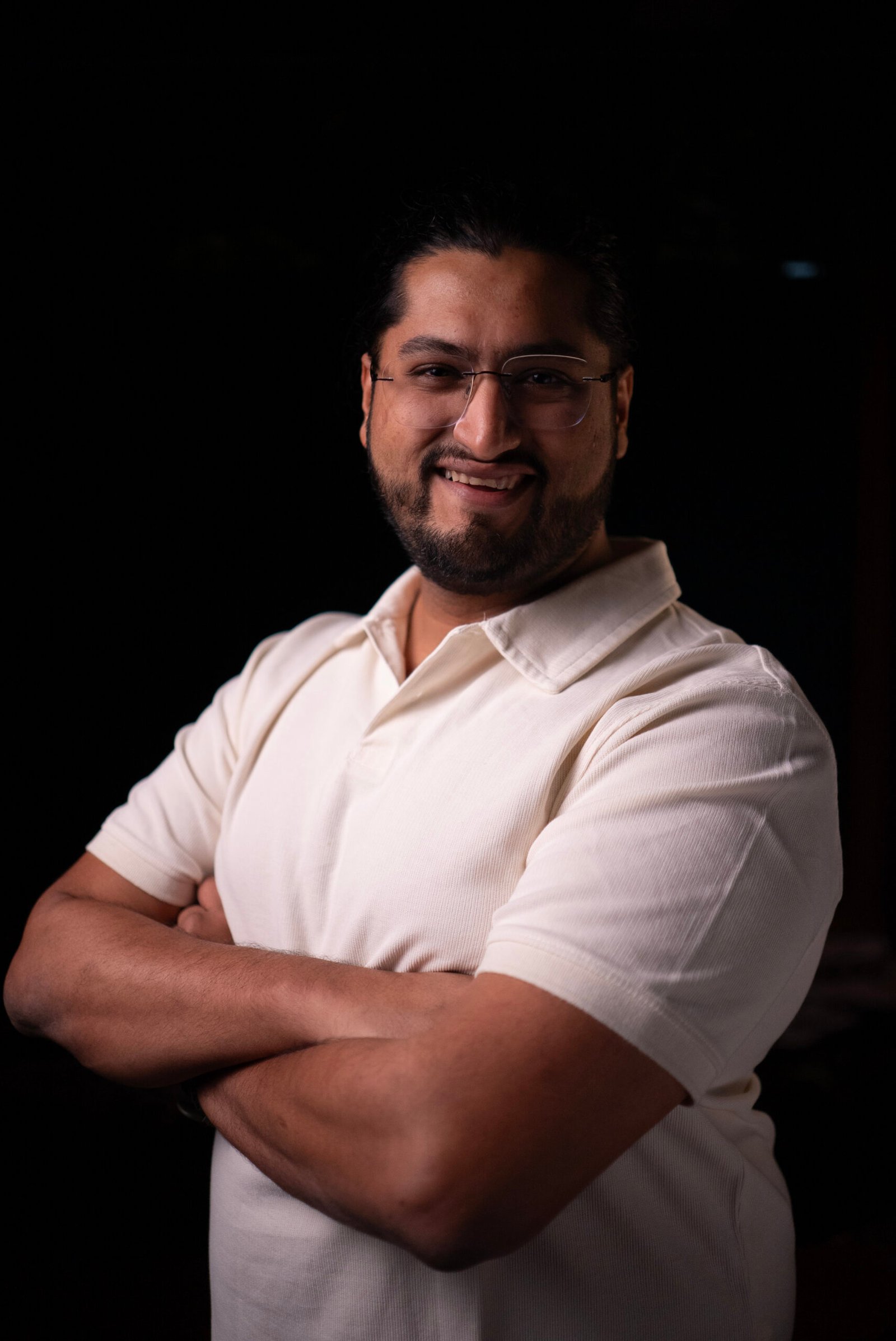
Over To Varun Parikh, Founder of Bay Owl Studios and Director at Abbey Road Institute Mumbai
AI seems to influence everything from songwriting to mastering, do you think it enhances creativity or dilutes the authenticity of music? Where should we draw the line between human artistry and machine precision?
Varun Parikh – It does both, doesn’t it? AI can absolutely enhance one’s creativity in ways never seen before, but using AI for something that one doesn’t have the basic skills in is like blindly following a recipe to cook a meal without understanding how the ingredients actually interact with each other. AI empowers your core skill, and in creative terms that could mean combating writer’s block, new creative music production effects, mastering your song louder than ever before, unlocking songwriting techniques, and much more.
On the other hand, there is a genuine call to question the authenticity of music, but let’s take a step back to really question what determines ‘the authenticity of music’. Is a song “authentic” when a producer or engineer don’t get credits? Is it “authentic” if the main recall value is a re-sample from previous hits? Is music “authentic” when “bigger” artists release a track that was created by an unknown artist by just changing the lyrics? AI is an easy ‘fall-guy’ for a lack of authenticity that has been rampant across the music industry since decades.
With genre boundaries rapidly collapsing, do you see the idea of “genre” itself becoming obsolete in the next decade? What does this mean for artists trying to build a distinct identity?
Varun Parikh – Genres won’t necessarily become obsolete, because genres have over time grown to be associated with an identity or energy to an extent if you will. Rock with anger, Hip-hop and Rap with energy, Pop with joy, are just a few examples. But Genres in the traditional sense have grown to become the heads of much broader categories. In essence there are around 16 original genres, but with all the subdivisions today, there are over 600, and you could easily cross 1,000 if you wanted to really get experimental.
I don’t think artists should worry too much about classifying themselves into genres… the audience and their peers will do that anyway. Focus on what sounds good to you, the sound that makes you want to wake up every morning and make music. However, niche, your audience will then know you for YOU.
“AI is an easy ‘fall-guy’ for a lack of authenticity that has been rampant across the music industry since decades.” – Varun Parikh
Platforms like TikTok and Reels prefer 15-second hooks over full-length storytelling. Are we at risk of creating a generation of disposable music instead of timeless tracks?
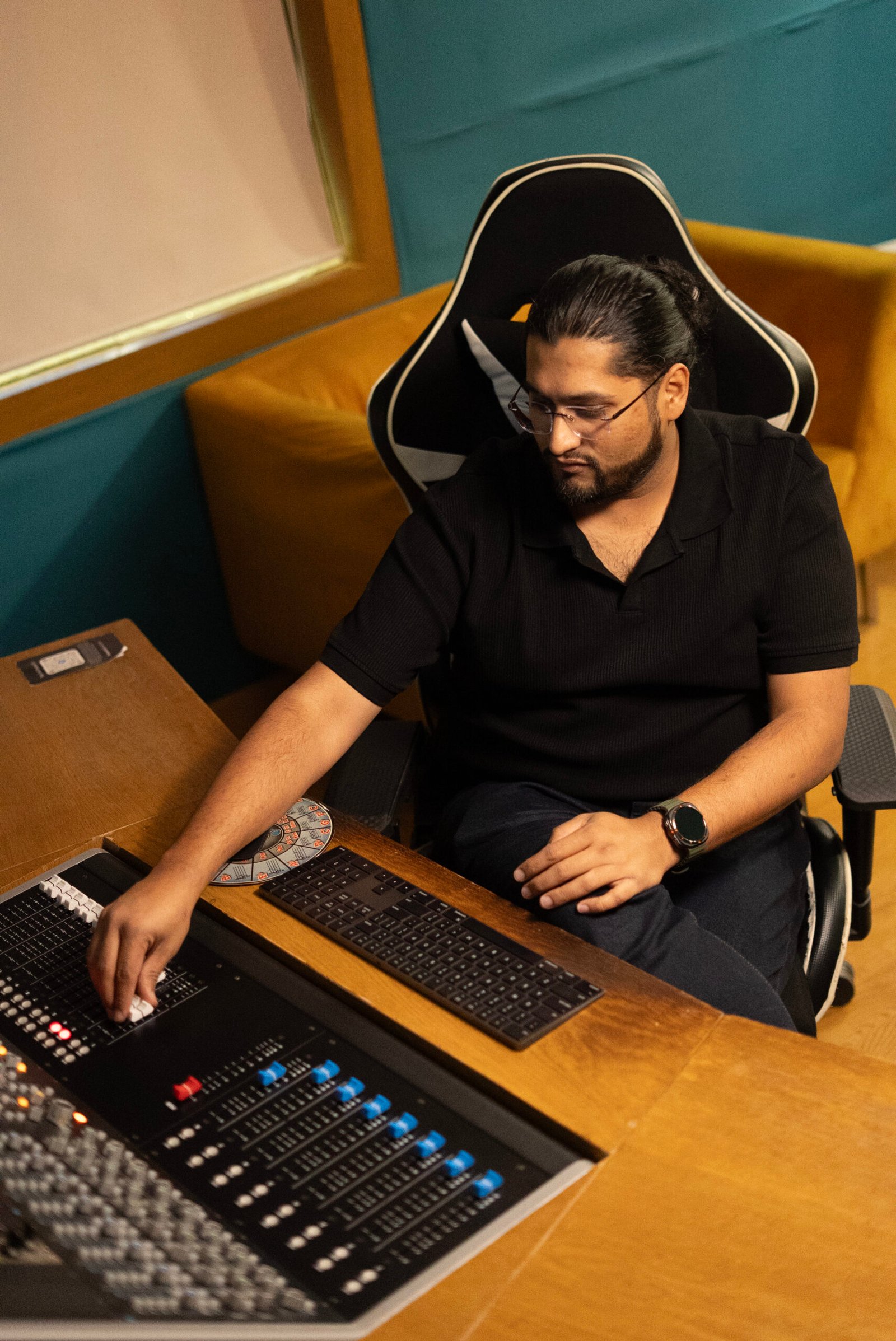
Varun Parikh – I can’t speak about TikTok considering I’ve never used it in India but going by mindless doomscrolling that Reels inflict upon us, this is a real problem. Our, and coming generations for the most part are so drugged on ‘dopamine hits’ that their attention span is impossible to sustain for more than 60 seconds. We aren’t at a risk, it’s been happening for five years since Covid, and not just music, but disposable content in general. Big name players have expanded to shortform content apps, creating factory-like environments with a complete lack of quality control.
VR concerts and immersive audio are transforming how we experience live music. Do you think they will ever replace the raw energy of a physical concert or will they evolve into an entirely new art form?
Varun Parikh – I had a client that was experimenting with this tech and was thus lucky to experience something like this first-hand. But it’s still a way away from getting into the conversation of replacing live music, let alone becoming affordable. Personally, I don’t think it will ever replace live events, but will create an entirely new revenue stream for event organisers through hybrid models, allowing enthusiasts to be at Coachella for Breakfast and Tomorrowland for dinner.
With NFTs, Discord, and direct-to-fan ecosystems, artists can bypass traditional labels. Do you think this signals the end of record labels as we know them, or will labels adapt and still hold power?
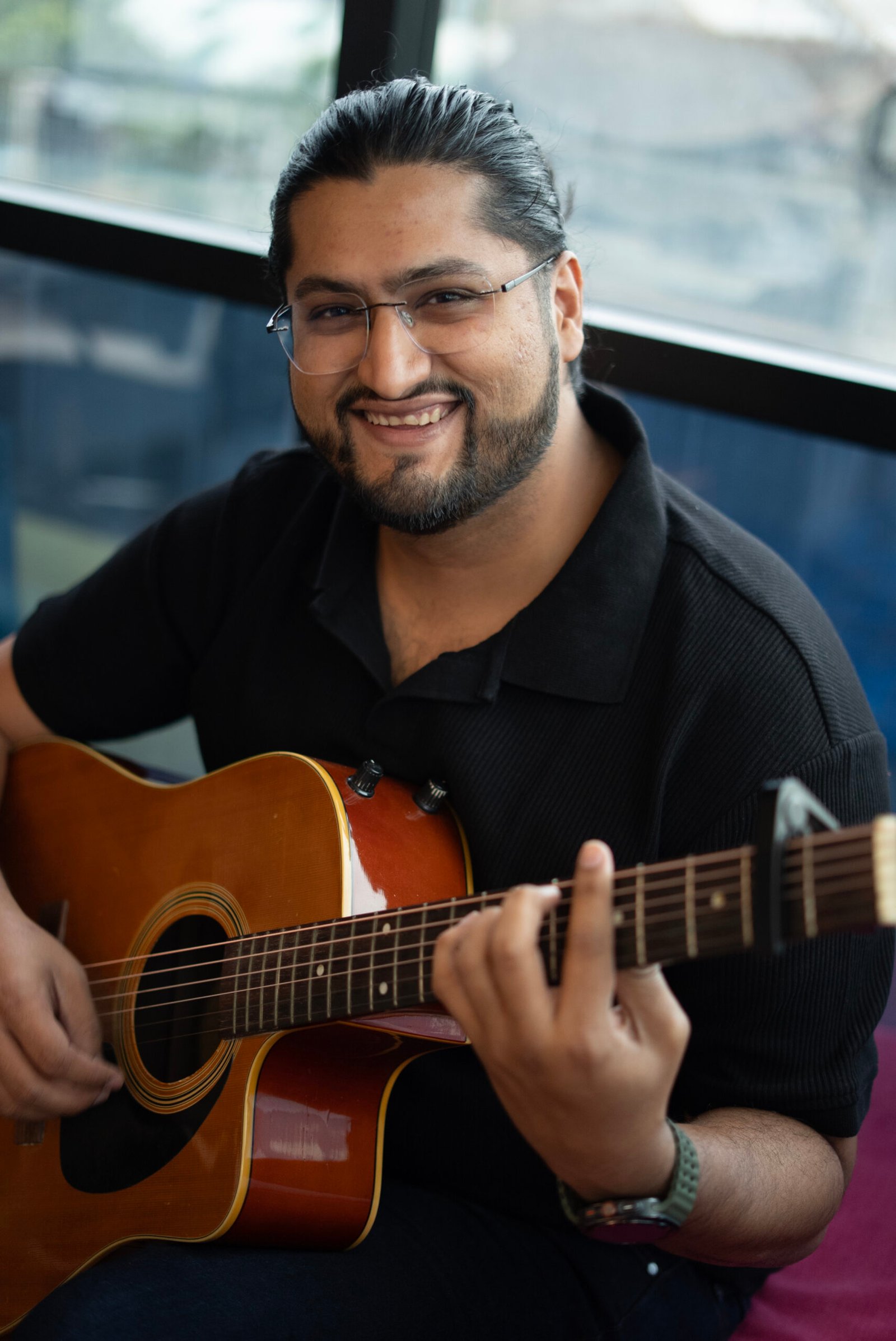
Varun Parikh – Internationally, labels evolved a few years ago, after the NFT craze-crash. The most forward-thinking ones shifted from gatekeepers to growth partners, offering infrastructure, mentorship, and amplification rather than ownership. Independent ecosystems like Discord or Patreon empower artists, but scaling sustainably still benefits from strategic partnerships, labels that adapt to that mindset will remain relevant. In India sadly, it still isn’t as open a market.
When AI co-creates music, who really owns the art… the artist, the coder, or the machine? And how do you see copyright laws evolving to handle this?
Varun Parikh – This one isn’t as difficult as people make it seem. Copyright has to follow intent, right? And it’s the artist that’s providing the AI with that creative intent, so of course the Artist should own the IP. Musicians have used all sorts of softwares to make music for a while now, do the developers of the softwares own the music created by their software? No.
This is currently a grey area globally, and India has the chance to set an early precedent here.
In this age of globalised, genre-bending sounds, how do Indian artists preserve their cultural roots while still competing on an international stage?
Varun Parikh – Preserving cultural roots isn’t about instruments or language, it’s about authenticity of perspective. Global doesn’t have to mean generic, and some of the most successful Indian artists today, whether in pop, hip-hop, or electronic, are those who translate local stories with global production values. There is an appreciative audience for Indian artists globally, and the increase in international tours over the last few years for non-mainstream artists shows that value.
If the future of music is defined by accessibility, tech, and speed, how can young artists ensure they don’t lose depth, storytelling, and emotional resonance in the chase for clicks?
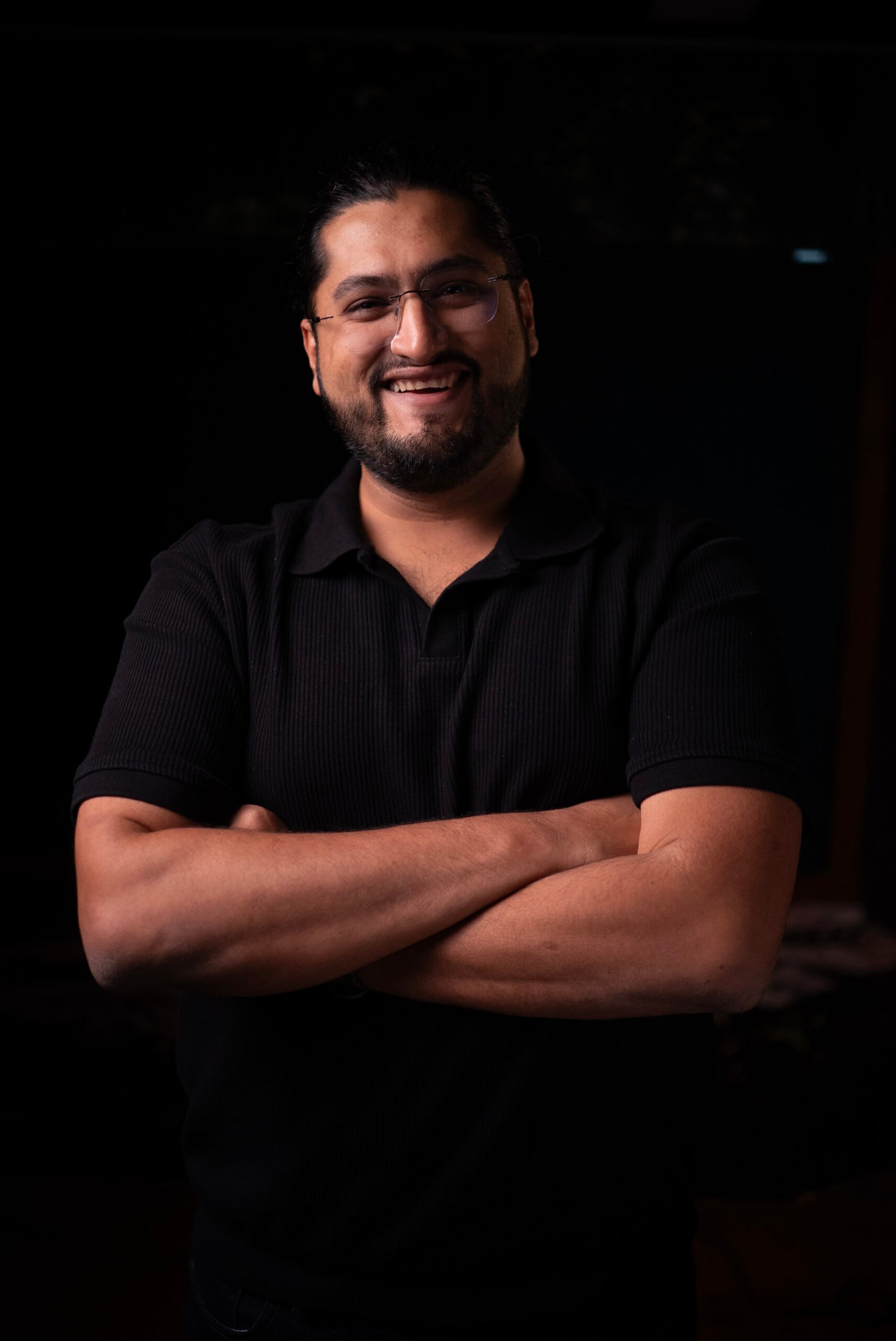
Varun Parikh – Young artists are often too worried about their image rather than upskilling themselves. One of my juniors asked me just last week as to why he should not worry about his image on Instagram.
“It’s important to remember that Instagram and other marketing will only connect you to potential revenue streams in the industry the first time, your skill will make it recurring. Speed and accessibility don’t have to come at the cost of substance.” – Varun Parikh
The key is to separate process from purpose, and young artists often forget that technology is just the canvas, the paint is still the emotion. It’s also important to not conform yourself to every passing follower by dancing to their song request. Instead, use the platform to showcase your true self and your audience will find you, however niche, but loyal. Stay honest to your story and you’ll always outlast the noise.
YOU MIGHT ALSO LIKE: The New Dawn: How AI is Rewriting Cinema’s Future