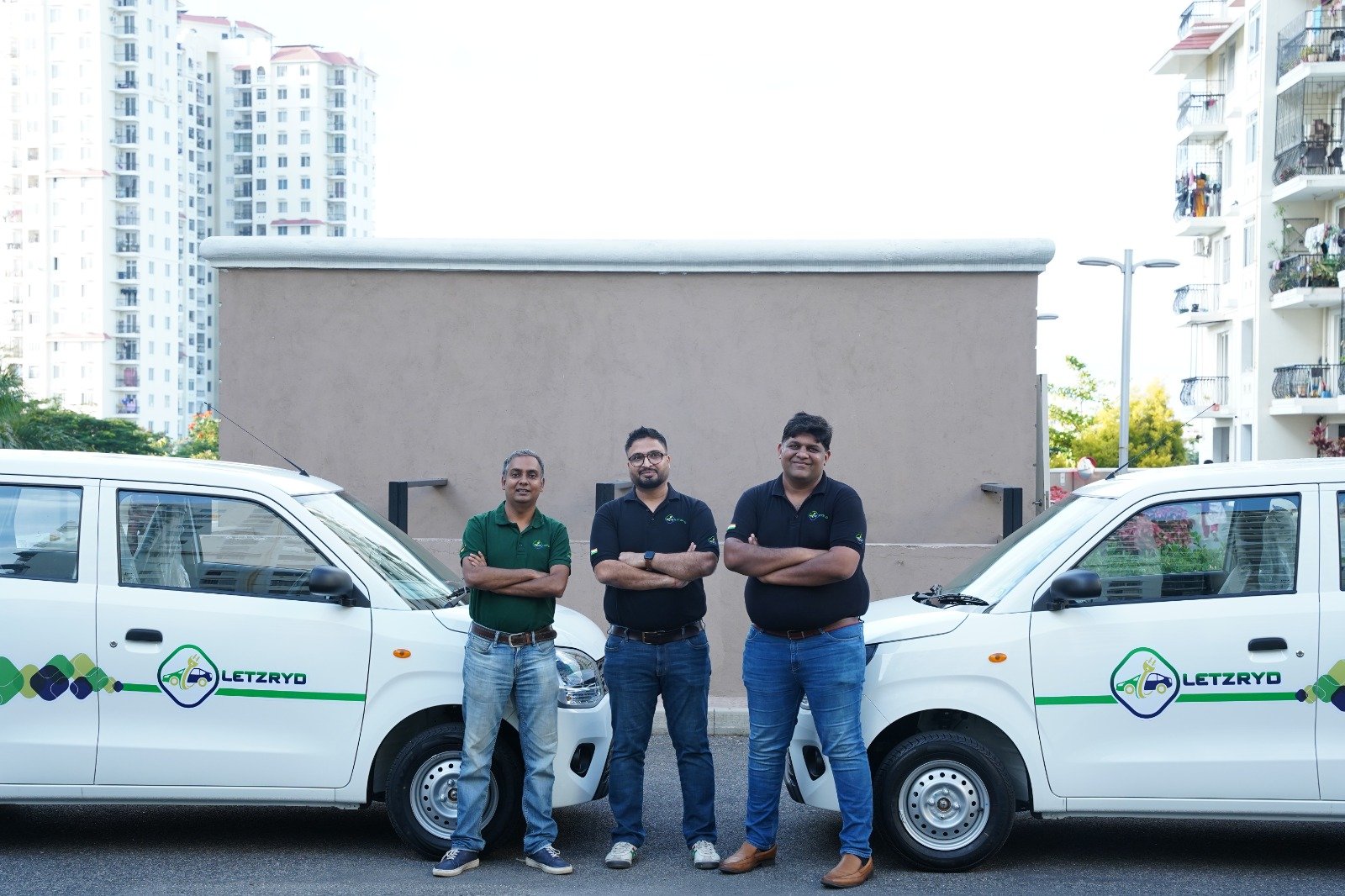
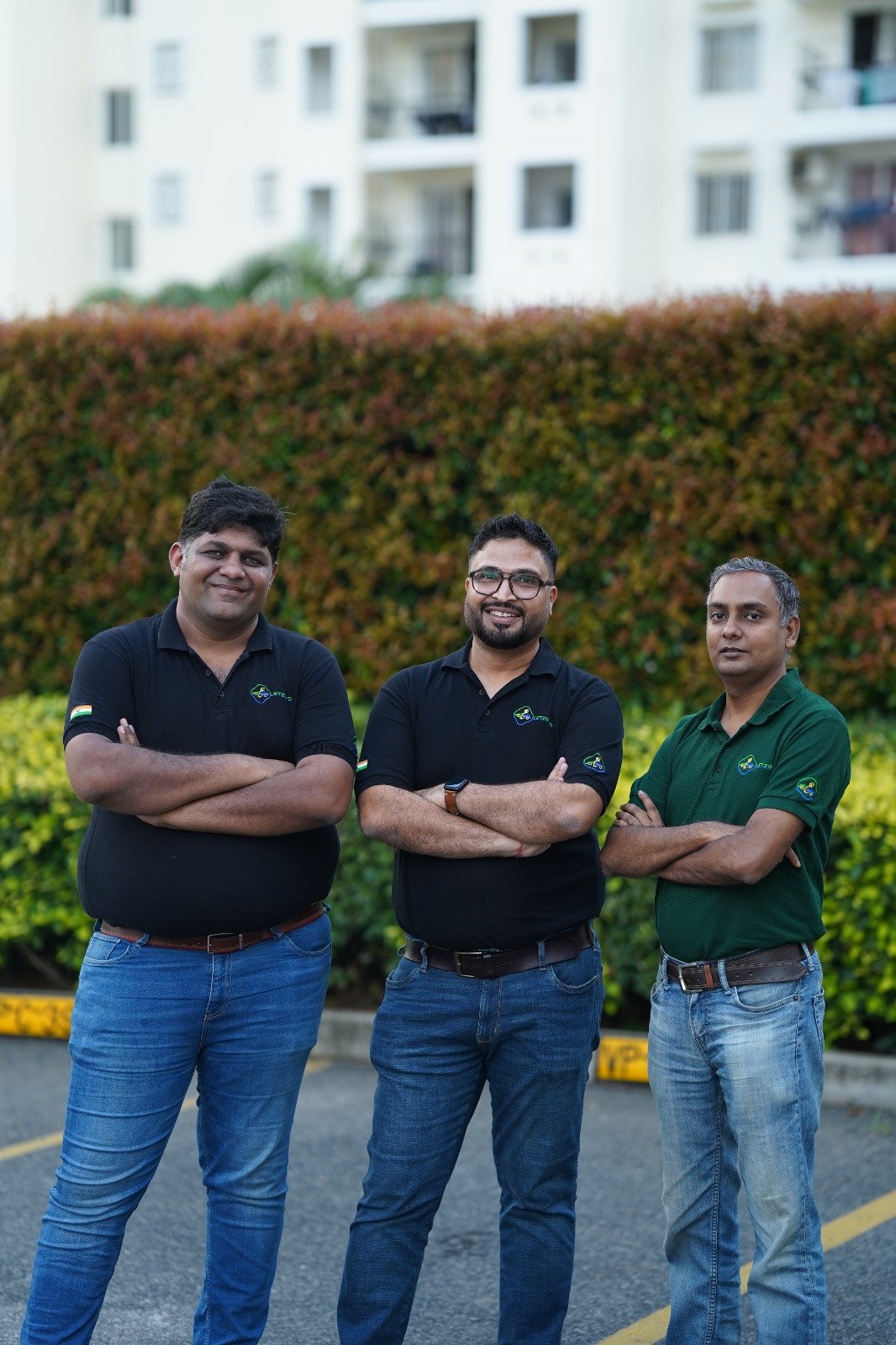
TheGlitz Earth Warrior 2026 Tarun Jain, Co-founder, LetzRyd
As cities grow denser, roads become more congested, and environmental pressures continue to mount, the future of sustainable urban living will depend not just on cleaner vehicles but on smarter ways of moving people. Recognising this challenge, Tarun Jain, Co-founder of LetzRyd, is working to transform the way urban India thinks about transportation… shifting the focus from ownership to access, efficiency, and shared mobility.
At the heart of Tarun’s vision lies a simple yet powerful observation: while cities struggle with increasing mobility demands, millions of privately owned vehicles remain underutilized for most of their lives. This imbalance not only contributes to traffic congestion and parking shortages but also results in inefficient resource consumption and unnecessary environmental impact. Through LetzRyd, Tarun is addressing this challenge by building technology-enabled mobility solutions that maximise vehicle utilisation and create a more sustainable transportation ecosystem.
What makes his approach particularly relevant is its practicality. Rather than relying solely on future technologies, Tarun is leveraging existing resources more efficiently. By promoting shared mobility, optimizing fleet utilisation, and integrating intelligent data-driven systems, LetzRyd is helping reduce congestion, lower emissions, and encourage more environmentally conscious commuting habits.
TheGlitz has nominated Tarun Jain for TheGlitz Earth Warrior 2026 because of his commitment to creating sustainable solutions for one of the most pressing environmental challenges facing modern cities. His work demonstrates that sustainability is not always about building more… it is often about using what already exists more intelligently and responsibly.
Beyond mobility, Tarun is championing a larger shift in urban thinking. He believes the cities of the future will prioritise access over ownership, with shared mobility seamlessly integrated into public transport networks through technology, artificial intelligence, predictive analytics, and real-time data.
For championing resource-efficient mobility, reducing congestion and emissions, and helping shape the future of sustainable urban transportation, Tarun Jain stands as a deserving recipient of TheGlitz Earth Warrior 2026 recognition. His work is not just changing how people travel… it is helping redefine how cities breathe, function, and thrive in a rapidly changing world.
Over To TheGlitz Earth Warrior 2026 Tarun Jain, Co-founder, LetzRyd

What inspired you to build LetzRyd, and how did you identify shared mobility as a key lever for creating more sustainable cities?
LetzRyd was born from observing two of the connected problems that are underutilized vehicles and growing urban mobility demand. In most cities, traditional vehicle ownership creates economic inefficiency as cars remain idle for the majority of the day while still consuming resources and occupying space. At the same time, growing mobility needs contribute to congestion, limited parking availability, and rising environmental impact.
Shared mobility emerged as a key lever to address this gap by enabling a single vehicle to serve multiple users across different time periods. This approach improves overall asset utilization and reduces dependence on additional infrastructure.
Sustainability, therefore, is not treated as an external objective but as an inherent outcome of the model. By optimizing how vehicles are used, shared mobility helps reduce congestion, lower emissions, decrease parking pressure, and create a more resource-efficient urban transport ecosystem.
Urban congestion and pollution are growing challenges in Indian cities. How does shared mobility directly contribute to reducing environmental impact?
There are several ways in which the concept of shared mobility directly results in decreasing the environmental footprint by optimizing the use of available transportation resources within urban spaces. Efficient vehicle utilization will mean less demand for vehicles in order to cater to the mobility requirements; this, in turn, will help control the rise in the volume of road traffic. In addition, better utilization also implies higher passenger occupancy rates, thus allowing individuals to minimize their trips within cities, which will result in decreasing urban congestion.
Moreover, fleet optimization is yet another benefit associated with enhanced utilization efficiency, which means lower chances of engaging in inefficient driving and idling, thus minimizing unnecessary consumption of fuel and generation of additional carbon emissions. Digital routing and forecast modeling are extremely important when it comes to making sure that travel behaviors are optimized. This technology helps maximize the supply-demand matching rate and minimize unnecessary driving and wasted fuel.
Transportation already accounts for around 20% of total energy consumption in 2025, and this is projected to rise significantly by 2047, making efficiency-driven mobility solutions even more critical. Together, these factors position shared mobility as a practical and scalable solution for reducing pollution and building more sustainable, efficient, and less congested urban transport systems in Indian cities.
Changing commuter behavior is often harder than building technology. What have been the biggest challenges in encouraging people to shift from private vehicle ownership to shared mobility?
Changing commuter behavior is often more challenging than developing the underlying technology, especially when it comes to shifting from private vehicle ownership to shared mobility. One of the biggest challenges is trust, as users need to feel confident that shared mobility can offer the same level of reliability as owning a personal vehicle.
Availability is another critical barrier, since commuters expect vehicles to be accessible instantly and consistently, regardless of time or location. Affordability also plays an important role, where the service must clearly demonstrate cost advantages over ownership to drive adoption. Safety concerns further influence decision-making, as users seek assurance of secure, comfortable, and predictable travel experiences.
In addition, convenience remains a key factor, because shared mobility must integrate seamlessly into daily routines without adding complexity or delays. Overcoming these challenges requires not only efficient operations and strong fleet management but also continuous improvement in service reliability, user experience, and accessibility to gradually shift long-standing mobility preferences.
How does technology help optimize vehicle utilization, and what role does data play in making urban transport systems more efficient and sustainable?
Technology plays a crucial role in improving vehicle utilization and making urban transport systems more efficient and sustainable by enabling smarter, data-driven decision-making. AI and data analytics help match supply with real-time demand, ensuring that vehicles are cross utilised reducing idle time and improving overall efficiency. Intelligent routing systems further optimize travel paths, helping reduce unnecessary kilometers travelled, lowering fuel consumption, and minimizing traffic congestion in urban areas.
Additionally, predictive analytics supports better fleet management by anticipating demand patterns and enabling proactive allocation of resources. Predictive maintenance, powered by continuous data monitoring, helps identify potential issues before they lead to breakdowns, thereby extending vehicle life, reducing repair costs, and minimizing resource wastage.
Together, these technologies create a more responsive and efficient transport ecosystem, where every trip is optimized, emissions are reduced, and urban mobility becomes more sustainable, reliable, and cost-effective for both operators and commuters.
In your view, how can shared mobility integrate better with public transport systems to create a seamless and greener urban commute experience?
The integration of mobility should be designed in such a way that it complements public transport, but does not compete with it for users. First of all, the opportunity lies in the improvement of first- and last-mile transportation, since this is the area where the most trouble usually occurs among urban dwellers. When this gap is addressed, buses, metros, and trains become far more practical and convenient to use. Making the experience even smoother, unified ticketing systems can allow people to travel across multiple modes with a single payment, removing unnecessary friction.
Additionally, integration mobility applications may facilitate an effective coordination of various transport means under one system for ease of booking, planning, and switching from one mode to another. Finally, proper coordination of shared mobility services and public transport scheduling ensures reduced waiting time for passengers, thus providing greater predictability in the whole process. The overall benefit of all these features is that people will have access to much more convenient, affordable, and sustainable urban transportation.
Looking ahead, what does the ideal sustainable city look like to you, and what role will platforms like LetzRyd play in shaping it?
The sustainable city of the future will prioritize access over ownership, fundamentally reshaping how urban mobility is designed and experienced. The mobility ecosystem will embrace electricity and connectivity and will be driven by real-time data. Transportation methods will cease to be standalone entities and become a part of an integrated system where public transport and shared mobility will collaborate to deliver commuters seamless mobility experience. With artificial intelligence becoming a core driver of the process, mobility will see dramatic improvements in terms of speed, efficiency, and sustainability.
Artificial intelligence will play a central role in optimizing the movement of people and vehicles across cities in real time, reducing congestion, improving efficiency, and lowering environmental impact. At LetzRyd, we believe we will help make mobility more efficient, affordable, and environmentally responsible, ultimately contributing to more livable and sustainable urban environments.