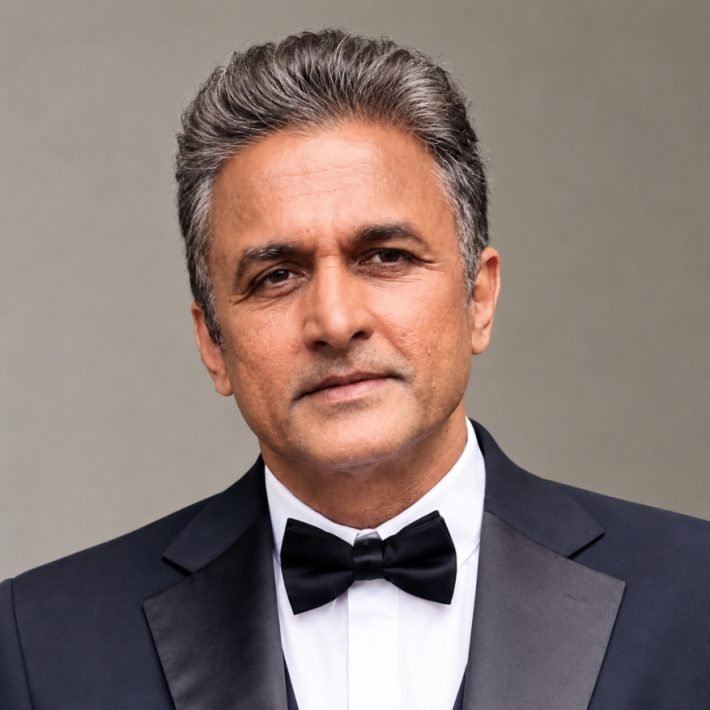

When it comes to charting bold new courses in the realm of Corporate Travel & Mobility and Global Meetings and Events, Ramanpreet Singh is one trendsetter who doesn’t just follow trends, he sets them. As the Vice President of Growth & Strategy at SKIL Group, Ramanpreet is the engine behind the brand’s ambitious expansion, turning strategy into spectacle and travel logistics into seamless symphonies.
A dynamic sales leader with over a decade of experience, he’s known for his razor-sharp market instincts and a knack for assembling high-performing teams that don’t just hit targets… they obliterate them. Whether he’s forecasting the future of corporate mobility or orchestrating MICE events that redefine ‘memorable,’ Ramanpreet does it all with a cocktail of precision, passion, and panache.
In an exclusive tête-à-tête with Sumita Chakraborty, Editor-in-Chief, TheGlitz, Ramanpreet Singh spills the beans on the future of corporate travel, the evolving landscape of MICE, and why strategic innovation is the name of the game. From boardrooms to global ballrooms… here’s a man who truly knows how to move the world, one well-planned journey at a time.
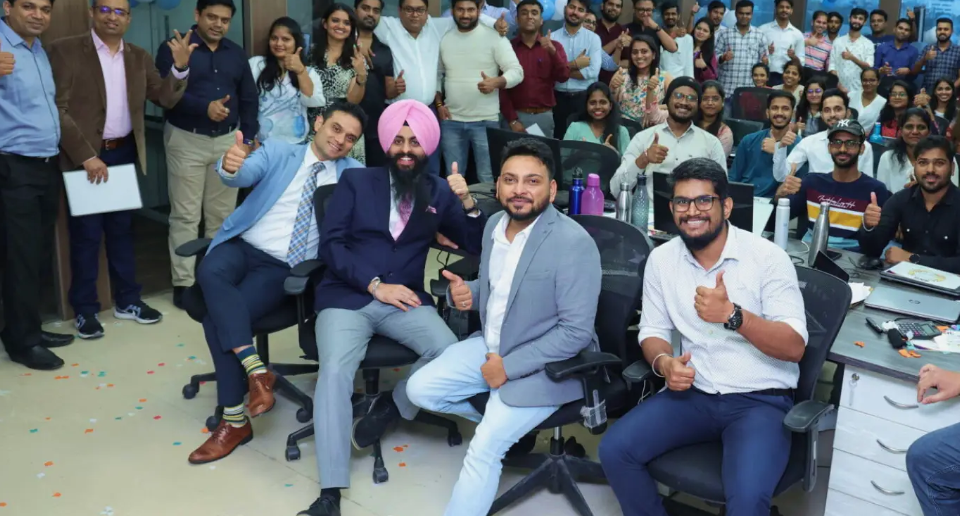
Over To Vice President of Growth & Strategy at SKIL Group, Ramanpreet Singh
How has the profile of the Indian corporate traveller evolved in recent years, and what key preferences are shaping their travel decisions today?
The Indian corporate traveller today is a far cry from the briefcase‐toting executive of a decade ago. What we’re seeing now is the rise of the “purposeful traveller”‐ someone who values experience as much as efficiency, and personalization as much as punctuality.
At SKIL Travel, we’ve observed a sharp pivot toward curated, tech‐enabled journeys that offer seamless booking, real‐time updates, and flexible itineraries. Sustainability is no longer a nice‐to‐have ‐ it’s a decision‐maker. Wellness amenities, hyper‐personalised service, and the ability to mix business with local cultural experiences are high on the checklist. In fact, nearly 63% of Indian travellers now prefer hotels or travel providers that follow sustainable practices. The message is clear: comfort must meet conscience.
What are the biggest challenges Indian travellers face in the corporate mobility space, and how is SKIL Group addressing these issues?
Indian corporate travellers face three recurring roadblocks: bureaucratic bottlenecks, last‐minute uncertainties, and lack of personalization. From visa delays to rigid booking systems that don’t reflect real‐time needs, the friction points are many.
At SKIL Group, we’ve flipped the lens. We don’t just move people ‐ we move with them. That means integrating intuitive tech, predictive support systems, and 24/7 human assistance into every layer of travel planning. We’ve invested in intelligent automation for visa processing, custom expense tools for seamless reporting, and a partner network that allows us to solve problems proactively ‐ not reactively. In a world where delays cost more than just time, we prioritize agility and empathy in equal measure.
Have you noticed any emerging trends in MICE travel from India ‐ in terms of destinations, group sizes, or types of events?
Absolutely. MICE is no longer about numbers ‐ it’s about narratives. The shift is from massive gatherings to meaningful gatherings. Indian corporates are choosing boutique experiences over grand spectacles, where engagement and memory‐making matter more than just footfalls.
Destinations like Georgia, Vietnam, and Oman are gaining traction for their cultural depth and cost‐efficiency. And within India, offbeat choices like Hampi, Coorg, and Rishikesh are redefining “retreats.” There’s a marked interest in sustainability‐driven events, wellness‐infused offsites, and hybrid formats that balance physical presence with virtual accessibility. It’s no longer just a conference ‐ it’s a curated experience that reflects brand ethos, team spirit, and shared goals.
With Indian companies expanding globally, how is SKIL Group supporting outbound corporate travel and international event management for Indian clients?
India’s global ambitions need global execution ‐ and that’s where SKIL comes in. As companies go international, their travel and event needs become more complex, nuanced, and high‐stakes. From visa facilitation across multiple jurisdictions to cross‐border venue negotiations and compliance‐led planning, we act as a strategic enabler, not just a service provider.
Our approach combines a global partner network with local intelligence ‐ giving our clients the best of both worlds. Whether it’s a CXO delegation to Davos or an incentive trip to Istanbul, we handle everything from macro logistics to micro‐moments ‐ ensuring every touchpoint feels seamless, secure, and culturally intelligent.
Are there any specific travel services or experiences that Indian travellers value more compared to other markets?
Indian corporate travellers are unique in how they blend ambition with adaptability. They expect value, but they also seek depth ‐ be it through culinary experiences, cultural immersion, or downtime well spent.
What sets them apart is their desire for blended itineraries‐ where business flows into leisure without a seam. They want visa support that’s more concierge than clerical, and they place high value on round‐the‐clock responsiveness. For instance, Indian clients are nearly 2.5x more likely to request itinerary changes within 48 hours of travel than their Western counterparts ‐ showing the need for a dynamic, agile service model.
At SKIL Travel, we cater to these expectations with a balance of automation and human touch ‐ giving every traveller a sense of control, convenience, and care.
How important is personalization in travel planning for Indian corporate clients, and what steps is SKIL Group taking to deliver that?
Personalization is no longer the cherry on top ‐ it’s the plate on which everything is served. Indian corporates increasingly expect travel that aligns with their company culture, individual traveller preferences, and even dietary habits.
We achieve this through a mix of data‐backed insights and good old‐fashioned listening. Our CRM systems remember preferences, past travel behavior, and policy nuances. Our teams proactively suggest upgrades, alternatives, and local add‐ons ‐ turning transactions into conversations.
For SKIL, personalization is about predicting needs before they’re expressed‐ ensuring every traveller feels seen, valued, and well‐supported from takeoff to touchdown.
What role do Tier 2 and Tier 3 cities in India play in the growth of corporate travel, and how is SKIL Group tapping into that potential?
The future of corporate travel in India isn’t just in metros ‐ it’s in the aspirational acceleration of Tier 2 and Tier 3 cities. These regions are now hubs for emerging businesses, manufacturing units, and education clusters ‐ all fueling a new kind of travel demand.
SKIL Travel is investing heavily in expanding our footprint and capabilities in these cities. From regional hubs in cities like Indore, Bhubaneswar, and Surat to custom travel solutions for industries based outside the urban grid ‐ we’re creating hyperlocal expertise backed by national standards.
By bringing accessibility, affordability, and professional excellence to the hinterlands, we’re not just tapping into potential ‐ we’re enabling progress.
The Indian corporate travel landscape is evolving rapidly ‐ shaped by global ambition, regional opportunity, and a rising demand for experiences that go beyond logistics. It’s no longer just about booking tickets or blocking venues ‐ it’s about creating value at every touchpoint of the journey.
At SKIL Travel, we don’t just respond to trends ‐ we anticipate them. From tapping into emerging Tier 2 cities to orchestrating global MICE movements with cultural intelligence and agility, we are building a travel ecosystem rooted in technology, empathy, and excellence. As businesses continue to seek deeper connections, smarter execution, and sustainable growth, we see ourselves not just as travel managers ‐ but as experience architects.
Because in today’s world, travel isn’t just movement ‐it’s momentum.