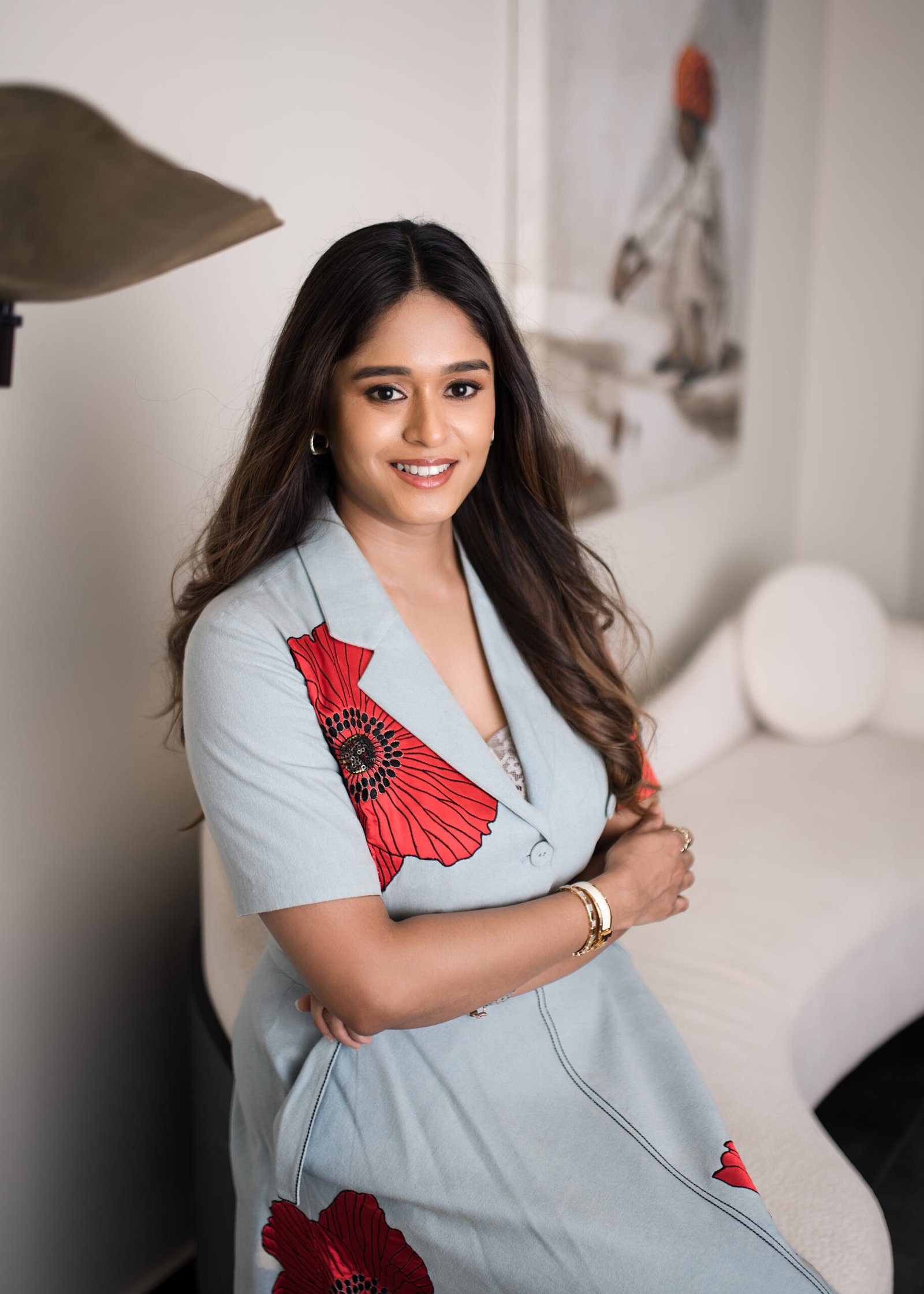
In a world where design often chases trends, Swetha Vegesana dares to slow things down… inviting us into a realm where tradition, technology, and tactile beauty co-exist in perfect harmony. The Hyderabad-based Architect and Founder, Intent Made, a boutique furniture design studio, has swiftly carved out a name for herself on the global stage with a language that’s uniquely her own… where Indian craft meets architectural innovation.
From exhibiting at Milan Design Week to sculpting poetic pieces inspired by nature and heritage, Swetha’s journey is nothing short of extraordinary. In this exclusive interview with TheGlitz, Shwetha Vegesana, Architect & Founder, Intent Made, let’s us step into her world of material stories, artisanal legacies, and soulful design. Read on…
Over To Swetha Vegesana, Architect and Founder of Intent Made
Your work merges traditional Indian craftsmanship with modern design innovation. What does that balance look like in practice at Intent Made?
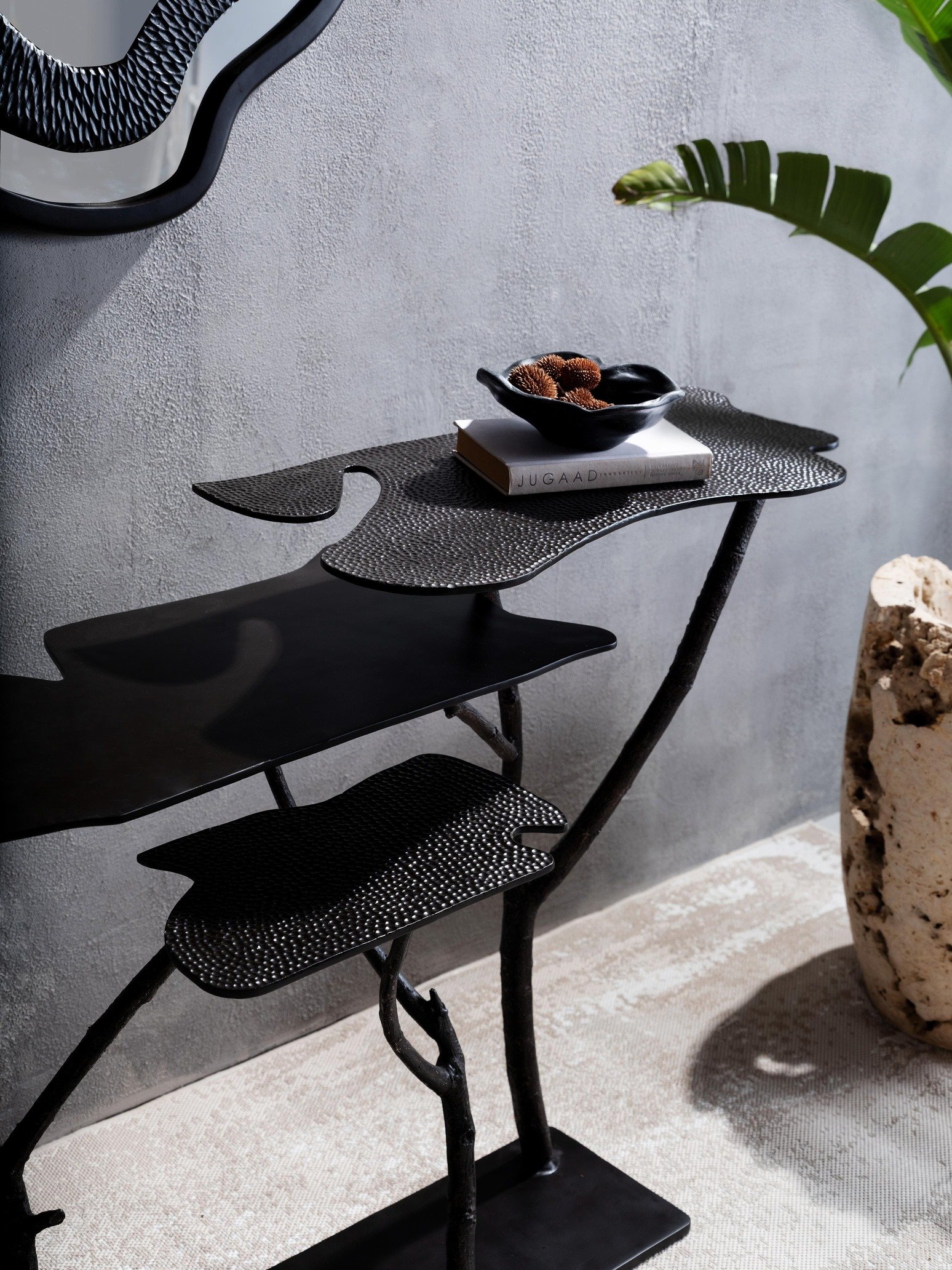
At Intent Made, the balance is rooted in curiosity. We don’t start with a rigid idea of “traditional” or “contemporary”—instead, we begin by exploring the material and the craft itself. We then allow form to emerge from that inquiry. Innovation doesn’t mean discarding tradition—it means stretching its language. In practice, that could mean bringing together the grain of reclaimed wood with the precision of engineered joinery. It’s in this space between old and new that our work lives.
How did your experience at the AA School and collaboration with ARUP engineers shape your design philosophy?
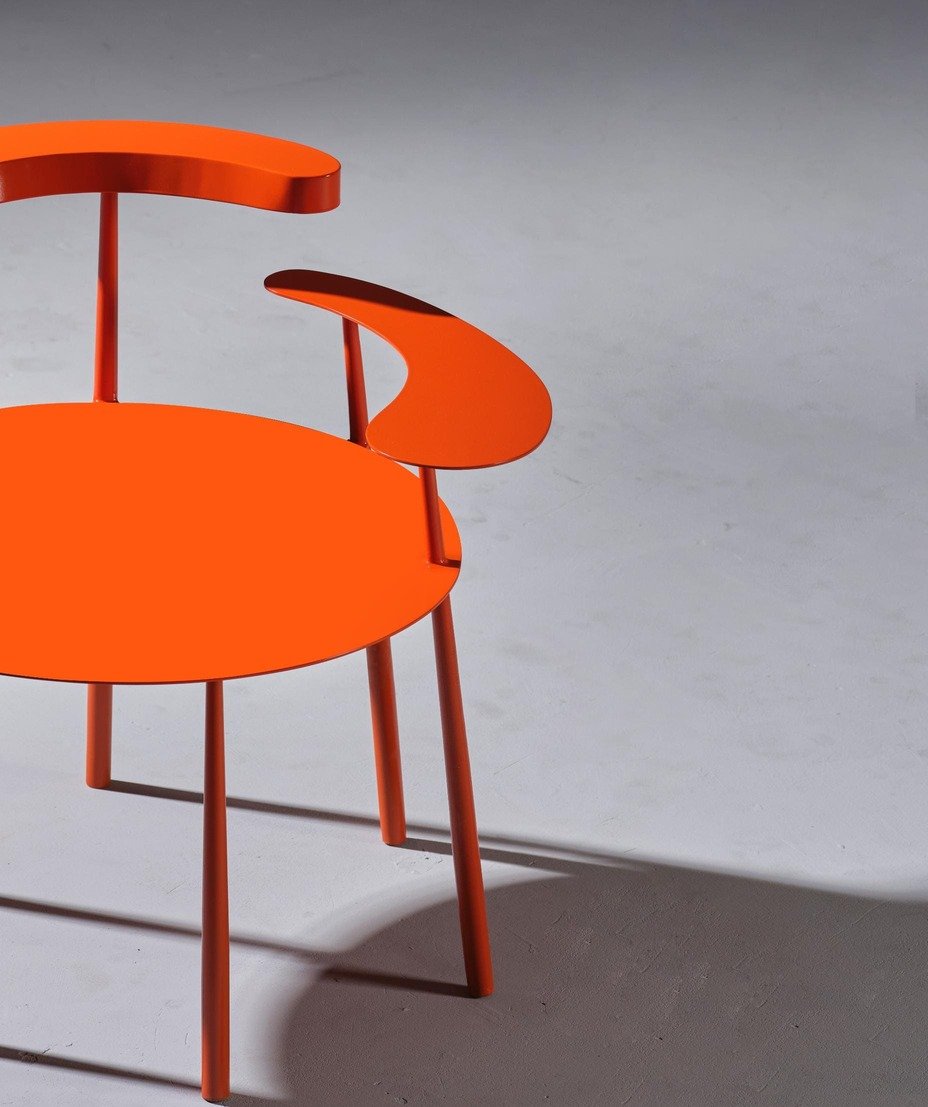
Both experiences taught me to think structurally and poetically at the same time. At the AA, the architectural discourse pushed me to look at the “why” behind form—what narrative, gesture, or system it responds to. Working with ARUP’s engineers grounded that philosophy in rigour: how to translate conceptual ideas into working systems. That balance still guides our work at Intent Made. We look at every object not just as furniture, but as a kind of micro-architecture—layered, responsive, and thoughtful in its construction.
What drew you to focus so deeply on materials, especially in an age of mass production and digital replication?
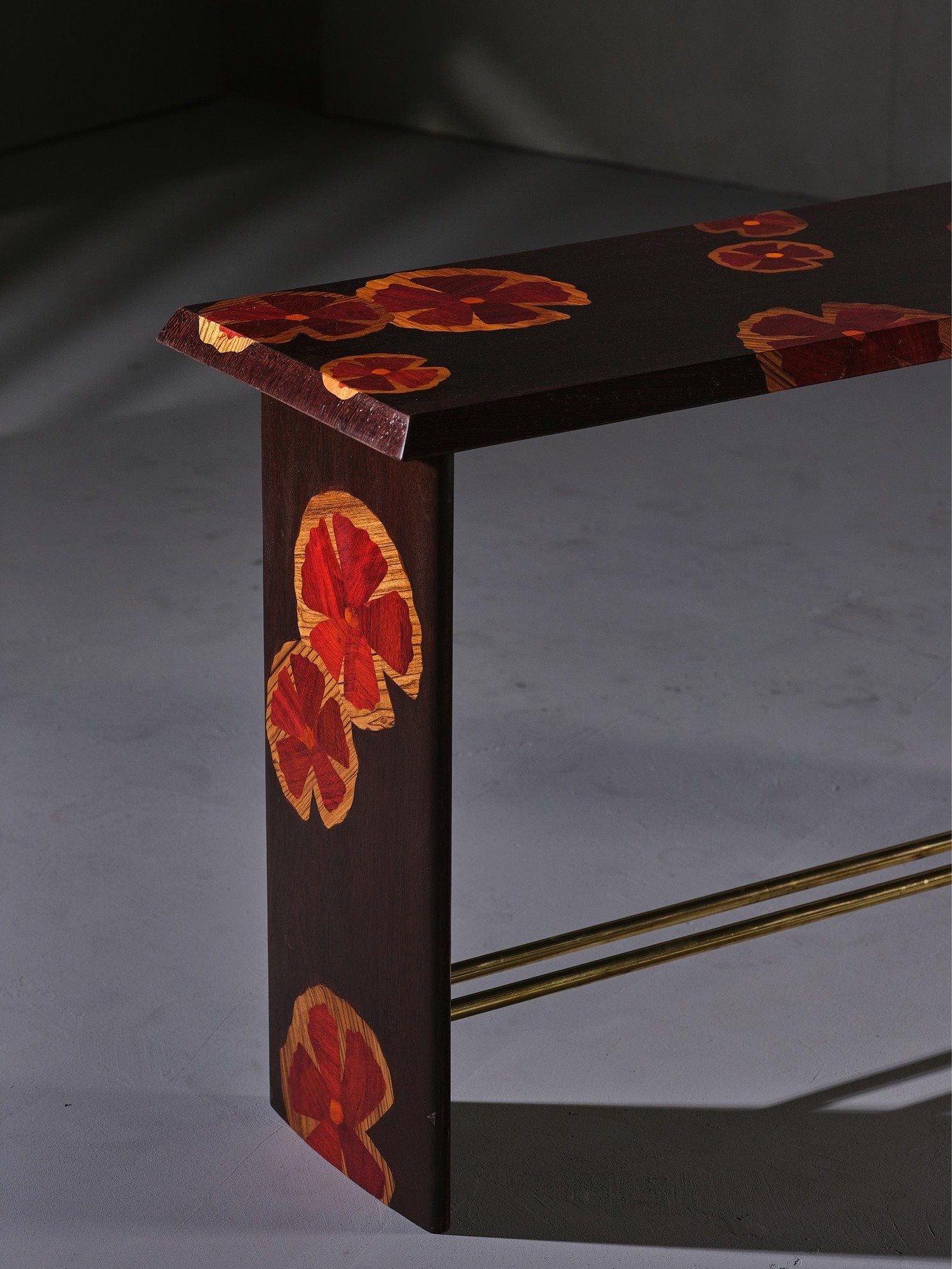
Materials have memory. They hold time, place, and even cultural nuance. In an age where things are often made to be scrolled past or discarded, working closely with materials is an act of resistance. It’s about slowing down. We’re fascinated by how wood warps, how brass patinated, how stone feels under hand—these are sensory cues that no digital replica can replace. We work with materials that ask to be listened to, and every collection is a way of responding to what they’re saying.
Intent Made’s collections, like “An Escapade with Nature,” are rich in narrative. Could you share the story behind one of your favorite pieces?
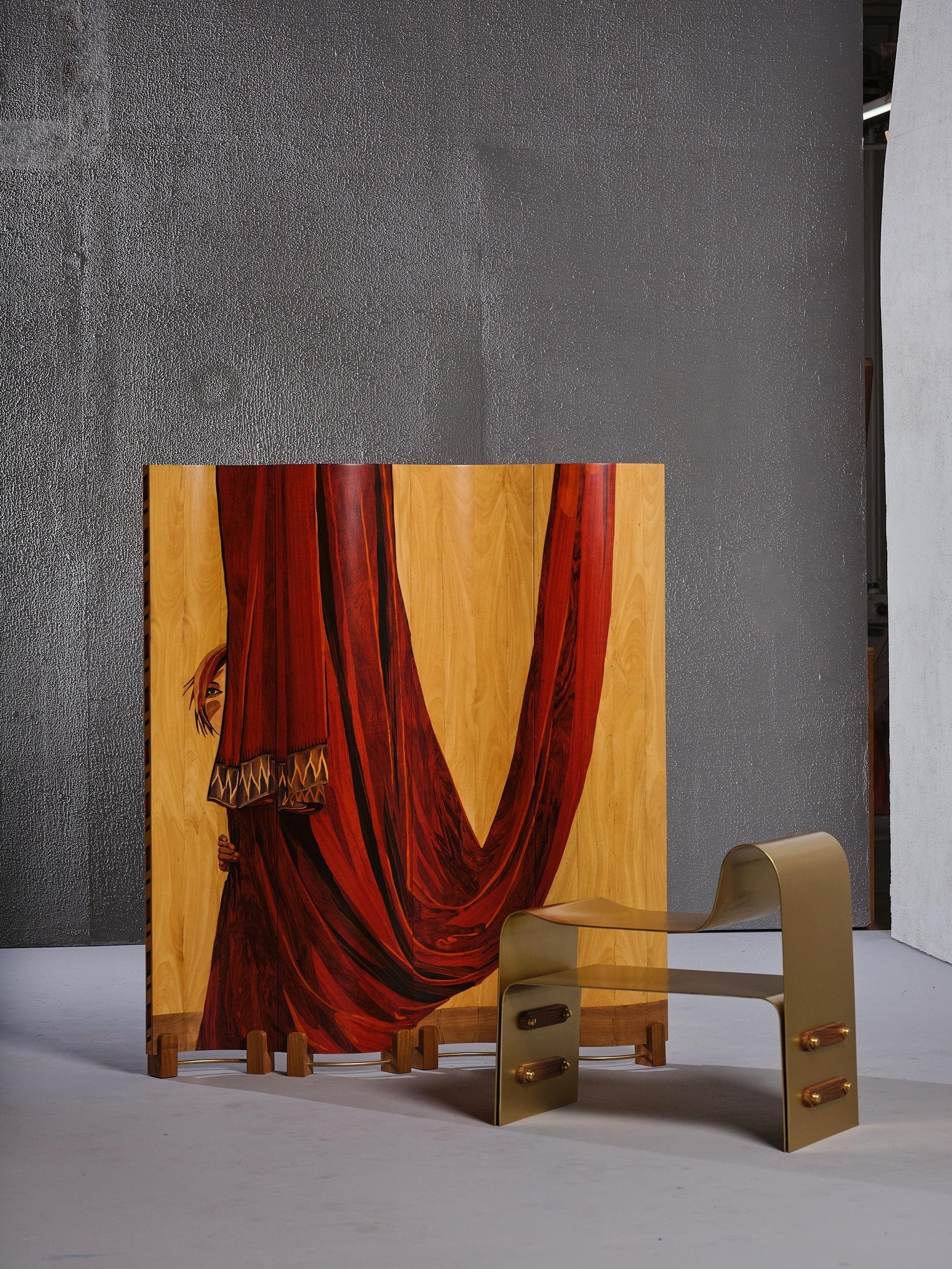
The Dhara Partition stands out as a piece that carries both memory and movement. Its flowing form is inspired by the gentle, cascading folds of a saree—a silhouette deeply rooted in Indian visual memory.
This piece was imagined as more than just a divider; it became a gesture. The idea stemmed from a nostalgic image: a little girl peeking from behind her mother’s saree as it swayed with her movement. That emotion—of warmth, shelter, and playful curiosity—is embedded into the design. The way the wooden panels curve and overlap echoes that drape, soft yet structured.
What truly brings Dhara to life is the interplay of natural wood tones coming together in quiet harmony, each bringing its own character—the golden warmth of teak, the deep richness of rosewood, and the subtle grain of oak.
Delicate marquetry lines run through the panels, adding a layer of refinement and intention. They are not ornamental but structural in how they guide the eye and emphasize the curvature and construction of the piece. The marquetry becomes a subtle language—quiet yet precise without overpowering the form. Dhara becomes an object that frames space while holding a quiet story within.
You’ve worked with complex techniques like marquetry, brass hammering, and robotic milling. How do you decide which technique fits a particular design?
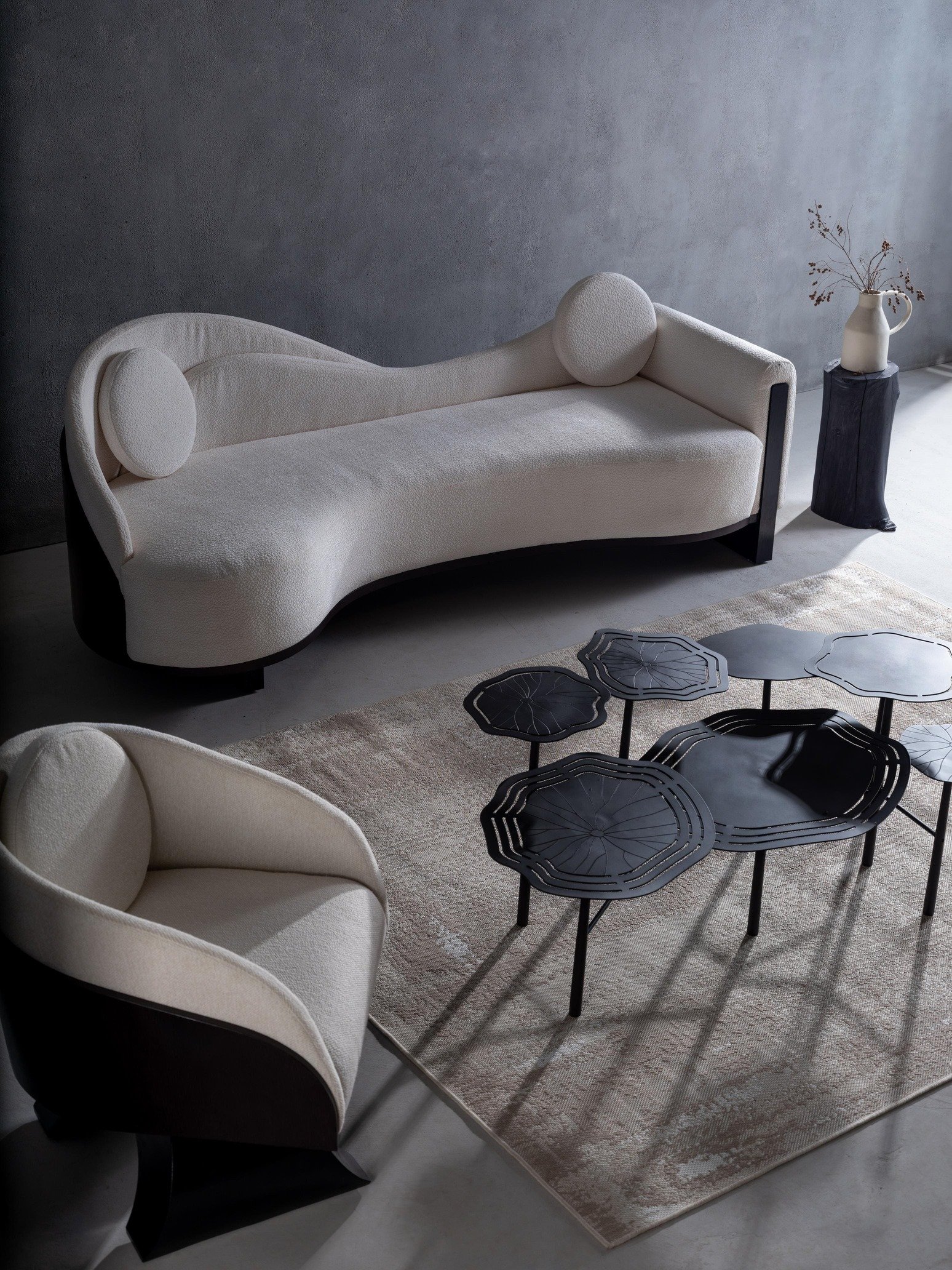
It’s always led by the story we want the piece to tell. If a design is about memory or layers, marquetry allows us to visually layer meaning. If it’s about rhythm or rawness, hammering adds a tactile, almost musical surface. Robotic milling enters when precision or repetition is necessary—but we often subvert it by pairing it with something handmade. The technique is never chosen for novelty—it’s chosen for its ability to amplify the emotion or story in the piece.
What have been some of the most meaningful collaborations you’ve had with artisans, and how do you approach those partnerships?
Our most meaningful collaborations with artisans are the ones that feel less like a transaction and more like a conversation. They often begin with listening—understanding how they work, what tools they use, what stories they carry. For us, it’s not about asking them to replicate a design, but about co-creating something new together. These partnerships thrive on mutual respect—we come in with a concept but remain open to where their knowledge and instinct can take it. That’s when the work truly comes alive.
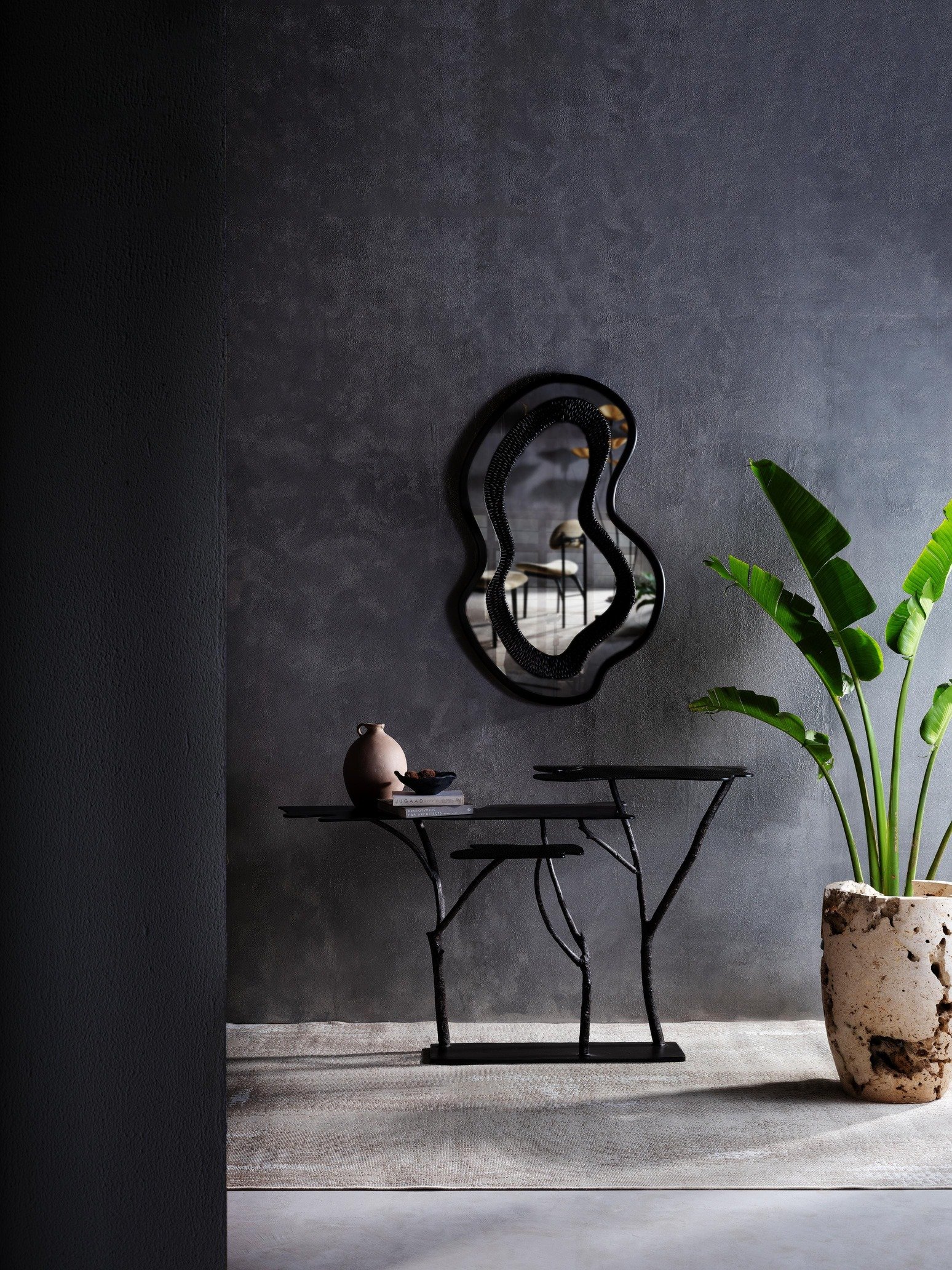
Having showcased at Milan Design Week, how do you see Indian craft traditions being received on global platforms?
With growing curiosity, and finally—with respect. What’s exciting is that people aren’t just drawn to the “exotic” now—they’re interested in process, in material culture, in the philosophy behind a craft. At Milan, we saw people lean in, ask questions, and want to feel the work. Indian craft is no longer seen as heritage alone—it’s being recognized as a living, evolving design language. And it’s incredibly fulfilling to be part of that shift.
What’s next for Intent Made? Any upcoming collections, materials, or forms you’re excited to explore?
We’re currently in the early stages of a collection that explores the concept of how form, light, and material can create a sense of weightlessness. It’ll involve a deeper look at glass and tensile structures. We’re also working on expanding our material palette. The idea is to keep experimenting, keep asking questions, and keep making work that feels intentional in every way.