Rasha Menda, Entrepreneur & Founder, The Core
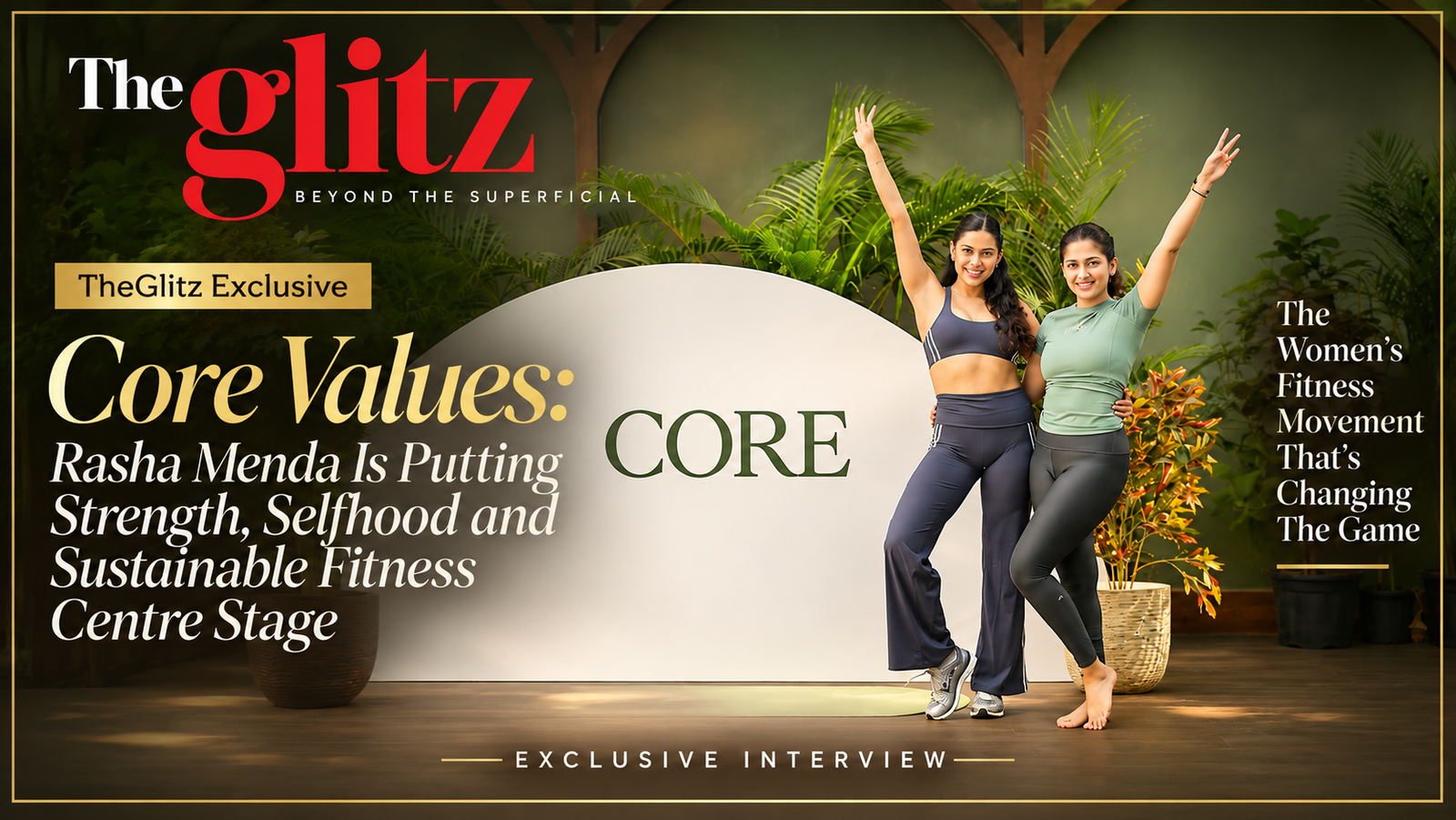
For far too long, women’s fitness has been packaged as a race against the clock, a relentless pursuit of weight loss, a flatter stomach or the elusive ‘bounce back’. Entrepreneur and Founder of The Core, Rasha Menda believes the conversation needs a far more meaningful reset.
Rasha Menda is building a science-backed digital movement platform that puts strength, recovery, longevity and the evolving needs of women’s bodies at the centre of the fitness conversation. A serial entrepreneur with over a decade of experience building consumer businesses, Rasha studied Economics at the University of Minnesota, worked with EY and in venture capital, before founding Zapyle, India’s first marketplace for pre-owned luxury fashion, which pioneered technology-led circular fashion in India and was subsequently acquired, followed by IS.U, a contemporary women’s fashion brand.
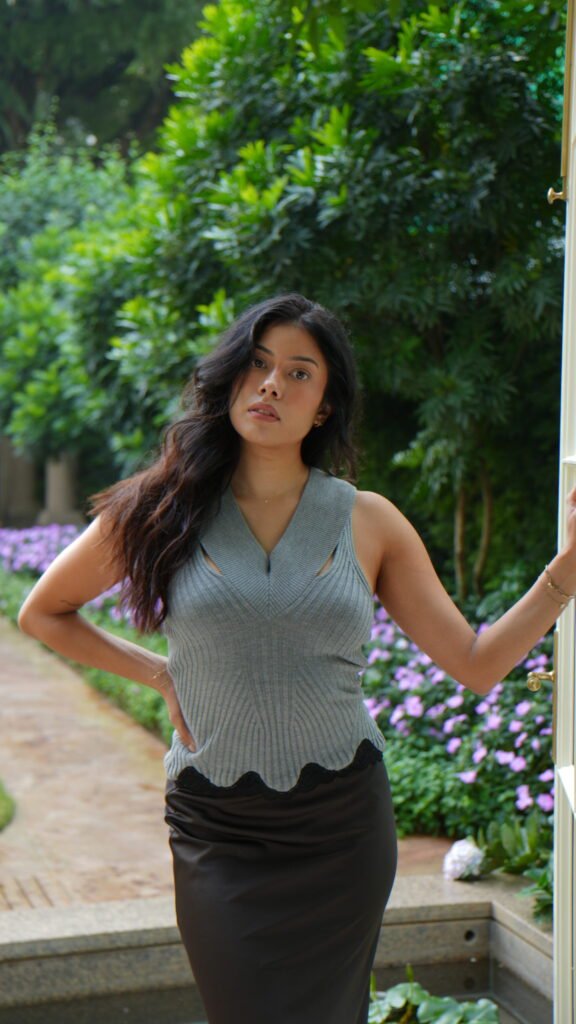
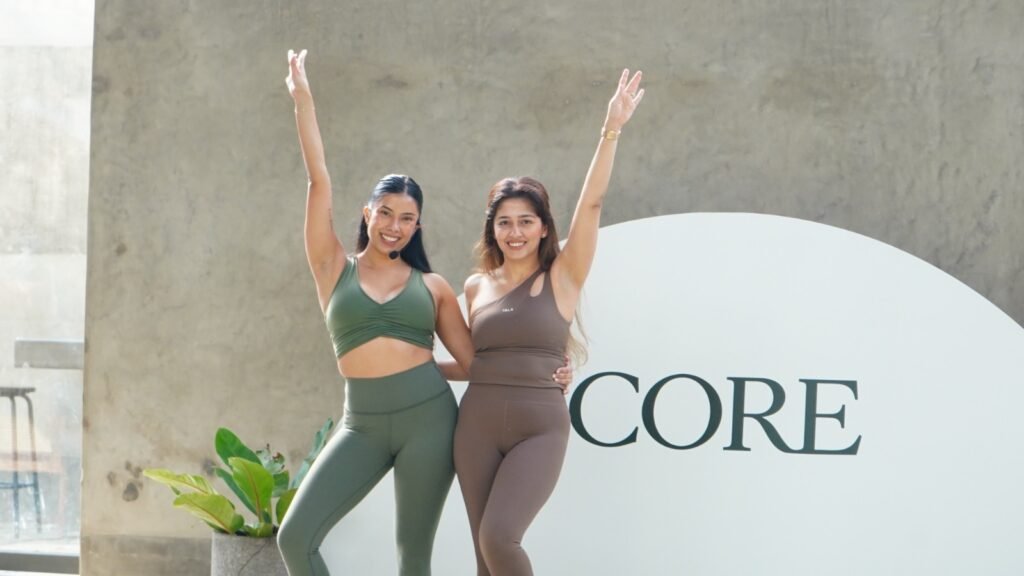
Drawing from her own experience of navigating movement and recovery after motherhood, she founded The Core with UK-based movement expert Issa, its Co-founder and Head of Movement, who brings years of international experience across the UK and US in Pilates, functional strength and movement education, along with expertise in prenatal and postnatal recovery, yoga, sculpt and Reformer Pilates.
Together, they have shaped The Core around a simple but powerful realisation: women don’t need more workout noise; they need direction, structure and programmes that understand their bodies. While Rasha steers the platform’s product vision, technology, brand, customer experience and long-term strategy, Issa leads the development of its movement programmes, blending the precision of Pilates with evidence-based strength training, mobility, breathwork and functional movement to create a more sustainable, informed and empowering approach to women’s fitness.
In an exclusive conversation with Sumita Chakraborty, Founder and Editor-in-Chief, TheGlitz, Rasha Menda, Entrepreneur & Founder of The Core, opens up about the deeply personal inspiration behind the platform, the science and philosophy of its 3-2-1 Method, the changing conversation around women’s fitness, motherhood, movement, technology and her larger vision of creating a wellness ecosystem that encourages women to invest in their health not as an indulgence, but as a lifelong priority.
Over To Rasha Menda, Entrepreneur & Founder, The Core
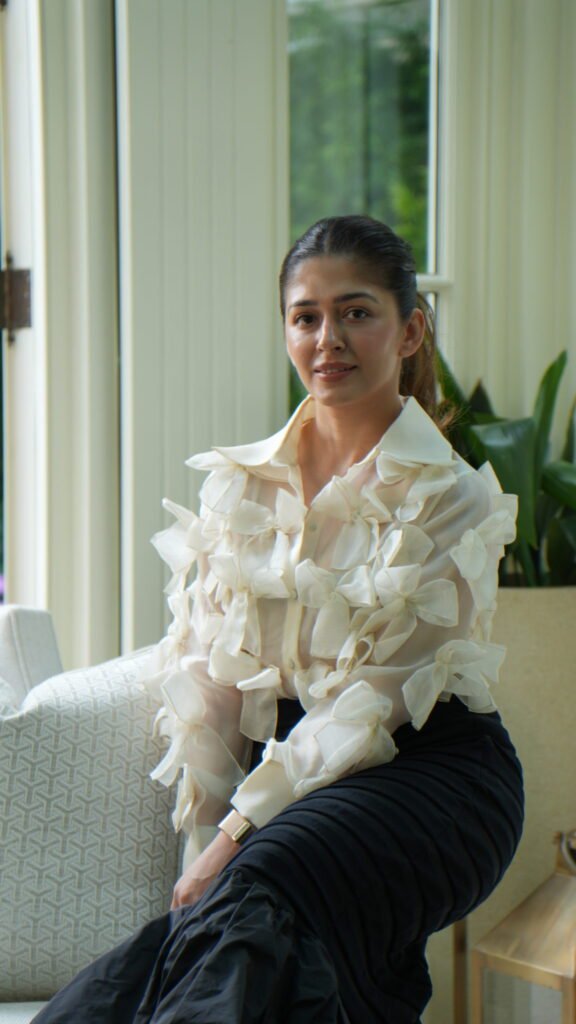
The Core challenges the conventional approach to women’s fitness, particularly the obsession with quick transformations and the much-touted ‘bounce back’ culture. What prompted you to create this platform, and was there a personal or professional experience that made you realise women needed a fundamentally different approach to movement and fitness?
The Core started from a very personal experience. After becoming a mother, I realised that my understanding of fitness and what my body actually needed were two very different things.
Like many women, I wanted to get back to movement after having a baby, but I didn’t necessarily know where to begin, what was right for my body or how to rebuild my strength. There was so much conversation around losing pregnancy weight and getting back to looking a certain way, but very little around rebuilding your body from within.
It was during my time in the UK, when I started attending Issa (now The Core’s Head of Movement and co-founder)’s classes, that my relationship with movement began to change. I started understanding the importance of the core, breathwork, pelvic floor function and building the right kind of strength. It changed not just how I exercised, but how I understood my own body.
As an entrepreneur who has spent years building a consumer brand for women, I began looking at this as a much larger problem. Why were women expected to navigate such significant physiological changes without a clear roadmap for movement?
There was no shortage of fitness content, but there was a lack of direction.
The Core was born out of a desire to solve two very fundamental questions: Where do I begin? And what comes next?
I wanted to build something that takes away the mental load of figuring out fitness and gives women the confidence to show up for themselves, wherever they are in their lives.
The Core’s proprietary 3-2-1 Method combines strength training, Pilates and breath-led recovery. What is the science and philosophy behind this combination? Why did you believe these three elements needed to work together rather than exist as separate fitness disciplines?
One of the things Issa and I discussed extensively while building The Core was that women shouldn’t have to choose between different forms of movement when each serves such an important purpose.
There is often a conversation around whether Pilates is better than strength training or whether one form of movement is more effective than another. But the question really should be: what does our body need to function well over the course of our lives?
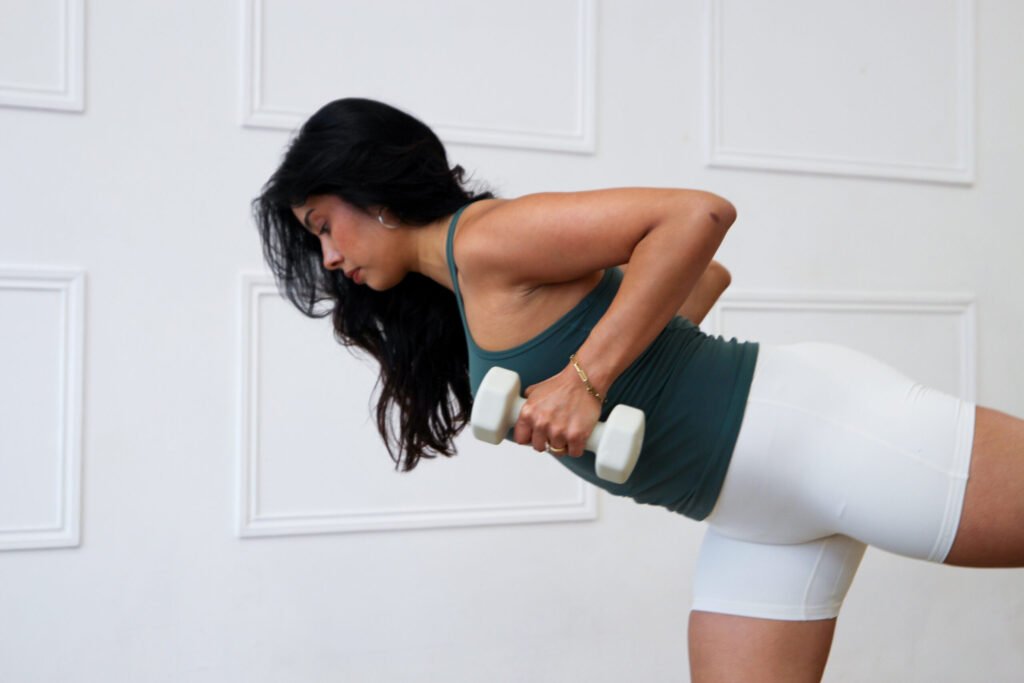
Our 3-2-1 Method combines three days of strength training, two days of Pilates and one day dedicated to breathwork and recovery.
Strength training helps build and preserve muscle mass and supports bone density, which become increasingly important as women age. Pilates focuses on core stability, pelvic floor coordination, mobility and the connection between breath and movement. Recovery gives the body the opportunity to repair and adapt.
Each has a distinct purpose, but they complement one another.
From a founder’s perspective, it was equally important to make this science easy to incorporate into everyday life. Women already have enough decisions to make. We didn’t want them to spend time figuring out which workout to do, how to combine different disciplines or when to progress.
The method brings that structure together for them. We take care of the thinking, planning and programming. All we need women to do is show up.
Women’s bodies undergo significant changes through different life stages, from pregnancy and postnatal recovery to hormonal transitions and ageing. Why is it important to design fitness programmes around these changing needs rather than expect women to follow a one-size-fits-all exercise routine? How does The Core address these different stages?
One of the biggest gaps I identified in the fitness industry was that women were largely expected to adapt to existing fitness programmes rather than having programmes designed around their changing needs.
A woman’s body at 25, during pregnancy, after childbirth or through perimenopause can have very different requirements. Yet, so often, the conversation around fitness remains centred on the same aesthetic goals.
I experienced this personally after motherhood. I didn’t just need a workout; I needed to understand how to reconnect with my body and rebuild strength in a way that supported my recovery.
At The Core, we are building programmes around women’s physiology, individual capabilities and different stages of life.
For instance, our postnatal programme has been developed with movement experts and physiotherapists and is divided into progressive phases. Women are given guidance and readiness checklists to help them understand when they may be ready to move into the next phase and when additional individual support may be necessary.
We also have foundational programming that helps women understand breathwork, core activation, alignment and movement before progressing into more challenging workouts.
What I ultimately want to change is the reactive approach women often have towards their health. We tend to think about movement when something goes wrong, whether it’s after childbirth, when we experience discomfort or when we begin to lose strength.
Why aren’t we having these conversations much earlier?
I want women to see movement as a proactive investment in their future selves.
You have already brought 2,500 people onto the programme. What has the response revealed about women’s relationship with fitness today? Are women increasingly moving away from aesthetic-driven workouts towards strength, mobility, longevity and overall wellbeing?
What has been particularly interesting for me is understanding how much women want to invest in themselves but often don’t know how to do so consistently.
Even before launching The Core, we opened up our seven-day programme to over 500 women as part of our research. We observed how they engaged with digital movement, where they needed additional support and what we could do to make the experience more intuitive.
Now, having brought 2,500 people onto the programme, we have an opportunity to continue learning about what women genuinely need from a movement platform.
I don’t necessarily think women have stopped caring about how they look, and there is nothing wrong with wanting to look good. But I do believe the conversation is expanding. There is a growing awareness around strength, mobility, hormonal health, longevity and how we want to feel as we age.
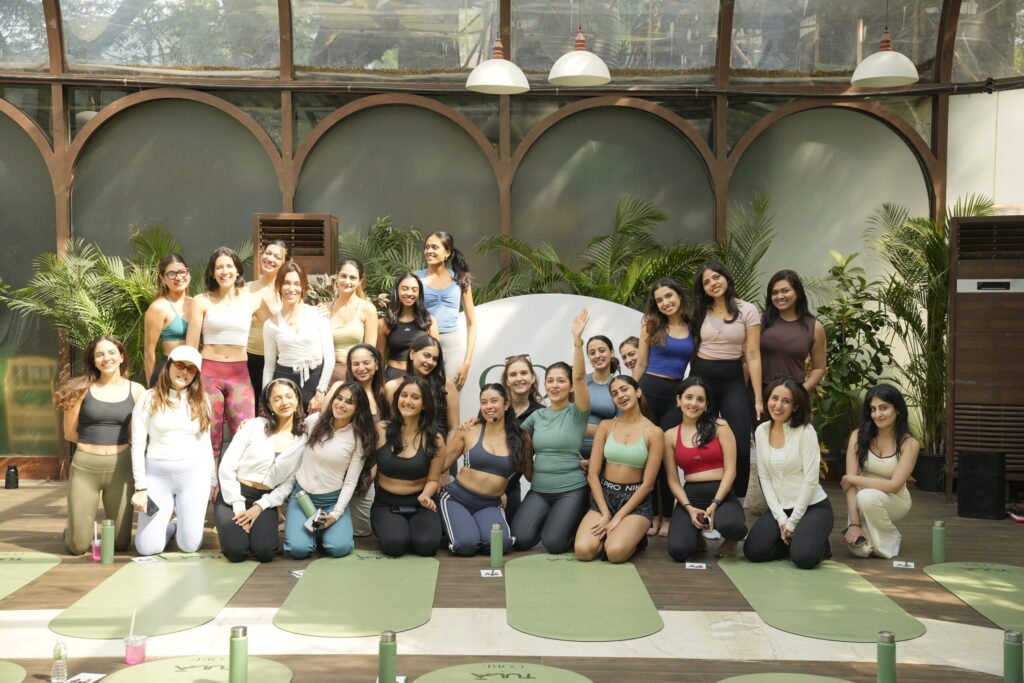
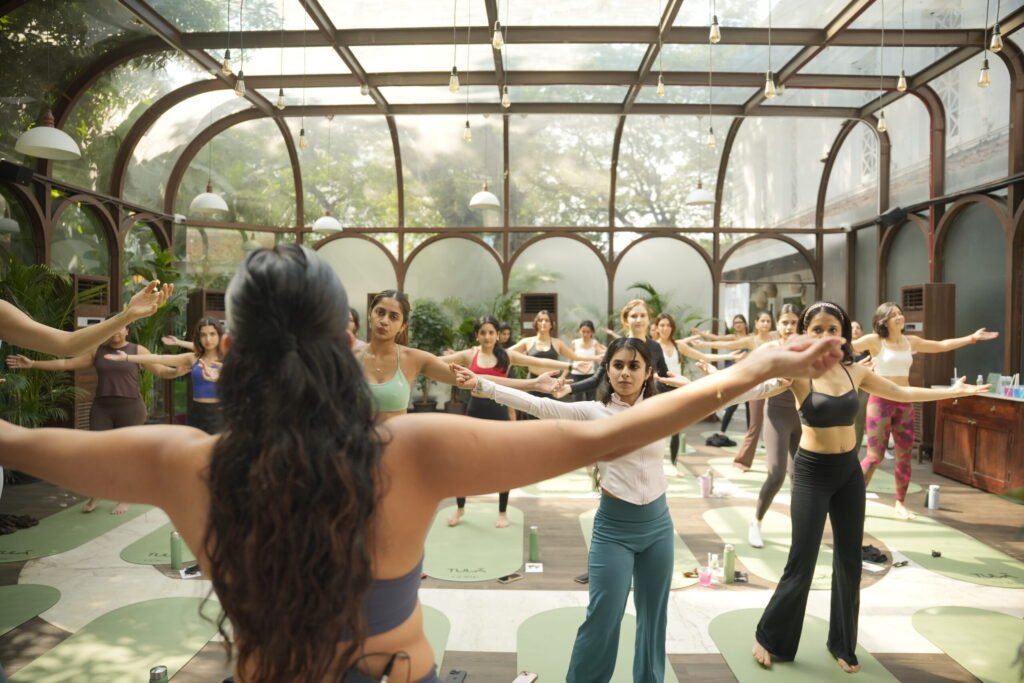
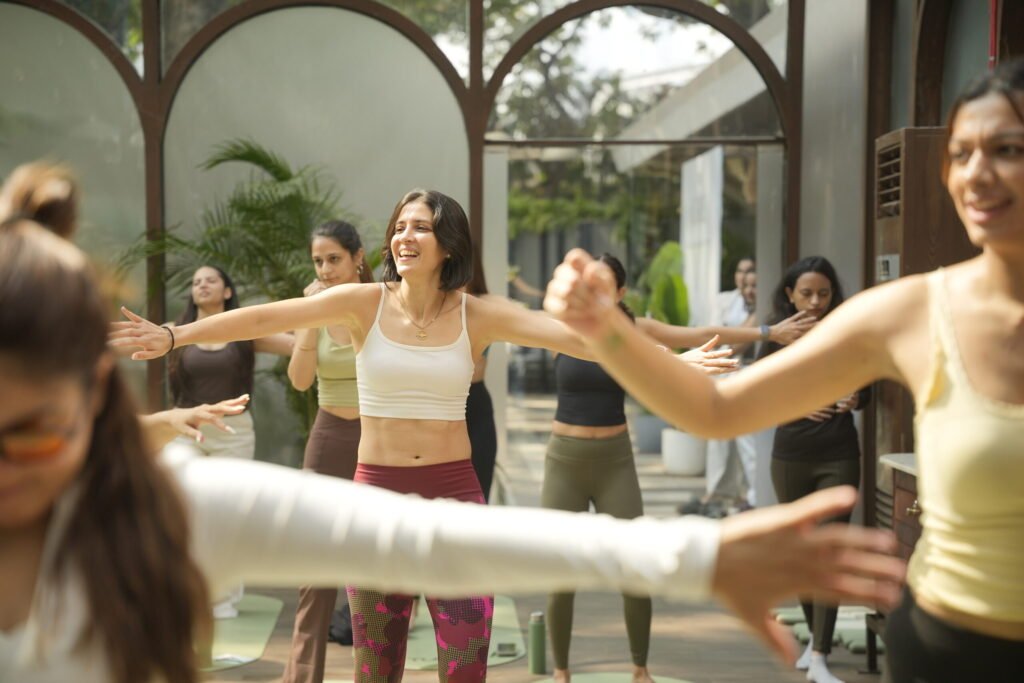
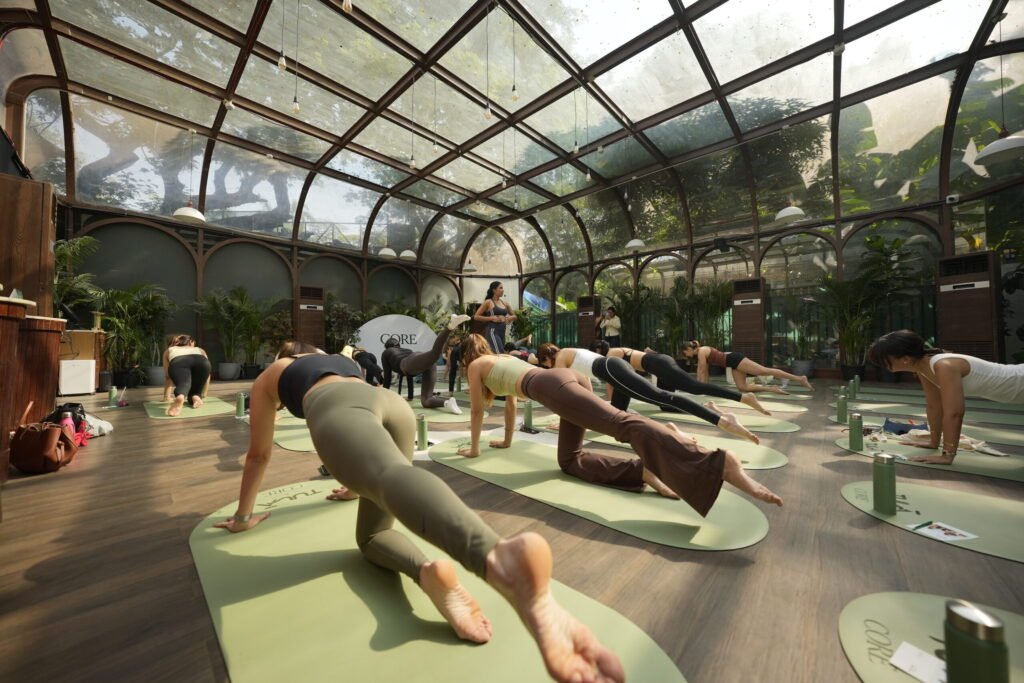
Through The Core Live (our in-person events), where we have brought women together to experience our method in person, I have also realised how important the feeling of belonging is.
Women want to be surrounded by others who are on a similar journey. They want to have conversations about their bodies, share experiences and feel supported without feeling judged.
For me, that is an incredibly important part of what we are building. I don’t want The Core to simply be another app on someone’s phone. I want women to feel that they belong somewhere and that we are taking them on a meaningful journey.
The Core combines structured programmes with digital accessibility. How do you ensure that an online movement platform delivers the accountability, personalisation and instructor guidance that women might otherwise seek from an in-person fitness studio? What role does technology play in making consistent movement sustainable?
When we started building The Core, one thing we were very clear about was that creating an effective digital movement experience is very different from simply recording an in-person fitness class.
Issa, the head of movement and cofounder at The Core, brings a decade of experience in digital training and understands where women typically need additional guidance when exercising independently.
During our initial research, we opened up our seven-day programme to women and observed how they worked out digitally. We wanted to understand where they struggled, which movements required more explanation and how we could improve our instruction and delivery.
Our programming has been shaped by that research, combined with Issa’s expertise.
We place a strong emphasis on movement cues, breathing techniques, modifications and structured progression. We want women to understand not just how to perform a movement, but what they should be feeling and when they need to adapt.
Of course, digital training cannot entirely replicate the individual feedback of an in-person instructor. But thoughtful programming can address many of the challenges women face when working out independently.
I see technology as an enabler rather than the centre of the experience. Its purpose is to remove friction, make movement accessible and give women a clear sense of direction.
For a woman managing a career, children, a household or multiple personal commitments, having to plan her fitness routine can become another task on an already overwhelming list.
We want to remove that decision-making process. You know where to begin, you know what comes next and you can move at a time that works for you.
You have partnered with UK-based movement expert Issa as Head of Movement. How did this collaboration come about, and what does Issa bring to The Core’s movement philosophy and programme development? How do you ensure that the platform remains science-backed while also being practical and accessible to women with different fitness levels?
My relationship with Issa began very organically. I first experienced her method as someone attending her classes in the UK, trying to reconnect with my body and get back to movement after motherhood.
What stood out to me was how differently she approached movement. There was so much intention behind every exercise, and I began to understand my body in a way I hadn’t before.
I remember thinking that more women in India needed access to this kind of movement education and expertise.
As we began discussing The Core, it became clear that we brought very complementary perspectives. I understood the consumer, the challenges women face in their everyday lives and how to build a brand and business around those needs. Issa brought the technical movement expertise, a decade of experience in digital training and a deep understanding of how to develop and deliver structured programmes.
What I particularly value about our collaboration is that we are constantly questioning how we can make movement science more accessible without diluting its purpose.
We also recognise that women’s health is multidisciplinary. Working with experts across physiotherapy, movement and nutrition allows us to bring different perspectives into our programme development.
Science should inform everything we build, but the experience for the woman using our platform should feel simple, approachable and enjoyable.
She shouldn’t need to understand complex physiology to begin her movement journey. Our responsibility is to translate that knowledge into something she can confidently incorporate into her life.
Women’s wellness has become a rapidly expanding business category, but the market is also crowded with fitness apps, influencers and quick-fix promises. What will differentiate The Core as it grows? Looking ahead, do you see the platform becoming a larger women’s wellness ecosystem, and what would you like to change about the way India thinks about women’s fitness?
I have never looked at The Core as just a fitness app. Movement is our starting point, but the larger vision is to build an ecosystem that supports women in looking after themselves throughout their lives.
There is already an abundance of fitness content available, much of it for free. I don’t think the problem we are solving is access to another workout. We are solving for direction, trust, consistency and belonging.
We want to build a brand that women can turn to as their bodies, lifestyles and needs evolve. Whether they are beginning their movement journey, preparing for motherhood, rebuilding strength after childbirth or thinking about healthy ageing, they should know there is a place for them at The Core.
We are already expanding that philosophy through The Core Nourish, bringing expert-led nutritional education alongside movement. Through The Core Live, we are taking the experience beyond the screen and creating spaces for women to move together, connect and have meaningful conversations around their health.
I want every woman who comes into contact with The Core, whether through our digital platform, Instagram or an in-person experience, to feel that she is part of something larger. She doesn’t necessarily have to be a paying member to begin that journey with us.
In India, I would particularly like to change the perception that prioritising your own health is a luxury or something you do only when you have the time. Women spend so much of their lives looking after everyone around them, and their own wellbeing often becomes a secondary consideration.
I want us to move from reactive wellness to proactive wellness, from short-term transformations to lifelong strength, and from exercising out of guilt to moving because we value what our bodies allow us to do.
If, over the next few years, The Core can fundamentally change the way women think about their bodies and the importance they place on their own health, I would consider that a meaningful measure of our success.
We are building a business, of course, but we are also building a culture around movement, nourishment and women showing up for themselves.
TheGlitz Take
The fitness industry has long sold women the idea that their bodies are projects to be fixed. Rasha Menda, Entrepreneur and Founder, The Core, wants to change that narrative, and frankly, it’s about time. With The Core, she is shifting the conversation from shrinking, sculpting and bouncing back to building strength, nurturing resilience and showing up for oneself. ‘Because a woman’s body isn’t a before-and-after photograph, nor is fitness a punishment for having lived, grown, given birth or simply aged.
It is about strength that sustains, movement that empowers and wellness that lasts beyond the next fad. Rasha Menda’s vision is a reminder that the most meaningful fitness revolution isn’t about chasing a perfect body; it’s about building a stronger relationship with the one you already have. And that is a movement worth getting behind.