
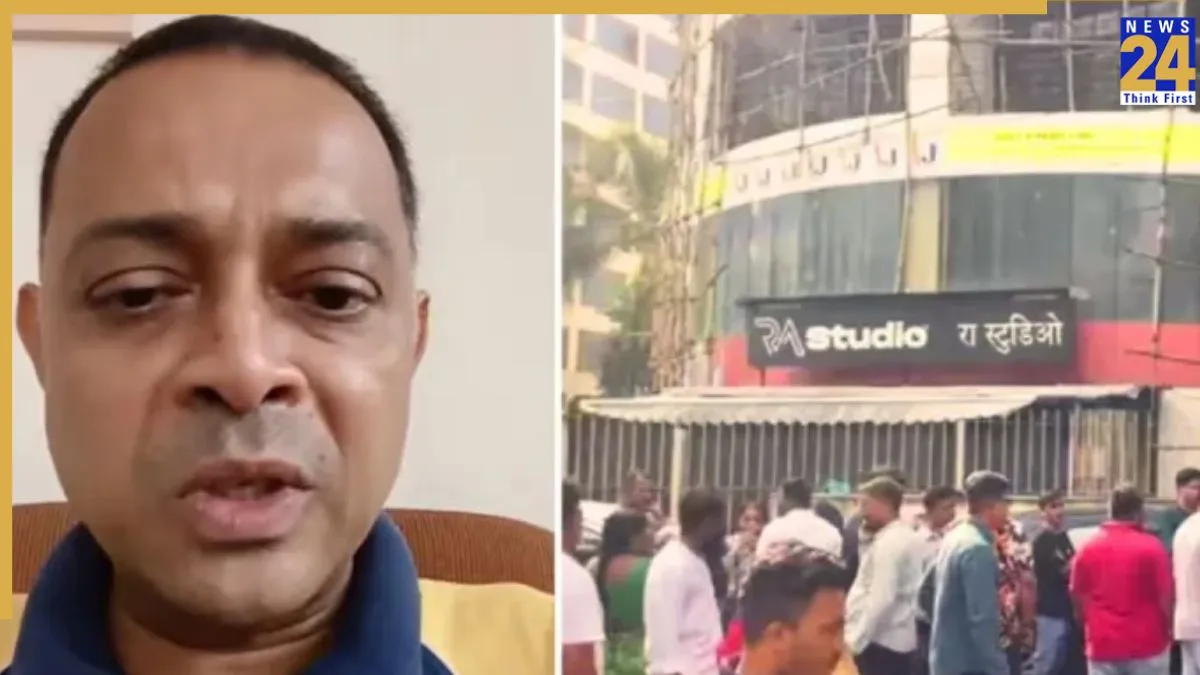
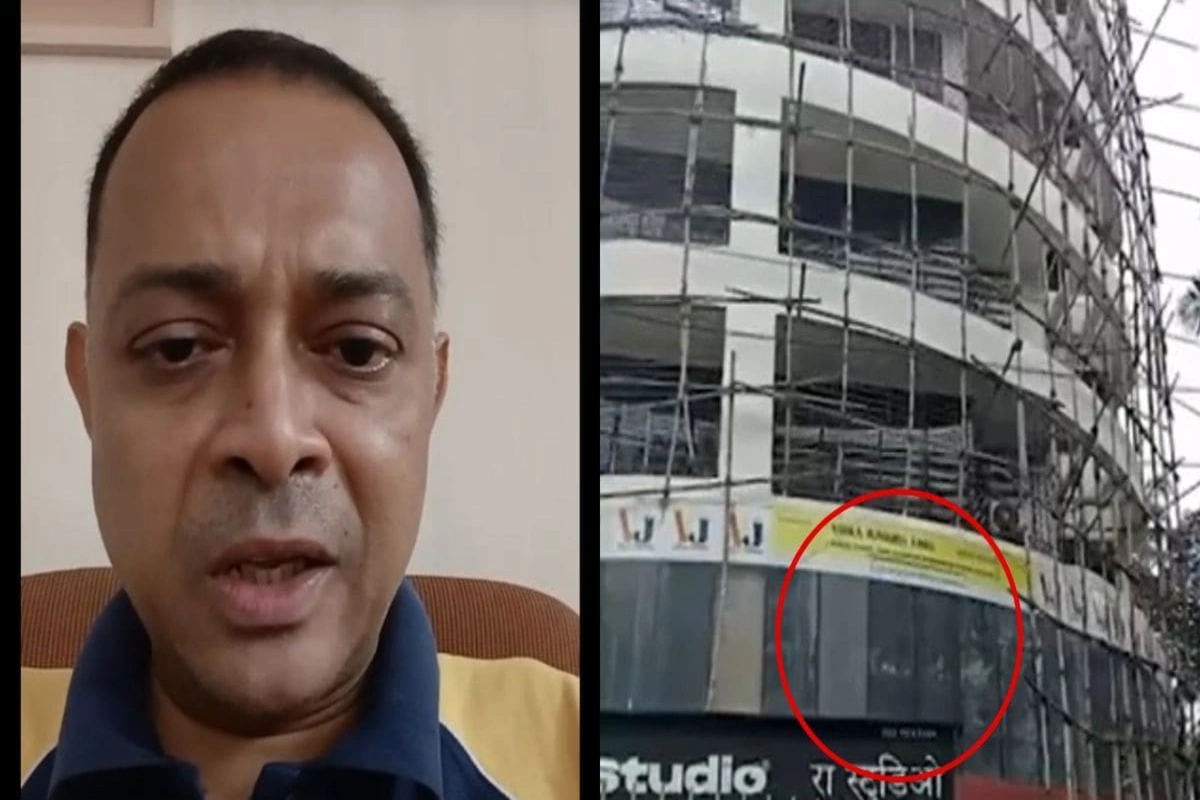
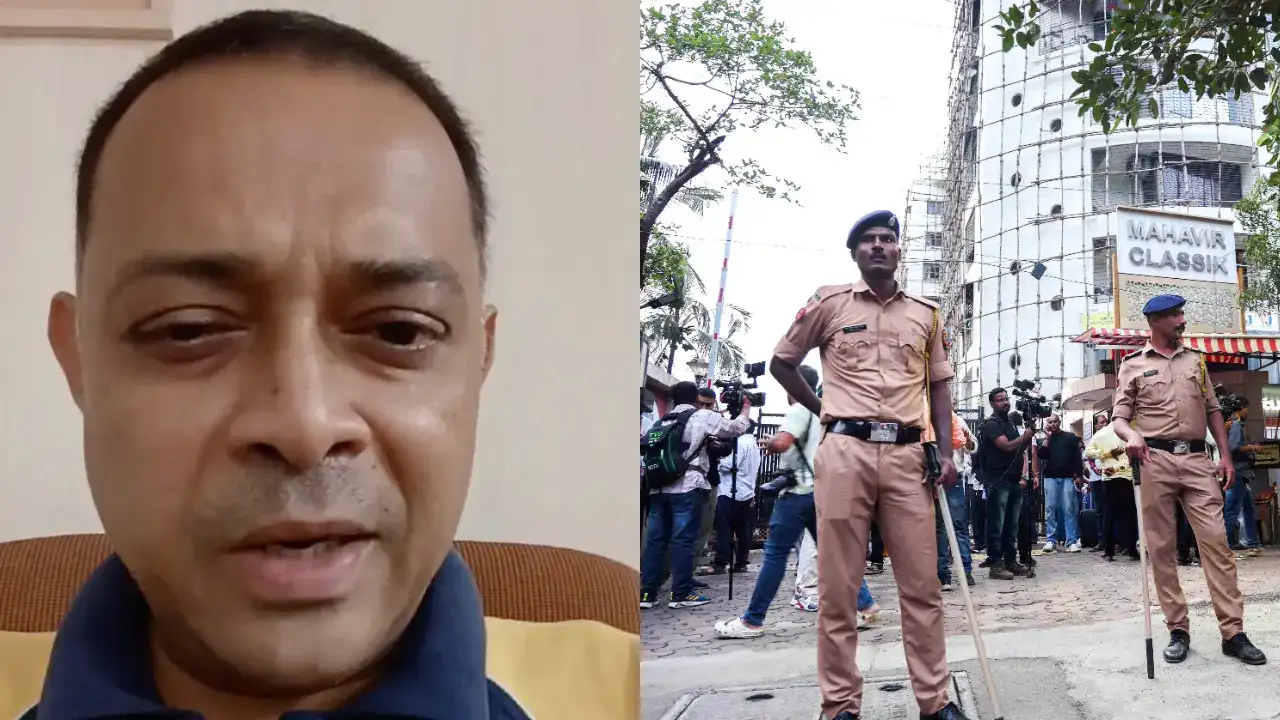
There are moments that stop a city in its tracks… and last morning in Mumbai’s Powai was one of them. A teacher and social activist, Rohit Arya, took 20 children hostage inside a small studio in Powai. He made a video and posted it on social media. “Don’t trigger me,” he said in his video. “I’ll set myself on fire… just listen to me once.”
Within an hour, the police acted with precision and courage, rescuing the children safely. But Arya, who’d long been battling a different kind of fire, was shot and later succumbed to his injuries. His death has now sparked a haunting question: what happens when the system simply refuses to listen? TheGlitz reports…
When Innovation Meets Indifference
Rohit Arya wasn’t an extremist. He was a teacher and a social activist… the mind behind grassroots education models like Majhi Shala, Sundar Shala and Swachhta Monitor — programmes that sought to make schools cleaner, smarter and more humane. The Maharashtra Education Department rolled them out, praised them even… but never credited or compensated their creator.
Arya protested. He wrote letters. He staged a hunger strike. But as days turned to months, silence answered him back. “He was tired of being invisible,” said a friend. “He wasn’t chasing fame or money… he just wanted acknowledgment.”
The Psychology of Desperation
“What we saw wasn’t madness — it was despair and frustration,” says Dr. Ananya Mehta, clinical psychologist and trauma expert. “When a person is ignored repeatedly, it creates what we call learned helplessness, a psychological state where you stop believing anything you do matters.”
Arya’s act, though indefensible, was not devoid of reason. “This was a man trying to make his pain visible,” Dr. Mehta adds. “Our institutions often underestimate the emotional cost of being unheard.”
Dr. Ajit Khanna, psychiatrist and author, elaborates: “When someone is not given credit for his or her work, it’s not just professional loss, it’s an assault on their identity. You erase the person while keeping their work alive.”
Bureaucracy’s Cold Shoulder
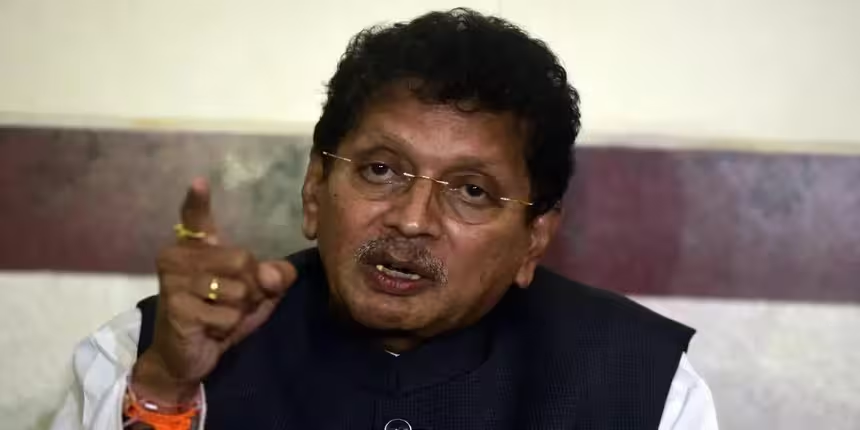
After the standoff, former Education Minister Deepak Kesarkar admitted the concept did originate with Arya. “The issue should have been resolved through discussion, not violence,” he said. Ironically, that’s all Arya ever asked for… a discussion.
“In India, our systems often reward hierarchy, not creativity,” notes Dr. Priya Nair, sociologist and education analyst. “We champion innovation but treat innovators as nuisances. Bureaucratic ego often kills the very spark that could transform education.”
A Call for Change
The tragedy should not end with a sigh and a headline. It must become a mirror to the system. Experts suggest that India’s education and social policy sectors urgently need:
- An Innovator Protection Council: to safeguard grassroots intellectual property and ensure credit where it’s due.
- Mental Health Desks in Government Departments: where educators and activists can seek help when feeling unheard or isolated.
- Transparent Acknowledgment Frameworks: to ensure every project credits its original contributors.
“Every human being has a breaking point,” Dr. Mehta reminds. “Had there been a compassionate ear, this tragedy could have been a conversation, not a crisis.”
Rohit Arya’s story isn’t just about one man’s despair… it’s about a system that has forgotten empathy in its race for efficiency. It’s about the deafening silence of bureaucracy that can drive even visionaries to collapse.
Editor’s Note:
At TheGlitz, we believe stories like Rohit Arya’s should never fade into statistics. They must sting the conscience… because every silent injustice today becomes a louder tragedy tomorrow. Arya’s final act was not born of malice but of a system that mistook passion for defiance, and idealism for irritation. Yes, he made a horrific decision of taking the children as hostages but perhaps he had reached a cul de sac or a dead end.
…Perhaps it’s time our institutions learned to listen before people are driven to scream.
Acknowledgment doesn’t cost much but as this heartbreaking episode proves, the price of indifference can be far greater.
— Sumita Chakraborty, Founder & Editor-in-Chief, TheGlitz