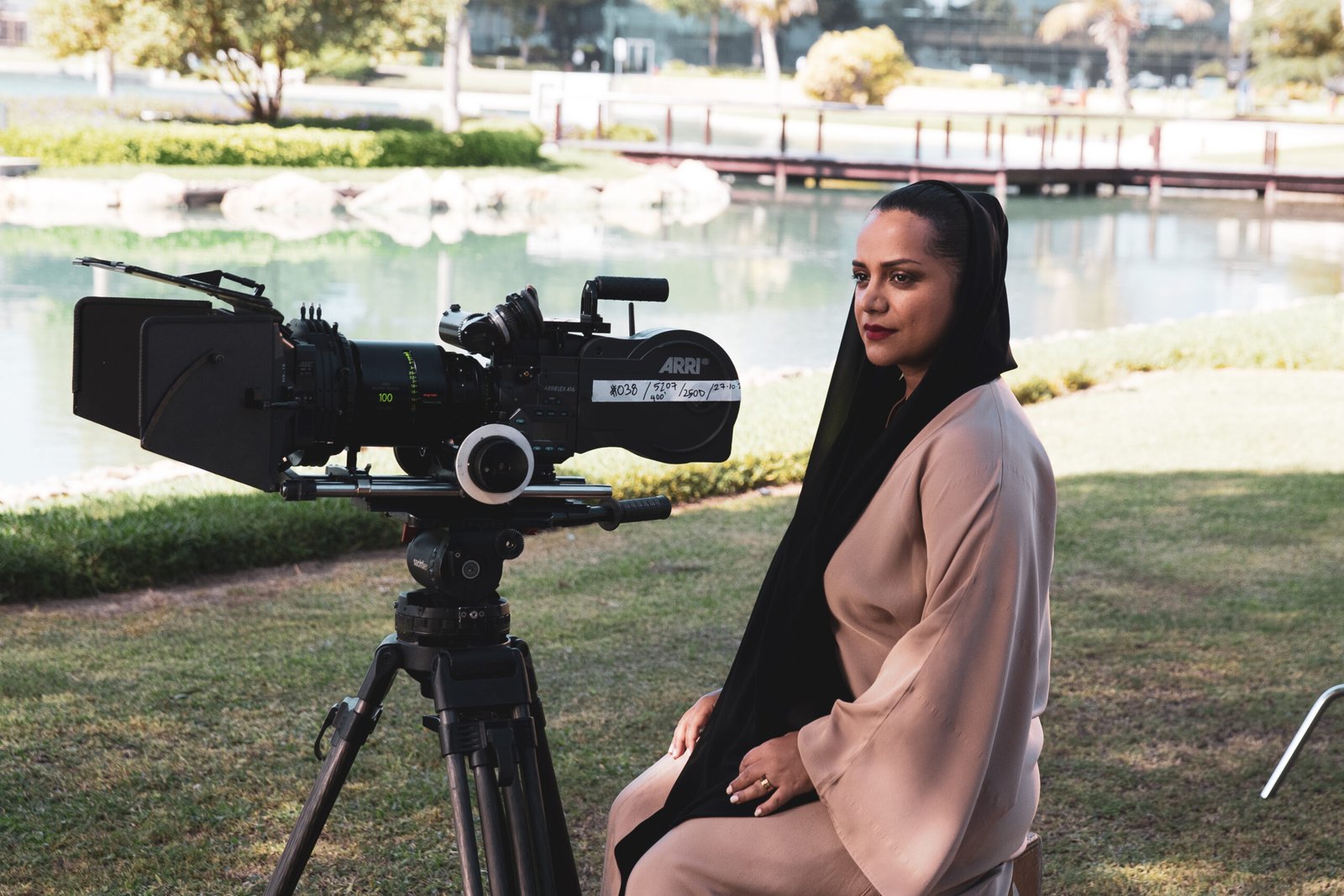
At TheGlitz, we shine the spotlight on trailblazers who dare to dream, break boundaries, and redefine entire industries… and Nayla Al Khaja is precisely that powerhouse. As the UAE’s first female screenwriter, director, and producer, Nayla has not only smashed through the glass ceiling but set the stage on fire while doing it.
With groundbreaking films like Arabana, Malal, and The Neighbor making waves, Nayla Al Khaja’s cinematic brilliance has captivated audiences far beyond the UAE. Netflix’s acquisition of her acclaimed works Animal and The Shadow further solidified her global reach. Now, her latest thriller Three is setting new standards, thrilling audiences worldwide with its AI-powered voice localization in Mandarin. As if that wasn’t enough, Nayla is gearing up for her next masterpiece, Baab, in collaboration with the legendary A.R. Rahman, promising to redefine storytelling once again.
Indeed, Nayla is a woman who commands attention – bold, creative, and always ahead of the curve. Sumita Chakraborty, Editor-in-chief, TheGlitz, raises a toast to Nayla Al Khaja, the trailblazer who has created a unique niche in the silver screen of the cinematic the world as a visionary filmmaker!
Over To Nayla Al Khaja
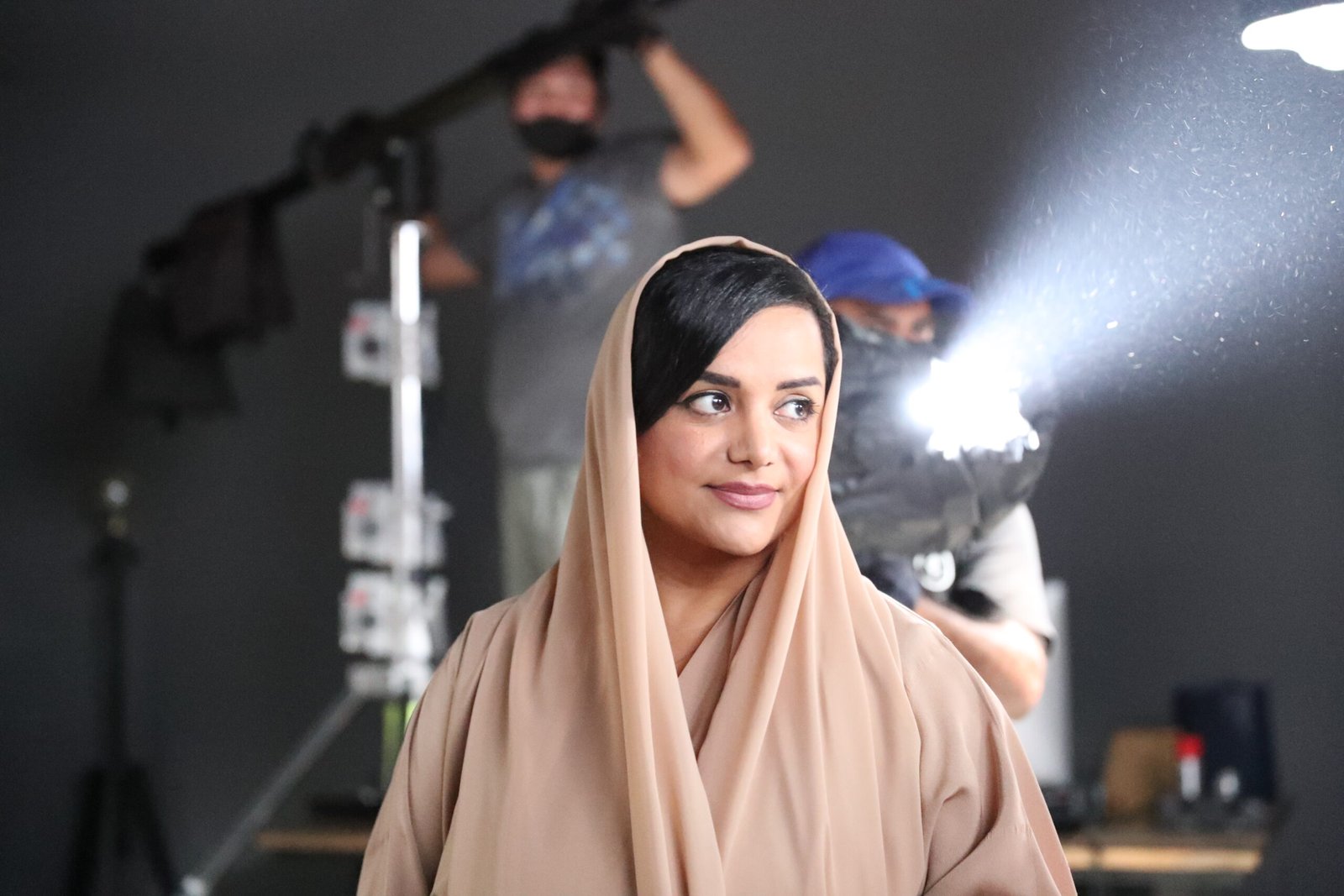
As the first female filmmaker in the UAE, what were the most significant barriers you faced in breaking into an industry traditionally dominated by men, and how did you overcome them?
Nayla Al Khaja: Breaking into the film industry as the first female filmmaker in the UAE came with challenges, especially in overcoming societal expectations and skepticism about my abilities in a male-dominated field. Limited resources and infrastructure for independent filmmakers added to the struggle. I overcame these barriers through persistence, passion, and a determination to tell authentic stories. By building strong relationships and a supportive network, I was able to carve a path not just for myself but for future generations of Emirati filmmakers.
What inspired your journey into filmmaking? Growing up, did you always aspire to be a director, and how did your personal experiences shape the kind of stories you wanted to tell?
Nayla Al Khaja: My journey into filmmaking was inspired by a deep curiosity about human stories and the world around me. Growing up, I didn’t initially aspire to be a director—it wasn’t a visible path in my environment—but I was always drawn to creativity and storytelling. My personal experiences, particularly as a woman navigating a society with defined expectations, shaped the kind of stories I wanted to tell. I gravitate toward narratives that challenge norms, explore resilience, and celebrate voices that are often overlooked. Filmmaking became my way of expressing those ideas and connecting with audiences on a profound level.
Your feature film, Three, explores grief and cross-cultural beliefs—what motivated you to tackle such complex themes, and how do you ensure that your films resonate with both local and global audiences?
Nayla Al Khaja: Three was inspired by the intricate interplay between modern mental health struggles and the cultural beliefs that shape how we seek healing. The story allowed me to explore the universal experience of parenthood through a uniquely Emirati lens, while also addressing the tension between traditional rituals and Westernized approaches to well-being. Tackling these themes felt deeply personal and necessary, as they reflect not only individual struggles but also the collective journey of understanding and acceptance.
To ensure the film resonates with both local and global audiences, I focused on creating a narrative that feels intimate yet universally relatable. By grounding the story in authentic cultural elements—such as ancient rituals—and pairing them with universal emotions like love, loss, and hope, the film bridges cultural gaps. Ultimately, Three is a story about humanity, connection, and the power of belief, which I hope will resonate with viewers no matter where they come from.
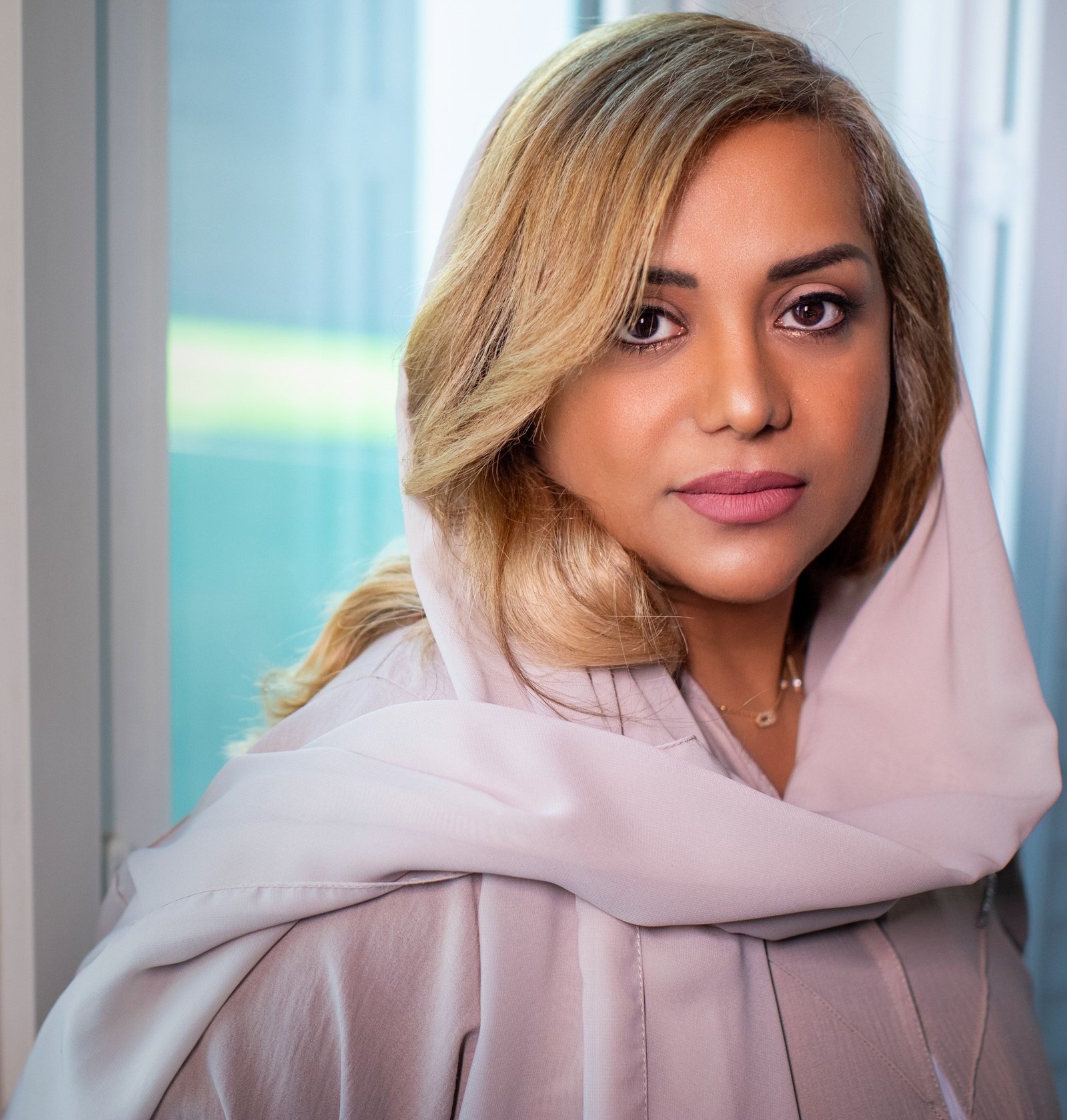
With Netflix acquiring Animal and The Shadow, you’ve reached a global audience. How do you balance the representation of authentic Emirati culture while appealing to international markets?
Nayla Al Khaja: Balancing authentic Emirati culture with international appeal is about finding universal truths within local stories. I focus on creating narratives that stay true to our heritage, traditions, and identity while exploring themes that resonate globally, like family, resilience, and self-discovery. For me, it’s not about diluting Emirati culture to fit international markets—it’s about showing the beauty and complexity of it in a way that’s relatable and emotionally engaging for audiences worldwide. By staying authentic, I believe the stories naturally find their place on the global stage.
The integration of AI technology for voice localization in Three is a groundbreaking move for Arabic cinema. What challenges did you encounter in merging AI with filmmaking, and how do you see this influencing the future of Middle Eastern cinema?
Nayla Al Khaja: Integrating AI technology for voice localization in THREE was both exciting and challenging. One of the biggest hurdles was ensuring the emotional integrity of performances wasn’t lost in the AI-generated voices. We had to strike a balance between leveraging cutting-edge technology and maintaining the authenticity of the characters’ emotions in Mandarin. There are limitations such as showing proper infection in the AI generated voices, though still in its infancy the technology does show promise.
This approach, however, opens up incredible possibilities for cinema. It allows us to reach wider audiences without compromising on cultural nuance. I believe AI will play a significant role in breaking language barriers and elevating cinema to a more prominent position on the global stage, making our stories more accessible while preserving their authenticity.
Your upcoming film, Baab, will feature a score by A.R. Rahman. What is it like to collaborate with such an iconic composer, and how does music shape the narrative and emotional tone of your films?
Nayla Al Khaja: Working with A.R. Rahman on Baab is a dream come true. His ability to evoke emotion through music is unparalleled, and collaborating with him has been an inspiring experience. Music plays a pivotal role in my films – it’s not just a background element but a narrative force that enhances storytelling. For Baab, Rahman’s score will deepen the emotional layers and amplify the surreal, fantastical tone of the film. His genius lies in blending global sounds with cultural authenticity, which aligns perfectly with the vision for this project. It’s an honor to have him bring Baab to life through his artistry.
You’ve achieved international recognition in a relatively short span. Reflecting on your journey, how do you view your role in inspiring the next generation of female filmmakers in the Arab world, and what message do you hope to leave with them?
Nayla Al Khaja: Reflecting on my journey, I feel a deep responsibility to pave the way for the next generation of female filmmakers in the Arab world. Representation matters, and I hope my work shows that our stories deserve to be told and celebrated globally. My message to aspiring filmmakers is simple: believe in your voice, stay resilient, and never let fear or societal expectations define your path. The world is ready for our narratives, and it’s up to us to create them with authenticity and courage. If my journey inspires even one person to pursue their passion, then I consider it a success.