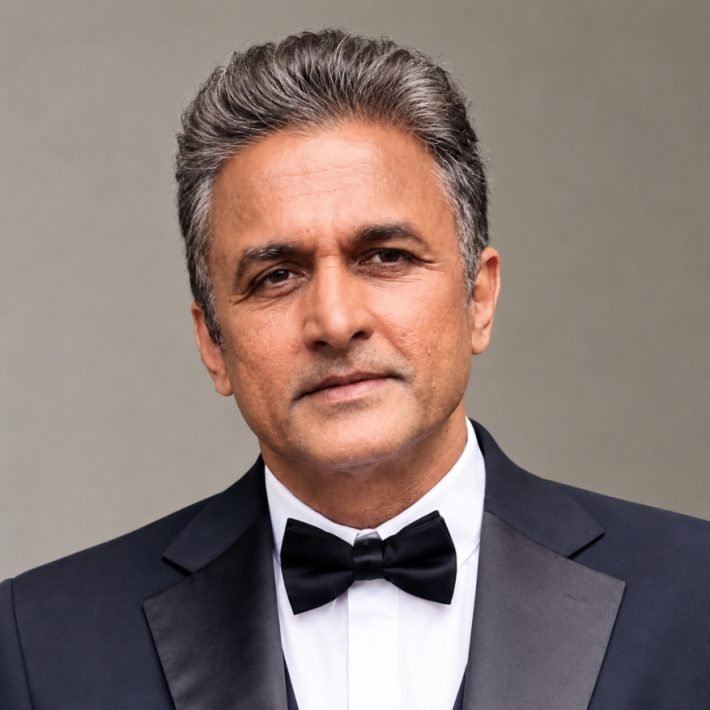
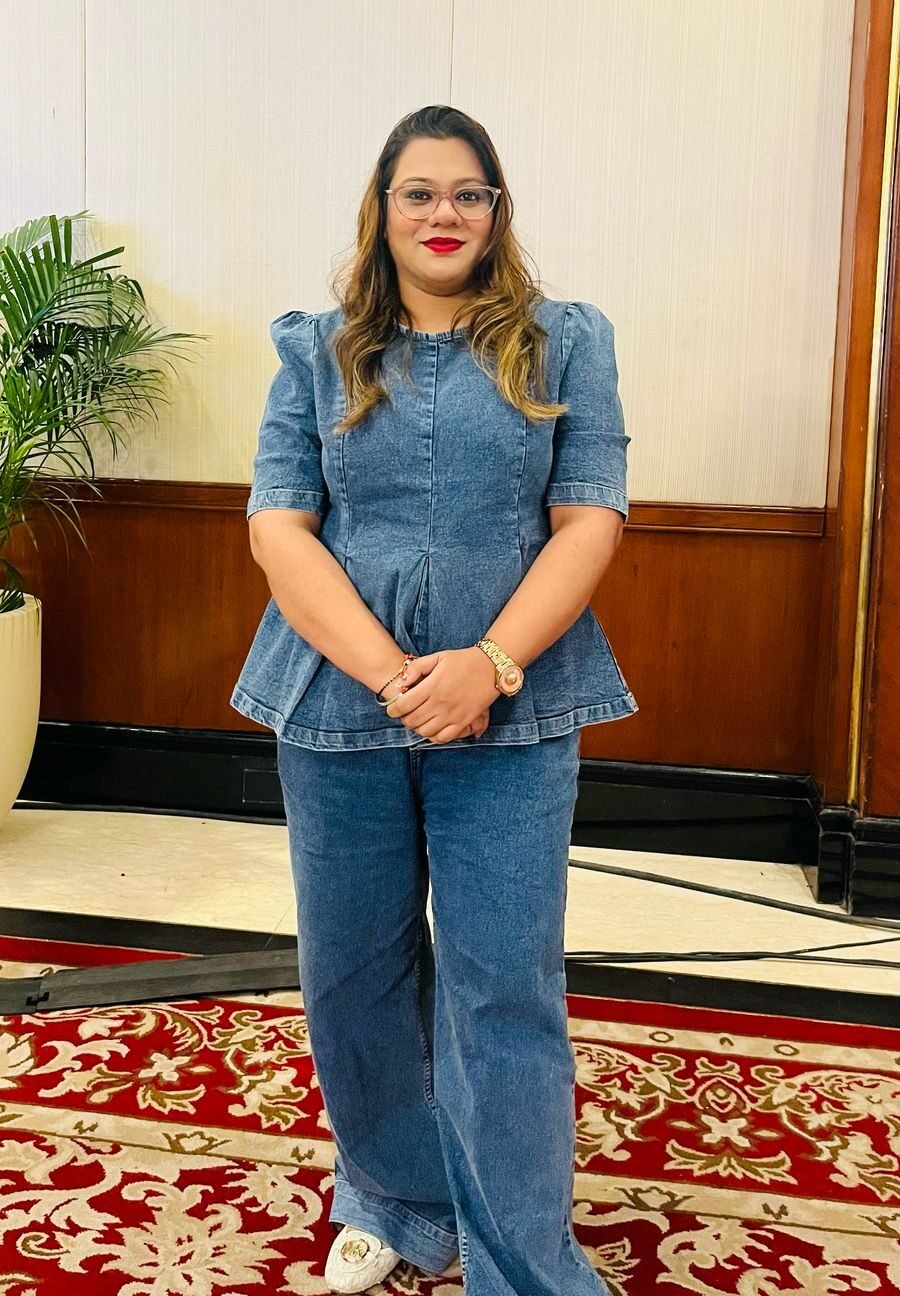
TheGlitz Earth Warrior, Nidhi Sabbarwal stands as a beacon of conscious devotion… a woman who saw pollution in sacred places and responded with purpose, compassion, and powerful action. As the Founder of Kalyanamm Holy Waste Pvt. Ltd., Nidhi’s journey began not in a boardroom, but in a moment of motherly clarity… watching temple flowers, once offerings of faith, decay in rivers, polluting the very earth they were meant to honour. For her, this wasn’t just a problem, it was a personal calling. One she answered not just for herself, but for her daughter, and for generations to come.
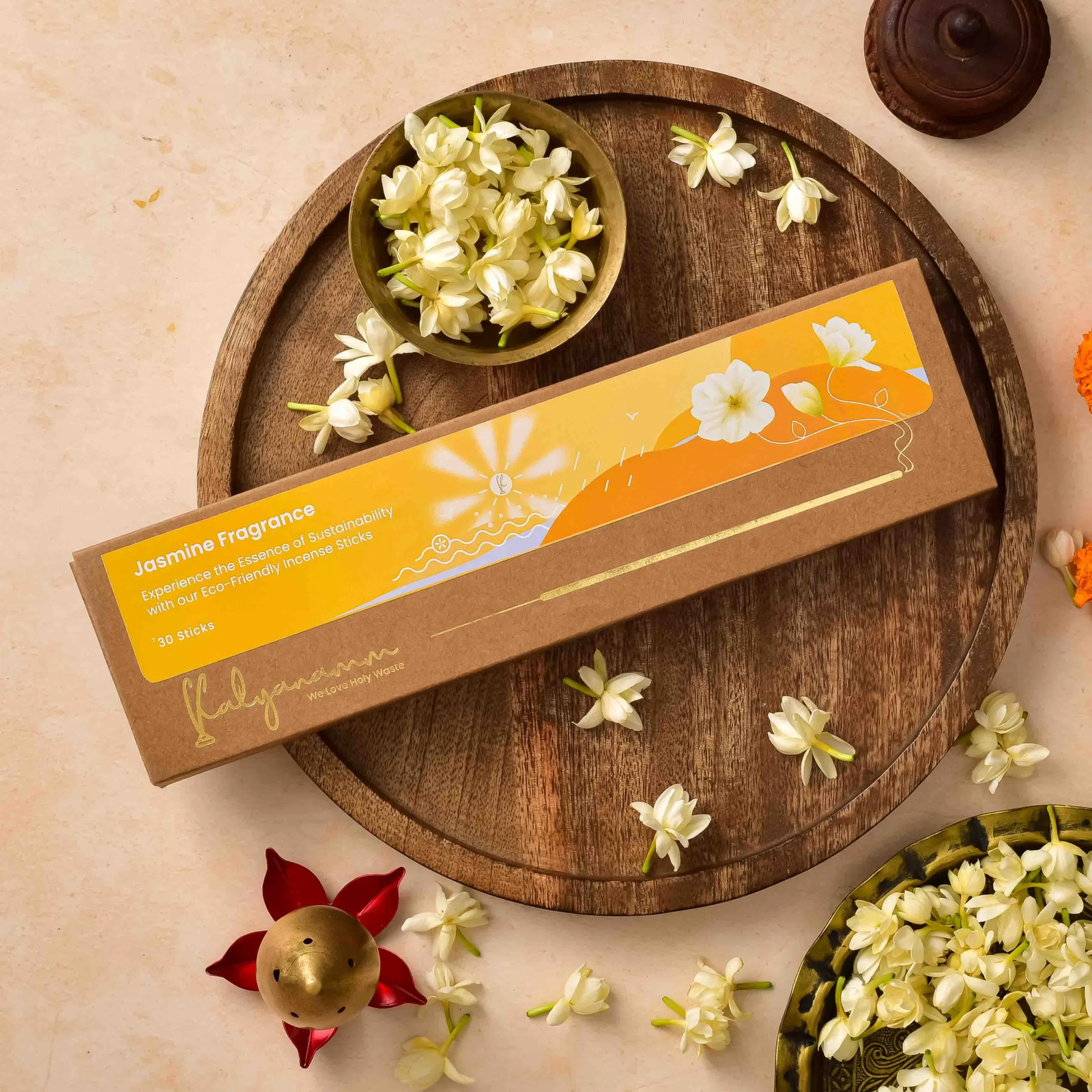
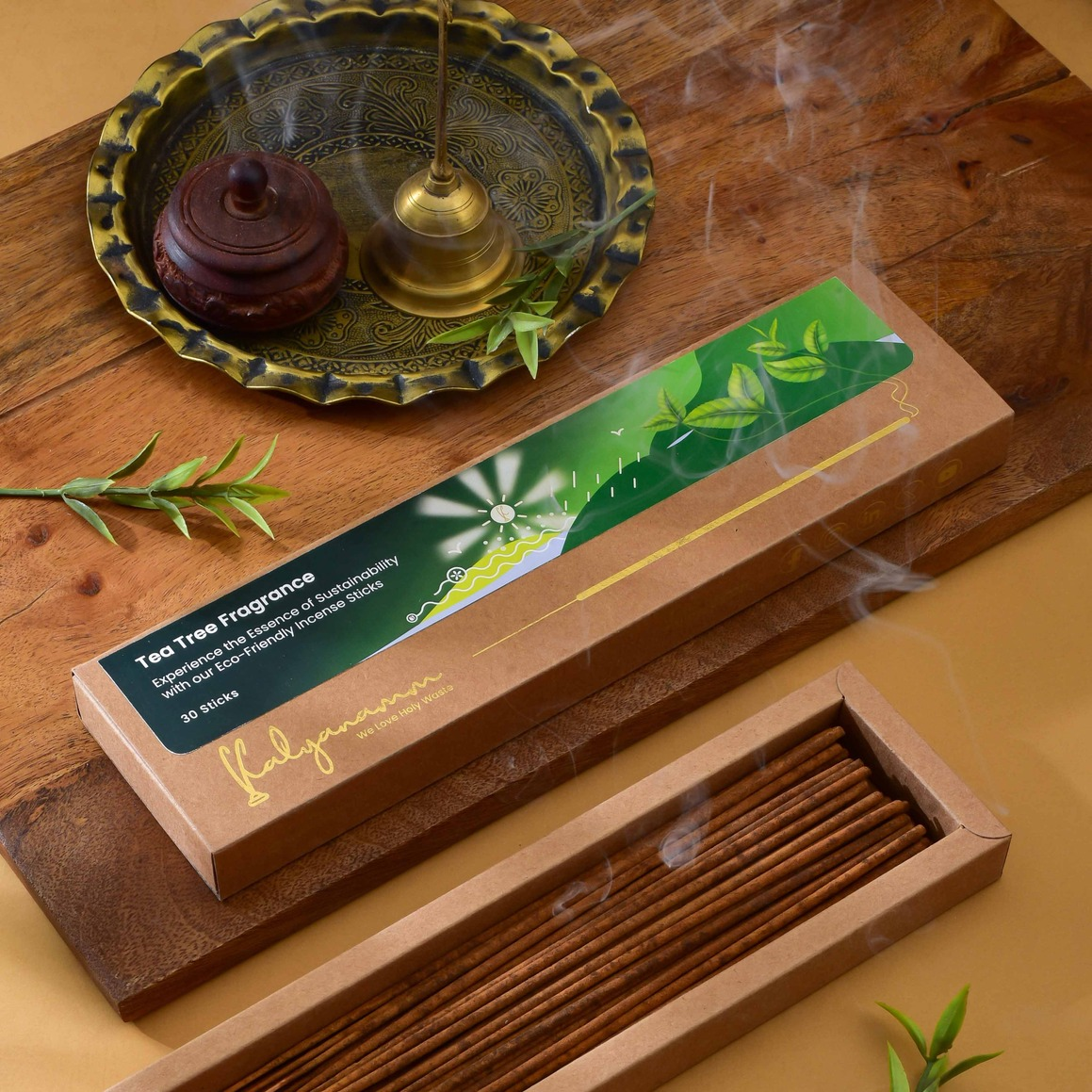
Kalyanamm was born from this fire… a social and environmental enterprise that transforms sacred floral waste into beautiful, purposeful products like incense sticks, compost, and dyes. But at its heart, Kalyanamm is more than just green innovation, it’s a movement rooted in dignity. It uplifts women from underserved communities, offering them income, agency, and pride in shaping something meaningful.
With reverence and responsibility, Nidhi has crafted a brand that marries tradition with transformation — giving flowers a second life, empowering women with their first steps toward independence, and building a bridge between sustainability and spirituality.
This World Environment Day, TheGlitz proudly names Nidhi Sabbarwal as our Earth Warrior… a changemaker who doesn’t just recycle flowers but reimagines what devotion can look like in a sustainable world. She reminds us that true faith protects the planet, true power uplifts others, and true warriors don’t wear capes… they turn holy waste into hope.
Over To TheGlitz Green Warrior Nidhi Sabbarwal, Founder at Kalyanamm Holy Waste Pvt. Ltd.
What inspired you to launch Kalyanamm, and how did the idea of flower recycling from temples evolve into a full-fledged sustainable brand?
Kalyanamm was inspired by a stark yet compelling realization—temples yield a huge amount of ritual and floral waste, and that too tends to find its way into water bodies or landfills. Realizing the spiritual as well as environmental connotations, we discerned a chance to develop a model that would respect religious sentiments yet encourage ecological accountability. What started as a grassroots movement to recycle temple flowers has now grown into a systematic, mission-led brand. Through creative upcycling of sacred waste into products such as incense sticks, compost, and dyes, Kalyanamm closes the loop between faith and sustainability by providing a respectful second life to sacred offerings.
Holy waste is often treated as untouchable or too sacred to discard. How do you navigate this cultural sensitivity while promoting eco-friendly disposal and reuse?
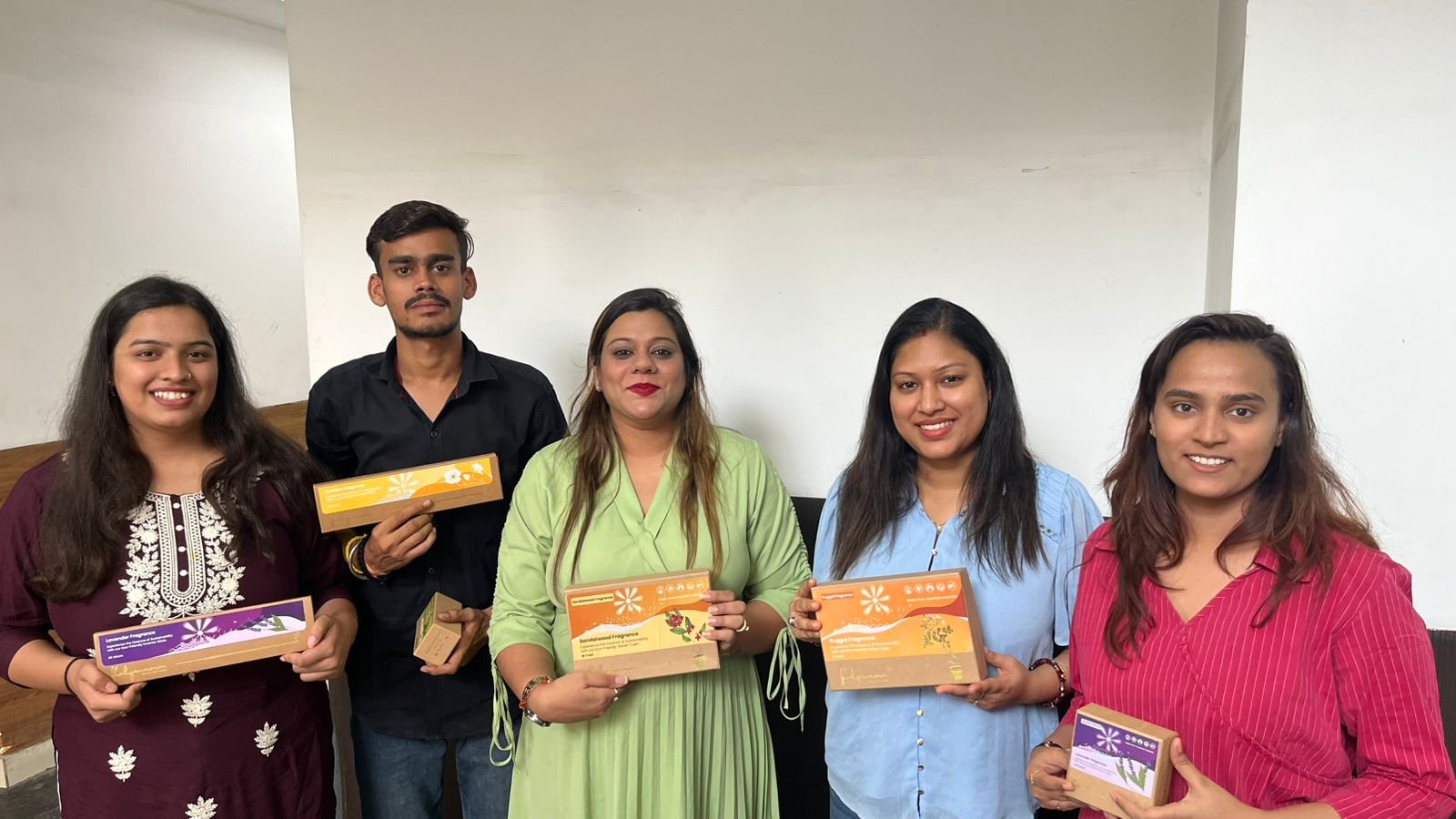
We treat ritual waste with reverence for religious and cultural sensitivities. It is not a disposition philosophy at Kalyanamm, but one of transformation—something that ensures offerings are still sanctified in their next incarnation. We engage with temples, spiritual guides, and village communities to make them aware of the environmental implications of conventional methods of disposal. By incorporating sustainability into accepted religious rituals and through diligent communication and cooperation, we have managed to encourage a shared sense of responsibility. Our strategy shows that nature stewardship is not mutually exclusive with spiritual respect, and both virtues are strengthened accordingly.
Can you take us through the lifecycle of a flower at Kalyanamm… from the temple offering to the eco-products it becomes?
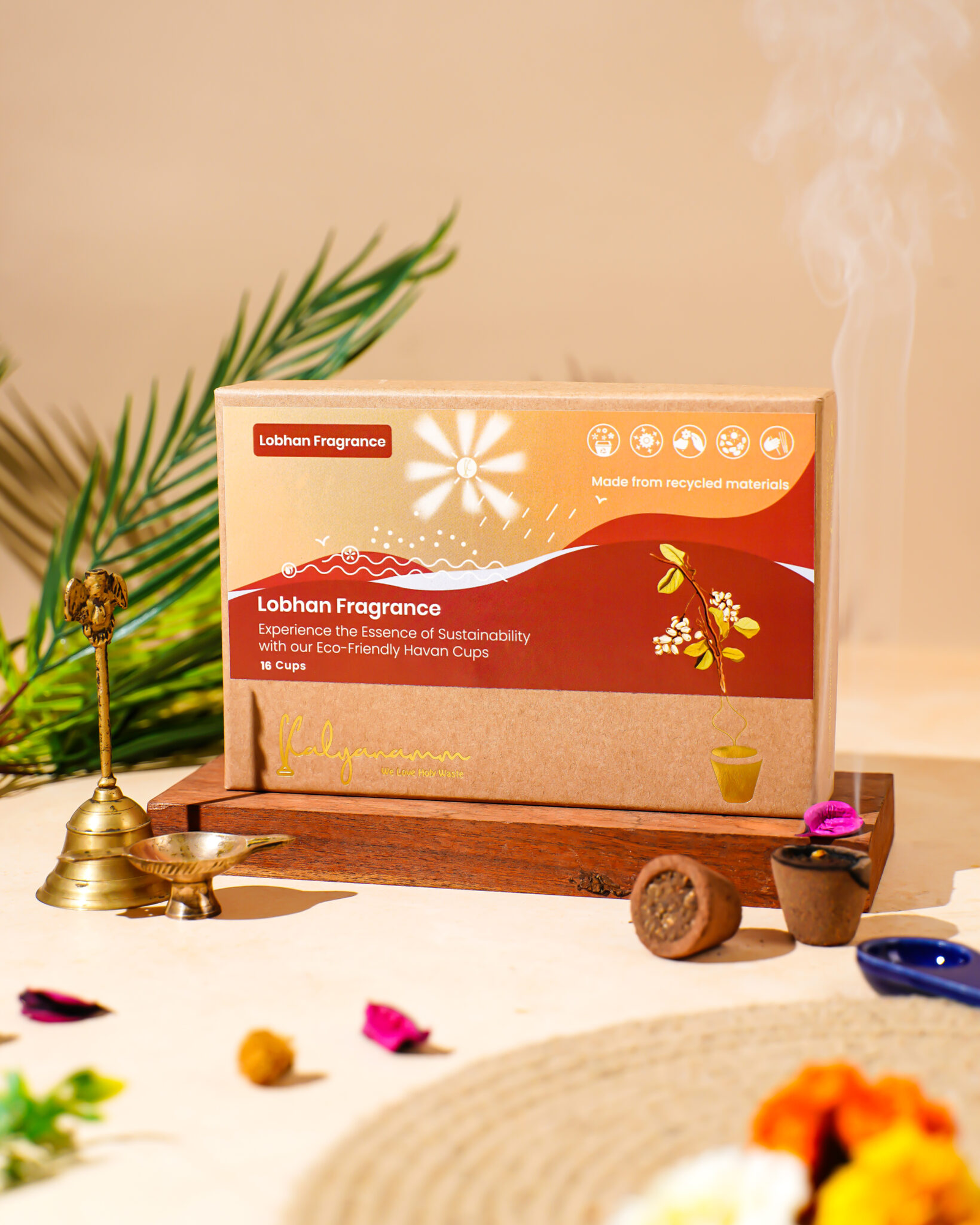
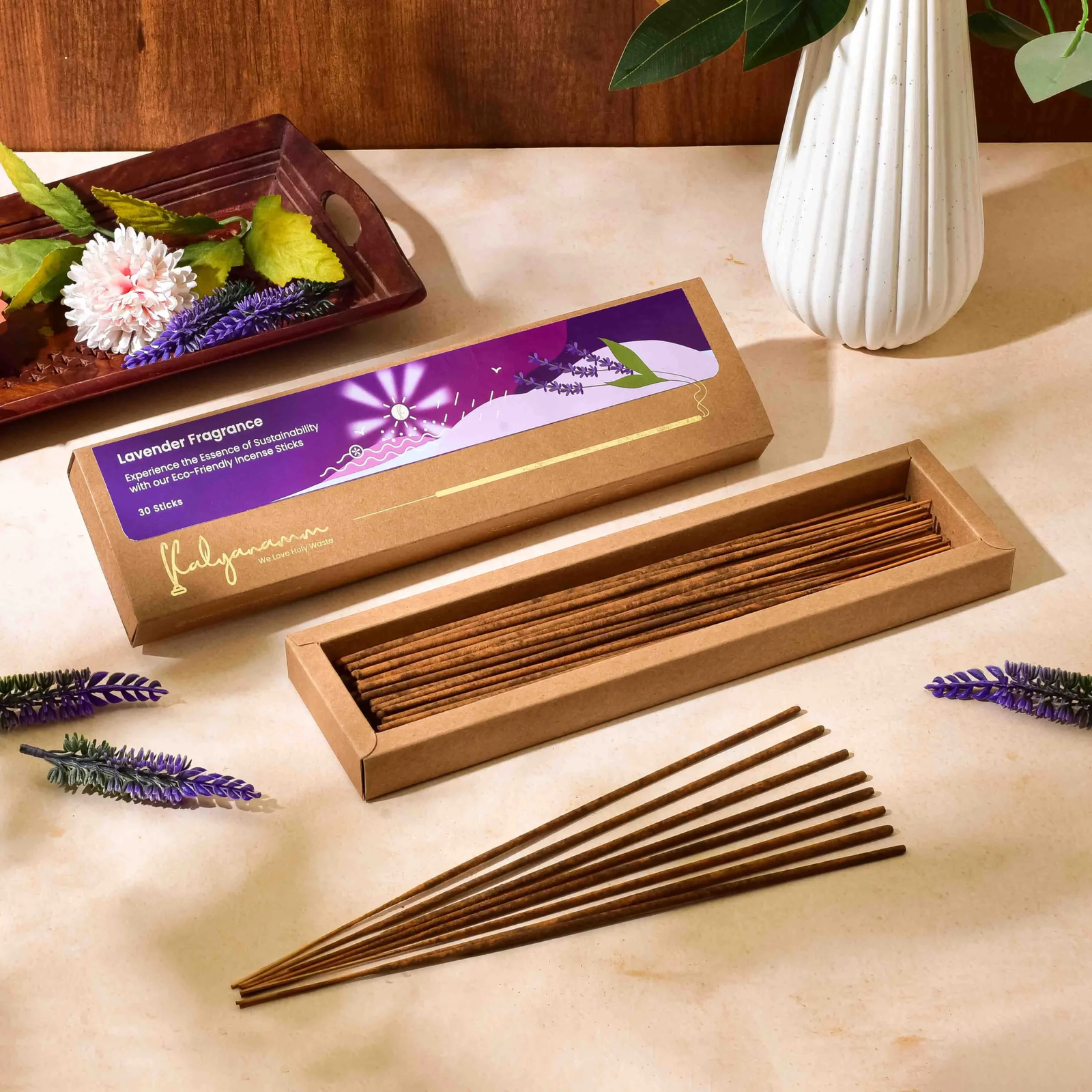
At Kalyanamm, every flower first comes to us as a reverent offering at temples, representing faith and spirituality. After the rituals are over, the flowers are picked up with respect and sent to our processing facility. There, the flowers are sorted with care, washed, and air-dried to retain their essence. The petals are then dried, reduced to a powdered form, mixed with natural adhesives, and hand-rolled onto bamboo sticks to produce sustainable incense. The flower is thus converted from the ritual object used once to a sustainable product, respecting its holiness while being eco-friendly and promoting circular economy methods.
Your work empowers women through employment. How integral is social upliftment to your sustainability mission, and what impact have you seen so far?
Social empowerment is at the core of Kalyanamm’s sustainability model. While recycling is a big part of it, we want to give back dignity and autonomy to women who have long been denied them. That stand-out moment was when a woman eagerly announced she had purchased school supplies for her kids—her first solo purchase. It was that moment that defined our mission. We’re not only providing jobs; we’re raising leaders and change-makers. Real empowerment is to allow women to decide, earn with dignity, and dream freely. When women succeed, they empower whole communities. For us, sustainability is not complete without social change, and that starts with empowering every woman we serve.
How are consumers responding to your products, especially those that blend traditional spirituality with modern sustainability values?
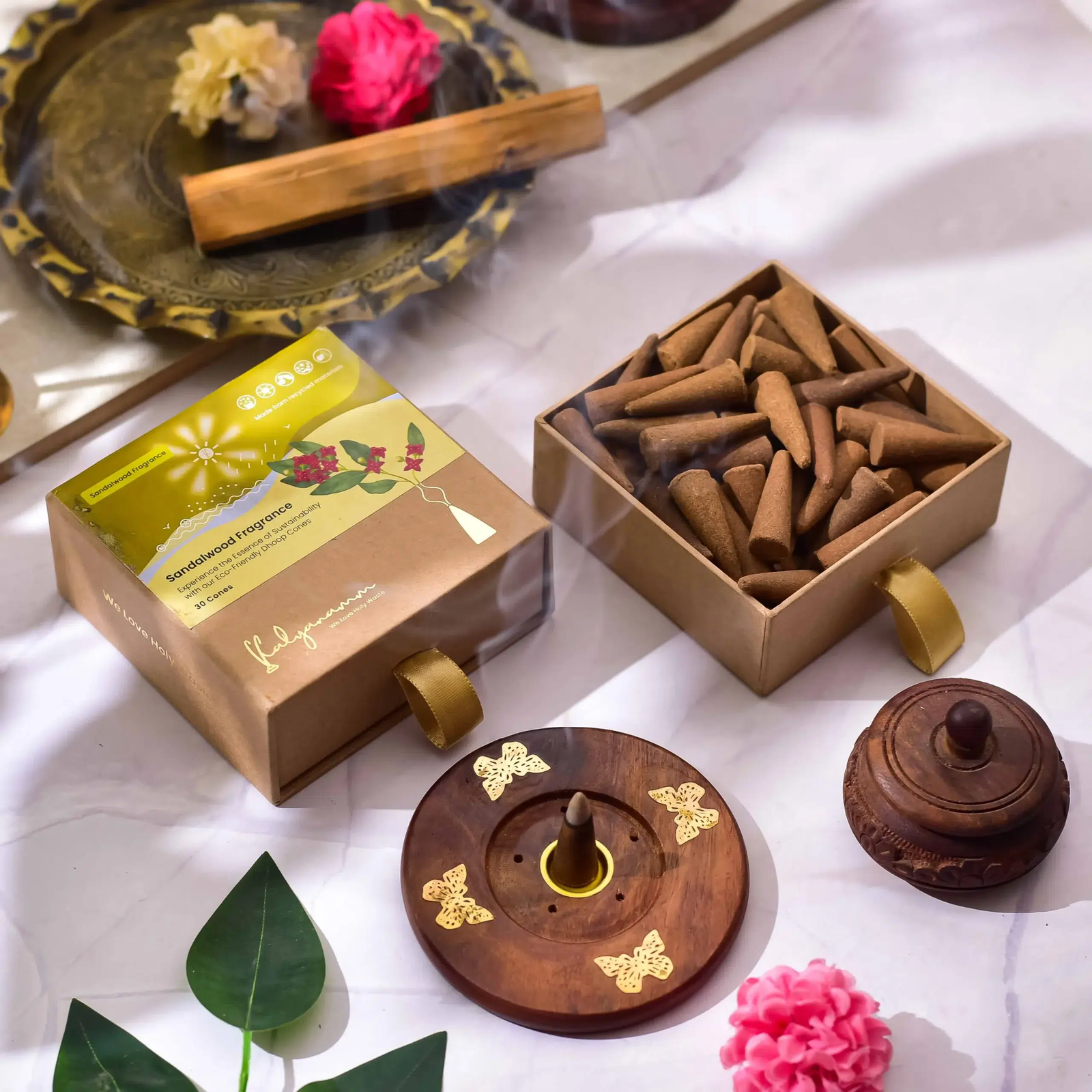
The consumer reaction has been encouraging. Consumers are now more and more drawn to products that resonate with their religious sentiments as well as eco-friendliness. Our products, like temple flower agarbattis and holy ash dhoop cones, resonate with them, allowing them to contribute to ancient customs while upholding an environment-friendly cause. Consumers enjoy the level of thought that goes into each product and the narrative of respectful upcycling. This combination of tradition and modernity has served to establish deep emotional bonds with our consumers, reminding us that conscientious dedication and sustainability are compatible in today’s changing spiritual landscape.
What’s your long-term vision for Kalyanamm in terms of scale, innovation, and influencing India’s waste management mindset around ritualistic offerings?
As the founder of Kalyanamm, my vision is to transform India’s way of handling ritualistic waste by blending cultural respect with eco-friendliness. I envision Kalyanamm scaling up in key temple towns, providing livelihoods to rural women while reverently converting holy offerings into green products such as flower-based agarbattis and ash dhoop cones. We aim to be at the forefront of innovation in this area and infuse circular economy thinking into ancient practices. More than a business, Kalyanamm is a movement—enthusiasm that sparks conscious devotion and systemic reform in how ritual waste is understood and handled with dignity, purpose, and profound respect for nature.