Every year 5th June is celebrated as World Environment Day and this year in particular the theme is to shift focus on solutions to plastic pollution under the campaign #BeatPlasticPollution. TheGlitz picks some top brands that are ensuring that the environment is plastic-free.

Anita Dongre:
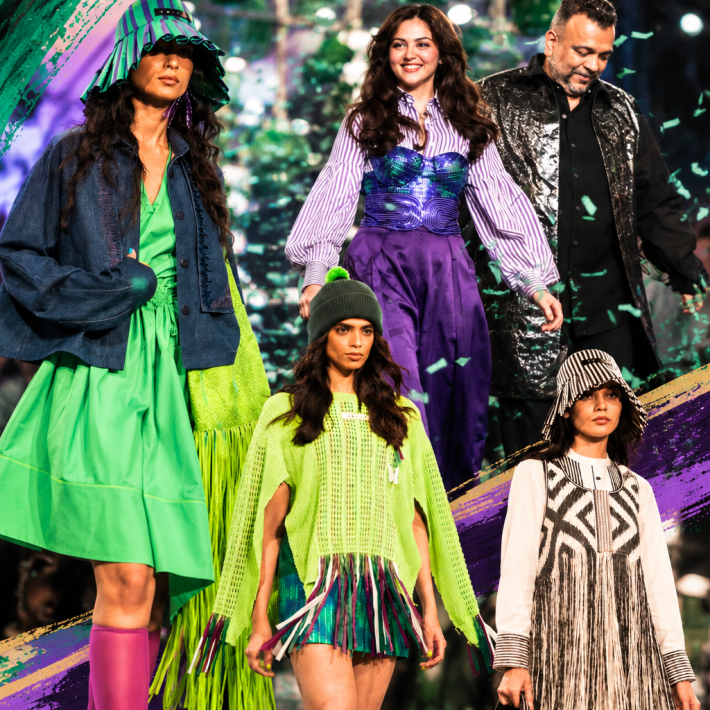
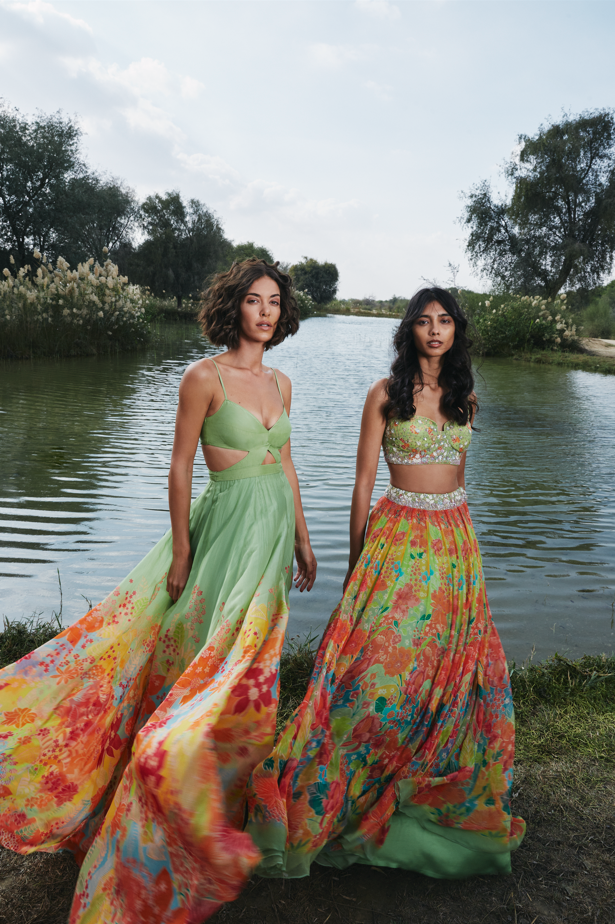
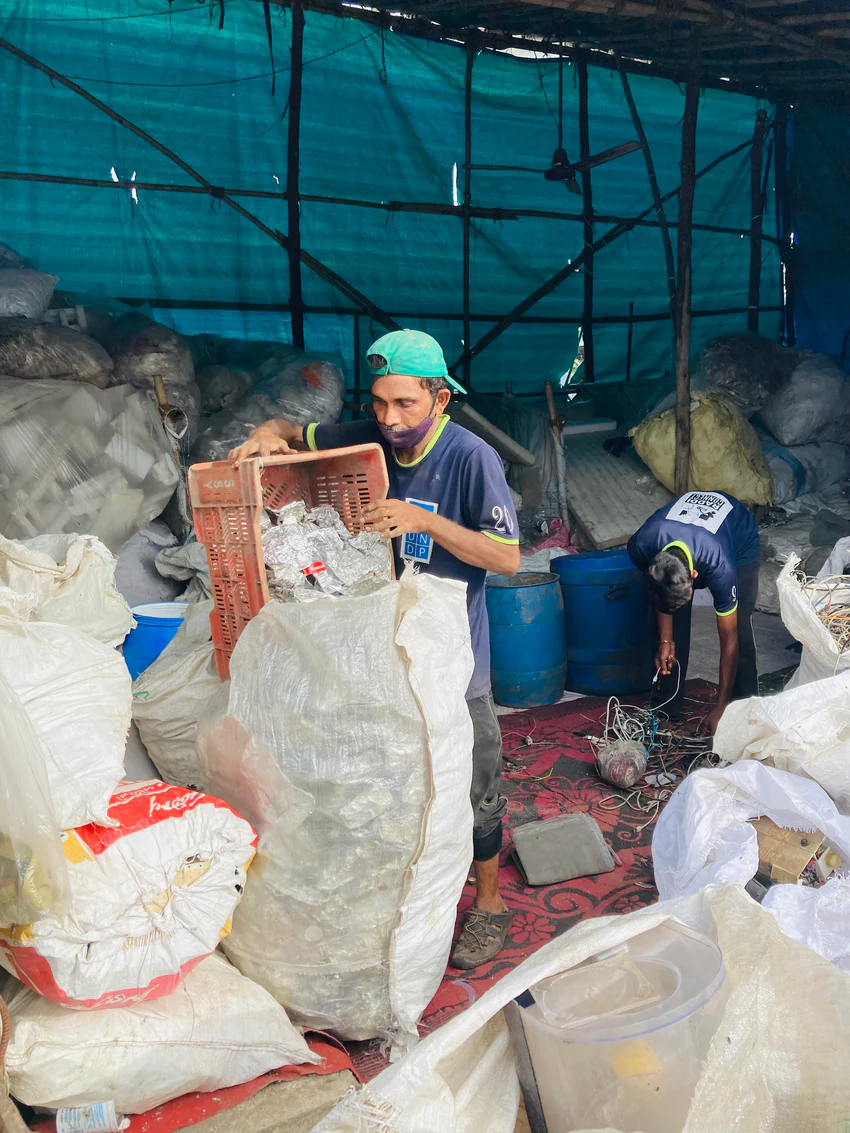
Anita Dongre has partnered with Lucro Plastecycle Private Limited to become one of the first fashion houses in India to have a comprehensive plastic waste management system in place. Lucro specializes in recycling locally-sourced plastic waste to manufacture flexible packaging products. The House of Anita Dongre has made a meaningful and quantifiable impact in its use and consumption of plastic through Lucro’s innovative interventions in traditional supply-chain processes.
Summer Somewhere:
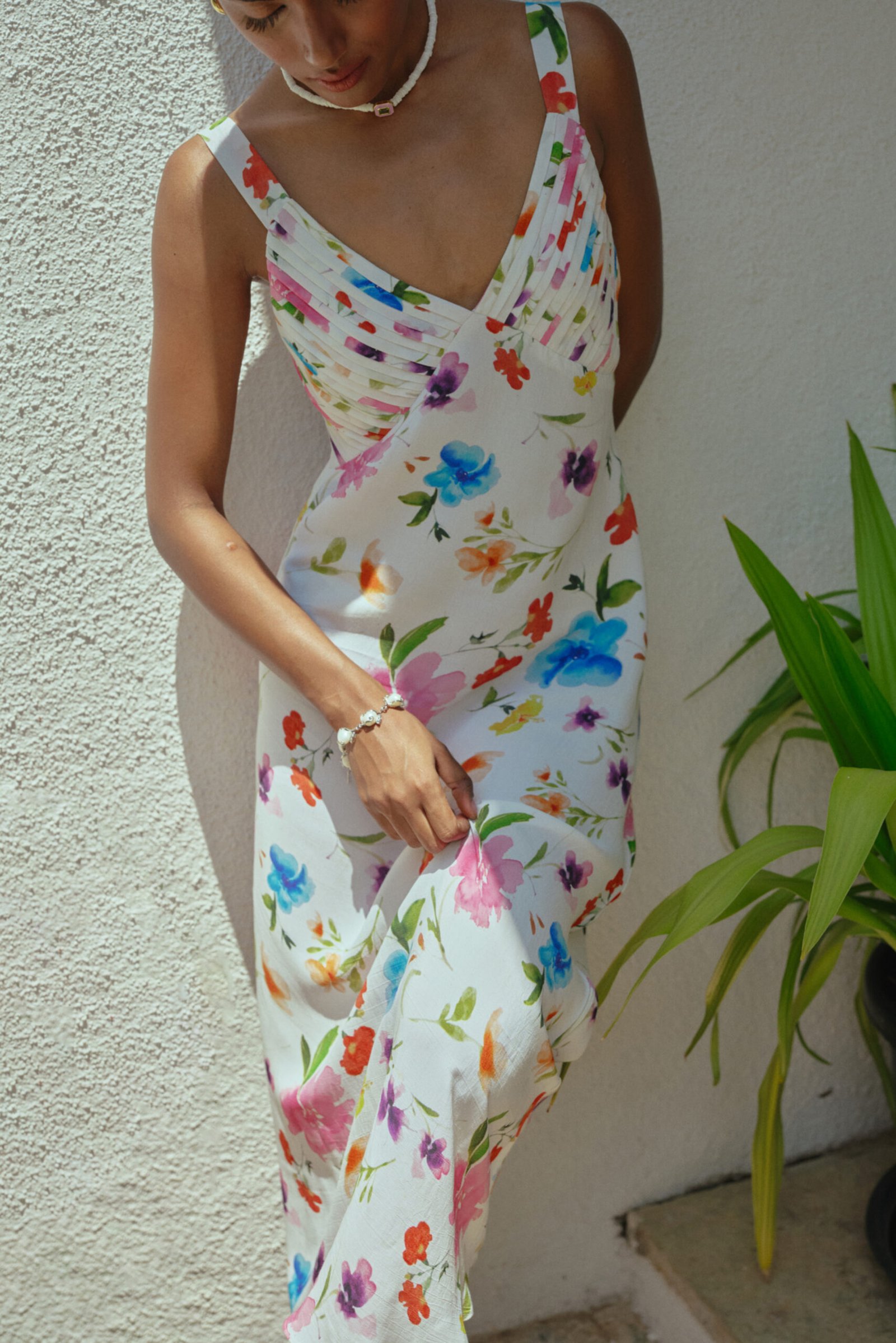
Summer Somewhere is extremely passionate about sustainable growth. They’ve been plastic-neutral from the very get-go. They’ve also partnered up with ReCircle and pledged together to recover 2,500 kilos of low-grade single-use plastic from landfills and oceans this year alone. For every order placed, they recover another kilogram of plastic, 1kg being equal to 40 1L water bottles. They’ve already recovered 3130 kgs of plastic. They’re also big believers in slow fashion and all their pieces are made from 100% natural fibers that have a low impact on the planet – utilizing blends of Linen, GOTS Certified Organic Cotton, Viscose, and Tencel Lyocell. They only use Azo-free dyes (low-impact dyes) that do not contain carcinogenic compounds and digital printing technology with GOTS-certified inks. This process consumes 70% less water, uses less ink, reduces the impact on air pollution by 60%, and also has less risk of chemical run-off to the environment.
Melissa: (Footwear)
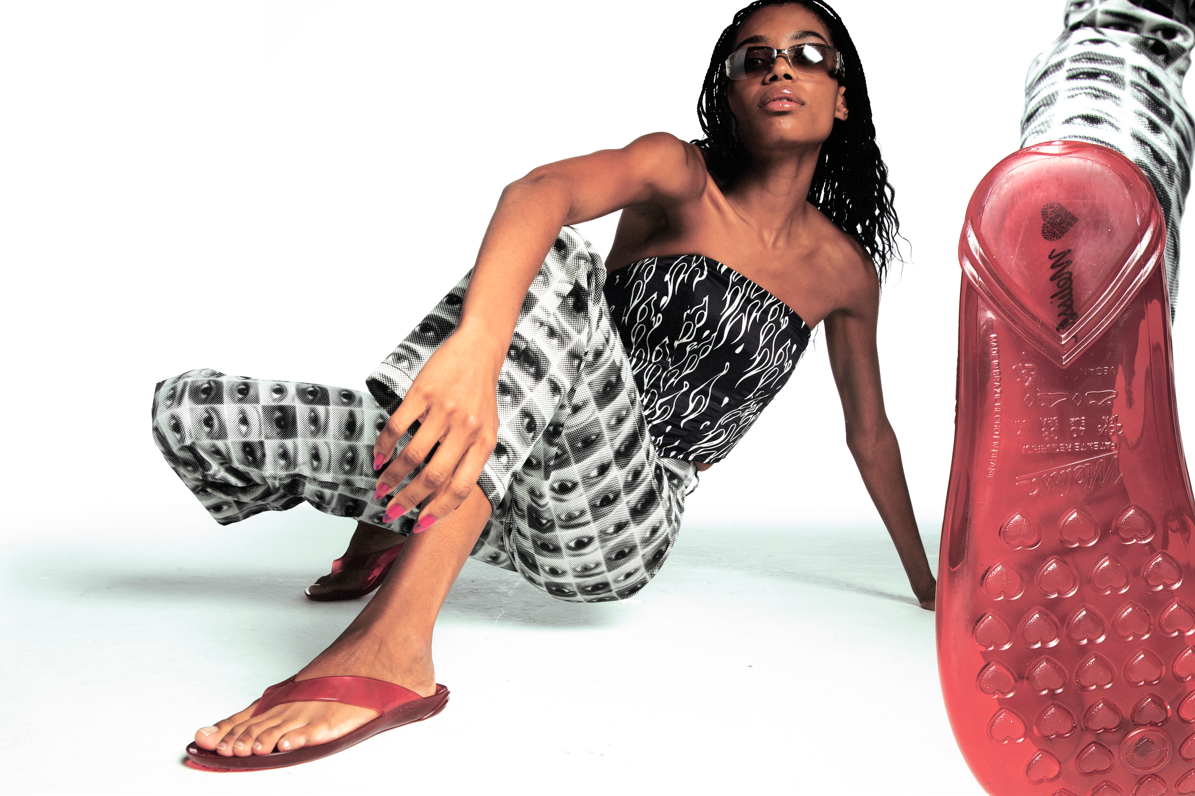
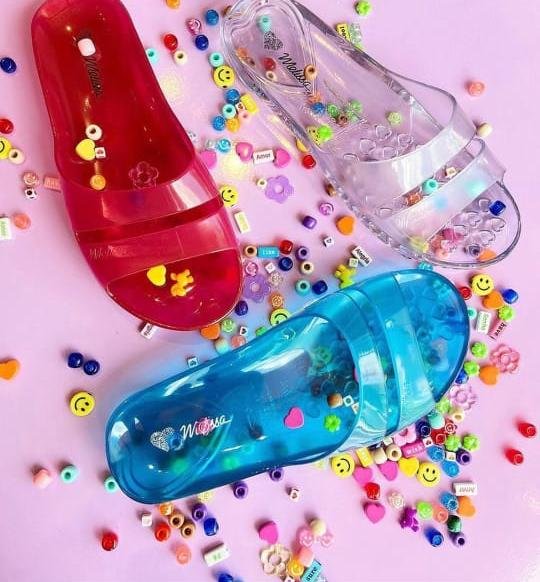
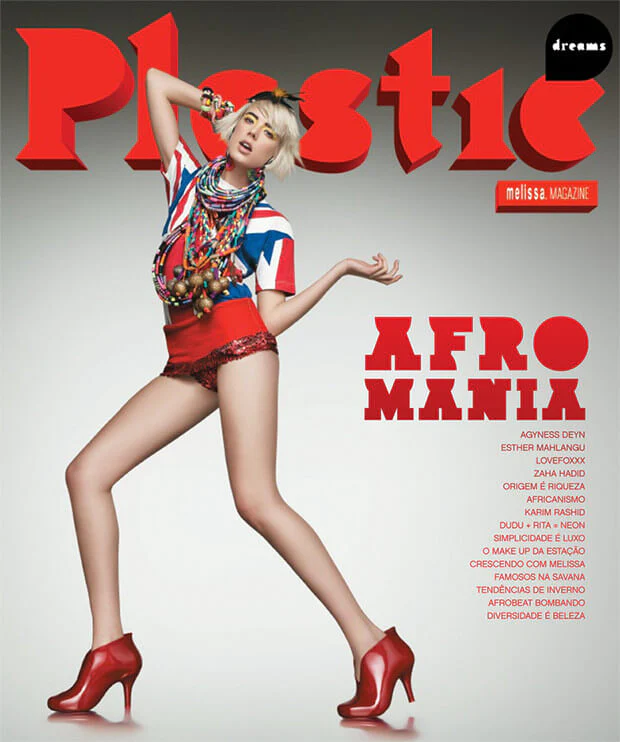
Vegan footwear brand Melissa has gained worldwide recognition for its usage of sustainably- produced, recyclable plastic and collaborations with innovators from the realms of fashion, art and architecture. Made from a proprietary material called Melflex that is 100% recyclable, Melissa shoes are hypoallergenic, odourless, and have increased elasticity. The brands support the global fight against the uncontrolled use of single-use plastics such as plastic straws, bags and bottles. The world is not able to recycle all this material which ends up becoming pollution. However, this is not the case with Melissa. Melissa’s plastic is for continuous use, these shoes are all seasonal making them water friendly and long-lasting.

Myaraa
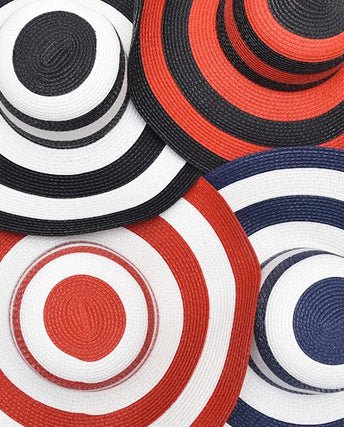
Myaraa by Namrata Lodha (Hats)
A 100% vegan brand, also believes that sustainability is the way to go when it comes to raw materials and production methods. Growing up in Harda, Madhya Pradesh the founder, Namrata Lodha, saw that after harvest, local artisans would use the remaining wheatgrass to make baskets. Inspired by this, she started using the same materials that are good for the planet to make her hats. This production empowers rural women whose families abandoned them for marrying outside their community or being a widow. The company makes work accessible in rural India for these women making sure that when you buy a sunny hat it comes bundled with the social and financial empowerment of a woman.
Vandals (Jewellery)
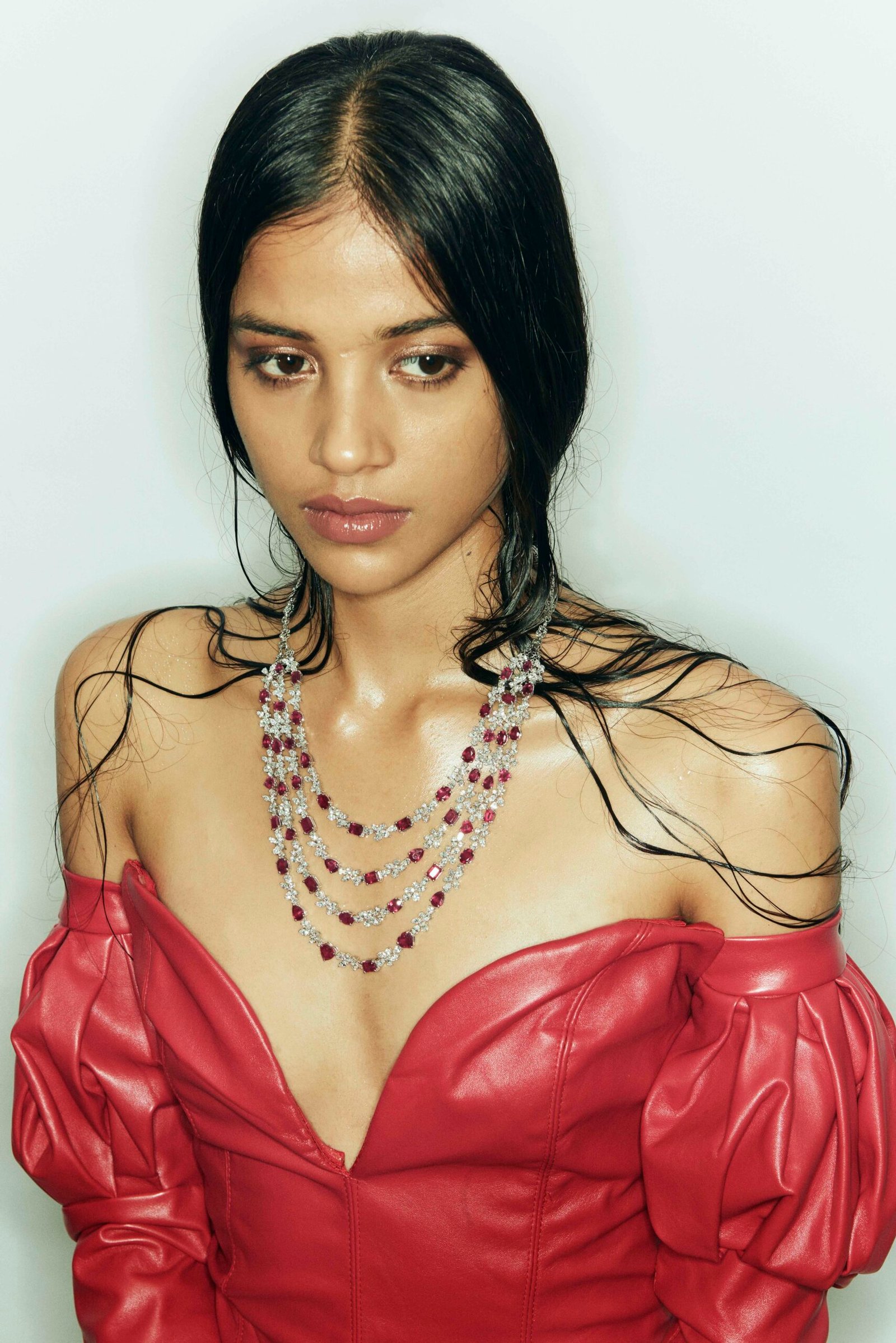
Diamond mining has its own harmful impact on the environment. On the other hand, lab-grown diamonds create next to no waste or emissions being a far better option than their alternative, real diamond, which create a lot of air and water pollution. Growing up in the legacy of jewellers, Vandana has designed these pieces by combining a lineage in jewellery tradition with new-age capabilities of lab-grown diamonds. Vandals is situated in Bandra and is the first-ever retail outlet for lab-grown diamonds in India. Vandals is a new outlook, the perspective of what the future of jewellery design could be.