Peace is no longer a poetic abstraction or a distant diplomatic aspiration. In 2026, peace has become an urgent, living necessity — fragile, contested, and deeply personal. Across continents, people are walking, marching, waiting, resisting, and surviving, all in quiet defiance of a world that seems increasingly addicted to conflict. From spiritual pilgrimages to silent protests, from anonymous compassion to public cruelty, the global pulse is clear: humanity is yearning for peace…not tomorrow, but now.
Peace For Sure
This is not a political commentary. We at TheGlitz strongly advocate peace not as a passive ideal, but as a conscious, courageous choice. In an age of relentless noise, outrage cycles, and performative morality, co-existence must be claimed with intent. As a platform that chronicles culture, conscience, and change, TheGlitz stands firmly for dialogue over division, humanity over hatred, and empathy over ego. …Because true progress, true power, and true luxury cannot exist in a world constantly at war with itself.
The Peace March

In the United States, a quiet but powerful movement has been unfolding — Buddhist monks walking across America, step by step, in meditative silence. Their journey is not fuelled by slogans or spectacle, but by presence. Each footfall is a prayer. Each mile is a reminder that accord begins with awareness, restraint, and compassion. In a nation shaped by speed, outrage, and polarisation, their slow walk is radical — a moving meditation against violence, greed, and disconnection.
Chaotic Unrest
Thousands of miles away in India, solidarity takes many forms — some ancient, some heartbreakingly contemporary. It is visible in the teachings of Bhagwad Geeta, Buddha and Gandhi, yet constantly tested by unrest, inequality, and social fractures. India, a civilisation rooted in coexistence, pluralism, and spiritual dialogue, stands at a critical crossroads in 2026. The need for peace here is not just political — it is cultural, communal, and deeply human. Here in India, it means harmony across faiths, dignity across classes, safety across genders, and compassion across differences. Without it, progress remains cosmetic.
Aloka, Symbol of Solidarity
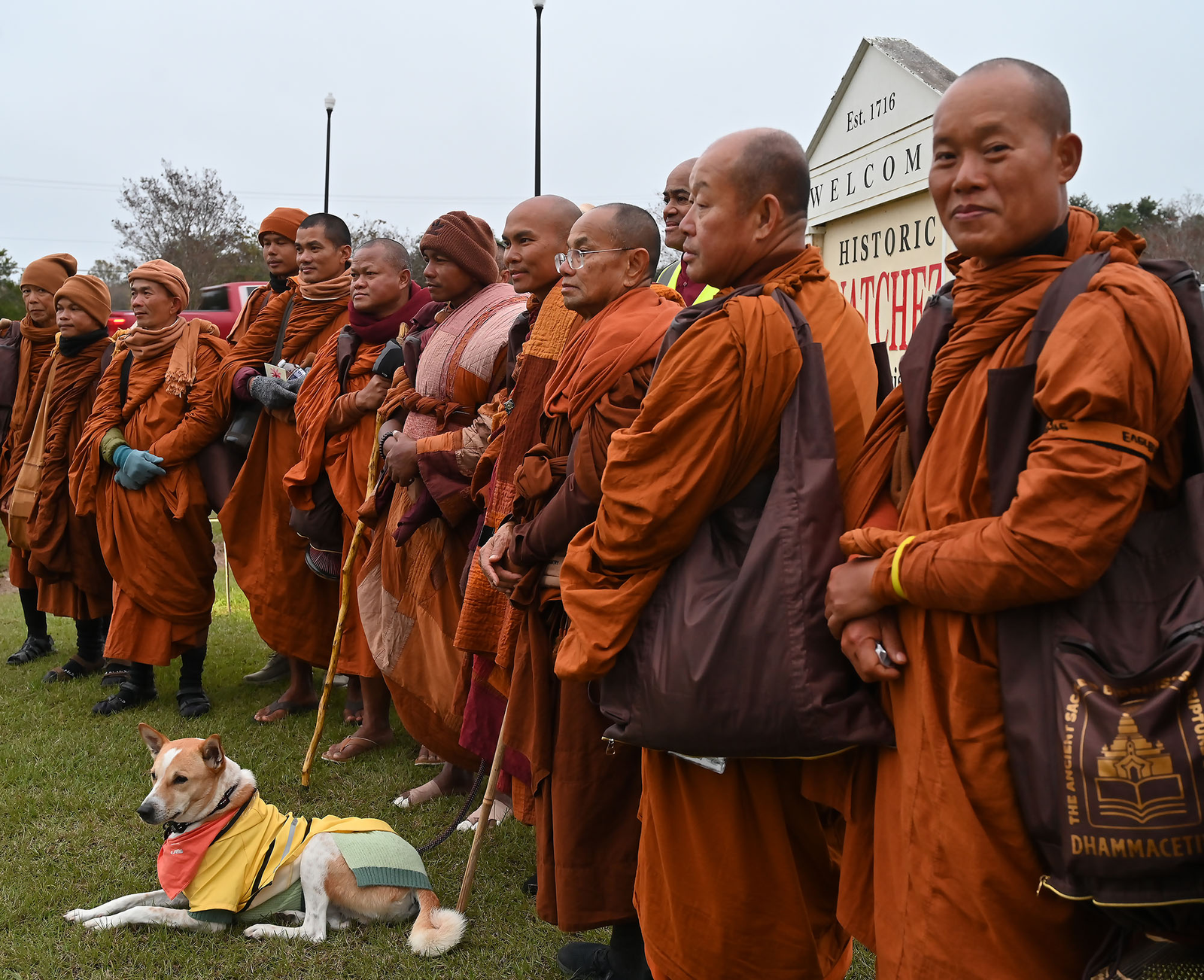
Sometimes, peace speaks through the most unexpected voices. On the bustling streets of USA, Aloka — an indie street dog — has become a symbol of gentle leadership. Calm, unassuming, and instinctively protective, Aloka leads with quiet authority, reminding us that peace is not about dominance, but balance. In a world obsessed with power, Aloka’s story is a metaphor: leadership grounded in calm, not chaos.
Protests & Execution
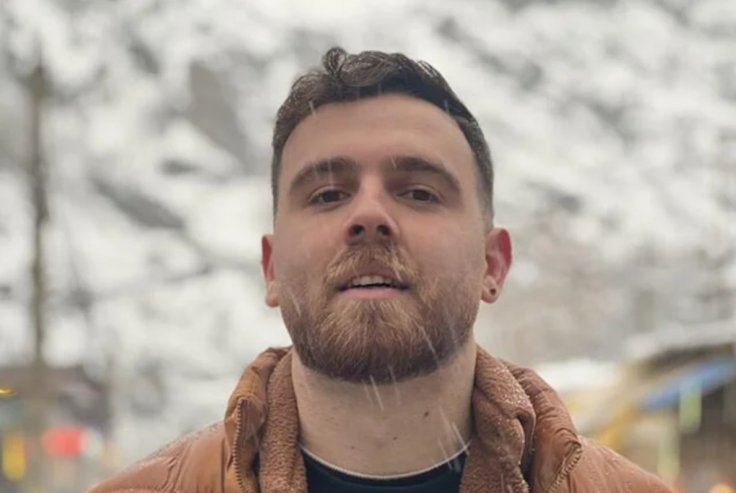
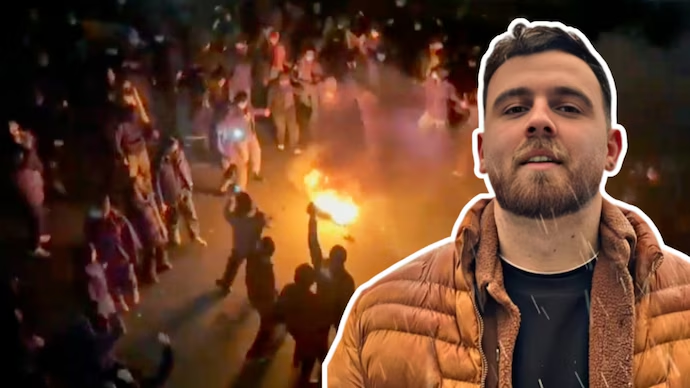
Yet, even as some walk toward solidarity, others are being violently pulled away from it. In Iran, 26-year-old protester Erfan Soltani faces execution by public hanging — a punishment meant not just to end a life, but to terrorise a generation. His execution, reportedly scheduled and now stalled, hangs like a cruel pause over global conscience. Erfan’s story is not isolated; it echoes across nations where dissent is criminalised and peace is seen as rebellion. His suspended fate is a chilling reminder that accord often comes at a terrifying personal cost.
Across so many conflict zones both visible and forgotten, civilians continue to bear the brunt of power struggles they did not choose. Children grow up knowing the sound of drones before lullabies. Mothers learn the language of survival instead of dreams. In these places, co-existence is not philosophical — it is the difference between life and loss.
TheGlitz says
Peace, however, is not merely the absence of war. It is the presence of justice, dignity, safety, and hope. It lives in conversations that refuse hate, in systems that protect the vulnerable, in choices that value humanity over headlines. It is built quietly, daily, often invisibly.
As 2026 unfolds, the world stands at a moral threshold. We can continue to normalise cruelty, conflict, and silence — or we can choose peace as an active, collective responsibility. Peace demands courage. Peace demands listening. Peace demands that we see one another fully — beyond borders, beliefs, and binaries.
…Because in the end, peace is not weakness. It is the strongest statement humanity can make.