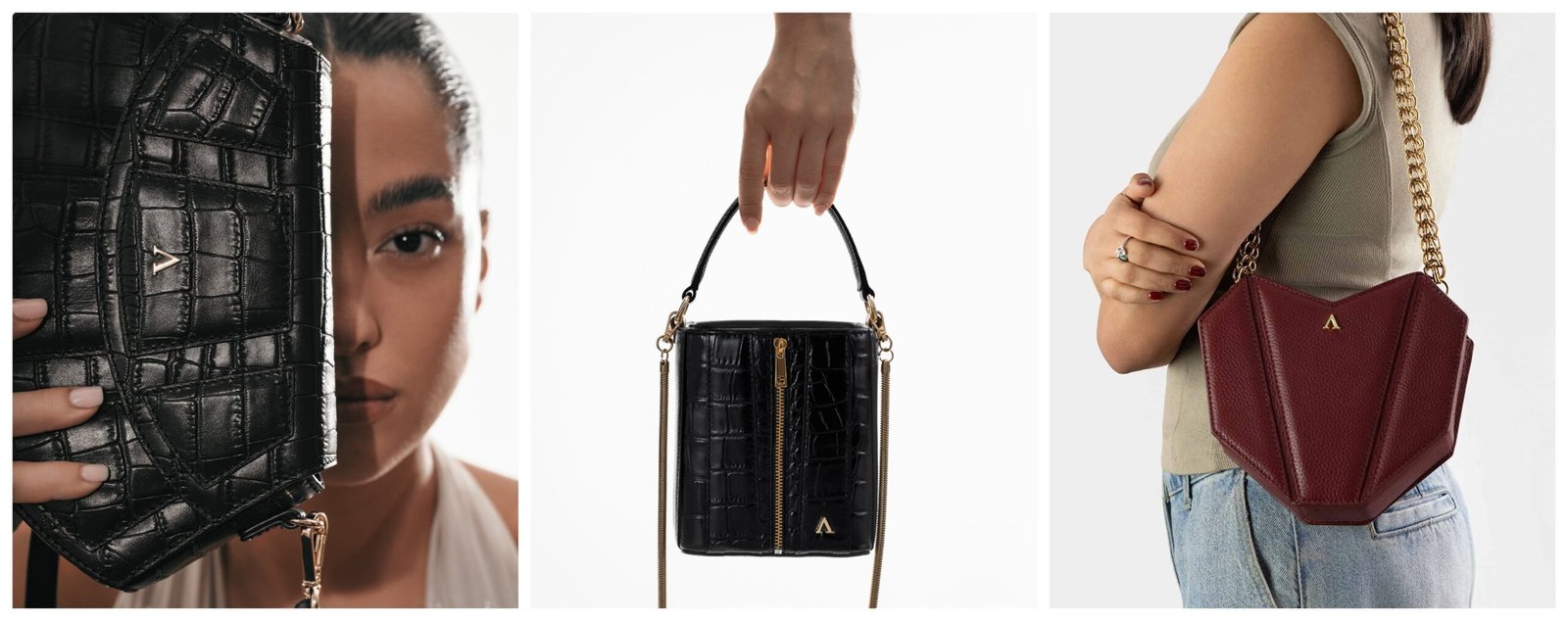
AKINNA luxury leather bags emerge from a simple conviction: India can create world-class luxury, not just manufacture it for others. Founded by Annika Saraf and Sanchit Goyal, the Delhi-based brand rejects loud logos and trend cycles in favour of restraint, craftsmanship, and timeless design.
Annika left the London School of Economics to study accessories in Milan. Sanchit walked away from European boardrooms to build something that positions Indian luxury on a global stage. Together, they represent a generation of young entrepreneurs reshaping the economy with clarity and purpose.
At Akinna, luxury whispers. Rajeev Mokashi is in direct talks with both Annika Saraf and Sanchit Goyal.
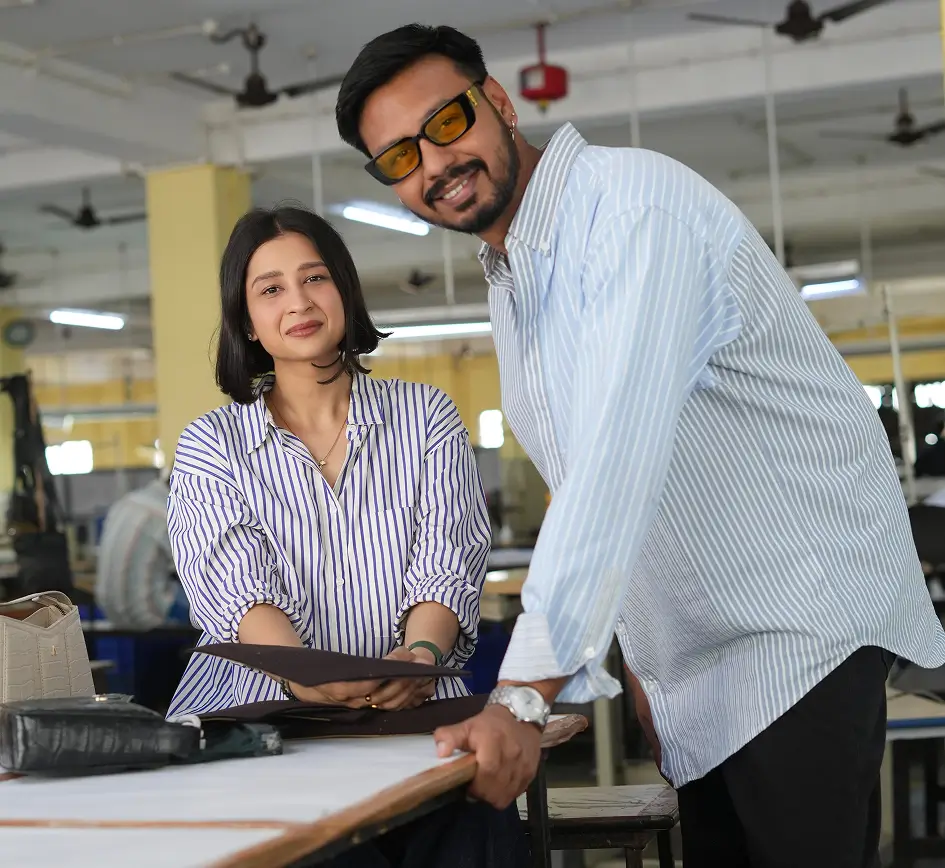
Annika Saraf and Sanchit Goyal:
Indian luxury is having a moment, or at least everyone says it is. What makes AKINNA different from the other brands emerging right now?
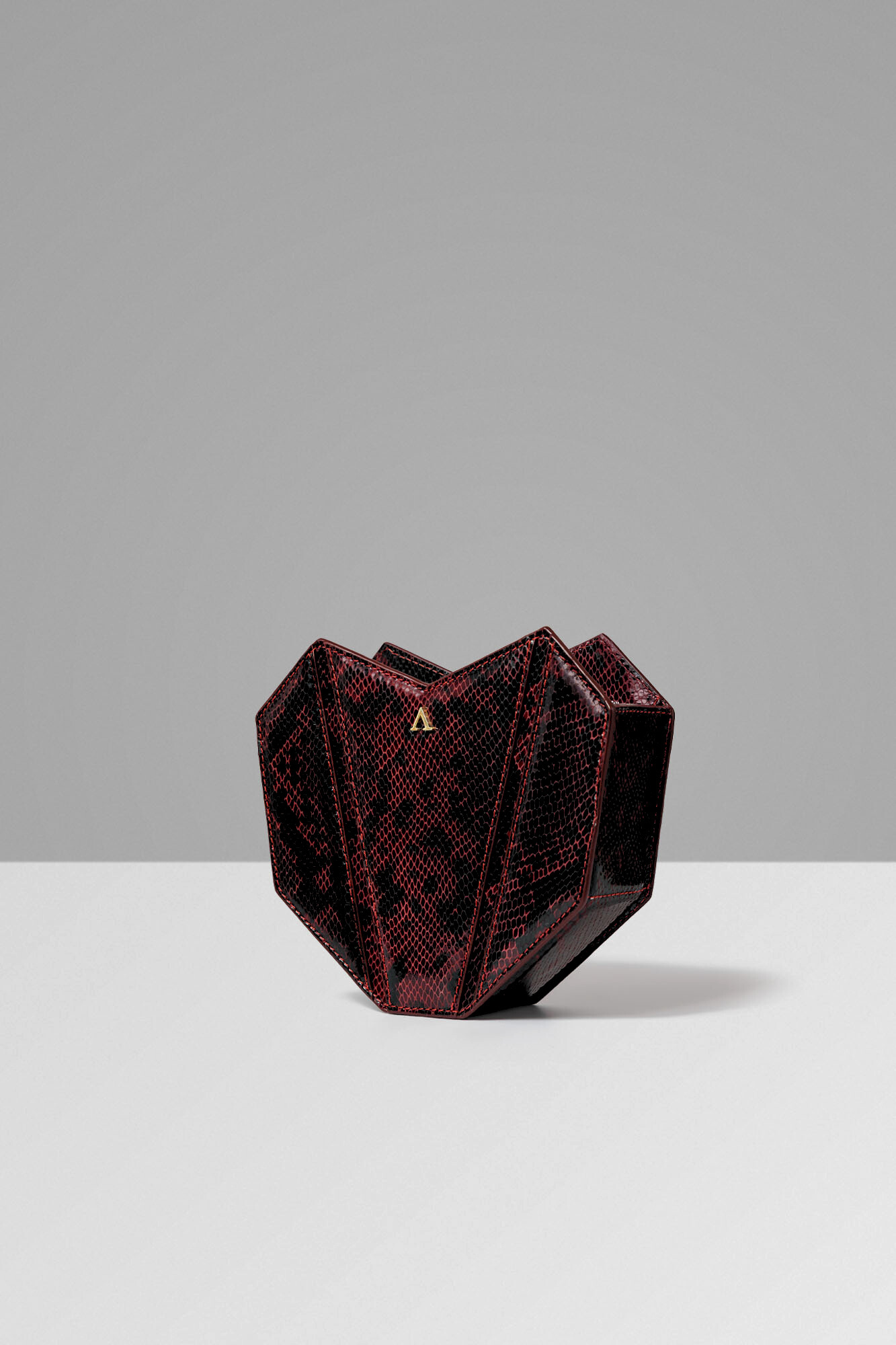
At AKINNA, we design pieces that are intentional and original. Each bag comes from a clear idea, not a trend cycle or a reference board. We’re not creating versions of what already exists, and we’re not trying to be everywhere.
We focus on a small number of standout designs. Each piece is meant to hold its own value, with a distinct story and purpose behind it. That’s a conscious choice.
Indian design is often boxed into being overly ethnic or purely artisanal. We’re here to change that narrative. Our approach is modern, minimal, and globally relevant, while still being crafted in India.
For us, luxury is about restraint. No loud logos, no excess. Just a strong design that speaks quietly, but with confidence.
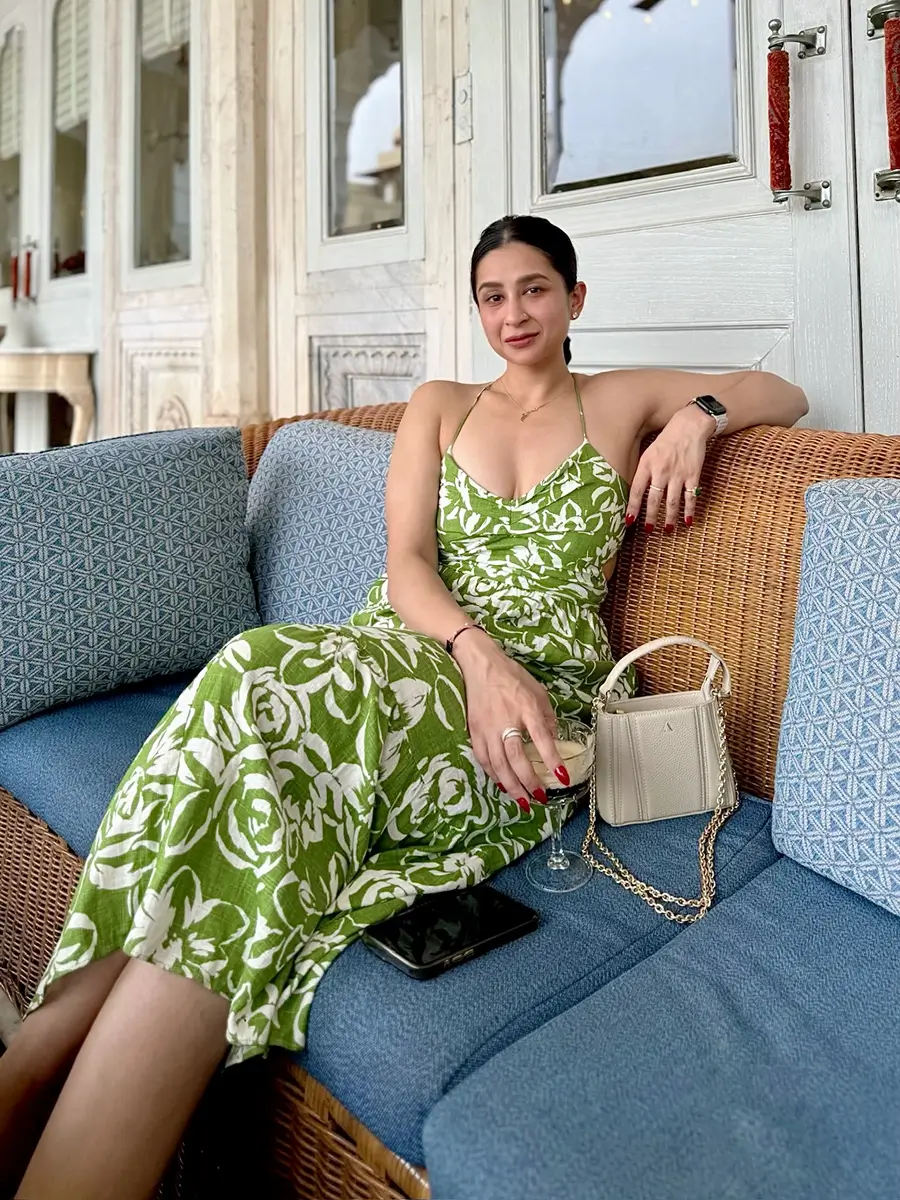
Annika Saraf:
From LSE to Milan, the focus shifted from economics to accessories. Was it a crisis or an epiphany? The Glitz readers must know.
It was definitely a calling, and one I couldn’t ignore.
My path looked neatly planned. I studied Economics (Hons.) at Delhi University, where I was academically strong and endlessly curious. After graduation, I moved to the London School of Economics to pursue my Master’s. On paper, everything made sense.
I was doing well, yet something felt misaligned. I realised that while I could succeed in economics, it wasn’t the life I wanted to build. Acknowledging that truth changed everything. With my family’s support, I made the difficult yet liberating decision to step away and choose design.
Milan followed, and with it, clarity. At Istituto Marangoni, studying luxury and accessories felt like coming home to myself. That choice, to follow what felt right, shaped everything that came next: my journey in luxury fashion, and ultimately, AKINNA.
You come from a family of high achievers in traditional fields. Did that make your choice harder, or did their success give you the confidence to pursue something different?
It actually gave me confidence.
I come from a family that values education, discipline, and commitment. My father is a Chartered Accountant, my mother holds a Master’s in English Literature, my sister is a lawyer, and my brother is a business graduate. Growing up in that environment taught me the importance of excellence and integrity, regardless of the field.
When I chose design, it was a departure from the traditional path, but never a lonely one. Their belief in me made all the difference. They trusted my intent, even when the direction was unfamiliar. That support gave me the courage to pursue something different, and to do it with conviction.
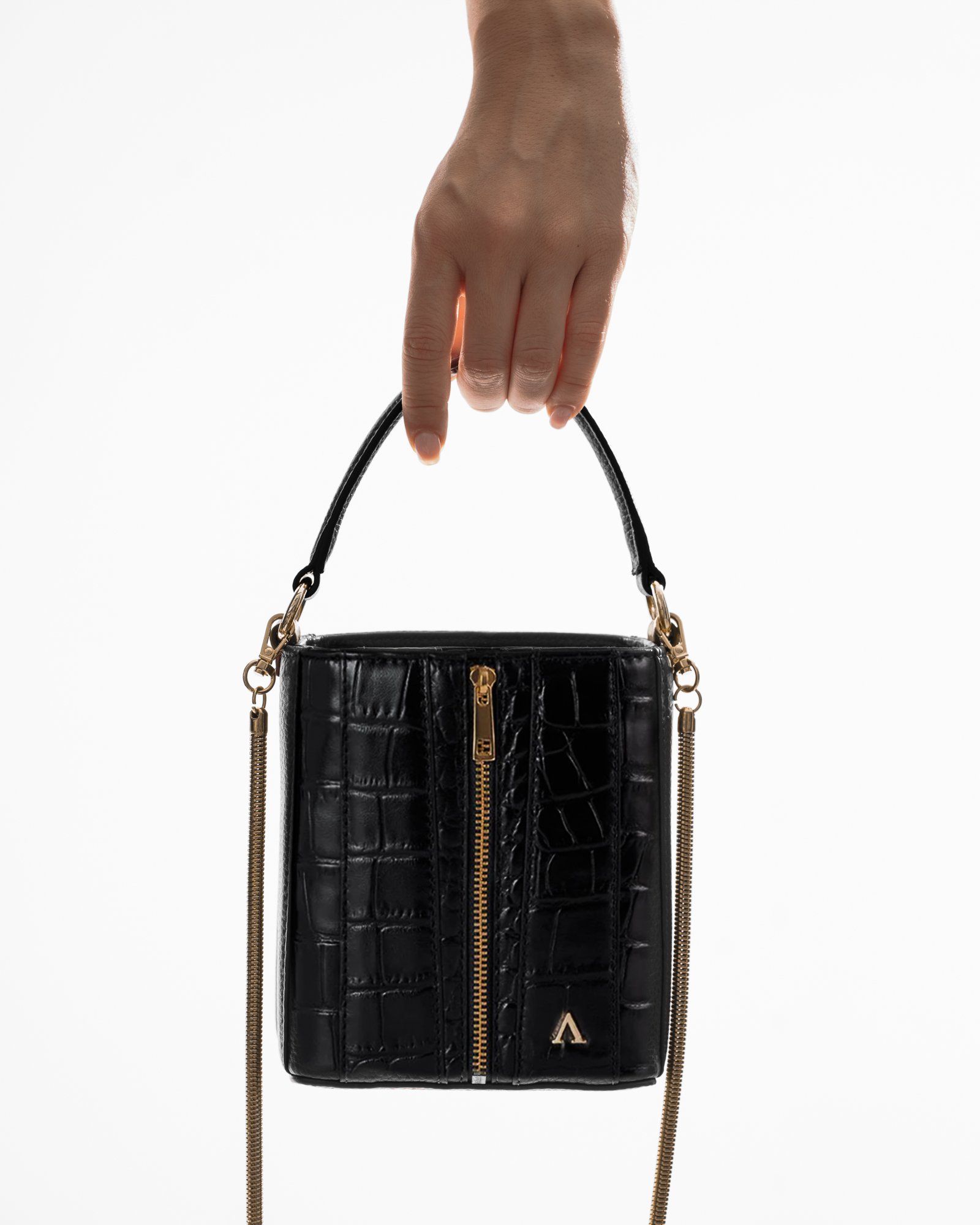
AKINNA. It sounds like a word whispered in confidence. Where does it come from?
That’s a beautiful way to describe it. AKINNA is actually the reverse of my name, Annika.
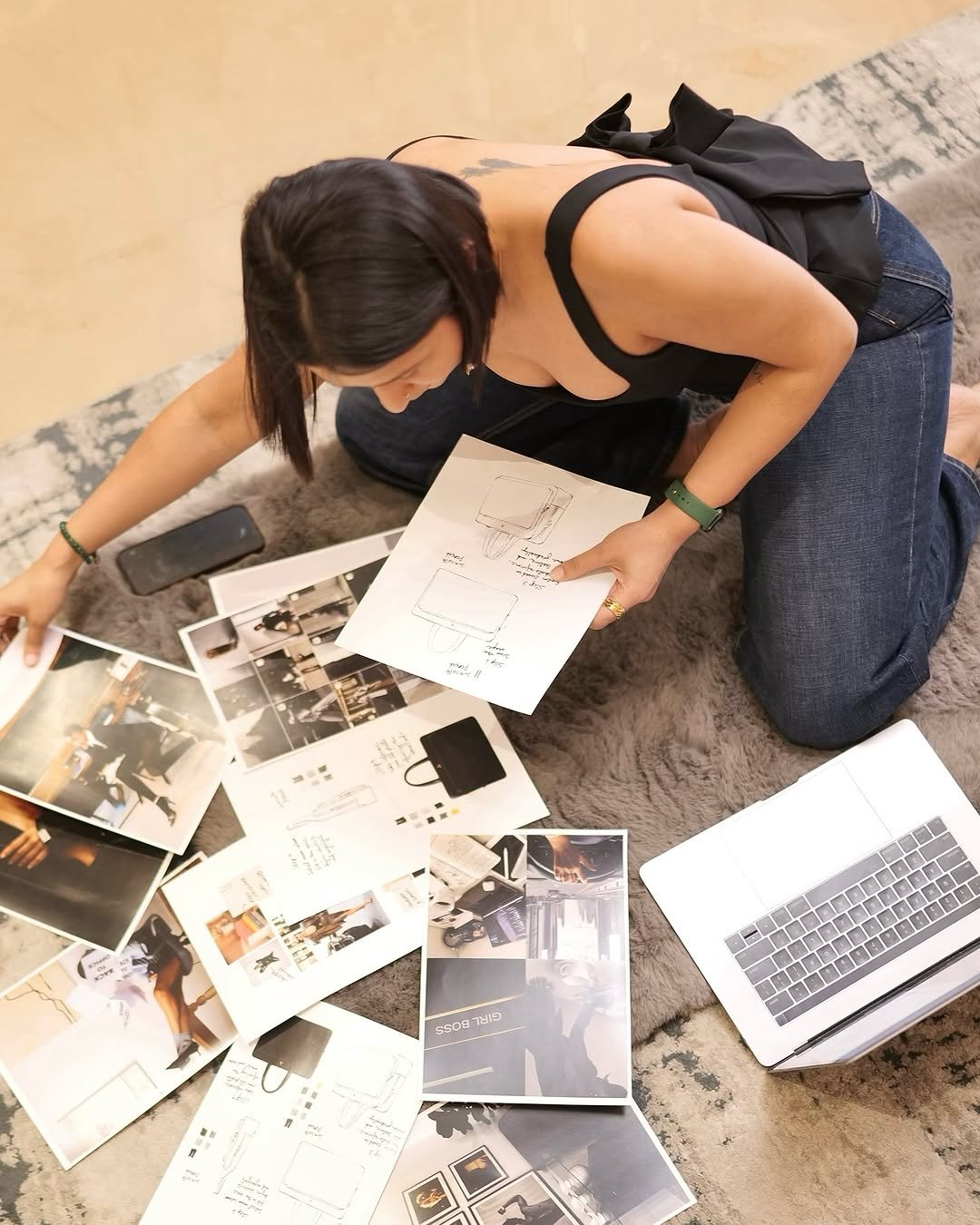
The idea was never to build a brand around me, but to design from instinct, to let my point of view quietly shape the identity of the brand. Every piece begins with how I see, feel, and experience design, and then moves outward as a signature in motion.
AKINNA is the result of years spent chasing one honest spark, a vision of modern luxury that feels personal, timeless, and deeply meaningful.
When you’re designing, what are you thinking about? Are you imagining a specific woman, or is it more about the object itself?
I’m always thinking about the woman first.
Design, for me, is never about the object in isolation. I imagine how a woman moves through her day, where she is going, what she is carrying, how she wants to feel when she walks into a room. The bag is meant to move with her, not compete with her.
Of course, form, proportion, and craftsmanship matter deeply. But they only work when they serve the woman carrying the piece. AKINNA bag is not designed to be looked at, it is designed to be lived with.
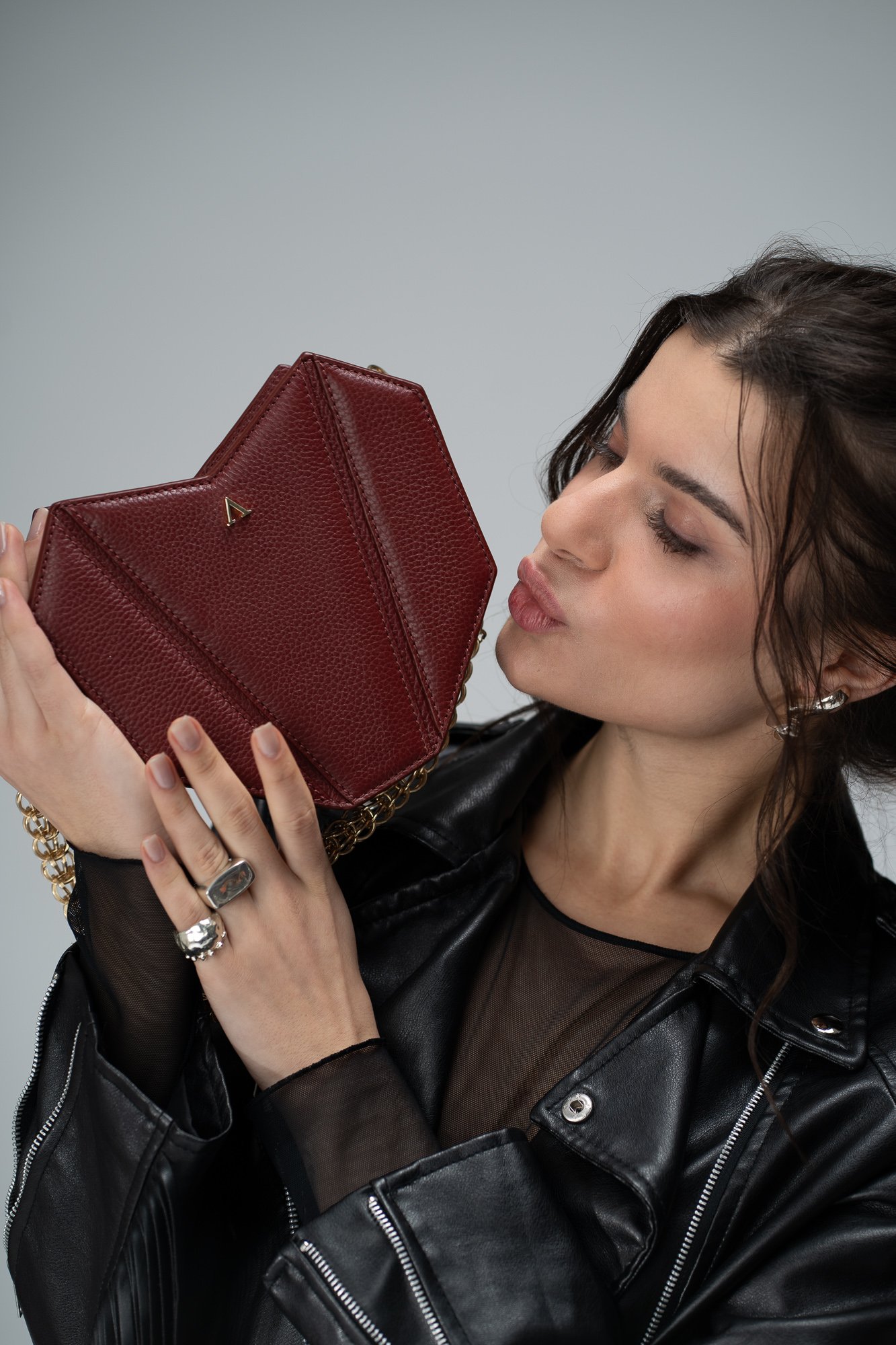
Tell me about texture. You said you’ve always been obsessed. What texture makes your heart race?
Texture is one of the most important parts of how I design. It’s often the first conversation a customer has with a piece.
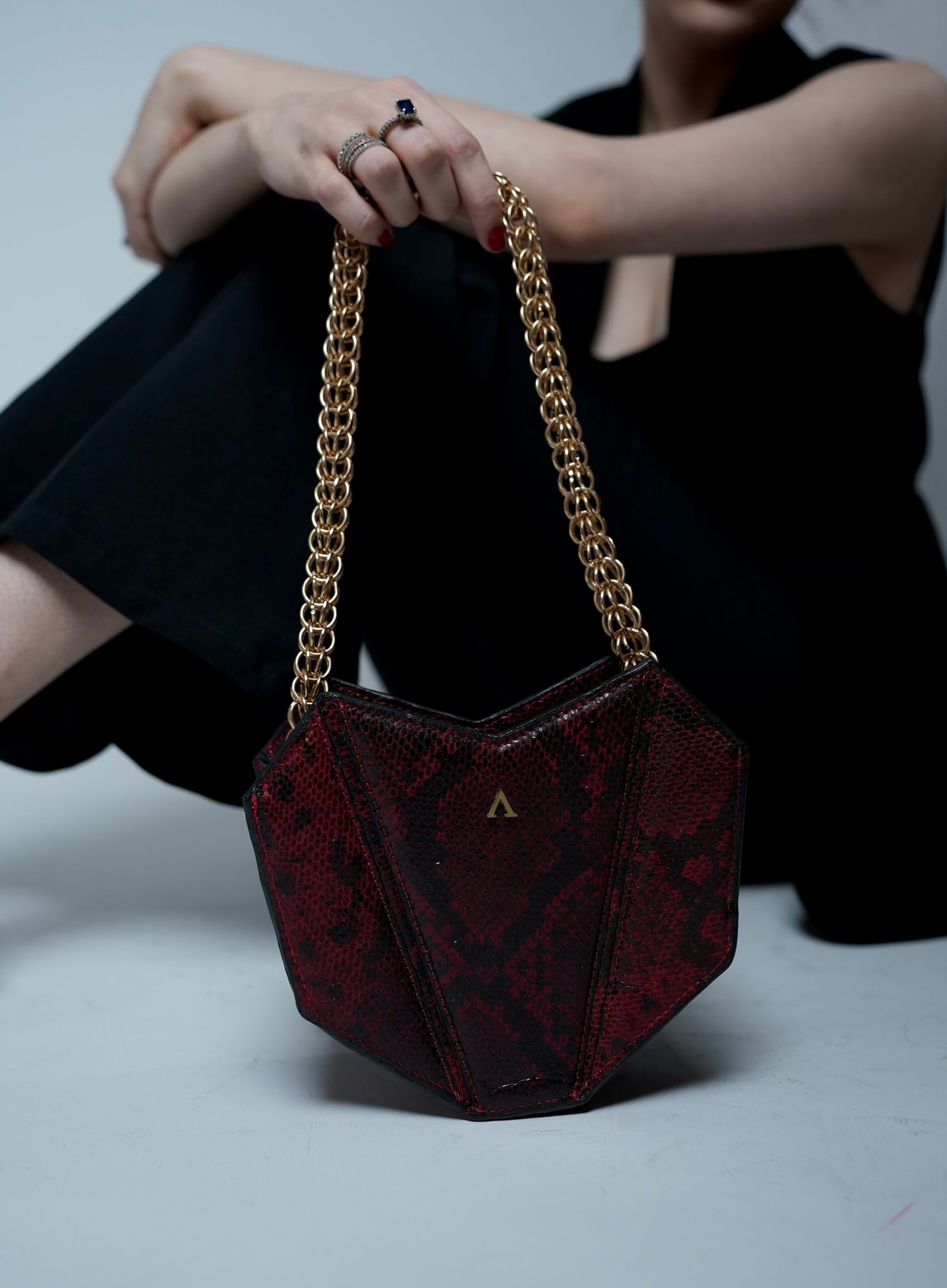
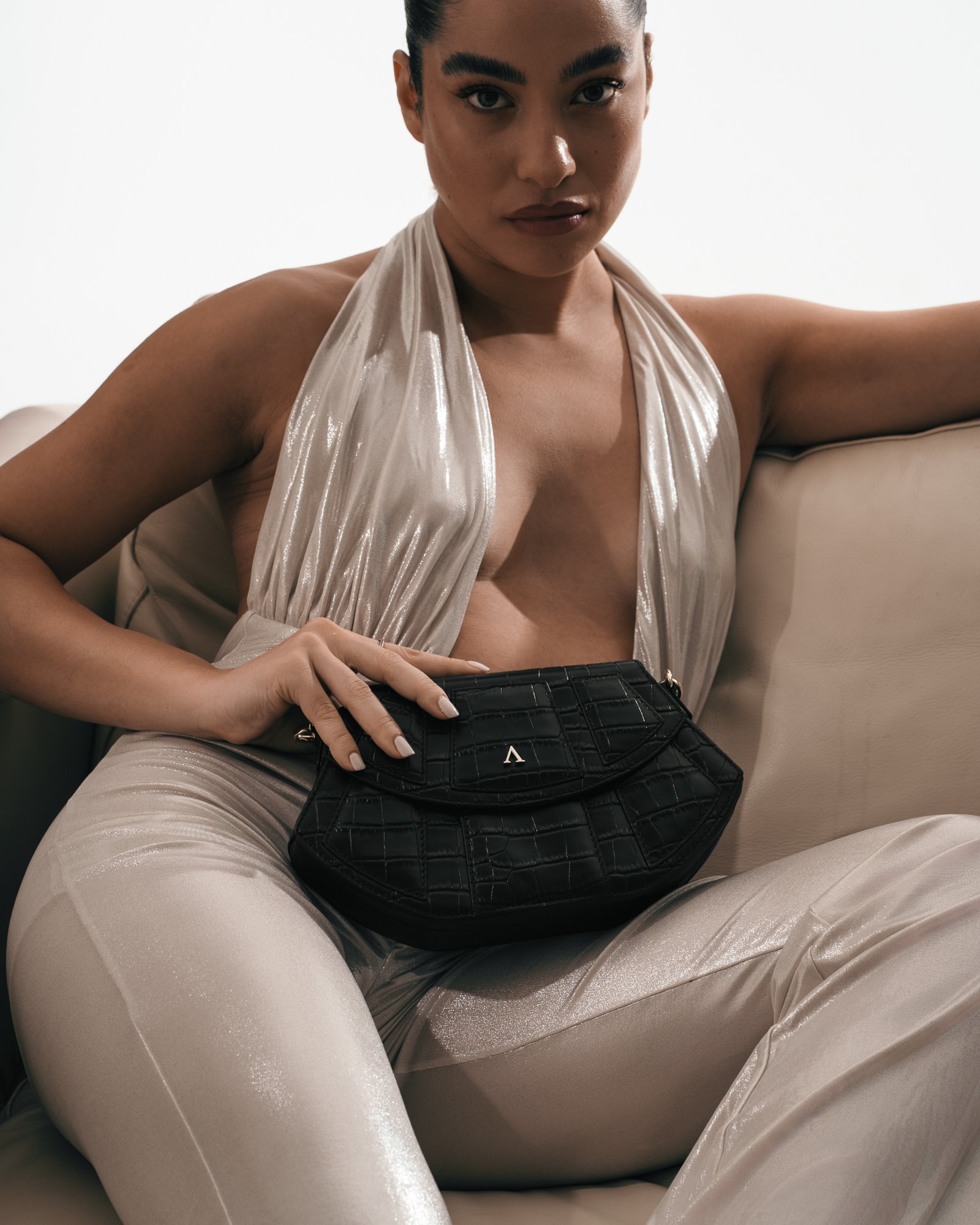
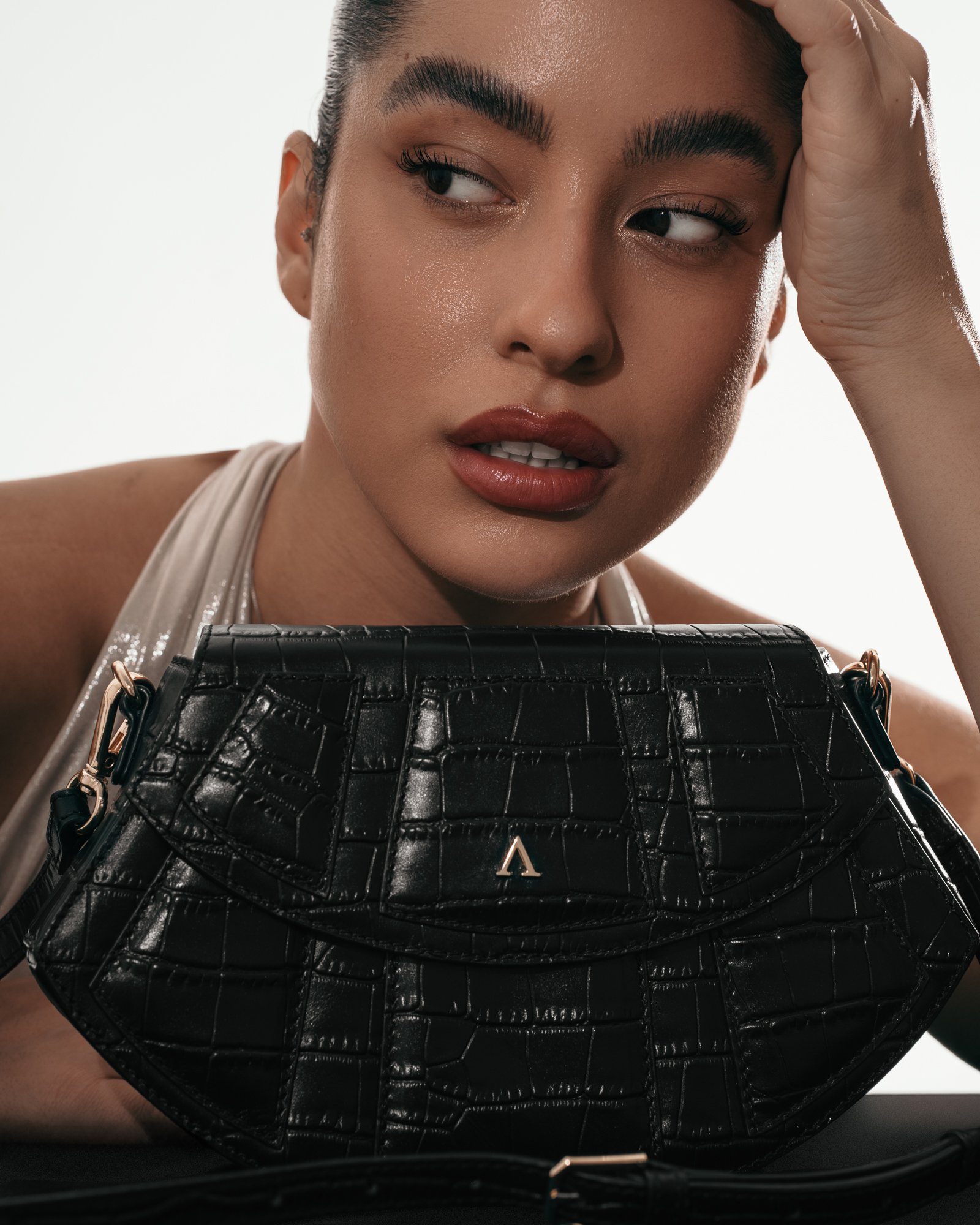
When someone holds an AKINNA bag, I want them to feel the quality. That’s why I’m drawn to pebbled, full-grain leathers, they have depth, softness, and just enough resistance to hold their form while still feeling alive.
They don’t try to be perfect. And that honesty is exactly what makes them beautiful.
Sanchit Goyal:
Studying fashion and luxury management after engineering – how did you even know that world existed? What sparked that interest?
Honestly, it wasn’t a straight line at all. I started out as an engineer, but early in my career I realised I was more curious about why people buy than just how things are built.
While working in consumer goods and later in mobile technology, I became fascinated by the entire value chain, from idea to product to the moment it reaches the customer. Luxury stood out because it’s where product, storytelling, emotion, and business intersect.
That curiosity led me to explore fashion and luxury management. Once I discovered that there was a structured, serious way to study this world, it felt like a natural next step. It wasn’t a switch, it was an evolution.
Coming back to India to start AKINNA – was that always the plan, or did something change your thinking?
Coming back to India was never a fixed plan. If I’m being honest, I had built a comfortable, global career in Europe and could have continued on that path.
What shifted things was perspective. While working with some of the world’s biggest brands, I kept seeing how central India was to their strategies, as a sourcing hub, as a growth market. Yet Indian luxury itself rarely received the same global respect.
That disconnect stayed with me. We have world-class craftsmanship, scale, and talent, but very few brands that represent India on a global luxury stage.
I realised I didn’t want to keep building global brands for India. I wanted to build a global brand from India.
That’s when AKINNA stopped being just an idea and became a calling.
You and Annika are building this together. How do you divide responsibilities? Do you ever clash over direction?
Annika and I approach AKINNA the way any strong partnership should, with complementary strengths and a shared vision.
She is the creative heartbeat of the brand. The design language, aesthetics, textures, and details that make each bag feel alive come from her. I focus on being the strategic spine, shaping operations, marketing, and commercial strategy, and making sure the vision can scale and reach the right audience.
Do we clash? Naturally. When two people care deeply about what they’re building, differing perspectives are inevitable. But those moments are always constructive. We debate openly, challenge each other, and refine our thinking. More often than not, the final decision is stronger because of it.
At the end of the day, it’s never about ego. It’s about AKINNA, and ensuring every decision truly serves the brand.
Tell me about your customer. Not demographics, but the actual person. What does she care about? What’s she looking for that she hasn’t found yet?
An AKINNA woman is defined by presence, not volume.
She chooses clarity over clutter and is deliberate about what she brings into her world. Loud logos and fleeting trends don’t interest her. She pays attention to proportion, silhouette, and finish. The way a bag feels in her hand matters just as much as how it looks on her shoulder.
She is well-travelled, well-informed, and quietly confident. Her life moves fluidly between work, dinners, cities, and cultures, and she expects her accessories to move with the same ease.
What she’s been looking for is a handbag that feels globally refined, emotionally resonant, and proudly made in India. That’s who we design for. Someone who never tries to own a room, yet naturally does.
Annika Saraf and Sanchit Goyal:
What does success look like for AKINNA? Not in numbers, but in the feeling you’d have knowing you’d built something meaningful.
Success for us isn’t really a headline or a milestone you tick off.
It’s seeing someone carry an AKINNA bag years later and noticing that it still fits into their life. It still feels relevant. Still loved. Still something they choose, not because it’s trendy, but because it feels like them.
It’s when a customer says, “This just feels like me,” without us needing to explain the brand or the story behind it. Success is also knowing we built the brand with integrity. That we didn’t rush design, that craftsmanship was respected, and that every decision had real thought behind it.
And honestly, a big part of it is helping shift how people see Indian luxury. Showing that something can be globally refined, proudly made in India, and still deeply emotional.
If we can look back and feel we did that in an honest way, that’s success for AKINNA.