
Ar. Rajkumar Kumawat on Designing Homes that Breathe with the Seasons
At Rajkumar Architects, architecture is not just about structures… it’s about creating spaces that quietly evolve with nature. Leading this thoughtful design philosophy is Rajkumar Kumawat, founder and principal architect, whose work is known for its timeless sensibility, climate responsiveness, and meticulous attention to detail.
An alumnus of the Indian Institute of Architects, Navi Mumbai, Rajkumar Kumawat has built a stellar reputation for designing homes that balance luxury with environmental intelligence. His work, widely featured in leading design publications, reflects a design language where light, ventilation, and spatial harmony shape everyday living.
At TheGlitz we are partial to spring — a season synonymous with renewal, softness, and fresh energy — and as this gorgeous season has set in, Sumita Chakraborty, Founder & Editor-in-chief, TheGlitz, asks Rajkumar Kumawat to share his opinion on how thoughtful spatial planning, natural light, and biophilic design can transform homes into calm, breathable environments that respond intuitively to changing seasons. Read on…
Over To Rajkumar Kumawat

Spring is often associated with renewal and lightness. From an architectural standpoint, how can spatial planning reflect this sense of seasonal transition? Also, from a climatic design perspective, how can orientation, fenestration ratios, and cross-ventilation strategies be optimised to create homes that naturally respond to the transition into spring?
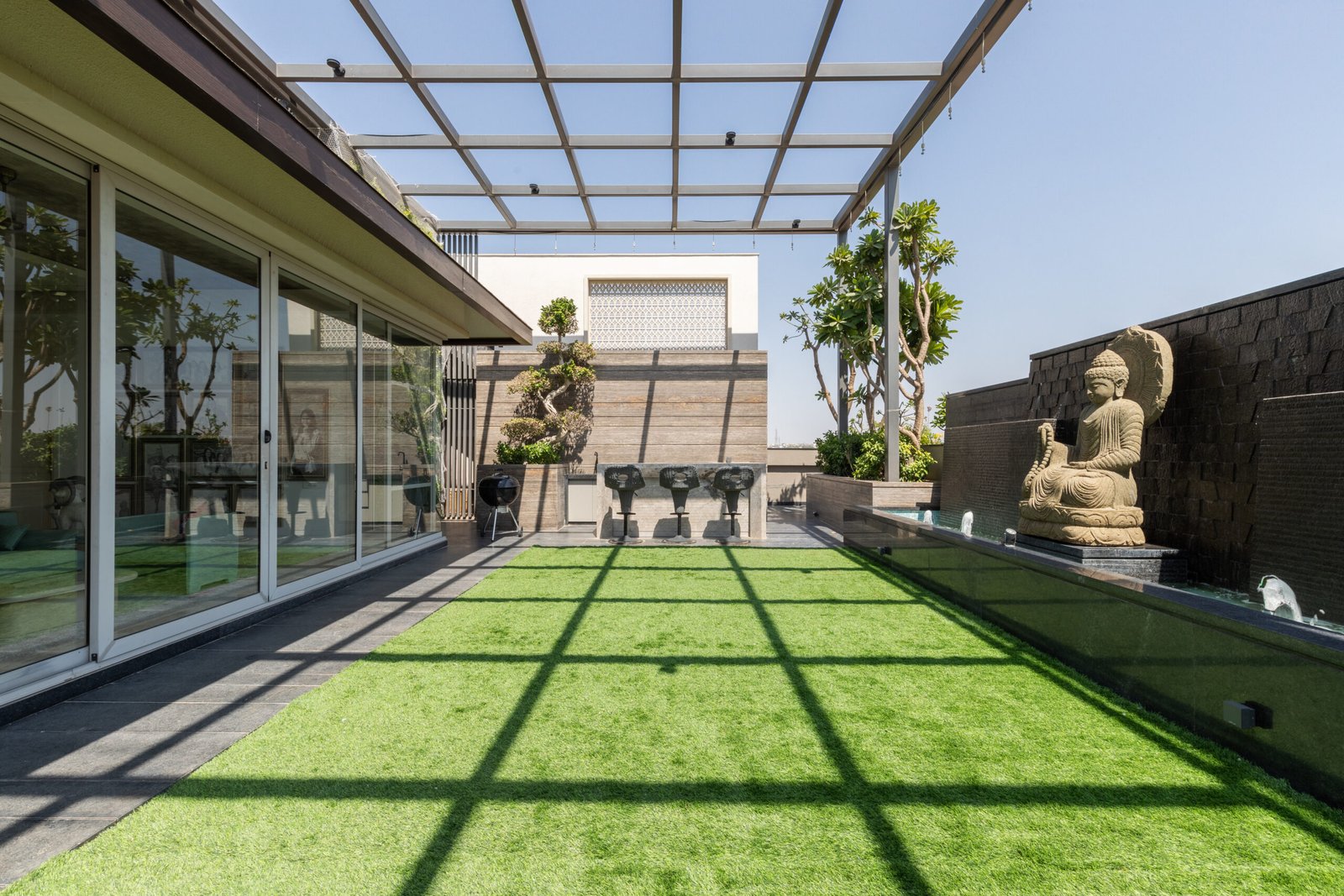
For me, seasonal change begins at the planning stage. I study the orientation carefully so that living spaces receive balanced daylight while staying protected from excessive heat. Fenestration ratios are kept controlled so windows bring light and breeze without overwhelming the façade.
Cross ventilation is achieved by aligning openings and circulation areas so air can travel through the home naturally. I also introduce recessed windows, shaded balconies, and layered façades to filter sunlight. These strategies allow the house to breathe with the climate. As spring arrives, interiors feel naturally lighter, brighter, and more comfortable without relying heavily on artificial cooling or lighting.
Natural light plays a crucial role in creating a fresh, open atmosphere. What design strategies do you use to maximise daylight without compromising thermal comfort? In luxury residences, how do you balance expansive glazing for maximum daylight with energy efficiency, glare control, and privacy considerations?
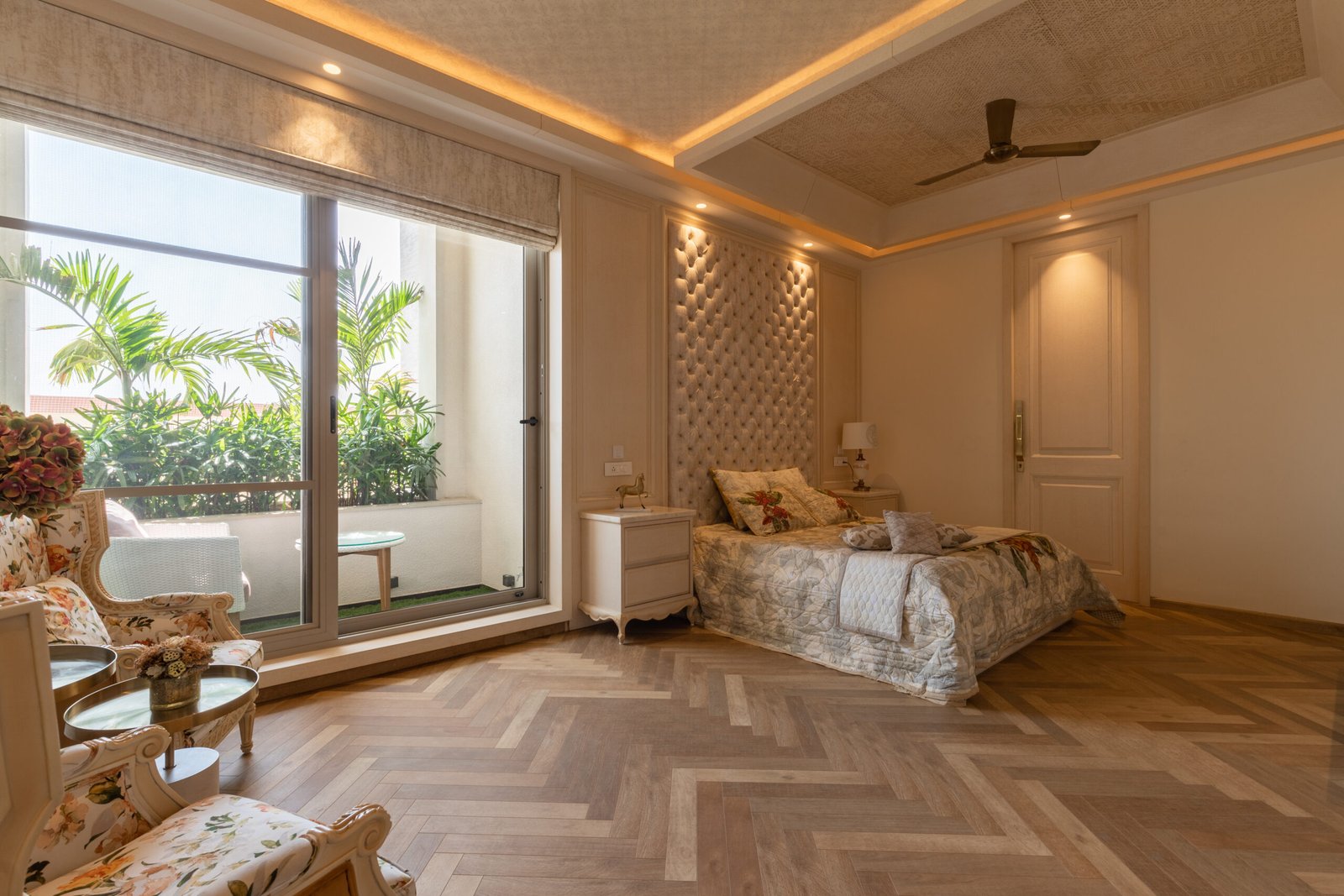
Natural light should always feel comfortable and controlled. At Rajkumar Architects, we approach daylight as a layered design strategy rather than simply increasing glazing. Large openings are positioned where they receive soft daylight and are paired with balconies, screens, or projections that reduce heat gain.
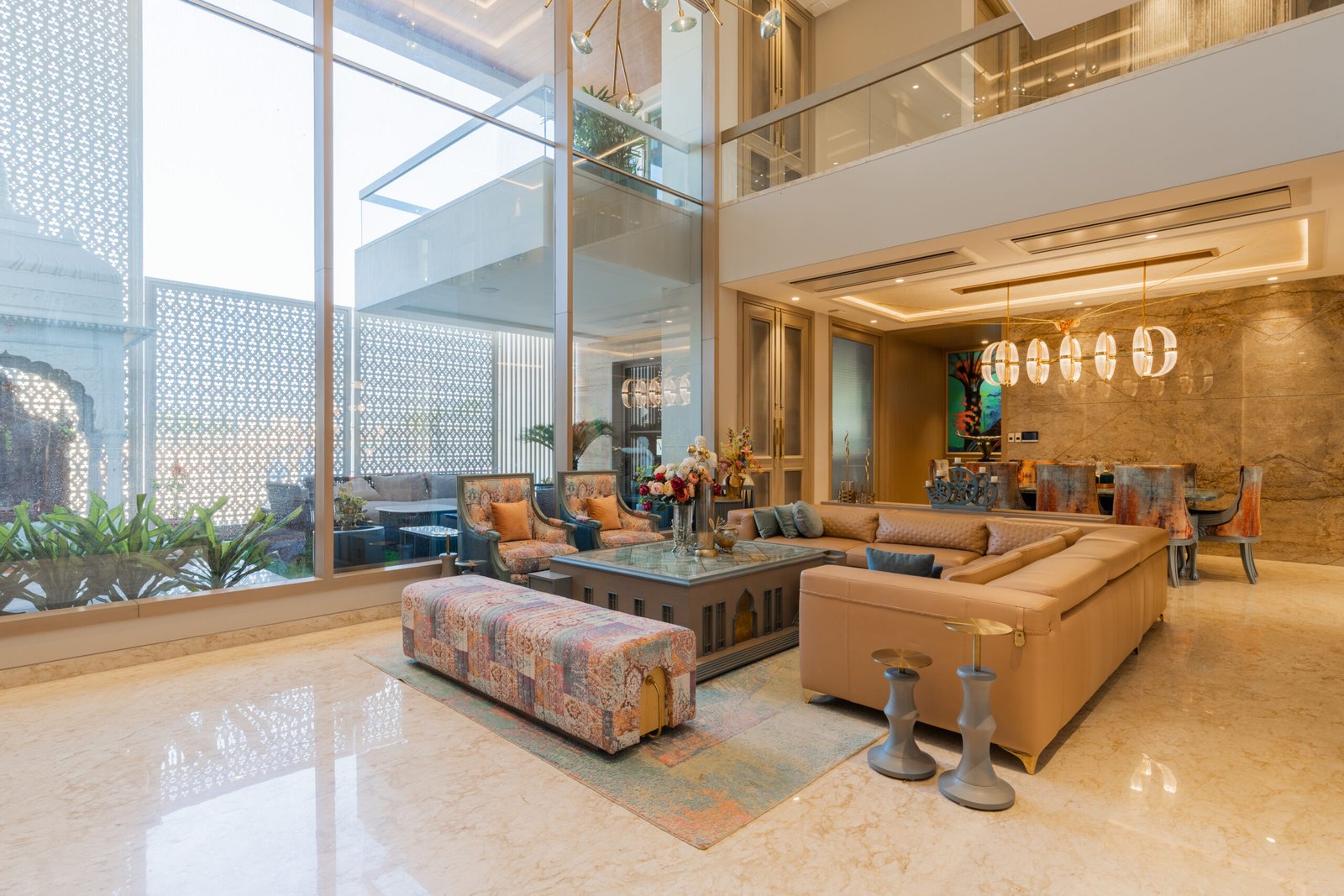
Light-toned materials and taller spatial volumes help reflect daylight deeper into interiors. In luxury residences, expansive glazing must also consider privacy and efficiency. High-performance glass, curtains, and shading systems allow residents to regulate brightness throughout the day. The aim is to maintain bright and open interiors while ensuring thermal comfort and visual balance.
Spring evokes softness and fluidity. How do you translate this into architectural language through spatial sequencing, ceiling heights, and material transitions? How can material palettes — especially softer tones and natural textures — subtly influence the emotional experience of a home during spring?
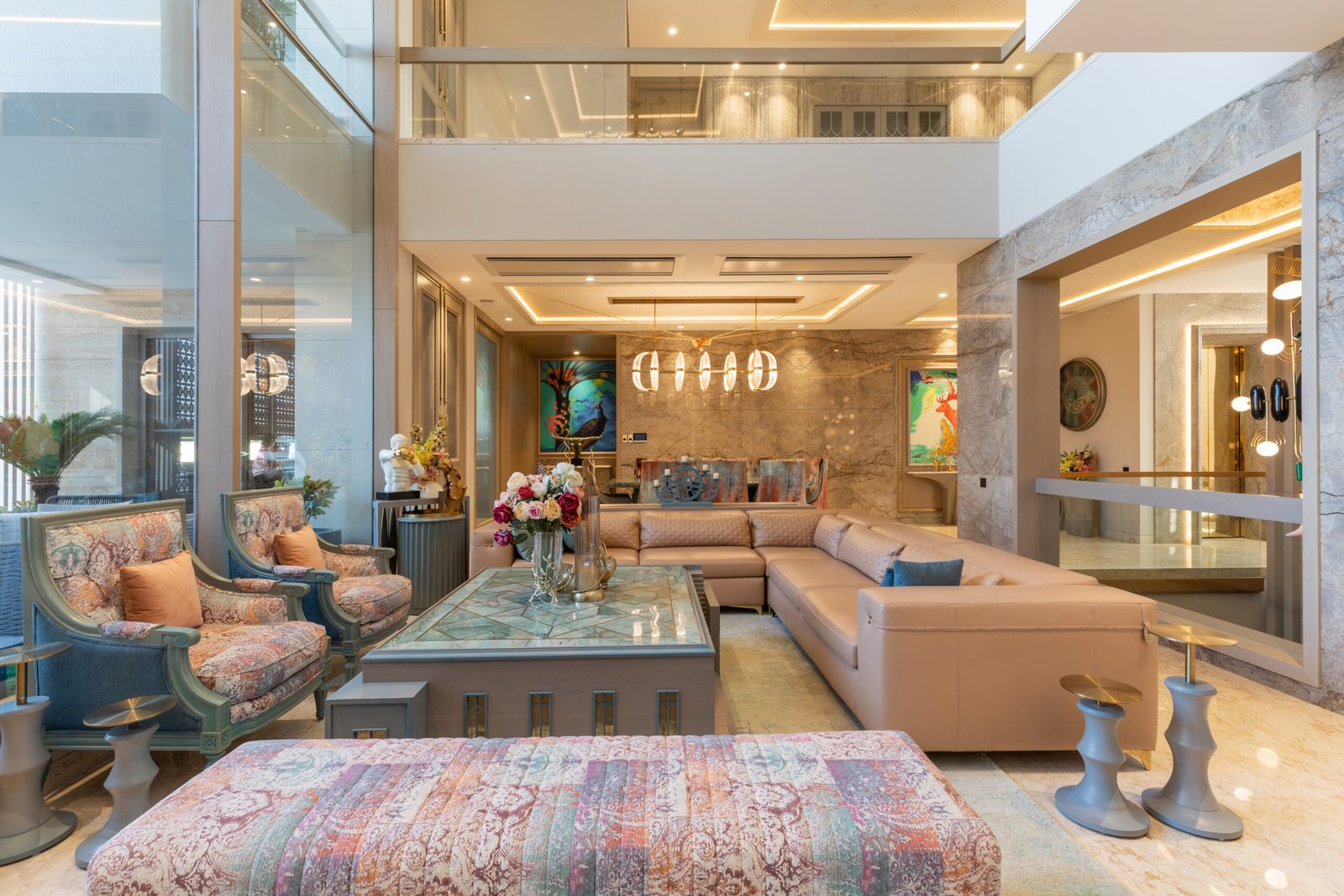
Softness in architecture comes from how spaces unfold and connect with each other. I try to design interiors where movement feels natural and uninterrupted. Subtle variations in ceiling heights help define spaces without creating rigid separations. Living areas often flow into one another so the home feels open yet comfortable.
Material transitions also play a key role. Warm neutrals, textured surfaces, and natural materials introduce a sense of calm. When daylight interacts with these surfaces, the atmosphere becomes lighter and more relaxed. Through thoughtful spatial sequencing and gentle material palettes, the architecture begins to reflect the softness and fluidity associated with spring.
In urban settings where space is limited, what architectural interventions can help homes feel airy and seasonally responsive? Biophilic design is also increasingly central to contemporary homes. How can integrated landscaping, internal courtyards, or green walls be structurally embedded rather than treated as decorative afterthoughts?
In dense urban settings, openness must be created through thoughtful spatial planning. Double height pockets, internal courts, and light wells help bring daylight and ventilation into the deeper parts of the home. I believe greenery should be embedded within the architecture itself. Balconies can integrate planters, terraces can host landscaped areas, and internal courtyards can bring nature into the center of the house.
Biophilic strategies such as green walls, indoor planters, natural materials, and framed views of landscape also strengthen this connection with nature. These elements soften the built form and visually expand the interior environment. When greenery, ventilation, and light become part of the structural planning, the home feels breathable, calming, and uplifting even within compact urban conditions.
For high-net-worth clients, outdoor living is an extension of lifestyle. How do you design terraces, decks, and garden interfaces that feel like seamless seasonal sanctuaries?
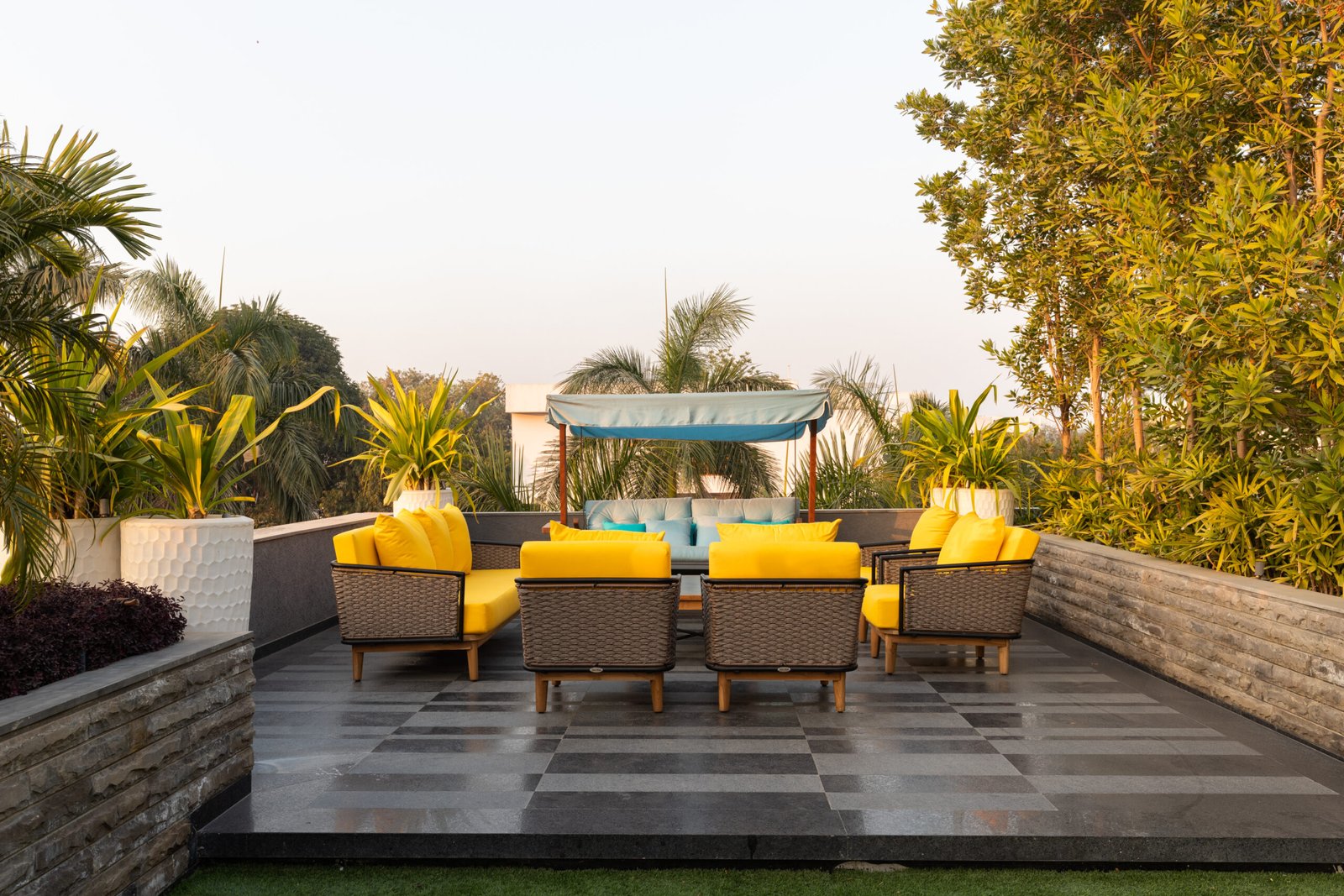
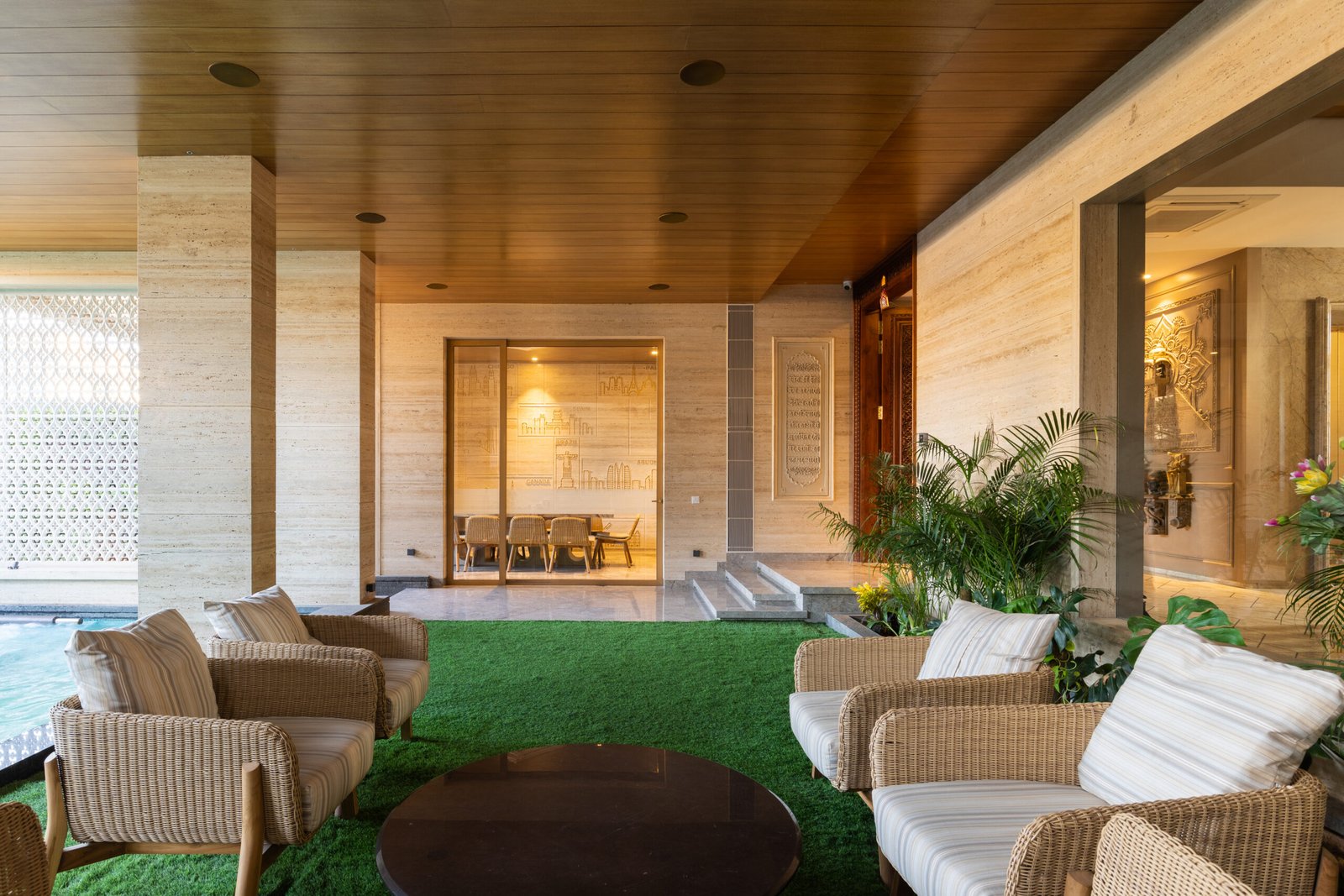
Outdoor spaces should feel like natural extensions of the home. I design terraces and decks that flow directly from indoor living areas. Comfortable seating, shaded zones, water features, and soft landscaping help create peaceful spaces where people can relax, gather, and experience the changing seasons.
Sustainability and seasonal design often go hand in hand. How can passive design elements help homes naturally adapt to warmer, brighter months?
Passive design plays a major role in creating climate-responsive homes. We at Rajkumar Architects focus on orientation, shaded openings, and spatial volumes that encourage natural ventilation. Deep balconies, recessed windows, and overhangs help reduce direct heat while still allowing daylight. Aligning openings across spaces enables cross ventilation, which improves indoor comfort during warmer months.
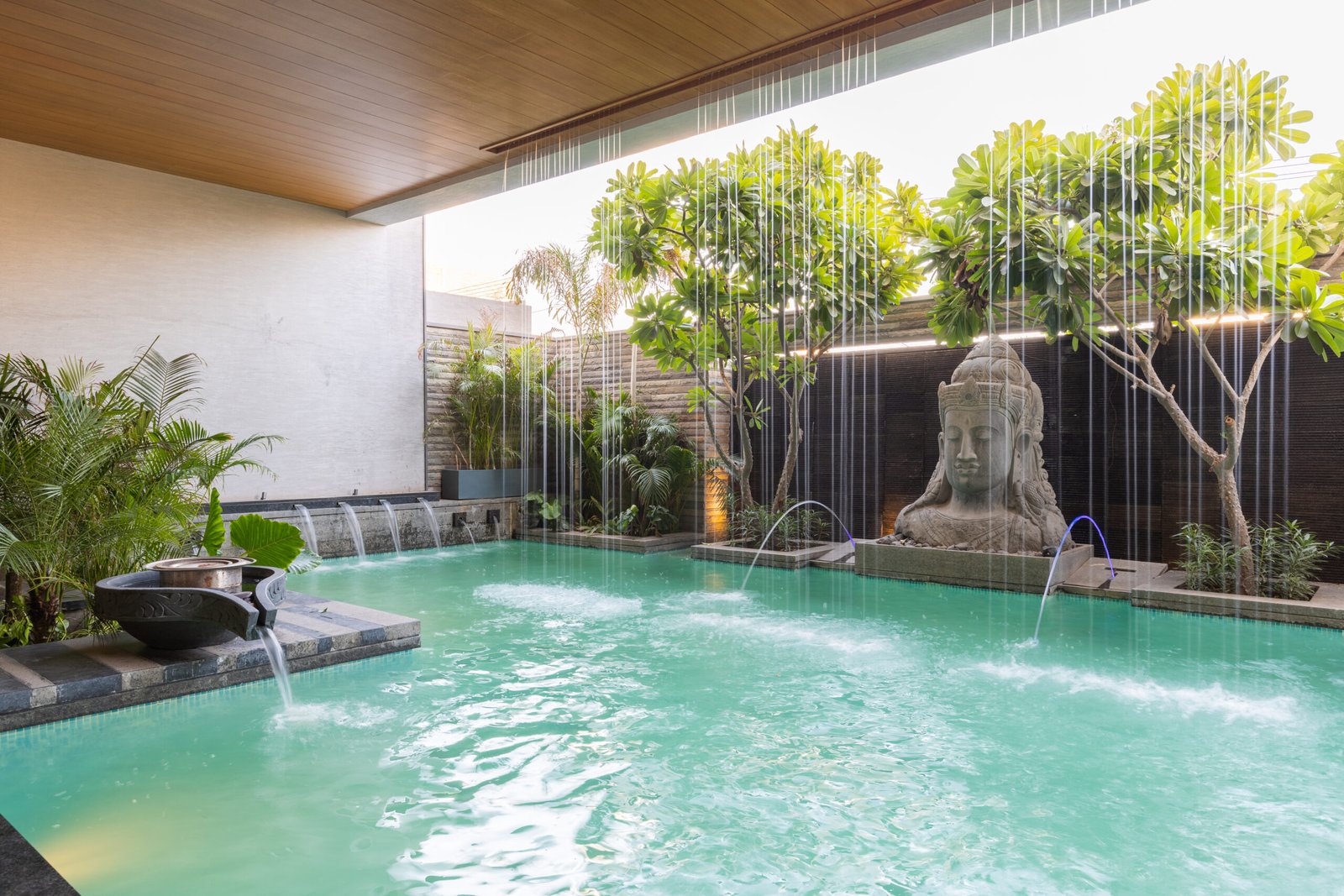
Materials with good thermal performance also help regulate indoor temperatures. Courtyards, terraces, and semi open zones further enhance airflow. When these strategies are integrated into the design from the beginning, the house adapts naturally to seasonal changes while reducing dependence on mechanical cooling systems.
Smart homes are now the norm in luxury architecture. How can automated shading systems, climate-responsive façades, or intelligent lighting design enhance the feeling of seasonal transformation?
Technology can quietly support seasonal comfort. Automated shading adjusts sunlight during the day. Climate responsive façades regulate heat and light. Smart lighting can shift brightness and warmth to reflect the time of day. Together, these systems allow the house to adapt smoothly with the changing season.
Timelessness is often your signature. How do you design homes that feel perpetually “in bloom” — fresh, open, and uplifting — without relying on fleeting seasonal trends?
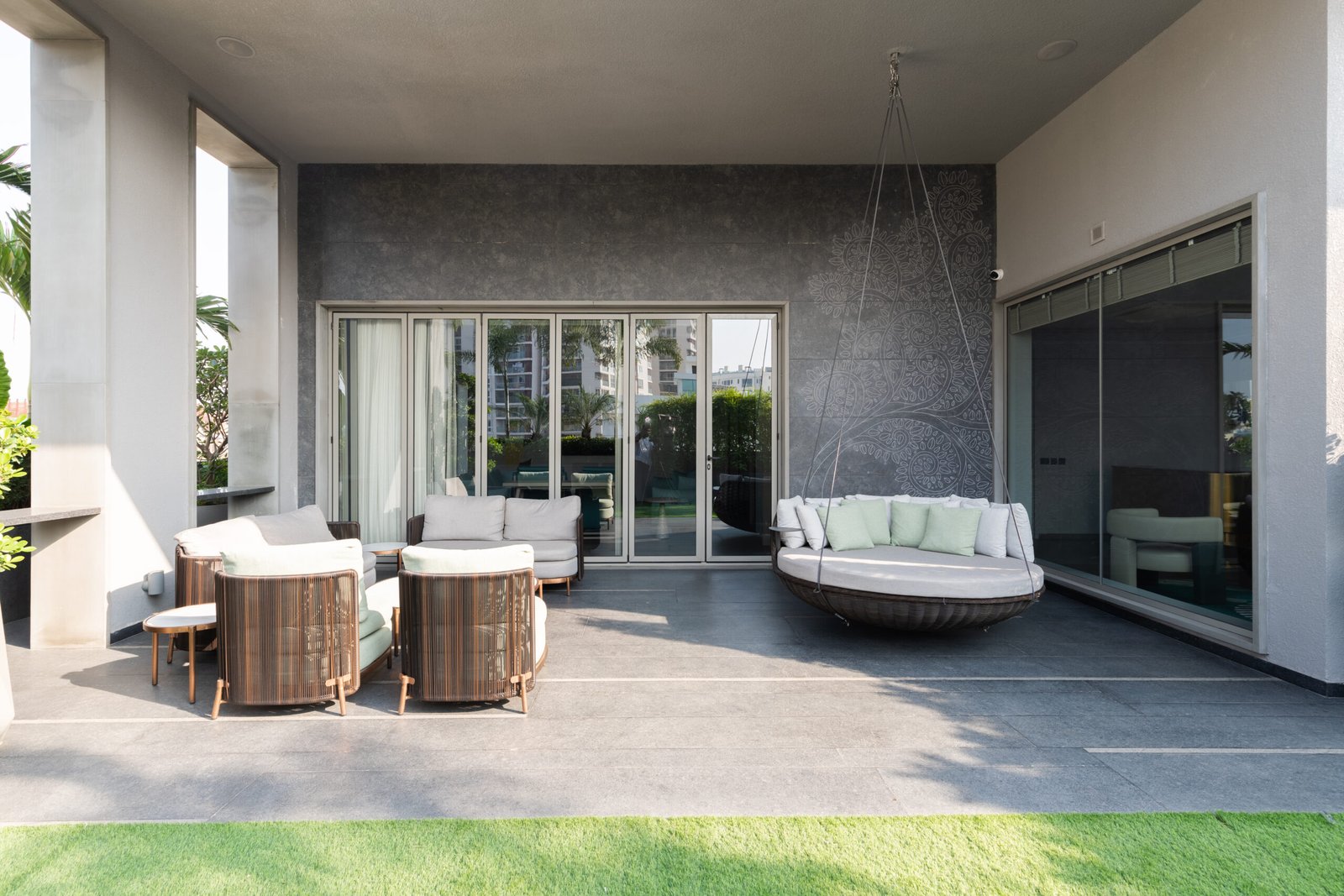
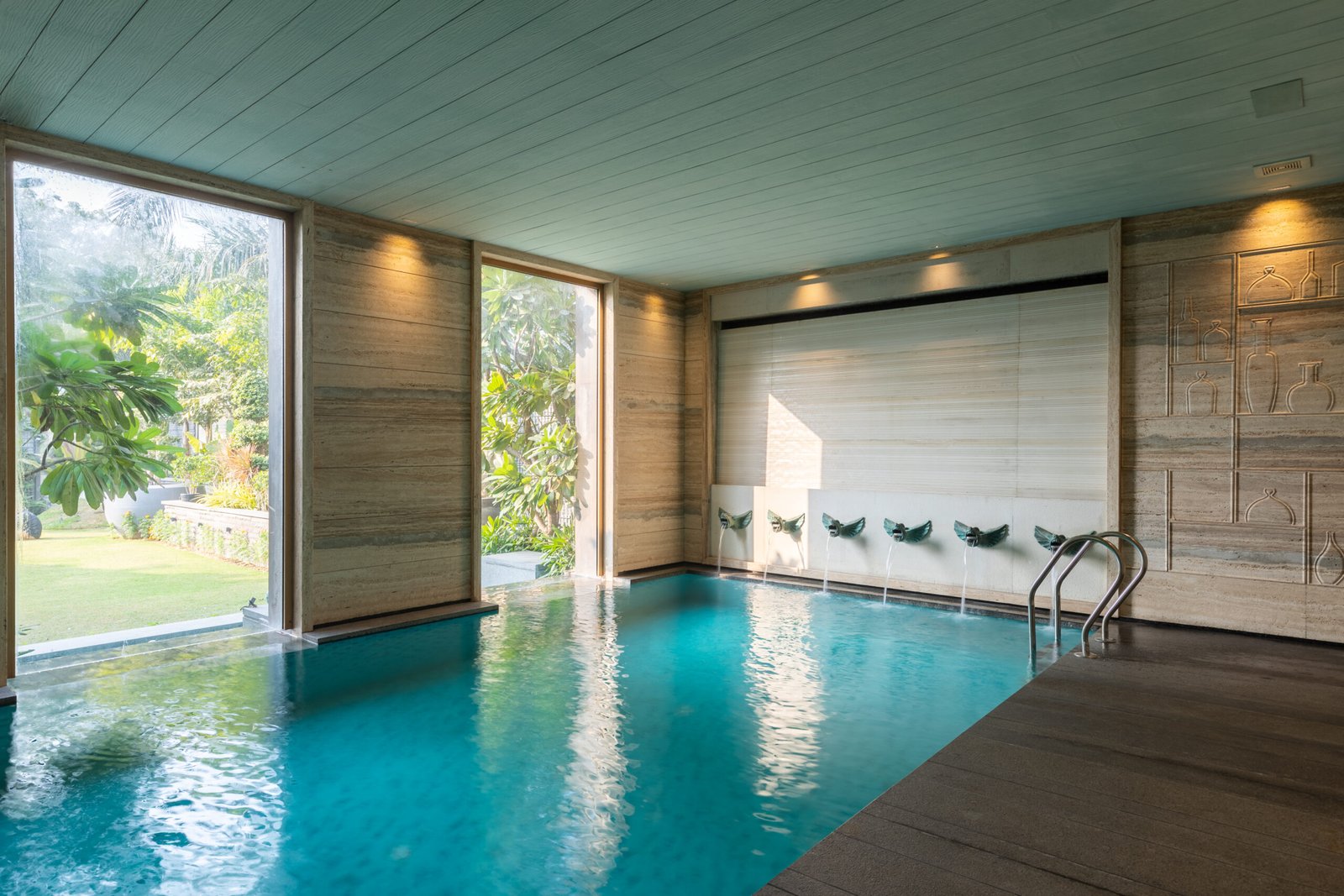
Timeless design comes from clarity and balance rather than temporary trends. I focus on natural light, good proportions, ventilation, and materials that age gracefully. In one of our recent projects, The Velora in Jaipur, this approach is reflected through layered openings, green balconies, and open spatial volumes that allow daylight and fresh air to travel through the home.
The material palette remains calm and neutral so the architecture does not rely on seasonal styling. Instead, the relationship between light, greenery, and openness keeps the house feeling uplifting throughout the year, allowing it to feel fresh and alive in every season.