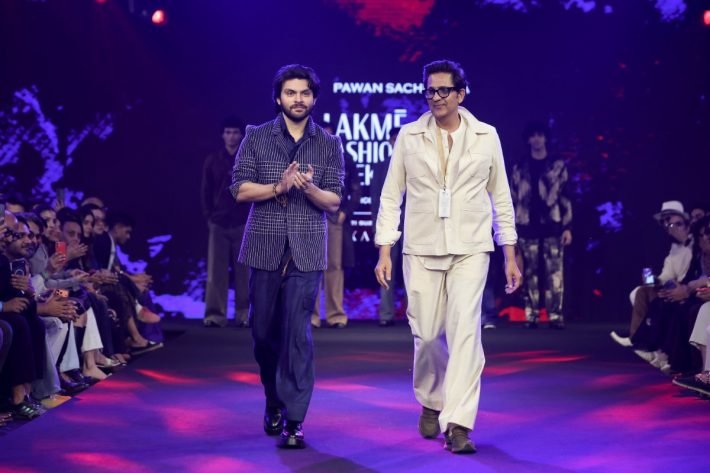

Shweta Singla, Timanti
Elegance today is no longer about excess… it is about intention. And few understand this shift as intuitively as Shweta Singla, the force behind Timanti. With over two decades of experience spanning design, international merchandising and global luxury brands like Swarovski, her journey reflects a rare blend of expertise and evolution… one that moves from scale and structure to something far more personal and instinctive.
At Timanti, that philosophy comes alive in a way that feels both understated and deeply immersive. Its first store in HSR Layout, Bengaluru, steps away from the codes of traditional jewellery retail and instead embraces openness, fluidity and quiet luxury. The space feels lived-in rather than staged… inviting you to slow down, explore quiet luxury and form a genuine connection with each piece.
For Shweta, jewellery is no longer about marking occasions or signalling status. It is about self-expression, individuality and the quiet joy of adornment. Timanti reflects this shift beautifully, speaking to a new generation of women who are bold, independent and unapologetically personal in their choices.
In an exclusive interview with Sumita Chakraborty, Founder & Editor-in-Chief, TheGlitz, Shweta Singla shares her Timanti journey, her evolving perspective on jewellery, and why the future of retail lies in creating spaces that feel as meaningful as the pieces they hold.
Over To Shweta Singla, Founder, Timanti

Your first store in HSR Layout feels more like a lived-in, experiential space than a traditional jewellery showroom. What inspired you to move away from conventional retail formats?
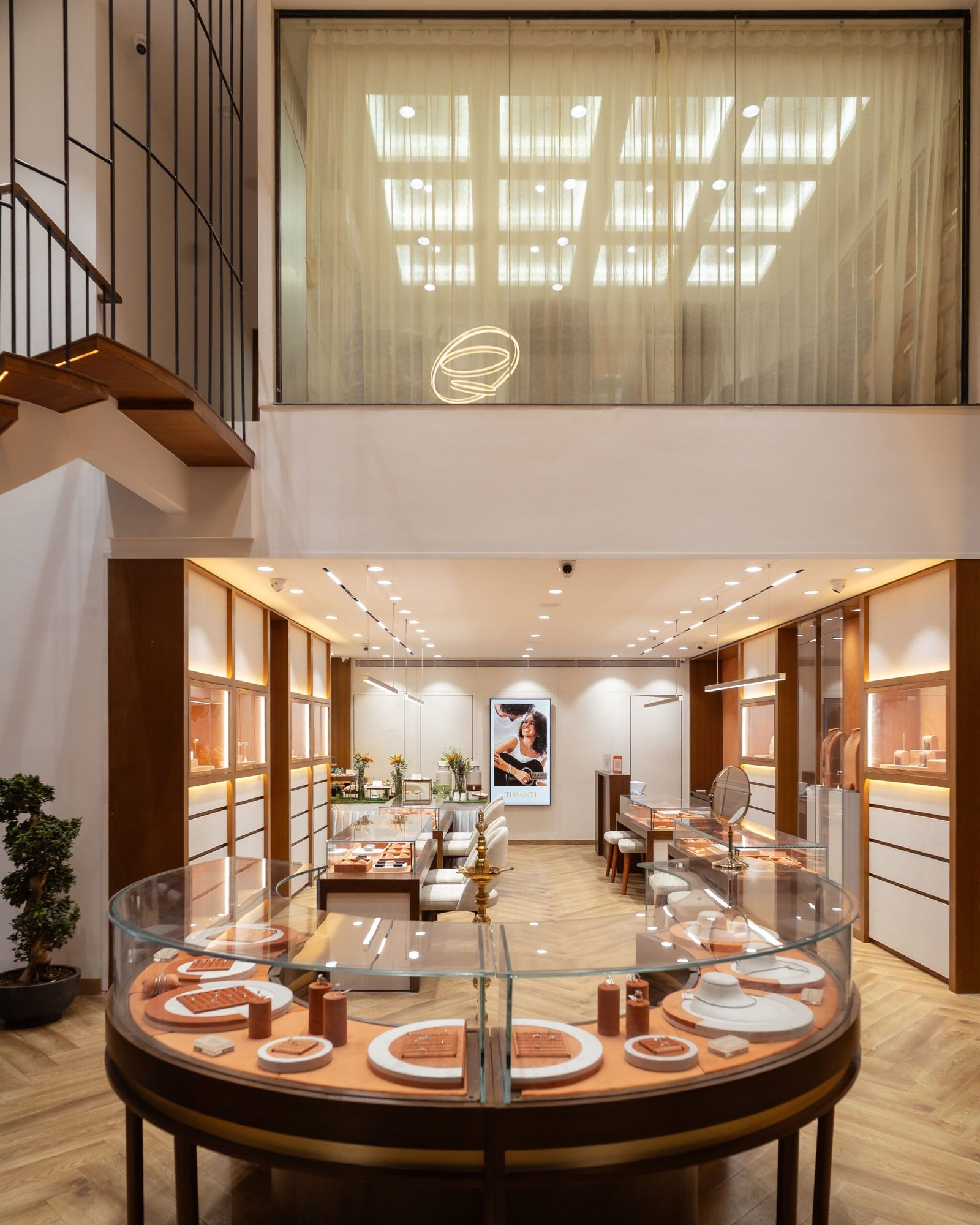
Traditional jewellery retail often feels transactional and have a certain formality that can create distance. I wanted to challenge that. Jewellery, at its core, is intimate and deeply personal, so the space it is experienced in should reflect that. The idea was to create something that feels warm, unhurried, a space which defines cozy comfort —where people can take their time, touch, explore, walk around and connect with pieces in a more organic way.
It’s less about “selling” and more about allowing discovery to happen naturally. It’s really about rediscovering jewellery as something instinctive and emotional—not just something you “put on,” but something you experience. The idea is to bring back the quiet joy of adorning yourself, of choosing a piece because it resonates with you in that moment.
With over two decades of experience, including working with global brands like Swarovski, briefly about your journey? Also, could you tell us how has your perspective on jewellery retail evolved, and how does Timanti reflect that shift?
My journey has been a blend of learning and then consciously unlearning, allowing my perspective to evolve organically with changing sensibilities and the way people relate to jewellery. Working with established global brands gave me a strong foundation in craftsmanship, merchandising, and scale. But over time, I began to feel that the industry was becoming too standardized—too focused on volume or occasion-driven buying.
What’s changed for me is a deeper appreciation for individuality. Today, I see jewellery less as a status symbol and more as an extension of identity. Timanti is a reflection of that shift—it’s quieter, more intentional, and rooted in storytelling rather than spectacle. At the same time, it’s about creating pieces—and spaces—that people can relate to on a personal level. For the new-age modern woman, jewellery is an extension of their personality. She is bold, expressive and doesn’t shy away from experimenting with striking and innovative pieces. That’s the design language of jewellery from Timanti as well.
The store embraces openness, restraint, and a fluid layout. How important is spatial design in shaping how customers emotionally connect with jewellery today?
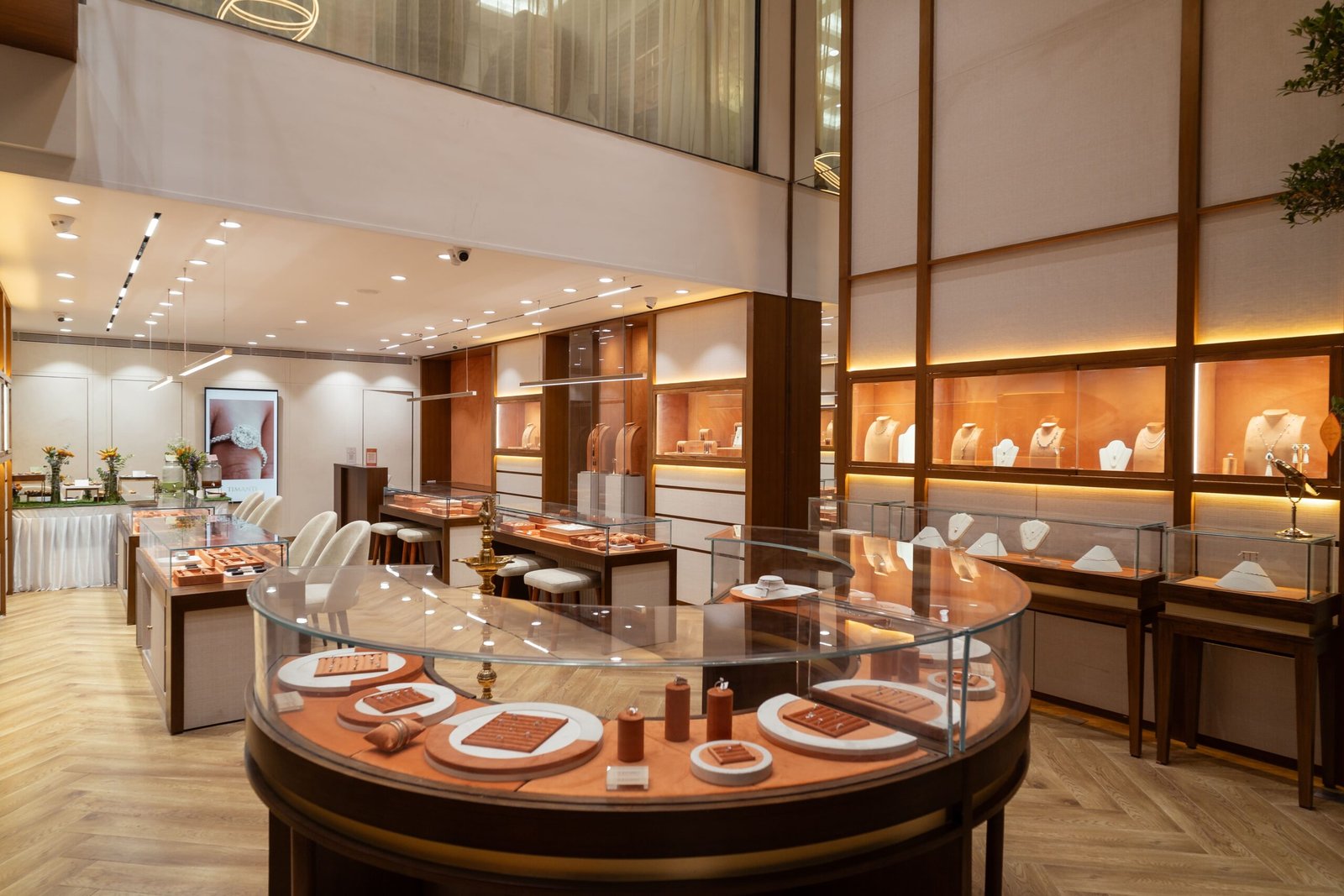
Spatial design is everything. Before a customer even looks at a piece, they’re already responding to the environment. If a space feels overwhelming or intimidating, it can create hesitation.
We approached the design with a lot of restraint—allowing breathing room, soft transitions, and a sense of flow. This helps people slow down and engage more deeply. Jewellery is tactile and emotional, so the space needs to support that—not compete with it. When done right, the environment becomes almost invisible, allowing the jewellery and the individual’s connection to it to take center stage.
Timanti seems to champion the idea of jewellery as something personal rather than occasion-driven. How are you seeing consumer behaviour change, especially among women buying for themselves?
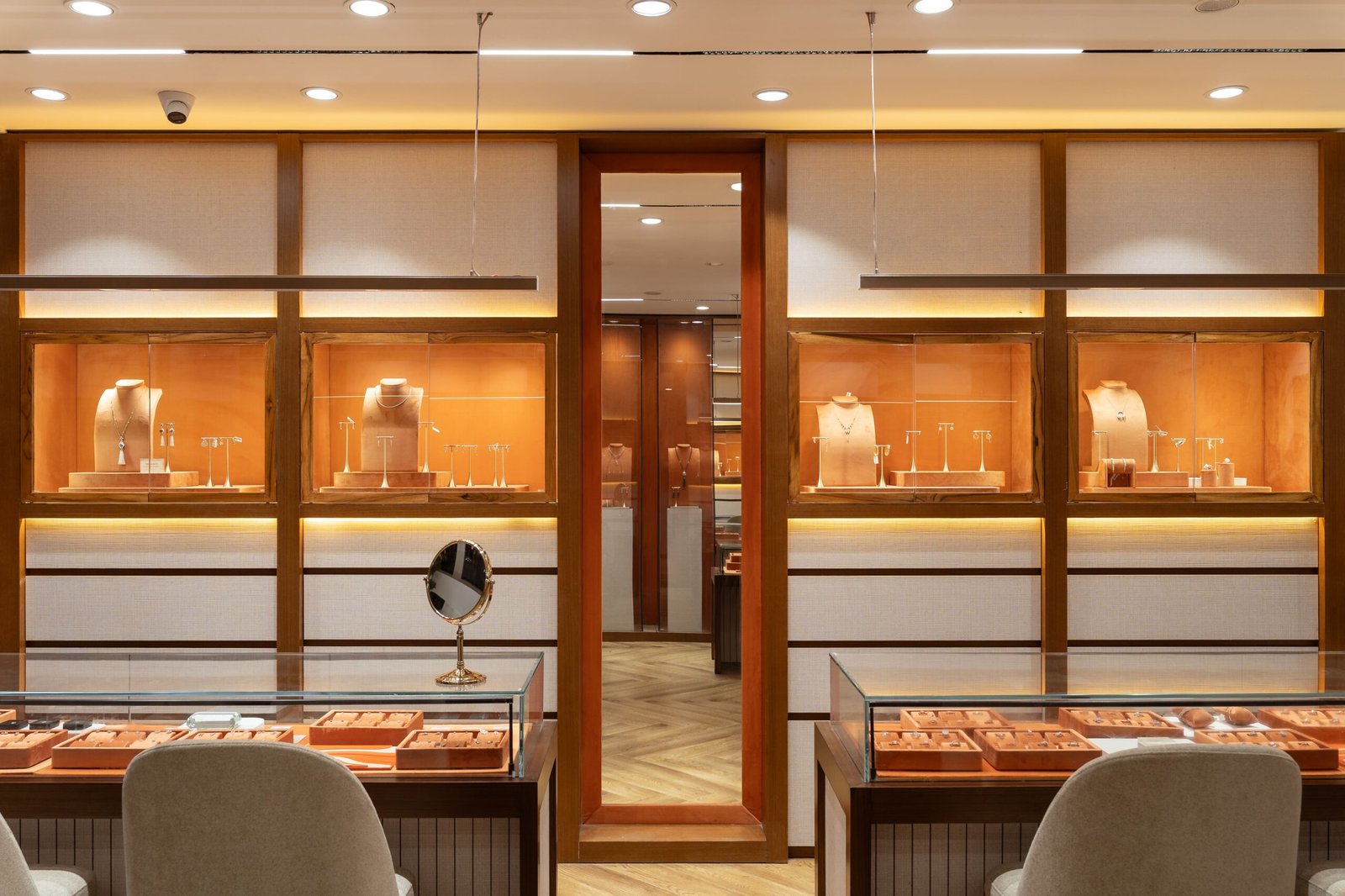
There’s a very clear shift toward self-purchase and self-expression. More women today are buying jewellery for themselves—not to mark an occasion, but to celebrate who they are in the moment. It’s less about waiting for milestones and more about everyday meaning. I find this to be increasingly the case, irrespective of whether she is married, dating or single. Even when couples walk in to our store, the girl is almost always clear that she will buy her own jewellery without expecting financial support from her partner.
We’re also seeing a move toward versatility—pieces that can transition across settings and moods. There’s a desire for jewellery that feels authentic, not performative. That shift is exciting because it opens up a much more honest relationship between the wearer and what they choose to wear.
There’s a noticeable absence of pressure in the store… no fixed journey, no hierarchy. Was this a conscious response to how overwhelming luxury retail can sometimes feel?
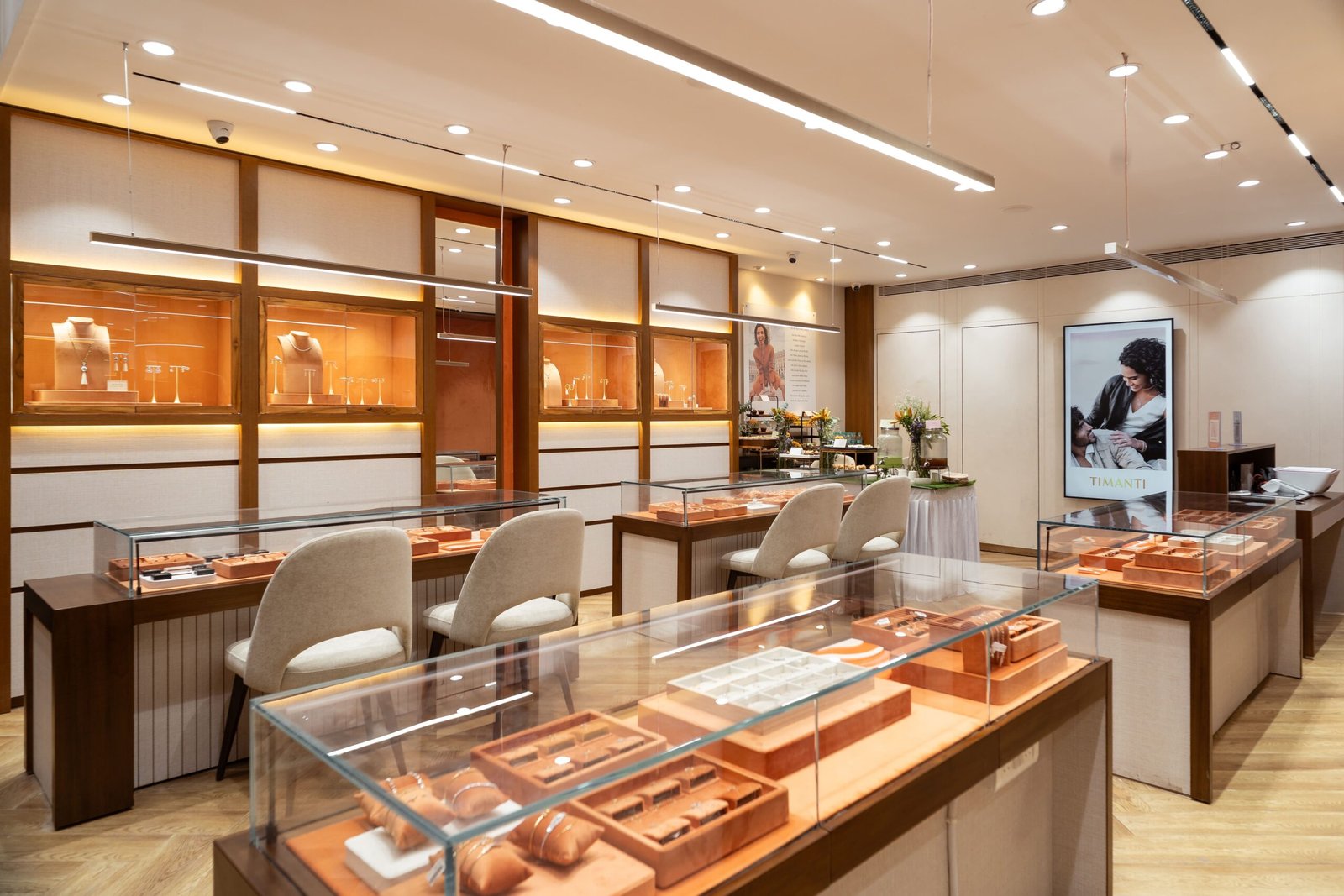
Absolutely. Traditional luxury retail can sometimes feel prescriptive—there’s a certain way you’re expected to move, to look, to buy. That can be intimidating, especially for someone who just wants to explore.
We intentionally removed that sense of structure. There’s no “right” way to experience the store. You can browse quietly, engage deeply, or simply spend time. The goal was to create a space that feels inclusive and non-judgmental—where people feel comfortable enough to be themselves. When that pressure disappears, the interaction becomes far more genuine.
HSR Layout has become a hub for a new, independent, design-aware audience. How did the neighbourhood influence your decision, and do you see it shaping the brand’s identity?
HSR Layout felt like a natural fit from the beginning. It has a certain energy—creative, independent, and evolving. The audience here is curious and design-aware, but also values authenticity over ostentation. Technology professionals and budding entrepreneurs form the core of HSR Layout where they are all carving a niche for themselves in their chosen walks of life.
That aligns closely with what Timanti stands for. Being in HSR has allowed us to connect with a community that appreciates subtlety and thoughtfulness and strives to find meaning in everything they do and they choose to adorn. In many ways, the neighbourhood reinforces our identity—it keeps us grounded and relevant.
Looking ahead, how do you see Timanti evolving—will you continue to expand this intimate, experience-led retail model, or are there new directions you’re excited to explore?

The experiential aspect will always remain central—it’s core to who we are. But evolution is important. We’re exploring ways to deepen the relationship with our customers, whether through more personalized services, storytelling, or even new formats of engagement beyond physical retail.
Expansion is already in the works and it will be thoughtful and measured. The challenge is to scale without losing intimacy. At the same time, we’re excited about experimenting—whether that’s collaborations, new design directions, or reimagining how jewellery can be experienced in different contexts. The idea is to keep growing, but in a way that stays true to our values.
TheGlitz Take
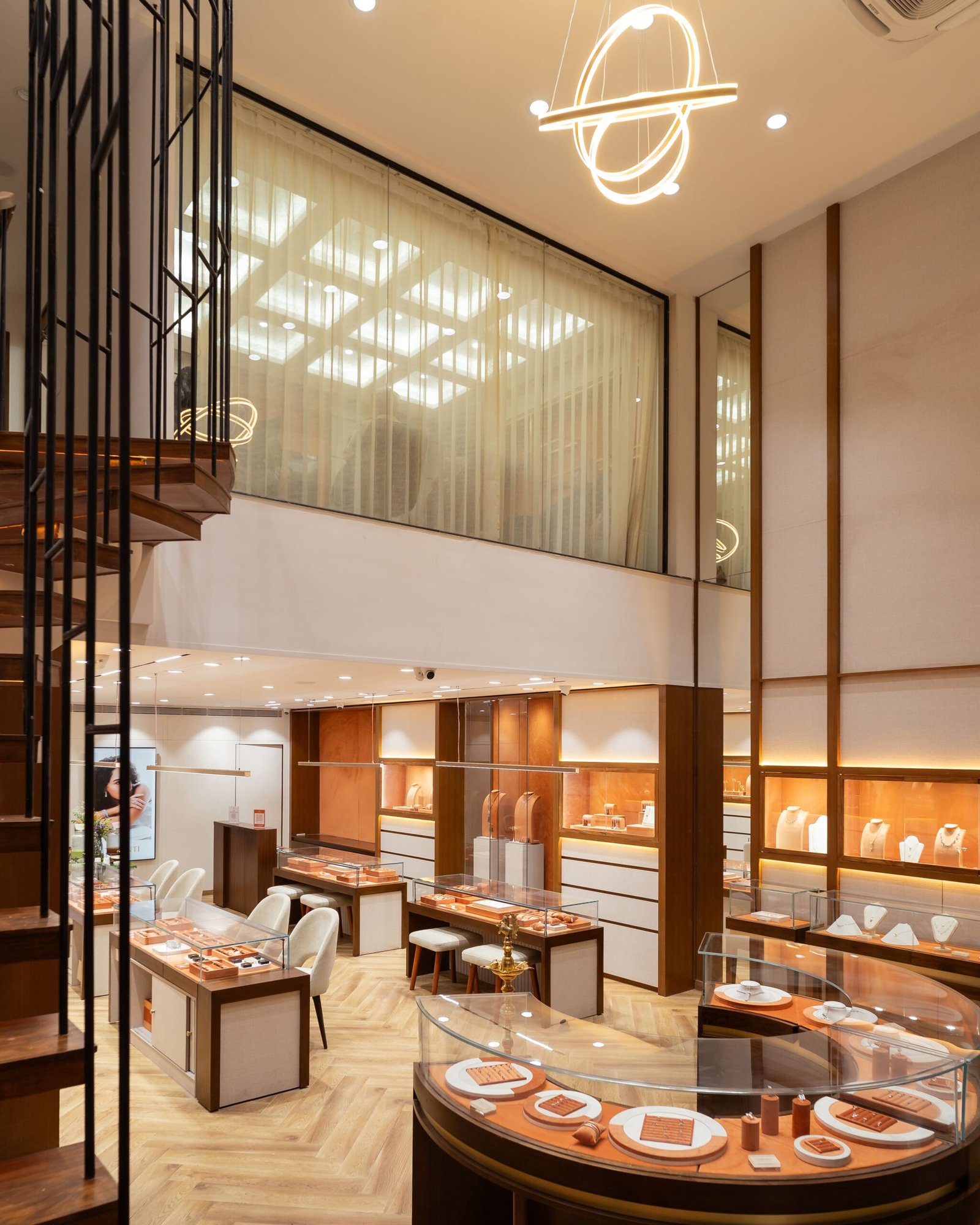

Timanti is not just reimagining jewellery, it’s redefining how we experience it. Sometimes luxury tends to leans loud, Shweta Singla’s vision, however, feels refreshingly quiet, intentional and deeply personal. The space, the design language and the philosophy all come together to celebrate individuality over occasion, emotion over excess. For TheGlitz, Timanti stands as a beautiful reminder that true luxury isn’t about how much you wear, but how meaningfully you wear it… and how effortlessly it becomes a part of who you are.