L’Atelier 1664, returns to Lakmé Fashion Week with Abraham & Thakore‘s “The Sari’torial,” – Modern Drapes, Global Lines: Indian Silhouettes Reimagined at Lakmé Fashion Week
…It’s reigning fashion and yes, TheGlitz is talking about the coming together of fashion’s creative giants – L’Atelier 1664, returning to Lakmé Fashion Week with Abraham & Thakore‘s “The Sari’torial”.
That’s right… at this season’s Lakmé Fashion Week in Mumbai, fashion moves far beyond the expected runway spectacle. It becomes a dynamic conversation — between heritage and modernity, tradition and tailoring, India and the world. Across collections, designers explore how classic Indian silhouettes can evolve without losing their soul. Drapes grow sharper, tailoring softens, and craftsmanship meets contemporary design thinking.
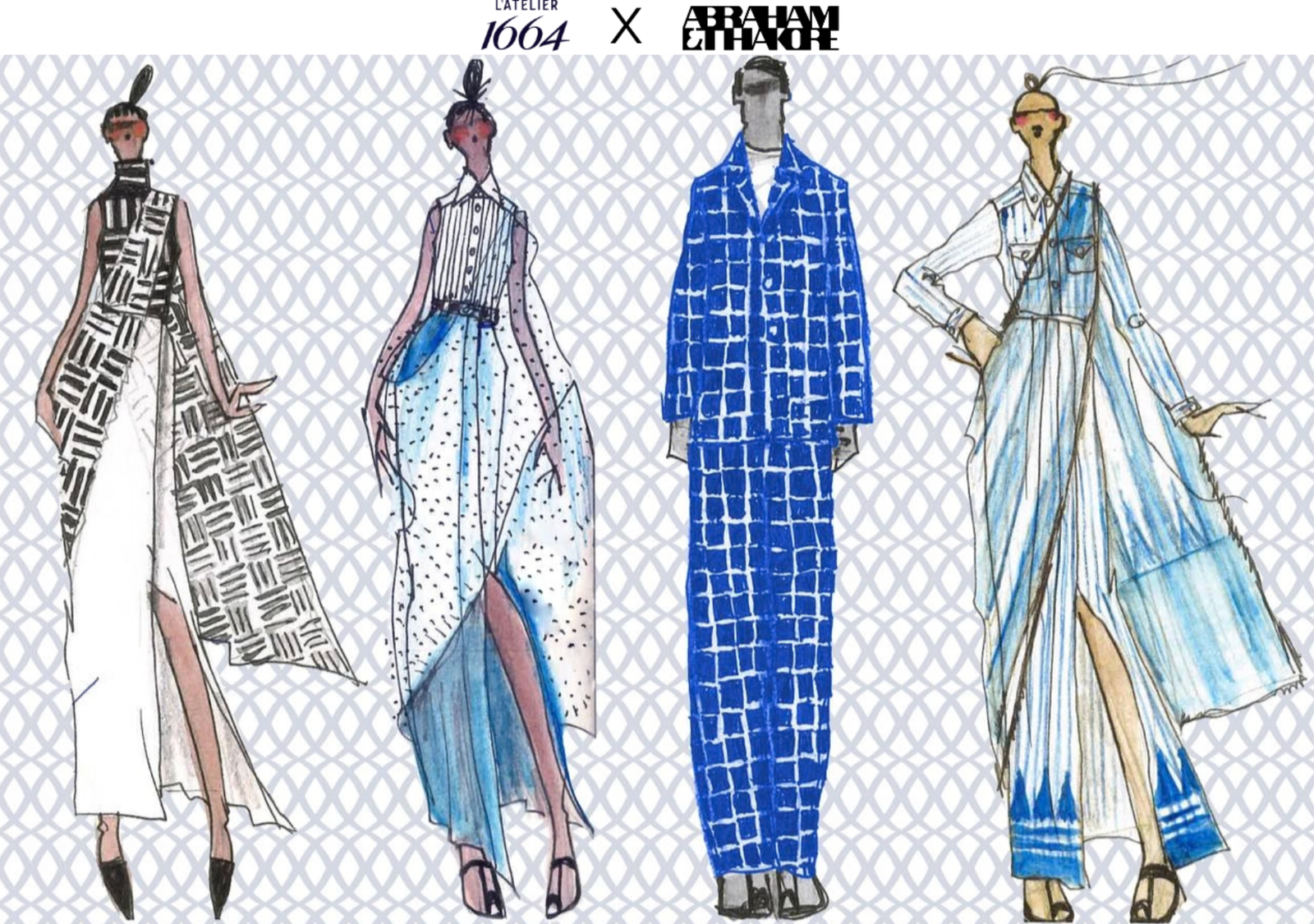
At the centre of this cultural exchange is L’Atelier 1664, the design-led platform inspired by 1664 Blanc, which returns to Lakmé Fashion Week with an evocative showcase by celebrated design duo Abraham & Thakore. Their presentation, titled “The Sari’torial,” perfectly captures the spirit of modern Indian fashion — where the timeless sari meets the precision of tailoring. The result is not merely a collection, but a thoughtful reinterpretation of one of India’s most iconic garments.
L’Atelier 1664 returns to Lakmé Fashion Week with Abraham & Thakore‘s “The Sari’torial”
Few garments hold as much cultural weight as the sari. Yet its ability to adapt and transform across eras is precisely what keeps it relevant. In “The Sari’torial,” Abraham & Thakore approach the sari with architectural precision, blending fluid drapes with structured tailoring.
Pleats appear sharper, silhouettes feel more streamlined, and traditional drapes are reimagined through the lens of modern design. Jackets and structured layers sit effortlessly over soft textiles, creating garments that feel both contemporary and deeply rooted in heritage.
The designers are long known for their minimal, intellectual aesthetic — one that celebrates craftsmanship without unnecessary excess. In this collection, the sari becomes a canvas for subtle innovation, proving that reinvention does not require abandoning tradition. Instead, it requires understanding its essence and allowing it to evolve.
Global Influence
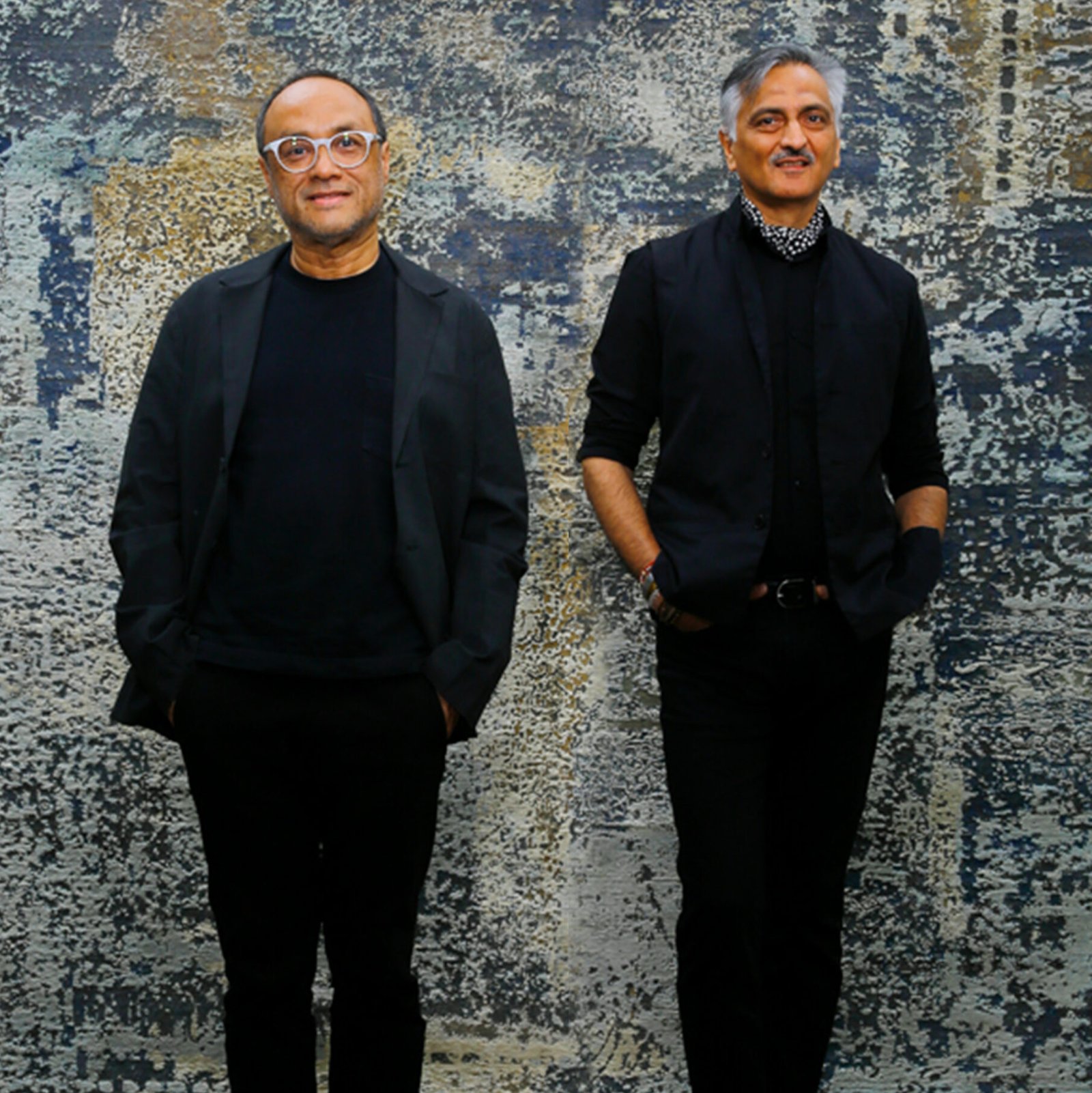
Indian fashion today exists within an increasingly global conversation. Designers constantly navigate influences that stretch from Parisian ateliers to Japanese minimalism and Scandinavian restraint. At Lakmé Fashion Week, this cross-cultural dialogue is unmistakable.
The collaboration between L’Atelier 1664 and Abraham & Thakore embodies this exchange beautifully. The collection subtly merges the relaxed elegance associated with French design sensibilities with India’s deep-rooted textile traditions.
The result is fashion that feels cosmopolitan yet unmistakably Indian. Clean lines, balanced proportions and restrained palettes reflect a global aesthetic, while handcrafted textiles and draped forms preserve the emotional and cultural identity of Indian clothing. In today’s fashion landscape, this fusion is no longer experimental — it is the future.
Design Dialogue
Beyond the runway, L’Atelier 1664 continues its presence at Lakmé Fashion Week through its signature lounge — an immersive space celebrating the intersection of fashion, design and contemporary culture.
The lounge functions as more than a hospitality zone; it becomes a cultural meeting point where designers, artists, tastemakers and fashion enthusiasts engage with the creative ideas shaping the industry today.
This emphasis on dialogue reflects a broader shift within fashion events. Runways are no longer isolated showcases. Instead, they form part of larger creative ecosystems that include design installations, conversations and curated experiences. In this environment, fashion becomes not only something to wear but something to think about.
Silhouette Shift
What emerges clearly from this season’s showcases is a larger movement in Indian fashion — a shift toward silhouettes that feel lighter, more versatile and globally relevant.
Designers increasingly explore ways to reinterpret traditional garments so they fit seamlessly into modern wardrobes. Drapes pair with tailored structures, classic textiles appear in contemporary forms, and heritage techniques find new expression through minimalist aesthetics.
This evolution does not dilute tradition; it strengthens it. By adapting to changing lifestyles and global aesthetics, Indian silhouettes gain new life and broader appeal. The sari, the kurta, and other iconic forms are no longer confined to ceremonial wear. Instead, they become part of everyday fashion narratives — adaptable, expressive and contemporary.
TheGlitz Verdict: Beginning of a Cultural Future
If Lakmé Fashion Week reveals anything this season, it is that the future of Indian fashion lies in thoughtful reinvention. Designers are not abandoning heritage; they are translating it for a modern, global audience.
Through collections like “The Sari’torial,” the message becomes clear: Indian silhouettes possess extraordinary adaptability. When guided by intelligent design and cultural respect, they evolve endlessly while remaining timeless.
And in that delicate balance between past and present lies the true power of fashion — the ability to honour tradition while shaping what comes next.